Exercise guide

Exercise for OCD: what the trials show, how it fits with therapy, and when it becomes a compulsion

Exercise can ease the anxiety and low mood that often come with obsessive-compulsive disorder (OCD), and it may help a little alongside therapy. It isn't a treatment for OCD on its own: in the few proper trials, exercise alone didn't beat a comparison group. The treatments that work are cognitive behavioural therapy (CBT) with exposure and response prevention (ERP), and medicines called selective serotonin reuptake inhibitors (SSRIs).

If you are thinking about harming yourself or can't keep yourself safe, call 999 or go to A&E. For urgent help, call Samaritans free on 116 123, any time, or in England call 111 and select the mental health option. In the US, call or text 988.

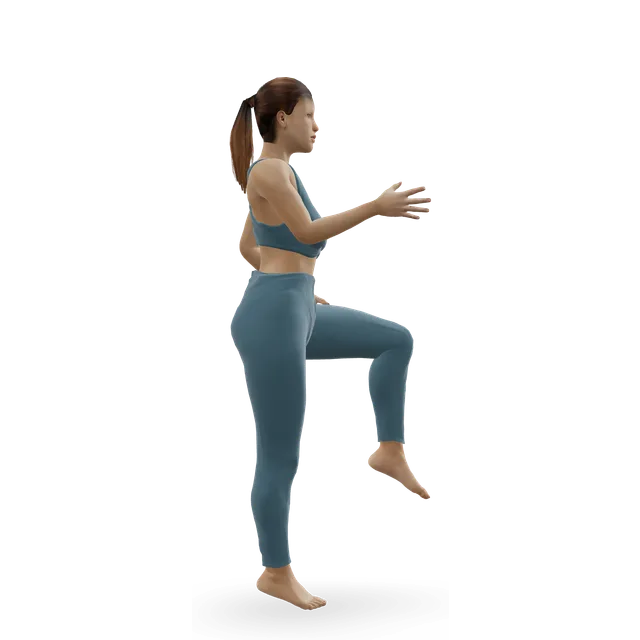
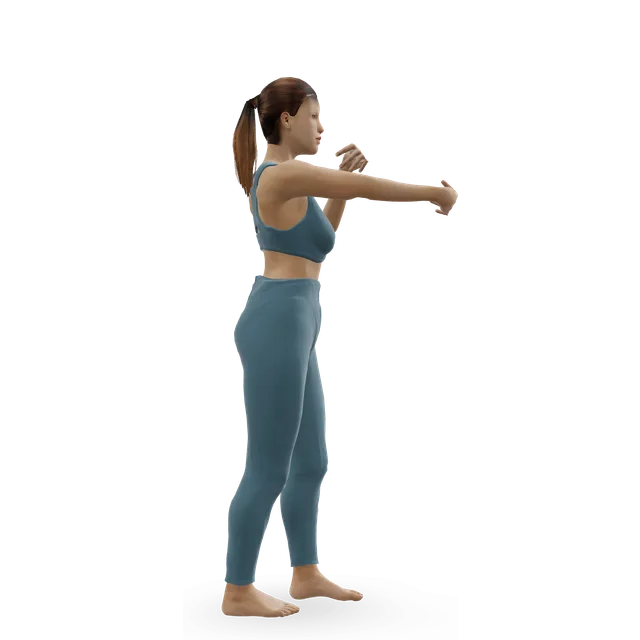
This guide covers what the trials show, how exercise fits around therapy and medicine, how much to do, and the signs that exercise itself has become a compulsion, with moves on the 3D figure and workouts to follow.

If you need help now

Get help straight away

The NHS (the UK National Health Service) says: "Contact a GP or care team immediately if you ever feel you cannot go on." A mental health emergency should be taken as seriously as a physical one, and you will not be wasting anyone's time.

  • Call 999 or go to A&E if your life is at risk: for example, you have seriously harmed yourself or taken an overdose, or you feel you can't keep yourself safe.
  • For urgent help in England, call 111 and select the mental health option, or use 111 online.
  • Call Samaritans on 116 123. It is free, any time, day or night.
  • In the US, call or text 988, the 988 Suicide and Crisis Lifeline, any time.

Sources 1, 2, 3, 4, 5

The short version

Therapy and medicine are the treatments

The National Institute for Health and Care Excellence (NICE) recommends CBT with ERP, an SSRI, or both, depending on how much OCD affects your life. Neither NICE nor the NHS recommends exercise as a treatment for OCD.

Sources 6, 7

Exercise on its own: small trials, mixed results

Symptoms often fell during exercise programmes, but most studies had no comparison group, and in the randomised trials exercise alone didn't do better than the comparison.

Sources 8, 9, 10

Alongside therapy, it may add a little

In one trial, people who exercised more often improved more, and CBT with or without exercise beat exercise alone. One hospital trial found hard exercise straight after exposure sessions helped people improve more, but it is a single study.

Sources 11, 12

One session takes the edge off

A session of aerobic exercise lifted mood and eased anxiety and compulsions more than a health education session, but it didn't change obsessions in the moment.

Source 13

Exercise can become a compulsion

Rigid or punishing routines, exercising when ill or injured, and feeling a session can't be changed are warning signs. Choose activities you enjoy, time them by the clock rather than counting, and keep the plan flexible.

Sources 14, 15

OCD in brief

What OCD is

The NHS describes 3 parts: obsessions ("an unwanted, intrusive and often distressing thought, image or urge"), the anxiety or distress they cause, and compulsions, repeated actions or mental acts a person feels driven to do. A compulsion "temporarily relieves the anxiety, but the obsession and anxiety soon return, causing the cycle to begin again".

Source 5

Common obsessions and compulsions

Obsessions often involve fear of harming someone, fear of contamination, or a need for things to be symmetrical or ordered. Compulsions include cleaning and hand washing, checking, counting, ordering and arranging, asking for reassurance, repeating words in your head, "neutralising" thoughts and avoiding triggers. OCD-UK adds checking body reactions, and arranging things until they feel "just right". Not all compulsions are visible to other people.

Sources 5, 16

Intrusive thoughts

The NHS says violent or sexual intrusive thoughts are "just thoughts and having them does not mean you'll act on them". OCD-UK says people with OCD are "the least likely people to actually act on the thoughts", and NICE says such thoughts are common in OCD and "often misinterpreted as indicating risk".

Sources 5, 17, 6

Body-focused OCD

Some people become hyperaware of breathing, blinking, swallowing or other body sensations, and some check their body over and over for signs of illness. Exercise raises your heart rate and breathing, which may feed this kind of checking for some people (our suggestion).

Sources 17, 16

Who it affects

It can start from about age 6 but often begins around puberty and early adulthood, and it can happen in pregnancy or after a birth. The NHS: "OCD is a health condition like any other, so there's nothing to feel ashamed or embarrassed about."

Sources 18, 19

How common it is

In England in 2023 to 2024, 2.2% of adults had OCD in the past week, about 1 in 45. Among 16 to 24 year olds it rose from 1.5% in 2000 to 5.7%. Only 9.6% of adults identified with OCD had ever had a professional diagnosis. In the US, 1.2% of adults have OCD in a given year.

Sources 20, 21, 19

Conditions that come with it

Depression, eating disorders, generalised anxiety disorder and hoarding disorder can come with OCD, and people with OCD and severe depression may have suicidal feelings. Body dysmorphic disorder (BDD), a preoccupation with how you look, is covered by the same NICE guideline, and the NHS lists regular exercise among the things that help your wellbeing with it.

Sources 5, 22, 6

TreatmentStrong evidence

NICE recommends CBT including ERP for mild OCD, a choice of an SSRI or more intensive CBT for moderate OCD, and both for severe OCD. Mild OCD usually needs about 8 to 20 therapy sessions, and you can refer yourself to NHS talking therapies. ERP means facing fears step by step "without 'putting them right' or 'neutralising' them with compulsions", until the anxiety fades. The NHS says OCD is unlikely to get better without proper treatment.

Sources 6, 7, 18, 23

NICE is updating its guideline

The current guideline (CG31) dates from 2005. A draft update was out for consultation until 21 October 2026, with the final version expected in February 2027; it puts individual CBT, usually 12 to 14 weekly sessions, first, and OCD-UK has criticised it. Neither version mentions exercise.

Sources 24, 25, 26

What the evidence says

Effect sizes put the different scales trials use onto one: about 0.2 is small, 0.5 moderate and 0.8 or more large. Most trials here are small.

Exercise on its own: symptoms fell, but the trials are weakMixed evidence

Across 6 studies with 92 people, OCD symptoms fell a lot from before to after exercise programmes (1.33), and anxiety and low mood eased too, but only 2 studies were randomised and all were at risk of bias. A 2026 review found the randomised trials showed no significant effect. Treat the large figure as "symptoms fell during programmes", not as the effect of exercise.

Sources 8, 9, 27

The main randomised trialEmerging evidence

In 56 people still troubled by OCD despite treatment, 12 weeks of aerobic exercise did no better than health education sessions on OCD symptoms: both groups improved. More people responded with exercise (30.4% against 7.7%), and fitness rose, but the trial was a small pilot.

Source 10

Pilot studies without a comparison groupMixed evidence

In 15 people, 12 weeks of moderate exercise went with a large fall in symptoms that lasted 6 months, and in 11 people, exercise alongside group CBT went with very large falls. With no comparison group, these can't show what exercise added.

Sources 28, 29

One sessionEmerging evidence

In 55 people with OCD that hadn't responded to treatment, each weekly aerobic session lifted mood and eased anxiety and compulsions more than a health education session, but obsessions didn't change in the moment. An earlier study of 15 people found mood, anxiety and OCD symptoms fell from the start to the end of each session.

Sources 13, 30

Enjoyment keeps people goingEmerging evidence

In the 56-person trial, people who enjoyed physical activity more at the start were more likely to still be exercising up to 6 months later.

Source 31

YogaEmerging evidence

In 48 adults, Kundalini yoga meditation did better than a relaxation meditation: among those who finished, symptoms improved by 40% against 18%. In 50 outpatients taking medicine, 4 weeks of yoga eased symptoms more than a waiting list. A review of 7 small, varied studies was positive but limited.

Sources 32, 33, 34

Where treatment carries the evidenceStrong evidence

CBT with ERP and SSRI medicines are the treatments in both the current guideline and the draft update. Exercise is a healthy add-on, not a substitute.

Sources 6, 25

Exercise alongside therapy

Exercise and CBTEmerging evidence

In a trial of 125 people split into 4 groups, CBT alone and CBT with exercise reduced OCD symptoms more than exercise alone or a waiting list, and the more often people exercised, the more their symptoms improved.

Source 11

Hard exercise straight after exposure sessionsEmerging evidence

One 2026 trial in 97 hospital inpatients added a bout of high-intensity or low-intensity exercise straight after each of 2 weekly ERP sessions for 8 weeks. Symptoms improved by about 3 points more on a 40-point OCD scale with the hard bouts, still there 6 months later, and more people responded (85% against 61%), though remission rates didn't differ. We read only the summary (abstract), which doesn't report the exercise used. It's a single study.

Source 12

Don't use exercise to escape an exposure

ERP works by letting the anxiety rise and fall without doing anything to "put it right". Ask your therapist before using exercise around sessions, and don't use it to get away from the anxiety an exposure is meant to bring up (our suggestion).

Source 23

Waiting for therapy

Exercise is a reasonable thing to start now, because it eases anxiety and low mood, but it isn't a substitute for CBT. You can refer yourself to NHS talking therapies without seeing a GP.

Sources 18, 13

How much, and when

The guideline amounts

At least 150 minutes a week of moderate activity, such as brisk walking, spread over the week, plus strength exercises on 2 days. Moderate means you can still talk, but not sing.

Source 35

What the main trial used

12 weekly sessions supervised by an exercise physiologist on treadmills, elliptical machines and recumbent bikes, at a moderate intensity checked by heart rate, plus 2 to 4 sessions a week on your own, building to at least 150 minutes a week by the last weeks.

Source 10

Little and often

How often people exercised predicted how much they improved in one trial, and a single session eases anxiety for a while. Several shorter sessions a week may suit you better than one long one (our suggestion).

Sources 11, 13

On a new SSRI

Exercise as usual. SSRIs can make you feel agitated, shaky or anxious at first, and NICE asks doctors to watch for restlessness early on, so tell your prescriber rather than trying to burn it off. Some antidepressants affect how your body controls its temperature, so drink more and avoid the hottest part of the day.

Sources 7, 6, 36

A starting fortnight: our editorial starting point

Choose 3 days a week and a time window rather than an exact time. Walk, cycle or swim at a moderate effort for 20 to 30 minutes, timed by the clock rather than counted in laps, reps or steps, and add one strength session in week 2. Keep it flexible: a different route, order or length is fine. If changing anything about a session feels unbearable, tell your GP or therapist.

Sources 35, 14

When exercise becomes a compulsion

Warning signs

The eating disorder charity Beat lists these signs of compulsive exercise, and they're a useful check for anyone:

  • Exercising alone and often in secret.
  • Rigid, repetitive or punishing routines.
  • Exercising despite injury or illness.
  • Guilt, anxiety and low mood about exercise, or feeling very anxious if you can't exercise.
  • Feeling that it isn't possible to change a session, or its type or intensity.

Sources 14, 37

How it can look with OCD

Exercising until it feels "just right", counting reps or steps to a set number, repeating a session because it "didn't count", exercising to undo a thought or stop something bad happening, and checking your pulse or watch for reassurance (our examples, from the NHS and OCD-UK descriptions of compulsions).

Sources 5, 16

Checking your heart rate

OCD-UK lists checking body reactions among common compulsions. A pounding heart and fast breathing are normal with effort and settle as you slow down; our anxiety guide explains why. If you can't stop checking, try leaving the watch at home and tell your therapist (our suggestion).

Sources 16, 17

What helps

With support, Beat suggests cutting down gradually, changing the type of exercise to lower the demand, and removing smart watch trackers or turning off exercise apps and step counters, which "for some" increase rigid, number-driven exercise. Exercise rules can be worked on in therapy like any other compulsion (our suggestion).

Sources 14, 6, 23

When food, weight or shape are involvedEmerging evidence

Compulsive exercise overlaps with OCD but isn't the same thing: in 281 adults, it was linked with eating disorder symptoms, and its link with OCD symptoms disappeared once those were taken into account. If food, weight or shape drive your exercise, read our eating disorders guide and talk to your GP or Beat.

Sources 15, 37, 14

Rare, but it can be seriousEmerging evidence

One published case describes a 15-year-old whose OCD-driven exercise, with eating less after stress fractures, led to severe weight loss, muscle breakdown and intensive care. Get help early if exercise is taking over.

Source 38

Medicines and exercise

Your own prescriber's advice comes first. Never stop or change a medicine because of exercise.

SSRIsStrong evidence

SSRIs can take up to 12 weeks to help OCD, and most people take them for at least a year. Side effects can include feeling agitated, shaky or anxious, dizziness, sleeping problems and headaches, and many ease after a few weeks. The NHS: "Do not stop taking an SSRI without speaking to your doctor first"; OCD-UK recommends reducing gradually under your doctor's supervision.

Sources 7, 39, 40

Heat

The MHRA (Medicines and Healthcare products Regulatory Agency) says some antidepressants and antipsychotics affect how your body controls its temperature, and Rethink Mental Illness says some can cause heavy sweating and dehydration. Drink more and exercise in the cooler part of the day.

Sources 36, 41

If you also take an antipsychotic

Some people take an antipsychotic alongside an SSRI. Some antipsychotics can make you overheat more easily; our psychosis guide covers heat, weight and sleepiness on these medicines.

Source 42

Moderate cardio

20 to 30 minutes at a talk-but-not-sing effort, timed by the clock rather than counted, building towards 150 minutes a week (NHS guidance; the main trial built to at least 150). The trial used treadmills, elliptical machines and bikes.

Timed cardio at home

Timed blocks of 30 to 45 seconds with a short rest, 2 to 3 rounds, so there's nothing to count (our editorial starting point, as in the low-impact cardio workout).

Strength

2 days a week (NHS guidance): 2 sets of 8 to 12, or timed sets of 30 to 40 seconds if counting reps feeds your OCD (our editorial starting point). No OCD trial has tested strength training on its own.

Gentle yoga and slow breathing

Gentle yoga to settle anxiety. The slow breathing move page's dose is at least 5 minutes, done regularly, with no holds. Use it to calm down, not to make a thought go away (our suggestion).

Workouts to follow

Steady cardio by the clock is closest to the trials. The build-up interval walk lets you notice your heart speed up and settle, and the stress relief workout is for anxious moments.

Follow a plan

A plan gives structure; repeating or skipping a week is fine, and a plan you can't change is a warning sign (our suggestion).

Warning signs and where to get help

Call 999 (911 in the US) or go to A&E now

Call 999 or go to A&E if:

  • Your life is at risk: for example, you have seriously harmed yourself or taken an overdose, or you can't keep yourself safe.
  • During exercise, you have chest pain that feels tight or like squeezing, or spreads to your arms, neck or jaw, or severe difficulty breathing, or someone passes out and isn't responding normally.
  • You have palpitations that don't go away, or that come with chest pain, shortness of breath or feeling faint.

Sources 1, 2, 43, 44

Get urgent help today

  • Contact a GP or care team immediately if you ever feel you cannot go on.
  • In England, call 111 and select the mental health option, or use 111 online.
  • Call Samaritans free on 116 123, any time, day or night. If you're under 19, you can also call Childline on 0800 1111.
  • Text SHOUT to 85258, any time.
  • In the US, call or text 988, the 988 Suicide and Crisis Lifeline, any time.

Sources 1, 2, 3, 4, 5

See a GP, or refer yourself to NHS talking therapies

If obsessions or compulsions take up a lot of time, cause distress or get in the way of daily life. If you think a friend or family member has OCD, the NHS suggests talking to them about your concerns and suggesting they get help.

Sources 18, 5

Get help with the exercise itself

  • You feel very anxious or guilty if you can't exercise, or a session feels impossible to change.
  • You exercise when ill or injured, in secret, or to make a thought or feeling go away.
  • You're losing weight without meaning to, eating less to make up for missed exercise, or feeling faint or dizzy.

Sources 14, 37

During exercise

A pounding heart and fast breathing are normal with effort and settle as you slow down. Palpitations that don't go away, or come with chest pain, breathlessness or feeling faint, need 999. Checking your pulse over and over for reassurance may be part of the OCD: tell your therapist (our suggestion).

Sources 44, 16

Medicines

Tell your prescriber promptly if you feel agitated, restless or more anxious on a new SSRI, and don't stop an SSRI suddenly.

Sources 7, 6

Support (not for emergencies)

OCD-UK answers questions by email (support@ocduk.org); its phone helpline is only available now and then. OCD Action's helpline is open Monday to Friday, 9.30am to 8pm, but often can't answer straight away, so leave a message. The NHS also suggests OCD Action, OCD-UK and TOP UK for support groups.

Sources 45, 46, 18

Myths

"Exercise can cure OCD"Strong evidence

In the randomised trials, exercise on its own didn't beat a comparison. The treatments that work are CBT with ERP and SSRI medicines; exercise is an add-on.

Sources 6, 9, 10

"Everyone's a bit OCD about their workouts"Strong evidence

OCD is a health condition, and OCD-UK calls "everybody is a little bit OCD" a "really unhelpful phrase". A routine you enjoy isn't OCD, but a routine you can't change without intense anxiety is a sign to get help.

Sources 18, 19, 17, 14

"Use exercise to push intrusive thoughts away"Emerging evidence

A session of exercise eased anxiety and compulsions but not obsessions. ERP works by letting thoughts happen without neutralising them, so exercising every time a thought comes could become another ritual (our suggestion).

Sources 13, 23

"The more exercise, the better"Emerging evidence

Exercising more often went with more improvement in one trial, but rigid or excessive exercise is a warning sign, and in one case OCD-driven exercise led to intensive care. The guideline amounts are plenty.

Sources 11, 14, 38, 35

"Kundalini yoga is a proven OCD treatment"Mixed evidence

It beat a relaxation meditation in one trial of 48 adults, and a review of 7 small yoga studies was promising but limited. NICE doesn't recommend it as a treatment.

Sources 32, 34, 6

Questions people ask

Does exercise help OCD?

It may help a little, especially alongside therapy. Symptoms often fall during exercise programmes, but in the few randomised trials exercise on its own didn't beat a comparison group. People who exercised more often improved more in one trial.

Can exercise replace therapy or medication for OCD?

No. The treatments with good evidence are CBT with exposure and response prevention (ERP) and SSRI medicines. Exercise is a healthy add-on, and you can refer yourself to NHS talking therapies for CBT.

What is the best exercise for OCD?

Moderate aerobic exercise, such as brisk walking, cycling or an elliptical machine, is what the trials used. Choose something you enjoy, because enjoyment predicted who kept going. Timing sessions by the clock rather than counting laps or reps can help if counting is part of your OCD.

How much exercise helps OCD?

The main trial built up to at least 150 minutes a week of moderate aerobic exercise over 12 weeks, with one supervised session a week. That matches the NHS guideline for everyone. More isn't better if it starts to feel compulsive.

Does running help OCD?

Running is aerobic exercise, which eased anxiety and compulsions after single sessions in trials. No trial has tested running for OCD on its own, so start with run-walk intervals and see how you feel.

Does exercise help intrusive thoughts?

Not directly. In one study, a session of aerobic exercise eased anxiety and compulsions but didn't change obsessions in the moment. CBT with ERP is what helps people respond differently to intrusive thoughts.

Can exercise become a compulsion?

Yes. Warning signs include rigid or punishing routines, exercising when ill or injured, feeling very anxious or guilty if you miss a session, and feeling a session can't be changed. Talk to your GP or therapist, and if food, weight or shape are part of it, see our eating disorders guide.

Why does my OCD feel worse after working out?

We found no research on this. A faster heart, breathlessness or aches after exercise are normal, but for people who check body sensations they can set off checking or worry. If exercise comes with rules you must follow, that may be part of the OCD, so tell your therapist.

I keep checking my heart rate when I exercise. Is that OCD?

It might be. OCD-UK lists checking body reactions among common compulsions, and a pounding heart is normal with effort. If you can't stop checking, try leaving the watch at home and mention it to your therapist.

Is yoga good for OCD?

It may help as an add-on. Kundalini yoga meditation did better than a relaxation meditation in a trial of 48 adults, and a short yoga course helped outpatients taking medicine, but the trials are small. Talk to your team before intensive breathing practices if you've had psychosis or bipolar disorder.

Should I exercise before or after my ERP sessions?

Ask your therapist. In one hospital trial, a hard bout of exercise straight after each ERP session led to more improvement than an easy bout, but it was a single study and part of supervised treatment. Don't use exercise to escape the anxiety an exposure is meant to bring up.

Can I exercise on sertraline or other SSRIs?

Yes. SSRIs can cause agitation, dizziness or sleep problems at first, and most of these settle after a few weeks. Tell your prescriber if you feel unusually restless, drink more in hot weather, and never stop an SSRI suddenly.


Sources

  1. NHS · Where to get urgent help for mental health ("call 111 and select the mental health option"; review was due April 2026)
  2. NHS · Help for suicidal thoughts
  3. Samaritans · Contact a Samaritan: 116 123, free, any time
  4. SAMHSA (US Substance Abuse and Mental Health Services Administration) · 988 Suicide and Crisis Lifeline: support for mental health and substance use
  5. NHS · OCD: symptoms (review was due April 2026)
  6. NICE CG31 · Obsessive-compulsive disorder and body dysmorphic disorder: treatment (2005, current)
  7. NHS · OCD: treatment (review was due April 2026)
  8. Bottoms 2023 · Exercise and OCD symptoms: 6 trials (systematic review and meta-analysis, Int J Psychiatry Clin Pract)
  9. Deng 2026 · Exercise for OCD and bipolar disorder: 7 studies (systematic review and meta-analysis, BMC Psychiatry)
  10. Abrantes 2017 · Aerobic exercise added to OCD treatment in 56 people (pilot randomised trial, Gen Hosp Psychiatry)
  11. Katz 2023 · Aerobic exercise alone or with CBT for OCD: 125 people (randomised trial, J Anxiety Disord)
  12. Mühlbacher 2026 · High-intensity exercise after exposure sessions in 97 inpatients with OCD (randomised trial, Psychother Psychosom; abstract read)
  13. Abrantes 2019 · What one session of aerobic exercise does in OCD: 55 people (trial analysis, J Affect Disord)
  14. Beat · Physical activity, exercise and eating disorders
  15. Cosh 2023 · Compulsive exercise, OCD symptoms and eating disorder symptoms in 281 adults (cross-sectional study, Eur Eat Disord Rev)
  16. OCD-UK · What are compulsions?
  17. OCD-UK · Types of OCD
  18. NHS · Obsessive compulsive disorder (OCD): overview (review was due April 2026)
  19. OCD-UK · Introduction to obsessive compulsive disorder
  20. NHS England · Adult Psychiatric Morbidity Survey 2023/4, chapter 1: common mental health conditions (2025)
  21. NIMH · Obsessive-compulsive disorder statistics
  22. NHS · Body dysmorphic disorder (review was due October 2026)
  23. OCD-UK · What is exposure and response prevention?
  24. NICE · OCD and body dysmorphic disorder: guideline in development (consultation closed 21 October 2026; expected February 2027)
  25. NICE · OCD and body dysmorphic disorder: draft guideline for consultation (September 2026, not final)
  26. OCD-UK · Statement on the proposed NICE guideline review (September 2026)
  27. Freedman 2021 · Exercise and OCD (narrative review, Gen Hosp Psychiatry)
  28. Brown 2007 · Moderate aerobic exercise for OCD: 15 people (pilot study, J Nerv Ment Dis)
  29. Rector 2015 · Exercise added to group CBT for OCD: 11 people (pilot study, Cogn Behav Ther)
  30. Abrantes 2009 · Changes in OCD symptoms within exercise sessions: 15 people (pilot study, J Anxiety Disord)
  31. Szuhany 2023 · Enjoyment and keeping up exercise in OCD (trial analysis, Behav Ther)
  32. Shannahoff-Khalsa 2019 · Kundalini yoga meditation compared with relaxation meditation for OCD: 48 adults (randomised trial, Front Psychiatry)
  33. Bhat 2024 · Yoga added to medicine for OCD: 50 outpatients (randomised trial, Asian J Psychiatr)
  34. Yadav 2026 · Yoga for OCD: 7 studies (systematic review, J Integr Complement Med)
  35. NHS · Physical activity guidelines for adults aged 19 to 64
  36. MHRA · Taking medication this summer: sun and heat exposure (August 2026)
  37. NHS · Eating disorders: overview
  38. Haran 2024 · OCD with compulsive exercise leading to intensive care in a teenager (case report, Ir J Psychol Med)
  39. NHS · Antidepressants
  40. OCD-UK · Medication for OCD
  41. Rethink Mental Illness · Mental health medication and hot weather
  42. MHRA (Medicines and Healthcare products Regulatory Agency) · Don't let this heatwave affect your medicines (June 2026)
  43. NHS · Heart attack
  44. NHS · Heart palpitations
  45. OCD-UK · Contact OCD-UK
  46. OCD Action · Helpline

Exercise education, not a diagnosis or treatment plan, and clinical review of these guides is pending. Stop and get advice for chest pain, unusual breathlessness, dizziness or fainting, or new pain, and check with your doctor or midwife first if they have told you to limit activity. Health disclaimer.