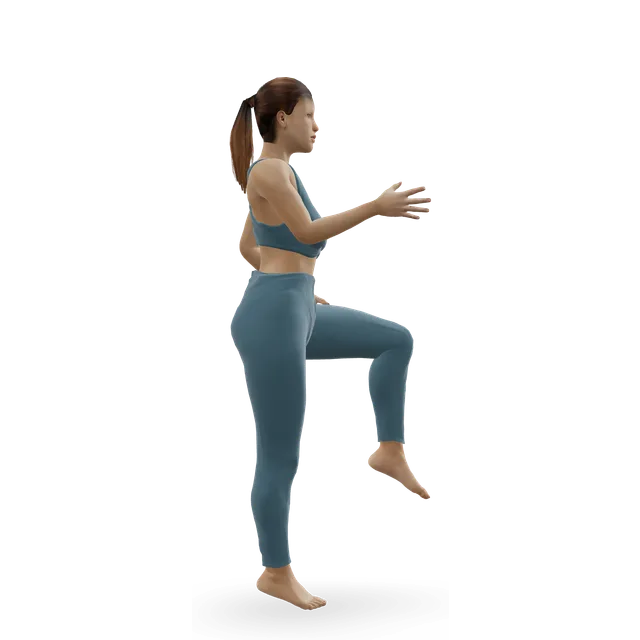
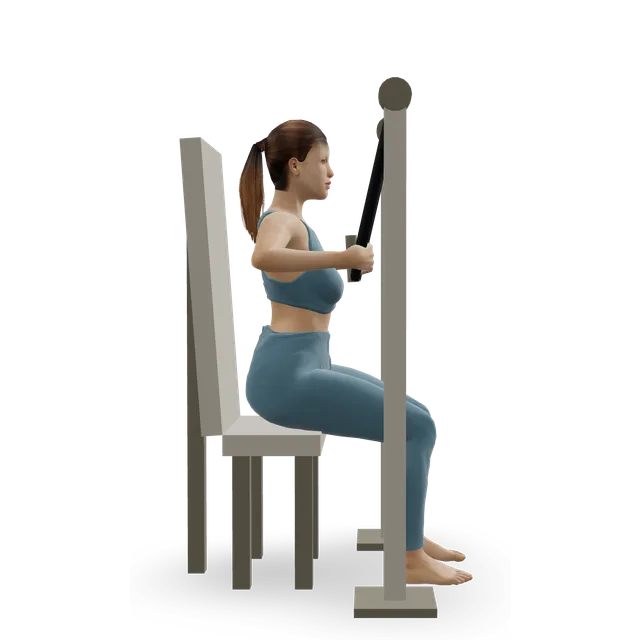
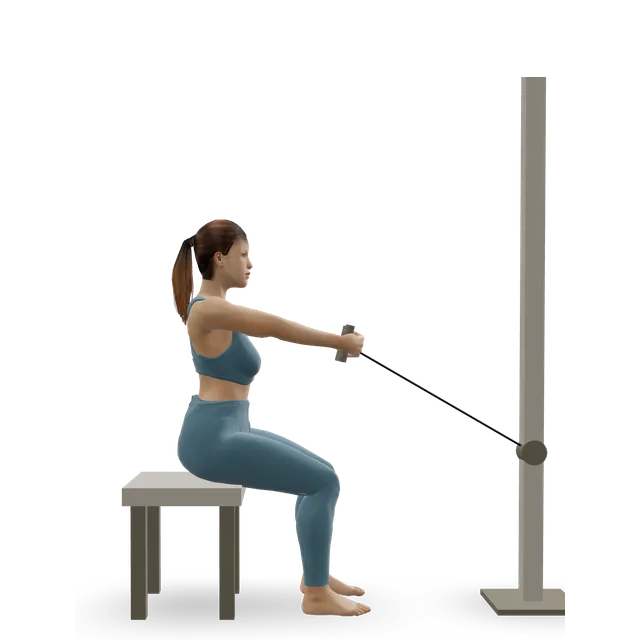
Symptoms: a small benefit as an add-onEmerging evidence
In 28 randomised trials with 1,460 people, exercise added to usual care improved overall symptoms by a small amount (0.28), at moderate certainty. The benefit was clearer in people living in the community (0.43) and absent in hospital inpatients. An earlier review of 29 studies found effects on negative symptoms (0.49), low mood (0.71) and quality of life (0.55). Control groups in these trials didn't improve on their own, and a 2026 review of 17 trials found larger effects, but most trials are small; an older Cochrane review of 3 trials said larger ones were needed.
Sources 12, 38, 39, 40, 41
How much, and how hardEmerging evidence
Two reviews point to about 90 minutes a week: one found programmes with around 90 minutes of moderate to vigorous exercise a week reduced symptoms, and the other found thinking skills improved more with at least 90 minutes a week. In 40 trials with 2,111 people, moderate intensity did better than low intensity, and more sessions a week went with better everyday functioning.
Sources 42, 43, 44
Negative symptomsEmerging evidence
In 17 randomised trials with 954 people, aerobic exercise eased negative symptoms by a small amount, and the effect held in the better-run trials. A network of 32 trials found every type of exercise helped, with larger effects for yoga and strength training, but 23 of the trials were in Asia, effects were larger there, and certainty was low for most comparisons. Cochrane judged the yoga evidence "too weak" to show yoga beats standard care.
Sources 45, 46, 47
Memory, attention and thinkingEmerging evidence
Reviews found effects on overall thinking skills ranging from small (0.21 for aerobic exercise in 15 studies, and 0.33 in 10 trials) to moderate (0.73 for any exercise in 22 studies), larger when sessions were supervised, done in groups, and kept up for at least 12 weeks. Certainty is low, because the trials are small and differ, and one earlier review found no effect except for yoga on memory. Across 6 studies, aerobic exercise didn't clearly change the size of the hippocampus, a part of the brain involved in memory.
Sources 13, 43, 48, 38, 49
The largest trial: cardio was no betterEmerging evidence
In 180 people with stable schizophrenia, 6 months of supervised aerobic training did no better than flexibility, strength and balance training: both groups improved symptoms, functioning and thinking, and more frequent training helped memory further. Nearly 6 in 10 people dropped out of each group, and people who were managing better day to day were more likely to keep going.
Sources 14, 50
Everyday lifeEmerging evidence
In 18 studies with 734 people, exercise improved overall functioning by a moderate amount (0.40), with social functioning (0.54) and daily living skills (0.65) also improving, more with aerobic exercise of at least moderate intensity.
Sources 51, 38
YogaMixed evidence
In Cochrane's review of 8 short trials, single trials found benefits for mental state, social functioning and quality of life, but the reviewers called the evidence "too weak to indicate that yoga is superior to standard-care control". Another review of 5 trials found no short-term effect on symptoms. Network comparisons that rank yoga highly rest on small trials, and in one of them most trials were from Asia, where effects were larger. Choose the exercise you'll keep doing.
Sources 47, 52, 53
Weight and metabolic healthMixed evidence
Exercise improves fitness (0.33 in pooled trials) but on its own hasn't been shown to lower body mass index (BMI) or improve waist size, blood pressure, blood sugar or blood fats (10 trials, 773 people). One review of 9 small trials found a small to moderate fall in BMI with aerobic programmes lasting at least 20 weeks.
Sources 35, 42, 54, 55
Healthy eating and activity programmesMixed evidence
Programmes combining eating and activity support did better at preventing weight gain than at causing weight loss in 25 trials. A larger review of 41 trials found BMI fell by 0.63, which it called statistically significant but clinically insignificant, at low or very low certainty. England's STEPWISE trial (414 people) and Denmark's CHANGE trial (428 people) found no benefit, while the US ACHIEVE trial (291 people, 18 months of group and individual sessions with group exercise) led to 3.2 kg more weight loss.
Sources 56, 57, 58, 59, 60
Starting earlyEmerging evidence
In young people starting antipsychotics for a first episode, a lifestyle and life skills programme limited weight gain over 12 weeks to 1.8 kg, against 7.8 kg with standard care, in a small study that wasn't randomised (16 and 12 people). Weight gain is greatest in people taking an antipsychotic for the first time.
Sources 16, 37
A first episodeEmerging evidence
In 31 people in early intervention services, 10 weeks of individual training aiming for 90 minutes a week (they averaged 107) went with symptom scores falling and negative symptoms easing by a third, against a small comparison group. In two NHS early intervention services, live online group sessions twice a week for 8 weeks were safe, with no adverse events, and people became more active. Neither study was randomised.
Sources 61, 62
Can exercise prevent psychosis?Mixed evidence
In 4 long-term studies of 30,025 people, more active people were less likely to develop psychosis at first sight, but not once other factors were taken into account. It hasn't been shown to prevent psychosis.
Source 63
Where treatment carries the evidenceStrong evidence
Antipsychotic medicine, CBT for psychosis and family therapy are the treatments, and antipsychotics are linked with fewer deaths overall. Reviews across mental health conditions agree exercise helps symptoms as an add-on to treatment, not on its own.
Sources 8, 29, 64