Sport

Windsurfing and kitesurfing: fitness, injuries and kite safety (with wing foiling)

Windsurfers drive the board by holding and pumping the sail; kitesurfers hang from a harness while a kite pulls them across the water and into the air; wing foilers hold a hand-held wing over a board that rides on a hydrofoil. Injury rates are similar to other popular sports and much higher in beginners. Most injuries are cuts, sprains and bruises to the feet, ankles and knees, with ribs and heads hurt in falls, and the kite itself is the danger when you can't let go of it.

This guide starts with kite safety systems: the release, leash and depower kit that racing kitesurfers must carry, what the evidence does and doesn't show, and a coroner's warning about lines catching on helmet devices. Then it covers what each sport asks of your body, the common injuries, helmets and impact vests, lessons, wind and fatigue, and training, with a strength workout and a beach warm-up that starts with the safety checks, each with a 3D demo of every move.

The short version

Three sports, one engine: the wind

Pumping the sail takes Olympic windsurfers above three-quarters of their aerobic capacity, kitesurfers ride at an estimated 70 to 80% of theirs, and kitesurfers' jumps reach 15 m high. The Compendium of Physical Activities' measured values run from 5.0 METs (metabolic equivalents) for windsurfing without pumping to 14.0 for racing with pumping.

Sources 1, 2, 3, 4, 5

Injury rates like other sports, and highest in beginners

Kitesurfers had 4.3 to 10.5 injuries per 1,000 hours in season-long studies, and major injuries ran at 65 per 1,000 hours in beginners against 1.1 in professionals. Windsurfing (5.2) and wing foiling (5.7 per 1,000 hours) were in the same range.

Sources 6, 7, 8, 9, 10

Feet, ankles, knees, ribs and heads

Cuts, bruises and sprains of the feet and ankles lead, knee ligament injuries cost the most time, ribs are about 12% of kitesurfing injuries and concussions 5%.

Sources 6, 8, 11

The kite is the danger

In early studies, more than half of kitesurfing injuries were put down to riders being unable to detach from the kite. Whether today's release systems prevent injuries hasn't been shown, but racing rules require them.

Sources 12, 13, 7, 14

Entanglement can stop you depowering

A coroner's report (9 June 2021) found that a kitesurfer under instruction couldn't depower his kite after its lines caught on a radio stuck to his helmet, and warned about helmet devices such as action cameras.

Source 15

Learn with a school

The British Kitesports Association (BKSA): "Without the correct instruction, kitesurfing can be a dangerous sport". Riders with under 2 years' experience were injured more, and inexperience or rider error caused 82% of serious accidents in Norway.

Sources 16, 11, 17

Kite safety systems: release, leash and depower

It's here first because a kite you can't let go of can drag, lift or strangle. We couldn't read the International Kiteboarding Organization's safety pages or a British safety code, so this section gives the racing rules, the studies and a coroner's report.

What racing kitesurfers must carryStrong evidence

The Formula Kite class rules for the Olympic kite class (effective 1 July 2020):

  • A kite leash with a safety release, "capable of fully flagging out the kite", so the kite falls out of the sky on one line.
  • A quick release on the bar that disconnects it from the harness with a single hand movement.
  • A depowering device on the front lines.
  • "A hook knife shall be securely attached to the competitor at all times when afloat", for cutting tangled lines.
  • A helmet to a canoeing or skiing standard, with at least 300 cm² of a bright colour, worn at all times afloat, and body protection (an impact vest).

Source 14

What the evidence showsMixed evidence

In 235 kitesurfers followed for one season in the early 2000s, 56% of injuries were put down to being unable to detach from the kite, and riders with a quick release tended to have fewer injuries. Off Cape Town, 25 of 30 air rescues of kitesurfers followed a failure to detach. Later studies put most injuries down to tricks, jumps and landings instead, and in 66 German riders followed for a season, release systems made no difference to how often they were injured. Kite and bar types and the board leash went with injury rates in another survey. No trial has tested release systems (our search): the case for a working release rests on how kite accidents happen, and on the racing rules.

Sources 12, 13, 4, 7, 18

EntanglementStrong evidence

A coroner's prevention of future deaths report (9 June 2021), sent to the British Kite Surfing Association, after a 50-year-old kitesurfer died: while he was under instruction, a gust made him lose control of his kite, its rigging caught on a radio fixed to his helmet with an adhesive pad, he couldn't depower the kite, and he was dragged through the sea and across a spit of land by his helmet. The coroner wrote: "This concern could apply to devices similarly affixed to helmets, for example, action cameras". In another case, a gust lifted a kite 10 m into the air while it was being prepared and its lines strangled the rider; the authors advise preparing kites with two people, safety equipment and a bar with a safety leash.

Sources 15, 19

Checks before every session (our suggestion)

Before you launch:

  • The quick release opens with one hand and resets, and the leash release works and is within reach.
  • The lines aren't tangled, knotted or worn.
  • Nothing on your helmet or harness can catch a line.
  • Launch and land with a trained helper, away from people, boats and rocks, and never wrap lines round your hand or body.

In a raceStrong evidence

Under the Racing Rules of Sailing's kiteboarding rules (2025 to 2028), a kiteboard whose lines are tangled with another's counts as capsized, kiteboards must avoid a capsized kiteboard or one helping someone in danger, and a kiteboard that causes injury, serious damage or a tangle can be penalised. The windsurfing rules ask boards to avoid capsized boards and boards helping someone in danger.

Sources 20, 21

What windsurfing, kitesurfing and wing foiling ask of your body

The sports

A windsurfer stands on the board and holds the sail by a boom, hooking a harness onto lines on the boom; the foiling iQFOiL replaced the non-foiling class at the Olympics in 2024. A kitesurfer stands on a board, hooked by a harness to a control bar and a kite on lines, at speeds up to 35 knots and in jumps up to 15 m high and 30 m long; the Olympic kite class, Formula Kite, rides a foil too. A wing foiler holds an inflatable wing in their hands, unattached to the board, and rides a foil board.

Sources 22, 4, 10, 14

Windsurfing: pumping is endurance workEmerging evidence

Windsurfers drive the board by pumping the sail in light and moderate winds: pumping raised Olympic windsurfers' oxygen use from 19.2 to 48.4 millilitres per kilogram per minute and heart rate from 110 to 165 beats a minute, and racing runs above 75% of maximal oxygen uptake and 85% of maximum heart rate. A newer pumping technique that uses the legs too was faster, at 80.5% of maximal oxygen uptake. In 10 elite windsurfers, those who held the highest heart rates in races placed best.

Sources 1, 23, 24

Kitesurfing: aerobic, with hard burstsEmerging evidence

In light crosswinds, elite kitesurfers averaged 80.6% of maximum heart rate and an estimated 69.8% of maximal oxygen uptake; freestyle heats in stronger wind ran at 85.4% and an estimated 80.0%, with more lactate; and 112 recreational riders averaged 78.4% of maximum heart rate over 40 to 50 minutes. Riders rate the lower back and thighs as the most stressed, and landings load the legs most after aggressive freestyle jumps and failed kite loops, when the kite isn't cushioning the landing.

Sources 2, 3, 25, 4, 26

Wing foilingMixed evidence

No study of the physiology of wing foiling was found (our search). Fatigue errors were behind 77.5% of injuries in a survey of 415 wing foilers, so endurance for the length of your session matters (our reading).

Source 10

Energy cost

The Compendium's measured values: windsurfing without pumping 5.0 METs, a windsurfing or kitesurfing crossing trial 11.0, and windsurfing racing with pumping 14.0. It has no value for wing foiling.

Source 5

Where the load falls

The sites the studies point to:

  • Feet, ankles and knees: foot straps, landings and falls.
  • Ribs and chest: falls onto the board or boom, and the harness.
  • The head and neck: the board on its leash, the water, the beach and other riders.
  • The lower back: hanging in the harness and pumping.
  • Shoulders and arms: pumping and holding the wing.
  • Skin and ears: cuts from fins and foils, and bony growths in the ear canal from wind and cold water.

Sources 12, 6, 8, 11, 27, 28, 29, 30, 22, 10, 31

What to train (our reading)

Landing control and leg strength, a strong riding stance, pulling strength and grip for the boom, bar or wing, back and trunk endurance for the harness, shoulder care, and for windsurfers, aerobic fitness for pumping.

Common injuries

Studies count injuries per 1,000 hours, per 1,000 sessions or days, per person per year, or as the share of riders ever injured, and some count only major injuries. Figures in different lines aren't directly comparable.

How often kitesurfers get hurtEmerging evidence

The numbers, by group:

  • 235 kitesurfers followed for one season: 7 injuries per 1,000 hours, with 1 death and 11 severe injuries.
  • A review of non-competitive kitesurfing: 5.9 to 7.0 per 1,000 hours.
  • 194 Dutch kitesurfers followed for a full season: 10.5 per 1,000 hours, mostly cuts, bruises and sprains, most during tricks or jumps.
  • 66 German kitesurfers followed for a season: 4.3 per 1,000 hours.
  • 202 kitesurfers asked about every injury: 18.5 per 1,000 hours, about half of them bruises and cuts, and 0.71 per 1,000 hours that cost more than a week.
  • 312 recreational kiteboarders: 7.82 per 1,000 sessions; 14.4% needed an operation, most often on the knee.
  • 3,138 kitesurfers asked about major injuries (over 3 weeks off, medical treatment or time off work): 4.8 per 1,000 hours, from 65 in beginners to 1.1 in professionals.
  • At the 2018 Youth Olympic Games, kitesurfing's injury rate didn't differ from other sports'.

Sources 12, 4, 6, 7, 18, 11, 8, 32

How often windsurfers and wing foilers get hurtEmerging evidence

The numbers, by group:

  • Patients at one North Sea hospital over 2 years: 5.2 injuries per 1,000 hours of windsurfing against 7.0 of kitesurfing, with similar severity; under 30% had worn protective gear.
  • 294 windsurfers surveyed in the US and Dominican Republic: about 1 injury needing medical care per 1,000 days sailed, most from the board and rig.
  • 107 competitive and recreational windsurfers over 2 years: 1.5 injuries per person a year, 2.0 in wave and slalom sailors.
  • 327 German windsurfers in one season: 630 accidents, 70 fractures and 67 operations, mostly in force 5 to 6 winds after 2 hours on the water.
  • 44 semi-professional windsurfers: 1 injury per 174 days on the water, with catapult falls (being thrown forward over the rig) behind 57%.
  • 165 Olympic-class iQFOiL racers: 52% injured in a year (61% of women and 46% of men), 1.61 injuries per 1,000 hours, and 83% of injuries in training.
  • 415 wing foilers: 31% injured in a year, 5.7 injuries per 1,000 hours.

Sources 9, 27, 29, 33, 34, 22, 10

Cuts, bruises, feet and anklesEmerging evidence

Cuts, abrasions and bruises are the commonest kitesurfing injuries, and skin wounds on the feet the commonest in windsurfing and kitesurfing. Feet and ankles were 28 to 32% of kitesurfing injuries, and across 25 studies, about half of kitesurfing injuries were below the knee. Our ankle sprain and broken ankle guides cover these.

Sources 6, 8, 35, 12, 36

KneesEmerging evidence

Knee ligament injuries cost kitesurfers the most time among the common injuries, and an ACL (anterior cruciate ligament) reconstruction was the commonest operation in recreational kiteboarders. In windsurfers, inner knee ligament (MCL, medial collateral ligament) sprains came from twisting in the foot straps. Our ACL and MCL guides cover these.

Sources 8, 11, 28

Ribs and chestEmerging evidence

Ribs were 12 to 13% of kitesurfing injuries, chest-wall injuries were common in windsurfers, and the serious wing-foiling injuries were mostly to the ribs and breastbone. Our rib injury guide covers these.

Sources 11, 8, 27, 10

Heads, necks and concussionEmerging evidence

Concussions were 5% of major kitesurfing injuries, and half the head, face and neck injuries in a Norwegian study of serious accidents. In early kitesurfing head injuries, the board had been flung at the head by an elastic board leash and none of the riders wore a helmet. Wave and slalom windsurfers reported concussions too, and the head and neck were the second commonest site at a North Sea hospital. Our concussion guide covers the graduated return.

Sources 8, 17, 37, 29, 9, 19

BacksEmerging evidence

Lower back muscle strain was 22% of new lower-body injuries in windsurfers, and cramps or spasm in the lower back the commonest injury in iQFOiL racers. In 7 elite windsurfers with back pain, it came on when they held positions for long spells, especially in light winds without a harness, and scans showed disc bulges and stress fractures of the spine. A review links windsurfers' back pain with the arched back of pumping. Our back pain guides cover these.

Sources 29, 22, 30, 38

Shoulders and armsEmerging evidence

Wing foilers' overuse problems were mostly in the shoulders and knees, and the shoulder, upper arm and elbow were 41% of windsurfers' new upper-body muscle and tendon injuries. Our shoulder pain guide covers these.

Sources 10, 29

EarsEmerging evidence

Bony growths in the ear canal (exostoses, or surfer's ear) were found in 75% of German windsurfers and kitesurfers, and grew faster than in surfers, and a perforated eardrum was among Dutch kitesurfers' severe injuries.

Sources 31, 39, 6

Who's at higher riskEmerging evidence

Beginners and riders with under 2 years' experience; tricks, jumps and failed kite loops; overpowered kit and onshore wind near the beach; fatigue, after about 2 hours on the water; wave and slalom windsurfing; and, in some studies, women. These are associations.

Sources 8, 11, 7, 6, 26, 40, 33, 34, 10, 29, 18

What prevents injuries

No injury prevention programme has been tested in windsurfers, kitesurfers or wing foilers (our search). Kite safety systems are in their own section above; the strength evidence is borrowed from other sports, and each note says so.

Strength training, borrowed from other sportsStrong evidence

Across 25 trials in other sports (26,610 people), strength training cut sports injuries to under a third and balance training to about half, while stretching made no difference. None has been tested in these sports.

Source 41

Helmets and impact vestsMixed evidence

Under 30% of injured windsurfers and kitesurfers at a North Sea hospital had worn protective gear, 73% of wing foilers regularly used a helmet or impact vest, and 86 to 97% of iQFOiL racers wore helmets in training. No study has measured how many injuries helmets or impact vests prevent in these sports (our search), but none of the early kitesurfers with head injuries had worn a helmet.

Sources 9, 10, 37, 22

Board leashesMixed evidence

Elastic board leashes flung the board at riders' heads in early kitesurfing head injuries, and board leash use went with injury rates in a later survey. For wing foiling, the RYA (Royal Yachting Association) says there's "very little data available on incidents" and advises a board leash long enough that the board doesn't rebound into you.

Sources 37, 18, 42

LandingsEmerging evidence

Landing loads were highest in aggressive freestyle jumps and failed kite loops, and most kitesurfing injuries happened during tricks or jumps. Landing and strength work from other sports is borrowed in our workout; build jump height on the water with an instructor (our suggestion).

Sources 26, 6, 41

EarsEmerging evidence

In 130 German windsurfers and kitesurfers, more neoprene hood use went with milder narrowing of the ear canal, about 4% lower odds of severe narrowing for each extra percentage point of time spent hooded. Our surfing page covers earplugs.

Source 39

What isn't shownMixed evidence

That release systems, helmets, impact vests or lessons reduce injuries, or that any exercise programme does (our search). A review calls injury prevention in recreational windsurfing "under-researched".

Sources 7, 43

Training for performance

No training trial in these sports was found (our search), so the strength work is borrowed from paddling and surfing studies and labelled so.

Windsurfing: aerobic fitness for pumpingEmerging evidence

Pumping makes Olympic windsurfing an endurance sport, and elite windsurfers who held the highest heart rates in races placed best. Our suggestion: intervals on a rowing machine or bike (our high-intensity interval training guide and Norwegian 4x4 workout), pulling strength, and pumping practice on the water.

Sources 1, 24, 23

Kitesurfing: aerobic fitness and a high thresholdEmerging evidence

In freestyle kitesurfing, better-scored riders had higher anaerobic thresholds and rode at a lower share of their maximum heart rate, and light-wind crossings were mainly aerobic.

Sources 3, 2

Strength, borrowedEmerging evidence

Our strength workout borrows heavy pulling (3 to 4 sets of 5 to 6 at about 80% of your maximum) from a trial in sprint kayakers, pull-ups from studies of surfers, and landing work from our surfing and gymnastics workouts. In other sports, strength training also cut injuries.

Source 41

Wing foilingMixed evidence

No training study was found (our search). Most wing-foiling injuries came from riding errors when tired, so build up your session length gradually and come in before you're tired (our suggestion).

Source 10

Fitting it around the water

Our suggestion: the strength workout twice a week, away from big days on the water; intervals on another day if you windsurf; and in the week before a key event, less volume with the intensity kept. No study has tested tapering in these sports.

Lessons, wind and fatigue

Learn at a schoolStrong evidence

The BKSA: "Without the correct instruction, kitesurfing can be a dangerous sport", and "Most people can be up and riding after a 3 day course at an approved BKSA school". Its first level includes body dragging, control and self-rescue.

Source 16

ExperienceEmerging evidence

Beginners had 65 major kitesurfing injuries per 1,000 hours against 1.1 in professionals; riders with under 2 years' experience were injured more; experienced riders were injured less in a season-long study; inexperience or rider error caused 82% of serious accidents in Norway, whose authors call for a compulsory course and for helmets and life vests; and riders most often blamed their own lack of skill in windsurfing and kitesurfing. In one Brazilian survey advanced riders reported more injuries, probably because they ride harder and longer (our reading). These are associations; no trial of lessons exists (our search).

Sources 8, 11, 7, 17, 35, 44

The wind and the beachStrong evidence

The RYA's seven common senses: avoid strong tides, offshore winds and poor visibility, because "Sailors and windsurfers can often be caught out and swept away from the safety of their chosen sailing area", get a forecast, tell someone your plan and "Always avoid boating alone". Early kitesurfing injuries came from losing control on or near the beach in onshore wind, with kites too big for the wind, and from hitting stones and boats on the beach.

Sources 45, 40

Overpowered and tiredEmerging evidence

Most windsurfing accidents in one German survey happened in force 5 to 6 after 2 hours on the water, and the authors suggest a longer break after an hour and no difficult manoeuvres after an hour without one. A sail too big for the wind was behind 43% of injuries in semi-professional windsurfers, and fatigue errors behind 77.5% of wing-foiling injuries.

Sources 33, 34, 10

Not alone, and afloatEmerging evidence

The authors of the Cape Town rescue study advise riding with another kitesurfer and wearing a life vest. The RYA advises buoyancy aids for windsurfing and wing surfing, and impact vests for foiling.

Sources 13, 46

Wing leashesStrong evidence

The RYA: a coiled board leash keeps slack away from your feet and the foil; a stretchy wing leash cuts the snatch when you fall; choose an attachment you can do up with one hand; on flowing water a waist leash is easier to release; and make sure a waist leash can't ride up under your impact vest or buoyancy aid.

Source 42

Helmets, impact vests and the class rules

The class rules apply to Olympic-class racing; we found no rule for recreational riders. No study has measured their effect on injuries (our search).

iQFOiL (windsurfing)Strong evidence

The iQFOiL class rule changes (effective 11 August 2026): a helmet to one of several named standards, such as the canoeing and skiing standards, or an equivalent, with at least 300 cm² of a bright colour that can be seen from above with the rider face down or face up; a whistle; and an impact vest to a buoyancy standard, worn at all times. Whether boards race on a fin or a foil is set for each event.

Source 47

Formula Kite (kitesurfing)Strong evidence

The Formula Kite class rules (effective 1 July 2020): a helmet to a canoeing or skiing standard with a bright patch of at least 300 cm², worn at all times afloat; a hook knife; body protection (an impact vest); and a buoyancy aid only when the racing rules, notice of race or sailing instructions require one. Later changes weren't found in a single document, so check the current rules for an event.

Source 14

Who wears themEmerging evidence

97% of women and 86% of men in iQFOiL racing wore helmets in training, and 72 to 76% wore impact vests; 73% of wing foilers used a helmet or impact vest; and under 30% of injured windsurfers and kitesurfers at one hospital had worn protective gear.

Sources 22, 10, 9

A warm-up for windsurfing, kitesurfing and wing foiling

Built on our warm-up guide, surf warm-up and paddling warm-up (editorial): no warm-up has been tested on injuries in these sports. The kit checks are our suggestion, from the safety kit racing kitesurfers must carry and a coroner's warning about devices on helmets.

  1. Check the conditions: the wind isn't offshore and suits your kit and level, a buddy is with you, and someone knows your plan.
  2. Check the kit: the quick release opens with one hand and resets, the leash release works and you can reach it, the lines aren't tangled or worn, nothing on your helmet or harness can catch a line, and your impact vest or buoyancy aid is on.
  3. Raise: march on the spot for 60 to 90 seconds, or carry your kit down the beach.
  4. Move: 10 arm circles each way, 6 upper-back rotations each side, 2 slow hip circles each leg, 3 world's greatest stretches each side, and 60 seconds of wrist and hand work.
  5. Activate: 15 band pull-aparts if you have a band, and 10 squats into your riding stance.
  6. Landings: 2 × 10 pogo hops, then 2 × 3 jump squats, landing softly with your knees over your toes.
  7. On the water: ride easily for a few minutes before jumps, tricks or racing, and come in before you're tired.

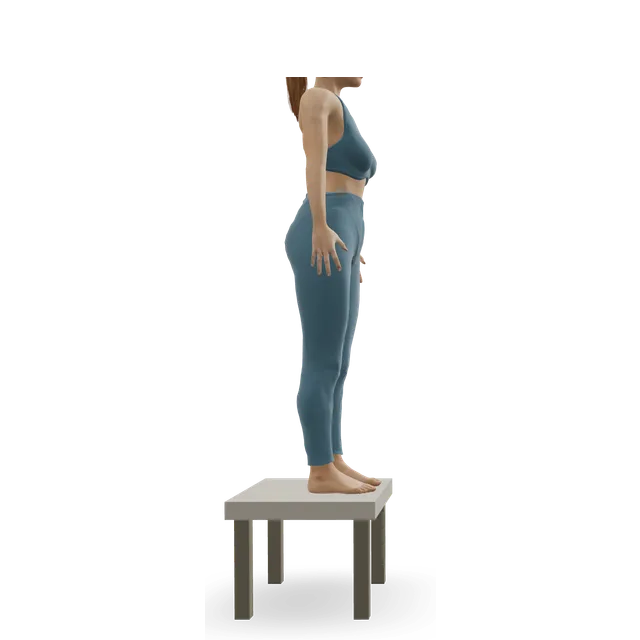
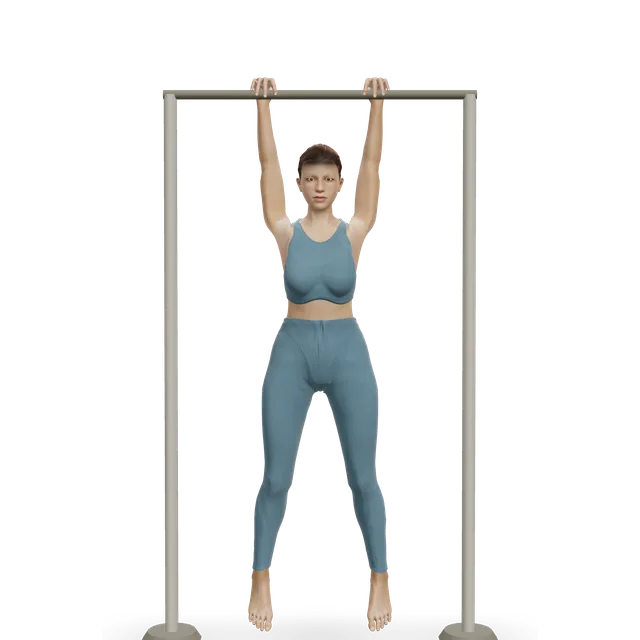
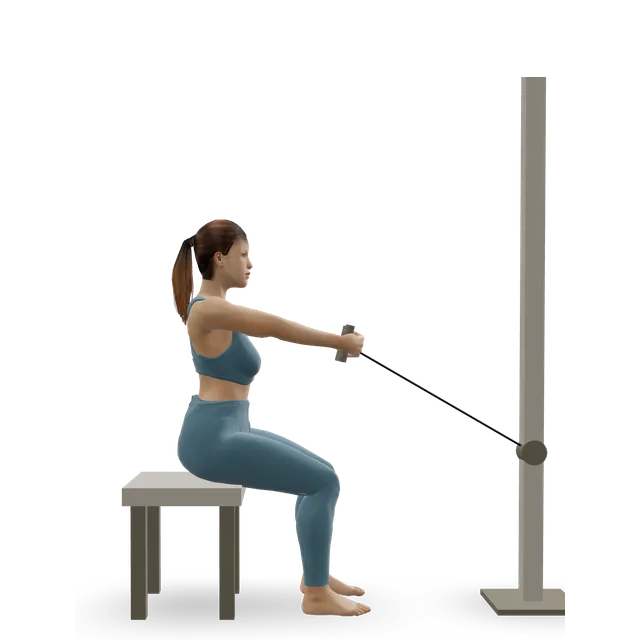
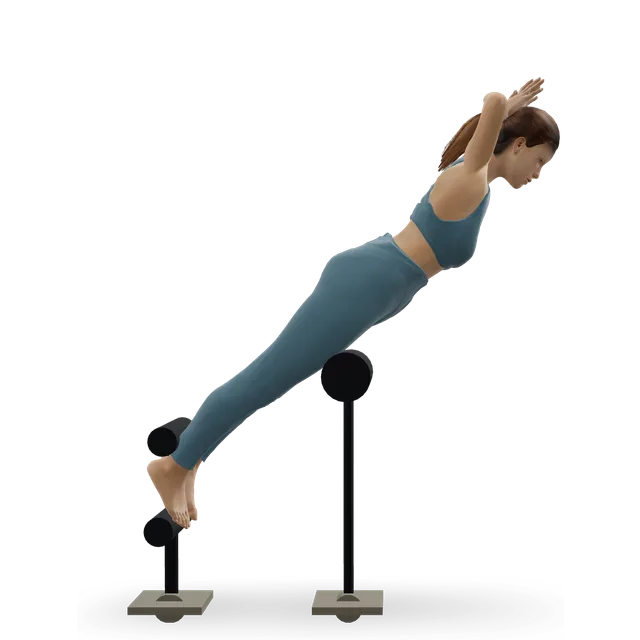
Loading the 3D figure…

Gets into position, then repeats the movement. Technical checks passed; qualified exercise review is pending.

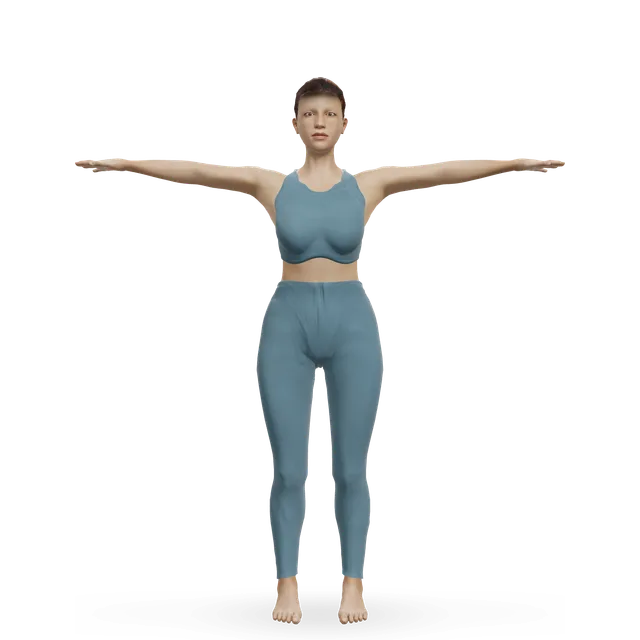
The movement on the figure: World's greatest stretch

Moves for windsurfing, kitesurfing and wing foiling

Landings, legs and the riding stance, pulling and grip, the trunk and shoulder care. Each has a 3D demo.

Workouts

The first two are new: a strength workout and a beach warm-up that starts with the kit checks. The surfing, paddling, snowboarding and skateboarding sessions add paddling strength, landings and balance; the rest add pulling, grip, jumps, knee control, intervals and light exercise after a concussion.

Strength workout for windsurfers, kitesurfers and wing foilers: landings, legs, pulling, grip and trunk

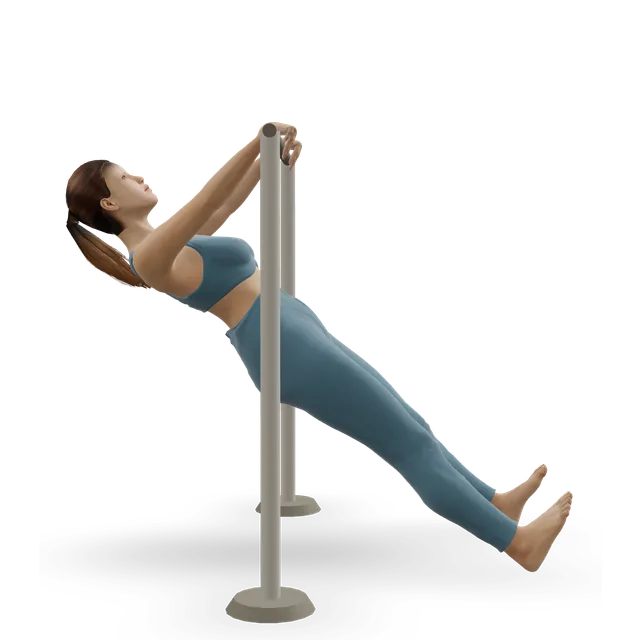
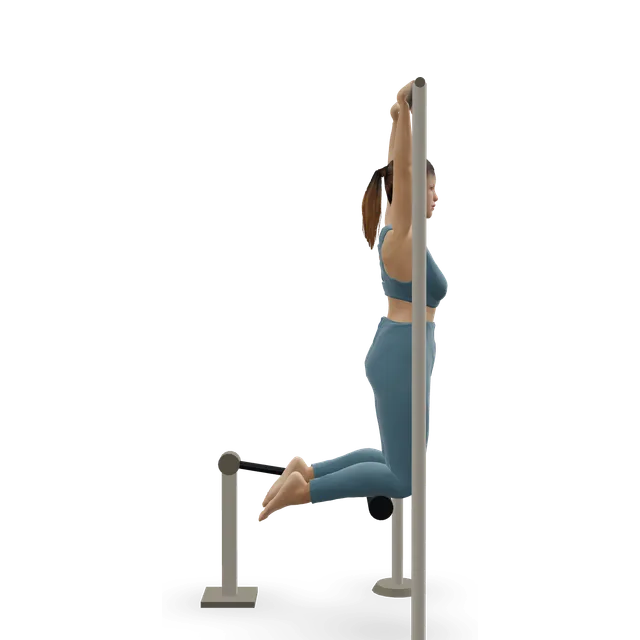
A 50-minute gym session for windsurfers, kitesurfers and wing foilers: landings, squats and split squats, stance holds, pull-ups, rows, hangs and trunk work.

50 minIntermediate18 movesCardio machine, A band

Windsurfing, kitesurfing and wing foiling warm-up: kit checks, mobility and landings on the beach

A 12-minute beach warm-up for windsurfers, kitesurfers and wing foilers: kit checks, marching, arm and hip circles, trunk turns, wrists, squats and hops.

12 minBeginner10 movesA wall, A band

Surf warm-up: mobility, hops, jumps and pop-ups before you paddle out

A 15-minute beach warm-up in your wetsuit: arm and hip circles, thoracic rotations, pogo hops, quick push-ups, jump squats, fast pop-ups and broad jumps.

15 minBeginner10 movesA wall

Strength workout for surfers: pull-ups, dips, pop-up power, shoulders and landings

A 50-minute gym session for surfers: pull-ups and dips for paddling, plyo push-ups and pop-ups, rotator cuff and upper-back work, landings and side planks.

50 minIntermediate17 movesA band, Pull-up bar

Strength workout for paddlers: heavy pulling, trunk rotation and shoulder care for kayaking, canoeing and SUP

A 50-minute gym session for kayakers, canoeists and paddleboarders: heavy rows and pulldowns, push-ups, wood chops, Pallof presses and shoulder care.

50 minIntermediate15 movesCardio machine, A band

Strength and landing workout for snowboarders: legs, trunk rotation, landings and wrists

A 45-minute pre-season session for snowboarders: squats and single-leg work, box drops and landings, Pallof presses and wood chops, wrists, neck and balance.

45 minIntermediate19 movesA wall, A dumbbell

Snowboarding warm-up: a 10-minute routine for the top of the slope

A 10-minute warm-up at the top of the slope with your boots on: a march, arm and hip circles, trunk turns, wrist work, squats in your stance and landings.

10 minBeginner10 movesA wall

Strength and landing workout for skateboarders: legs, ankles, wrists and core

A 45-minute session for skaters: jump squats, drop landings, hops and bounds, squats, split squats and single-leg hinges, ankle balance, wrist work and trunk.

45 minIntermediate20 movesA step, A dumbbell

Pull-up progression workout

Work up to your first pull-up: dead hangs, scapular pulls, rows, negatives and assisted pull-ups.

25 minBeginner7 movesPull-up bar, A step

Grip strength workout: squeezes, curls, carries and hangs

A 20-minute grip session: warm up the wrists and fingers, train the hand and forearm muscles, then carry and hang to load your grip the way everyday life does.

20 minBeginner10 movesOther / check instructions, A band

Plyometric workout

An advanced jump training session: pogo hops, box jumps, split squat jumps, broad jumps and depth jumps.

30 minAdvanced8 movesA bench or box, A step

Knee control warm-up

A 20-minute warm-up that trains your knees to track over your toes: side-hip strength, squats and lunges with alignment practice, balance and quiet landings.

20 minBeginner10 movesA wall, A band

Balance exercises routine

Balance practice in 10 minutes: tandem stance, single-leg stands, marches, heel walks, tree pose and floor transfers.

10 minBeginner7 movesA wall, A bench or box

Rowing machine workout for beginners: set-up, technique and steady rounds

A 25-minute beginner rowing machine workout: set the damper, learn the stroke one part at a time, row three easy rounds of 4 to 5 minutes, then stretch.

25 minBeginner4 movesCardio machine

Cardio intervals workout

A 25-minute interval session on a bike or rower: one-minute hard efforts with two minutes easy, building from 4 to 8 rounds.

25 minIntermediate1 movesCardio machine

Norwegian 4x4 interval workout

The Norwegian 4x4, a well-studied interval session for raising VO2 max: four 4-minute hard efforts with 3 easy minutes between, on a bike, rower or treadmill.

40 minIntermediate3 movesCardio machine, A wall

Light exercise after a concussion: the stage 3 session

A 20-minute light session after a concussion: a symptom check, 10 to 15 minutes of easy cycling or walking, gentle bodyweight moves and a cool-down.

20 minBeginner8 movesCardio machine, A bench or box

Cool-down routine: 10 minutes after any workout

A 10-minute cool-down for after a run, a class or a gym session: a few minutes of easy movement, stretches for the muscles you used, then slow breathing.

10 minBeginner9 movesCardio machine, A wall

Plans

Two strength sessions a week fit around time on the water.

Who should check first

Everyone: seven questions

The PAR-Q+ (Physical Activity Readiness Questionnaire for Everyone) asks about a heart condition or high blood pressure, chest pain, dizziness or losing consciousness, other long-term conditions and their medicines, a bone or joint problem that activity could make worse, and being told to exercise only under supervision. If you answer yes to any, check with your doctor or a qualified exercise professional first, and delay if you're ill.

Source 48

Beginners

Beginners carry most of the risk, and inexperience caused most serious accidents in Norway. Learn at a recognised school; the BKSA says most people ride after a 3-day course.

Sources 8, 17, 16

People with epilepsy

Our epilepsy guide explains that the International League Against Epilepsy puts windsurfing in its high-risk group, and that people with epilepsy are 15 to 19 times more likely to drown. Kitesurfing and wing foiling aren't named, but carry the same risks (our reading). Never ride alone, and agree it with your neurologist.

Heart disease or high blood pressure

Riding runs at about 78 to 85% of maximum heart rate, and Olympic windsurfing above 85%. Talk to your GP before you start.

Sources 2, 3, 25, 1, 48

After a concussion

The UK guidelines for grassroots sport: off at once, a graduated return, and no competition before day 21. Our concussion guide has the stages.

Source 49

A previous shoulder dislocation or knee ligament injury

Knee ligament injuries cost kitesurfers the most time, and the kite and wing pull hard on the arms (our reading). Finish your rehabilitation first, and ask your physiotherapist before you jump; our shoulder dislocation and ACL guides explain more.

Source 8

A perforated eardrum or an ear infection

The NHS (National Health Service) says "do not go swimming or get your ear wet until your eardrum heals", and "do not go swimming while you have an ear infection". Wait until it has healed.

Sources 50, 51

Fainting or chest pain

The NHS advises seeing a GP if you've fainted, and calling 999 if someone faints while exercising; losing consciousness on the water is a drowning risk (our reading). Check with your doctor before you ride.

Sources 52, 53, 48

Pregnant

The NHS advises against sports with a risk of falling or bumping your tummy, and these sports mean falls at speed and harness loads (our reading). Stop riding and talk to your midwife or GP.

Source 54

Children

We found no verified minimum age. Schools set their own age and weight limits, so ask a recognised school (our suggestion).

When to stop and get help

Lines round the neck, or dragged and can't get free: call 999

If you lose control, use the quick release, and if that isn't enough, the safety leash release. Lines round the neck or a limb, or a rider dragged or lifted and hurt, are an emergency: call 999 or 112 and ask for the coastguard (our suggestion).

Sources 14, 19

A head injury: call 999

The NHS says to call 999 if someone has hit their head and:

  • Has been knocked out and hasn't woken up, or can't stay awake or keep their eyes open.
  • Has a fit (seizure).
  • Has problems with their vision or hearing, or clear fluid coming from their ears or nose.
  • Has new numbness or weakness in any part of their body, or problems with walking, balance, understanding, speaking or writing.
  • Their behaviour has changed, such as being more irritable or distracted.

Source 55

Suspected concussion or a neck injury

If in doubt, sit them out: off the water at once and no return that day, and get help from NHS 111 if they're being sick, feel dizzy or take medicine that thins the blood. With neck pain, tingling or weakness after a fall, don't move them unless they're in danger, call 999 or 112, and keep their head, neck and spine in line.

Sources 49, 55, 56

Ribs

Call 999 or go to A&E (accident and emergency) with a broken or bruised rib and breathlessness or chest pain that's getting worse, pain in your tummy or shoulder, or if you're coughing up blood.

Source 57

Knees, ankles and feet

Call 999 or go to A&E if you heard a crack, the injured part has changed shape or points at an odd angle, or it's numb or tingling; get help from NHS 111 if you can't put weight on it or walk more than a few steps.

Source 58

Eyes

Go to A&E or call 999 if something hit your eye at high speed, your sight has changed, it's very painful, you have a headache or are sensitive to light, you're being sick, you can't move the eye or keep it open, or blood or pus is coming from it.

Source 59

Cuts from fins and foils

Call 999 or go to A&E for a cut that won't stop bleeding, blood that spurts out bright red, loss of feeling or movement near the wound, a bad cut on your face or the palm of your hand, a very large or deep wound, or something stuck in it.

Source 60

Cold, tired or pulled out unresponsive

Shivering, slurred speech, slow breathing, tiredness or confusion after a long session or a self-rescue can mean hypothermia: go to A&E or call 999. If someone is unresponsive and not breathing, call 999 or 112 and start CPR (cardiopulmonary resuscitation), beginning with five rescue breaths.

Sources 61, 62

Ears

Ask for an urgent GP appointment or get help from NHS 111 for sudden hearing loss after a fall, and don't get the ear wet until a perforated eardrum heals.

Source 50

Myths

"Kitesurfing is one of the most dangerous sports there is"Emerging evidence

Season-long studies found 4.3 to 10.5 injuries per 1,000 hours, in the range of popular sports, and kitesurfing's injury rate at the 2018 Youth Olympic Games didn't differ from other sports'. But serious injuries and deaths do happen, and beginners carry most of the risk.

Sources 6, 7, 32, 63, 8

"Modern safety systems make kitesurfing safe"Mixed evidence

A release system made no difference to how often 66 riders were injured, and a rider died when his lines caught on a helmet radio and he couldn't depower. Releases are required in racing and worth checking every session, but they don't replace lessons and judgement.

Sources 7, 15, 14

"You can teach yourself from videos"Emerging evidence

The BKSA: "Without the correct instruction, kitesurfing can be a dangerous sport". Beginners had 65 major injuries per 1,000 hours against 1.1 for professionals, and inexperience caused most serious accidents in Norway.

Sources 16, 8, 17

"Windsurfing is easy on the body"Emerging evidence

Pumping takes Olympic windsurfers above 75% of their maximal oxygen uptake, and muscle strains, including low back strain, are the commonest windsurfing injuries.

Sources 1, 29

"A camera or radio on your helmet can't hurt"Strong evidence

After a kitesurfing death, a coroner warned that devices stuck to helmets, "for example, action cameras", can catch kite lines.

Source 15

"Wing foiling is safer because the wing isn't attached to you"Emerging evidence

Wing foilers had 5.7 injuries per 1,000 hours, similar to windsurfing and kitesurfing, mostly from their own equipment.

Source 10

"Surfer's ear is only for surfers"Emerging evidence

75% of German windsurfers and kitesurfers had bony growths in the ear canal, and they grew faster than in surfers.

Source 31

Questions people ask

Is kitesurfing dangerous?

Studies that followed kitesurfers through a season found 4.3 to 10.5 injuries per 1,000 hours, in the range of popular team sports, but serious injuries and deaths do happen. Beginners carry most of the risk: 65 major injuries per 1,000 hours against 1.1 for professionals in one large survey.

Is kitesurfing more dangerous than windsurfing?

At one North Sea hospital, kitesurfers' injury rate was 7.0 per 1,000 hours against windsurfers' 5.2, with similar severity. Wing foiling was 5.7 per 1,000 hours in one survey.

What are the most common kitesurfing injuries?

Cuts, abrasions, bruises and sprains, mostly to the feet and ankles, then the knees and hands. Among major injuries, ribs, knee ligaments and concussions stand out, and knee ligament injuries cost the most time.

What safety equipment do kitesurfers need?

Racing kitesurfers must have a quick release worked with one hand, a depower system, a safety leash that lets the kite fall out of the sky, a hook knife, a helmet and an impact vest. The RYA recommends impact vests for foiling. Check that each works before every session, and learn to use them in lessons.

Do quick releases prevent injuries?

In early studies, more than half of kitesurfing injuries were put down to being unable to detach the kite, and failures to detach caused most rescues off Cape Town. A 2025 study found release systems didn't change how often riders were injured, and a rider died when lines caught on a helmet radio and he couldn't depower. A working release matters, but lessons, conditions and judgement matter as much.

How long does it take to learn kitesurfing?

The British Kitesports Association says most people can be riding after a 3-day course at an approved school, and its first level includes body dragging and self-rescue. Riders with under 2 years' experience were injured more often.

What muscles does windsurfing or kitesurfing work?

Windsurfing works the arms, shoulders, back and legs, especially when pumping the sail, which takes Olympic racers above three-quarters of their aerobic capacity. Kitesurfers rate their lower back and thighs as the most stressed.

Is windsurfing a good workout?

The Compendium of Physical Activities' measured values run from 5.0 METs for windsurfing without pumping to 14.0 for racing with pumping. Recreational kitesurfing sessions averaged 78.4% of maximum heart rate.

Do I need a helmet and an impact vest?

Both are required for Olympic-class racers, and the RYA recommends impact vests for foiling. No study has measured how many injuries they prevent, but early kitesurfing head injuries all happened without helmets. Don't fix cameras or radios to a helmet where lines can catch them.

Why do windsurfers and kitesurfers get surfer's ear?

Cold water and wind cause bony growths in the ear canal: 75% of German windsurfers and kitesurfers had them, and they grew faster than in surfers. More hood use went with milder narrowing; our surfing page covers earplugs.

Sources

  1. Vogiatzis 2015 · Physiological assessment of Olympic windsurfers (Eur J Sport Sci)
  2. Vercruyssen 2009 · Assessment of physiological demand in kitesurfing (Eur J Appl Physiol)
  3. Camps 2011 · Variation in heart rate and blood lactate concentration in freestyle kytesurfing (J Sports Med Phys Fitness)
  4. Bourgois 2014 · Biomechanical and physiological demands of kitesurfing and epidemiology of injury among kitesurfers (Sports Med)
  5. Compendium of Physical Activities 2024 · Water activities: MET values (adult compendium)
  6. van Bergen 2020 · Kitesurf injury trauma evaluation study: A prospective cohort study evaluating kitesurf injuries (World J Orthop)
  7. Bockmann 2025 · Influence of equipment choice and athletic experience on the incidence of kitesurfing injuries: A prospective observational study (J Bodyw Mov Ther)
  8. Offerhaus 2026 · Injuries in kitesurfing: a retrospective cross-sectional survey on injury patterns based on discipline and skill level, considering time loss and performance reduction (BMC Sports Sci Med Rehabil)
  9. van Bergen 2016 · Windsurfing vs kitesurfing: Injuries at the North Sea over a 2-year period (World J Orthop)
  10. Gangl 2023 · Sports Injuries While Wingfoiling (Open Access J Sports Med)
  11. Beer 2024 · Kiteboarding Injuries: Epidemiology, Common Treatment Strategies, and Time to Return to Kiteboarding Following Injury (Clin J Sport Med)
  12. Nickel 2004 · A prospective study of kitesurfing injuries (Am J Sports Med)
  13. Exadaktylos 2005 · The kick with the kite: an analysis of kite surfing related off shore rescue missions in Cape Town, South Africa (Br J Sports Med)
  14. International Kiteboarding Association and World Sailing 2020 · Formula Kite class rules (effective 1 July 2020)
  15. Area Coroner for Hampshire, Portsmouth and Southampton 2021 · Regulation 28 report to prevent future deaths: Nicholas O'Brien (9 June 2021)
  16. British Kitesports Association (BKSA) · Learn to kitesurf
  17. Torland 2024 · Kitesurfing and snowkiting injuries in Norway: a retrospective study (BMC Sports Sci Med Rehabil)
  18. Baumbach 2018 · Influence of kitesurf equipment on injury rates (J Sports Med Phys Fitness)
  19. Driessen 2015 · Bilateral carotid artery dissection in a kite surfer by strangulation with the kite lines, in German (Unfallchirurg)
  20. World Sailing 2025 · The Racing Rules of Sailing 2025-2028: Appendix F, kiteboarding racing rules
  21. World Sailing 2025 · The Racing Rules of Sailing 2025-2028: Appendix B, windsurfing competition rules
  22. Błażkiewicz 2025 · Epidemiology of injuries in the iQFOiL olympic windsurfing class: risk factors and injury trends in elite sailors at the 2021 iQFOiL European championships (BMC Sports Sci Med Rehabil)
  23. Castagna 2008 · Physiological demands of different sailing techniques of the new Olympic windsurfing class (Eur J Appl Physiol)
  24. Chamari 2003 · Correlation between heart rate and performance during Olympic windsurfing competition (Eur J Appl Physiol)
  25. Mancini 2026 · Physiological and Perceptual Internal Load During Kitesurfing Under Real-World Sea Conditions (Sports (Basel))
  26. Simons 2025 · Load Analysis of Kitesurfing Jumps: Is Kite Position Rather Than Jump Height More Crucial for Landing Impact Protection? (Orthop J Sports Med)
  27. Nathanson 1999 · Windsurfing injuries: results of a paper- and Internet-based survey (Wilderness Environ Med)
  28. Durkan 1990 · Knee Injuries in Sailboarding (Phys Sportsmed)
  29. Dyson 2006 · Incidence of sports injuries in elite competitive and recreational windsurfers (Br J Sports Med)
  30. Locke 1992 · Etiology of low back pain in elite boardsailors (Med Sci Sports Exerc)
  31. Wegener 2022 · External auditory exostoses in wind-dependent water sports participants: German wind- and kitesurfers (Eur Arch Otorhinolaryngol)
  32. Steffen 2020 · How do the new Olympic sports compare with the traditional Olympic sports? Injury and illness at the 2018 Youth Olympic Summer Games in Buenos Aires, Argentina (Br J Sports Med)
  33. Petersen 2003 · Mechanisms and prevention of windsurfing injuries, in German (Sportverletz Sportschaden)
  34. Prymka 1999 · Injury mechanisms in windsurfing regatta, in German (Sportverletz Sportschaden)
  35. Szymski 2021 · Injury Epidemiology of 626 Athletes in Surfing, Wind Surfing and Kite Surfing (Open Access J Sports Med)
  36. Crimmins 2025 · How safe is kitesurfing? A review of orthopaedic kitesurfing injuries (Ir J Med Sci)
  37. Petersen 2005 · Kitesurfing injuries. A trendy youth sport, in German (Orthopade)
  38. Neville 2009 · The epidemiology and aetiology of injuries in sailing (Sports Med)
  39. Wegener 2024 · What do windsurfers and kitesurfers in Germany know about surfer's ear and how is it influenced by protective measures? (J Laryngol Otol)
  40. Petersen 2002 · Mechanisms and prevention of kitesurfing injuries, in German (Sportverletz Sportschaden)
  41. Lauersen 2014 · The effectiveness of exercise interventions to prevent sports injuries: a systematic review and meta-analysis of randomised controlled trials (Br J Sports Med)
  42. Royal Yachting Association (RYA) · Wing leashes
  43. Woo 2023 · Recreational windsurfing-related acute injuries: a narrative review. Part 2: injury prevention and a proposal for a set of potential prevention strategies with a holistic approach (J Can Chiropr Assoc)
  44. Debieux 2026 · Epidemiology of injuries in kitesurfing (J Sports Med Phys Fitness)
  45. Royal Yachting Association (RYA) · The RYA's seven common senses for safe sailing
  46. Royal Yachting Association (RYA) · Life jackets and buoyancy aids
  47. International iQFOiL Class Association and World Sailing 2026 · Class rule changes (effective 11 August 2026)
  48. PAR-Q+ Collaboration 2025 · The Physical Activity Readiness Questionnaire for Everyone (PAR-Q+)
  49. UK Government and Sport and Recreation Alliance 2024 · UK concussion guidelines for non-elite (grassroots) sport, November 2024 update
  50. NHS · Perforated eardrum
  51. NHS · Ear infections
  52. NHS · Fainting
  53. NHS · Chest pain
  54. NHS · Exercise in pregnancy
  55. NHS · Head injury and concussion
  56. St John Ambulance · Spinal injury first aid
  57. NHS · Broken or bruised ribs
  58. NHS · Sprains and strains
  59. NHS · Eye injuries
  60. NHS · Cuts and grazes
  61. NHS · Hypothermia
  62. St John Ambulance · Drowning first aid
  63. Grunner 2016 · Epidemiology of Kite Surfing Injuries among Recreational Athletes (Isr Med Assoc J)

Exercise education for people who play sport, not a personal prescription or a diagnosis, and clinical review of these pages is pending. Check with a GP or physiotherapist before hard training if you have a heart condition, chest pain, dizziness or an injury that isn't settling, and stop for sharp or increasing pain. Health disclaimer.