Sports training
Snowboarding warm-up: a 10-minute routine for the top of the slope
Snowboarders hurt their wrists more than anything else, and often fall backwards as well as forwards, so this warm-up adds wrists, trunk turns and landings to the usual march and circles. It follows the structure the International Ski and Snowboard Federation's (FIS) experts agreed in 2025: raise your temperature, mobilise and activate the joints you'll use, then rehearse quick, sport-like moves, in under 20 minutes, followed by 2 or 3 easy warm-up runs. It's expert agreement, not a tested programme, and it hasn't been tested on injuries. Do it with your wrist guards on and your helmet done up, standing at the side of the run.
Raise (about 2 minutes)
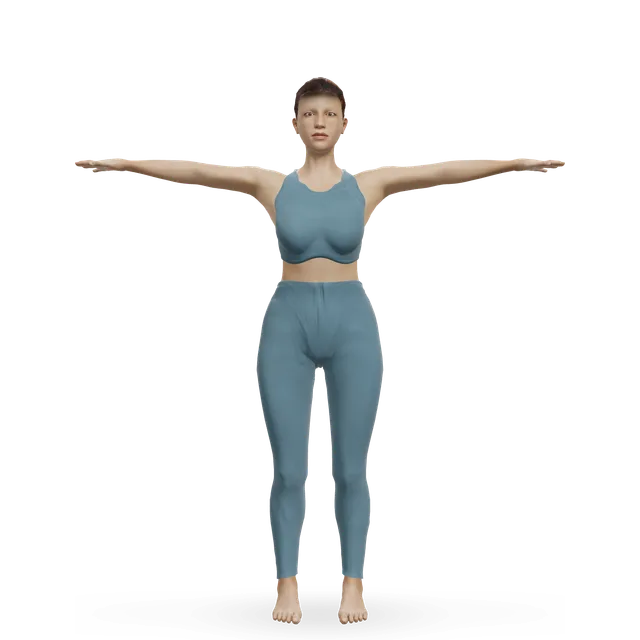
- Standing march60 to 90 sBeginner · Hip flexors, Abs, Glutes · 3D demoBrisk, in your bootsHarder: Standing band hip flexion
- Arm circles10 each wayBeginner · Shoulders, Back · 3D demoBig, easy circlesHarder: Shoulder CARs (controlled articular rotations)

Mobilise (about 2 minutes)
- Thoracic rotation5 each sideBeginner · 3D demoTurn your chest with your hips still: it's how you steer the boardEasier: Side-lying open bookHarder: World's greatest stretch
- Standing hip CARs3 slow circles each legBeginner · Glutes, Hip flexors, Hip abductors · 3D demoHold a friend or a pole for balanceHarder: 90/90 hip lift-off
- Beginner · Forearms · 3D demoMake fists, open your hands, bend the wrists both ways and turn the palmsHarder: Wrist flexor stretch



Activate (about 2 minutes)
- Bodyweight squat8 to 10Beginner · Quads, Glutes, Hamstrings · 3D demoFeet at your stance width, knees over your toesEasier: Sit squat (partial squat)Harder: Dumbbell goblet squat
- Side-stepping (sideways walking)10 steps each wayBeginner · Hip abductors, Glutes, Adductors · 3D demoStay lowHarder: Lateral band walk


Potentiate (about 2 minutes)
- Snapdown to athletic landing5 landings, holding each for 2 sBeginner · Quads, Glutes, Hamstrings · 3D demoDrop fast and land quietly, hips backHarder: Box drop landing
- Single-leg hop and stick3 small hops each legIntermediate · Quads, Glutes, Calves · 3D demoStick each landing for 2 sEasier: Standing broad jump with stuck landingHarder: Alternate-leg bounding
- Single-leg stand20 to 30 s each legBeginner · Hip abductors, Calves, Glutes · 3D demoClose your eyes for the last few seconds once you're steadyEasier: Tandem stance and heel-to-toe walkHarder: Single-leg reach matrix



Tips
- Then ride 2 or 3 easy runs before the park or anything steep, as the FIS consensus advises.
- Warm up again after a break of more than 15 minutes or a long, cold lift ride, and wear layers to stay warm between runs.
- Wear wrist guards, especially in your first days and on hired kit: in trials, they cut wrist injuries by about three-quarters.
- Wear a helmet, and remember it doesn't prevent every concussion. If in doubt after a knock, stop for the day.
- Keep any static stretch short before riding, as the site's warm-up guide advises.
The doses are suggested starting points, not a prescription. Choose a range you can control and stop for sharp or increasing pain, numbness or tingling. Get individual advice after an injury or surgery, or if you are pregnant or managing a health condition.
Guides that recommend it
Find more moves like these
More sports training

Injury prevention exercises for runners
Foot, calf, balance and hop exercises taken from the running trials with positive results, in a 25-minute home routine for 3 or 4 days a week.
25 minBeginner11 movesOther / check instructions, A bench or box



Plyometrics for runners
A 20-minute hop and bound session for runners: ankle bounces to pogo hops, one-leg hops and bounding, building foot contacts slowly over 10 weeks.
20 minIntermediate8 movesCardio machine


Strength workout for cyclists (gym)
A 50-minute gym session for cyclists: heavy squats, one-leg presses, hip flexion and calf raises as in the cycling trials, plus jumps for bone.
50 minIntermediate13 movesCardio machine, A barbellQuestions people ask
How long does the snowboarding warm-up: a 10-minute routine for the top of the slope take?
About 10 minutes, including any warm-up and cool-down listed. Shorten it by doing fewer rounds; lengthen it by adding one.
What equipment do I need?
You need: A wall. Each move links to its guide, where you can find an alternative if you are missing something.
Is it suitable for beginners?
It is written for beginners. 4 of its 10 moves have an easier option listed beside them if you need one.
How do I make it easier or harder?
Use the easier or harder option listed under each move, change the number of rounds, or adjust the rest. Progress one change at a time.