Shoulder CARs (controlled articular rotations)
Standing tall and still, you take one straight arm round the biggest, slowest circle the shoulder can make: forward and up, turning the palm as it passes overhead, then back and down behind you. Unlike arm circles, it is one arm at a time at the edge of the range. In a pilot trial in 24 young overhead athletes, a warm-up including shoulder CARs raised how high one of the two arms could lift, and the drill's share of that can't be separated.
Movement guide
Shoulder CARs (controlled articular rotations)
Loading the 3D figure…
Make it easier or harder
Choose a version that fits your control and comfort.
Easier option
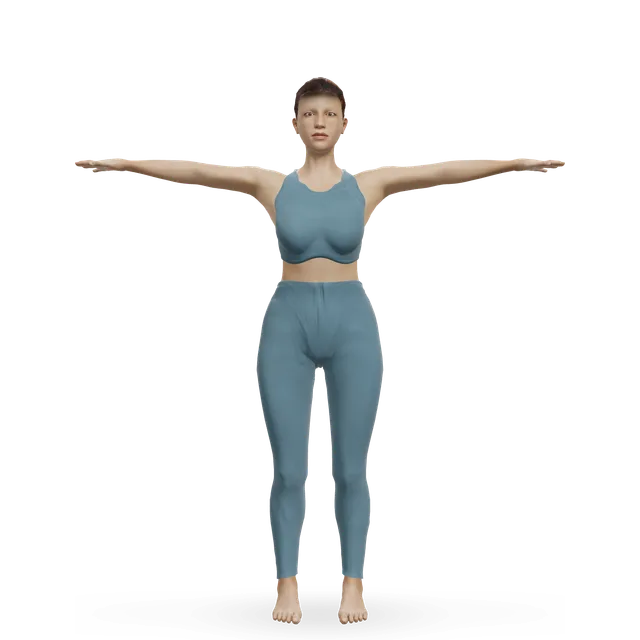 3D demoArm circlesBeginner · No equipment
Suggested next step, beginner grade.
This move
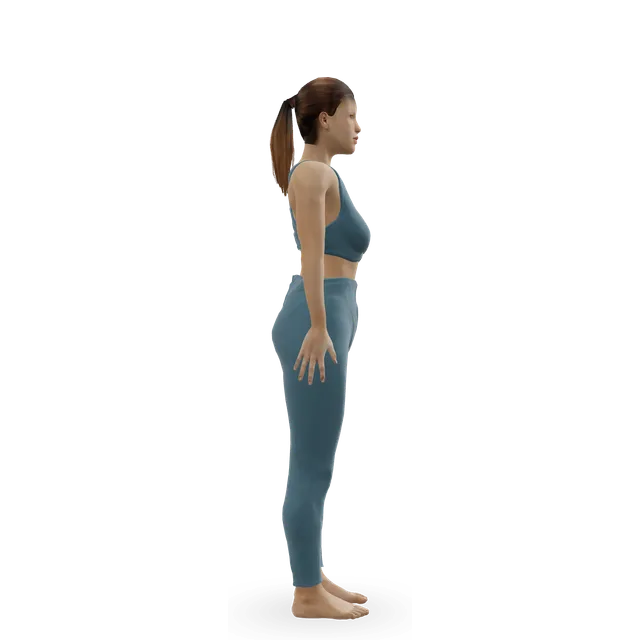 3D demoShoulder CARs (controlled articular rotations)Beginner · No equipment
Beginner grade.
Harder option
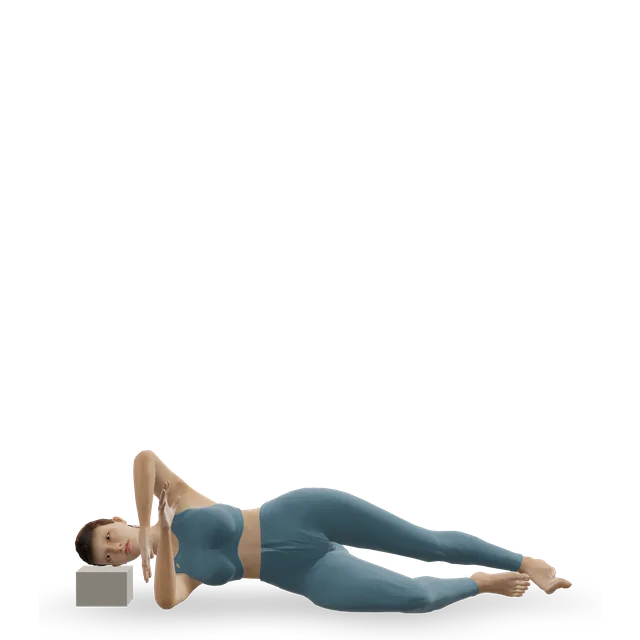 3D demoSleeper stretchIntermediate · No equipment
Similar move, intermediate grade.
Source-researched guide.
How to move
- Stand tall with your feet hip-width apart, ribs down and a light brace through your middle.
- Raise your right arm straight forwards and up, as high as it goes.
- As it passes overhead, turn the palm outwards and keep circling the arm back and down behind you at the edge of its range.
- Bring it down to your side, then circle the other way, and change arms.
Form cues
- Keep everything but the arm still: no flaring ribs or arching back.
- Take 20 to 30 seconds over each circle.
- Avoid: swinging the arm or pushing through a pinch.
Practice and cautions
3 slow circles each way with each arm, 20 to 30 seconds a circle (our editorial starting point). The warm-up trial used 2 rounds of 10 forward and 10 backward circles. Expect any extra range to be short-lived: hip CARs worked like static stretching in a 2026 trial, and gains from stretching usually last under 30 minutes, so do them shortly before the session they prepare you for.
Work inside the range you can control without pinching. A painful arc is information to work around, not something to push through. This is movement education, not an assessment or treatment prescription. Stop for sharp or increasing pain, dizziness, numbness or tingling; seek individual guidance for symptoms, injury or restrictions.
Sources and review status
Sources support the educational description; they do not establish that this exercise is suitable for you.
- Pagliaro 2026 · A shoulder warm-up including 2 rounds of 20 shoulder CARs raised shoulder lift in one arm of 24 young overhead athletes, with no change in grip or upper-limb stability (randomised pilot trial, Sports) ↗
- Head 2026 · Two 1-minute bouts of slow hip CARs raised inward hip rotation by about 5 degrees, as much as static stretches, still raised 15 minutes later; the first trial of CARs on their own (RCT of 28 young adults with stiff hips, Int J Exerc Sci) ↗
- Behm 2016 · Static, dynamic and PNF stretching all raise range, the gain usually lasting under 30 minutes; dynamic stretching slightly helps performance soon after (systematic review, Appl Physiol Nutr Metab) ↗
No variation is labeled clinically validated.
What it works
Muscles
Main: Shoulders. Also: Back.
Anatomy: Deltoid, Rotator cuff, Supraspinatus, Infraspinatus, Subscapularis, Teres minor.
Equipment
None: body weight and floor space.
Level
Beginner. See the easier and harder options above.
Workouts that use it
- 10-minute morning stretch · 10 min
- Neck and shoulder stretches · 10 min
- Dumbbell upper body workout · 40 min
- Shoulder workout · 40 min
- Beginner home workout · 20 min
- Upper body gym workout · 50 min
- Upper body gym workout B · 50 min
- Upper body workout at home · 30 min
Show all 93 workoutsShow fewer workouts
- Push day workout · 55 min
- Pull day workout · 55 min
- Push day workout B · 50 min
- Pull day workout B · 50 min
- Strength and balance workout · 45 min
- Low-impact cardio workout (no jumping) · 25 min
- 10-minute dynamic warm-up · 10 min
- Active recovery workout · 25 min
- Daily mobility routine · 12 min
- Dumbbell upper body workout B · 45 min
- Joint care workout: move and strengthen every joint · 25 min
- Shoulder mobility and rotator cuff routine (with a band) · 25 min
- Golf warm-up · 10 min
- Climbing warm-up · 15 min
- Climbers' antagonist and shoulder workout · 30 min
- Learn the Turkish get-up, stage by stage · 25 min
- Overhead press technique workout · 30 min
- Push-up challenge workout · 15 min
- Pickleball warm-up · 10 min
- Boxing fitness workout: shadow boxing and bag rounds · 35 min
- Strength workout for boxers: legs, power, shoulders and grip · 45 min
- Pregnancy strength workout (no lying on your back) · 30 min
- Drop-set workout: shoulders and arms · 20 min
- CrossFit-style workout for beginners: learn the lifts, then a short scaled workout · 45 min
- CrossFit warm-up and mobility routine: shoulders, wrists, hips and ankles · 15 min
- Strength workout for martial arts: hips, grip, neck and shoulders · 45 min
- Martial arts warm-up with breakfalls: run, fall, move, balance, strengthen · 15 min
- Cricket warm-up · 12 min
- Gymnastics conditioning workout: jumps, landings, wrists, shoulders and trunk · 45 min
- Gymnastics warm-up: wrists, shoulders, spine, hips and landings · 15 min
- Table tennis warm-up · 10 min
- Strength and landing workout for cheerleaders: legs, shoulders, trunk, wrists and landings · 50 min
- Cheerleading warm-up: wrists, shoulders, spine, hips and landings before stunting · 15 min
- Strength workout for trampolinists: isometric squats, calves, jumps, trunk shapes and pelvic floor · 45 min
- Obstacle race strength workout: pull-ups, hangs, carries, crawls and burpees · 50 min
- Wrestling strength workout: jumps, deadlifts, split squats, pull-ups, grip and neck · 55 min
- Jumps warm-up: landings, take-offs and run-ups before the long, triple and high jump and pole vault · 20 min
- Strength and power workout for throwers: lifts paired with medicine-ball throws, rotation and shoulder care · 50 min
- Throws warm-up: safety checks, spine and shoulder mobility, Shoulder Control and build-up throws · 20 min
- Dryland workout for divers: take-off jumps, landings, legs, wrists, shoulders and entry shapes · 45 min
- Diving warm-up: wrists, shoulders, spine, hips and take-off jumps on the poolside · 15 min
- Pole conditioning workout: hangs and pulls, shoulders, inverts, hamstrings, inner thighs and grip, off the pole · 45 min
- Pole dance warm-up: wrists, shoulders, spine, hips and a graded hang before class · 15 min
- Aerial conditioning workout: pull-ups, hangs, inversions, shoulders, grip and landings for silks, hoop and trapeze · 50 min
- Aerial warm-up: shoulders, wrists, fingers, a graded hang and a tuck before silks, hoop or trapeze · 15 min
- Beginner barre workout at home: pliés, rises, leg lifts and holds at a chair, then mat work · 25 min
- Low-impact dance fitness workout: no-jump cardio to music, with trunk and pelvic floor work · 35 min
- Swim workout for beginners: lengths, rests and a steady continuous swim · 35 min
- Open-water swim practice: getting in, settling your breathing, sighting and getting out · 40 min
- Arm workout at home: curls and triceps with dumbbells · 30 min
- Chest workout at home: push-ups, floor presses and flys · 30 min
- Arm workout without weights: chin-ups, rows, close-grip push-ups and dips · 30 min
- Shoulder workout at home: presses, lateral raises and rear-shoulder work · 30 min
- Back workout at home: dumbbells, a band and an optional bar · 40 min
- Chest and back workout: presses paired with pulls (gym) · 55 min
- Shoulders and arms workout: presses, raises, curls and extensions (gym) · 45 min
- Traps workout: shrugs, rows, raises and carries · 30 min
- Yoga for mobility: a 20-minute flow for range you can control · 20 min
- Arm supersets: push-up steps with rows, curls with triceps · 20 min
- Pull-up training by level: hangs, rows, assisted pull-ups and quick sets · 25 min
- Chest and triceps workout: presses, flys, dips and extensions · 55 min
- Back and biceps workout: pulldowns, T-bar rows, rear delts and curls · 55 min
- Tricep workout: a close-grip press, then overhead, lying and pushdown extensions · 35 min
- Landmine workout: presses, rows and rotations with one barbell · 40 min
- Handstand push-up progression: pike push-ups to the wall · 30 min
- One-arm push-up progression: archer push-ups to one arm · 30 min
- Overhead squat progression: ankle, hip and shoulder mobility, then the dowel and the bar · 25 min
- Battle rope workout for beginners: 30-second waves, building to 10 rounds · 25 min
- Lat workout: pulldowns, straight-arm pulldowns and rows (gym) · 40 min
- Medicine ball workout: throws, slams and an interval finisher · 30 min
- Back lever progression workout · 30 min
- Dead hang progression workout: supported hangs to 60 seconds · 20 min
- Crawling workout: bear crawls, crab walks and inchworms (20 minutes, no equipment) · 20 min
- Human flag strength workout: the pulling, pressing and side-trunk strength behind the flag · 35 min
- Dumbbell chest workout: flat, incline and neutral-grip presses, flys and a pullover · 35 min
- Cable arm workout: curls and triceps on one cable station · 35 min
- Cable shoulder workout: presses, lateral raises and rear-shoulder work on one cable station · 35 min
- Machine shoulder workout: the shoulder press machine, lateral raises and rear-shoulder work · 35 min
- V taper workout: lats, side shoulders and rear shoulders (gym) · 45 min
- Unilateral workout: one leg and one arm at a time (dumbbells) · 45 min
- More push-ups workout: harder sets, quick practice sets and a pull · 30 min
- Arm exercises for seniors: push, pull, curl, press and carry, seated or standing · 25 min
- Forearm stand progression · 25 min
- Mobility Pilates: a 25-minute class for your spine, hips and shoulders, from standing to the floor and back · 25 min
- Shoulder Pilates: a 25-minute class for the shoulder blades, the rotator cuff, weight on your hands and reach overhead · 25 min
Pain guides that use it
Part of a staged plan, with when to get help first.
- Frozen shoulder: exercises matched to how sore it is, and what really helps
- Little League shoulder: growth plate pain in young throwers, how long to rest, and getting back to throwing
- Skier's thumb: a torn ligament at the base of the thumb, splint or surgery, and the exercises
- Shoulder pain when throwing: the rotator cuff, the labrum, instability, throwing load and what helps
- Shoulder pain from golf: the lead shoulder, backswing, rotator cuff, AC joint and what helps
- Shoulder pain from tennis: the serve, rotator cuff, labrum, racket and strings, and what helps
- Pickleball elbow: outer or inner elbow, the paddle and grip, the backhand, braces and what helps
- Shoulder pain from pickleball: overheads, the rotator cuff, a stiff shoulder, falls and what helps
Show all 11 pain guidesShow fewer pain guides
Guides that use it
- Pilates for frozen shoulder guide
- Pilates for mobility guide
- Pilates for your shoulders guide
- Yoga for mobility guide
- Yoga for frozen shoulder guide
- Yoga for shoulder mobility guide
- Joints guide
- Shoulder joint guide
Show all 51 guidesShow fewer guides
- Exercise during and after cancer treatment
- Exercises for lymphoedema (lymphedema)
- Exercise for stress relief
- Exercise with a pacemaker or ICD
- Warming up guide
- Muscle soreness guide
- Mobility guide
- How to overhead press guide
- Turkish get-ups guide
- Arnold press guide
- Upright rows guide
- Front raises guide
- Kettlebell press guide
- Landmine press guide
- Push press guide
- Decline bench press guide
- Pike push-ups guide
- Overhead squats guide
- Battle ropes guide
- Chest-supported rows guide
- Landmine rows guide
- Floor press guide
- Band pull-aparts guide
- Straight-arm pulldowns guide
- Medicine ball slams guide
- External rotations guide
- Back levers guide
- Kettlebell halos guide
- Scapular pull-ups guide
- Y-T-W raises guide
- Crab walks guide
- Handstand push-ups guide
- Cuban press guide
- Bench dips guide
- Incline push-ups guide
- Assisted pull-ups guide
- Dip machine guide
- Dumbbell shoulder press guide
- Negative pull-ups guide
- Overhead carry guide
- Shoulder mobility guide
- Forearm stand guide
- Pole dancing and pole fitness guide
Similar moves
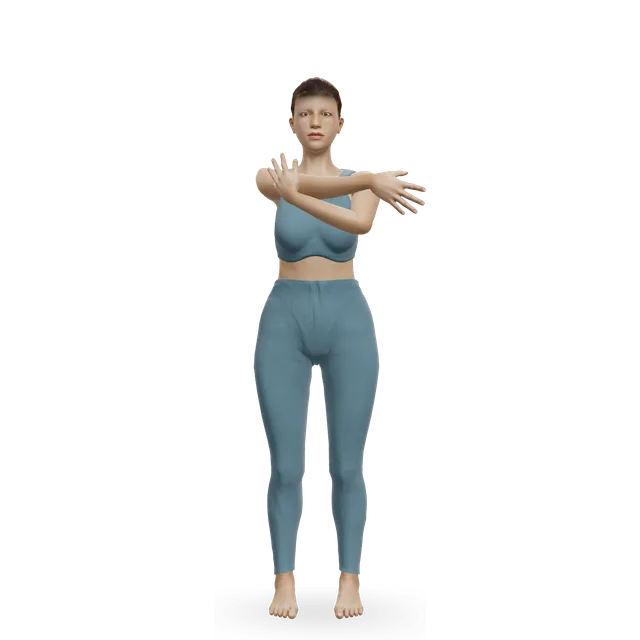 3D demoCross-body shoulder stretchBeginner · No equipment
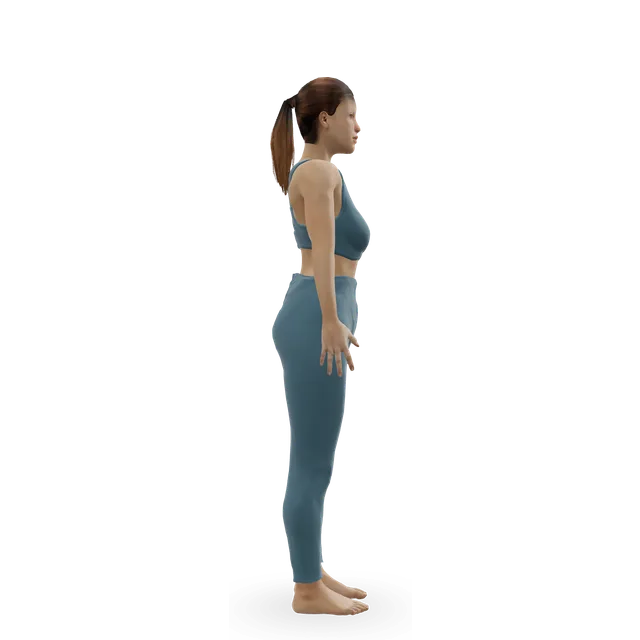 3D demoShoulder rollsBeginner · No equipment
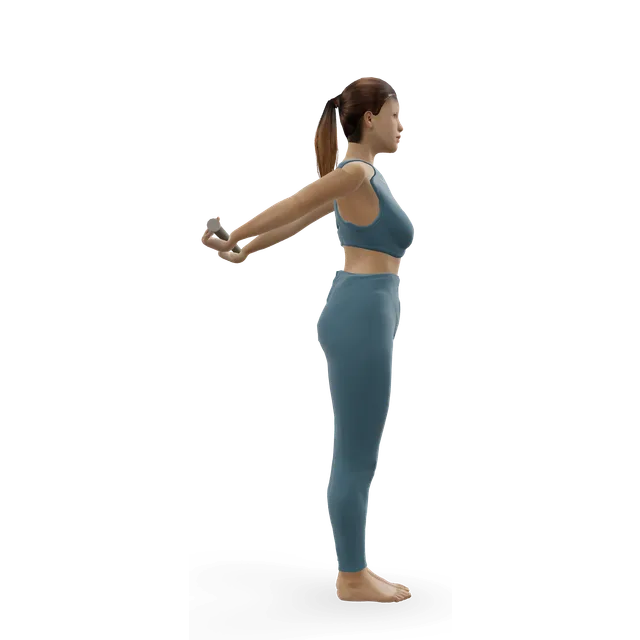 3D demoBehind-the-back stick shoulder stretchBeginner · Other / check instructions
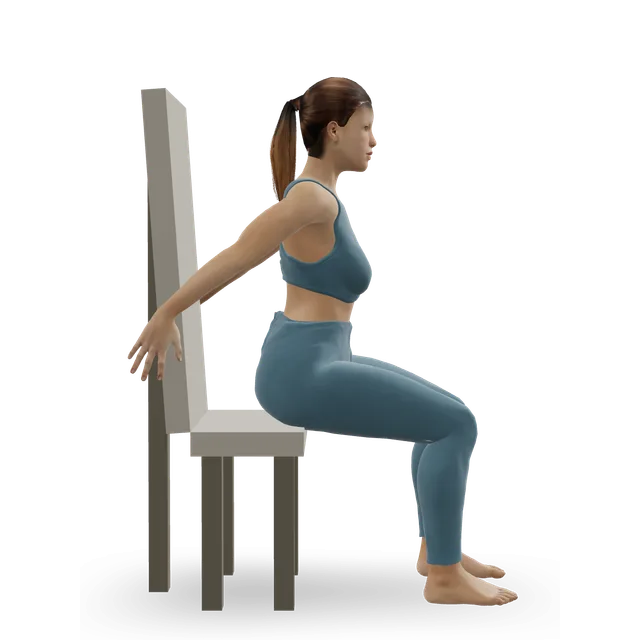 3D demoChair chest and shoulder stretchBeginner · A bench or box
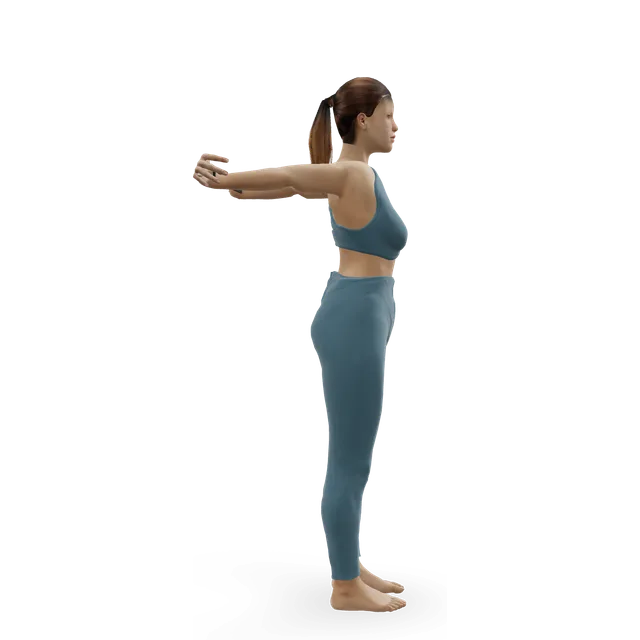 3D demoShoulder dislocates with a strap (pass-throughs)Beginner · Other / check instructions
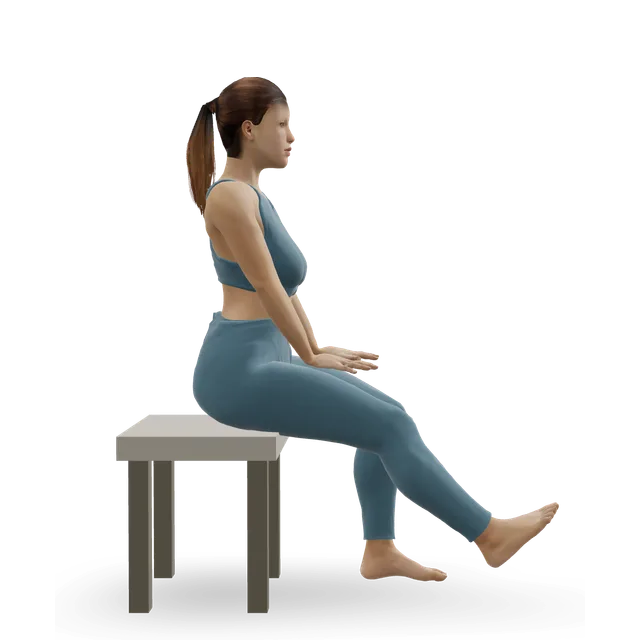 3D demoAnkle CARs (controlled articular rotations)Beginner · No equipment
Browse more
Questions people ask
What muscles does the Shoulder CARs (controlled articular rotations) work?
Mainly the shoulders, with help from the back.
What equipment do I need for the Shoulder CARs (controlled articular rotations)?
No equipment: your body weight and a little floor space.
Is the Shoulder CARs (controlled articular rotations) good for beginners?
It is graded beginner, so it suits most people starting out. When it feels easy, try the Sleeper stretch.
What is an easier alternative to the Shoulder CARs (controlled articular rotations)?
Try the Arm circles. It is the suggested step down from this move.
How do I make the Shoulder CARs (controlled articular rotations) harder?
Progress to the Sleeper stretch or the Crab reach. Follow that guide’s technique and any stated timing.