Warning signs: when to get help
These are the site's lines from our yoga for the neck and shoulders, shoulder impingement and frozen shoulder guides, word for word. This is general information, not a diagnosis. A&E means accident and emergency; in the US, call 911 for 999, and use your doctor's urgent line or urgent care for NHS 111.
Shoulder or arm pain with chest pain, or sudden arm weakness: call 999
- Call 999: shoulder or arm pain with chest pain that feels tight or squeezing, or chest pain that spreads to your arms, neck or jaw, especially with shortness of breath, sweating or feeling sick. It could be a heart attack.
- Call 999: you suddenly can't fully lift both arms and keep them there, because of weakness or numbness in one arm, especially if one side of your face droops or you slur your words or sound confused. It could be a stroke. Call even if the signs have stopped.
Sources 46, 47, 48, 24, 49
Pain that comes and goes with effort
Get help from NHS 111: pain or tightness in your chest, neck, shoulders, jaw or arms that comes and goes, often brought on by exercise, stress, emotion or cold and easing after a few minutes' rest. It can be angina, a sign of a heart problem. If you've been diagnosed with angina, get help from NHS 111 too if it feels worse than before, is happening more often, lasts longer or happens when you're resting.
Source 47
After a fall or injury
Call 999 or go to A&E: after a fall or injury, your shoulder looks out of place or has changed shape, you cannot move your arm, or your shoulder is painful, bruised or swollen. Do not drive yourself, and do not try to put it back in yourself.
Sources 24, 46
A hot, swollen or suddenly weak shoulder: the same day
- Same day (GP or NHS 111): the shoulder or arm is hot, swollen or red, or you have a high temperature (although not everyone has one) or feel unwell. A joint infection needs same-day care.
- Same day (GP or NHS 111): sudden or very bad shoulder pain; you cannot move your arm; the arm or shoulder is badly swollen or has changed shape; pins and needles that do not go away; no feeling in the arm; the arm is hot or cold to the touch; pain that started after an injury such as a fall; or severe pain in both shoulders.
- Same day (GP or NHS 111): sudden weakness lifting the arm after an injury or fall. A rotator cuff tear caused by an injury needs urgent referral to a shoulder specialist. After a dislocation in anyone over 40, the rotator cuff should be checked: about 40% have a tear.
Source 24
See a GP or physiotherapist
- Pain that is getting worse or has not improved after 2 weeks of looking after it yourself, or it is very hard to move your arm. In many areas you can refer yourself to physiotherapy.
- Pins and needles or a cold arm alongside neck pain, or a new loss of strength or feeling in the arm that you cannot explain (a possible nerve problem).
- See a GP if you have pain and stiffness for more than a week, especially if you're over 50, it's in both shoulders (often the neck and hips too) and the stiffness lasts longer than 45 minutes in the morning. It can be polymyalgia rheumatica.
Sources 24, 49, 50
Not settling, or other signs to check
- A past history of cancer, an unexplained lump or swelling, weight loss, or pain that is constant and does not ease when you change position.
- Not improving after a good 3 months of exercise, or the arm is clearly weak: ask for a specialist opinion.
Sources 24, 23, 51
A frozen shoulder: how much pain is OK
Frozen shoulder is the exception to the 5 out of 10 rule our shoulder guides use for rotator cuff pain: in a study, gentle exercise within the pain-free range did better than intensive stretching through pain, and the NHS says to move the shoulder gently.
So: in the very painful stage, stay pain-free. Later, stretch to mild discomfort and hold. A stretch should not leave a lasting flare afterwards; if it does, go gentler next time.
Sources 35, 12
A frozen shoulder: how sore is it?
- High irritability: pain 7 out of 10 or more, constant night or rest pain, pain before you reach the end of the movement. Start at stage 1.
- Moderate: pain 4 to 6 out of 10, night pain on and off, pain at the end of the movement. Stage 2.
- Low: pain 3 out of 10 or less, no night or rest pain, pain only when the shoulder is pushed at the very end of its range. Stage 3.
Source 52
Diabetes
Joint stiffness, frozen shoulder and carpal tunnel syndrome are more common with diabetes; regular stretching and strength work help keep movement. Our frozen shoulder and carpal tunnel guides have plans.
Strengthening a sore or loose shoulder
During shoulder strengthening, pain up to about 5 out of 10 is acceptable, and a little is expected. By your next session it should be back to where it was before. If it isn't, use a lighter band or weight or a smaller range next time, not nothing.
Stop for sharp pain, a feeling that the shoulder is slipping, pins and needles or numbness down the arm, or pain that is still worse by your next session after strengthening.
Stop an exercise, or shrink its range, if you get the feeling the shoulder is about to slip out (editorial).
Source 16
Chest pain or fainting while exercising: call 999
Call 999 if:
- You get sudden pain or discomfort in your chest that doesn't go away; it can feel like squeezing or pressure, burning or indigestion.
- The pain spreads to your left or right arm, or your neck, jaw, stomach or back.
- You have chest pain and feel sweaty, sick, light-headed or short of breath.
- Someone faints while exercising, can't be woken within 1 minute, or has chest pain or a pounding, fluttering or irregular heartbeat.
Sources 47, 46, 53
Unusual breathlessness
Call 999 or go to A&E (accident and emergency) straight away for severe difficulty breathing (gasping, choking or not able to get words out), a chest that feels tight or heavy, pain that spreads to your arms, back, neck and jaw, lips or skin turning very pale, blue or grey, or sudden confusion. If you're more short of breath than usual, or your heart is racing, fluttering or skipping beats, contact NHS 111.
Source 54
During yoga
A joint pain that is sharp, gets worse during a session, lingers into the next day or changes how you move is a reason to use an easier version, and to see a GP or physiotherapist if it keeps happening (the rule in our plans). Muscle soreness for a day or two after something new is normal. In a hot class, stop if you feel dizzy, sick or unwell; our hot yoga guide lists the signs of heat illness.
You can say no to any hands-on adjustment, and a teacher registered with Yoga Alliance must get your explicit consent each time.
Sources 55, 42, 45, 56
Head-down poses, bones and pregnancy
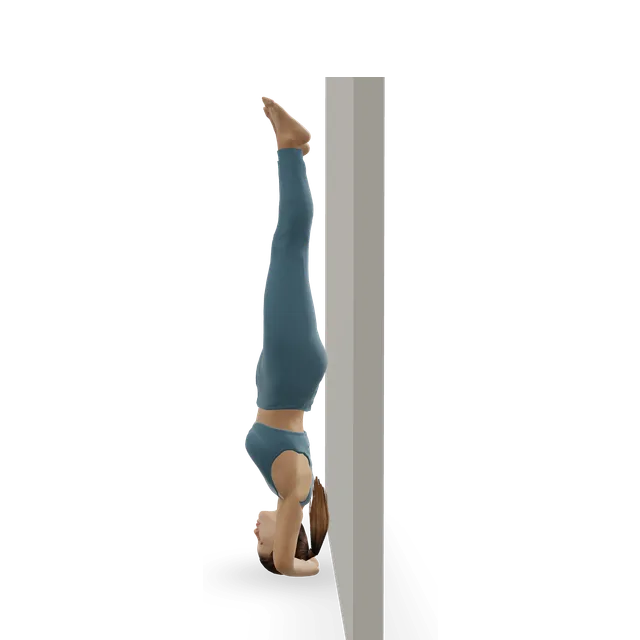
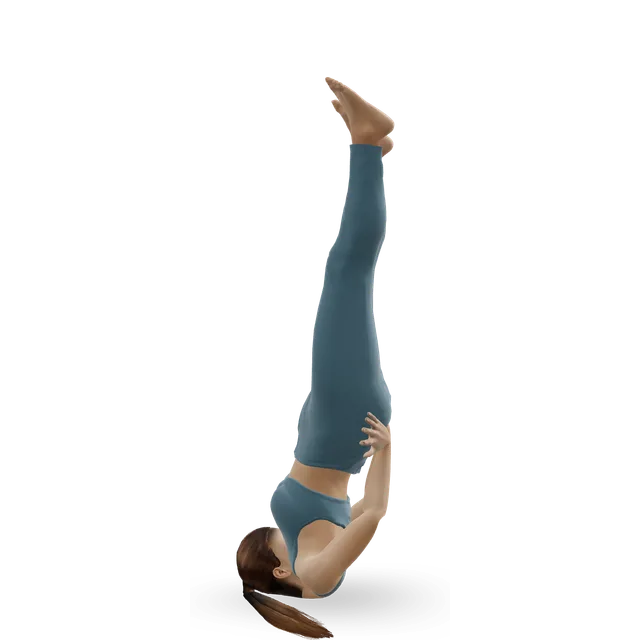
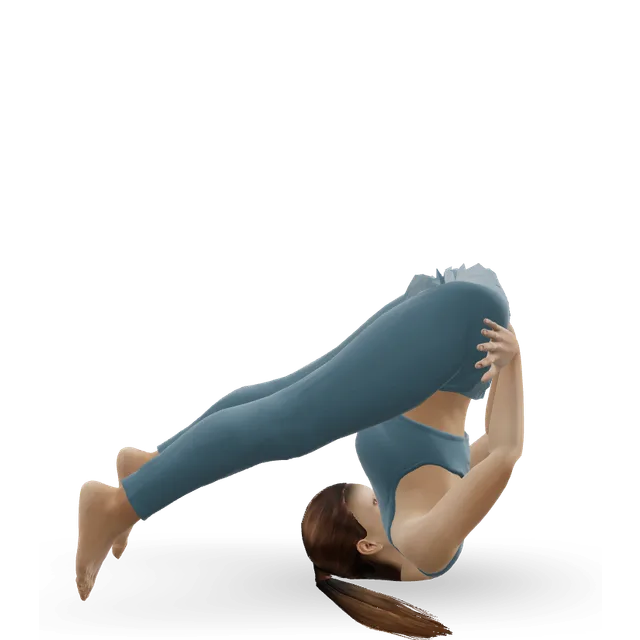
With glaucoma, or high blood pressure that isn't under control, skip headstands, shoulder stands and long head-down holds. With osteoporosis, swap deep forward folds for a flat-back hinge from the hips, and twist smoothly. In pregnancy, our yoga in pregnancy guide covers the changes. NCCIH advises beginners to avoid headstands, shoulder stands, the lotus position and forceful breathing.
Sources 57, 45
Before you start
The NHS advises getting advice from a healthcare professional first if you have a health problem, an injury or symptoms, or have recently had a heart attack or an operation.