One rolling session: a few minutes of rangeStrong evidence
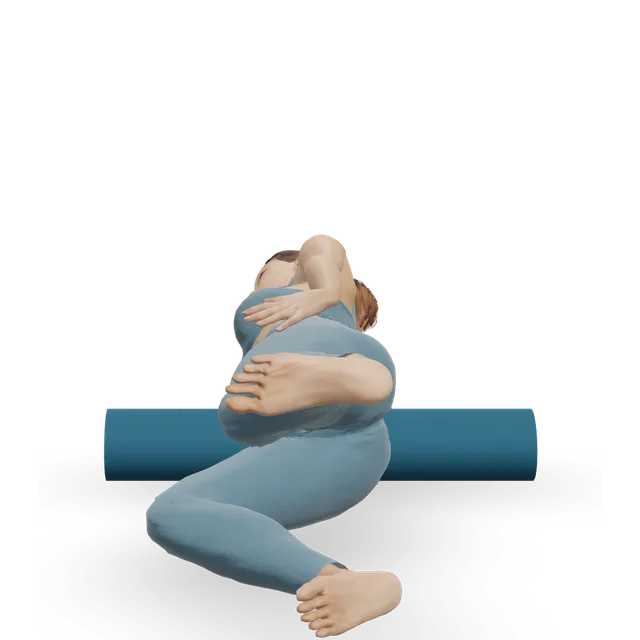
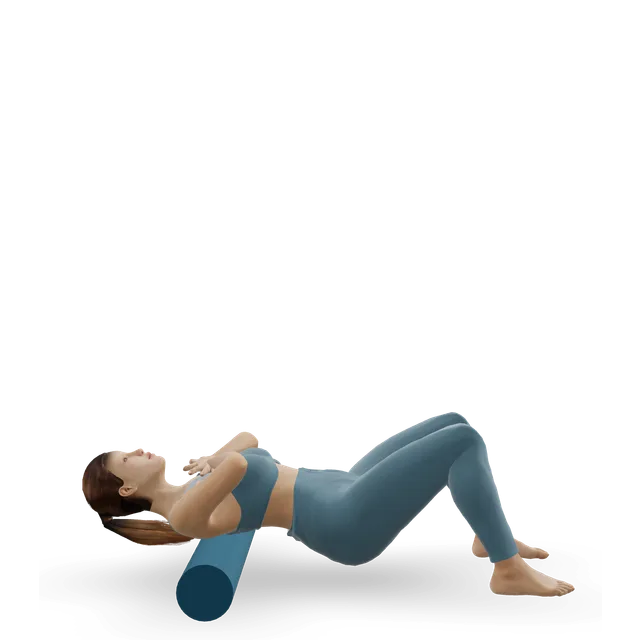
Across 26 trials in healthy adults, mostly of the legs, one rolling session raised range by a large amount against doing nothing, and by about the same as stretching. These were immediate effects. We found no trial of rolling against a sham in people with shoulder pain.
Source 7
Rolling around the shoulder itselfEmerging evidence
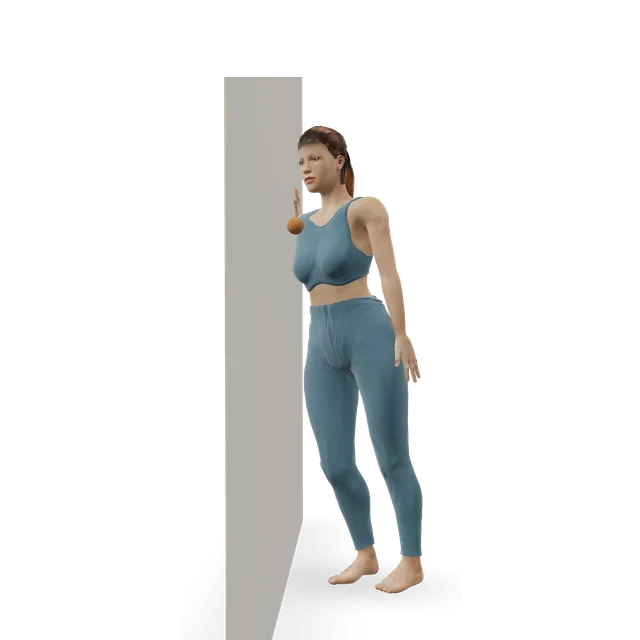
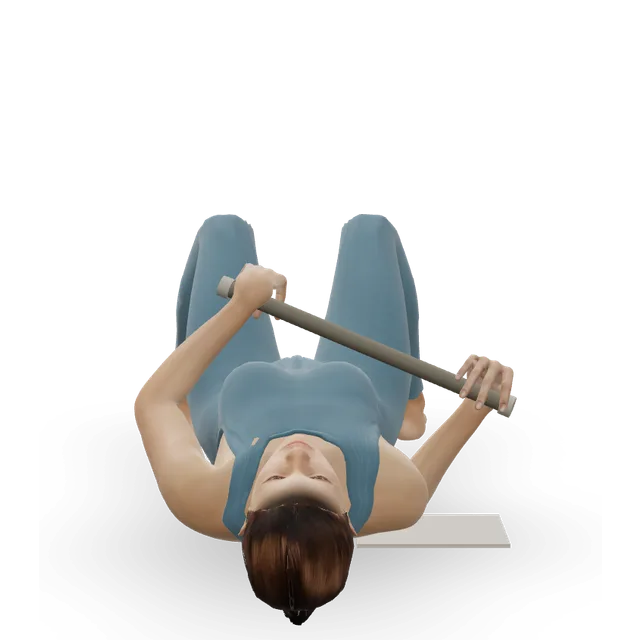
In 38 active adults, 2 minutes of rolling the main chest muscle with a foam ball changed neither shoulder range nor muscle stiffness against 2 minutes' rest. In 12 women, a minute of rolling the back of the thighs raised shoulder range for 10 to 20 minutes. In 11 young tennis players, adding 5 weeks of self-release for the back of the shoulder and the chest gained 11 degrees of turning in, with no separate comparison group. In 11 women aged about 64, 8 weeks of daily exercises lying on a long roller raised how far they could lift their arms (148.5 to 155.1 degrees), again with no comparison group.
Sources 8, 9, 24, 25
Pectoralis minor self-releaseEmerging evidence
In 21 pain-free students, one session of self-release on the small chest muscle with arm movement improved shoulder lifting against a light-touch placebo, with no difference in turning in or out. Our chest guide covers pec release.
Source 26
Instrument scrapingMixed evidence
In 35 pain-free college baseball players, one scraping session on the back of the shoulder added 11.1 degrees of reach across the body and 4.8 degrees of turning in, against no change in 18 players who had nothing (not a sham). Across 9 trials, scraping added about 5 degrees where movement was limited and 2 in healthy people, on very low to low certainty evidence. Across 11 trials, one of them at the shoulder, it eased pain more than the same care without it, measured straight after treatment, with no sham comparisons. Our muscle scraping guide covers the tools.
Sources 27, 28, 29
Myofascial release for frozen shoulderMixed evidence
A 2026 review found 11 studies (383 people, 1 to 12 sessions). None compared release with a sham, only two tested it on its own rather than added to other physiotherapy, and only two blinded the people measuring the results, so its own effect can't be pinned down.
Source 10
Trigger point care, as a packageEmerging evidence
In 72 people with long-term shoulder pain, 12 weekly sessions of pressure on tender spots, stretching, cold with stretching, home stretches and advice on posture improved a 100-point disability score by 7.7 points more than a waiting list, and 55% felt better against 14%. There was no placebo, so the pressure on its own can't be credited. Our trigger points guide gives the same trial.
Source 30
Pressure on a tender spotEmerging evidence
In 119 people with tender spots in the muscle across the top of the shoulder, gentle pressure held for 90 seconds, or firmer pressure for 30 seconds, eased pain and tenderness straight away. We found no trial on the back of the shoulder blade itself.
Source 31
Stretching the back of the shoulderEmerging evidence
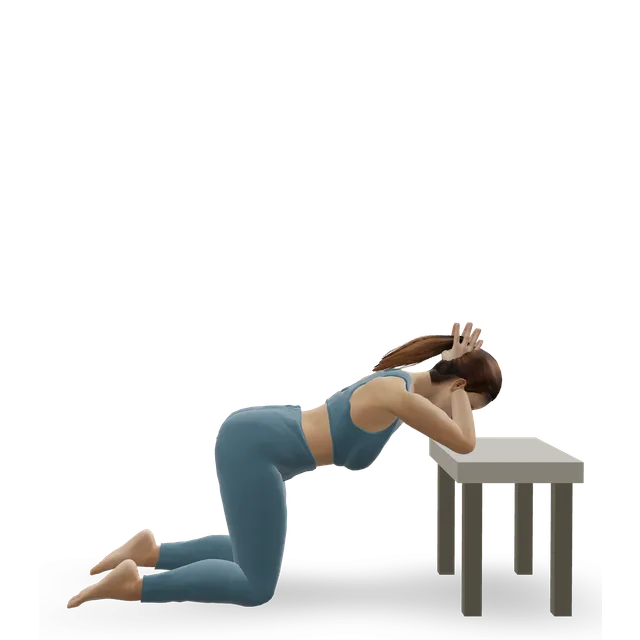
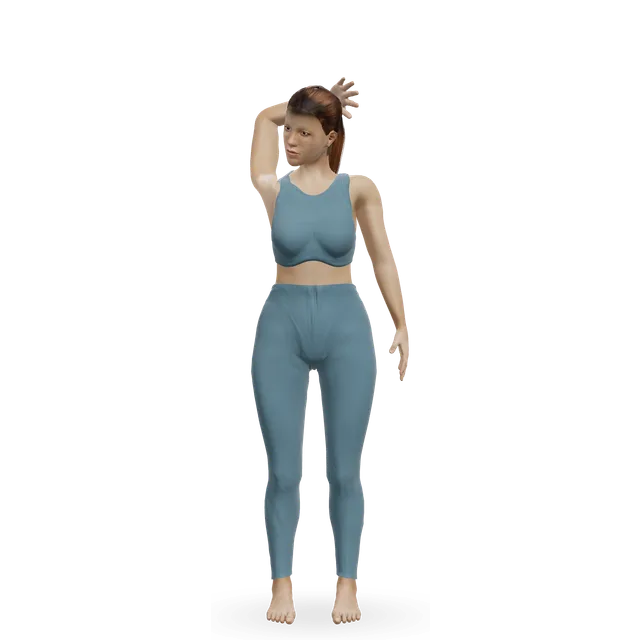
In 54 people without pain, the cross-body stretch (5 holds of 30 seconds, once a day for 4 weeks) gained 20 degrees of turning in, against 5.9 in 24 untreated people who weren't randomised; the sleeper stretch's 12.4 degrees wasn't significant. In overhead athletes who had lost turning in, stretching added about 7 degrees across 6 trials.
Sources 11, 32
StrengthStrong evidence
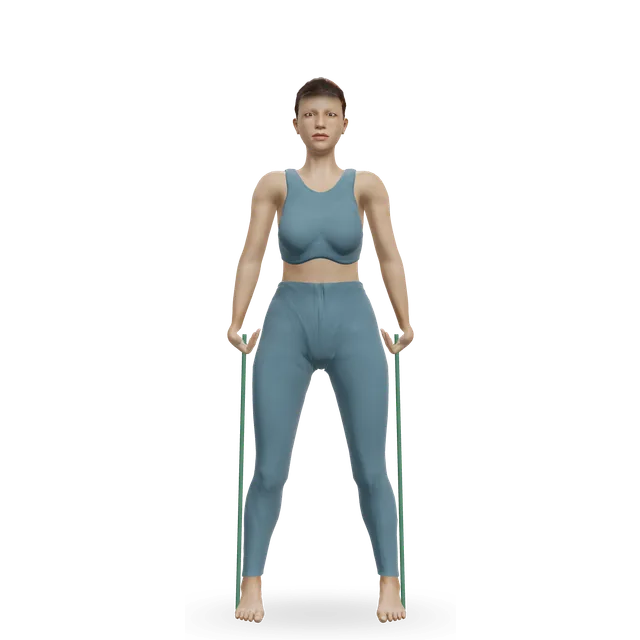
In 48 women with aching muscles across the top of the shoulder, 10 weeks of specific strength training cut their worst pain by about 79%. In 198 workers, 2 or 12 minutes a day of elastic band training for 10 weeks eased neck and shoulder pain and tenderness more than health advice. Our shoulder pain guides build rotator cuff and shoulder-blade strength from the rotator cuff trials they cite.
Sources 33, 12
Frozen shoulder: what worksStrong evidence
Across 65 studies (4,097 people), only a steroid injection into the joint gave clearly better short-term pain relief than other treatments. A Cochrane review of 32 trials found manual therapy and exercise may help less than an injection in the short term, and no trial compared them with a placebo or no treatment.
In UK FROST, 503 adults in hospital care had manipulation under anaesthetic, keyhole release of the capsule, or early physiotherapy with an injection: shoulder scores at a year were 38.3, 40.3 and 37.2, and none was clinically better. These figures are from the trial's summary; a published correction to the article exists, which we couldn't read. The UK care pathway says it's unknown whether supervised physiotherapy beats letting a frozen shoulder run its course.
Sources 13, 34, 6, 35
Frozen shoulder over timeEmerging evidence
In 223 people followed for an average of 4.4 years, 59% had normal or near-normal shoulders and 41% had some lasting symptoms, mostly mild. A review found that most improvement happens early, and that it isn't always complete.
Sources 36, 37
Where the evidence is thin
We found no trial of rolling, ball release or scraping against a sham in people with shoulder pain; the rolling trials are in healthy people and measured minutes, not weeks; and the frozen shoulder release studies all added other treatment. We read most studies' summaries (abstracts), not their full texts.