What is a trigger point?
It's a tender spot in a tight band of muscle that, when pressed, can send an ache or another sensation somewhere else. An active one brings on your familiar pain; a latent one is tender but isn't your pain. Most people call them muscle knots.
Are trigger points and muscle knots real?
The tender spots are real. What they are is disputed: trained examiners agree only moderately on where they are, and there's no test to confirm one. Critics argue the theory has been refuted, while supporters point to small studies of local changes in the muscle.
What causes trigger points?
No one knows for sure. Supporters think a tiny patch of muscle stays contracted and irritates nearby nerves, while critics think sensitised nerves explain the tenderness. Small studies found chemical changes near trigger points, but also in a pain-free muscle elsewhere.
How do you get rid of a muscle knot?
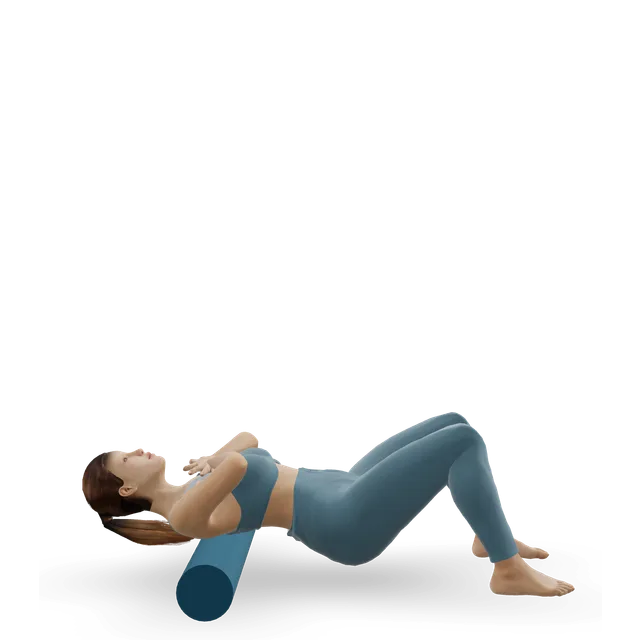
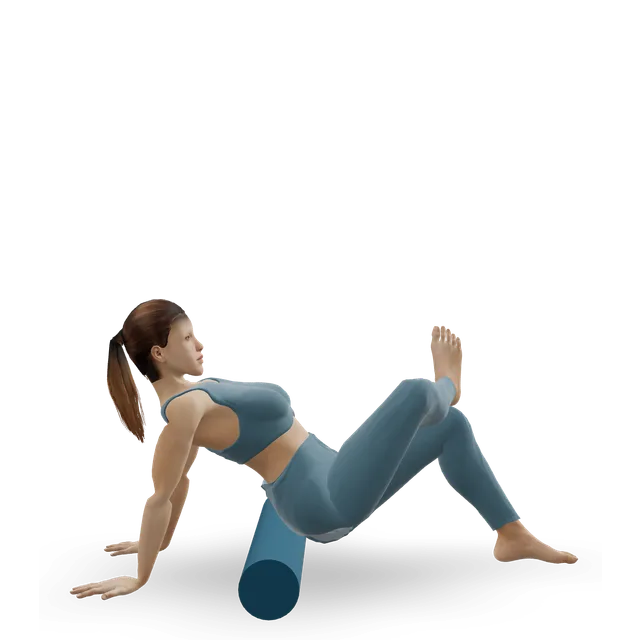
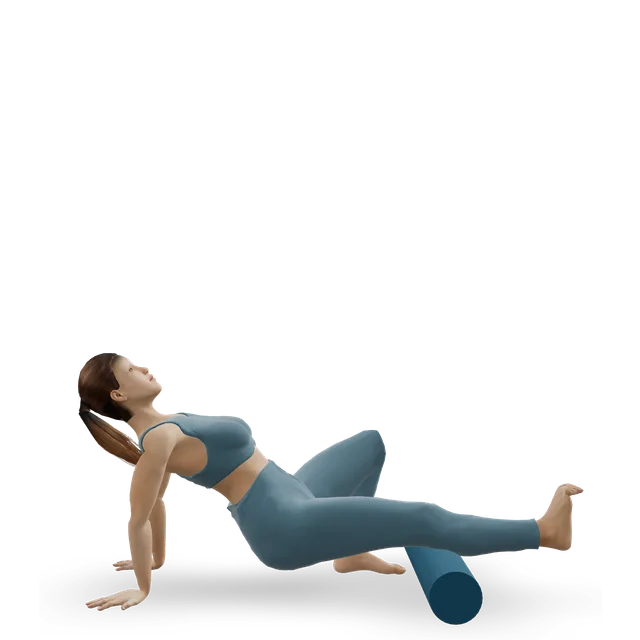
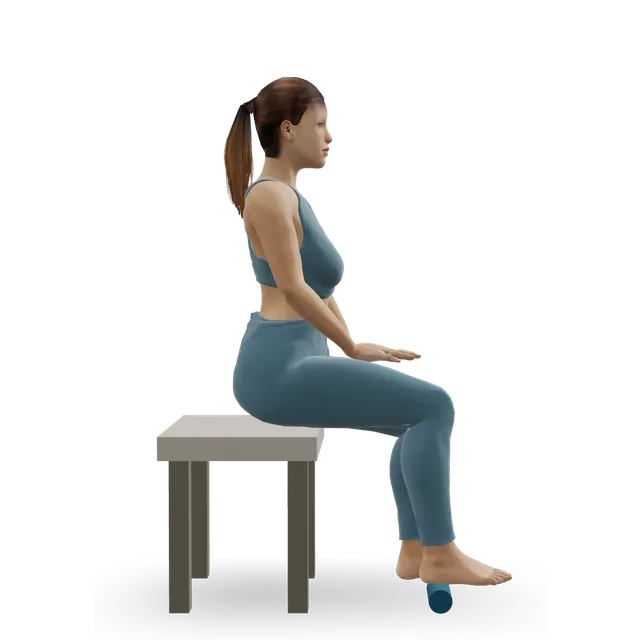
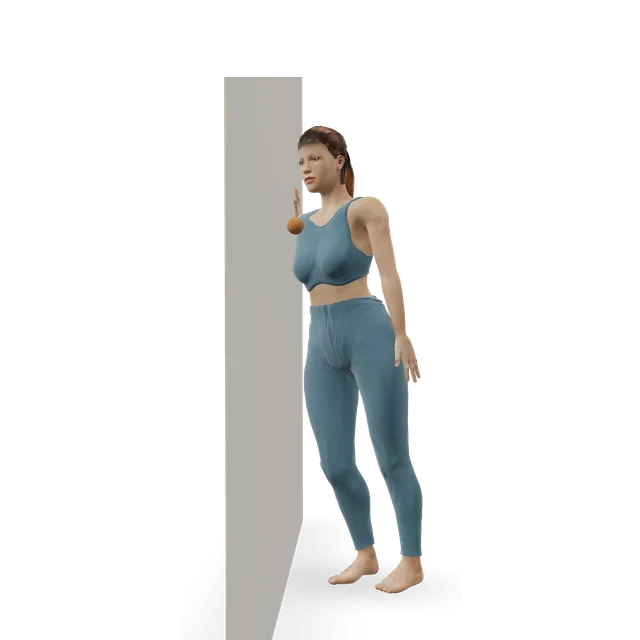
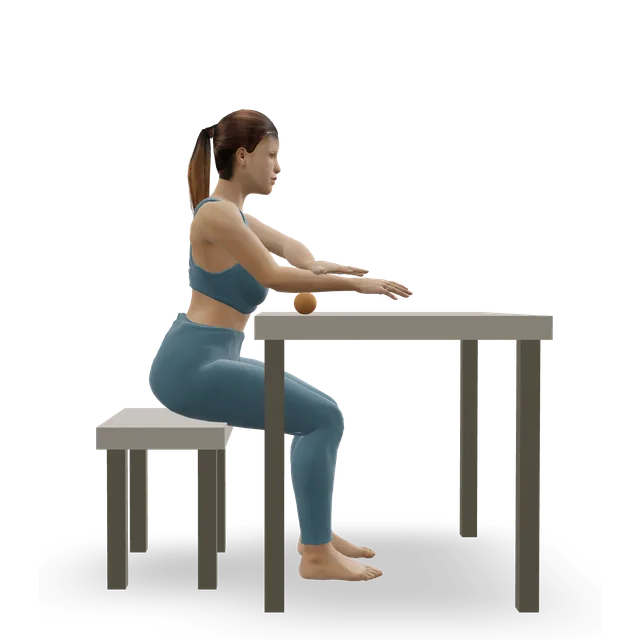
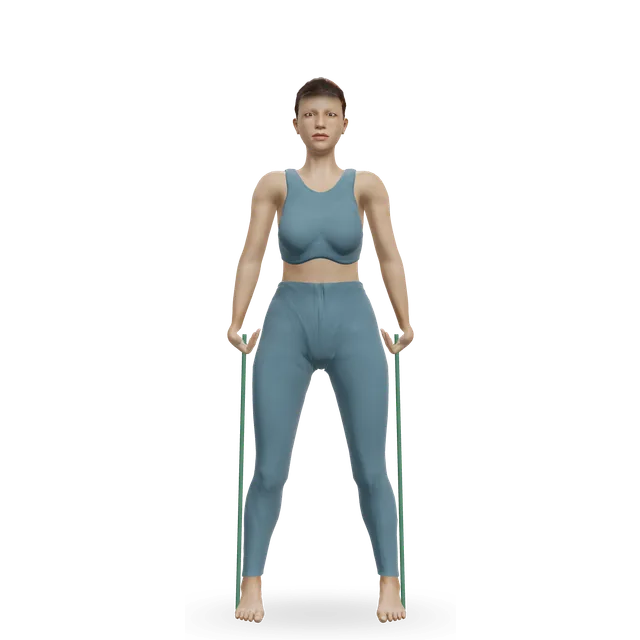
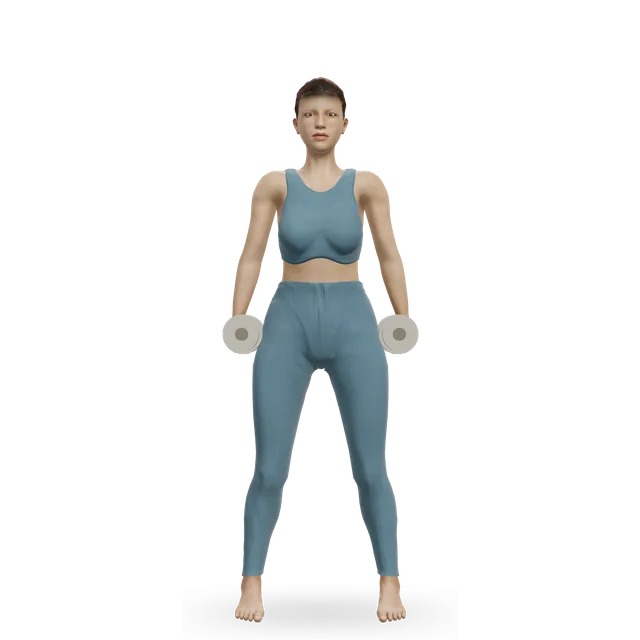
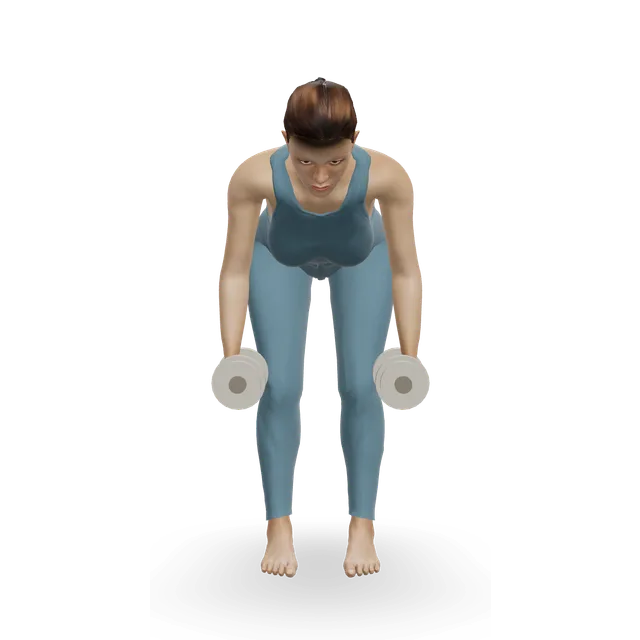
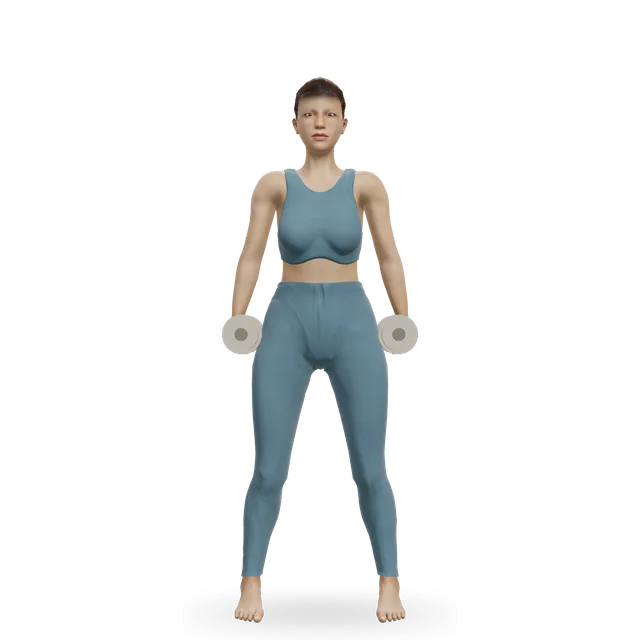
For quick relief, press it with a ball or roller for 30 to 90 seconds, then stretch the muscle. For aching neck and shoulder muscles, strength training over about 10 weeks has the best evidence. Those trials were in muscle pain rather than diagnosed knots, so this is a reasonable inference, not a proven cure.
Should pressing a knot hurt?
Use a pressure you can breathe through, around where it first turns uncomfortable. In rolling studies, near-painful pressure gave no extra benefit. Stop for tingling, numbness or pain that spreads.
Is myofascial pain syndrome the same as fibromyalgia?
No. Myofascial pain syndrome is pain in one region put down to trigger points, while fibromyalgia is pain all over the body with tiredness, poor sleep and problems with memory and concentration. Both are helped by exercise, and fibromyalgia needs a GP's assessment.
Does dry needling work?
The evidence is mixed. Reviews disagree on whether it beats a sham, partly because fake needling is hard to make convincing, and where it helps, the effect is short-term and no better than other physiotherapy. NICE allows a single short course for long-term pain with no clear cause, but not for osteoarthritis.
What's the difference between dry needling and acupuncture?
Both use thin, solid needles. Dry needling aims at trigger points using muscle anatomy, while acupuncture uses points from traditional or Western systems. Cochrane and NICE group them together.
What are the side effects of dry needling?
Minor bruising, bleeding or soreness follows roughly 1 in 5 to 1 in 3 sessions. Rarely, needling near the chest, upper back or lower neck punctures a lung. New chest pain or breathlessness after needling needs 999.
Do trigger point injections work?
It's unclear. What's injected doesn't seem to matter, and dry needling did as well. NICE advises against starting steroid trigger point injections for long-term pain with no clear underlying cause.
Can trigger points cause headaches?
Some researchers think trigger points in the neck can bring on tension headache pain. But in a trial with a sham comparison, trigger point massage cut headache frequency no more than the sham did. A sudden, severe headache needs 999.
Can a muscle knot cause chest pain?
A chest muscle can be tender, but don't assume chest pain is a knot. Call 999 for chest pain that doesn't go away, spreads to the arm, neck, jaw or back, or comes with sweating, sickness or breathlessness.