Pain guide · Neck pain

Tension headaches: relief, prevention, and how they differ from neck headaches

A tension headache is the common headache: pressing or tight on both sides, mild to moderate, and not made worse by walking about. It isn't a sign of anything serious. But call 999 for a headache that came on suddenly and is extremely painful, or a headache with confusion, weakness, slurred speech, loss of vision, a seizure, a stiff neck with a fever, or a rash that doesn't fade.

Simple painkillers help, but not on most days. Relaxation and psychological treatments have some of the better non-drug evidence, acupuncture is in the guideline from NICE (the National Institute for Health and Care Excellence) for chronic tension headaches, and exercise in general may help. This guide explains how a tension headache differs from a headache from the neck, and gives a staged plan with 3D demos. Start with the warning signs.

When to get help first

Exercise is for pain that has been checked or is clearly mild and settling.

Get urgent medical help if

  • Call 999 or go to A&E: a headache that came on suddenly and is extremely painful, or a headache after a head injury, such as a fall or accident. A sudden, extremely painful headache can be a bleed on the brain.
  • Call 999 or go to A&E: a headache with a seizure (fit), numbness or weakness in the body or face, difficulty speaking, balancing, walking or remembering things, drowsiness or confusion, or loss of vision.
  • Call 999 or go to A&E: a headache with a rash that does not fade when a glass is rolled over it, a very high temperature, a stiff neck, or bright lights bothering you. These can be signs of meningitis.
  • Call 999 or go to A&E: an extremely painful headache and the white of the eye is red.
  • Same day (urgent GP appointment or NHS 111): a severe headache with jaw pain when eating, blurred or double vision, a sore scalp, or numbness or weakness in the arms or legs. In people over 50 especially, jaw pain when eating with a tender scalp can be giant cell arteritis.
  • Same day (urgent GP appointment or NHS 111): a headache with vision or eye problems, a headache triggered or made worse by coughing, sneezing, bending down or exercising, or a headache with vomiting.
  • Same day (urgent GP appointment or NHS 111): a child under 12 with a headache that wakes them at night or is there when they wake up, gets steadily worse, is triggered or made worse by coughing, sneezing or bending down, comes with vomiting, or comes with a squint or an inability to look upward.

See a doctor or physiotherapist if

  • You get headaches several times a week or they're severe, painkillers and relaxation don't help, you have a throbbing pain at the front or on one side of your head, or you feel sick, vomit and find light or noise painful: see a GP. These can be signs of migraine or cluster headache.
  • You've been taking painkillers for headaches on 15 or more days a month (paracetamol, aspirin or anti-inflammatories), or on 10 or more days a month (triptans, opioids or combination painkillers), for 3 months or more: see a GP. Taking painkillers too often can itself cause headaches (medication overuse headache).
  • A new headache with a weakened immune system, a past cancer that can spread to the brain, or vomiting with no other cause, or a big change in what your headaches are like: see a GP promptly.

Understand it

What it isStrong evidence

The commonest headache. NICE and the international headache classification describe it as on both sides, pressing or tightening rather than throbbing, mild or moderate, not made worse by routine activity such as walking or climbing stairs, and without feeling sick. The NHS adds pain in the face or neck, tenderness, and that you can usually carry on with your day. Each headache lasts at least 30 minutes and sometimes several days.

Episodic tension-type headache is on fewer than 15 days a month; chronic tension-type headache is on 15 or more days a month for more than 3 months. Occasional ones affect almost everyone and rarely need a doctor, but the chronic form can be very disabling.

Sources 1, 2, 3

How common it is, and what sets it offStrong evidence

About 26% of the world's population has tension-type headache, in a review of 357 studies. The NHS lists stress, sleep problems and caffeine as common causes, and painkillers taken too often; its general headache page adds colds, alcohol, posture, eyesight problems, missed meals, not drinking enough and hormones.

It was once thought to be psychological, but the international classification says studies suggest a biological basis, with changes in how the nervous system handles pain playing a bigger part in the chronic form. Tender muscles of the scalp, jaw, neck and shoulders are the commonest finding on examination.

Sources 4, 3, 1, 5

How it differs from migraine

Migraine is often one-sided and throbbing, moderate or severe, made worse by routine activity, and comes with feeling sick or sensitivity to light and sound. The NHS suggests seeing a GP for a throbbing pain at the front or on one side, or for feeling sick, vomiting and finding light or noise painful, because these suggest migraine or cluster headache. Many people have both migraine and tension headaches.

Sources 2, 1, 3

How it differs from a headache from the neck

A headache from the neck (cervicogenic headache) is caused by a problem in the neck's joints, discs or soft tissues. A tension headache is a headache in its own right. The international classification warns that the features overlap and that many people have both, so use these differences as a guide, not a test:

  • Side: tension headaches are on both sides; a headache from the neck is usually on one side, the same side each time.
  • Feel: tension headaches press or tighten like a band; a headache from the neck often starts at the back of the head and spreads forward.
  • What brings it on: stress, poor sleep, caffeine and painkiller overuse for tension headaches; neck movement, holding an awkward position or pressure on the neck muscles for a headache from the neck.
  • The neck: with tension headaches the neck and shoulder muscles are often tender, and headache from tender neck muscles is classed as tension-type; a headache from the neck usually comes with a stiff or painful neck that doesn't move as far.
  • What helps: relaxation and psychological treatments, acupuncture for chronic headaches, sensible painkiller limits and exercise for tension headaches; low-load neck exercise and hands-on treatment for headaches from the neck, which our neck headache guide covers.

Sources 6, 3

What happens over timeEmerging evidence

In a Danish population study, of 161 people with frequent or chronic tension-type headache, 12 years later 45% had few or none, 39% still had frequent headaches and 16% had chronic headache. Chronic headache at the start, migraine as well, not being married and sleep problems went with a worse outlook.

NICE asks doctors to give a positive diagnosis and reassurance rather than order brain scans just for reassurance, and the NHS says tension headaches aren't a sign of an underlying condition.

Sources 7, 2, 1

What helps, and how strong the evidence is

Treating a headache: simple painkillers, but not on most daysStrong evidence

NICE suggests aspirin, paracetamol or an anti-inflammatory such as ibuprofen, and advises against opioids. Aspirin isn't for under-16s, and paracetamol is the first choice in pregnancy. A European guideline puts painkillers combined with caffeine second, and advises against triptans, muscle relaxants and opioids.

Painkillers taken too often cause medication overuse headache. NICE's thresholds are paracetamol, aspirin or anti-inflammatories on 15 or more days a month, or triptans, opioids or combination painkillers on 10 or more days a month, for 3 months or more. The treatment NICE describes is stopping all the overused painkillers for at least a month; talk to your GP first.

Sources 2, 1, 8

Relaxation and psychological treatmentsEmerging evidence

In a 2025 review, psychological treatments such as cognitive behavioural therapy (CBT), relaxation training, biofeedback and mindfulness reduced headache days by about 4.5 a month compared with control groups. That result came from 5 trials with 383 people. The reviewers rated it moderate-quality evidence because the trials were small, and most followed people for only a few months.

A European guideline says biofeedback has a documented effect and that CBT and relaxation training are most likely effective, though a 2023 analysis found only a small, uncertain effect of biofeedback on how bad headaches were. In a trial of 203 people with chronic tension-type headache, stress management and an antidepressant each helped modestly, and combined, 64% at least halved their headache score against 29% with a placebo. In a 90-person trial, relaxation training gave more headache-free days than acupuncture straight after treatment.

Sources 9, 8, 10, 11, 12

Acupuncture for chronic tension headachesStrong evidence

NICE suggests considering a course of up to 10 acupuncture sessions over 5 to 8 weeks for chronic tension-type headache. In a Cochrane review of 12 trials (2,349 people), at least halving headache frequency was much more common with acupuncture than with usual care in two large trials (48% against 19%, and 45% against 4%), but its edge over sham acupuncture was small (51% against 43%), and it did no better than physiotherapy, massage or exercise in four weaker trials. The reviewers rated the main comparisons as moderate-quality evidence.

Sources 2, 13, 14

Exercise may help, but the evidence is uncertainMixed evidence

A meta-analysis found strength training reduced tension-type headache pain by a moderate amount, but on very low-certainty evidence. In chronic tension-type headache, a review of 9 trials found neck and shoulder strengthening and muscle relaxation approaches reduced how bad and how frequent headaches were. But in a 60-person trial, 10 weeks of neck and shoulder training with elastic bands was no better than ergonomic and posture advice, and neither group improved by enough to matter clinically. A Danish review rated supervised physical activity as something that might help, on low-certainty evidence.

The five strength exercises in this plan's last stage come from a 10-week trial in 48 women with chronic neck muscle pain in monotonous jobs such as computer work, which cut their neck pain by about 79%; a related study found the lateral raise and upright row worked the trapezius hard with only 3 to 10 kg. That trial measured neck pain, not headaches.

So exercise is worth doing for its own sake and may help your headaches, but judge it by your headache diary rather than expecting a cure.

Sources 15, 16, 17, 14, 18, 19

Two minutes a day with a bandEmerging evidence

In a trial of 198 office workers with frequent neck and shoulder pain, 2 or 12 minutes a day of resistance training with elastic tubing, 5 days a week for 10 weeks, cut headache frequency by 0.64 and 0.79 days a week compared with weekly health information: 43% and 56% fewer than when they started. It didn't change how bad or how long the remaining headaches were. The trial reports we read don't name the exercises, so the band lateral raise in this plan is this site's choice.

Sources 20, 21

Deep neck muscle training added to physiotherapyEmerging evidence

In a trial of 81 people with tension-type headache, adding a craniocervical training programme (gentle nodding exercises for the deep neck muscles, like the lying chin tuck) to physiotherapy reduced headache frequency, intensity and duration at 6 months, compared with physiotherapy alone. It is one trial.

Source 22

Hands-on treatment: mixed resultsMixed evidence

In a trial of 82 people with chronic tension-type headache, physiotherapy-based manual therapy cut headache days by 6.4 more than usual GP care at 8 weeks, and was still better at 26 weeks. A network meta-analysis ranked joint mobilisation plus exercise best for headache frequency in the short term. But across 15 trials (1,131 people), spinal manipulation (quick thrusts) was no better than no treatment, while soft tissue treatment helped on low-quality evidence. Hands-on treatment is a reasonable addition, but not something a page can teach.

Sources 23, 24, 25

How much pain is OK while you exercise?

Exercise shouldn't set off a headache

For neck and shoulder discomfort during exercise, use NHS inform's scale for neck exercise: 4 to 5 out of 10 is acceptable, 6 or more is too much, and your neck should be no worse the next morning.

A tension headache isn't made worse by routine activity such as walking or climbing stairs, and you should be able to carry on with your day. If a session brings on a headache, lighten it next time (our suggestion).

A headache triggered or made worse by exercise, coughing, sneezing or bending down is not a pain-rule question: ask for an urgent GP appointment or contact NHS 111. A sudden, extremely painful headache during exercise needs 999.

Sources 26, 2, 3, 1, 5

The exercise plan: 3 stages

Start at the first stage. Each move opens a full guide with a 3D demo.

Stage 1

Settle: relaxation, movement breaks and the deep neck muscles

Weeks 0 to 2, daily. Keep a headache diary, aim for regular sleep, cut down on caffeine, and keep painkillers below the overuse limits. The slow breathing here is a simple relaxation practice, not the full programmes tested in trials. Doses are the moves' own or editorial.

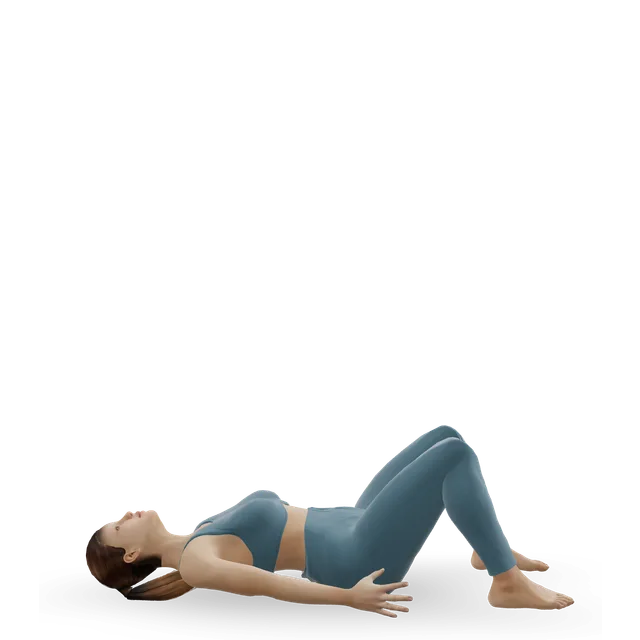
Lying chin tuck demonstrated on the 3D figure3D demoLying chin tuckBeginner · No equipment

Up to 10 holds of 10 s, once a day, very light effort · A gentle nod for the deep neck muscles

Harder: Chin tuck

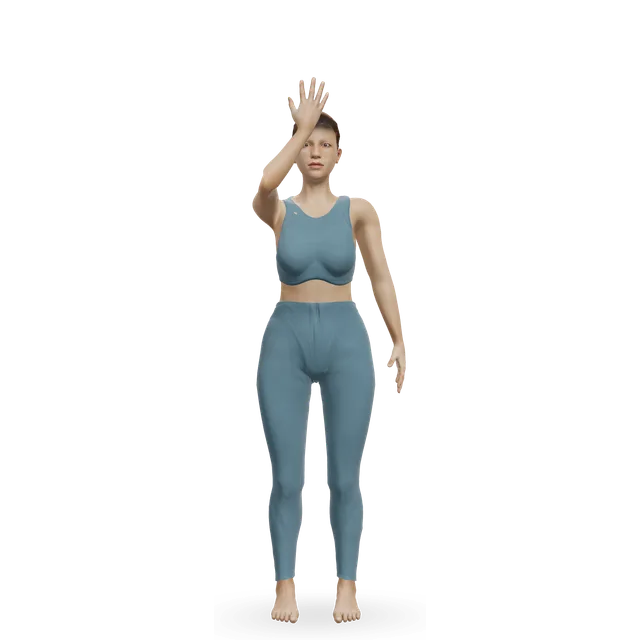
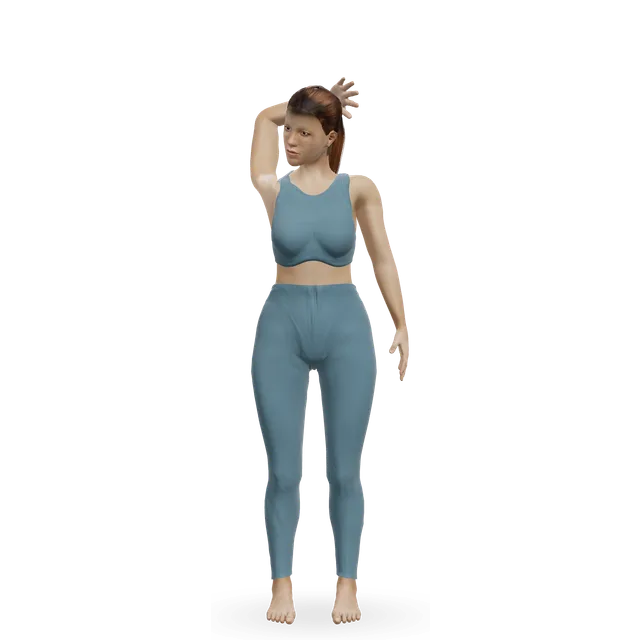
Neck CARs demonstrated on the 3D figure3D demoNeck CARsBeginner · No equipment

2 to 3 slow turns, tilts and nods each way, every hour at a desk · NHS inform's neck movement dose

Treadmill walking demonstrated on the 3D figure3D demoTreadmill walkingBeginner · Cardio machine

20 to 30 min most days · The NHS lists exercise among the activities that help

Harder: Treadmill jogging

Move on when: You're doing these most days and your headaches are no worse.

Follow along: a timer, a cue and the next move, one step at a time.
Stage 2

Build: two minutes a day with a band, and neck endurance

About weeks 2 to 6. The band raise daily, the rest 2 or 3 days a week. The 2-minute dose is from a trial in office workers with neck and shoulder pain, in which it cut how often headaches came; the trial reports don't name the exercise, and the band lateral raise is this site's choice. Other doses are editorial.

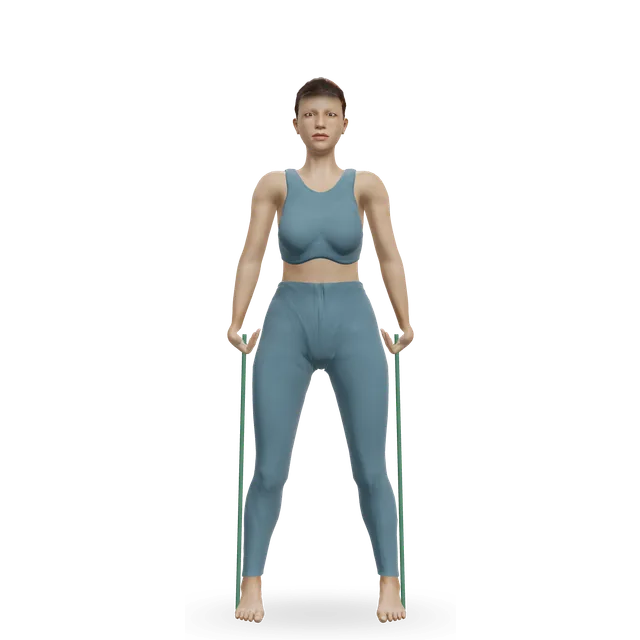
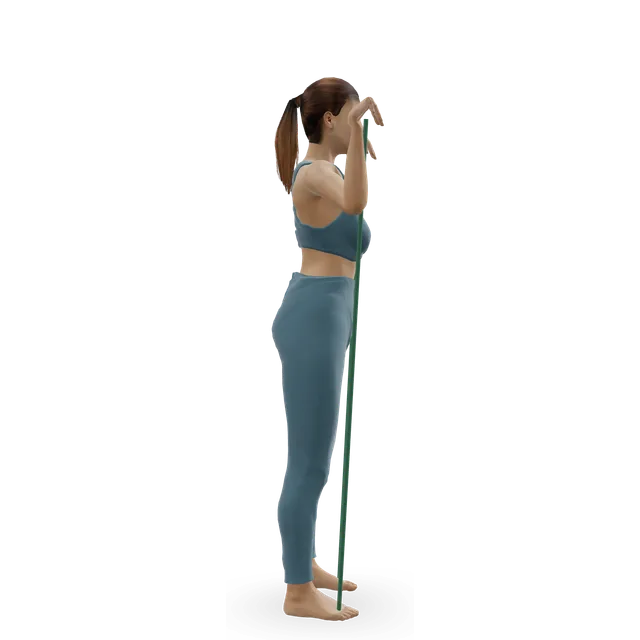
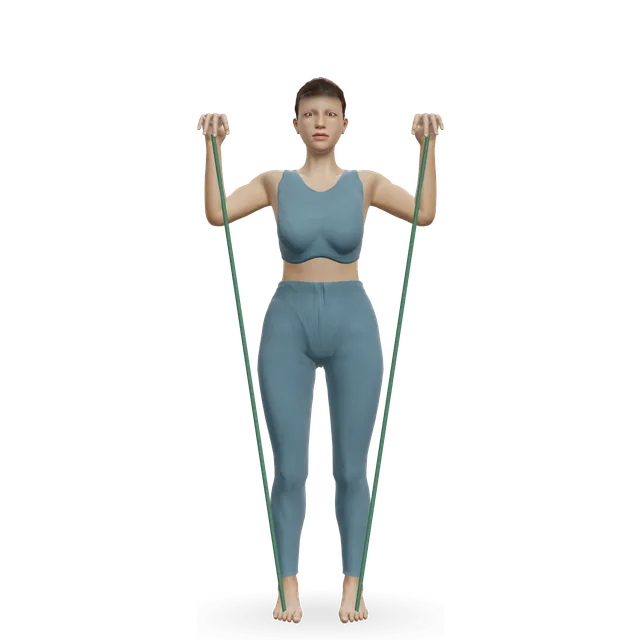
Band lateral raise demonstrated on the 3D figure3D demoBand lateral raiseBeginner · A band

2 min a day, 5 days a week, progressing the band · The trial dose

Harder: Dumbbell lateral raise

Isometric neck holds (four-way) demonstrated on the 3D figure3D demoIsometric neck holds (four-way)Beginner · No equipment

3 to 5 holds of 5 to 10 s each direction, light effort

Easier: Chin tuck · Harder: Chin tuck with head lift

Stationary cycling demonstrated on the 3D figure3D demoStationary cyclingBeginner · Cardio machine

Build to 20 to 30 min, 3 times a week · Or brisk walking

Harder: Air bike intervals

Move on when: Headaches are less frequent or milder, and sessions don't bring one on.

Follow along: a timer, a cue and the next move, one step at a time.
Stage 3

Strengthen: the neck and shoulder programme

From about week 6, 3 days a week, and ongoing. The five strength exercises come from a 10-week trial that cut chronic neck muscle pain by about 79% in women in monotonous jobs such as computer work; start light, as the lateral raise and upright row work the trapezius hard with only 3 to 10 kg. For tension headaches, strength training's effect is uncertain, so judge it by your diary. Sets and reps are editorial.

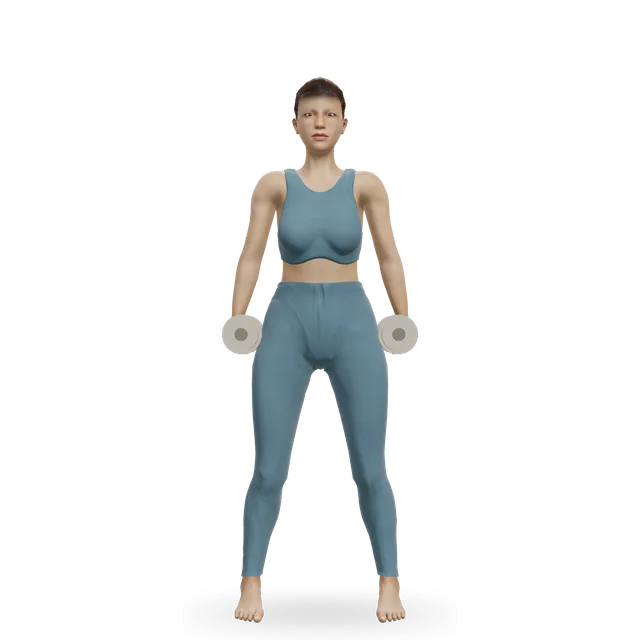
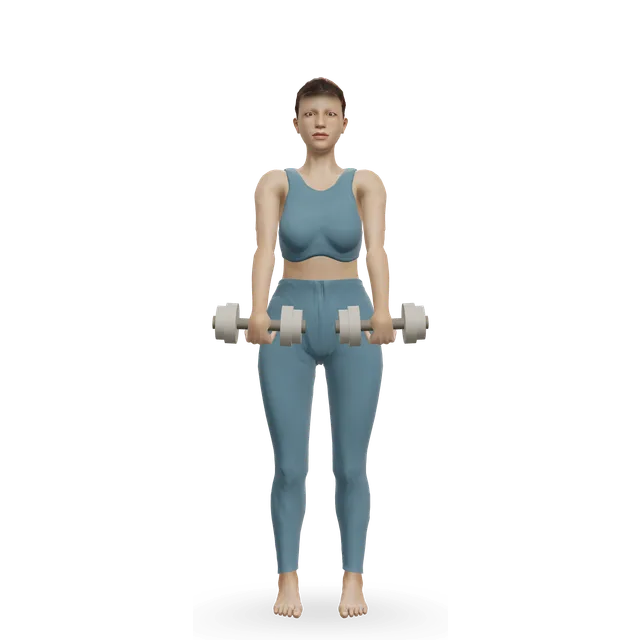
Dumbbell upright row demonstrated on the 3D figure3D demoDumbbell upright rowIntermediate · A dumbbell

3 sets of 10 to 12, light · Hands apart; stop at chest height if your shoulder pinches

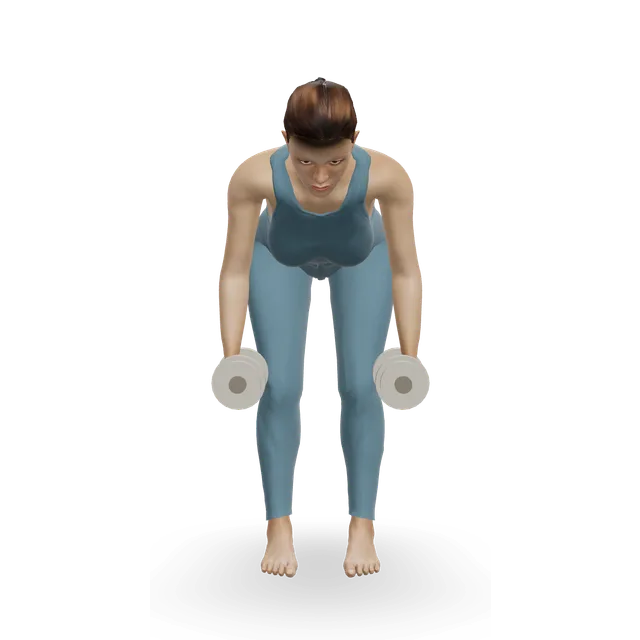
Easier: Dumbbell lateral raise · Harder: Barbell rear-delt row

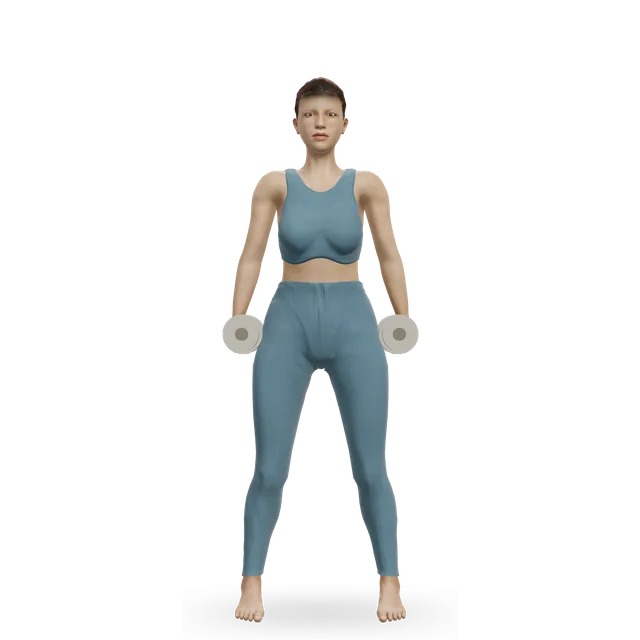
Dumbbell Shrug demonstrated on the 3D figure3D demoDumbbell ShrugBeginner · A dumbbell

3 sets of 8 to 12 · Lighten it if it brings on a headache

Harder: Snatch shrug

Stationary cycling demonstrated on the 3D figure3D demoStationary cyclingBeginner · Cardio machine

30 min, 3 times a week · Or brisk walking

Harder: Air bike intervals

Move on when: Keep going. If headaches are on 15 or more days a month, or you're taking painkillers on 10 or more days a month, see a GP.

Follow along: a timer, a cue and the next move, one step at a time.

What to change for now

Keep a headache diary

NICE suggests a headache diary for at least 8 weeks: how often, how long and how bad the headaches are, any other symptoms, every painkiller you take (prescribed or bought), possible triggers, and for women any link to periods. It shows whether the plan is working and catches painkiller overuse early. A GP may suggest one too.

Sources 2, 1

Everyday triggers

The NHS suggests cutting down on caffeine, changing your sleep habits if poor sleep may be the cause, regular meals, plenty of water, and not straining your eyes at a screen for long spells. If your neck hurts too, a low, firm pillow and heat or cold packs can help.

Sources 1, 5

If you get headaches from the neck as well

Many people have both kinds. If one-sided headaches brought on by neck movement, with a stiff neck, are the main problem, our neck headache guide's plan fits better; its low-load neck exercises are in this plan's first stage too.

Sources 6, 3

Positions to swap, and why

Habit or positionWhy it mattersInstead
Painkillers on most daysSimple painkillers on 15 or more days a month, or triptans, opioids or combination painkillers on 10 or more, for 3 months can cause medication overuse headache.Keep a diary, and see a GP if you're near those limits.
Lots of caffeineThe NHS lists caffeine as a cause and suggests cutting down.Cut down gradually (our suggestion).
Long screen spells without a breakThe NHS headaches page says don't strain your eyes for a long time, for example at a screen.A movement break every hour, with neck circles.Try: Neck CARs
Skipped meals, too little water and irregular sleepAll are on the NHS's lists of causes.Regular meals, plenty of water and a regular sleep routine.
Heavy shrugs or overhead lifting that bring on a headacheIf a move sets off a headache, it's too much for now (our suggestion; the shrug page says the same).Lighter loads, and the 2-minute band routine.Try: Band lateral raise
Cracking your own neck, or repeated manipulationSpinal manipulation was no better than no treatment for tension-type headache, and new, unusual head and neck pain needs checking.Exercise and relaxation, such as slow breathing, and hands-on treatment from a clinician if you want it.Try: Slow breathing (6 breaths a minute)
Asking for a scan just to be sureNICE advises against scans only for reassurance, and the NHS says tension headaches aren't a sign of an underlying condition.A positive diagnosis from your GP, a diary, and the warning signs above.

Routines to follow

More moves for this area

Questions people ask

What does a tension headache feel like?

Pain on both sides of the head, face or neck, and a feeling of pressure or tightening like a band, sometimes with a tender scalp. You can usually carry on with your day. Each headache lasts at least 30 minutes and sometimes several days.

What is the fastest relief for a tension headache?

Paracetamol, aspirin or ibuprofen, though not aspirin for under-16s, and paracetamol first in pregnancy; NICE advises against opioids. Relaxing, heat or cold packs if your neck hurts, and cutting down caffeine can help too.

Why do I get tension headaches every day?

Chronic tension-type headache means headaches on 15 or more days a month for more than 3 months. Frequent painkillers can cause daily headaches themselves (medication overuse headache), so keep a diary and see a GP.

How is a tension headache different from a migraine?

Migraine is often one-sided and throbbing, moderate to severe, made worse by activity, and comes with feeling sick or sensitivity to light and sound. A tension headache is a pressing headache on both sides that isn't made worse by walking or stairs. Many people have both.

How is a tension headache different from a headache from the neck?

A headache from the neck (cervicogenic headache) is caused by a neck problem: it is usually one-sided, brought on by neck movement or awkward positions, with a stiff neck. A tension headache is on both sides, and headache from tender neck muscles counts as tension-type. Our neck headache guide covers the other kind.

Do exercises help tension headaches?

They may help, but the evidence is uncertain: strength training had a moderate effect on very low-certainty evidence, and one trial found band training no better than ergonomic advice. Two minutes a day of band exercise cut how often headaches came in office workers with neck and shoulder pain.

Do neck stretches help tension headaches?

There's little good evidence either way on stretching for tension headaches, so stretch if it feels good. The non-drug options with better evidence are relaxation and psychological treatments, regular exercise, and acupuncture for chronic headaches.

Does acupuncture work for tension headaches?

NICE suggests a course of up to 10 sessions over 5 to 8 weeks for chronic tension-type headache. In trials, about half of people had their headaches at least halved with acupuncture, against a fifth with usual care, though its edge over sham acupuncture was small.

Can stress cause tension headaches, and does relaxation help?

The NHS lists stress and sleep problems as common causes. In a 2025 review, psychological treatments such as CBT, relaxation and biofeedback cut headache days by about 4.5 a month, based on 5 small trials with 383 people; the reviewers rated that moderate-quality evidence.

How long do tension headaches last?

Each headache lasts from 30 minutes to several days. Over years most people improve: 12 years later, 45% of people with frequent or chronic tension-type headache had few or none.

Could my headache be something serious?

The NHS says tension headaches aren't a sign of an underlying condition, and NICE advises against scans just for reassurance. Get urgent help for a sudden, extremely painful headache, or a headache with weakness, confusion, vision problems, a seizure, a stiff neck and fever, or jaw pain when eating.

Do massage or pressure points help tension headaches?

The NHS lists massage among the relaxing activities that can help. In trials of hands-on treatment, soft tissue techniques helped a little, on low-quality evidence, while spinal manipulation did no better than no treatment. The reviews we read didn't test pressing on pressure points yourself.

Related exercise guides

Other pain guides

Sources

  1. NHS · Tension headaches
  2. NICE CG150 · Headaches in over 12s: diagnosis and management (2012, updated 2025)
  3. International Headache Society · ICHD-3 2. Tension-type headache
  4. Stovner 2022 · The global prevalence of headache (review of 357 studies, J Headache Pain)
  5. NHS · Headaches
  6. International Headache Society · ICHD-3 11.2.1 Cervicogenic headache
  7. Lyngberg 2005 · Migraine and tension-type headache over 12 years (population cohort, Neurology)
  8. Bendtsen 2010 · EFNS guideline on treating tension-type headache (Eur J Neurol)
  9. Yuan 2025 · Psychological treatment for tension-type headache (meta-analysis of 19 RCTs, J Headache Pain)
  10. Martino Cinnera 2023 · EMG biofeedback for headaches (systematic review and meta-analysis, Eur J Phys Rehabil Med)
  11. Holroyd 2001 · Antidepressant, stress management or both for chronic tension-type headache (RCT of 203, JAMA)
  12. Söderberg 2006 · Acupuncture, physical training or relaxation training for chronic tension-type headache (RCT of 90, Cephalalgia)
  13. Linde 2016 · Acupuncture for preventing tension-type headache (Cochrane review)
  14. Krøll 2021 · Mobilisation, supervised activity, psychological treatment, acupuncture and education for tension-type headache (systematic review, J Headache Pain)
  15. Varangot-Reille 2022 · Exercise for migraine and tension-type headache (meta-analysis, J Pain)
  16. Onan 2025 · Physiotherapy for chronic tension-type headache (meta-analysis of 9 RCTs, J Oral Facial Pain Headache)
  17. Madsen 2018 · Strength training for tension-type headache (RCT of 60, Cephalalgia)
  18. Andersen 2008 · Specific strength training vs general fitness training for chronic neck muscle pain (RCT, Arthritis Rheum)
  19. Andersen 2008 · Muscle activation during strength exercises in women with chronic neck muscle pain (EMG, Phys Ther)
  20. Andersen 2011 · Brief daily exercise and headache (secondary analysis of an RCT, Scand J Work Environ Health)
  21. Andersen 2011 · Small daily amounts of resistance training for frequent neck and shoulder pain (RCT, Pain)
  22. van Ettekoven 2006 · Physiotherapy with craniocervical training for tension-type headache (RCT of 81, Cephalalgia)
  23. Castien 2011 · Manual therapy for chronic tension-type headache (RCT of 82, Cephalalgia)
  24. Jung 2022 · Physiotherapy for tension-type headache (network meta-analysis, Cephalalgia)
  25. Kamonseki 2022 · Manual therapy for tension-type headache (meta-analysis of 15 trials, Disabil Rehabil)
  26. NHS inform · Exercises for neck problems (including how to tell if you are exercising at the right level)
  27. NHS · Subarachnoid haemorrhage
  28. NHS · Meningitis
  29. NHS · Temporal arteritis (giant cell arteritis)

Exercise education, not a diagnosis or treatment plan. It is written from the guidelines and studies listed above; review by a clinician is pending. If your pain follows an injury, is severe, is getting worse, or comes with any warning sign listed on this page, get it assessed. Health disclaimer.