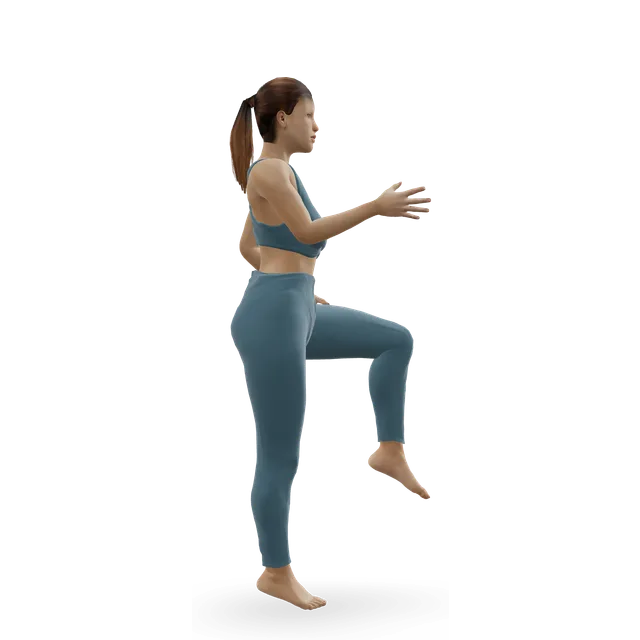
Exercise guide

Exercise for migraine: does it help, how much, and how to avoid setting off an attack

Regular aerobic exercise and yoga can reduce migraine a little. In the only trial that compared exercise with a preventive medicine, 40 minutes of indoor cycling 3 times a week cut attacks about as much as the medicine, without its side effects. Exercise works alongside migraine treatment rather than replacing it, and it's unlikely to stop an attack once one has started.

Exercise can also set off attacks in some people, usually when it's very hard or much more than they're used to, or when they haven't eaten or drunk enough. This guide explains how to build up gradually with a long warm-up, what to do if exercise triggers your migraines, which headaches with exercise need a doctor, and a cycling workout based on the trial, with moves to follow on the 3D figure.

The short version

Regular exercise helps a little

Across 6 studies, regular aerobic exercise cut about 0.6 migraine days a month, on moderate-quality evidence, and it eased migraine pain by a small to moderate amount, on very low-certainty evidence. It's a modest effect, not a cure.

Sources 1, 2

In one trial, as much as a preventive medicine

91 adults did 40 minutes of indoor cycling 3 times a week, a daily relaxation programme, or took the preventive medicine topiramate, for 3 months. Attacks fell by about one a month in every group, and no side effects were reported with exercise or relaxation, against a third of people taking topiramate.

Source 3

Alongside treatment, not instead of it

Exercise isn't among the preventive treatments the National Institute for Health and Care Excellence (NICE) recommends, but the NHS lists getting regular exercise among the things you can do yourself, with regular meals, plenty of sleep and managing stress. Keep taking your medicines: in one observational study, regular exercise went with fewer headache days only in people also taking a preventive.

Sources 4, 5, 6

Steady aerobic exercise and yoga have the most support

A 2023 exercise guideline gave a B grade to steady aerobic exercise (3 times a week for 8 weeks or more) and yoga (3 times a week for 6 weeks or more), above strength training, interval training and relaxation, which got a C. Aim for 30 to 50 minutes 2 to 3 times a week, starting with up to 15 minutes of gradually building effort, and keep going for at least 8 to 12 weeks.

Sources 7, 3

Exercise can set off attacks in some people

In a study of 1,207 people at a headache clinic, exercise was among the less common triggers people named. Attacks are more likely when exercise is very hard or much more than you're used to, or when you haven't eaten or drunk enough. Even in people who name exercise as a trigger, a hard exercise test set off an attack only some of the time. Build up gradually.

Sources 8, 9, 10

Rest in an attack, and get new exercise headaches checked

Being made worse by routine activity is one of the defining features of migraine, and exercise is unlikely to stop an attack. A headache brought on by exercise needs an urgent GP appointment or a call to 111, especially the first time, and a sudden, extremely painful headache needs 999.

Sources 11, 9, 12, 5

Migraine and other headaches

What migraine is

Migraine causes attacks of a throbbing headache, often on one side and worse when you move around, with feeling or being sick and sensitivity to light and sound. Some people get aura first, such as zigzag lines or flashing lights, or numbness or tingling, which shouldn't last more than an hour. Attacks usually last 4 hours to 3 days. The international classification counts being made worse by routine activity, such as walking or climbing stairs, or avoiding it, as one of the features of migraine.

Sources 5, 11

How common it is

About 1 in 7 people worldwide get migraine, about 10 million in the UK. It's 2 to 3 times more common in women, and most common between the ages of 25 and 55; up to 1 in 3 people with migraine have aura. Most people find attacks slowly ease as they get older, and in women migraine often gets better after the menopause.

Sources 13, 5

Migraine or tension-type headache?

NICE tells them apart like this. Tension-type headache is on both sides, pressing or tightening, mild to moderate, isn't made worse by routine activity, and comes without other symptoms. Migraine is on one or both sides, throbbing, moderate or severe, made worse by routine activity, and comes with sensitivity to light or sound, or feeling sick.

Sources 4, 13

Chronic, menstrual and medication overuse headache

Chronic migraine means headache on 15 or more days a month for more than 3 months, at least 8 of them with migraine features. Menstrual migraine is suspected when attacks fall mainly between 2 days before and 3 days after a period starts, in at least 2 of 3 cycles; these attacks are often longer and more severe. Taking painkillers too often can cause more headaches, so the NHS advises not taking them on more than 2 days a week.

Sources 4, 5

Exercise and migraine in the body

A European Headache Federation review describes both sides: a hard session may set off an attack through chemical messengers released during exercise, while regular exercise may raise the threshold for attacks. These are ideas, not proven. In 46,648 Norwegian adults, people with migraine were less active, the more so the more often they had headaches. Over 11 years, inactive people were a little more likely to develop headaches other than migraine, with no such link reported for migraine, which the authors read as headaches making people less active rather than inactivity causing migraine.

Sources 14, 15

Who the trials studied

Mostly women in their 30s and 40s: 90% of people in the topiramate trial were women, with an average age of 44, and across 21 trials in one review there were nearly 7 women for every man. Evidence in men, teenagers and older adults is thin. NICE's guideline covers people aged 12 and over.

Sources 3, 16, 4

What the evidence says

Aerobic exerciseEmerging evidence

Across 6 studies, aerobic exercise cut about 0.6 migraine days a month (moderate-quality evidence). In 10 trials with 508 people, it reduced pain and how often and how long attacks lasted, in the short term, though there were signs that less favourable studies may be missing. A 2022 review found it eased migraine pain by a small to moderate amount and reduced use of medicines, on very low to low certainty evidence.

Sources 1, 17, 2

Exercise, relaxation or topiramateEmerging evidence

In a Swedish trial, 91 adults with 2 to 8 attacks a month did 40 minutes of indoor cycling 3 times a week, a recorded relaxation programme every day, or took topiramate, for 3 months. Attacks fell by 0.93, 0.83 and 0.97 a month, with no clear difference between the groups, and 30%, 23% and 26% of people halved their attacks. Topiramate eased pain a little more. A third of the topiramate group reported side effects; none were reported with exercise or relaxation. It's one trial of 91 people.

Source 3

YogaEmerging evidence

In a trial of 160 adults (114 finished), adding yoga to usual medicines for 3 months reduced how often headaches came and their impact more than medicines alone, though people knew which group they were in. Across 5 trials with 356 people, yoga reduced how often headaches came, but not clearly how bad they were. The 2023 guideline graded yoga B.

Sources 18, 19, 7

Strength trainingMixed evidence

In a network analysis of 21 trials with 1,195 people, strength training ranked first, ahead of high-intensity and moderate aerobic exercise and the medicine topiramate, but those rankings come from indirect comparisons between small trials. A 2025 analysis ranked combined aerobic and strength training first, on very low to low certainty evidence. The 2023 guideline graded strength exercise C, below aerobic exercise and yoga.

Sources 16, 20, 7

RelaxationMixed evidence

The NHS lists relaxation techniques among treatments to prevent migraine, and daily relaxation did about as well as exercise and topiramate in the Swedish trial. The 2023 guideline graded it C. A review of progressive muscle relaxation says it needs regular daily practice to help, and in a trial of 139 people, a version delivered by smartphone gave small improvements that weren't statistically clear.

Sources 5, 3, 7, 21, 22

Exercise alongside a preventiveMixed evidence

In 94 adults with migraine, regular moderate to vigorous exercise went with 5.1 fewer headache days a month only in people taking a preventive medicine. It's a small observational study, so it can't show cause and effect.

Source 6

How sure we areMixed evidence

The trials are small and mostly of low quality. A 2024 network analysis of 28 studies found yoga and moderate or high-intensity aerobic exercise did better than medicines alone for how often attacks came, on very low-quality evidence. Network rankings compare treatments indirectly, so they don't prove that one beats another.

Sources 23, 7, 16

How much and how hard

The trial session

In the topiramate trial, each session was 40 minutes on an exercise bike: a 15-minute warm-up building to 11 to 13 out of 20 for effort, 20 minutes at 14 to 16, and a 5-minute cool-down back at 11 to 13, 3 times a week for 3 months. Our migraine cycling workout follows it.

Source 3

The 2023 guideline

It graded steady, moderate aerobic exercise B, at 3 times a week for 8 weeks or more, and yoga B, at 3 times a week for 6 weeks or more. In its trials, aerobic sessions had a 5 to 15 minute warm-up of gradually rising effort, 20 to 30 minutes at 13 to 16 out of 20 (or about 70% of your maximum heart rate) and a 5 to 10 minute cool-down, 2 to 3 times a week for 5 to 12 weeks.

Source 7

Expert advice

An international panel of experts recommended 30 to 60 minutes of moderate aerobic exercise 3 days a week, plus 5 to 20 minutes of relaxation and breathing every day, building up gradually. The American Migraine Foundation suggests 30 to 50 minutes of moderate aerobic exercise 3 to 5 days a week, and one of its doctors recommends starting "very easy, very slow with minimal impact".

Sources 24, 25

Effort in plain words

On the Borg scale of 6 to 20, 11 is light, 13 is somewhat hard (breathing harder, not so easy to talk) and 15 is hard. The trial's main block, 14 to 16, is around hard: close to what the NHS calls vigorous, when you can't say more than a few words without pausing (our reading).

Sources 26, 27

A longer warm-up

For most workouts, 5 to 10 minutes of warm-up is enough (our warm-up guide). Migraine trials used 5 to 15 minutes of gradually rising effort, and the topiramate trial used 15. The American Migraine Foundation says that when headache pain is mild or builds slowly, warming up before exercise may help reduce how often attacks come and how long they last. Our editorial starting point: 10 to 15 minutes of easy, gradually building effort before anything hard.

Sources 7, 3, 28

How long to keep going

A 2026 analysis of 15 small studies found the biggest effect at about 900 to 950 minutes of aerobic exercise in total, for example 30 minutes 3 times a week for 10 to 11 weeks; it's a preliminary finding. NICE suggests reviewing preventive treatment 3 to 6 months after starting it, and about 3 months is a fair time to judge exercise too (our suggestion).

Sources 29, 4

A starting plan: our editorial suggestion

Weeks 1 and 2: 3 sessions of 20 to 30 minutes of walking or cycling at an easy, comfortable effort (11 to 13 out of 20), starting with 10 minutes of very gentle effort, and 10 minutes of relaxation or slow breathing most days.

Weeks 3 and 4: lengthen the sessions to 30 to 40 minutes, with 10 minutes at somewhat hard (13 to 14) after the warm-up. Add 2 short strength sessions if you like them.

Weeks 5 to 12: the migraine cycling workout 3 times a week, or the same shape walking, on a cross-trainer or swimming. If a session sets off an attack, go back a step and build more slowly.

Sources 7, 3, 9, 24

Interval training: later, if at all

High-intensity interval training was graded C, from 3 small trials. It's for people who already exercise without setting off attacks, not a starting point (our reading).

Source 7

Avoiding exercise-triggered attacks

How often exercise is a trigger

In a study of 1,207 people at a headache clinic, exercise was among the less common triggers people named: stress, hormonal changes in women and not eating were named far more often. At a Dutch headache clinic, 38% of 103 people said exercise had set off an attack at some point, and more than half of them had given up that sport. In 14 people who said exercise was a trigger, an all-out cycling test, done twice, set off an attack after both tests in 3, after one test in 5, and after neither in 6.

Sources 8, 30, 10

Build up gradually

Start with low-intensity exercise you can manage, which can be as little as step-ups onto a stair, and build up how long and how hard over time. The Migraine Trust warns that fear can lead to avoiding exercise altogether, and then exercise is more likely to trigger an attack because your body isn't used to it.

Sources 9, 28

Be consistent

"It's important not to go overboard on days where you feel well, then follow this with periods of inactivity", says the Migraine Trust: "It is this inconsistency that is most likely to trigger migraine attacks." Keep to the same days and times each week.

Source 9

Eat and drink

Eat enough beforehand, leaving at least 1 to 2 hours to digest, and drink before, during and after: water can be enough, or an isotonic drink. Regular meals and staying well hydrated are part of the NHS self-help advice too.

Sources 9, 5

Heat, light and noise

Bright gym lights or noise can be triggers: a cap or headphones may help. Exercise headache is more common in hot weather and at altitude, so in hot weather exercise in the cooler part of the day or indoors with a fan (our suggestion).

Sources 9, 31

Keep a diary

Record your exercise (what, how hard and when) alongside your attacks to see whether exercise really is a trigger for you; NICE suggests keeping a headache diary for at least 8 weeks. Even in people sure that exercise is a trigger, hard exercise doesn't always set off an attack.

Sources 4, 5, 10

If an attack starts

Stop. Away from home, carry your usual treatment for attacks, a snack and a drink, and have details of someone you can contact if you need help getting home.

Source 9

During an attack

Do what helps, and expect rest to help most

Being made worse by routine activity is part of how migraine is defined, and the Migraine Trust says strenuous exercise, or even moving around, often makes people feel worse. Some find gentle stretching, yoga or a short walk in fresh air helps them cope, and that's safe, but exercise "is unlikely to stop the migraine attack". The NHS suggests sleeping or lying down in a darkened room, and taking painkillers as soon as the headache starts.

Sources 11, 9, 5

Headaches with exercise: migraine or something else?

Primary exercise headache

Some people get a separate headache brought on only by strenuous exercise, during or after it, lasting less than 48 hours. It's more common in hot weather and at altitude, and one recognised form is known as weight-lifters' headache. A migraine set off by exercise is still classed as migraine.

Source 31

The first time needs checking

The first time a headache like this happens, doctors need to rule out bleeding around the brain, a tear in an artery that supplies the brain, and a condition that suddenly narrows the brain's blood vessels. The NHS says to ask for an urgent GP appointment or get help from 111 for a headache triggered or made worse by coughing, sneezing, bending down or exercising, and NICE lists headache triggered by exercise as a feature to check. The Migraine Trust says a first headache or migraine after exercise should be checked by your doctor.

Sources 31, 12, 4, 9

Straining and holding your breath

Short bursts of straining with the breath held are linked with a related headache, cough headache, while exercise headache usually follows longer, hard effort. When you lift, breathe out as you push and don't hold your breath (our cue).

Source 31

Painkillers

Taking painkillers on more than 2 days a week can cause more headaches and make migraine harder to treat. NICE describes medication overuse headache after 3 months or more of triptans, opioids or combination painkillers on 10 or more days a month, or paracetamol, aspirin or anti-inflammatory painkillers on 15 or more.

Sources 5, 4

Where exercise fits with migraine treatment

What NICE recommends

For attacks, a triptan with an anti-inflammatory painkiller or paracetamol, or one of these on its own. To prevent attacks, after discussing the benefits and risks, propranolol, topiramate or amitriptyline; if these don't work or don't suit you, up to 10 sessions of acupuncture over 5 to 8 weeks. NICE says riboflavin (vitamin B2, 400 mg a day) may help some people. Medicines that target calcitonin gene-related peptide (CGRP) are for adults with at least 4 migraine days a month after 3 preventives haven't worked or suited them. Topiramate should not be used in pregnancy, or by women who could become pregnant unless the conditions of a pregnancy prevention programme are met. Exercise isn't on NICE's list.

Source 4

What the NHS suggests

Preventive treatments include medicines (such as beta blockers, antidepressants and epilepsy medicines), acupuncture, relaxation techniques and cognitive behavioural therapy (CBT), and vitamin B2, alongside eating at regular times, drinking less caffeine, getting regular exercise and plenty of sleep.

Source 5

In the US

The American Headache Society says behavioural therapies such as CBT, biofeedback, relaxation and mindfulness may be appropriate for prevention, and that CGRP medicines are a first-line option.

Sources 32, 33

How exercise compares

In the one head-to-head trial, exercise cut attacks as much as topiramate, topiramate eased pain a little more, and only topiramate caused side effects. Network analyses rank exercise above topiramate, but only through indirect comparisons. In everyday life, regular exercise went with fewer headache days only in people already taking a preventive.

Sources 3, 16, 23, 6

Keep taking your medicines

The trial's authors suggested exercise as an option for people who don't benefit from, or don't want, a daily preventive medicine. For everyone else it's a sensible addition. Don't stop or change a preventive without talking to your doctor; NICE suggests a review 3 to 6 months after starting one.

Sources 3, 4

Neck pain and migraine

Neck pain often comes with migraine

A stiff neck can be an early sign of an attack, and neck pain is a common trigger. In people whose attacks are set off by exercise, neck pain was more often the first symptom of their usual attacks.

Sources 5, 8, 30

Neck exercises aren't a migraine treatmentEmerging evidence

In a trial of 42 people with migraine, 8 weeks of neck strengthening didn't reduce how often or how badly migraine came, compared with sham ultrasound. The 2023 guideline graded neck strengthening C against, as a migraine treatment.

Sources 34, 7

Aerobic exercise with neck painMixed evidence

In 52 people with migraine plus tension-type headache and neck pain, aerobic exercise 3 times a week reduced the overall burden of migraine and the impact of neck pain, though attacks didn't fall clearly more than in the control group.

Source 35

For neck pain itself

The Migraine Trust says strengthening exercises can help the neck pain that often comes with migraine. Do neck exercises for neck pain if they help, and see our guide to headaches from the neck if your headaches start there.

Source 9

Relaxation, breathing and yoga

Relaxation and slow breathing

The NHS lists relaxation techniques among treatments to prevent attacks, and an expert panel recommended 5 to 20 minutes of relaxation and breathing every day. The NHS breathing exercise is one way: breathe in gently for a count of up to 5 and out for the same, with no holds, for at least 5 minutes.

Sources 5, 24, 36

Progressive muscle relaxation

Progressive muscle relaxation has long been used to prevent migraine. This version, adapted from two NHS trust leaflets, tenses one group of muscles at a time, gently, then lets it go:

  • Lie on your back on a bed or mat, or sit in a chair with your back supported and your feet flat. Dim the light and let your breathing settle.
  • Make fists with both hands for about 5 seconds, using only a little effort, then let go slowly over about 10 seconds and notice the difference.
  • Do the same with your arms (bend your elbows, then straighten them), then your face (wrinkle your forehead, close your eyes tightly, gently clench your jaw, press your lips together).
  • Shrug your shoulders up towards your ears, gently arch your lower back, then squeeze your buttocks, letting go slowly each time.
  • Straighten one knee to tense your thigh, then the other; lift your heels to tense your calves; lift your toes towards you with your heels down. Let each one go slowly.
  • Stay relaxed for about 5 minutes, breathing slowly. If you're not going to sleep, notice the sounds in the room, open your eyes and get up slowly.

Sources 21, 37, 38

How much: our editorial starting point

10 to 15 minutes a day is our editorial starting point: a review says progressive muscle relaxation needs regular daily practice to help migraine, and the NHS Lothian leaflet says to practise every day. Tense gently: a little tension is enough. If any part causes discomfort or cramp, ease up, stop or skip that area, and if your neck hurts, keep the shoulder shrug small or leave it out (our advice).

Sources 38, 37, 21

Gentle yoga

Yoga programmes in the trials combined poses, breathing and relaxation, 3 or more times a week for 6 to 12 weeks, and some included fast, forceful breathing. Keep the breathing slow if you're new to yoga, skip fish pose (which our move page already advises against with migraine), and skip head-down poses if they bring on symptoms (our suggestion).

Source 7

Aerobic exercise

2 to 3 times a week for 30 to 50 minutes, starting with up to 15 minutes of gently building effort; swimming, dancing and team sports count too.

Strength

2 days a week, starting with 2 to 3 sets of 12 to 15 at a moderate weight and building over 8 to 12 weeks, as in the strength trials; breathe out as you push and don't hold your breath.

Gentle yoga

3 times a week for 6 weeks or more, breathing slowly throughout, with no fast, forceful breathing.

Relaxation and breathing

10 to 15 minutes a day: slow breathing, then progressive muscle relaxation lying still, using the steps above.

Neck and shoulders

For neck stiffness that comes with migraine, not as a migraine treatment: move slowly, and stop if you feel dizzy or get tingling.

Workouts to follow

The cycling workout 3 times a week (or the same shape walking, on a cross-trainer or swimming), yoga or breathing on other days, and strength twice a week if you enjoy it. If exercise can set off your attacks, make the easy cardio workout's warm-up 10 to 15 minutes.

Follow a plan

Short strength sessions and walks, building over 4 weeks. Keep to the same days and times each week.

Warning signs: when to get help

Call 999

Call 999 (911 in the US) if you or your child have a headache and any of these. Don't drive yourself to A&E.

  • It came on suddenly and is extremely painful.
  • Problems speaking, remembering things, balancing or walking.
  • Loss of vision, or blurred or double vision.
  • Feeling drowsy or confused, or a seizure (fit).
  • A very high temperature with a stiff neck or bright light hurting your eyes, or a rash that doesn't fade when a glass is rolled over it.
  • Not being able to move, or weakness or numbness in an arm or leg on one side of your body, or one side of your face.
  • A recent head injury.

Sources 5, 12

Get an urgent GP appointment or call 111

  • A migraine attack has lasted longer than 72 hours, or aura lasts longer than 1 hour.
  • You're pregnant or have just had a baby and have a migraine attack.
  • A headache is triggered or made worse by coughing, sneezing, bending down or exercising.
  • You have a headache with vision or eye problems, or with being sick.
  • You have a headache with jaw pain when eating, or a sore, tender scalp.

Sources 5, 12

See a GP

  • Your attacks are severe, getting worse or lasting longer than usual, you have them more than once a week, or they're hard to control.
  • You regularly get migraine before or during your period.
  • You take painkillers for headaches on more than 2 days a week.
  • Your aura includes weakness, double vision, symptoms in only one eye, poor balance or reduced consciousness: NICE says these need further checks. If they're new or sudden, call 999.

Sources 5, 4

Myths

"Exercise causes migraines, so it's safer to avoid it"Emerging evidence

Exercise is among the less common triggers, and even in people who name it, hard exercise set off attacks only some of the time. Regular exercise reduced attacks in trials, and the Migraine Trust warns that avoiding exercise makes attacks more likely when you do exercise. Build up gradually instead.

Sources 8, 10, 1, 3, 9

"Exercise works better than migraine medicines"Mixed evidence

In the only head-to-head trial, exercise matched topiramate for how often attacks came, and topiramate eased pain a little more. Claims that exercise beats medicines come from network analyses, which compare treatments indirectly across small trials. In everyday life, exercise went with fewer headache days only in people also taking a preventive.

Sources 3, 16, 23, 6

"Strength training is the best exercise for migraine"Mixed evidence

It ranked first in one network analysis, but from indirect comparisons between small trials, and a 2023 guideline graded strength exercise C, below aerobic exercise and yoga (B). Combining aerobic exercise with strength work is a sensible choice if you enjoy both.

Sources 16, 7, 20

"Neck exercises stop migraines"Emerging evidence

8 weeks of neck strengthening didn't reduce how often or how badly migraine came in a trial, and the 2023 guideline graded it C against for migraine. Neck exercises help headaches that come from the neck, which is a different condition.

Sources 34, 7

"You can sweat out a migraine"Strong evidence

Being made worse by routine activity is part of how migraine is defined, and exercise is unlikely to stop an attack. Rest in a dark room and take your treatment early.

Sources 11, 9, 5

"A headache when you exercise is just your migraine"Strong evidence

Often it is, but a first exercise headache needs checking, because bleeding around the brain and torn arteries must be ruled out. NICE lists headache triggered by exercise as a feature to check, and the NHS says to get an urgent GP appointment or call 111.

Sources 31, 4, 12

Questions people ask

Does exercise help migraines?

A little. Regular aerobic exercise cut about 0.6 migraine days a month across 6 studies, and eased pain by a small to moderate amount on very low-certainty evidence. In one trial, 40 minutes of cycling 3 times a week cut attacks about as much as the preventive medicine topiramate, without its side effects.

What is the best exercise for migraines?

Steady aerobic exercise, such as cycling, brisk walking, jogging or swimming, and yoga have the most support: a 2023 guideline graded both B. Strength training ranked well in some analyses, but from indirect comparisons between small trials. Choose something you enjoy and can do regularly.

Can exercise trigger a migraine?

Yes, in some people, though it's among the less common triggers. It's more likely when exercise is very hard or much more than you're used to, when you haven't eaten or drunk enough, or when it's hot. Even then, hard exercise doesn't always set off an attack, and building up gradually helps.

How can I exercise without getting a migraine?

Start easy and build up over weeks, warm up gradually for 10 to 15 minutes, eat 1 to 2 hours before, drink before, during and after, and keep cool. Exercise on the same days each week rather than in bursts, because inconsistency is a common trigger. Keep a diary to check whether exercise really is a trigger for you.

Should I exercise with a migraine?

Usually not: being made worse by activity is part of what defines migraine, and exercise is unlikely to stop an attack. Some people find gentle stretching, yoga or a short walk in fresh air helps them cope, and that's safe. Otherwise, rest somewhere dark and take your usual treatment early.

How much exercise helps prevent migraine?

About 30 to 50 minutes, 2 or 3 times a week, for at least 8 to 12 weeks, at a moderate to fairly hard effort after a gradual warm-up. The topiramate trial used 40 minutes of cycling 3 times a week for 3 months. The American Migraine Foundation suggests 30 to 50 minutes 3 to 5 days a week, starting very easy.

Is exercise as good as migraine medication?

In the one trial that compared them, exercise reduced attacks about as much as topiramate, though topiramate eased pain slightly more and caused more side effects. Exercise isn't one of NICE's recommended preventive treatments, so use it alongside them. Don't stop or change a preventive without talking to your doctor.

Does yoga help migraines?

Probably, a little. Adding yoga to usual medicines reduced how often headaches came and their impact more than medicines alone in a trial of 160 people, and a 2023 guideline graded yoga B. Choose gentle yoga, keep the breathing slow, and skip fish pose.

Do neck exercises help migraines?

Not for the migraine itself: neck strengthening didn't reduce migraine in a trial. They can help the neck pain that often comes with migraine. If your headaches start in your neck, see our guide to headaches from the neck.

Why do I get a headache after exercise?

Common causes are migraine set off by exercise, not eating or drinking enough, and heat. Some people get a separate exercise headache that comes only with strenuous exercise and lasts less than 48 hours. Get an urgent GP appointment or call 111 for a headache triggered or made worse by exercise, especially the first time, and call 999 for a sudden, extremely painful headache.

Is it safe to lift weights if I get migraines?

For most people, yes: strength training was studied in migraine trials and is part of a balanced routine. Breathe out as you lift and don't hold your breath or strain, build up gradually, and get any new headache with lifting checked.

Can exercise help vestibular migraine?

Vestibular rehabilitation, a kind of exercise therapy for dizziness and balance problems, may help some people with vestibular migraine, and the Migraine Trust advises talking to a health professional before trying it. The advice on this page about building up gently still applies.


Sources

  1. Lemmens 2019 · Aerobic exercise and migraine days: 6 studies (meta-analysis, Journal of Headache and Pain)
  2. Varangot-Reille 2022 · Exercise for migraine or tension-type headache (meta-analysis, Journal of Pain)
  3. Varkey 2011 · Exercise, relaxation or topiramate to prevent migraine in 91 adults (RCT, Cephalalgia)
  4. NICE CG150 · Headaches in over 12s: diagnosis and management (last updated June 2025)
  5. NHS · Migraine
  6. Hagan 2021 · Routine exercise and headache days in 94 adults with migraine (cohort study, Headache)
  7. La Touche 2023 · Prescribing exercise for migraine (evidence-based clinical practice guideline, Journal of Headache and Pain)
  8. Kelman 2007 · Triggers of migraine attacks in 1,207 headache clinic patients (Cephalalgia)
  9. The Migraine Trust · Migraine and exercise
  10. Varkey 2017 · Can a maximal exercise test set off migraine? A test-retest study (European Neurology)
  11. International Headache Society · ICHD-3 1.1 Migraine without aura (international classification)
  12. NHS · Headaches
  13. The Migraine Trust · What is migraine?
  14. Amin 2018 · Migraine and physical exercise (European Headache Federation review, Journal of Headache and Pain)
  15. Varkey 2008 · Physical activity and headache in 46,648 adults: the HUNT study (population study, Cephalalgia)
  16. Woldeamanuel 2022 · Aerobic exercise or strength training for migraine: 21 trials (network meta-analysis, Journal of Headache and Pain)
  17. La Touche 2020 · Aerobic exercise for migraine: 10 trials (meta-analysis, Scandinavian Journal of Medicine and Science in Sports)
  18. Kumar 2020 · Yoga added to medicines for migraine in 160 adults: the CONTAIN trial (RCT, Neurology)
  19. Wu 2022 · Yoga for migraine: 5 trials (meta-analysis, Journal of Clinical Neuroscience)
  20. Xie 2025 · Types and doses of exercise for migraine: 27 trials (network and dose-response meta-analysis, PeerJ)
  21. Meyer 2018 · Progressive muscle relaxation to prevent migraine (review, Der Schmerz, in German with an English summary)
  22. Minen 2020 · Progressive muscle relaxation by smartphone for migraine in 139 people (RCT, Headache)
  23. Reina-Varona 2024 · Types of exercise for migraine: 28 studies (network meta-analysis, Headache)
  24. Reina-Varona 2023 · Exercise for migraine: recommendations from an international expert panel (Delphi study, Physical Therapy)
  25. American Migraine Foundation 2026 · Lifestyle changes for migraine management (SEEDS)
  26. British Heart Foundation · The Borg scale of perceived exertion (handout)
  27. NHS · Physical activity guidelines for adults aged 19 to 64
  28. American Migraine Foundation 2020 · Exercise and migraine
  29. Ogrezeanu 2026 · How much aerobic exercise is needed to reduce migraine: 15 studies (dose-response meta-analysis, Headache)
  30. Koppen 2013 · Exercise-triggered migraine attacks in 103 headache clinic patients (Journal of Headache and Pain)
  31. International Headache Society · ICHD-3 4.2 Primary exercise headache (international classification)
  32. Ailani 2021 · American Headache Society consensus statement on integrating new migraine treatments into clinical practice (Headache)
  33. Charles 2024 · CGRP-targeting therapies are a first-line option for preventing migraine (American Headache Society position statement, Headache)
  34. Benatto 2022 · Neck strengthening or sham ultrasound in 42 people with migraine (RCT, BMC Neurology)
  35. Krøll 2018 · Aerobic exercise for migraine with tension-type headache and neck pain in 52 people (RCT, Cephalalgia)
  36. NHS · Breathing exercises for stress
  37. James Paget University Hospitals NHS Foundation Trust 2025 · Relaxation strategies (patient leaflet)
  38. NHS Lothian 2025 · Relaxation: information for patients (physiotherapy leaflet)

Exercise education, not a diagnosis or treatment plan, and clinical review of these guides is pending. Stop and get advice for chest pain, unusual breathlessness, dizziness or fainting, or new pain, and check with your doctor or midwife first if they have told you to limit activity. Health disclaimer.