Exercise guide

Exercise for sleep and insomnia: what helps, how much, and when to do it

Regular exercise helps you sleep better: you fall asleep a little sooner, wake less in the night and feel less sleepy in the day. The effect is modest, and clearer in how people rate their sleep than in what trackers and sleep studies measure. Almost any kind of exercise helps, from brisk walking and strength training to Pilates, yoga and tai chi.

If you've had insomnia for months, exercise is a useful addition, but cognitive behavioural therapy for insomnia (CBT-I) is the treatment that works best, and a GP can arrange it. Exercise helps sleep apnoea too, alongside its main treatment.

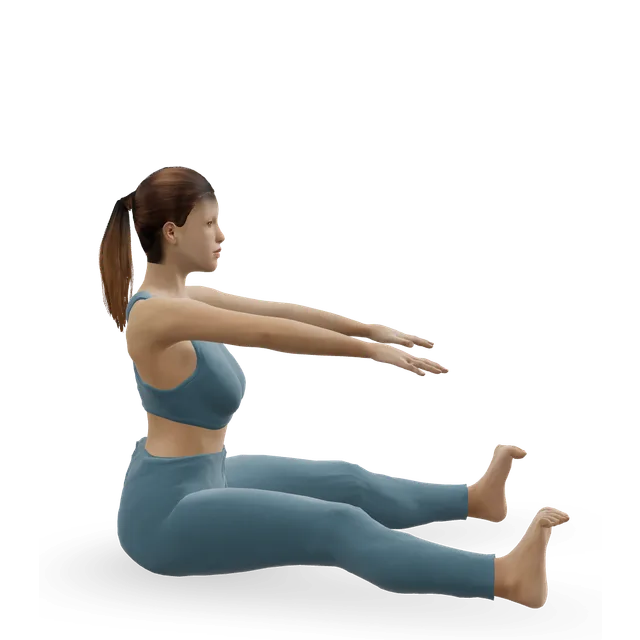
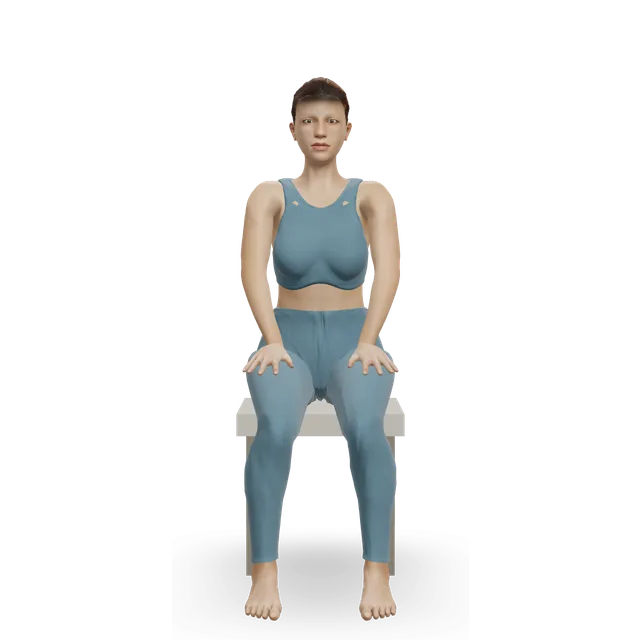
This guide covers how much exercise helps and which kinds, when to stop before bed, sleep apnoea and restless legs, and a calm routine for the last hour of the day, with moves to follow on the 3D figure.

The short version

Exercise helps you sleep

The scientific review behind the US physical activity guidelines rated the evidence strong: regular activity helps you fall asleep sooner, wake less in the night, get more deep sleep and feel less sleepy in the day. The NHS lists "exercise regularly during the day" among its steps for insomnia, and the UK Chief Medical Officers count better sleep among the benefits of being active.

Sources 1, 2, 3

The effect is real but modest

In people with insomnia, exercise improved sleep quality scores by about 2 to 3 points on a 21-point scale, on low-quality evidence. The change is clearer in how people rate their sleep than in sleep measured by trackers or overnight studies.

Sources 4, 5, 6

Any type helps, so pick one you'll keep doing

Aerobic exercise, strength training, Pilates, yoga and tai chi all improved sleep quality in an analysis of 86 trials, with no clear winner between them. Aim for the NHS amount: 150 minutes a week of moderate activity, such as brisk walking, plus strength exercises on 2 days.

Sources 7, 8

For insomnia that lasts, CBT-I comes first

CBT-I is the first treatment in US and European guidelines, and the National Institute for Health and Care Excellence (NICE) recommends a digital version, Sleepio. Exercise is a useful addition, not a replacement: in a trial of 200 people aged 50 and over, tai chi did less well than CBT-I at 3 months and caught up only by 15 months.

Sources 9, 10, 11, 12

Exercise in the day, not just before bed

The NHS says to "exercise regularly during the day" and "do not exercise at least 4 hours before bed". In lab studies, evening exercise generally didn't harm sleep, but vigorous exercise ending within about an hour of bedtime may delay it. Gentle stretching and slow breathing before bed count as relaxing, not exercise.

Sources 2, 13, 14

Sleep apnoea: exercise helps, CPAP works best

Exercise training cut breathing pauses in sleep apnoea by about 6 an hour, with little change in weight. Continuous positive airway pressure (CPAP), a machine that keeps your airway open while you sleep, works best for moderate or severe sleep apnoea. See a GP if your breathing stops and starts while you sleep.

Sources 15, 16, 17

Insomnia, sleep quality and what exercise does

What insomnia is

The NHS says insomnia means you "regularly have problems sleeping": finding it hard to get to sleep, waking several times in the night or early in the morning, lying awake, still feeling tired after waking, and being tired, irritable or unable to concentrate in the day. Insomnia for less than 3 months is short-term; 3 months or longer is long-term. On average, adults need 7 to 9 hours of sleep.

Source 2

How common it is

About a third of adults have at least one symptom of insomnia, 9 to 15% have symptoms that affect them in the day, and about 6% meet the criteria for an insomnia diagnosis. A European review puts long-term insomnia at 6 to 10% of adults. It's about 40% more common in women than men, a gap that widens with age.

Sources 18, 6, 19

Common causes

The NHS lists stress, anxiety or depression, noise, a room that's too hot or cold, an uncomfortable bed, alcohol, caffeine or nicotine, jet lag and shift work as the most common causes. Conditions such as restless legs syndrome, an overactive thyroid, the menopause and long-term pain, and many medicines, can cause it too. Insomnia and depression often go together.

Sources 2, 18

Two things trials measure

Sleep quality is how well you rate your sleep, usually on a 21-point questionnaire. Insomnia severity is how much sleeplessness gets in the way of your life, on a 28-point scale. Sleep measured by a wrist tracker or an overnight sleep study changes less with exercise than either questionnaire.

Sources 5, 6

What exercise does to sleep

One session has small benefits for that night's sleep, and a moderate effect on time spent awake after first falling asleep. Over weeks, regular exercise has small to moderate benefits, and a moderate one for sleep quality. In 48 people with long-term insomnia, one session of moderate aerobic exercise eased anxiety before bed and improved sleep that night. Exercise also shifts the body clock. How it helps isn't settled: calmer evenings, the body clock and better mood are the main ideas.

Sources 20, 21, 22

Who the evidence applies to

In the US review, the benefits were similar in men and women and at different ages, except that the gain in time to fall asleep was smaller in older people. In children and teenagers, there was too little evidence to judge.

Source 1

What the evidence says

Activity improves sleepStrong evidence

The scientific review behind the 2018 US physical activity guidelines found strong evidence that both single sessions and regular activity improve sleep in adults: a shorter time to fall asleep, less time awake in the night, more deep sleep and less sleepiness in the day. It found moderate evidence that the benefits don't depend on how hard you exercise. A meta-analysis of 66 studies found the same pattern, with mostly small to moderate effects.

Sources 1, 20

In people with insomniaEmerging evidence

In 9 trials with 557 people with insomnia, exercise improved sleep quality by about 3 points on a 21-point scale (low-quality evidence) and insomnia severity by about 3 points on a 28-point scale (very low quality), but didn't change sleep efficiency, the share of time in bed spent asleep. Across 22 trials in adults, aerobic and mind-body exercise worked about equally, and programmes of 3 months or less did at least as well as longer ones. Across 19 insomnia trials, the effect on how people rated their sleep was large, while the effect on measured sleep was small.

Sources 4, 5, 6

Every type helpsEmerging evidence

In 86 trials with 7,276 adults, aerobic exercise, strength training, a mix of the two, yoga, Pilates and tai chi-style exercise all improved sleep quality compared with no exercise. Strength training on its own improves sleep, most of all sleep quality, in a review of 13 studies. In a 2026 analysis of 22 small trials in 1,348 people with insomnia, yoga, tai chi, and walking or jogging came out best, on low to moderate certainty evidence.

Sources 7, 23, 24

Which type is bestMixed evidence

It isn't clear. Pilates ranked first in two network analyses, but the 86-trial one had only 5 Pilates trials and found no statistically significant differences between types. A review of 6 Pilates trials (477 people) found better sleep quality, with very mixed results between trials. Our Pilates guide calls the sleep evidence promising, from few trials. Pick the exercise you'll keep doing.

Sources 7, 25, 26

Older adultsEmerging evidence

In 35 trials with 3,519 older adults, muscle endurance training combined with walking ranked first for sleep quality, and tai chi, Baduanjin (a Chinese exercise of slow, flowing movements), strength training and CBT-I all did better than usual care. In a tiny trial of 17 older adults with insomnia, 16 weeks of moderate aerobic activity with sleep advice improved sleep quality, mood and quality of life.

Sources 27, 28

Harder or easier exerciseMixed evidence

One review found larger effects with harder exercise, but the US review found the benefits didn't depend on intensity. More isn't always better: in the 86-trial analysis, the benefit rose with the weekly amount up to a point and then got smaller.

Sources 6, 1, 7

How much exercise

The guidelines

Adults should aim for at least 150 minutes of moderate activity a week, such as brisk walking or cycling, or 75 minutes of vigorous activity, spread over 4 to 5 days a week or every day, plus strength exercises for all the major muscle groups on 2 days. Moderate means you can talk but not sing; vigorous means you can't say more than a few words without pausing. Any activity is better than none.

Sources 8, 3

What the trials used

Programmes that helped sleep included 16 weeks of moderate aerobic activity with sleep advice in older adults, tai chi for 1 hour twice a week for 3 months in people aged 50 and over, and 150 minutes of moderate aerobic exercise a week plus strength training twice a week for 12 weeks in people with sleep apnoea. Across 86 trials, sessions averaged just under an hour, 1 to 7 times a week.

Sources 28, 12, 29, 7

How long to give it

The trials above ran for 12 to 16 weeks, and across 22 trials, programmes of 3 months or less worked at least as well as longer ones. Our suggestion: keep it up for 8 to 12 weeks before you judge it, and see a GP sooner if you're struggling.

Sources 28, 12, 29, 5

A starting fortnight: our editorial suggestion

Days 1 to 7: a 20 to 30 minute brisk walk each morning or early afternoon, outdoors if you can, and the same wake-up time every day. In the hour before bed, 10 minutes of slow breathing or the bedtime routine.

Days 8 to 14: add 2 short strength sessions in the day, and lengthen the walks towards 30 minutes on 5 days. Then follow the beginner workout plan, or a Pilates or yoga class 2 to 3 times a week, building towards 150 minutes a week plus 2 strength sessions.

Sources 2, 8, 22

Tai chi: join a class

Tai chi helped insomnia in people aged 50 and over, in groups led by an instructor for 1 hour twice a week, and in breast cancer survivors. It isn't on our 3D figure, and it's best learned from a teacher, so look for a local class.

Sources 12, 30

When to exercise

What the NHS says

Among its steps for insomnia, the NHS says to "exercise regularly during the day" and "do not exercise at least 4 hours before bed", and to relax for at least an hour before bed, for example with a bath or a book.

Source 2

What the trials showEmerging evidence

In 23 studies of healthy people, evening exercise generally didn't harm sleep and slightly increased deep sleep. Vigorous exercise ending within about an hour of bedtime was the exception: it may delay sleep and shorten it. In 15 studies of hard exercise in good sleepers aged 18 to 50, sessions ending 2 to 4 hours before bed didn't disrupt sleep.

Sources 13, 14

What tracker data suggestsEmerging evidence

In 14,689 active people who wore a fitness tracker for a year, later and harder sessions went with falling asleep later, sleeping less and a higher heart rate at night. Sessions that ended at least 4 hours before sleep weren't linked with any change, however hard they were. This is observational, so it can't show cause and effect: take it as a cautious suggestion to finish hard sessions earlier in the evening.

Source 31

The body clock

In a lab study of 99 adults, an hour of moderate exercise at 7 am or between 1 and 4 pm moved the body clock earlier, and exercise between 7 and 10 pm moved it later. If you struggle to fall asleep, morning or afternoon exercise is a sensible default (our reading).

Source 22

Our reading of it

If you sleep well, exercise when it suits you: an evening session is unlikely to harm your sleep. If you have insomnia, follow the NHS: exercise in the day, ideally in the morning or afternoon, and finish moderate or hard sessions at least 4 hours before bed. In the last hour, gentle stretching, slow breathing and relaxation count as winding down, not exercise.

Sources 2, 13, 31

Exercise, CBT for insomnia and sleeping pills

CBT for insomnia comes firstStrong evidence

CBT-I is the first-line treatment for long-term insomnia. The American Academy of Sleep Medicine and the American College of Physicians both recommend it strongly, and the European guideline recommends it in person or digitally. It usually runs over 4 to 8 sessions and combines matching your time in bed to the time you actually sleep, using the bed only for sleep, and changing unhelpful thoughts about sleep. Sleep hygiene advice isn't recommended as the only treatment.

Sources 9, 32, 10

How well it worksStrong evidence

Across 20 trials with 1,162 people, CBT-I helped people fall asleep 19 minutes faster and spend 26 fewer minutes awake in the night, and raised the share of time in bed spent asleep by about 10 percentage points.

Source 33

Getting it on the NHS

A GP may offer CBT face to face with a therapist or through an online self-help programme. NICE recommends Sleepio, a digital CBT-I programme, for people who would otherwise be given sleep hygiene advice or sleeping pills.

Sources 2, 11

How exercise comparesEmerging evidence

In a 2020 review, none of melatonin, light therapy, exercise or complementary therapies had better evidence than CBT-I, and there were too few exercise studies to be sure about exercise. About 10 months after treatment ended, sleep was still better with both exercise and CBT-I than without them, and more so with CBT-I. In 200 people aged 50 and over, scores on a 28-point insomnia scale fell by about 7 points with tai chi and 11 with CBT-I at 3 months; by 15 months they were close, at about 9.5 and 10. In 90 breast cancer survivors, tai chi did as well as CBT-I.

Sources 34, 35, 12, 30

An addition, not a replacementStrong evidence

The European guideline says light therapy and exercise "may be useful as adjunct therapies" to CBT-I. Exercise suits everyone with poor sleep; for insomnia that has lasted months, use it alongside CBT-I rather than instead of it.

Source 10

Sleeping pills

The NHS says "GPs now rarely prescribe sleeping pills to treat insomnia", and then only for a few days or weeks at most. Pharmacy sleep aids may help for 1 to 2 weeks but can't cure insomnia. In long-term trials, a sleeping pill (temazepam) helped in the short term but not over the long term, while exercise had a smaller, lasting effect. Don't stop or change a prescribed medicine without talking to your GP.

Sources 2, 35

Sleep apnoea and restless legs

What sleep apnoea is

In obstructive sleep apnoea (sleep apnea in the US), your breathing stops and starts while you sleep because your airway narrows. Signs include loud snoring, gasping, snorting or choking noises, waking a lot, and feeling very tired in the day. It's linked with obesity, a large neck and getting older, and without treatment it raises the risk of high blood pressure, stroke, type 2 diabetes and heart disease.

Source 17

Exercise reduces breathing pausesEmerging evidence

In 5 studies with 129 people, exercise training cut breathing pauses by about 6 an hour, with little change in weight, and improved daytime sleepiness. In a trial of 43 inactive adults who were overweight, 12 weeks of 150 minutes of moderate aerobic exercise a week plus strength training twice a week cut pauses from about 32 to 25 an hour, while they rose with stretching. Across 11 trials, the biggest drop came with about 70 to 100 minutes of aerobic exercise a week.

Sources 15, 29, 36

CPAP works bestStrong evidence

In a network analysis of 80 trials, CPAP lowered breathing pauses the most, by about 25 an hour, while exercise eased daytime sleepiness and could be used alongside it. NICE recommends lifestyle advice for everyone with sleep apnoea, and CPAP as well for moderate or severe sleep apnoea.

Sources 37, 16

The NHS advice

Exercise regularly ("being active can improve your symptoms"), lose weight if you're overweight, sleep on your side, don't smoke, don't drink too much alcohol, and don't take sleeping pills unless a doctor recommends them, as they can make sleep apnoea worse. The NHS also lists mouth and face exercises among other treatments sometimes used; they aren't covered here.

Source 17

Driving

Don't drive when you feel sleepy. If sleep apnoea with excessive sleepiness has been confirmed, you must not drive until symptoms like feeling very tired are under control, and you may need to tell the Driver and Vehicle Licensing Agency (DVLA).

Sources 2, 17

Restless legsEmerging evidence

Restless legs syndrome causes a strong urge to move your legs, often with tingling or throbbing, usually worse when resting at night. The NHS suggests exercising during the day, walking or stretching when symptoms start, regular sleep times, and no strenuous exercise late at night. In a small trial (41 people randomised, 23 finished), 12 weeks of aerobic and lower-body strength exercise 3 days a week eased symptoms. Low iron is one treatable cause, so see a GP if it's stopping you sleeping.

Sources 38, 39

When poor sleep comes with something else

Menopause

In menopausal women, exercise reduced insomnia severity in trials, but not overall sleep quality, and in women with hot flushes it made little or no difference to sleep. Our menopause guide has more.

Sources 40, 41

Low mood and anxiety

Stress, anxiety and depression are among the most common causes of insomnia, and poor sleep and depression often go together. If worry or low mood keeps you awake, our anxiety and depression guides cover exercise for both, with where to get help.

Sources 2, 18

Older adults

Walking with strength or endurance training, tai chi and Baduanjin all improved sleep quality in older adults, and tai chi matched CBT-I by 15 months in people aged 50 and over. Our older adults guide covers strength and balance.

Sources 27, 12

After cancer

In breast cancer survivors with insomnia, tai chi and CBT-I both helped. Our cancer guide covers exercising during and after treatment.

Source 30

Children

The US review found too little evidence to say whether activity improves children's sleep. Our children's guide covers how much activity they need, and screens.

Source 1

Exhaustion that gets worse after activity

If activity is regularly followed by a delayed, out-of-proportion crash in energy with unrefreshing sleep, don't push through: see a GP, and read our long COVID and fibromyalgia guides on pacing (our advice).

Winding down in the last hour

Relaxing, not exercising

The NHS suggests relaxing for at least an hour before bed. Its breathing exercise for stress is one way: breathe in gently for a count of up to 5 and out for the same, with no holds, for at least 5 minutes. You'll get the most benefit if you do it every day.

Sources 2, 42

Progressive muscle relaxation

Relaxation therapy is one of the options the American Academy of Sleep Medicine suggests for long-term insomnia, though CBT-I has stronger evidence. This version, adapted from two NHS trust leaflets, tenses one group of muscles at a time, gently, then lets it go:

  • Lie on your back on a bed or mat, or sit in a chair with your back supported and your feet flat. Dim the light and let your breathing settle.
  • Make fists with both hands for about 5 seconds, using only a little effort, then let go slowly over about 10 seconds and notice the difference.
  • Do the same with your arms (bend your elbows, then straighten them), then your face (wrinkle your forehead, close your eyes tightly, gently clench your jaw, press your lips together).
  • Shrug your shoulders up towards your ears, gently arch your lower back, then squeeze your buttocks, letting go slowly each time.
  • Straighten one knee to tense your thigh, then the other; lift your heels to tense your calves; lift your toes towards you with your heels down. Let each one go slowly.
  • Stay relaxed for about 5 minutes, breathing slowly. If you're not going to sleep, notice the sounds in the room, open your eyes and get up slowly.

Sources 9, 43, 44

How much: our editorial starting point

10 to 15 minutes a day, in the evening or in bed, is our editorial starting point; the NHS Lothian leaflet says to practise every day, so that you can use it when you're stressed. Tense gently: a little tension is enough. If any part causes discomfort or cramp, ease up, stop or skip that area. If lying still with your eyes closed brings up distressing memories or panic, open your eyes, sit up and use slow breathing instead (our advice). It calms you down; it doesn't treat the cause of insomnia.

Sources 44, 43

Daytime cardio

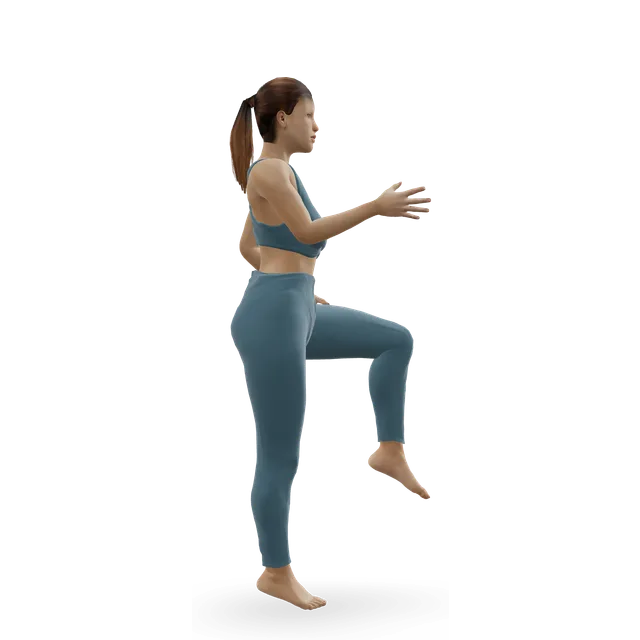
Build towards 150 minutes a week, in the morning or afternoon if you struggle to sleep; brisk walking outdoors counts the same as the treadmill shown.

Strength

2 days a week, starting with 2 to 3 sets of 8 to 12 (our editorial starting point); with insomnia, finish at least 4 hours before bed.

Pilates and yoga

2 to 3 sessions a week in the day or early evening (our suggestion); tai chi helps too, but learn it in a class.

Winding down

In the last hour: slow breathing for 5 minutes or more, then about a minute in child's pose, 45 seconds each side in the twist, a minute in reclining bound angle, 2 minutes with your legs up the wall and a few minutes lying still; leave out the 4-7-8 hold if it makes you feel short of air.

Workouts to follow

Cardio and strength in the day, Pilates or yoga 2 to 3 times a week, and the bedtime routine or breathing on evenings it helps.

Follow a plan

A set weekly plan keeps exercise regular. If you have trouble sleeping, do the sessions in the day.

Warning signs: when to get help

Call 999 or go to A&E

Call 999 (911 in the US) or go to A&E if:

  • Someone's life is at risk: for example, they have seriously injured themselves or taken an overdose.
  • You don't feel you can keep yourself or someone else safe.
  • During or after exercise, you have chest pain that feels tight or like squeezing, or spreads to your arms, neck or jaw, or you're very short of breath.

Sources 45, 46

Get urgent help for your mental health

  • In England, call 111 and select the mental health option, use 111 online, or ask for an urgent GP appointment.
  • Call Samaritans free on 116 123, any time, day or night.
  • In the US, call or text 988, the 988 Suicide and Crisis Lifeline, any time.

Sources 45, 47, 48

See a GP

  • Changing your sleep habits hasn't helped, you've had trouble sleeping for months, or it's affecting your daily life in a way that makes it hard to cope.
  • Your breathing stops and starts while you sleep, you make gasping, snorting or choking noises, or you always feel very tired in the day. If someone has seen it happen, it can help to bring them with you.
  • Restless legs are stopping you sleeping or affecting your mental health, or self-help hasn't worked.
  • You think a medicine might be keeping you awake: many medicines can cause insomnia. Don't stop it without talking to your GP or pharmacist.

Sources 2, 17, 38

Driving

Don't drive when you feel sleepy. With confirmed sleep apnoea and excessive sleepiness, you must not drive until it's under control.

Sources 2, 17

Myths

"Exercising in the evening ruins your sleep"Emerging evidence

Mostly not, in people who sleep well: across 23 studies, evening exercise didn't harm sleep, and hard sessions ending 2 to 4 hours before bed didn't disrupt it. Vigorous exercise ending within about an hour of bedtime may delay sleep, and in tracker data, later and harder sessions went with later, shorter sleep. With insomnia, follow the NHS and don't exercise in the 4 hours before bed.

Sources 13, 14, 31, 2

"Only gentle exercise helps sleep"Emerging evidence

Strength training improved sleep quality about as much as aerobic exercise in an analysis of 86 trials, and strength training on its own improves sleep. The US review found the benefits didn't depend on intensity.

Sources 7, 23, 1

"Wear yourself out and you'll sleep well"Mixed evidence

Harder isn't clearly better, more isn't always better, and very hard sessions close to bedtime may delay sleep. Regular, moderate exercise in the day is the safer bet.

Sources 1, 7, 13

"Exercise works as well as sleeping pills"Mixed evidence

That claim compared exercise studies with separate studies of sleeping pills, and its authors said head-to-head trials were needed. In long-term trials, a sleeping pill (temazepam) helped quickly but not over the long term, while exercise had a smaller, lasting effect. GPs now rarely prescribe sleeping pills.

Sources 49, 35, 2

"If you exercise, you don't need CBT for insomnia"Strong evidence

CBT-I is the first-line treatment for long-term insomnia, no other treatment studied has better evidence, and in one trial tai chi took more than a year to catch up with it. Exercise is a useful addition.

Sources 9, 10, 34, 12

"Exercise can cure sleep apnoea"Emerging evidence

It reduces breathing pauses, by about 6 an hour in pooled trials, but in a 12-week trial the average went from about 32 to 25 an hour, which is still moderate sleep apnoea. CPAP lowers them most, and NICE recommends it for moderate or severe sleep apnoea.

Sources 15, 29, 37, 16

"Yoga is the best exercise for sleep"Mixed evidence

Yoga helps sleep quality, but in the 86-trial analysis it ranked last of six types, with no significant differences between them, while a smaller analysis of insomnia trials put it among the best. Our yoga guide for anxiety and sleep has the detail.

Sources 50, 7, 24

Questions people ask

Does exercise help you sleep better?

Yes, modestly. A review for the US physical activity guidelines rated the evidence strong: regular activity helps you fall asleep sooner, wake less in the night, get more deep sleep and feel less sleepy in the day. In people with insomnia, sleep quality scores improved by about 2 to 3 points on a 21-point scale, on low-quality evidence.

What is the best exercise for sleep?

The one you'll keep doing. Aerobic exercise, strength training, Pilates, yoga and tai chi all improved sleep quality in an analysis of 86 trials, with no significant differences between them. In older adults, walking combined with strength or endurance training ranked highest.

Is it bad to exercise before bed?

For most people, a moderate evening session doesn't harm sleep, but vigorous exercise that ends within about an hour of bedtime may delay it. If you have insomnia, the NHS says not to exercise in the 4 hours before bed. Gentle stretching and slow breathing count as relaxing, so they're fine.

How many hours before bed should I stop exercising?

The NHS says not to exercise in the 4 hours before bed, which matters most if you have trouble sleeping. In lab studies, hard sessions ending 2 to 4 hours before bed didn't disrupt sleep in good sleepers, and in tracker data, sessions ending at least 4 hours before sleep weren't linked with any change.

What's the best time of day to exercise for sleep?

Morning or afternoon is a good default if you struggle to fall asleep: in a lab study, exercise at those times moved the body clock earlier, while late-evening exercise moved it later. The NHS says to exercise regularly during the day. If you sleep well, choose whatever time you'll stick to.

How much exercise do I need to sleep better?

Aim for the NHS amount: at least 150 minutes a week of moderate activity, such as brisk walking, plus strength exercises on 2 days. Trials that helped sleep used, for example, 16 weeks of moderate aerobic activity, or tai chi for an hour twice a week for 3 months. More isn't always better.

How long does it take for exercise to improve sleep?

One session has small effects that night, but the clearer benefits come from regular exercise over weeks. Trials ran for 12 to 16 weeks, and programmes of 3 months or less worked as well as longer ones. Give it 8 to 12 weeks, and see a GP sooner if you're struggling.

Can exercise cure insomnia?

It can help, but it isn't the main treatment for insomnia that has lasted months. That's CBT for insomnia, which works better and for longer, and NICE recommends a digital version, Sleepio. See a GP if changing your habits hasn't helped or you've had trouble sleeping for months.

Is exercise as good as sleeping pills?

Not in the short term, but its effect lasts. In long-term trials, a sleeping pill (temazepam) worked quickly but its benefit didn't last, while exercise had a smaller, lasting effect. GPs now rarely prescribe sleeping pills, and you shouldn't stop a prescribed medicine without talking to your GP.

Does exercise help sleep apnoea?

Yes, alongside treatment. Exercise training cut breathing pauses by about 6 an hour with little change in weight, and eased daytime sleepiness. CPAP works best for moderate or severe sleep apnoea, so if your breathing stops and starts at night, or you always feel very tired, see a GP.

What exercises can I do in bed to help me sleep?

Relaxing ones rather than exercise: slow breathing for 5 minutes or more, progressive muscle relaxation (tensing and then letting go of one muscle group at a time), or gentle positions such as a lying twist or legs up the wall. Relaxation therapy is one of the recognised options for insomnia, though CBT for insomnia works best.

Should I exercise after a bad night's sleep?

Usually yes, gently. The NHS advises sticking to your regular sleeping hours after a bad night rather than sleeping in, and not napping in the day, and a daytime walk fits with that. Don't drive when you feel sleepy, and choose an easy walk or cycle over a hard or risky session on very little sleep (our suggestion).

Sources

  1. 2018 Physical Activity Guidelines Advisory Committee · Scientific report, with its chapters on sleep and on thinking (US Department of Health and Human Services)
  2. NHS · Insomnia
  3. UK Chief Medical Officers 2019 · Physical activity guidelines (updated July 2026, GOV.UK)
  4. Banno 2018 · Exercise and sleep in people with insomnia: 9 trials (meta-analysis, PeerJ)
  5. Xie 2021 · Exercise, sleep quality and insomnia in adults: 22 trials (meta-analysis, Frontiers in Psychiatry)
  6. Riedel 2024 · Exercise for insomnia: 19 studies (meta-analysis, Sleep Medicine Reviews)
  7. Wang 2025 · Types and doses of exercise for sleep quality: 86 trials (network meta-analysis, BMC Public Health)
  8. NHS · Physical activity guidelines for adults aged 19 to 64
  9. Edinger 2021 · Behavioural and psychological treatments for chronic insomnia in adults (American Academy of Sleep Medicine guideline, Journal of Clinical Sleep Medicine)
  10. Riemann 2023 · The European Insomnia Guideline: 2023 update (European Sleep Research Society, Journal of Sleep Research)
  11. NICE HTG624 · Sleepio to treat insomnia and insomnia symptoms (formerly MTG70)
  12. Siu 2025 · Tai chi or CBT for insomnia in 200 adults aged 50 and over (non-inferiority RCT, BMJ)
  13. Stutz 2019 · Evening exercise and sleep in healthy people: 23 studies (meta-analysis, Sports Medicine)
  14. Frimpong 2021 · Evening high-intensity exercise and sleep: 15 studies (meta-analysis, Sleep Medicine Reviews)
  15. Iftikhar 2014 · Exercise training for sleep apnoea: 5 studies (meta-analysis, Lung)
  16. NICE NG202 · Obstructive sleep apnoea/hypopnoea syndrome and obesity hypoventilation syndrome in over 16s
  17. NHS · Sleep apnoea
  18. Ohayon 2002 · Epidemiology of insomnia (review, Sleep Medicine Reviews)
  19. Zhang 2006 · Sex differences in insomnia in 1,265,015 people (meta-analysis, Sleep)
  20. Kredlow 2015 · The effects of physical activity on sleep: 66 studies (meta-analysis, Journal of Behavioral Medicine)
  21. Passos 2010 · One session of exercise in 48 people with chronic insomnia (trial, Journal of Clinical Sleep Medicine)
  22. Youngstedt 2019 · How exercise at different times of day shifts the body clock in 99 adults (lab study, Journal of Physiology)
  23. Kovacevic 2018 · Resistance exercise and sleep: 13 studies (systematic review, Sleep Medicine Reviews)
  24. Bu 2026 · Types of exercise for insomnia: 22 trials (network meta-analysis, BMJ Evidence-Based Medicine)
  25. Xie 2024 · The best exercise for sleep quality in adults: 27 trials (network meta-analysis, Preventive Medicine)
  26. Chen 2020 · Pilates and sleep quality: 6 trials (meta-analysis, Frontiers in Neurology)
  27. Hasan 2022 · Exercise for sleep quality in older adults: 35 trials (network meta-analysis, Sleep Medicine Reviews)
  28. Reid 2010 · Aerobic exercise for 17 older adults with insomnia (RCT, Sleep Medicine)
  29. Kline 2011 · Exercise training for obstructive sleep apnoea in 43 adults (RCT, Sleep)
  30. Irwin 2017 · Tai chi or CBT for insomnia in 90 breast cancer survivors (non-inferiority RCT, Journal of Clinical Oncology)
  31. Leota 2025 · Evening exercise and sleep in 14,689 people wearing activity trackers (observational study, Nature Communications)
  32. Qaseem 2016 · Management of chronic insomnia disorder in adults (American College of Physicians guideline, Annals of Internal Medicine)
  33. Trauer 2015 · CBT for chronic insomnia: 20 trials (meta-analysis, Annals of Internal Medicine)
  34. Baglioni 2020 · Melatonin, light, exercise and complementary therapies for insomnia disorder (network meta-analysis, Journal of Clinical Medicine)
  35. Yu 2023 · Exercise, CBT and sleeping pills for chronic insomnia over the long term: 13 trials (network meta-analysis, Healthcare)
  36. Iftikhar 2024 · How much aerobic exercise for obstructive sleep apnoea: 11 trials (dose-response meta-analysis, Sleep and Breathing)
  37. Iftikhar 2017 · CPAP, mouth devices, exercise and weight loss for sleep apnoea (network meta-analysis, Sleep Medicine)
  38. NHS · Restless legs syndrome
  39. Aukerman 2006 · Exercise and restless legs syndrome (RCT, Journal of the American Board of Family Medicine)
  40. Qian 2023 · Exercise and sleep in menopausal women (meta-analysis, Frontiers in Medicine)
  41. Corrêa 2025 · Physical activity and sleep in women with hot flushes during the menopause (meta-analysis, Maturitas)
  42. NHS · Breathing exercises for stress
  43. James Paget University Hospitals NHS Foundation Trust 2025 · Relaxation strategies (patient leaflet)
  44. NHS Lothian 2025 · Relaxation: information for patients (physiotherapy leaflet)
  45. NHS · Where to get urgent help for mental health ("call 111 and select the mental health option")
  46. NHS · Heart attack
  47. Samaritans · Contact a Samaritan: 116 123, free, any time
  48. 988 Suicide and Crisis Lifeline (US): call, text or chat, any time
  49. Passos 2012 · Is exercise an alternative treatment for chronic insomnia? (review, Clinics)
  50. Wang 2020 · Yoga for sleep quality and insomnia in women with sleep problems (meta-analysis, BMC Psychiatry)

Exercise education, not a diagnosis or treatment plan, and clinical review of these guides is pending. Stop and get advice for chest pain, unusual breathlessness, dizziness or fainting, or new pain, and check with your doctor or midwife first if they have told you to limit activity. Health disclaimer.