Stiff neck or wry neck: how to ease it, and how long it lasts
A sudden painful, stiff neck, often noticed on waking, sometimes with the head held tilted to one side: a wry neck, or acute torticollis. The cause is often unknown. It is probably a minor sprain or irritation of a neck muscle or ligament, after sleeping or sitting awkwardly, a long spell at a screen, or carrying a heavy, unbalanced load.
It usually improves within a day or two, with full recovery within about a week. Gentle movement little and often, heat, and simple painkillers so you can keep moving are what help. A stiff neck with a fever is different: read the warning signs first.
Exercise is for pain that has been checked or is clearly mild and settling.
Get urgent medical help if
Call 999 or go to A&E: a stiff neck with a fever, especially if bright light hurts your eyes, you have a rash that does not fade when you press a glass on it, or a very high or very low temperature with shivering. These can be signs of meningitis.
Call 999 or go to A&E: a headache that came on suddenly and is extremely painful; numbness or weakness in the face or body; a drooping face, or being unable to lift both arms and keep them up; difficulty speaking, swallowing, balancing, walking or remembering; double vision or loss of vision; drowsiness or confusion. A torn neck artery often starts with headache and neck pain, sometimes with dizziness or tingling, so head or neck pain unlike any you have had before needs checking.
Call 999 or go to A&E after a neck injury if the person is unresponsive, has severe neck pain or cannot move their head, or fell from a height such as 5 or more stairs. Do not drive yourself. Being 65 or over, a dangerous fall or crash (from more than 1 metre or 5 steps, diving, a high-speed or rollover crash, being thrown from a vehicle, or a bike or horse-riding accident), or tingling in the arms or legs after an injury puts you at high risk of a broken neck: get checked.
Call 999 or go to A&E: new problems walking, loss of bladder or bowel control, or a sudden loss of coordination, such as difficulty doing up buttons. These can be signs of pressure on the spinal cord.
Same day: clumsiness, numbness, pins and needles or weakness in one or both arms that is getting worse; problems with balance or walking since the neck pain started; or neck pain with a severe headache.
See a doctor or physiotherapist if
A stiff neck that lasts more than a week, or is severe.
Numbness or weakness in the hands or feet, severe pain, pain spreading down the arm, or no improvement after a few days.
A child with a wry neck that is not clearly settling. This guide is written for adults; a child with a stiff neck and a fever needs urgent help.
Understand it
Why it happens overnight
The NHS lists the neck locking in an awkward position while you sleep as one of the most common causes of neck pain. A sudden wry neck is common in young people, and most people do not get it again. The temporary kind can also follow a throat or airway infection.
Keep the neck moving gently, a little further in each direction, several times a day. Simple painkillers can make that possible, and heat eases the muscle stiffness.
The NHS suggests a hot water bottle wrapped in a tea towel for 20 minutes, two to three times a day, or a cold pack for 5 minutes, three times a day.
No trials of treatments for sudden wry neck in adults were found for this guide, only case reports. The advice here comes from NHS and peer-reviewed patient guidance: sensible practice rather than tested treatment.
Patient guidance says a sudden wry neck usually improves within 24 to 48 hours, with full recovery within about a week. An emergency department leaflet says it usually gets better on its own after a few days. This is patient guidance; no trials were found.
Keep it moving, and skip the collarStrong evidence
Guidelines and health services agree: keep the neck moving and carry on with normal activities, and do not wear a collar for ordinary neck pain. NHS inform adds that moving the neck for short periods every hour helps.
A 2025 review found no pillow type clearly better for chronic neck pain, and there is no trial evidence on pillows for wry neck. The NHS suggests a low, firm pillow with your head level with your body, a firm mattress, and not sleeping on your front or twisting your neck in bed.
If neck pain keeps coming back, build strengthEmerging evidence
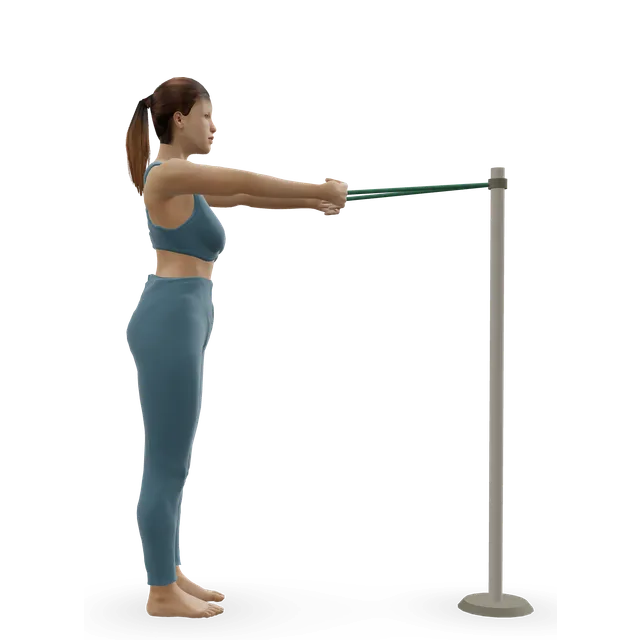
No exercise has been shown to prevent another wry neck. For neck and shoulder pain that keeps returning, short daily strength training has trial support: 2 minutes a day of elastic-band training, 5 days a week, lowered pain in workers with frequent neck and shoulder pain.
The 5 out of 10 rule, and the arm-symptom exception
NHS inform's neck exercise advice: rate your pain from 0 to 10. During exercise, 0 to 3 is minimal and 4 to 5 is acceptable; 6 or more is too much. If it goes higher, do fewer repetitions, move more slowly or rest longer between movements.
Exercise should not make your neck worse overall. Soreness from a new exercise should ease quickly, and your neck should be no worse the next morning. Stop any exercise that makes your symptoms worse or causes new pain.
Arm symptoms are the exception. If an exercise sends pain, tingling or numbness further down your arm, or the extra symptoms last more than an hour afterwards, make the movement smaller or leave it out. (A hospital leaflet on nerve glides allows a short-lived rise in symptoms but not one lasting over an hour; the rest of this rule is this site's suggestion.)
Stop and get checked for dizziness, double vision, slurred speech, trouble swallowing or any of the warning signs above.
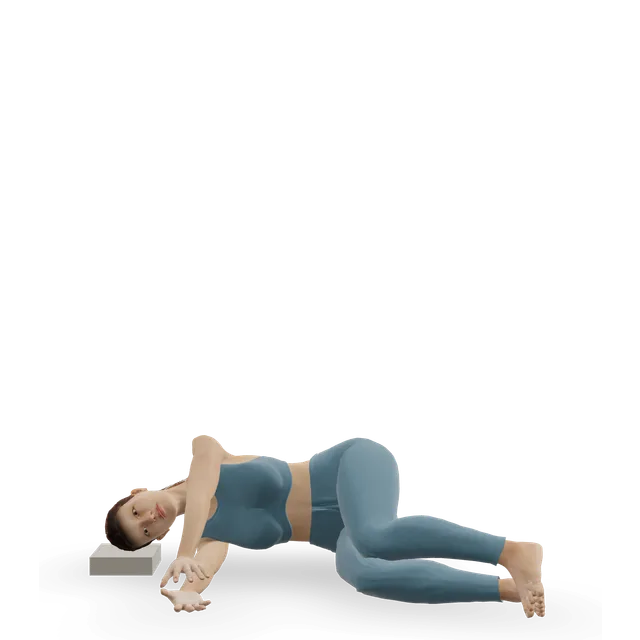
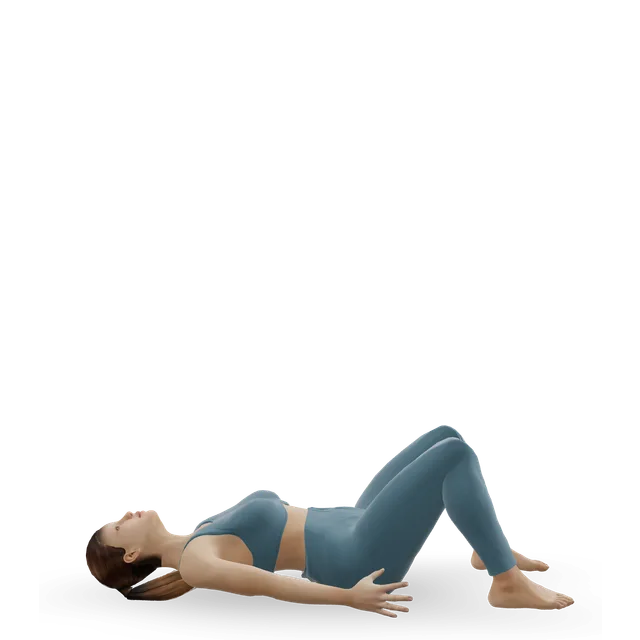
Start at the first stage. Each move opens a full guide with a 3D demo.
Stage 1
Settle: little and often
Days 0 to 3. Heat before moving (NHS: 20 minutes, 2 to 3 times a day). Move up to the point of pain, not through it. The neck movement dose follows NHS inform; the others are editorial starting points.
Move on when: Your neck turns fully both ways without pain.
Follow along: a timer, a cue and the next move, one step at a time.
Stage 3
Back to normal: strength if it keeps coming back
After about 2 weeks, if you get neck pain often. These start the strengthening plan in the main neck pain guide. The band raise dose is from the Andersen 2011 trial; the rest are editorial.
Move on when: Move on to the main neck pain guide's stage 3.
Follow along: a timer, a cue and the next move, one step at a time.
What to change for now
What not to do
Do not wear a soft collar: patient guidance says it can make the stiffness worse and last longer. Do not drive or cycle while you cannot move your neck.
Do not force the neck into the stuck direction or pull your head with your hands. Move up to the point of pain, not through it, in line with the 5 out of 10 rule. And do not lie still for long: moving the neck for short periods every hour and carrying on with normal activities helps.
A stiff neck (small arcs), arthritis (keeping your range), desk breaks
Stop for dizziness, vision or speech symptoms. With a pinched nerve, skip looking up and turning toward the sore side if they bring on arm symptoms
No trial shows harm or benefit from neck rolls. An international framework advises clinicians to avoid end-of-range turning and tipping the head back when an artery problem is suspected.
There is no proven quick fix. Heat, simple painkillers and small neck movements every hour or so are what NHS and patient guidance recommend, and a wry neck usually improves within a day or two. Skip the collar and do not force it.
How long does a stiff neck last?
A sudden wry neck usually improves within 24 to 48 hours, with full recovery within about a week. Get it checked if it lasts more than a week, is severe, or comes with a fever, numbness, weakness or pain spreading down the arm.
Heat or ice for a stiff neck?
The NHS suggests either: a hot water bottle wrapped in a tea towel for 20 minutes, two to three times a day, or a cold pack for 5 minutes, three times a day. Heat is the usual choice for muscle stiffness.
Why do I keep waking up with a stiff neck?
Often the cause is not known; sleeping awkwardly without support is a common trigger. The NHS suggests a low, firm pillow, a firm mattress and not sleeping on your front. Most people who get a wry neck do not get it again. If neck pain keeps returning, try the strengthening stages of the main neck pain plan, and see a GP or physiotherapist.
What pillow should I use for a stiff neck?
No pillow type has been shown to be clearly better for chronic neck pain, and there is no trial evidence on pillows for wry neck. The NHS suggests a low, firm pillow that keeps your head level with your body.
Exercise education, not a diagnosis or treatment plan. It is written from the guidelines and studies listed above; review by a clinician is pending. If your pain follows an injury, is severe, is getting worse, or comes with any warning sign listed on this page, get it assessed. Health disclaimer.