What the guidelines sayStrong evidence
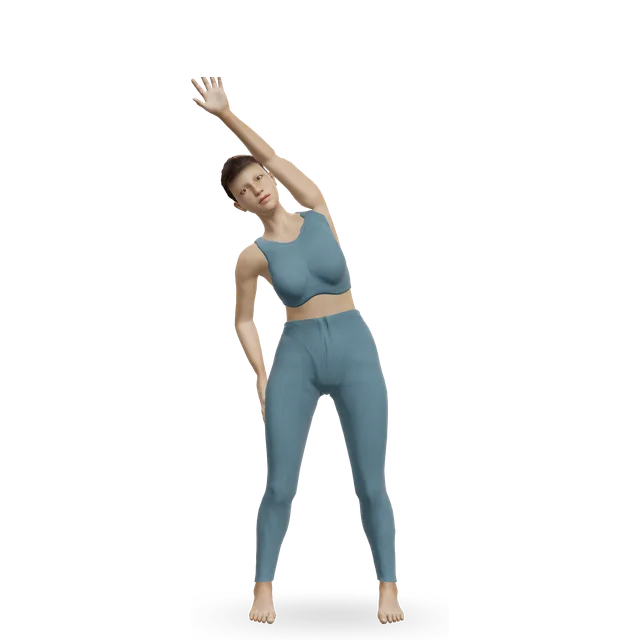
NICE recommends offering a supervised group exercise programme to people aged 16 and over with chronic primary pain, tailored to their needs and abilities, and encouraging them to stay active. Its experts didn't pick a type, because the benefits were similar across aerobic, mind-body, strength and combined programmes, and they found no harms except more people stopping.
EULAR gave exercise its only strong recommendation, with every expert agreeing, for its effect on pain, function and wellbeing, its low cost and its safety. It couldn't separate aerobic from strengthening exercise, and found land and water exercise similar. The NHS lists exercise first of its 3 main treatments, with talking therapies and medicines.
Sources 2, 20, 1, 21
Aerobic exerciseEmerging evidence
In 8 trials (456 people) lasting 6 to 24 weeks, aerobic training improved quality of life by about 8 points on a 0 to 100 scale (moderate quality), and pain by 11 and function by 10 points (low quality); fatigue didn't clearly change. People dropped out at similar rates to the comparison groups. Long-term effects are uncertain.
Source 3
Strength trainingEmerging evidence
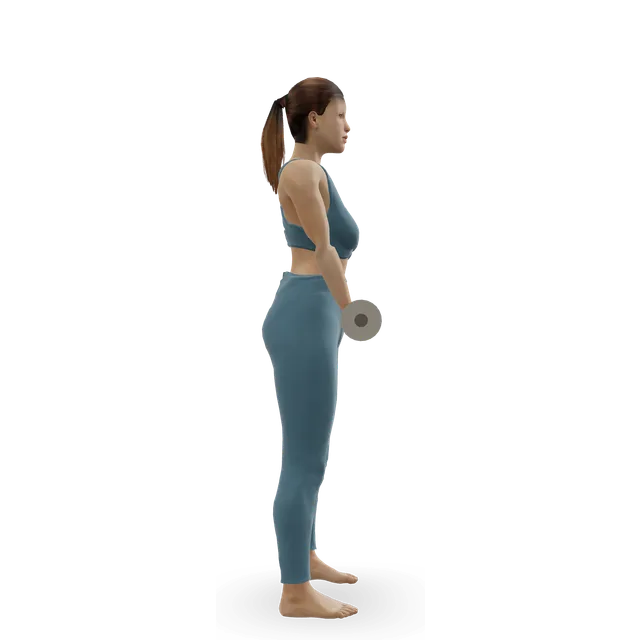
In 5 trials (219 women), strength training improved function by about 17 points on a 0 to 100 scale and pain by about 3 points on a 0 to 10 scale, though that pain estimate was uncertain, and built strength. In head-to-head trials, aerobic training eased pain a little more than moderate strength training. The authors concluded that women with fibromyalgia can safely do moderate to high resistance training. The evidence is low quality.
Source 22
Water exerciseEmerging evidence
In 16 studies (881 people, almost all women), exercise in water gave small improvements in function (6 points on a 0 to 100 scale), pain (7 points) and stiffness (18 points), and in strength and walking distance; only the stiffness and strength gains were big enough to matter clinically. Water and land exercise worked about equally, except that land exercise built more strength.
Source 23
Mixed programmesEmerging evidence
In 21 trials (1,253 people, moderate-quality evidence), programmes mixing aerobic, strength and flexibility work improved quality of life by 7%, pain by 5% and function by 11% compared with no exercise. Nobody was injured, but some people had more pain, soreness or tiredness during or after exercise.
Source 4
Stretching on its ownMixed evidence
Stretching alone gave no clinically important benefit compared with aerobic training, on very low-certainty evidence. Across 167 trials of non-drug treatments, every form of exercise except stretching improved pain and low mood; mind-body and strength exercise also eased fatigue, and aerobic and strength exercise improved sleep.
Sources 6, 5
Tai chi and yogaEmerging evidence
In a trial of 226 adults, tai chi did at least as well as aerobic exercise. Overall it improved symptoms a little more at 24 weeks, by less than the amount people usually notice, but 24 weeks of twice-weekly tai chi beat the same amount of aerobic exercise clearly, longer courses did better, and people kept coming more often. There were no serious side effects.
Across 7 trials of meditative movement (tai chi, qigong and yoga), sleep, fatigue, mood and quality of life improved, but pain didn't overall, except with yoga. An 8-week yoga programme improved pain, fatigue and mood in 53 women.
Sources 7, 8, 24
Which type ranks highest?Emerging evidence
A 2026 network analysis of 59 trials in 3,256 women ranked Pilates, water exercise and strength training highest in the short term, and dance and mixed exercise in the long term, with low to moderate certainty. In aerobic trials, slight to moderate intensity 2 to 3 times a week for at least 4 weeks reduced pain, fatigue and low mood, and people who kept exercising did better later.
Sources 25, 9