Wall Pilates: exercises, a free beginner workout, and what it can't do
Wall Pilates is mat Pilates with a wall: you press into it for feedback, lean on it for balance, or push against it. It needs no equipment and suits beginners.
It has no research of its own, so this page is honest about what it can and cannot do, and gives you the moves, a free workout and a 4-week plan.
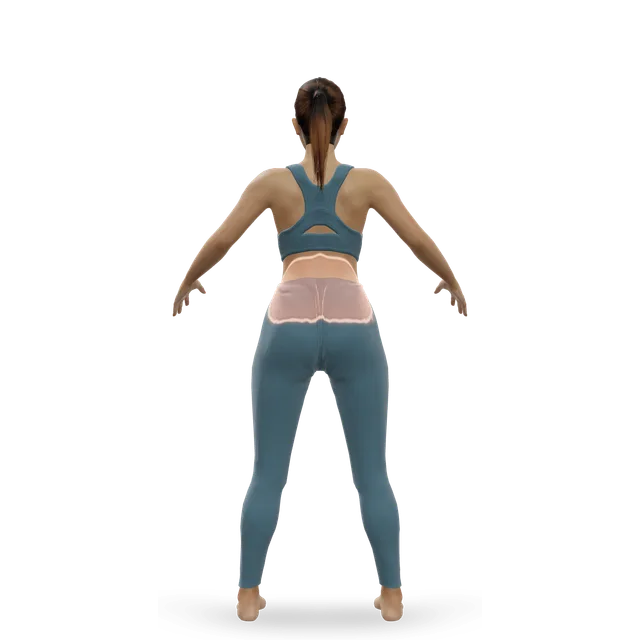
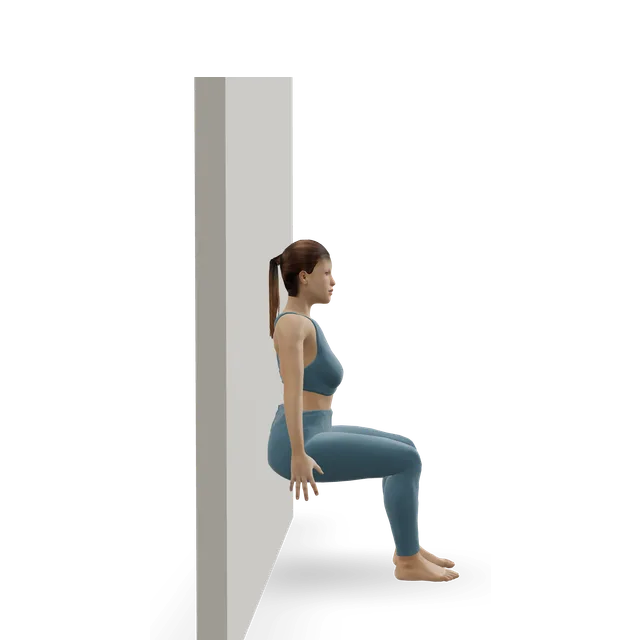
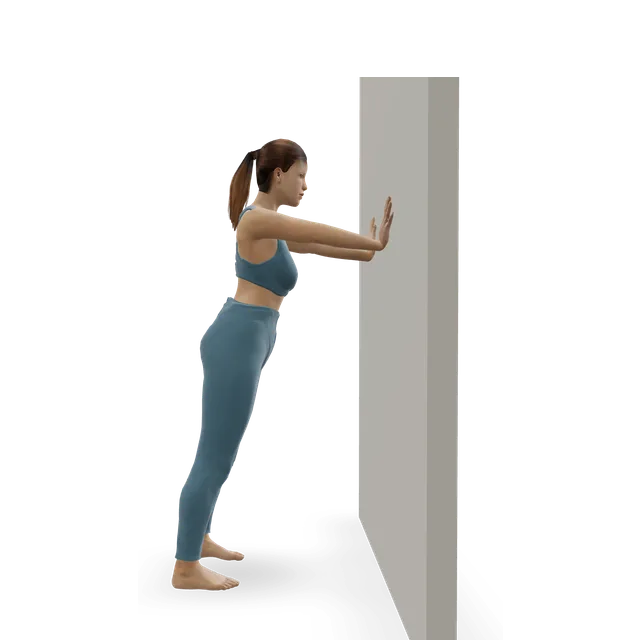
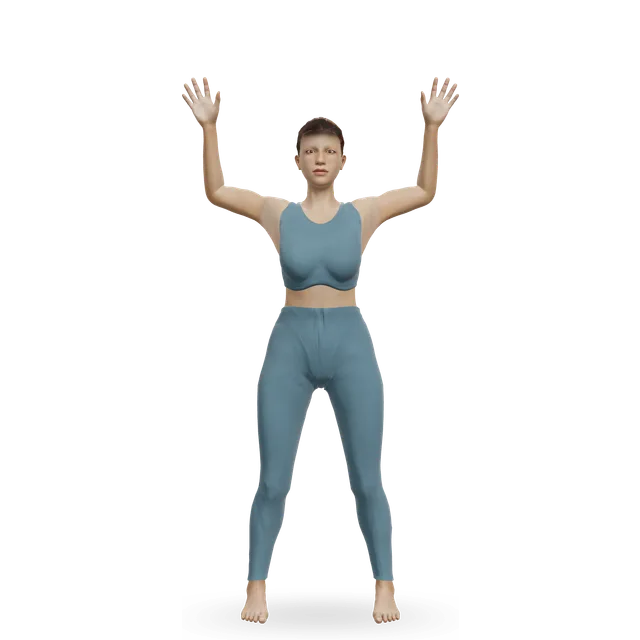
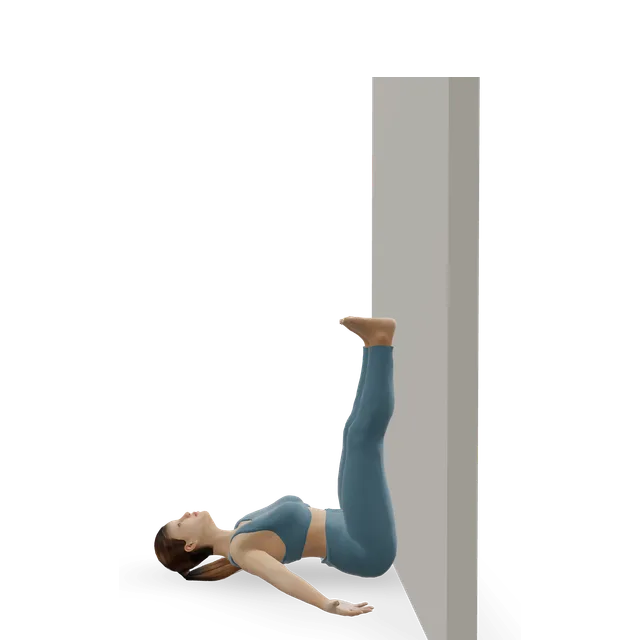
The wall is used in three ways: for feedback (pressing your spine or feet into it), for support (balance, or a smaller range) and for leverage (pushing against it). Typical moves are the wall roll-down, wall sit, wall bridge, wall push-up, arm slides, a roll-up or teaser with the feet on the wall, and standing leg lifts holding the wall.
It is approachable, needs no equipment and gives instant feedback. A wall in front of you gives support, as in the wall push-up or a standing balance. Moving your feet higher or lower on the wall, or nearer to or further from it, changes how hard a move is.
Does wall Pilates work?
No studies of its own
A search of the Europe PMC research database for "wall Pilates" found no studies in October 2026. Every benefit claimed for it is borrowed from research on mat Pilates.
Pilates-based exercise helps long-lasting low back pain more than doing little, improves abdominal endurance compared with no exercise, and may help balance in older adults. Those trials used mat and equipment programs, mostly supervised. Nobody has tested the wall versions.
Popular wall Pilates pages promise better posture or weight loss without citing any study of wall Pilates. One of them quotes its own expert saying wall Pilates is not truly for weight loss.
Find a clear stretch of wall with a mat or folded blanket in front of it for the floor moves. Bare feet or grippy socks keep your feet from sliding on the wall.
Distance from the wall
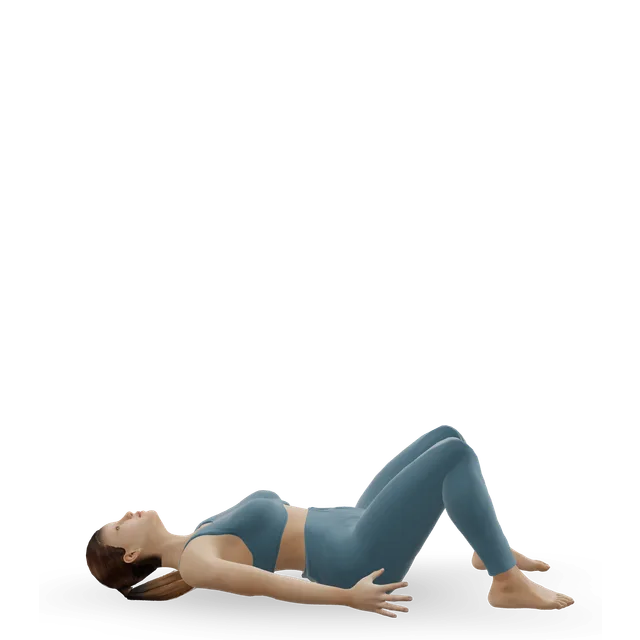
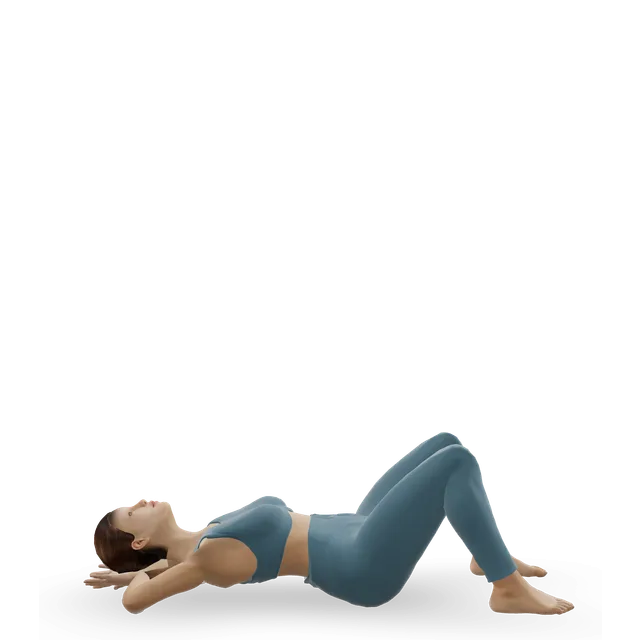
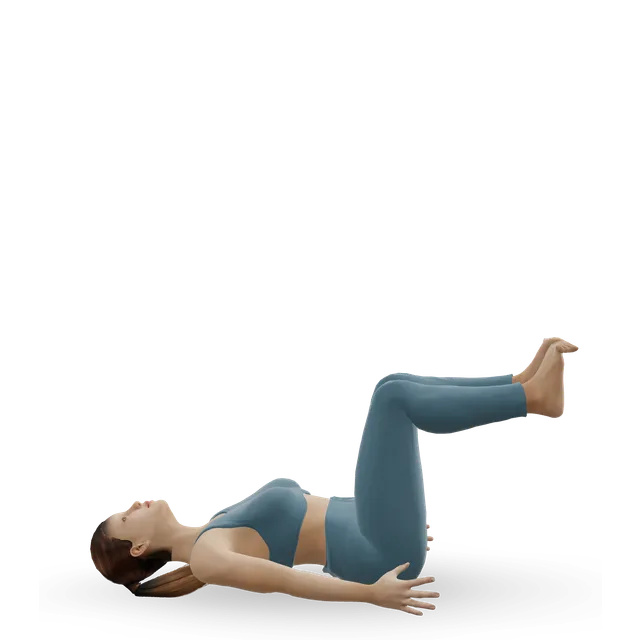
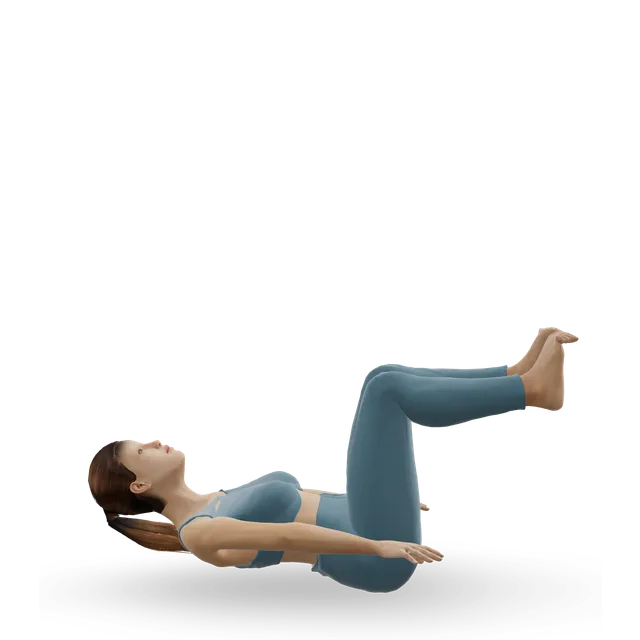
For the roll-down, stand with your feet about a foot-length from the wall. For the bridge, hundred and roll-up, lie close enough that your feet rest flat on the wall with the knees bent to about a right angle. Move further away or closer to change the difficulty.
The wall Pilates exercises
Some are standard moves already on the site, such as the wall sit and the wall push-up; the rest are wall versions of mat Pilates moves.
Four weeks is enough to get better at the moves and to start building abdominal endurance, which improved over programs of 5 to 12 weeks in trials. It is not enough for a visible body change: Pilates led to modest weight loss in trials, and it is light work for the heart.
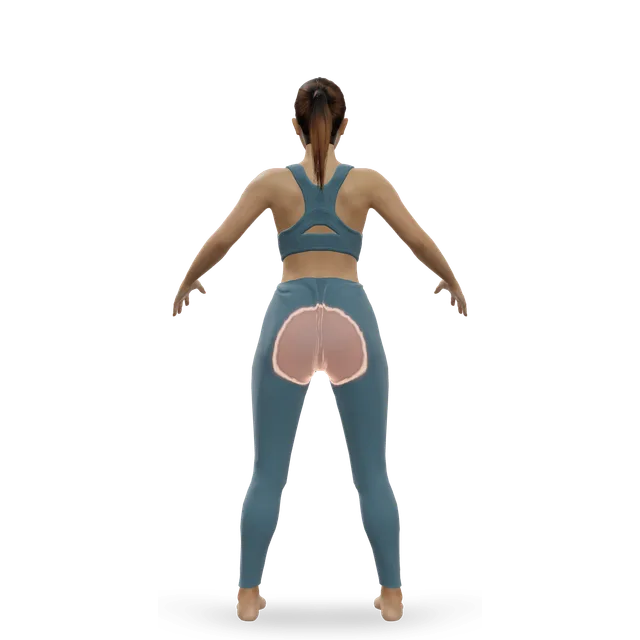
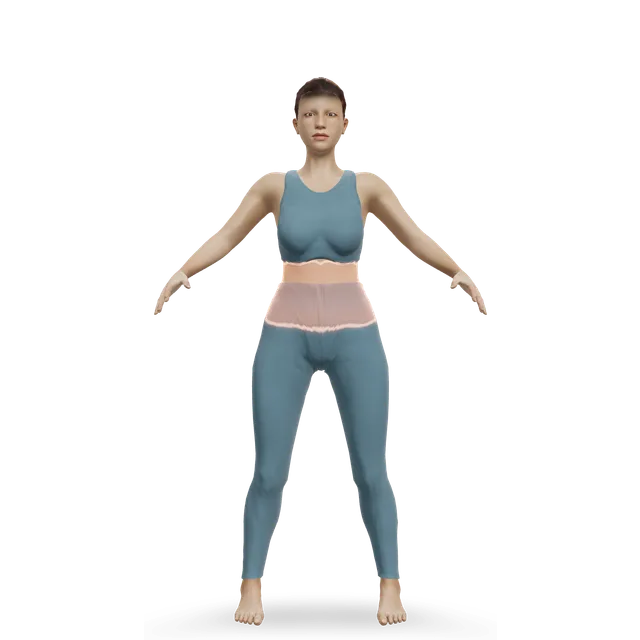
No exercise burns fat from one spot. In a small trial, six weeks of daily abdominal exercise did not reduce belly fat. Fat loss happens across the whole body.
NHS advice for older adults is strength, balance and flexibility work on at least 2 days a week, and a UK consensus recommends balance and strength exercise, including Pilates, at least twice a week for people with osteoporosis. In reviews, Pilates improved balance and fall-risk measures in older adults, at low to moderate certainty.
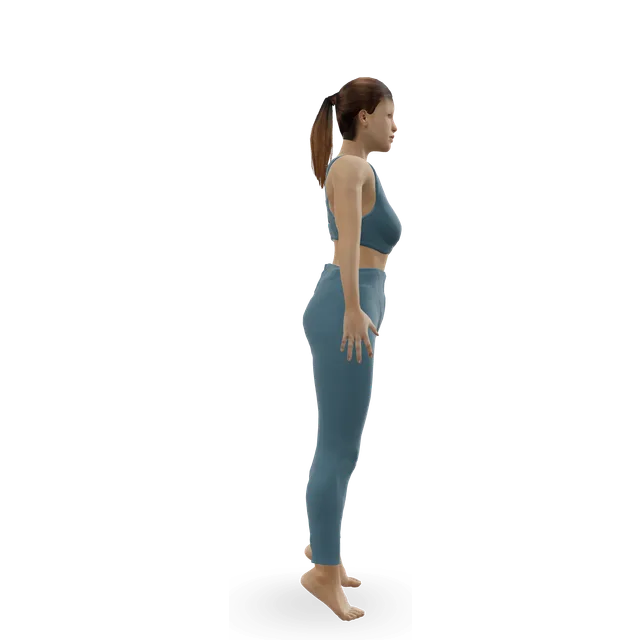
Standing moves such as the wall side leg lift use the wall as a safety rail while you practise balance.
The wall roll-down and the wall roll-up round the spine. A UK consensus suggests considering alternatives to Pilates roll-downs and curl-ups as a precaution: here, a small range or a flat-back hinge near the wall. People who already move comfortably and smoothly can continue.
Yes. The wall gives feedback and support, and you can make each move easier or harder by moving your feet closer to or further from it.
Does wall Pilates work?
It has not been studied on its own. It uses the same moves as mat Pilates, which helps long-lasting low back pain more than doing little and improves abdominal endurance.
Is wall Pilates good for older adults?
It can be. NHS advice for older adults is strength and balance work on at least 2 days a week, and the standing moves let you practise balance with a hand on the wall.
Can wall Pilates get rid of belly fat?
No exercise burns fat from one spot. Pilates led to modest whole-body weight loss in trials compared with doing nothing.
Do I need any equipment?
A clear wall and some floor space. A mat or folded blanket makes the floor moves more comfortable.
Are 28-day wall Pilates challenges worth it?
Our free 4-week plan covers the same ground, with one wall day and two mat days a week and nothing behind an app. In four weeks, expect better control and endurance, not a new body.
How often should I do wall Pilates?
Two or three times a week, as for mat Pilates. In a back pain trial, twice a week beat once a week.
Movement education, not medical advice. Stop for sharp or increasing pain, numbness or tingling, and get individual advice if you are pregnant, after an injury or surgery, or managing a health condition. Health disclaimer.