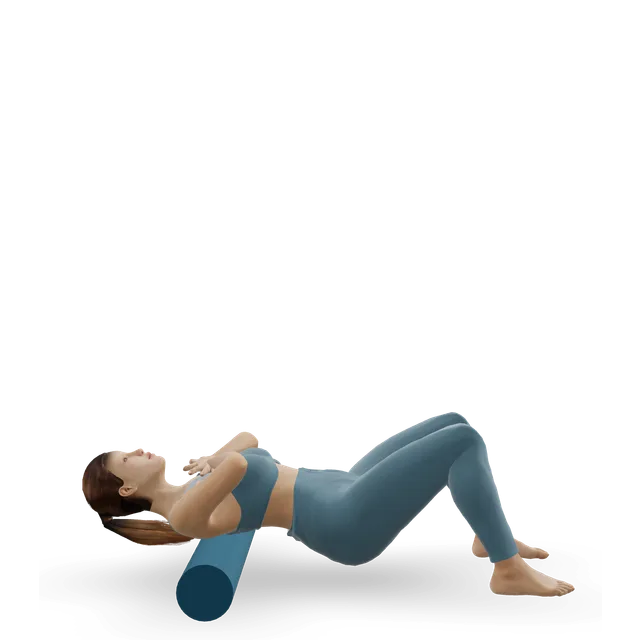
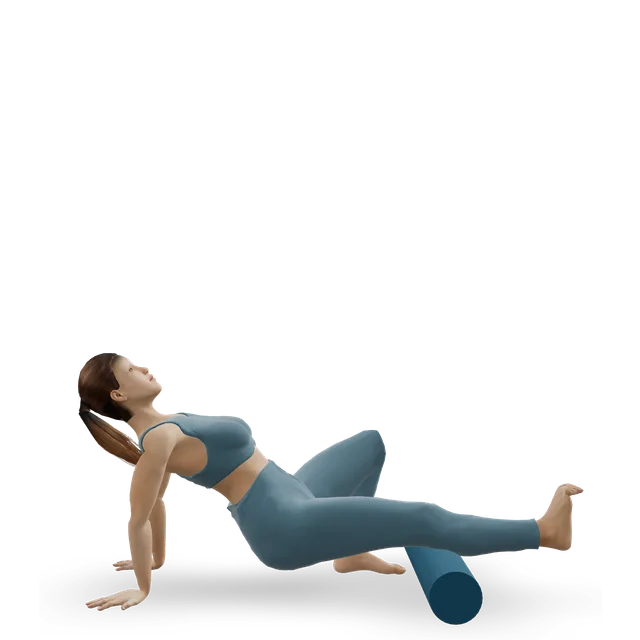
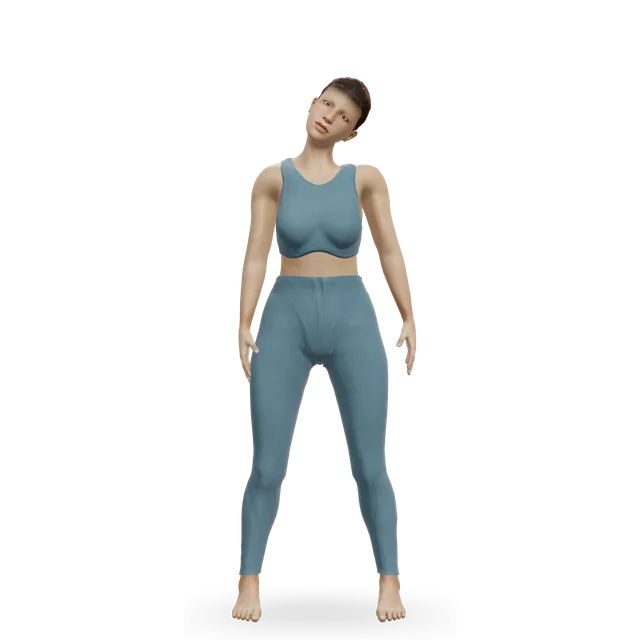
Fascia can hurt
It carries sensory nerves, some of them pain-sensing. In 12 volunteers, salt water injected into the lower back's fascia hurt for longer and spread further than the same injection into the muscle.
Fascia guide
Fascia is often blamed for long-term pain: tight, stuck or inflamed fascia that only release can fix. Fascia can hurt, because it carries pain-sensing nerves, and in an experiment irritating the lower back's fascia hurt for longer than irritating the muscle. But no study shows that fascia causes most chronic pain, and long-term pain usually involves a nervous system that has become more sensitive.
The honest headline: myofascial release, massage and rolling ease pain a little for a while, while exercise, staying active and talking therapies are what the National Institute for Health and Care Excellence (NICE) recommends.
This guide explains what nerves in fascia do, what back pain scans show, sensitisation, fibromyalgia and trigger points, what treatments did in trials, a gentle session for a bad day, and the signs that need a doctor first.
It carries sensory nerves, some of them pain-sensing. In 12 volunteers, salt water injected into the lower back's fascia hurt for longer and spread further than the same injection into the muscle.
Across 14 studies, the lower back's fascia was thicker and stiffer on ultrasound in people with back pain, but every study measured people once, so none can show which came first.
Source 4
Pain scientists recognise pain that comes from a nervous system turned up, without ongoing tissue damage (nociplastic pain), and many long-term pains mix this with pain from tissues. The NHS describes fibromyalgia this way.
Myofascial release had small effects in back pain trials, too small to notice in the better ones, and against a fake (sham) treatment the 0 to 10 pain scores didn't differ. Massage and rolling eased pain in the short term only.
A supervised group exercise programme and staying active, talking therapies, and a single course of acupuncture can be considered. NICE made no recommendation on manual therapy and asked for more research. The NHS says becoming more active gradually is unlikely to cause harm.
Pain that's new or changing, worse at night, or comes with weight loss you can't explain, a fever, numbness or weakness needs a doctor before any release. The signs are near the end of this page.
Source 16
NICE defines chronic pain as pain that lasts or keeps coming back for more than 3 months. Chronic primary pain has no clear underlying condition, or is out of proportion to any injury or disease, and fibromyalgia is one type. Our exercise for chronic pain guide covers the definitions.
Source 13
In rats, and in a first look at human tissue, the fascia of the lower back was densely supplied with nerve endings, with pain-type (substance P) endings in its outer layer and the layer under the skin. Its nerve endings are partly movement sensors and partly pain sensors, and in an experimental inflammation of rat fascia only the pain-type endings increased. Superficial fascia from the belly and hip is richly supplied with sensory and automatic (autonomic) nerve fibres, in a small sample. The often-quoted figure of about 250 million nerve endings in fascia is an estimate, which our evidence page grades emerging.
In 12 healthy volunteers, salt water injected into the lower back's fascia caused pain that lasted longer, spread further and felt more unpleasant than the same injection into the back muscle, and people described it as burning, throbbing and stinging. The authors concluded the fascia is the deep tissue of the back most sensitive to this kind of chemical irritation, which makes it a candidate contributor to back pain. It shows fascia can hurt when irritated, for minutes, in healthy people.
Source 3
In 121 people, the layers of the lower back's fascia slid about 20% less in long-term back pain, which the authors say could come from how people move or from the tissue itself. A 2026 meta-analysis of 14 studies (1,001 people) found the fascia thicker, stiffer and brighter on ultrasound in back pain, with thickness modestly linked to pain, while sliding was unclear, and said studies following people over time are needed to show cause. These are the same findings our lower back, thoracolumbar fascia and tight fascia guides give.
In three experiments, feeling stiff in the back didn't match measured stiffness; the authors read the feeling as the body protecting itself rather than a readout of the tissue. Our tight fascia guide covers it.
Source 20
Nobody can tell fascia pain from muscle pain by feel. Everyday aches, stiffness and tender spots come from many tissues and a sensitive nervous system. Pain all over the body with tiredness and poor sleep points to fibromyalgia, which needs a GP's assessment.
Reviews of how manual therapy works found support for changes in the nervous system, blood flow and nerve chemistry, and only very weak support for changes in the tissue. Dense fascia doesn't change shape at the forces hands or rollers apply.
The International Association for the Study of Pain (IASP) defines pain as an unpleasant sensory and emotional experience associated with, or resembling that associated with, actual or potential tissue damage. It isn't a direct measure of damage, and it's always real.
Source 5
The IASP calls pain that arises from altered pain processing, without clear tissue or nerve damage, nociplastic pain, and says people can have it alongside pain from tissues. Central sensitisation means nerve cells in the spinal cord and brain respond more strongly to their normal input. A Lancet review counts fibromyalgia as nociplastic, sees a mixed picture in long-term back pain, and notes that this kind of pain responds less well to treatments aimed at the tissues, such as anti-inflammatory drugs, opioids, surgery or injections.
A 2010 paper proposed that inflamed fascia drives the sensitisation of fibromyalgia, with no new data, and said so: it's a hypothesis waiting to be tested. The NHS describes fibromyalgia as changes in the way the central nervous system processes pain messages. Our fascia and fibromyalgia guide covers the biopsy and ultrasound studies.
Myofascial pain syndrome is regional muscle pain put down to trigger points. A critique in the journal Rheumatology argues the trigger point theory has been refuted, while accepting that the symptoms are real; supporters disagree. Our myofascial pain syndrome and trigger points guides cover the debate and the treatments.
Source 24
A review of 8 trials (tennis elbow 95 people, fibromyalgia 145, low back pain 152, heel pain 65; 5 at high risk of bias) found effects in back pain and fibromyalgia that didn't reach the smallest change people notice, and concluded the evidence isn't enough to recommend it for chronic pain.
Source 9
Across 8 trials (375 people), myofascial release eased pain and improved function by a small amount, with no effect on quality of life, pressure sensitivity or movement; the authors call the trials few and low quality. In the trial against a sham (54 people, 4 sessions of 40 minutes), a pain questionnaire and disability improved more, but the 0 to 10 pain scores didn't differ, and the authors couldn't say the change mattered. These are the same trials our myofascial release guide uses.
In 86 people, 20 weeks of myofascial release beat sham short-wave and ultrasound after treatment and at 6 months, with only a few measures still better at a year; the placebo was a machine, not a fake touch. A 20-week self-release roller programme improved fibromyalgia scores against no programme in 66 people, with no sham. Our fibromyalgia guide gives the fuller picture.
For low back pain, 25 trials (3,096 people) found short-term relief only, and the reviewers had very little confidence in the result. More pain afterwards was the commonest side effect, reported by 1.5% to 25% of people.
Source 11
An evidence synthesis found consistent support for short-term gains in range, short-term pain relief and brief changes in muscle stiffness and blood flow, while two reviews found no long-term effect on pain.
Source 12
For chronic primary pain, NICE recommends offering a supervised group exercise programme and encouraging people to stay active; to consider acceptance and commitment therapy (ACT) or cognitive behavioural therapy (CBT); and that a single course of acupuncture or an antidepressant may be considered. It says not to offer transcutaneous electrical nerve stimulation (TENS), ultrasound, interferential therapy or biofeedback. On manual therapy it couldn't draw definite conclusions, made no recommendation, called the benefits against usual care promising with no evidence of harm, and asked for research. For low back pain, NICE says to consider manual therapy only as part of a package that includes exercise.
In the European rheumatology (EULAR) recommendations, exercise was the only therapy with a strong recommendation. The NHS says exercise has important benefits in fibromyalgia, including helping to reduce pain.
The fascia studies are experiments in healthy volunteers or one-off comparisons, so none shows fascia causing long-term pain. The release trials are small, few used a sham, and follow-up is short. We read most studies' summaries (abstracts), not their full texts.
Step 2 follows the slow breathing move page's dose, at least 5 minutes, from the NHS breathing exercise for stress, with the 4-in, 6-out count that page also gives. Steps 3 and 4 are the move pages' doses. Step 5 is our fascia and fibromyalgia guide's editorial dose, shorter than the rolling move pages' 90 seconds because pressure can hurt more with sensitised pain. Step 6 is our editorial starting point, and step 7 is the pain rule our exercise for chronic pain guide uses. No trial has tested this sequence; it's a way in on a bad day, and the exercise programmes NICE recommends are the main treatment.
Loading the 3D figure…
The movement on the figure: Slow breathing (6 breaths a minute)
Each dose names its source or is our editorial starting point. Doses are starting points, not prescriptions.
A supervised group exercise programme, and staying active for the long term, as NICE recommends. Ask your GP or physiotherapist what's available locally, including pain management programmes.
Source 13
A few minutes on most days, adding a little each week, towards 150 minutes a week of moderate activity and strength work on 2 days: our exercise for chronic pain guide's plan, after the NHS guidelines for adults. Pain no higher than about 5 out of 10 during and after, and back to your usual by the next morning, is the pain rule that guide uses.
Source 15
Slow breathing for at least 5 minutes, done regularly as part of your daily routine: the slow breathing move page's dose, from the NHS breathing exercise for stress.
Light pressure on one area for 30 to 60 seconds at first: our fascia and fibromyalgia guide's editorial starting point. For most people without sensitised pain, about 90 seconds for each muscle you roll, for example 2 or 3 slow rounds of 30 to 45 seconds, is the rolling move pages' dose, from a review of rolling studies. Use it as a way into movement, not a treatment on its own.
Trials used 4 sessions of 40 minutes over 4 weeks for back pain, and courses of 20 weeks for fibromyalgia; expect short-term relief. For back pain, NICE says hands-on treatment belongs only alongside exercise.
The NHS says poor sleep can make pain worse, and to see a GP if sleep problems keep going. Talking therapies such as ACT and CBT are among NICE's options for long-term pain, and our exercise for chronic pain guide covers sleep and mood.
Start or end the day with a few minutes of slow breathing, and rest in corpse pose after a longer session.
Small, slow and comfortable on a sore day; use each move page's dose where it gives one.
 3D demoCat-cowBeginner · No equipment
 3D demoThoracic rotationBeginner · No equipment
 3D demoSupine heel slideBeginner · No equipment
 3D demoHip windshield wipersBeginner · No equipment
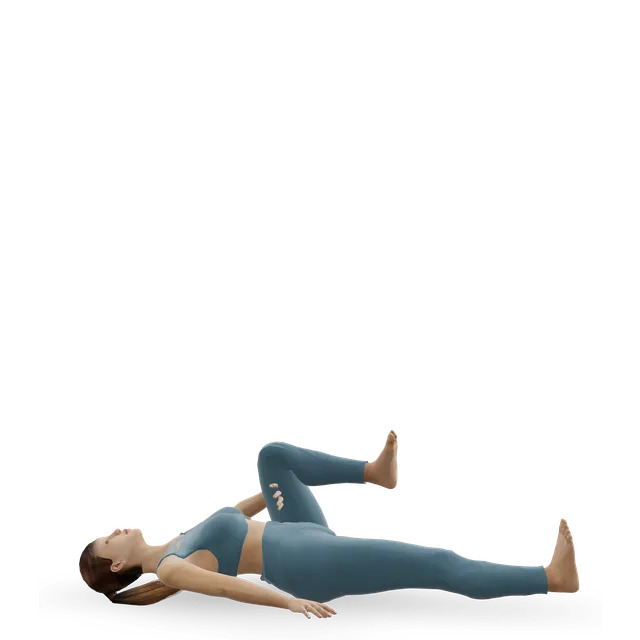 3D demoSingle knee-to-chest stretchBeginner · No equipment
 3D demoSeated marchBeginner · A bench or box
 3D demoTreadmill walkingBeginner · Cardio machine
Start light, twice a week, and add a little when the last reps feel easy, keeping to the pain rule above.
Light pressure for 30 to 60 seconds at first if pressure tends to hurt more than you expect, then move.
The flare-up routine is for bad days; the gentle classes and the starter workout build up activity. None is a release routine, because rolling isn't a treatment for chronic pain on its own.
A 10-minute routine for a pain flare-up: slow breathing, small gentle moves lying and sitting, a short stroll if you can, then rest. Repeat later in the day.
10 minBeginner10 movesA band, A bench or boxA 6-minute breathing routine: slow breathing, crocodile breathing, alternate nostril breathing, box breathing and 4-7-8 breathing.
6 minBeginner5 movesNo equipmentA gentle 30-minute yoga class for fibromyalgia: breathing, seated loosening, standing poses holding a chair, then floor poses and a long rest, with a stop point.
30 minBeginner19 movesNo equipmentA gentle 20-minute Pilates class for fibromyalgia, built on the trial programmes: 8 of each move, a stop point for bad days, and rest to finish.
20 minBeginner13 movesNo equipmentA 25-minute gentle yoga class for complete beginners and over-50s: slow breathing, a warm-up, supported standing poses, floor poses and a closing rest.
25 minBeginner14 movesNo equipmentA 10-minute session for low-energy days: marching, sit-to-stands, wall push-ups, step-ups and bridges, then a short walk. Doing a little counts.
10 minBeginner7 movesA bench or box, A wallA gentle 15-minute Pilates-based routine for ongoing low back pain, built from neutral-spine moves with options for backs that dislike bending or arching.
15 minBeginner10 movesNo equipmentEight weeks of gradual walking towards 150 minutes a week; go at the pace your pain allows.
Fibromyalgia can make a small amount of pressure painful, so start gently.
Keep the pressure light, or ask your doctor first, if you take blood thinners, which make bruising more likely, have very weak bones, or have a nerve condition such as peripheral neuropathy that leaves the skin numb: the NHS lists these among the reasons hands-on treatment such as osteopathy may not be safe. With osteoporosis, ask before sitting your full weight on a hard roller (our suggestion).
Skip massage balls, guns and scraping tools on thin, fragile skin, for example after long-term steroid tablets (our suggestion).
With hypermobility or Ehlers-Danlos syndromes (EDS), go gently, with light pressure and short times, and see our fascia and hypermobility guide (our suggestion).
Never roll a calf that is swollen, red or darkened, or throbbing: call 111, or 999 if you're also short of breath.
In an expert consensus of 37 researchers, open wounds and broken bones were reasons not to roll, and inflammation, a clot, a bone infection or bone forming in a muscle after an injury were at least reasons for caution.
Soreness for a day or two after hands-on work is common: more pain afterwards was reported by 1.5% to 25% of people in the massage trials.
Source 11
A&E means accident and emergency. Don't drive yourself.
Source 16
Source 16
If you are thinking about suicide or can't keep yourself safe, call 999 or go to A&E (accident and emergency). For urgent help, call Samaritans free on 116 123, any time, or in England call 111 and select the mental health option. In the US, call or text 988.
Low mood, anxiety or poor sleep are getting on top of you: talking therapies such as CBT (cognitive behavioural therapy) and ACT (acceptance and commitment therapy) can help, and your GP can advise on treatment.
Pain above about 5 out of 10, or not settled by the next morning: do less next time.
UK advertising rules say claims to treat conditions that need medical supervision could discourage people from getting essential treatment. Don't stop a prescribed medicine without talking to your doctor, and don't put off seeing a GP.
Ask a GP for advice about symptoms that don't go away or keep coming back, and don't just talk to a therapist (our suggestion, adapted from the NHS page on complementary therapies).
Fascia can hurt when irritated, and the lower back's fascia is thicker and stiffer in back pain, but those studies measured people once and can't show cause. Feeling tight doesn't match measured stiffness, and long-term pain is shaped by the nervous system.
Fascia is richly supplied with nerves, and the 250 million nerve endings often quoted is an estimate. Nothing shows fascia is the source of most chronic pain.
Myofascial release has small, short-term effects in back pain, too small to notice in the better trials, and against a sham the 0 to 10 pain scores didn't differ.
A hypothesis put forward without new data. The NHS describes changed pain processing in the nervous system.
The myth is wrong: pain can arise without tissue damage, the NHS says becoming more active gradually is unlikely to cause harm, and NICE recommends exercise.
The myth is wrong: pain is defined as a sensory and emotional experience, and nociplastic pain is a recognised kind. The pain is real; what keeps it going is often how the nervous system processes signals.
Source 5
Rolling gives short-term pain relief, and reviews found no long-term effect on pain.
Source 12
Yes, it can hurt: it has pain-sensing nerve endings, and salt water injected into the lower back's fascia hurt for longer than the same injection into muscle. That doesn't show fascia causes most long-term pain; studies of people with back pain can't tell which came first.
Nobody can tell it from muscle pain by feel. In an injection study, fascia pain was burning, throbbing and stinging and spread further than muscle pain, but everyday aches and stiffness come from many tissues.
We found no study showing it. Sciatica usually starts in the back, as our sciatica guide explains, and back pain with numbness or weakness in both legs, or bladder or bowel changes, needs the warning signs on this page.
Long-term pain often involves the nervous system turning up its own sensitivity, which pain scientists call nociplastic pain or central sensitisation. The pain is real, and it can be eased.
A little, for a while. In back pain, pooled trials found a small effect; in the better-quality trials the effects were too small for people to notice, and against a sham the 0 to 10 pain scores didn't differ.
It can ease pain for a short time. Reviews found no long-term effect on pain, so use it, if you like it, as a way into movement.
No study shows it. The fascia idea is a hypothesis without new data, and the NHS describes changes in how the nervous system processes pain. Our fascia and fibromyalgia guide covers it.
Pain all over with tiredness, poor sleep and problems concentrating can be fibromyalgia, and new widespread pain with a fever, weight loss or swollen joints needs a GP. See a GP rather than chasing tight spots.
Soreness for a day or two is common after hands-on work, and up to 1 in 4 people in massage trials reported more pain. Light pressure and short sessions suit sensitised pain.
NICE recommends a supervised group exercise programme and staying active, with talking therapies such as ACT or CBT, and possibly a single course of acupuncture. Our exercise for chronic pain guide shows how to start low and pace.
Yes, built up gradually: the NHS says becoming more active gradually is unlikely to cause harm. Some pain during exercise is usually fine if it settles by the next morning.
For new pain, pain that changes, pain worse at night, weight loss you can't explain, a fever, or numbness, tingling or weakness. Call 999 for back pain with numbness around the genitals or bottom, or chest pain that spreads to your arms, neck or jaw.
Movement education, not medical advice. Stop for sharp or increasing pain, numbness or tingling, and get individual advice if you are pregnant, after an injury or surgery, or managing a health condition. Health disclaimer.