Fascia release for sciatica: what rolling, massage and nerve glides can and can't do for an irritated nerve, and when leg pain needs checking
Sciatica is pain from an irritated sciatic nerve, usually starting in the lower back, most often from a slipped disc. Fascia release, whether a foam roller, a massage ball, a massage gun or a therapist's hands, can make the buttock and the back of the thigh feel easier for a while, mostly through the nervous system. It can't reach a disc or free a nerve, and we found no trial of it for sciatica.
The honest headline: staying active comes first, hands-on treatment belongs alongside exercise, and gentle nerve glides are promising but not proven. If you have leg pain with numbness around your genitals or bottom, or new trouble peeing or pooing, go straight to the warning signs.
This guide covers the fascia around the nerve, where not to press, a gentle routine that lets your leg decide, what the trials found, and the leg symptoms that need help today.
The NHS says sciatica happens when the sciatic nerve is irritated or compressed. It names a slipped disc as the most common cause, then narrowing of the spine, a slipped vertebra and back injuries. Tight fascia isn't on the list.
Dense fascia would need forces far outside the normal range to change shape, and rolling and massage work mainly through the nervous system. We found no trial of foam rolling, a massage ball, a massage gun or self-myofascial release for sciatica.
The National Institute for Health and Care Excellence (NICE) says to consider manual therapy, including massage, for sciatica only as part of a treatment package that includes exercise. No physiotherapy treatment for sciatica has strong trial support.
Across 20 small trials (877 people), nerve glides eased leg and back pain by a large average amount, but the trials varied widely and confidence in the results is very low. A gentle pull is fine; pain is not.
Piriformis syndrome is described by four features whose accuracy is unknown. For deep buttock pain, no treatment without surgery has been shown better than another, so the usual sciatica care comes first.
A sciatic nerve injury followed ball self-massage in the middle of the buttock in one case report. Keep pressure on the outer, upper buttock, and stop if pain or tingling spreads down the leg.
Sciatica, the nerve's sleeve, and what release changes
What sciatica is
Pain from the sciatic nerve, usually in the bottom and the back of one leg, often into the foot, which may burn or come with pins and needles, numbness or weakness. Back pain may be there too, but it's usually milder than the leg pain. The NHS says it usually gets better in a few weeks to a few months, and that even if moving hurts, it's not harmful.
The sciatic nerve runs inside a thin, layered sleeve of connective tissue (the paraneural sheath), seen on ultrasound and in dissection. In cadavers, fluid injected inside it spread about 10 cm along the nerve. This sleeve lets the nerve slide as the hip, knee, ankle and neck move: on ultrasound in healthy people, different glide exercises moved the nerve by very different amounts.
So fascia around the nerve is real anatomy. What hasn't been shown is that it tightens and traps the nerve in ordinary sciatica, or that pressing on the buttock changes it.
Less often, the nerve is irritated in the buttock rather than the back (deep gluteal syndrome, which includes piriformis syndrome). In people whose deep buttock pain didn't settle with other care, surgeons found the nerve hemmed in by the piriformis muscle, bands of fibrous tissue and blood vessels, or scar. Keyhole release helped 70% to 100% in 7 mostly retrospective studies of 312 people, none with a comparison group. Those bands are cut with instruments; a roller or ball can't release them.
In a modelling study, dense fascia would need forces far outside the normal range to compress or shear by 1%. Reviewers call "self-myofascial release" a misleading name: the effects run through receptors in the skin and fascia, the body's own pain control and muscle tone. A living review of 62 reviews found moderate-quality support for changes in nerves, blood flow and pain chemistry with hands-on therapy, and critically low-quality support for changes in the tissue itself.
For sciatica, that means rolling the buttock or hamstrings may make the area feel easier for a while. It can't move a disc or open the space where a nerve root leaves the spine.
A slider moves the nerve along its path by giving it slack at one end as you take it up at the other, for example straightening the knee while looking up. In a cadaver study of arm nerves, sliding exercises moved the nerve about twice as far as tensioning ones (12.6 mm against 6.1 mm at the wrist) with about one-eighth of the strain. In the leg, ultrasound studies show the same kind of differences between glides. Whether that movement is what eases symptoms is unknown.
We found no trial of any of them for sciatica. Elsewhere, one session of rolling gives a short-term gain in range about the same as stretching (26 trials), and for muscle and joint pain the six available trials couldn't be pooled and didn't settle whether rolling helps.
NICE: "Consider manual therapy (spinal manipulation, mobilisation or soft tissue techniques such as massage) for managing low back pain with or without sciatica, but only as part of a treatment package that includes exercise." The NHS lists physiotherapy, including exercise advice and massage, among the treatments. A 2026 analysis of treatments for long-term back pain found most of the evidence was for back pain without leg symptoms, and little for pain that spreads down the leg.
No treatment without surgery has strong supportStrong evidence
Across 18 physiotherapy trials (2,699 people), all at high or unclear risk of bias, the reviewers found inadequate evidence to make recommendations. Two 2025 network meta-analyses, of 40 trials (5,381 people) with recent sciatica and 50 trials (4,920 people) with long-term sciatica, rated every option without surgery as very low confidence. That is why staying active comes first.
Nerve glides: promising, not provenEmerging evidence
In 20 trials (877 people) with leg pain from the lower back, nerve glides reduced pain and disability by a large amount on average, more in long-standing cases, but the trials varied widely and positive results may have been more likely to be published. An earlier review of 40 trials found a benefit for back and neck pain. In long-term sciatica, exercise plus nerve glides was among the biggest short-term reductions in leg pain, at very low confidence. Our sciatica guide grades them the same way.
A review of 13 studies (508 patients, mostly injections and surgical series) found low-quality evidence and no treatment without surgery better than another, and advised following back pain and sciatica guidance, mainly physiotherapy, first. Keyhole surgery is for people whose pain persists despite that care.
Pressure on the nerve can harm itEmerging evidence
A 50-year-old woman had a sciatic nerve injury, with the nerve swollen deep in the buttock on a scan, after self-massage with a massage ball there. She already had leg pain, and a single case shows that this can happen, not how often.
No trial has tested fascia release, rolling or self-massage for sciatica, and the nerve glide trials are small, varied and mostly not blinded. We read the studies' summaries (abstracts), not their full texts.
Gentle release for sciatica: let your leg decide
The glide doses are the move pages', from NHS physiotherapy services (Bexley MSK and South Tees Hospitals), which advise doing them 2 to 3 times a day and keeping them only if they help after about two weeks. The rolling dose is the glute rolling move page's, from a review of rolling studies (Hughes & Ramer 2019). The walking time is our sciatica guide's editorial starting point. No trial has tested this sequence.
Check first: numbness around your genitals or bottom, new trouble peeing or pooing, sciatica in both legs, or leg weakness that is getting worse needs urgent help, not release. See the warning signs below.
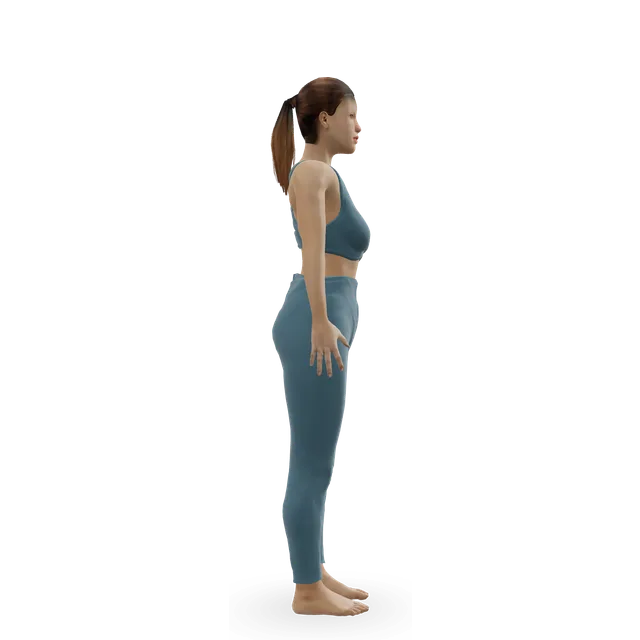
Walk for 5 to 15 minutes, several times a day. Moving is what the NHS recommends first.
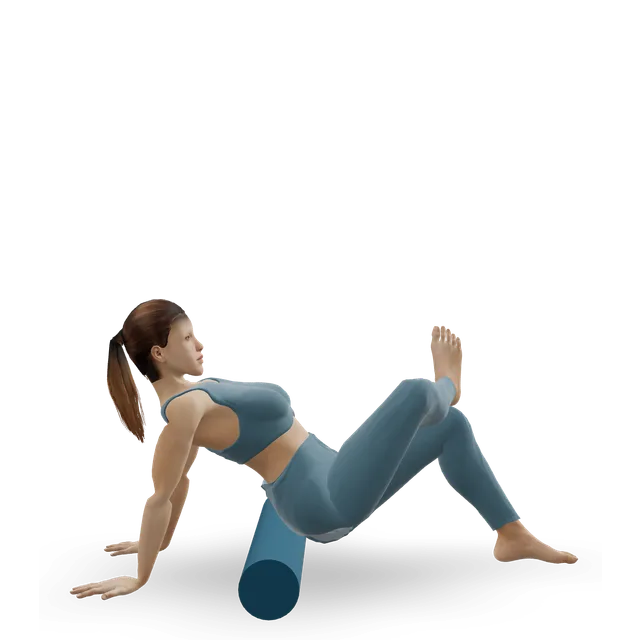
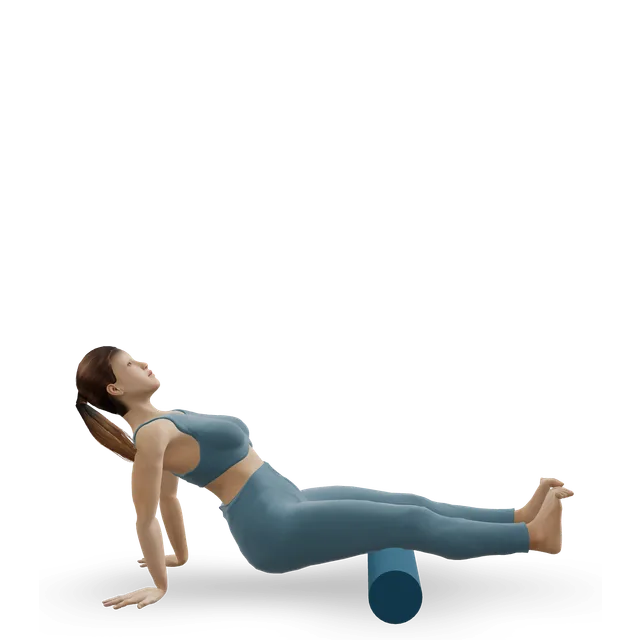
Optional, only if it doesn't send pain down your leg: sit on a foam roller, cross one ankle over the other knee and lean onto the outer, upper part of that buttock. Roll slowly for about 90 seconds a side, for example 2 or 3 rounds of 30 to 45 seconds. Keep a ball out of the middle of the buttock.
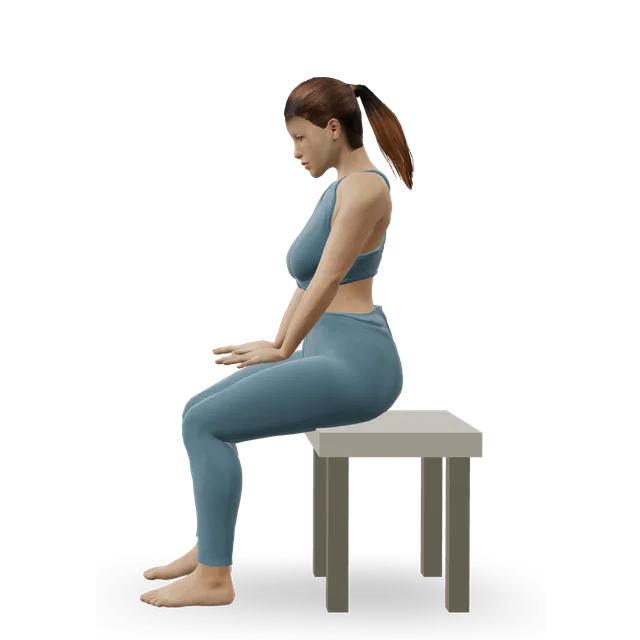
Seated nerve glide: sit tall, straighten one knee and point your toes while you look up, then bend the knee as your chin drops. Move slowly, stop at the first pull, and do 10 slow repetitions.
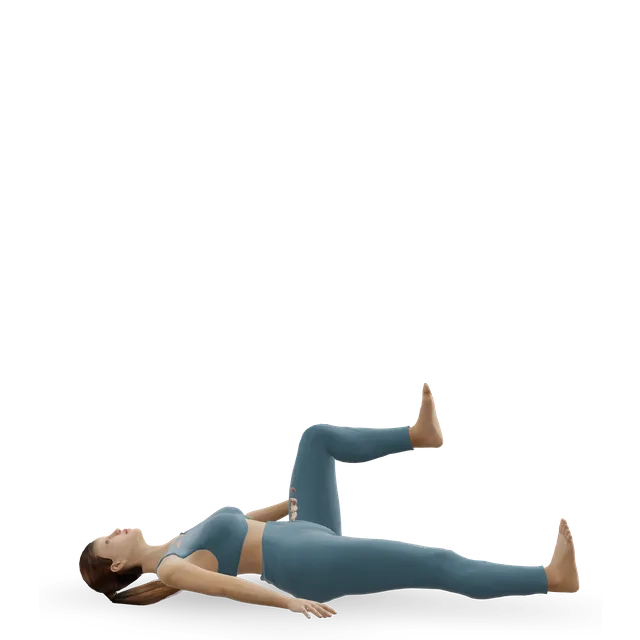
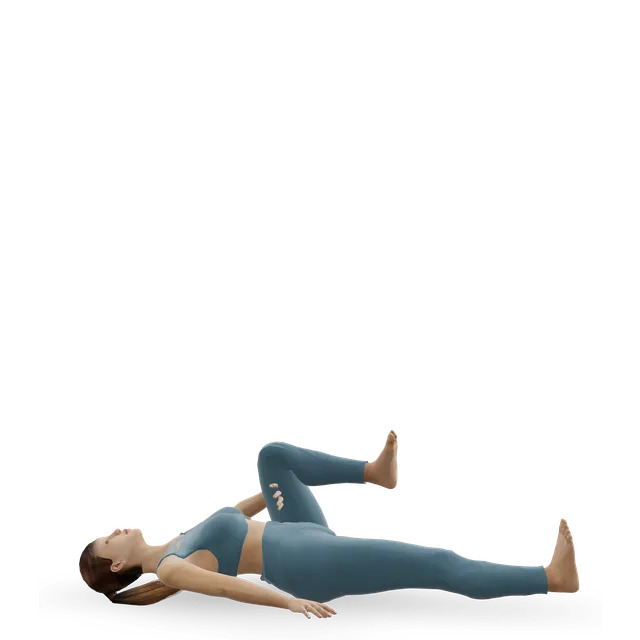
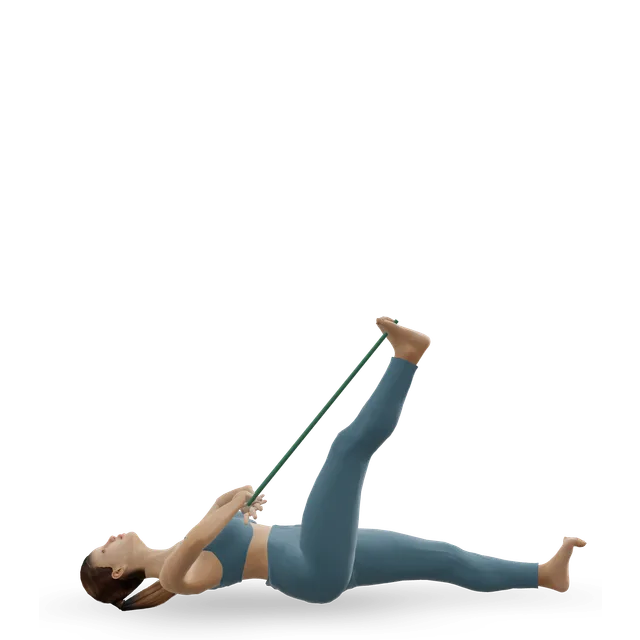
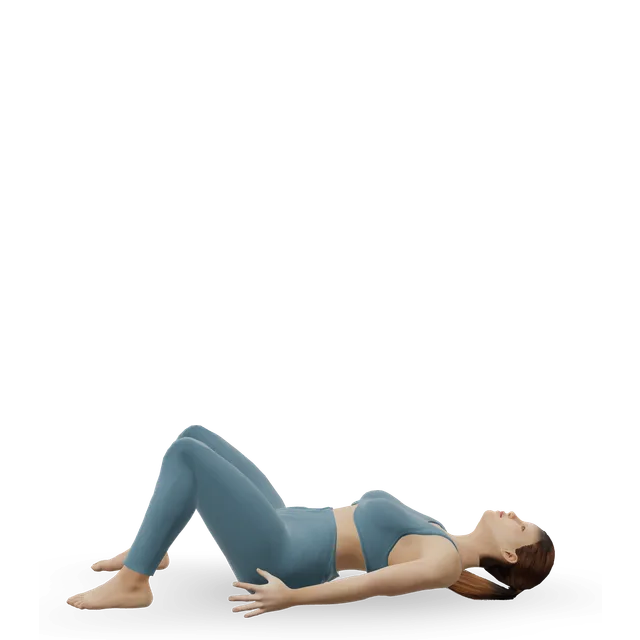
If sitting is uncomfortable, use the lying glide instead: hold behind one thigh and gently straighten and bend the knee, 10 times, pausing for 1 second.
A pull is fine; pain isn't. Don't hold the end position, and make the movement smaller if pain spreads further down the leg or numbness comes on.
Keep only what eases your leg, then move on to the trunk and hip strength work in our sciatica guide.
Loading the 3D figure…
Drag to turn
Gets into position, then repeats the movement. Technical checks passed; qualified exercise review is pending.
A slider moves the nerve without pulling it tight at both ends, so it should feel like an easy, rhythmic movement. Tensioning versions, which pull at both ends at once, strain the nerve more, so they aren't a place to start.
A pull in the leg is fine; pain is not. One NHS service puts it plainly: you should not feel pain at any point. Move slowly, don't hold the end position, and make the movement smaller if pain spreads further down the leg or numbness comes on.
The seated glide (straighten the knee as you look up, bend it as you look down) suits most people. The lying glide, holding behind one thigh, can be done in bed. One NHS service suggests about 10 repetitions, 2 to 3 times a day, with a 1-second pause.
The trials are promising but uneven, so our sciatica guide's advice is a fair test: do the glides gently for two weeks, keep them if your leg feels easier, and drop them if it doesn't.
Each dose names its source or is our editorial starting point. Doses are starting points, not prescriptions.
Keep moving
Carry on with your normal activities as much as you can and avoid long spells of sitting or lying, as the NHS advises. Short walks of 5 to 15 minutes, several times a day, are our sciatica guide's editorial starting point. NICE suggests considering a group exercise programme.
The seated glide: 10 slow repetitions, 2 to 3 times a day. The lying glide: 10 repetitions with a 1-second pause, 2 to 3 times a day. Both are their move pages' doses, from an NHS service.
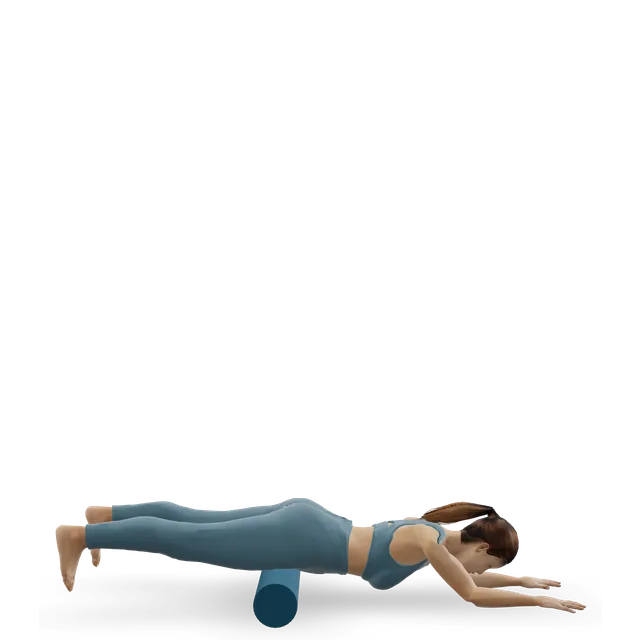
About 90 seconds a side on the outer, upper buttock, the glute rolling move page's dose, at a pressure you can breathe through: harder rolling added nothing in a thigh trial. Skip it, and skip rolling the back of the thigh, if either brings on leg symptoms.
Use them only if they ease your leg. A single knee to the chest: hold 20 to 30 seconds, 2 to 4 times each side, the move page's dose, which it calls our editorial starting point. The reclined figure-four: 2 or 3 holds of 30 seconds each side, our sciatica guide's editorial starting point.
Strength
Trunk and hip strength, such as bird dogs, bridges and sit to stands, is the next stage in our sciatica guide. Two or three sessions a week, building slowly while leg symptoms stay settled, is our editorial starting point.
Glide
Slow, gentle glides: 10 repetitions, 2 to 3 times a day, and a pull is fine but pain is not.
The yoga routine lets your leg decide and includes the lying glide; use the toe-touch routine, with its seated glide, only once leg symptoms have settled, and keep the hip routine's roller off the middle of the buttock.
In an expert consensus of 37 researchers, open wounds and broken bones were reasons not to roll, and inflammation, a clot, a bone infection or bone forming in a muscle after an injury were at least reasons for caution.
Keep the pressure light, or ask your doctor first, if you take blood thinners, which make bruising more likely, have very weak bones, or have a nerve condition such as peripheral neuropathy that leaves the skin numb: the NHS lists these among the reasons hands-on treatment such as osteopathy may not be safe. With osteoporosis, ask before sitting your full weight on a hard roller (our suggestion).
In later pregnancy, avoid lying flat on your back for more than a few minutes, so do the glides sitting. Clots are more likely in pregnancy and for 6 weeks after giving birth, so never roll or massage a swollen or painful leg.
Rolling that eases the buttock for a while doesn't treat the cause. Leg weakness, numbness that is spreading, or pain that keeps getting worse needs assessing, not more pressure.
Call 999 or go to A&E: loss of feeling or numbness around the genitals or bottom, new trouble peeing or controlling your bladder or bowels, changes in genital sensation during sex or problems with erections or orgasm, or pain, tingling, weakness or numbness in both legs. These are signs of cauda equina syndrome, which needs treating in hospital urgently. Don't drive yourself.
Call 999 or go to A&E: leg pain with numbness around the genitals or bottom, new trouble starting or controlling peeing, not knowing when you need to poo or losing control of it, sciatica in both legs, or weakness or numbness in both legs that is severe or getting worse. These can be signs of cauda equina syndrome, which needs treating in hospital as soon as possible.
Same day: leg weakness that is getting worse; new leg pain with a history of cancer, HIV, TB or inflammatory arthritis; or leg pain with a fever, feeling unwell, loss of appetite, unexplained weight loss or night sweats.
Same day (urgent GP appointment or NHS 111): new difficulty lifting the front of your foot or toes (foot drop), or a foot that slaps down or catches as you walk, especially if it is getting worse. Weakness in both legs, or with numbness around the genitals or bottom or bladder or bowel changes, is the 999 emergency above.
Throbbing pain in one leg (rarely both), usually the calf or thigh; swelling in one leg (rarely both); red, blue or darkened skin around the painful area, which may be harder to see on brown or black skin; or swollen veins. This can be a deep vein thrombosis (DVT). It is more likely after surgery, a hospital stay, 3 or more days in bed, a journey of over 4 hours, pregnancy or a recent birth, cancer, a previous clot, or contraception or hormone replacement therapy (HRT) containing oestrogen.
"Fascia release frees a trapped sciatic nerve"Mixed evidence
Sciatica usually starts in the back, most often from a disc. Dense fascia doesn't change shape at the forces hands or rollers apply, and the effect of release runs through the nervous system. When the nerve really is trapped in the buttock, surgeons cut the bands with instruments. We found no trial of fascia release for sciatica.
"Tight fascia is the hidden cause when scans show nothing"Mixed evidence
NICE says not to routinely offer scans for low back pain or sciatica outside specialist care, so a missing or clear scan isn't a sign of hidden fascia. Piriformis and deep buttock problems are real, but how accurate their tests are, and how common they are, is unknown.
"Nerve flossing pulls the nerve free, so stretch it hard"Mixed evidence
Sliders move a nerve with little strain, and harder tensioning versions strain it more. NHS services say a glide should never hurt. The trials are promising but uneven, and no study shows a nerve being "freed".
"A ball deep in the buttock releases the piriformis and cures sciatica"Mixed evidence
We found no trial. For deep buttock pain no treatment without surgery beats another, and a sciatic nerve injury followed ball self-massage there in a case report.
We found no trial of massage guns for sciatica, and our massage gun guide found none either. Like rolling, a gun works on how an area feels for a while; NICE keeps hands-on treatment to a package with exercise.
Not in the usual way. The NHS lists a slipped disc as the most common cause, then a narrowed spine, a slipped vertebra or a back injury. In some people with deep buttock pain that won't settle, surgeons find fibrous bands or scar around the nerve, but those are cut in an operation, not released by rolling.
Does myofascial release help sciatica?
We found no trial of myofascial release or foam rolling for sciatica. NICE recommends hands-on treatment such as massage only as part of a package that includes exercise, so it can be a comfortable extra, not the treatment.
Is foam rolling good for sciatica?
It may make the buttock or hamstrings feel easier for a few minutes, but it can't reach a disc or a nerve root. Keep a roller or ball on the outer, upper buttock, and stop if pain or tingling spreads down the leg.
What is nerve flossing for sciatica, and does it work?
Nerve flossing, or a slider, moves the sciatic nerve gently along its path, for example straightening the knee while looking up. Pooled trials show large average benefits, but they are small and uneven, so try the glides gently for two weeks. A pull is fine; pain is not.
Can a massage gun help sciatica?
We found no trial. A gun on a sore buttock can feel good for a while, but keep it off the middle of the buttock and the back of the knee, and stop if your leg symptoms spread.
Is it piriformis syndrome or sciatica?
You often can't tell on your own. Piriformis syndrome is described by buttock pain that's worse when sitting and tenderness near the back of the pelvis, but how accurate the tests are is unknown, and guidance is to start with the usual sciatica care.
Where shouldn't I press if I have sciatica?
Deep in the middle of the buttock, where the sciatic nerve runs, and anywhere that sends pain, tingling or numbness down the leg. A nerve injury followed ball self-massage there in one case report.
Should I rest my sciatica?
No. The NHS says to keep up your normal activities and not to sit or lie down for long periods, because moving isn't harmful even when it hurts. Short walks spread through the day are a good start.
How long does sciatica take to get better?
Usually a few weeks to a few months, and it can come back. See a GP if it hasn't improved after a few weeks, is getting worse, or stops you doing your normal activities.
When is sciatica an emergency?
Call 999 or go to A&E for sciatica in both legs, numbness around your genitals or bottom, new trouble peeing or pooing, or weakness or numbness in both legs that is severe or getting worse. These can be signs of cauda equina syndrome.
Movement education, not medical advice. Stop for sharp or increasing pain, numbness or tingling, and get individual advice if you are pregnant, after an injury or surgery, or managing a health condition. Health disclaimer.