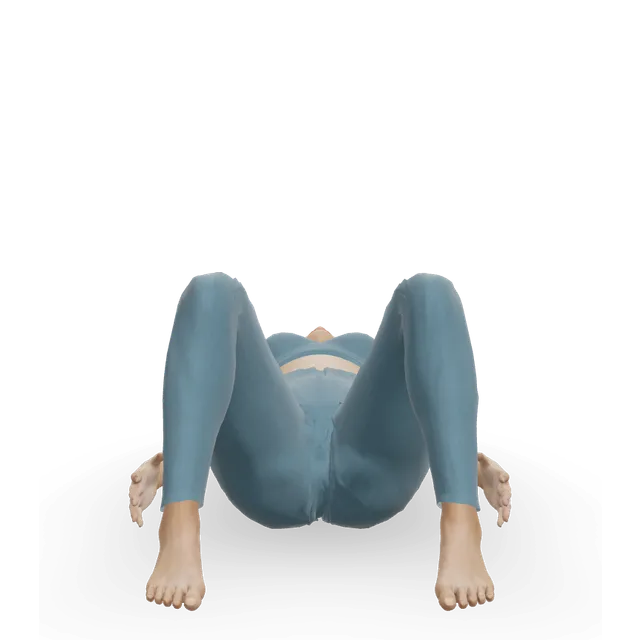
Pilates guide

Is Pilates strength training? What it builds, and how to make it harder

Yes: the NHS counts Pilates as a muscle-strengthening activity for its twice-a-week guideline. In trials, Pilates built strength compared with doing nothing, though reviews in older adults disagree on how clearly, and it built trunk endurance well; for strength, it did about as well as other exercise.

On its own it adds little muscle, most likely because most Pilates doesn't keep adding load as you get stronger, and we found no trial comparing it with weight training for muscle size.

This guide covers what counts as strength training, what the studies found on the mat and the reformer, how Pilates compares with weights, how to make it harder with levers, springs, bands, rings and weights, and how to combine it with lifting. Our 30-minute Pilates strength class uses dumbbells or a band.

The short version

Yes, it counts

The NHS lists Pilates among muscle-strengthening activities, done "to the point where you need a short rest before repeating the activity" on at least 2 days a week. The UK Chief Medical Officers add that any strengthening activity is better than none.

Sources 1, 2

It builds strength, especially at first

In older adults, one review of 39 studies found a moderate gain in strength against no exercise, though a newer review of 24 trials found no clear gain. Its clearest effect is on trunk muscle endurance.

Sources 3, 4, 5, 6

About as good as other exercise for strength

In people who weren't training before, Pilates built strength about as well as other exercise, strength training included, at low or very low certainty.

Sources 7, 4

Little muscle on its own

Lean mass didn't change in pooled trials. On scans, 36 weeks of Pilates grew the tummy muscles but not the glutes, in 9 women with no comparison group, and we found no trial comparing Pilates with weights for muscle size.

Sources 8, 9, 10, 11, 12

Add load to keep progressing

Most mat Pilates adds little load as you get stronger, so gains tend to level off, an exercise scientist says; heavier springs, bands or weights let you keep adding load. For more strength and muscle, do Pilates and weights.

Sources 13, 14

Does Pilates count as strength training?

What the NHS counts

Adults should do strengthening activities that work all the major muscle groups (legs, hips, back, abdomen, chest, shoulders and arms) on at least 2 days a week, as well as at least 150 minutes of moderate activity a week, and the NHS lists Pilates among these activities, along with yoga, tai chi, lifting weights and working with resistance bands. Adults over 65 should do activities that improve strength, balance and flexibility on at least 2 days a week. The NHS describes Pilates as "a form of exercise that focuses on balance, posture, strength and flexibility".

Sources 1, 15, 16

What the wider guidelines say

The UK Chief Medical Officers: "Muscle strengthening activities should be done on at least 2 days a week, but any strengthening activity is better than none." The World Health Organization recommends muscle-strengthening at moderate or greater intensity, working all the major muscle groups, on 2 or more days a week, and for older adults, balance and strength training on 3 or more days.

Sources 2, 17

What strength training means in research

Usually, resistance training against a load you can keep increasing. In the 2026 American College of Sports Medicine (ACSM) position stand, built on 137 reviews, strength improved more with heavier loads (80% or more of the most you can lift once), 2 to 3 sets and at least 2 sessions a week, and muscle grew more with 10 or more sets a week; training to failure didn't consistently change the results. The National Strength and Conditioning Association calls resistance training "a powerful intervention" against the loss of muscle strength and mass in older adults.

Sources 14, 18

Where the load comes from in Pilates

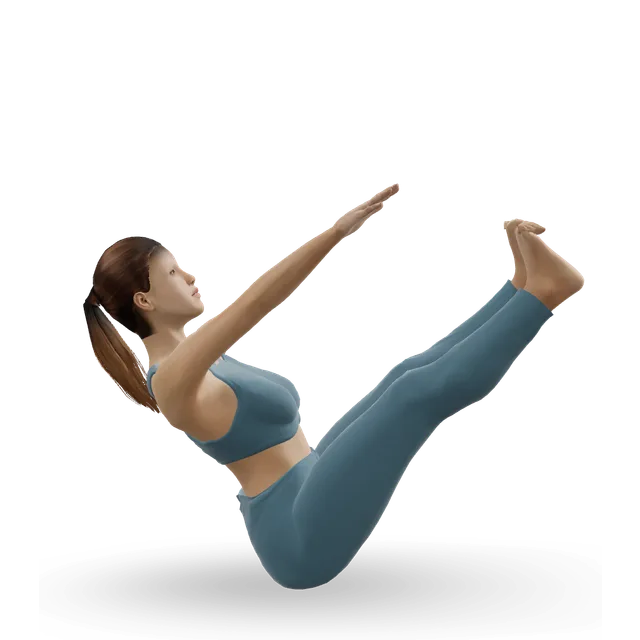
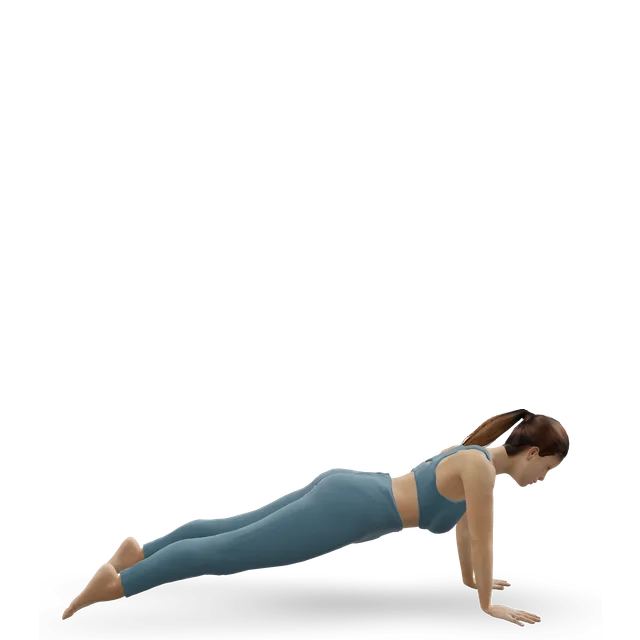
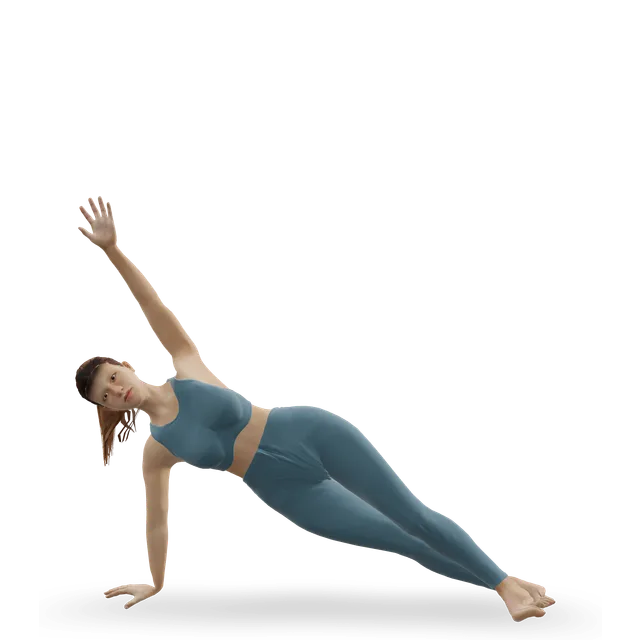
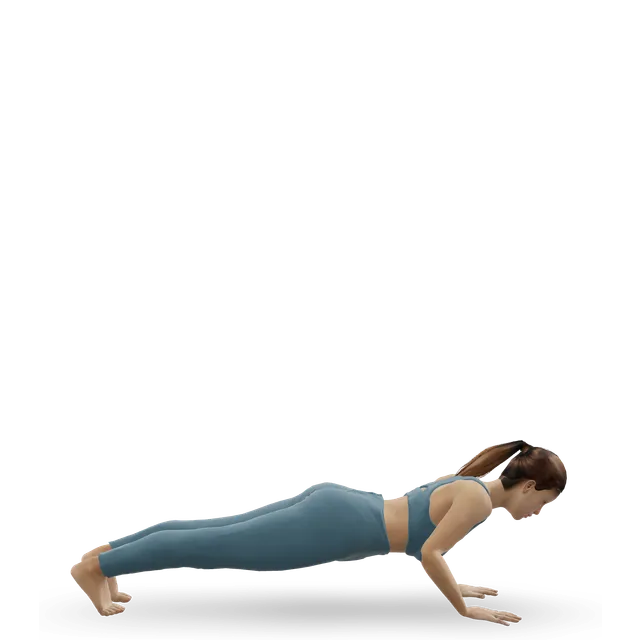
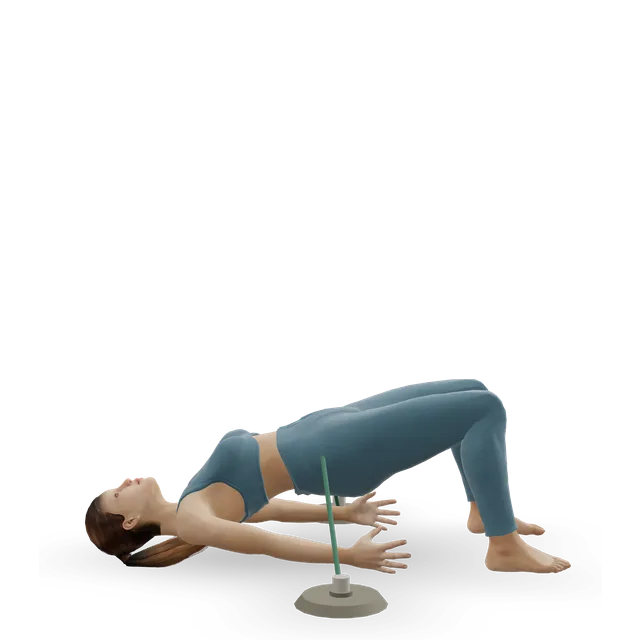
On the mat, it comes from your body weight and the length of your levers: planks, push-ups, leg pulls and the side bend load your arms, the hundred, roll-up and teaser your trunk, and the side kick series and shoulder bridge your legs and hips. On the reformer and other equipment, springs add resistance you can adjust, though a spring's setting doesn't tell you the force: in one study, working it out from the springs was imprecise, and in another, people used different muscle strategies for the same leg push. A lighter spring can make some core moves harder, because the carriage is less stable.

Sources 19, 20, 21, 22, 23, 24

What the evidence says

Stronger than doing nothing, though reviews in older adults disagreeMixed evidence

A 2021 review of 39 studies in older adults found a moderate gain in strength against no exercise (moderate certainty), and a review of 9 mat Pilates trials a large one. A 2024 review of 24 trials (1,190 older adults) found no clear gain against no exercise (low certainty), and concluded that it isn't feasible to recommend Pilates to improve strength in older adults.

Sources 3, 25, 4

About as good as other exercise, strength training includedEmerging evidence

A 2022 review of 11 studies found Pilates built strength no better or worse than other exercise, with strength training among the comparisons, at very low to low certainty. In older adults, Pilates and other exercise didn't differ (moderate certainty).

Sources 7, 4

Trunk endurance improvesEmerging evidence

In healthy adults, 2 or 3 sessions a week for 5 to 12 weeks added about 10 curl-ups in a 1-minute test, compared with no exercise, and an earlier review found moderate evidence that Pilates improves muscle endurance.

Sources 5, 6, 26

Little or no extra muscleMixed evidence

Pooled trials found no clear change in lean mass: 0.46 kg on average in adult women (anywhere from 2.35 kg less to 3.27 kg more), and no change in adults with overweight or obesity; mat Pilates was no better than other exercise or none in 10 studies, and a review in healthy people found the effect uncertain. Many studies measured muscle with bioimpedance scales, which read more lean mass than a dual-energy X-ray absorptiometry (DXA) scan after Pilates training, so small gains reported that way are unreliable.

Sources 8, 27, 9, 28, 29

On scans: the tummy muscles grew, the hip muscles didn'tMixed evidence

Nine inactive women did 36 weeks of supervised Pilates twice a week. On magnetic resonance imaging (MRI) scans, the six-pack muscle grew 21%, while the glutes and deep hip muscles didn't change significantly (12 women started, 9 were scanned, and there was no comparison group). These two reports are the only studies of muscle volume after Pilates that we found.

Sources 10, 11, 30

Against strength-type trainingMixed evidence

In a trial in 60 older women (49 finished), Pilates and a resistance programme, each twice a week for 18 weeks, didn't differ in machine-measured strength or balance: Pilates beat no exercise for hip extension strength, and the resistance group improved on every machine-measured hip test. Balance and core resistance training on a feedback device beat Pilates for balance, trunk strength and leg power in 34 older women, and in inactive women, a low-load, high-repetition group class improved fitness, leg power, grip and body composition, while Pilates improved only flexibility. We found no trial against progressive weight training for muscle size.

Sources 31, 32, 33, 12

Heavier loads build more strength; light loads build muscle if sets are hardStrong evidence

Across 21 studies, heavier loads built more maximum strength than light ones, while muscle growth was similar when every set was taken to failure; across 28 studies with 747 adults, muscle growth didn't differ by load.

Sources 34, 35, 14

Mat, apparatus or reformer: small trialsMixed evidence

Mat and apparatus Pilates gave similar gains in older women and in adult women; in women after the menopause, grip strength rose only with apparatus Pilates. Reformer Pilates raised lower-back and shoulder-blade strength in a small pilot study, and grip strength in 47 women with overweight. In another trial, in adults with overweight or obesity, knee strength didn't change with Pilates or with aerobic training.

Sources 36, 37, 38, 39, 40, 41

Tendons respond to how heavy the load isEmerging evidence

A Pilates teacher quoted by National Geographic said Pilates strengthens tendons more effectively than weightlifting, but a review of 27 studies found that tendons adapt to loading and that how heavy the load is plays a key role. We found no study supporting the claim.

Sources 42, 13, 43

Pilates or weights?

No head-to-head trial for muscle

We found no trial comparing Pilates with progressive weight training for muscle size. For strength in people who weren't training, Pilates did about as well as other exercise.

Sources 12, 7

Why Pilates alone levels off

An exercise scientist quoted by National Geographic says a sedentary beginner would see some early muscle development that then plateaus, because most Pilates lacks progressive overload, while the reformer "can offer more of a strength-training effect". That's expert opinion, not a trial.

Source 13

For your bonesStrong evidence

The UK consensus on exercise for osteoporosis recommends resistance and impact exercise for bone strength, and activities such as Pilates for strength and balance at least twice a week, without repeated or end-range rounding of the spine. Pilates helps strength and balance, but it isn't a substitute for resistance and impact training for bone.

Source 44

Doing both

Our suggestion: keep Pilates for control, trunk strength and flexibility, and add load you can keep increasing, with weights, bands or heavier springs, if you want more strength or muscle.

Source 14

How to make Pilates harder

Change the lever and the support

Straighter, lower legs and arms overhead make moves harder; so do fewer points of support, going from knees to toes or from two legs to one, and slower lowering. Then work up through harder moves: the chest lift, then the hundred, then the roll-up and the teaser.

Source 19

Add reps until the last few are hard

Work each muscle group until you need a short rest, as the NHS puts it: light loads build muscle only when the last few repetitions of a set are hard.

Sources 1, 34

Springs, bands, a ring and weights

Use heavier springs on the reformer for most leg and arm work, though lighter springs can make some core moves harder; a ring adds gentle resistance; bands build strength about as well as weights; dumbbells and ankle weights add load. In the trials, one programme changed the springs every 15 days as people got stronger, keeping the effort difficult (8 to 9 out of 10), and another added elastic bands and made them heavier over 18 weeks.

Sources 20, 24, 45, 46, 31

Add what mat Pilates lacks

The classical mat exercises include no pulling moves and little heavy leg work, so add band rows and loaded squats or lunges, or a weights session.

Sources 19, 14

Trunk, from easier to harder

Move up a step when you can do the current one smoothly. With osteoporosis, swap the roll-up and teaser for head-down moves such as the dead bug.

Weight on your hands

Use fists or your forearms if your wrists hurt, and skip leg pulls with shoulder pain.

Push and pull

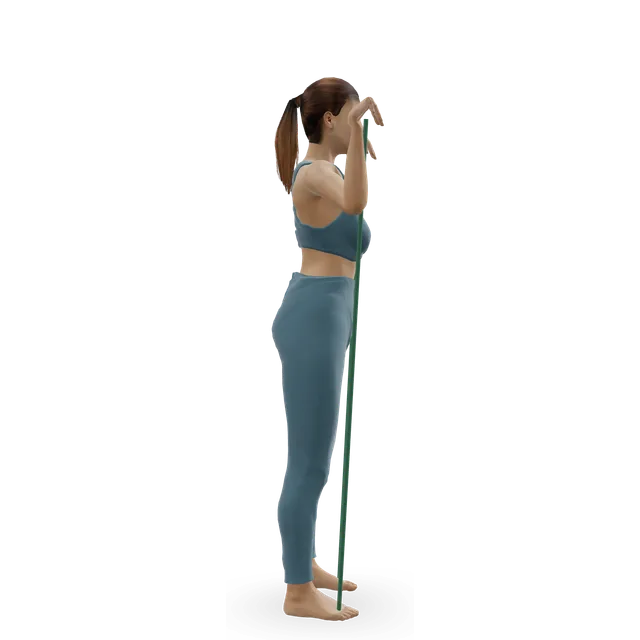
Band rows add the pulling that mat Pilates lacks: 3 sets of 10 to 15, stopping 2 to 3 reps short of failure, with 60 to 90 seconds' rest, is the move page's dose, an editorial starting point. For push-ups, our editorial starting point is 2 to 3 sets, stopping 2 to 3 reps short of failure.

Legs and hips

Our editorial starting point for the loaded moves: 2 to 3 sets of 8 to 12, stopping with 2 or 3 reps in reserve.

With a ring or light weights

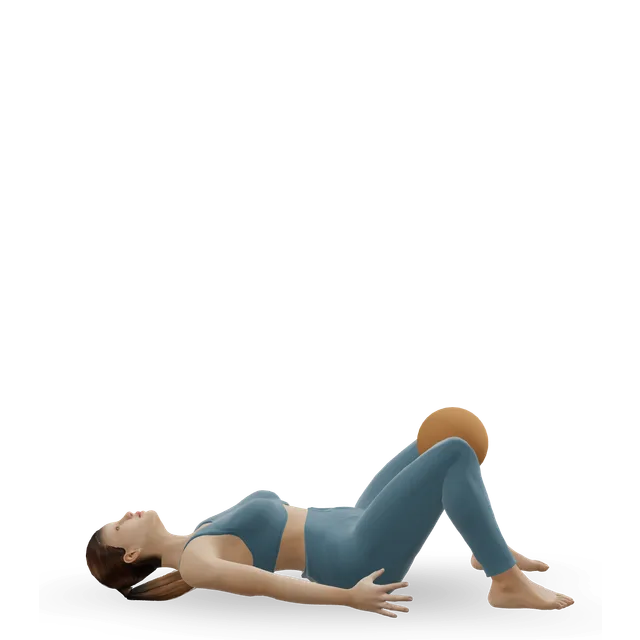
A cushion works instead of a ring. Leave overhead work out with shoulder pain.

Combining Pilates with weights

A simple week

Our suggestion: 2 Pilates sessions and 1 or 2 resistance sessions a week, or the Pilates strength class twice a week, with at least 150 minutes of moderate activity on top.

Sources 1, 14

Which comes first?

If strength is your main goal, lift first: in the ACSM overview, strength improved more when resistance exercise came at the start of a session. Otherwise, choose the order you prefer.

Source 14

Older adults

Aim for strength and balance on at least 2 days a week. In one review, Pilates reduced the risk of falls compared with no exercise.

Sources 15, 3

Workouts to follow

Start with the 30-minute Pilates strength class twice a week. The other Pilates classes use your body weight, light weights, a ring or a band; the band workout and the plans below add load you can keep increasing.

Pilates strength workout: a 30-minute class with weights or a band

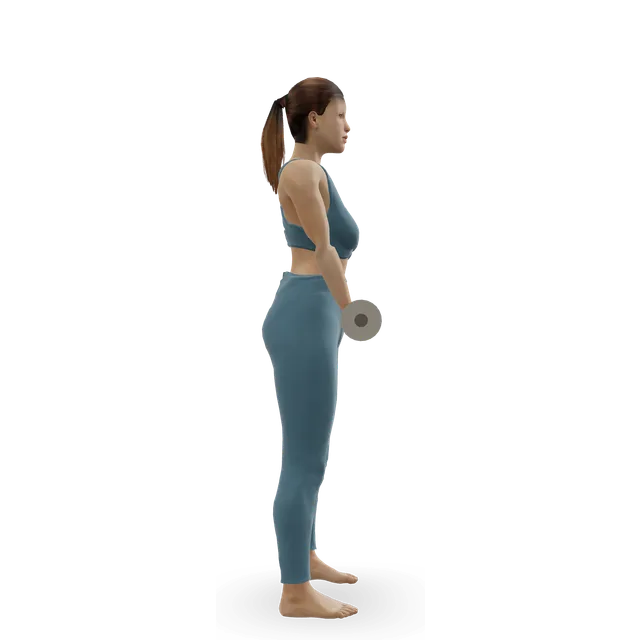
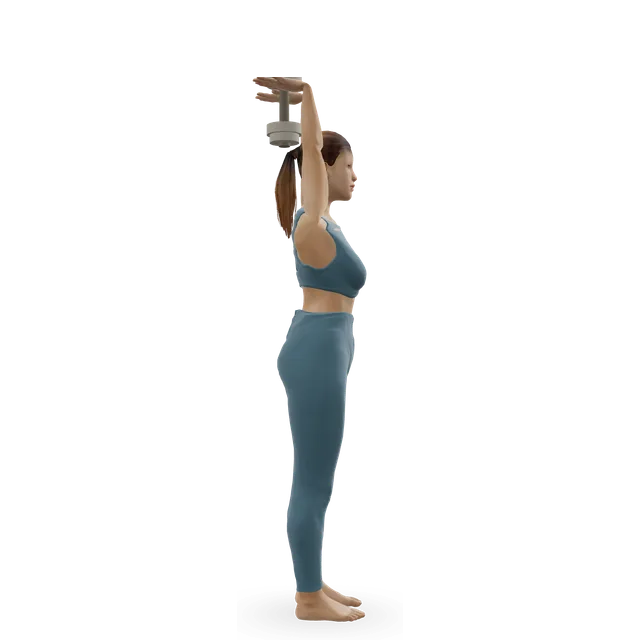
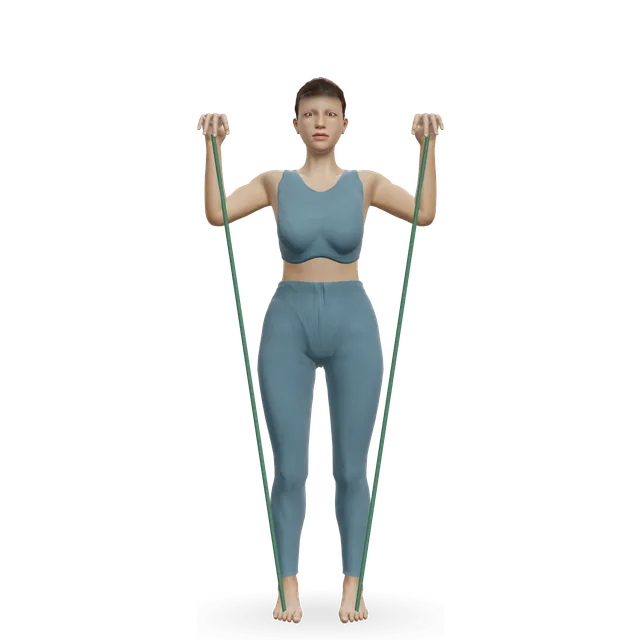
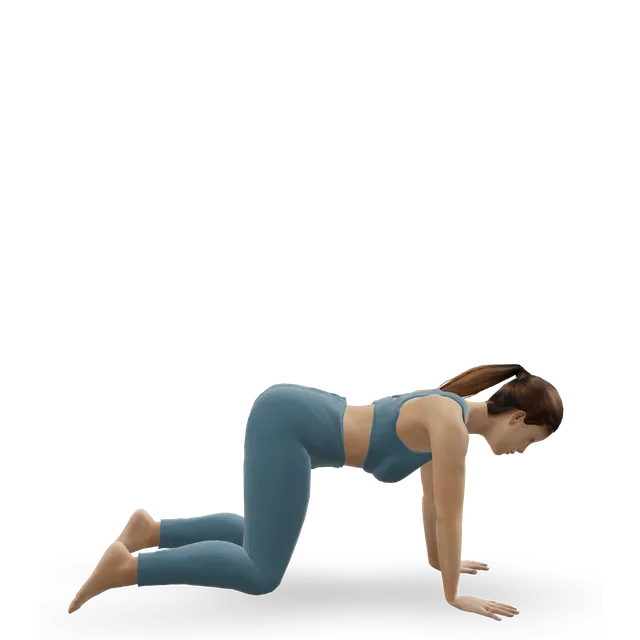
A 30-minute Pilates strength class with dumbbells or a band: Pilates trunk work plus squats, lunges, rows and push-ups, each set taken until it is hard.

30 minIntermediate15 movesA dumbbell, A band

Full-body mat Pilates workout

A 30-minute intermediate mat Pilates class that follows the classical order, from the hundred to the push-up, with prep versions of the hardest moves.

30 minIntermediate22 movesNo equipment

Reformer-inspired mat Pilates (no machine)

A 25-minute mat workout built on the order of a classical reformer class, with a mat or standing version of each reformer exercise. No machine needed.

25 minBeginner16 movesA wall

Pilates arm workout: a 20-minute class with light weights or none

A 20-minute Pilates class for your arms: planks and push-ups, side and back support, face-down work and a standing series with light weights or a band.

20 minBeginner16 movesA bench or box, A dumbbell

Pilates leg workout: a 25-minute mat and standing class for your thighs

A 25-minute Pilates class for your legs: reformer footwork without the machine, leg circles, the side kick series, inner-thigh squeezes and stretches.

25 minBeginner15 movesA wall, Other / check instructions

Pilates glute workout: a 25-minute mat class (with a band if you have one)

A 25-minute Pilates class for your glutes: bridges, the side kick series, face-down kicks and standing work at a wall, with a band to make it harder.

25 minBeginner16 movesA wall, A band

Pilates ring workout: a 20-minute magic circle class (a cushion works too)

A 20-minute Pilates ring workout for beginners: squeeze, press and balance with a magic circle, or a cushion and a belt if you don't have one.

20 minBeginner11 movesOther / check instructions, A band

Resistance band workout

A full-body resistance band workout: squats, rows, push-ups, presses, pull-aparts, band walks, good mornings and flyes.

30 minBeginner9 movesA band, An anchor point

Follow a plan

The band, dumbbell and barbell plans add load you can keep increasing; the 4-week Pilates plan suits beginners.

When to get help

Call 999 if

In the US, call 911.

  • You have sudden chest pain that doesn't go away: it can feel like squeezing or pressure inside your chest, burning or indigestion.
  • Chest pain spreads to your arms, neck, jaw, stomach or back, or comes with sweating, feeling sick, feeling light-headed or being short of breath.
  • Someone has fainted while exercising.

Sources 47, 48

Stop the session if

You feel any pain or become unwell, as the NHS advises for its Pilates videos, and especially for chest pain or pressure, unusual breathlessness, dizziness or fainting. If you have a health problem, an injury or any symptoms, get advice from a healthcare professional, such as a GP, before you start.

Source 16

Breath, blood pressure and eyes

Our suggestion, as in our guide to getting stronger: breathe out as you lift and don't hold your breath against heavy loads. With uncontrolled high blood pressure, heart disease or glaucoma, check with your care team before lifting heavy. With glaucoma, skip moves that take your head below your heart, such as the roll-over and jack knife, unless your eye specialist agrees, as their move pages say.

Back pain

Call 999 or go to A&E if back pain comes with pain, tingling, weakness or numbness in both legs, a loss of feeling around your genitals or anus, or changes in your bladder or bowels. Our Pilates for anterior pelvic tilt guide lists the NHS back pain warning signs in full.

Source 49

Osteoporosis

Avoid postures with a lot of spinal rounding, especially with a load; after spine fractures or several low-trauma fractures, keep impact to the level of brisk walking. Our Pilates for osteoporosis guide has the details.

Source 44

Pregnancy

Our Pilates in pregnancy guide covers what to change, including how long to spend lying on your back and when to stop.

Myths

"Pilates isn't real strength training"Strong evidence

The NHS counts Pilates towards its twice-a-week strength guideline, and two reviews found it made older adults stronger than no exercise did, though a newer review found no clear gain.

Sources 1, 3, 25, 4

"Pilates builds as much muscle as weights"Mixed evidence

Pooled trials found no clear change in lean mass, the one MRI study found the tummy muscles grew but not the hip muscles, and we found no trial comparing Pilates with weights for muscle size.

Sources 8, 9, 10, 11, 12

"Pilates gives you long, lean muscles; weights make you bulky"Mixed evidence

Exercise can't change where a muscle attaches, so it can't make a muscle longer, and muscle tissue is lean whatever trains it, as an exercise scientist explains. How big muscles get depends on load, training volume and your genes, not the name of the method.

Sources 13, 14

"Pilates strengthens tendons better than weightlifting"Emerging evidence

Tendons adapt to load, and how heavy it is plays a key role. We found no study supporting the claim.

Sources 42, 43

"Light weights in Pilates are pointless"Strong evidence

Light loads build similar muscle to heavy ones when sets are hard, though heavy loads build more maximum strength.

Sources 34, 35, 14

"You need a reformer to get strong"Emerging evidence

Mat and apparatus Pilates gave similar gains in trials, and bands build strength about as well as weights.


Sources 36, 37, 45

"Pilates is enough for your bones"Strong evidence

The UK osteoporosis consensus recommends resistance and impact exercise for bone; Pilates suits strength and balance.

Source 44

Questions people ask

Is Pilates strength training?

Yes: the NHS counts Pilates as a muscle-strengthening activity for its twice-a-week guideline. In trials it built strength, though reviews in older adults disagree on how clearly, and its clearest effect was on trunk endurance.

Does Pilates build muscle?

A little at first if you're new to exercise, then it tends to level off unless you add load, an exercise scientist says. Pooled trials found no clear change in lean mass, and on scans, 36 weeks of Pilates grew the tummy muscles but not the glutes.

Is Pilates enough strength training?

For the NHS guideline, yes, if you work all the major muscle groups until you need a short rest, twice a week. For more strength, more muscle or stronger bones, add load you can keep increasing, such as weights or bands.

Pilates or weights: which is better?

For strength in people who weren't training, Pilates did about as well as other exercise, strength training included. For maximum strength and muscle size, weights you can keep making heavier are the surer route. Many people do both.

Is reformer Pilates strength training?

Yes: the springs add resistance you can adjust, and reformer trials improved lower-back and grip strength. A spring setting doesn't tell you how much load you're moving, and a lighter spring can make some moves harder.

Can Pilates replace weight training?

For general health, Pilates twice a week meets the strength guideline. For maximum strength or for bone health, it isn't a full replacement: heavier loads build more strength, and the UK osteoporosis consensus recommends resistance and impact exercise for bone.

How do I make Pilates harder?

Lengthen the lever (straighter, lower legs), take away support (one leg or one arm), lower more slowly, and add reps until the last few are hard. Then add load: heavier springs, bands, a ring, dumbbells or ankle weights.

Can I do Pilates and weights on the same day?

Yes. If strength is your main goal, lift first: strength improved more when resistance exercise came at the start of a session. Otherwise, choose the order you prefer.

Does Pilates count as strength training for bone density?

It helps strength and balance, which lowers the risk of falls. For bone itself, the UK osteoporosis consensus recommends resistance and impact exercise, so add weights and impact if you can; our Pilates for osteoporosis guide has the details.

Does Pilates make you stronger?

Usually, especially if you're new to exercise. In two reviews, older adults got stronger than with no exercise, though a newer review found no clear gain, and in healthy adults, abdominal endurance improved by about 10 curl-ups in a minute.

Can Pilates make you lose muscle?

No study shows that: lean mass didn't change in pooled Pilates trials. If you swap heavy lifting for Pilates, though, you may lose some of the strength that heavy loads built.

Do I need a reformer to get strong with Pilates?

No. Mat and apparatus Pilates gave similar gains in trials, and bands build strength about as well as weights.

Sources

  1. NHS · Physical activity guidelines for adults aged 19 to 64
  2. UK Chief Medical Officers · Physical activity guidelines (Department of Health and Social Care, updated July 2026)
  3. Fernández-Rodríguez 2021 · Pilates, physical performance and risk of falls in older adults: 39 studies (meta-analysis, Physiotherapy)
  4. Oliveira 2024 · Pilates and strength, endurance and power in older adults: 24 trials, 1,190 people (systematic review and meta-analysis, J Bodyw Mov Ther)
  5. Campos 2016 · The Pilates method and physical conditioning in healthy people: 9 trials (systematic review and meta-analysis, J Sports Med Phys Fitness)
  6. Cruz-Ferreira 2011 · Pilates in healthy people (systematic review, Arch Phys Med Rehabil)
  7. Pinto 2022 · Is Pilates better than other exercise at increasing muscle strength? (systematic review, Heliyon; read in full)
  8. Bajčetić 2026 · Pilates programmes and fitness in adult women (systematic review and meta-analysis, Sports; read in full)
  9. Wang 2021 · Pilates for overweight or obesity: 11 trials, 393 people (meta-analysis, Front Physiol)
  10. Dorado 2012 · Abdominal muscle size on MRI after 36 weeks of Pilates in 9 inactive women (study, Med Sci Sports Exerc)
  11. Dorado 2020 · Glute and deep hip muscle size on MRI after 36 weeks of Pilates in inactive women, no comparison group (study, Sports Health; read in full)
  12. PubMed · Our search for randomised trials of Pilates against resistance or weight training (24 October 2026)
  13. Singleton 2025 · What Pilates can (and can't) do for your body (National Geographic, quoting Brad Schoenfeld)
  14. Currier 2026 · ACSM position stand on resistance training for muscle function, size and performance: 137 reviews (overview of reviews, Med Sci Sports Exerc)
  15. NHS · Physical activity guidelines for older adults
  16. NHS · Pilates video for beginners
  17. Bull 2020 · World Health Organization 2020 guidelines on physical activity and sedentary behaviour (guideline, Br J Sports Med; read in full)
  18. Fragala 2019 · Resistance training for older adults (NSCA position statement, J Strength Cond Res)
  19. Pilates Anytime · The 34 Pilates mat exercises: names, order and precautions (teaching platform)
  20. Pilates Method Alliance · Beginner's guide to Pilates equipment, from the reformer to the Cadillac
  21. Brodt 2014 · An instrumented footbar for measuring the forces in reformer footwork (lab study, J Appl Biomech)
  22. Melo 2011 · Spring resistance and muscle force in a Pilates hip extension (lab study, Rev Bras Fisioter)
  23. Cantergi 2015 · How people push the reformer footbar: muscle strategies in 15 people (lab study, J Electromyogr Kinesiol)
  24. Kim 2024 · Reformer spring settings and core muscle activity (lab study, Healthcare)
  25. Bueno de Souza 2018 · Mat Pilates and physical function in older adults: 9 trials (meta-analysis, Am J Phys Med Rehabil)
  26. Kloubec 2010 · Pilates for muscle endurance, flexibility, balance and posture in 50 adults (RCT, J Strength Cond Res)
  27. Cavina 2020 · Mat Pilates and body composition: 10 studies (meta-analysis, J Phys Act Health)
  28. Silva 2022 · Pilates and body composition in healthy people: 9 studies (systematic review, J Bodyw Mov Ther)
  29. Karpouzi 2025 · Body composition by bioimpedance and DXA after 10 weeks of apparatus Pilates in 19 women (RCT of a protein supplement, J Int Soc Sports Nutr)
  30. PubMed · Our search for studies that measured muscle size with a scan after Pilates (24 October 2026)
  31. Carrasco-Poyatos 2019 · Pilates or resistance training for 18 weeks in older women: trunk and hip strength (RCT, PeerJ; read in full)
  32. Markovic 2015 · A feedback-based core resistance device or Pilates in 34 older women (RCT, Arch Gerontol Geriatr)
  33. Evangelou 2021 · Low-load, high-repetition group training or Pilates in inactive women (trial, J Bodyw Mov Ther)
  34. Schoenfeld 2017 · Light against heavy loads for strength and muscle growth: 21 studies (meta-analysis, J Strength Cond Res)
  35. Lopez 2021 · Training load, muscle growth and strength: 28 studies, 747 adults (network meta-analysis, Med Sci Sports Exerc)
  36. Mueller 2021 · Mat or apparatus Pilates and function in older women (RCT, J Bodyw Mov Ther)
  37. Seong 2025 · Mat or barrel Pilates for 8 weeks in adult women (trial, J Bodyw Mov Ther)
  38. Lim 2026 · Prop or apparatus Pilates for 8 weeks in postmenopausal women (randomised trial, Phys Act Nutr)
  39. Dos Santos 2017 · Reformer Pilates and trunk and shoulder-blade strength (pilot study, J Bodyw Mov Ther)
  40. Gökalp 2025 · Reformer Pilates in 47 women with overweight or obesity (RCT, Sci Rep)
  41. Rayes 2019 · Pilates or aerobic training in adults with overweight or obesity (clinical trial, PeerJ)
  42. Bohm 2015 · How tendons adapt to loading: 27 studies (systematic review and meta-analysis, Sports Med Open)
  43. PubMed · Our search for studies of Pilates and tendons (24 October 2026)
  44. Brooke-Wavell 2022 · Strong, steady and straight: UK consensus on exercise for osteoporosis (Br J Sports Med; read in full)
  45. Lopes 2019 · Elastic bands or weights and machines for strength: 8 studies (systematic review and meta-analysis, SAGE Open Med)
  46. dos Reis 2024 · Apparatus Pilates with or without its stretches in 32 inactive young women (RCT, BMC Sports Sci Med Rehabil; read in full)
  47. NHS · Chest pain (past its review date: reviewed August 2023, review due August 2026)
  48. NHS · Fainting
  49. NHS · Back pain

Exercise education, not a personal prescription, and clinical review of these guides is pending. If you are pregnant, have a health condition or have had recent surgery, check with a doctor, midwife or physiotherapist before starting, and stop for sharp or increasing pain. Health disclaimer.