Pilates guide

Pilates ring exercises: how to use a magic circle, what it works, and a routine

A Pilates ring, or magic circle, is a flexible hoop with a pad on each side that you squeeze or press against. It was one of Joseph Pilates's own inventions, and it turns familiar moves into a squeeze for your inner thighs or a press for your outer hips, chest and arms. In a lab study it made the core work harder in the Hundred than a soft ball or no prop at all. What it can't do is slim your inner thighs or stand in for pelvic floor exercises.

This guide covers where to put the ring and what each position works, the classical ring exercises, what the muscle studies and trials show, how to adapt ring work for osteoporosis, pregnancy and the pelvic floor, and what to use if you don't have a ring. It ends with a free 20-minute ring routine you can also follow with a cushion and a belt.

The short version

A classic prop, and an optional one

The Pilates Method Alliance (PMA) lists the magic circle among Joseph Pilates's own inventions, and classical schools still teach a ring series lying, sitting and standing. It's an extra, not a requirement: every move works without it.

Sources 1, 2

It adds a squeeze or a press

You squeeze it between your knees, ankles or palms, or step inside it and press out with your thighs. Teachers suggest a cushion for squeezing and a belt or band for pressing out if you don't have a ring.

Sources 3, 4, 5

Muscles work harder while you squeeze

In 28 young men doing the Hundred, core muscle activity rose from no prop to a soft ball to a ring. Adding a thigh squeeze made the tummy and buttock muscles work harder in a plank and a bridge, and a ball squeeze between the knees worked the inner thighs close to their maximum. These are readings from single sessions, not results of training over weeks.

Sources 6, 7, 8, 9

It won't slim your thighs

Across 13 studies of 1,158 people, working one area didn't remove more fat from that area. The ring strengthens your inner thighs; fat loss comes from your overall activity and diet.

Source 10

It doesn't replace pelvic floor exercises

Studies of thigh squeezes and the pelvic floor disagree, and Cochrane found exercise without deliberate pelvic floor squeezes did worse than pelvic floor training (low certainty). If your pelvic floor is the reason you bought a ring, squeeze it on purpose as well.

Sources 11, 12, 13, 14, 15

Adapt it

Most classical ring mat moves are curl-ups or rolling, which a UK consensus on osteoporosis suggests swapping for other moves. In later pregnancy, avoid lying flat on your back for more than a few minutes.

Sources 16, 2, 17

What a Pilates ring is, and what it does

What it is

The PMA describes "a flexible ring, usually made of rubber or metal, with small handles on either side" that gives "gentle resistance". A teacher's history of the ring gives the classic size as 13 inches (about 33 cm) across, with bigger and smaller ones on sale. All-metal rings resist more than rubber or rubber-coated ones, which feel softer.

No study has measured how hard different rings are to squeeze, so labels such as "light" or "firm" are the makers' own. Other names include Pilates circle, fitness ring and toning ring.

Sources 18, 3

Where it comes from

The PMA's history lists the Magic Circle among Joseph Pilates's inventions, alongside the reformer, the trapeze table (Cadillac), the Wunda chair and the ladder barrel. The story that he made the first one from the metal hoop of a beer barrel is called a legend even by teachers who tell it, and the PMA history doesn't include it.

Sources 1, 3

The classical ring exercises

One classical school lists the ring exercises in what it calls the traditional order found in photographs of Joseph Pilates. Other schools vary, and modern classes add the ring to many more moves. Most of the classical mat list is curl-ups or rolling, which matters if you have osteoporosis.

  • On the mat: the Hundred, Roll Up, Roll Over, Double Leg Stretch, Open Leg Rocker, Corkscrew, Neck Pull, Jackknife, Side Kicks, Teaser and Hip Circles
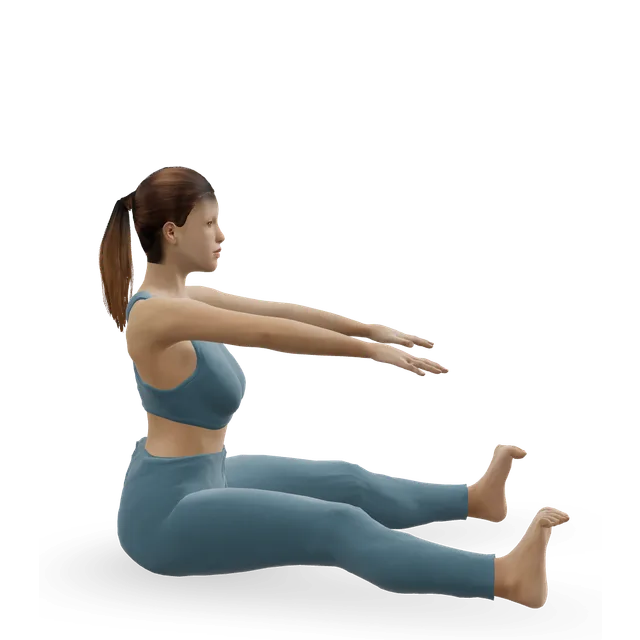
  • Sitting: the ring above the knees, and between the feet
  • Standing: an arm series, chest expansion and a leg series
  • A chin press and a forehead press

Sources 19, 2

What the ring changes

It turns a move into a squeeze or a press that you make harder or easier by how hard you push. The best-studied version is the inner-thigh squeeze. Nothing has measured what the ring adds for the arms or chest.

Sources 9, 6, 8

Ring or ball?

Both are optional. In the one comparison, the ring made the core work harder than a soft ball during the Hundred. Teachers use a soft ball under the back or hips for support as well as for squeezing, while the ring's pads make pressing outwards and arm work easier. Our Pilates ball guide covers the ball.

Sources 6, 20, 3

Where to put the ring, and what each position works

These positions are teachers' descriptions from their articles and a recorded beginners' class, not findings from studies.

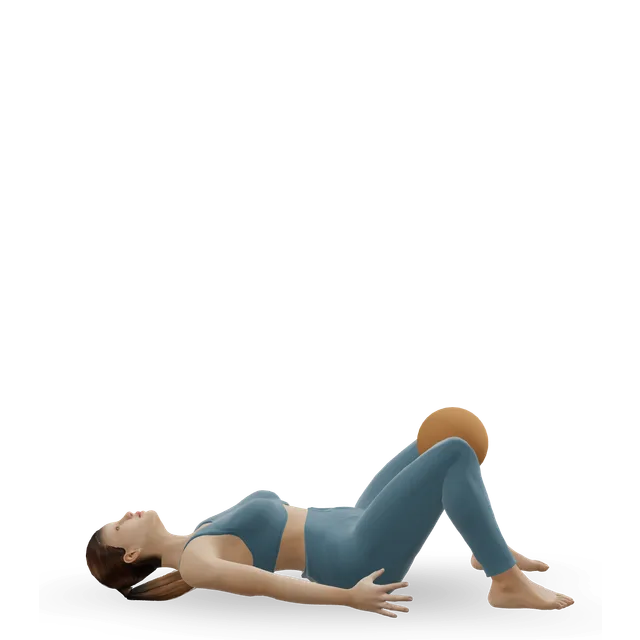
Between your knees: inner thighs

In a recorded beginners' class, the ring sits "between your knees right above the knee bone", and you slide your feet a little forward so your knees don't crunch. Squeeze gently as you breathe out.

Source 4

Between your ankles: inner thighs, legs long

Teachers hold the ring between the ankles to find the midline. With your legs long, the squeeze is harder to control. They also place it just above the ankles for a standing series.

Source 20

Around your thighs: outer hips

Step inside the ring so it sits around the outside of your thighs, just above the knees, and press out. A belt, band or scarf does the same job.

Sources 5, 3

Between your palms: chest and arms

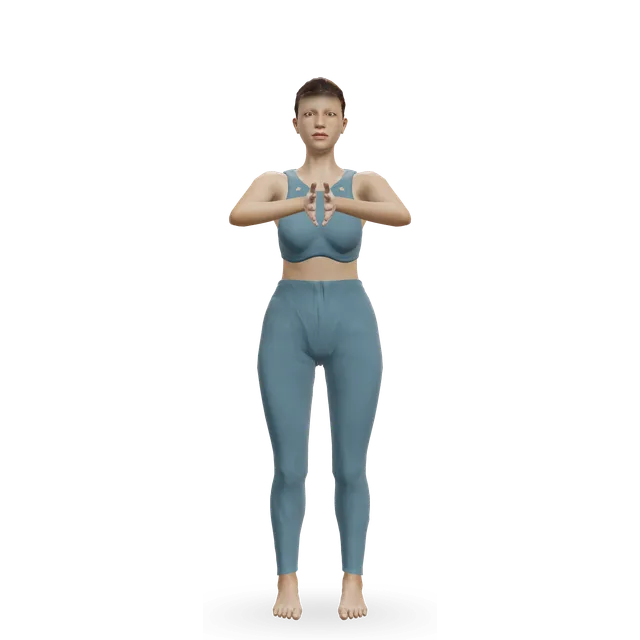
Hold it in front of your chest with your fingers long and not gripping, your shoulders down and your elbows soft rather than locked, then press in.

Source 4

Overhead, under a hand, or as a strap

Some teachers hold it behind the head with even pressure from both hands, or around the head in the chest lift to keep the neck in line. Placed under a hand or an ankle, it becomes a slight wobble to keep still. Hooked over a foot, it works as a strap for a lying leg stretch.

Sources 3, 20

No ring?

Use a cushion or pillow for squeezing in (a thick book works, but a pillow is softer if it slips), a belt, band or scarf for pressing out, and a soft ball or a yoga block between your knees or palms.

Sources 5, 20

How to do the basic ring squeeze

The set-up follows a teacher's recorded beginners' class; the hold and repeats are our editorial starting point. A cushion works the same way.

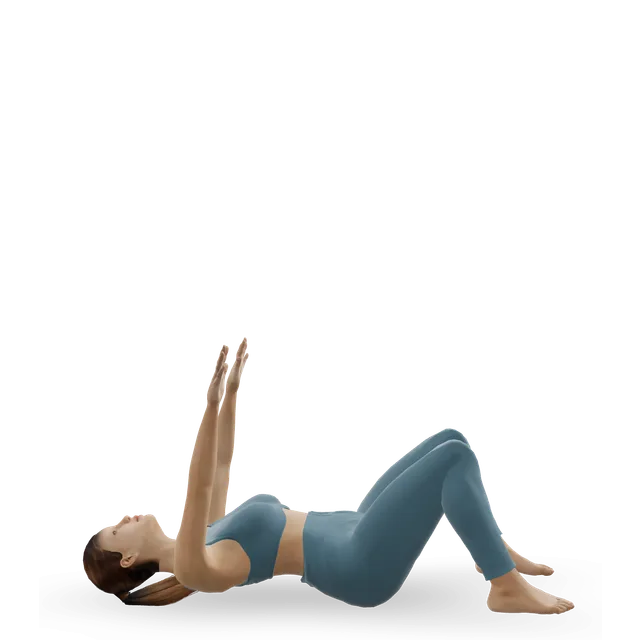
  1. Lie on your back with your knees bent and your feet flat and hip-width apart. Put a small cushion under your head if your chin tips up.
  2. Place the ring between your knees, just above the kneecaps, with a pad against each inner thigh.
  3. Slide your feet a little further forward so your knees aren't squashed together.
  4. Breathe in. As you breathe out, squeeze the ring gently and steadily, without pressing your back into the floor or holding your breath.
  5. Hold for 5 to 10 seconds, breathing normally, then let go slowly.
  6. Rest for as long as you held, and repeat up to 6 times.

See the movement on the 3D figure: Lying adductor ball squeeze

What the evidence says

The ring in the HundredEmerging evidence

In 28 men in their twenties, core muscle activity measured with electromyography (EMG, sensors that record muscle activity) rose from no prop to a small soft ball to a Pilates ring during the Hundred, and was higher with straight legs than with bent knees. It's one small study of a single session, and its summary doesn't say where the ring was held.

Source 6

A squeeze makes other moves harderEmerging evidence

Adding a thigh squeeze raised activity in all the tummy muscles measured during a plank in 20 young men, and in the tummy and buttock muscles during a bridge in 14 women. Both were small laboratory studies.

Sources 7, 8

Inner-thigh squeezes are hard workEmerging evidence

In 21 footballers, squeezing a ball between the knees drew 118% of the inner thigh muscle's maximal activity, and 84% with the ball between the ankles: enough to count as strength training. In a trial of 68 athletes with long-standing groin pain, an active programme aimed mainly at the inner-thigh muscles got 23 back to sport without pain, against 4 given treatment without active exercise.

Sources 9, 21

It doesn't single out the inner quadEmerging evidence

A squeeze during a mini-squat raised activity in both the inner and outer parts of the front thigh muscle, not the inner part alone. In 30 people with arthritis behind the kneecap, adding a squeeze to squats helped no more than plain squats.

Sources 22, 23

No study of the ring on its ownMixed evidence

We found no study that tested ring training over weeks, measured how hard a ring is to squeeze, or measured what it does for the arms and chest. In trials, the ring was one prop among several.

Sources 6, 24, 25, 26, 27, 28, 29

Trials of Pilates that used a ringMixed evidence

Mat Pilates programmes that included a magic circle with other props helped balance in 63 older women, fitness in 20 people after a stroke and in adults with overweight, and blood glucose, grip and balance in 104 older adults with type 2 diabetes, mostly compared with no exercise. After breast cancer surgery, the gains in 69 women didn't last once the classes ended. None of these can show what the ring added.

Sources 24, 25, 26, 27, 28

Small props or apparatusEmerging evidence

In 24 women after the menopause, 8 weeks of Pilates with an elastic band and a gym ball, and of Pilates on a reformer and Cadillac, both improved fitness and mood scores; blood pressure and grip improved only on the apparatus. It was one small trial with no group that didn't exercise.

Source 30

The ring and your pelvic floor

Lab studies disagreeMixed evidence

In 6 young women, squeezing the thighs together switched the pelvic floor on too. In 21 women after birth, a ball squeeze between the knees produced more pelvic floor activity than a pelvic floor squeeze alone, though the sensors may have picked up nearby muscles. But in 20 women, adding a thigh squeeze or push didn't change pelvic floor force, and in 19 women it reduced how far a pelvic floor squeeze lifted the bladder.

Sources 11, 12, 13, 14

Exercise without the squeeze works less wellEmerging evidence

In a 2024 Cochrane review of 63 trials, exercise that isn't a deliberate pelvic floor squeeze did worse for leaking-related quality of life than pelvic floor training (4 trials, 170 women, low certainty), and adding it to pelvic floor training made little difference. Movement with a deliberate squeeze built in may be slightly better than the squeezes alone (low certainty).

Source 15

Hip strengthening alongside pelvic floor trainingMixed evidence

In 47 women with stress leaking, adding hip exercises, including inner-thigh work, to pelvic floor training reduced leaks on one bladder diary but not on another, and didn't improve quality of life or pelvic floor strength.

Source 31

If your pelvic floor is why you bought a ring

Squeeze your pelvic floor on purpose as you breathe out, then let it go, and keep doing your daily pelvic floor exercises. Our Pilates for the pelvic floor guide shows how, and when to see a GP about leaking or a bulge.

Source 15

Older adults, osteoporosis and pregnancy

With osteoporosisStrong evidence

The UK consensus on exercise for osteoporosis recommends strength and balance work, including Pilates, at least twice a week. It advises avoiding postures with a lot of spinal bending, and suggests alternatives to Pilates roll-downs and curl-ups as a precaution, though people who already do those moves comfortably and smoothly can carry on.

Most classical ring mat exercises are curl-ups or rolling, so use the seated, standing and side-lying ring work instead (our reading of the consensus). Our Pilates for osteoporosis guide has more.

Sources 16, 2

For older adults

Seated squeezes above the knees, standing arm work and chest expansion, and standing leg work beside a counter suit most people (our suggestion, from the classical sitting and standing series). Keep a hand on the counter for anything on one leg.

Sources 2, 20

In pregnancyStrong evidence

The NHS says that in later pregnancy you should try to avoid lying flat on your back for more than a few minutes. Do ring squeezes sitting, on your side or standing; teachers also use a small ball behind the mid-back to avoid lying flat for long.

Sources 17, 20

How hard, how long and how often

Squeezes

Our editorial starting point: 6 holds of 5 to 10 seconds, at a firm but comfortable effort, resting as long as you held. Ball squeezes worked the inner thighs hard enough to count as strength training, so build up gradually.

Source 9

Pressing out

The belt press move page's dose, from the LEAP trial programme for outer hip pain: 3 to 5 holds of 5 to 10 seconds, twice a day, at a light effort. A ring around your thighs replaces the belt.

Pressing between your palms

The palm press move page's dose: hold each press for 5 to 10 seconds, rest about as long, and repeat 6 to 10 times (its editorial starting point). Keep breathing throughout.

How often

No one has tested a dose for ring work on its own. In the trials that included a ring, people did Pilates 2 or 3 times a week, so adding the ring to 2 or 3 of your usual sessions a week is a sensible start (our suggestion).

Sources 24, 25, 26, 27, 28, 29

Keep breathing

Breathe out as you squeeze and keep breathing; don't hold your breath, especially if you have high blood pressure (our suggestion, as on the palm press page).

Squeeze in: inner thighs

Teachers place the ring just above the knees, with the feet slid a little forward, or just above the ankles; squeeze as you breathe out, then let go slowly.

Press out and press in: hips, chest and arms

As teachers describe it, step inside the ring to press out with your thighs, or hold it between your palms, fingers long and elbows soft, to press in.

Trunk moves with a ring

Our placements: the ring between your knees for the chest lift and the Hundred (between your ankles with your legs long is harder), between your palms for the spine stretch and under your top hand in the side kick, leaving out the curl-ups if you have osteoporosis.

Stretch with the ring as a strap

Hook the ring over the sole of your foot and stretch to a mild pull, for about 30 seconds each side (our editorial starting point).

Workouts to follow

The Pilates ring workout uses the ring in each position; a cushion and a belt work instead. You can also add a ring to the bridge, chest lift and Hundred in the beginner class, and a cushion between your knees in the chair class.

Follow a plan

Add the ring to 2 or 3 sessions a week once the moves feel familiar.

Choosing a ring

Size

The classic ring is about 13 inches (33 cm) across. One teacher notes that bigger rings are harder to manage if you have shorter legs. No study has compared sizes.

Source 3

Stiffness

All-metal rings resist more than rubber or rubber-coated rings. One teacher suggests a lighter rubber ring if you want mild resistance and a guide to your position, and a stiffer ring for more of a challenge: a teacher's view, not a tested rule.

Source 3

Look after it

Check the pads are firm and not torn before you squeeze hard, and ease off slowly rather than letting go suddenly, so the ring doesn't spring away (our suggestion).

When to stop or get advice

Pain that keeps increasing

An NHS physiotherapy Pilates leaflet says some discomfort is normal, but not to push into pain: "If you have persistent increased pain, please stop all exercises and contact your GP or physiotherapist".

Source 32

Leaking, heaviness or a bulge

See a GP. These problems are common and treatable, and a ring isn't the treatment. Our Pilates for the pelvic floor guide has the NHS advice.

Source 15

In pregnancy

In later pregnancy, avoid lying flat on your back for more than a few minutes: the NHS says it can make you feel dizzy and is not good for your baby.

Source 17

Groin pain

Squeeze gently and build up. If groin pain doesn't settle, see our groin strain guide and get it checked.

Neck problems or very bendy joints

Leave out the classical chin and forehead presses unless a physiotherapist has given them to you (our suggestion).

Source 2

Call 999 (911 in the US)

If someone faints while exercising, the NHS says to call 999.

Source 33

Myths

"The ring tones away your inner-thigh fat"Strong evidence

It strengthens your inner thighs, but training one area doesn't remove fat from that area: across 13 studies there was no spot reduction, and training one leg took fat from the arms and trunk instead.

Sources 10, 34, 35

"Squeezing a ring trains your pelvic floor"Mixed evidence

The lab studies disagree: thigh squeezes switched the pelvic floor on a little in two small studies, but didn't add pelvic floor force in a third and reduced the lift of a pelvic floor squeeze in a fourth. Cochrane found exercise without deliberate pelvic floor squeezes did worse than pelvic floor training (low certainty). Add the deliberate squeeze.

Sources 11, 12, 13, 14, 15

"A squeeze between the knees switches on the inner quad to fix your kneecap"Emerging evidence

Both the inner and outer parts of the front thigh muscle worked harder, and adding the squeeze to squats didn't help kneecap arthritis more than plain squats.

Sources 22, 23

"The ring makes Pilates better for your heart"

Some popular pages say so, but we found no study measuring heart rate or fitness with a ring. A squeeze is a strength effort, not an aerobic one.

"Joseph Pilates made the first ring from a beer barrel"

Even teachers who tell the story call it a legend. The PMA history lists the Magic Circle among his inventions without it.

Sources 3, 1

Questions people ask

What does a Pilates ring do?

It adds a squeeze or a press to Pilates moves, so the muscles you squeeze with work harder: mainly the inner thighs, and the outer hips, chest and arms when you press. In the Hundred, a ring also made the core work harder than a soft ball or no prop. It's optional: Pilates works without one.

What muscles does a Pilates ring work?

Squeezing it between your knees or ankles works the inner thighs hard, close to their maximum effort. Pressing out works the outer hips, and pressing between your palms works the chest, shoulders and arms, though no study has measured those. Adding a squeeze to a bridge or plank also made the tummy and buttock muscles work harder.

How do you use a Pilates ring as a beginner?

Start lying on your back with the ring just above your knees and your feet slid a little forward, and squeeze gently as you breathe out. Then try pressing out with the ring around your thighs, and pressing it between your palms with long fingers and soft elbows. Our 20-minute routine goes through each position.

Is a Pilates ring good for the pelvic floor?

Not on its own. Lab studies disagree: thigh squeezes switched the pelvic floor on a little in two small studies, but didn't add pelvic floor strength in a third and reduced the lift of a pelvic floor squeeze in a fourth. Exercise without a deliberate pelvic floor squeeze did worse than pelvic floor exercises in Cochrane's review, so if you use a ring, squeeze your pelvic floor on purpose as you breathe out, let it go, and keep doing your daily pelvic floor exercises.

Will a Pilates ring slim my inner thighs?

It will strengthen them, but it won't burn fat from that spot: across 13 studies, working one area didn't remove more fat there. Fat loss comes from your overall activity and diet, which our Pilates for weight loss guide explains.

What size Pilates ring should I buy?

The classic ring is about 13 inches (33 cm) across, and bigger and smaller ones are sold. Metal rings resist more than rubber or rubber-coated ones, and a teacher notes that bigger rings are harder to handle if you have shorter legs. No study has compared sizes or stiffness.

What can I use instead of a Pilates ring?

A cushion or pillow for squeezing in, and a belt, band or scarf for pressing out. A soft ball or a yoga block also works between your knees or palms.

Pilates ring or ball: which is better?

Both work for squeezing; in the one comparison, a ring made the core work harder than a soft ball during the Hundred. A ball is also handy under your back for support, while a ring's pads make pressing outwards and arm work easier.

Are Pilates ring exercises good for seniors?

Yes, if you choose the right ones: seated squeezes, standing arm work and balance beside a counter suit most people. With osteoporosis, the UK consensus suggests alternatives to Pilates curl-ups and roll-downs, so skip the ring versions of the Hundred and Roll Up unless you already do them comfortably.

Is the magic circle part of classical Pilates?

Yes. The Pilates Method Alliance lists the Magic Circle among Joseph Pilates's own inventions, and classical schools teach a ring series lying, sitting and standing. The story that he made it from the hoop of a beer barrel is a legend.

Can I use a Pilates ring when pregnant?

Usually, yes: sitting, lying on your side or standing. In later pregnancy the NHS advises avoiding lying flat on your back for more than a few minutes, so move the lying squeezes to a chair or onto your side.

How often should I use a Pilates ring?

No one has tested a dose for ring work on its own. In trials that included a ring, people did Pilates 2 or 3 times a week, so adding it to your usual sessions is a sensible start (our suggestion).

Sources

  1. Pilates Method Alliance · Pilates history (from the PMA certification study guide, 2019)
  2. Pilatesology · Classical magic circle exercises (a classical school's list)
  3. Edwards 2021 · The magic circle: a Pilates prop that does it all (teacher's article, Pilates Anytime)
  4. Crawford · Magic circle basics, class 100 (teacher's recorded class, transcript, Pilates Anytime)
  5. Menzies 2020 · Pilates prop substitutions (teacher's article, Pilates Anytime)
  6. Kim 2021 · Core muscle activity in the Pilates Hundred with no prop, a soft ball or a ring, in 28 men (EMG study, J Bodyw Mov Ther)
  7. Kim 2016 · A plank with a thigh squeeze in 20 men (EMG study, J Electromyogr Kinesiol)
  8. Jang 2013 · A bridge with a thigh squeeze in 14 women (EMG study, J Phys Ther Sci)
  9. Krommes 2017 · Inner-thigh muscle activity in ball squeezes and other groin exercises in 21 footballers (EMG study, Int J Sports Phys Ther)
  10. Ramirez-Campillo 2022 · Spot reduction: 13 studies, 1,158 people (meta-analysis, Human Movement)
  11. Bø 1994 · Pelvic floor and urethral muscle activity during thigh, buttock and tummy contractions in 6 women (needle EMG study, Neurourol Urodyn)
  12. Ojukwu 2022 · Pelvic floor activity during tummy and thigh squeezes in 21 women after birth (EMG study, J Bodyw Mov Ther)
  13. Amorim 2017 · A thigh squeeze or push and pelvic floor force in 20 women (lab study, PLoS One)
  14. Sato 2025 · Thigh squeezes and the bladder-base lift of a pelvic floor squeeze in 19 women (ultrasound study, Cureus)
  15. Hay-Smith 2024 · Approaches to pelvic floor muscle training for leaking: 63 trials (Cochrane review)
  16. Brooke-Wavell 2022 · Strong, steady and straight: UK consensus on exercise for osteoporosis (consensus statement, Br J Sports Med)
  17. NHS · Exercise in pregnancy
  18. Pilates Method Alliance · Beginner's guide to Pilates equipment, including the magic circle
  19. Pilatesology 2022 · Classical Pilates exercise order (a classical school's exercise lists)
  20. Manheim 2020 · Top 10 Pilates props for mat classes (teacher's article, Pilates Anytime)
  21. Hölmich 1999 · Active training for long-standing groin pain in 68 athletes (RCT, Lancet)
  22. Earl 2001 · Mini-squats with and without a thigh squeeze in 20 adults (EMG study, J Electromyogr Kinesiol)
  23. Adel 2019 · Squats with or without a thigh squeeze in 30 people with kneecap arthritis (RCT, J Back Musculoskelet Rehabil)
  24. Mesquita 2015 · Pilates with a ball, band and magic circle, or PNF, for balance in 63 older women (RCT, BMC Geriatr)
  25. Lim 2017 · Pilates with a ball, magic circle and band in 20 people after a stroke (RCT, J Phys Ther Sci)
  26. Rayes 2019 · Pilates or walking in adults with overweight or obesity (clinical trial, PeerJ)
  27. Ruiz-Ariza 2025 · Pilates with props in 104 older adults with type 2 diabetes (RCT, Healthcare)
  28. Boing 2026 · Mat Pilates or belly dance in 69 women after breast cancer surgery (RCT, Support Care Cancer)
  29. dos Reis 2024 · Pilates with or without stretching in 32 young women (RCT, BMC Sports Sci Med Rehabil)
  30. Lim 2026 · Pilates with small props or on apparatus in 24 postmenopausal women (RCT, Phys Act Nutr)
  31. Marques 2020 · Adding hip strengthening to pelvic floor training in 47 women with stress leaking (RCT, J Manipulative Physiol Ther)
  32. Wirral University Teaching Hospital NHS Foundation Trust · Physiotherapy Pilates: exercises to continue at home (patient leaflet, 2025)
  33. NHS · Fainting
  34. Ramírez-Campillo 2013 · One-leg training and where fat is lost, in 11 adults (trial, J Strength Cond Res)
  35. Vispute 2011 · Abdominal exercises and belly fat in 24 adults (RCT, J Strength Cond Res)

Exercise education, not a personal prescription, and clinical review of these guides is pending. If you are pregnant, have a health condition or have had recent surgery, check with a doctor, midwife or physiotherapist before starting, and stop for sharp or increasing pain. Health disclaimer.