Pilates
Classical Pilates mat: the basic order
These are the seven exercises the classical teaching platform Pilatesology teaches first, in its basic order and with its repetition ranges. They open Joseph Pilates' 1945 sequence, as classical sources reproduce it, with only the Roll Over left out. Flow from one exercise into the next, as the classical method intends. It is the classical beginners' order, but harder than our beginner workout, so start there if you are new to Pilates. Rest your head whenever your neck works harder than your abs, and use each move's easier version when you need it.
The basic order
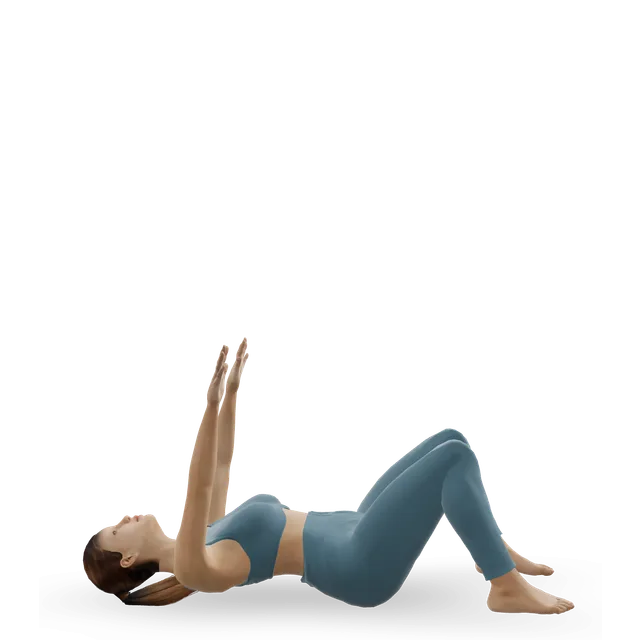
- Hundred (Pilates)100 beats (start with 50)Intermediate · Abs, Hip flexors, Shoulders · 3D demoPump the arms 5 times as you breathe in and 5 as you breathe out; knees in tabletop if your lower back liftsEasier: Wall hundred (wall Pilates)Harder: Boomerang (Pilates)
- Roll-up (Pilates)3 to 5 repsIntermediate · Abs, Hip flexors, Hamstrings · 3D demoOr the half roll backEasier: Half roll back (Pilates C-curve roll back)Harder: Neck pull (Pilates)
- Single-leg circle (Pilates one leg circle)3 to 5 each direction, each legBeginner · Abs, Hip flexors, Adductors · 3D demoBottom knee bent if your hamstrings are tightHarder: Corkscrew (Pilates)
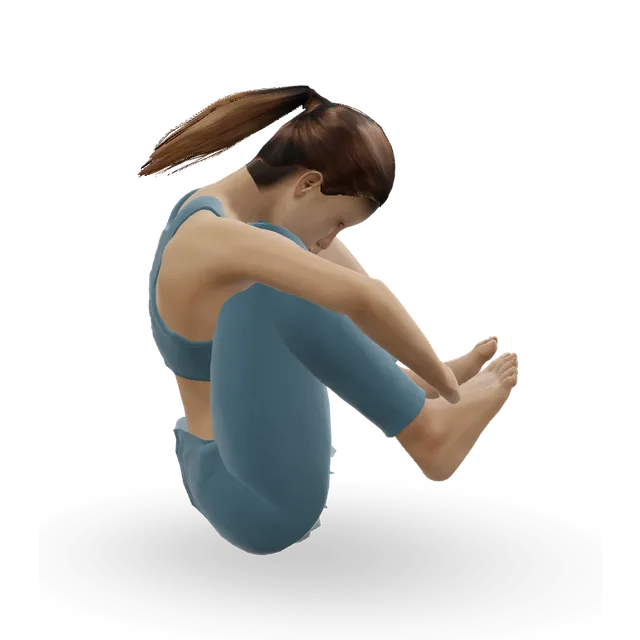
- Rolling like a ball (Pilates rolling back)5 to 10 repsIntermediate · Abs, Back, Hip flexors · 3D demoRoll to your shoulder blades, never onto your neck, on a padded matEasier: Lat foam rollingHarder: Seal (Pilates)
- Single-leg stretch (Pilates one leg stretch)5 to 10 each sideIntermediate · Abs, Hip flexors, Neck · 3D demoHead down if your neck tiresEasier: Chest lift (Pilates curl-up)Harder: Single straight-leg stretch (Pilates scissors)
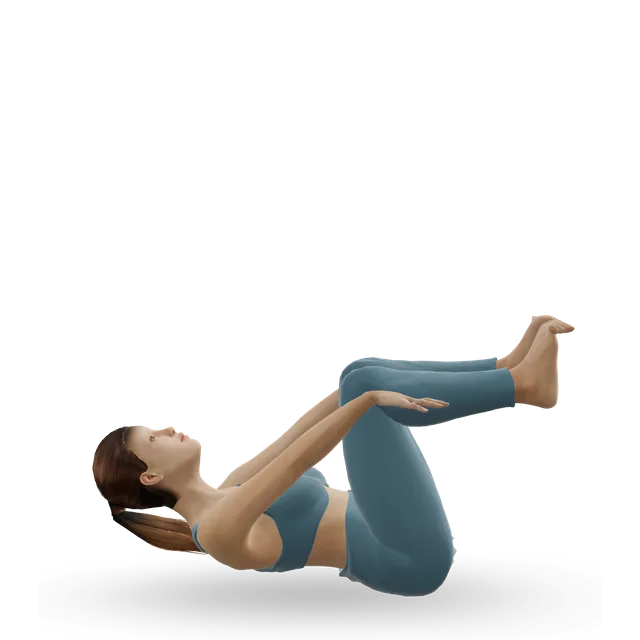
- Double-leg stretch (Pilates)5 to 10 repsIntermediate · Abs, Hip flexors, Shoulders · 3D demoReach your arms forward rather than overhead if your shoulders complainEasier: Chest lift (Pilates curl-up)Harder: Single straight-leg stretch (Pilates scissors)
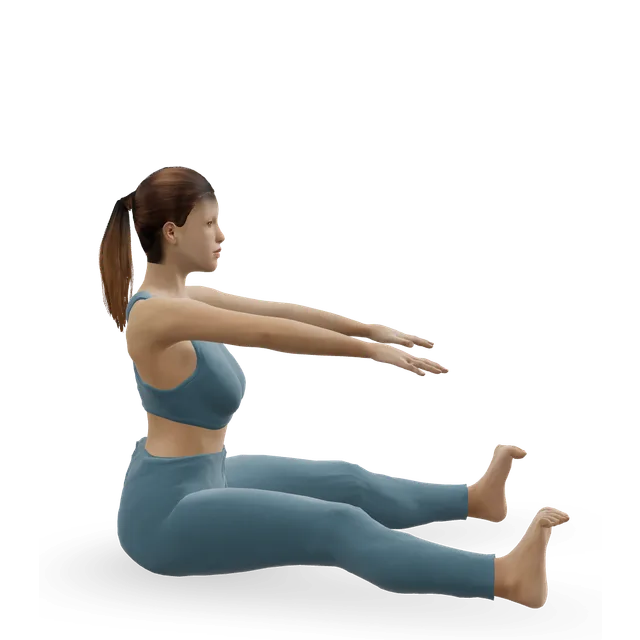
- Beginner · Back, Abs, Hamstrings · 3D demoSit on a folded towel if your back slumpsHarder: Saw (Pilates)



Tips
- The order and repetition ranges follow Pilatesology's classical basic order. Joseph Pilates' book gives similar low counts, as classical sources report it, and other classical schools start beginners on a slightly different set.
- Next step: add the intermediate moves in their places, as Pilatesology's intermediate order does. The straight-leg stretches and the criss-cross come after the double leg stretch, then the open leg rocker, corkscrew and saw, the leg kicks, the neck pull, the side kick series, the teaser and the seal. Or follow the full-body mat Pilates workout.
- With osteoporosis, most of this order rounds the spine, which a UK consensus advises modifying: use the over-50 beginner session instead, unless you already do these moves comfortably and smoothly. Leave out rolling like a ball either way, which the Royal Osteoporosis Society doesn't recommend with osteoporosis.
- Skip rolling like a ball with a neck problem or a sore tailbone, and never roll on a hard floor.
- Not for later pregnancy: the NHS advises avoiding activity that involves lying flat on your back for more than a few minutes.
The doses are suggested starting points, not a prescription. Choose a range you can control and stop for sharp or increasing pain, numbness or tingling. Get individual advice after an injury or surgery, or if you are pregnant or managing a health condition.
Guides that recommend it
Find more moves like these
More pilates



Beginner Pilates workout
A 20-minute mat Pilates workout for complete beginners. It covers breathing, spine position and the foundation moves, each with an easier option.
20 minBeginner13 movesNo equipment10-minute Pilates abs
Ten minutes of the classic Pilates abdominal series: the hundred, the roll-up and the series of five, with a plank to finish.
10 minIntermediate11 movesNo equipmentFull-body mat Pilates workout
A 30-minute intermediate mat Pilates class that follows the classical order, from the hundred to the push-up, with prep versions of the hardest moves.
30 minIntermediate22 movesNo equipmentQuestions people ask
How long does the classical pilates mat: the basic order take?
About 10 minutes, including any warm-up and cool-down listed. Shorten it by doing fewer rounds; lengthen it by adding one.
What equipment do I need?
No equipment: your body and some floor space. A mat makes floor work more comfortable.
Is it suitable for beginners?
It is written for beginners. 5 of its 7 moves have an easier option listed beside them if you need one.
How do I make it easier or harder?
Use the easier or harder option listed under each move, change the number of rounds, or adjust the rest. Progress one change at a time.