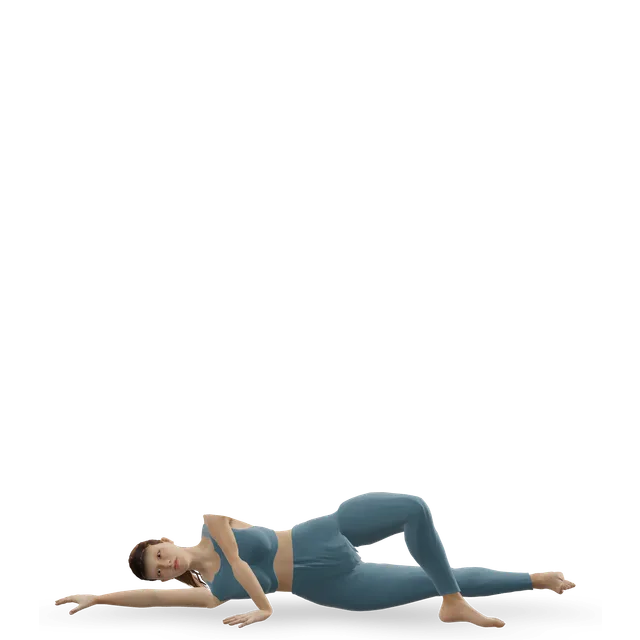
Pilates guide

The 34 classical Pilates mat exercises, in order

In 1945 Joseph Pilates set out 34 mat exercises in his book Return to Life Through Contrology, in a fixed order from the Hundred to the Push Up, each one preparing for the next. Classical teachers still teach them in that order, starting beginners on a short basic set and adding the rest as they progress.

We couldn't open the book itself, because library copies are borrow-only, so the names, order and repetitions here come from classical teaching sources that reproduce it. The basic, intermediate and advanced levels are one school's system, and other schools draw the lines differently. In that school's levels about half the moves are advanced, and with a neck problem, osteoporosis or later in pregnancy several need swapping.

This guide gives the full list with a 3D demo of each move, the levels, why the order is built as it is, the repetitions, easier versions and who should skip what, with a follow-along session of the basic order.

The short version

34 exercises, from a 1945 book

Joseph Pilates set out 34 mat exercises in Return to Life Through Contrology in 1945. We couldn't open the book, so the list comes from classical teaching sources that reproduce it, and they agree on the names and the order.

Sources 1, 2, 3, 4, 5

The order is part of the method

Teaching sources say he designed them so that each one prepares for the next. One classical teacher reads the sequence as warming and curling moves first, then twisting and back extension, then side work, supported work and rolling, ending with the Push Up.

Sources 2, 3, 6

Levels depend on the school

In one classical school's system, 7 are basic, 9 more join at intermediate and 18 are advanced. A basic class from another classical lineage teaches more, including the corkscrew, the saw and a teaser with help.

Sources 4, 7

Low repetitions

As classical sources report the book, most exercises are done 3 to 6 times, the one- and double-leg stretches 5 to 12 times, and the Hundred is 100 beats. A classical saying sums it up: "It is not how many, but how."

Sources 4, 8, 9

Several need swapping for some people

Seven put weight toward the neck, so skip them with a neck problem. Many round the spine repeatedly or deeply, which a UK consensus advises modifying for osteoporosis. Later in pregnancy, the NHS advises avoiding lying flat on your back for more than a few minutes.

Sources 2, 10, 11, 12

Tested as programmes, not one by one

Trials test whole Pilates programmes, and lab studies measure how hard muscles work during single moves, but no trial has tested what one classical exercise does over weeks of training. Our Pilates benefits guide covers what programmes do.

Sources 13, 14, 15

Where the list comes from

The book

Joseph Pilates published Your Health in 1934 and Return to Life Through Contrology in 1945, and called his method Contrology. After the right to trademark the name Pilates was lost in court, no single body decides what Pilates is, and practice has varied widely since.

Sources 1, 16, 9

Why we couldn't open it

Every copy we found on the Internet Archive, including a 2012 reprint by the Pilates Method Alliance, is borrow-only, so we couldn't read the text. The names, order and repetitions on this page come from a classical school's table of the book, its spoken walk-through of the 1945 sequence, and two teaching sites' lists.

Sources 5, 4, 8, 2, 3

Where the sources differ

They agree on the order. They differ on details we can't settle without the book: the third exercise is the Roll Over in one and the Roll-Over with Legs Spread in another, and one gives Swimming 20 counts while the walk-through says the book gives no number.

Sources 4, 8

Book names and today's names

Some exercises go by other names now:

  • The One Leg Circle: single leg circles.
  • Rolling Back: rolling like a ball.
  • The One Leg Stretch: the single leg stretch.
  • The Spine Stretch: the spine stretch forward.
  • Rocker with Open Legs: the open leg rocker.
  • The Swan-Dive: the swan, and the swan dive.
  • The Scissors and The Bicycle: the high scissors and the high bicycle.
  • The Hip Twist with Stretched Arms: the hip twist, or hip circles.
  • The Leg Pull: the leg pull back.
  • The Side Kick Kneeling: the kneeling side kick.

Sources 4, 2, 3

The 34, in the 1945 order

In the order classical sources give for the 1945 book. Each move's page shows what it trains, a starting dose, its easier versions and who should skip it.

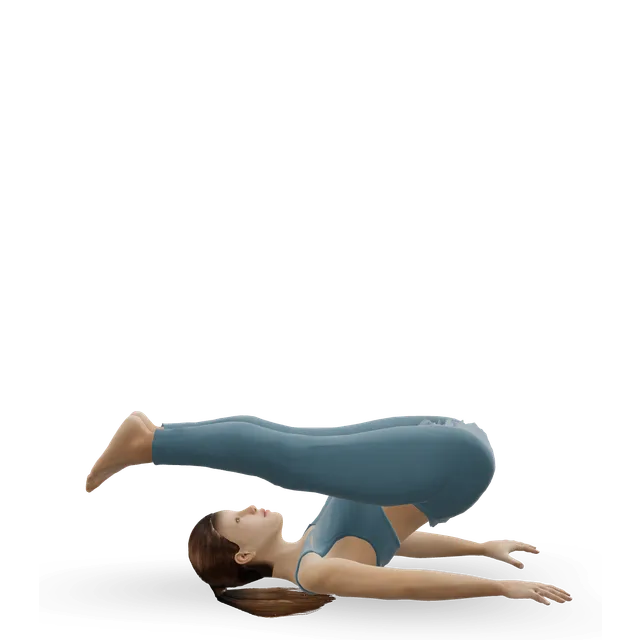
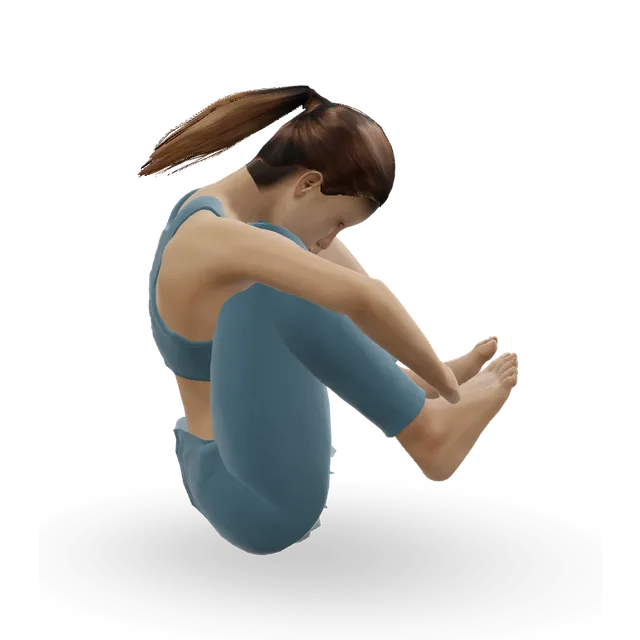
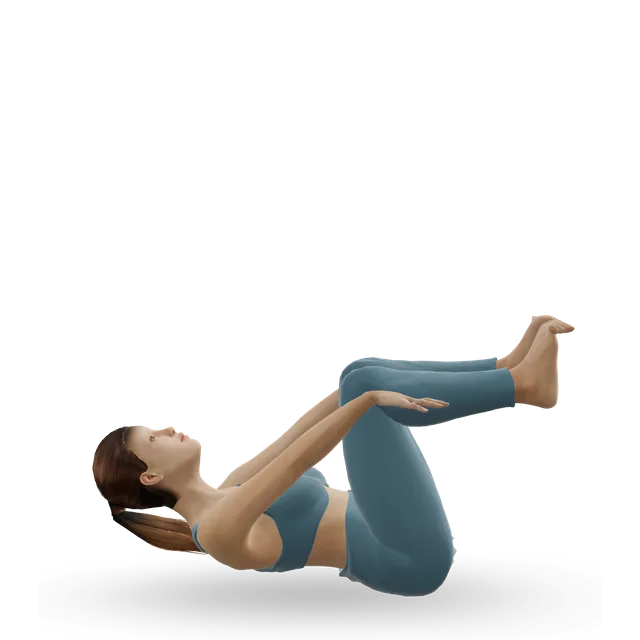
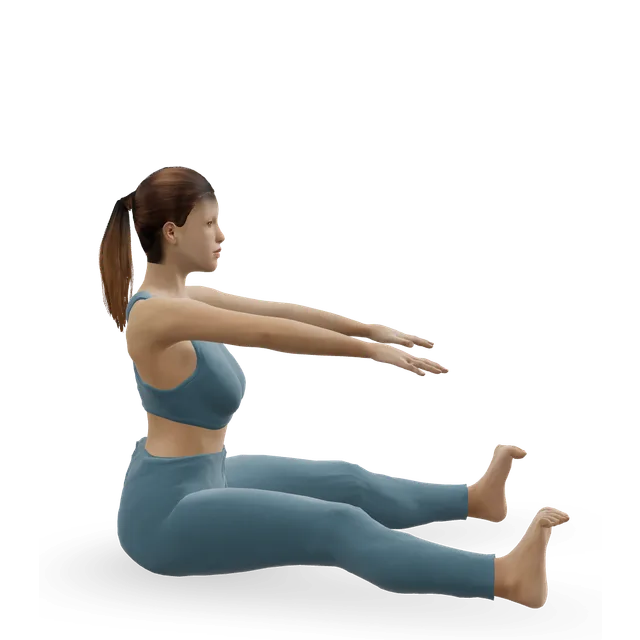
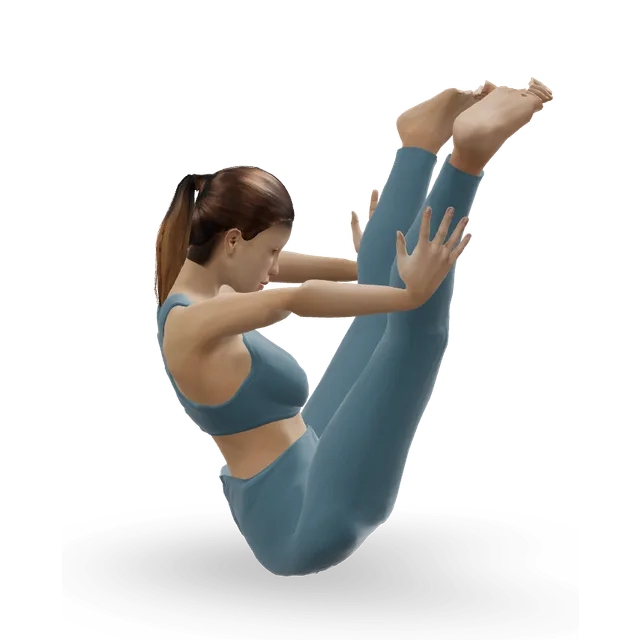
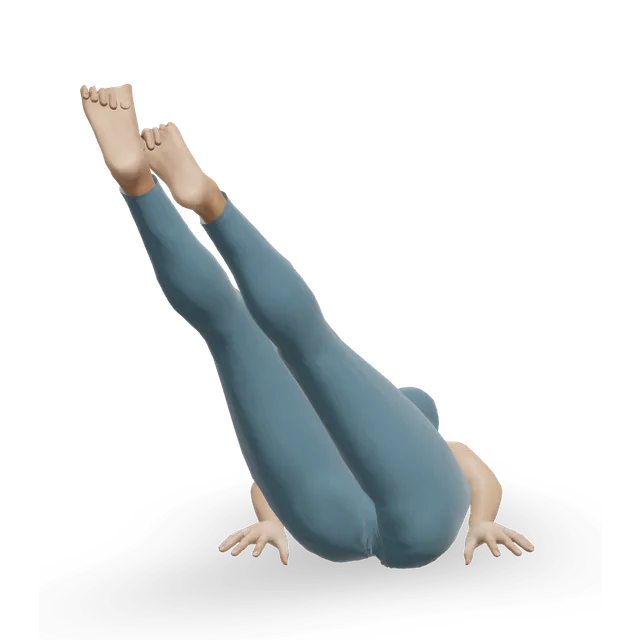
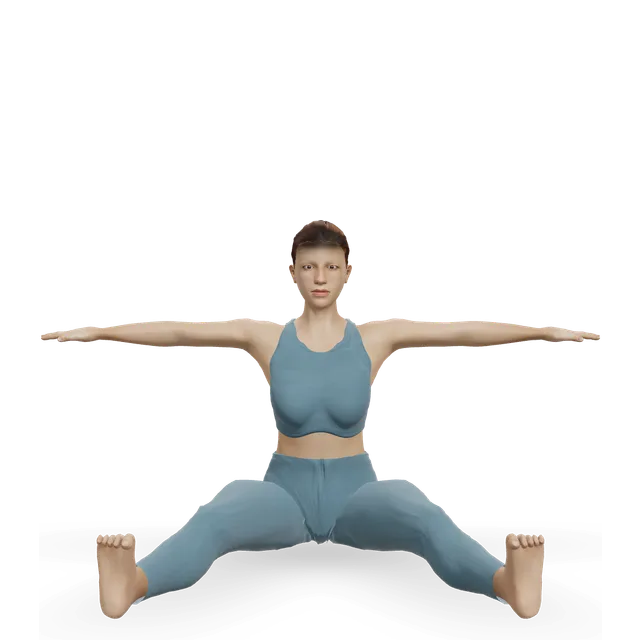
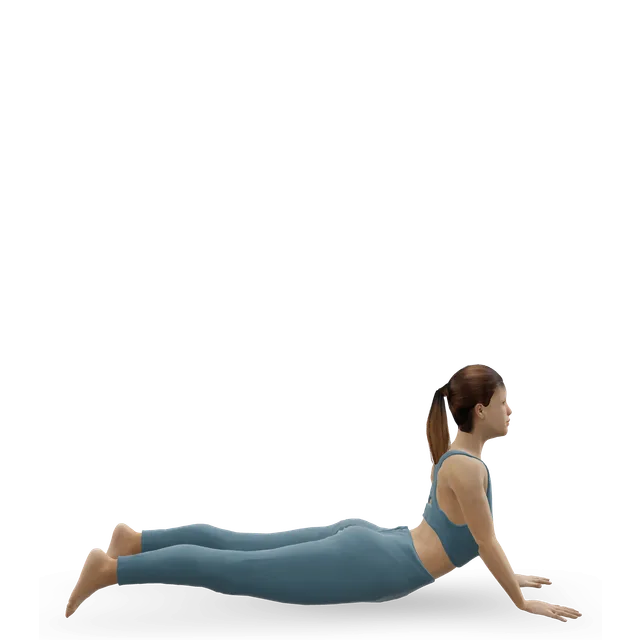
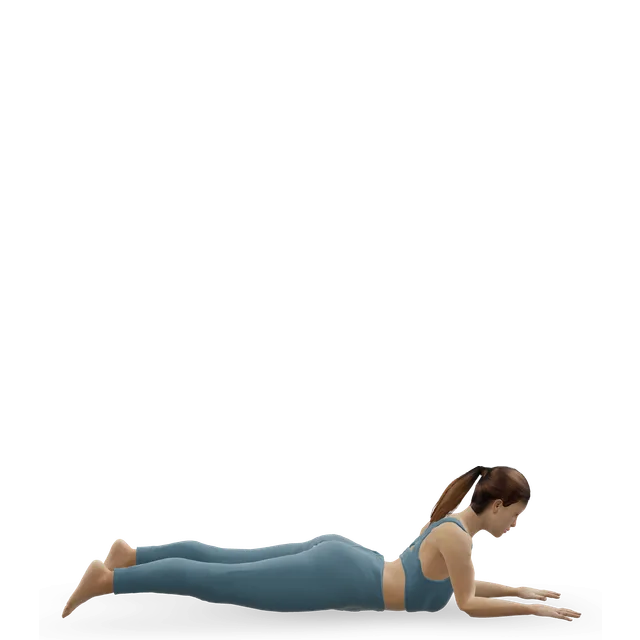
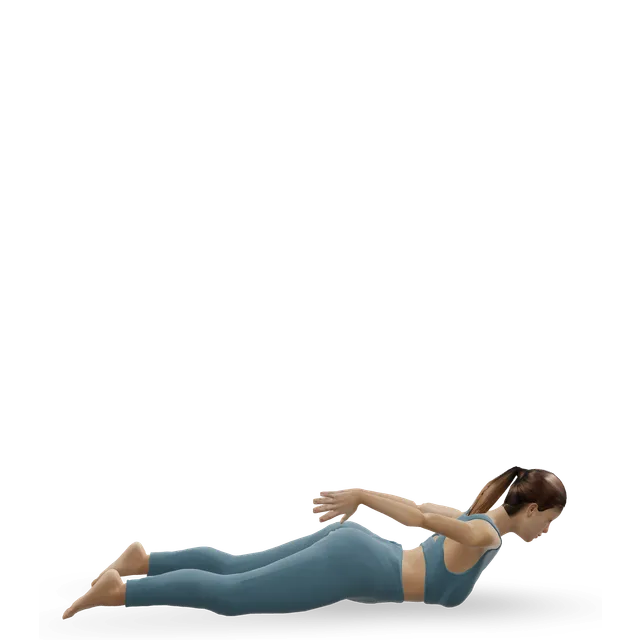
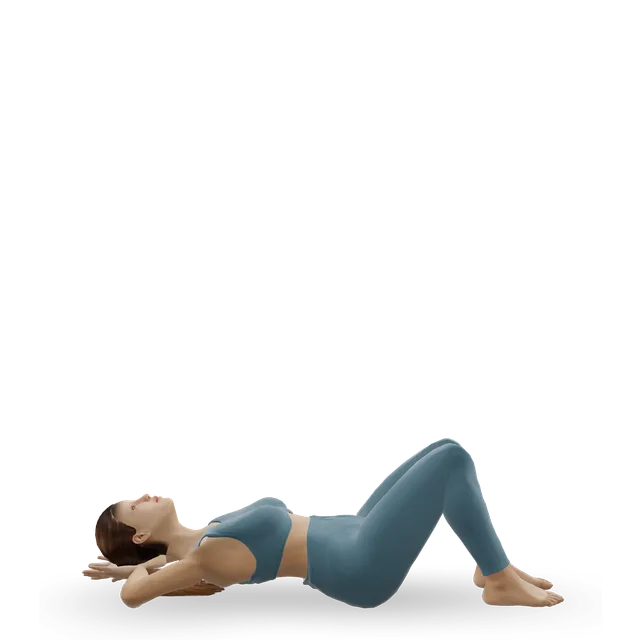
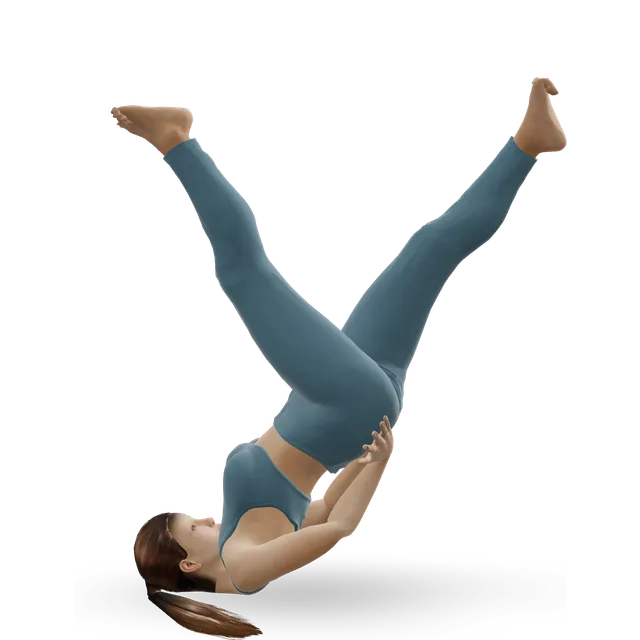
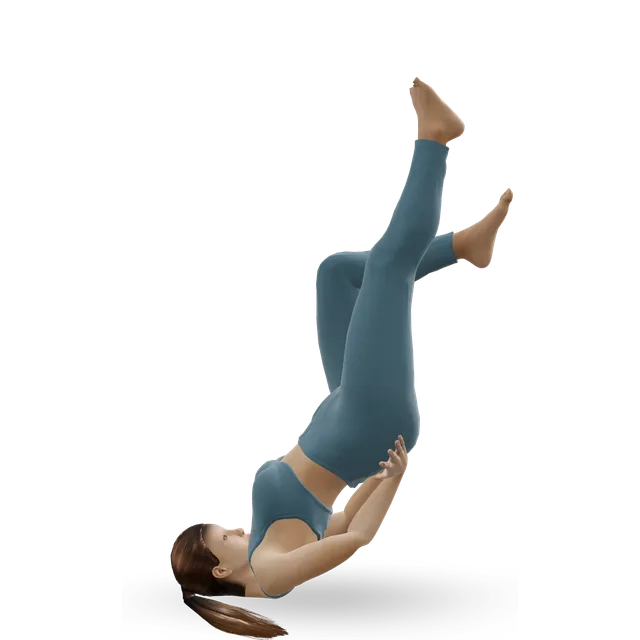
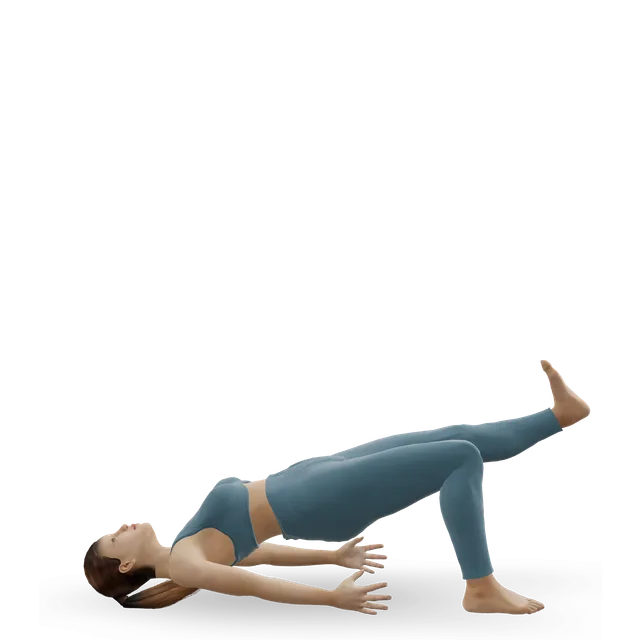
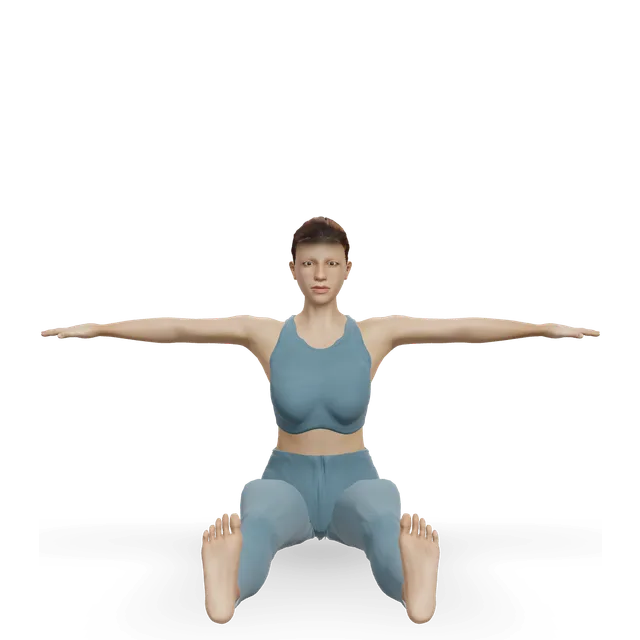
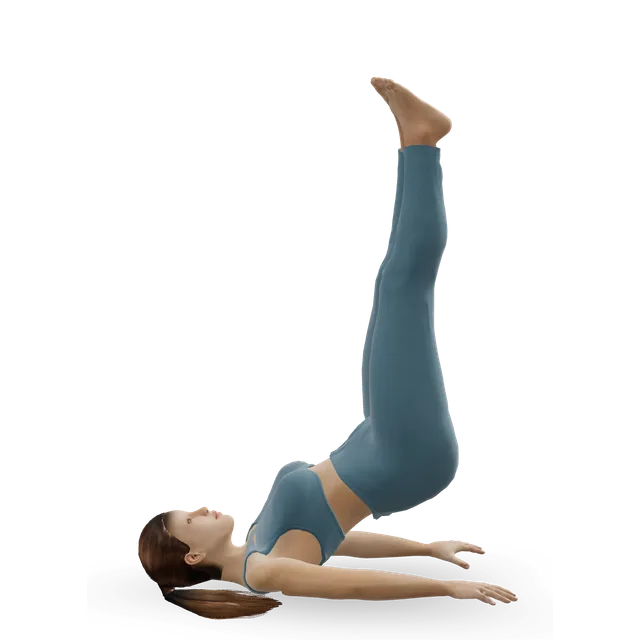
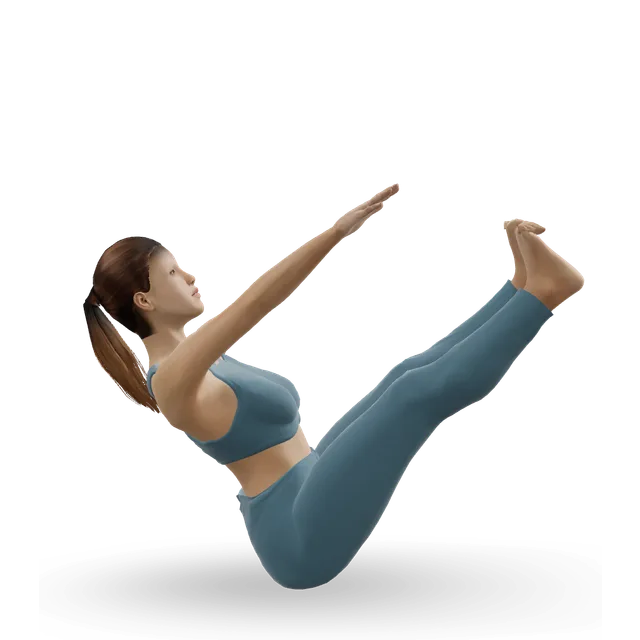
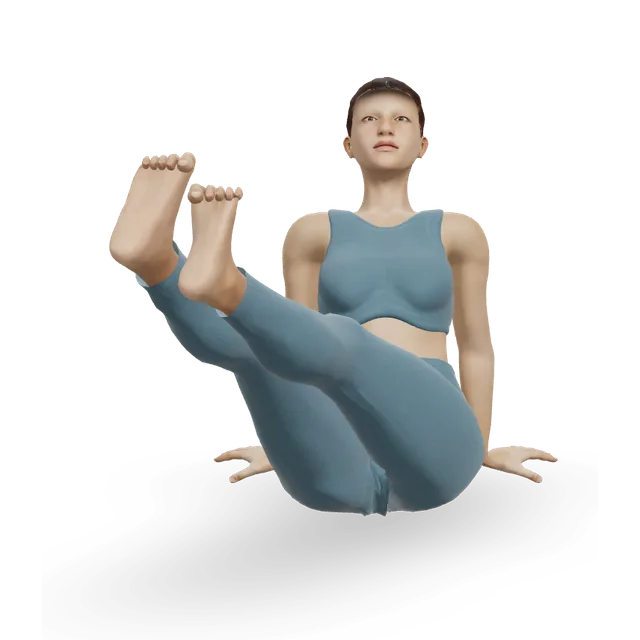
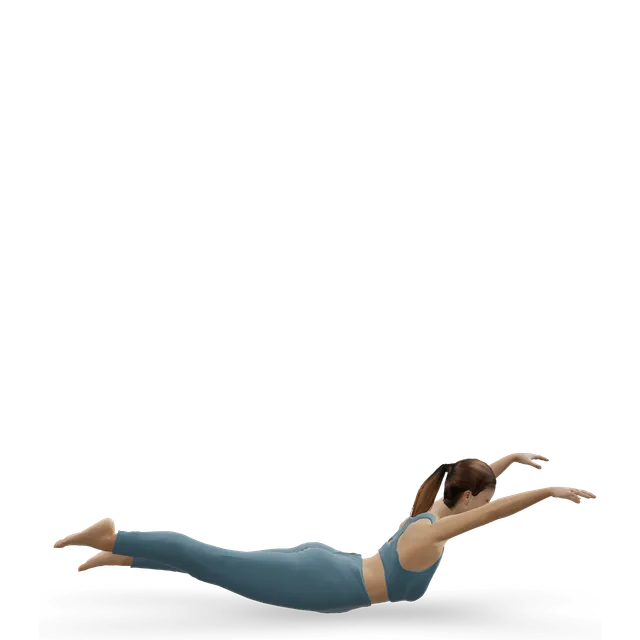
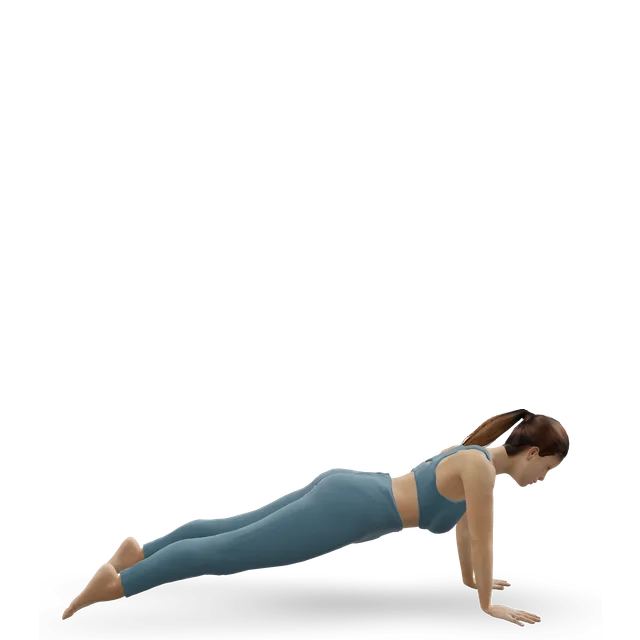
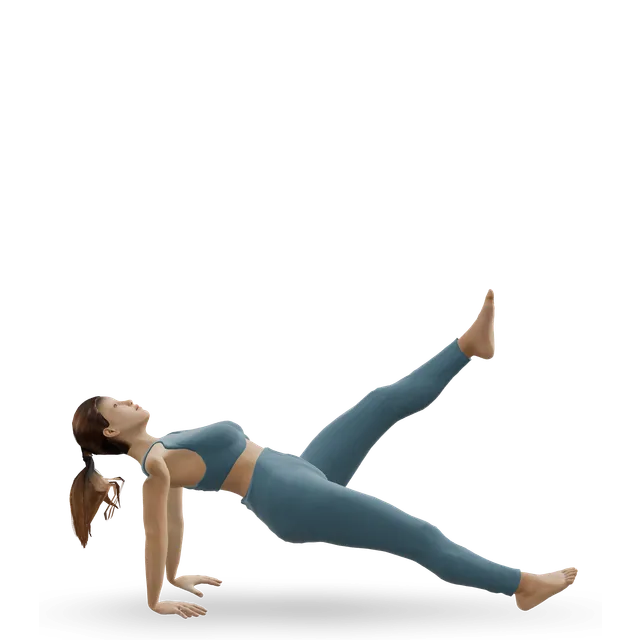
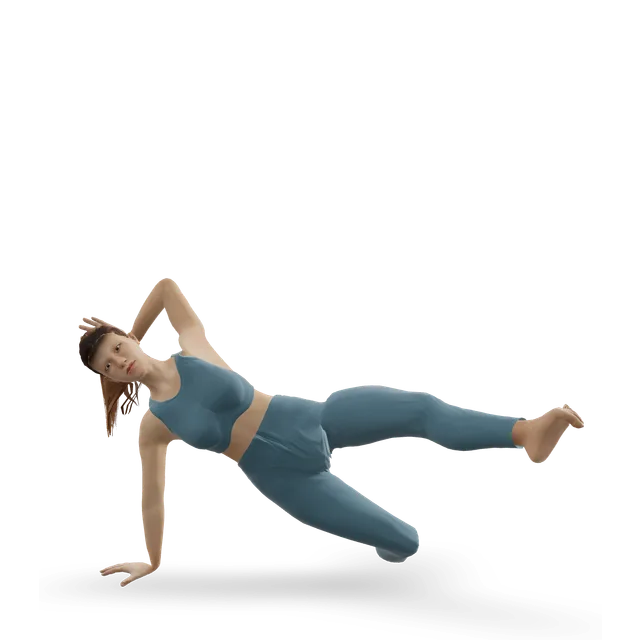
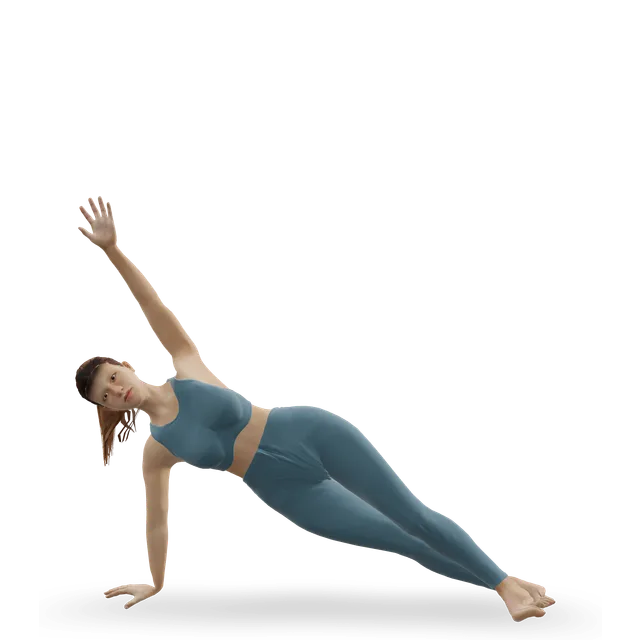
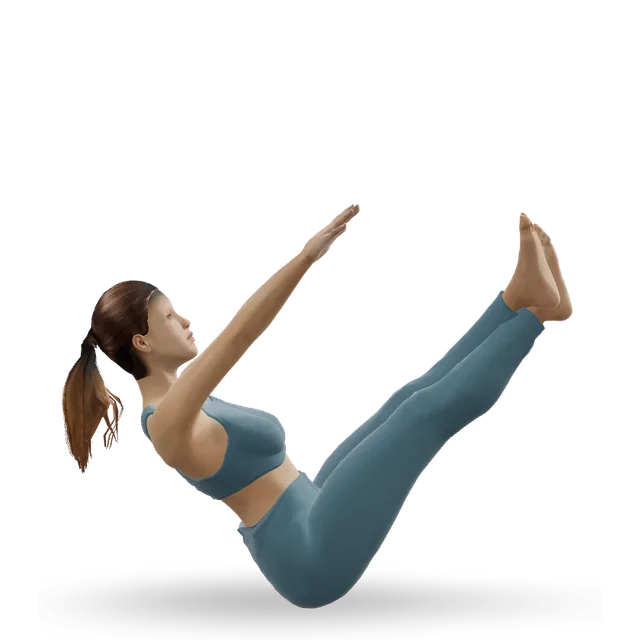
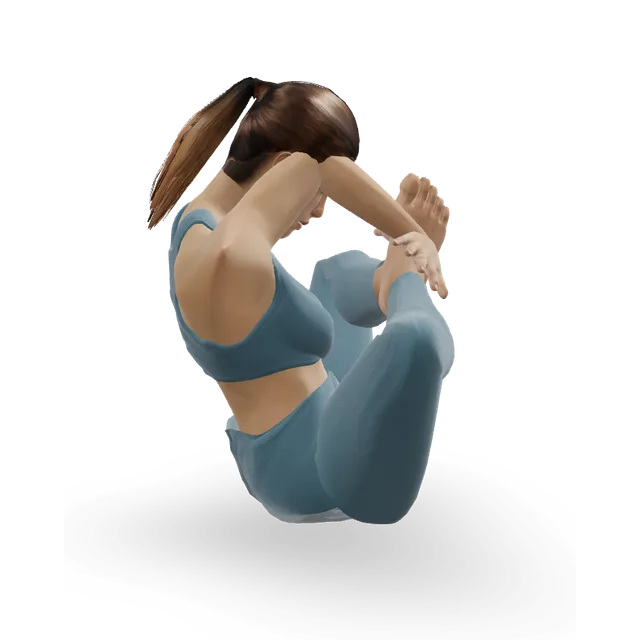
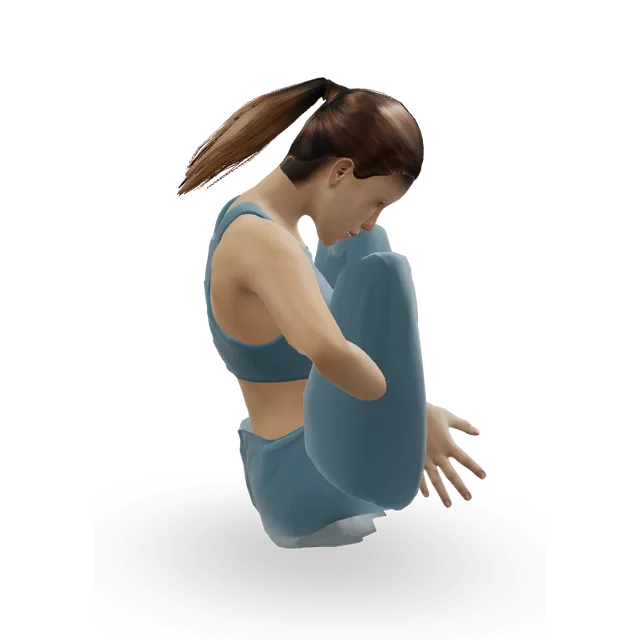
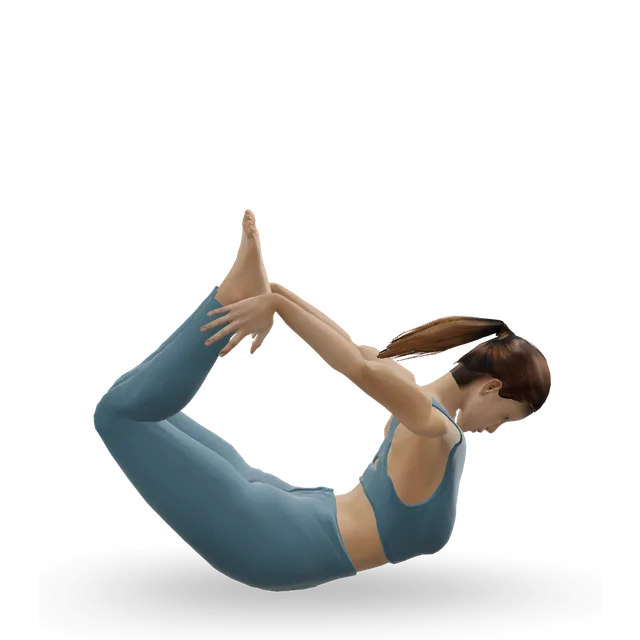
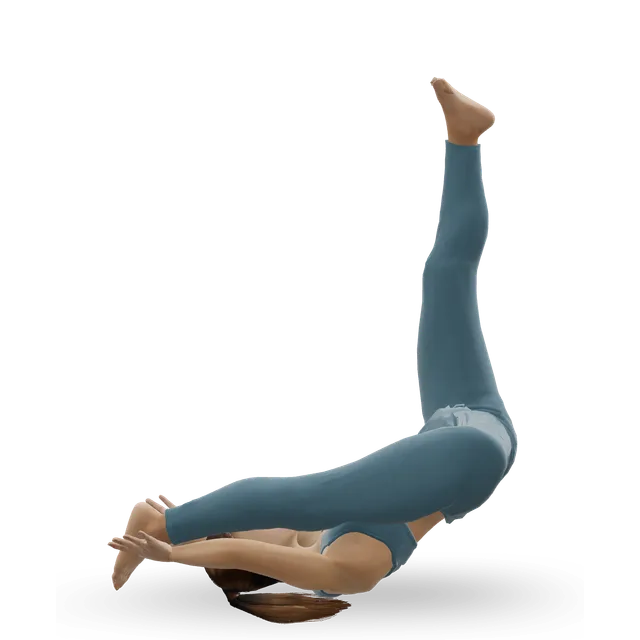
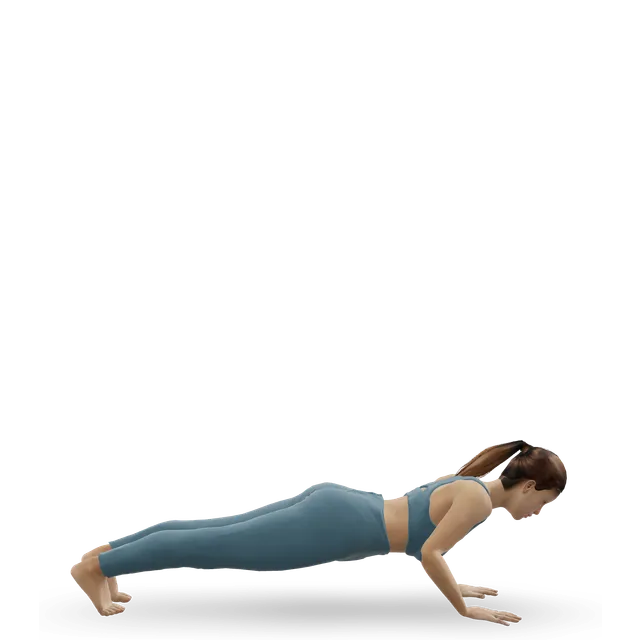
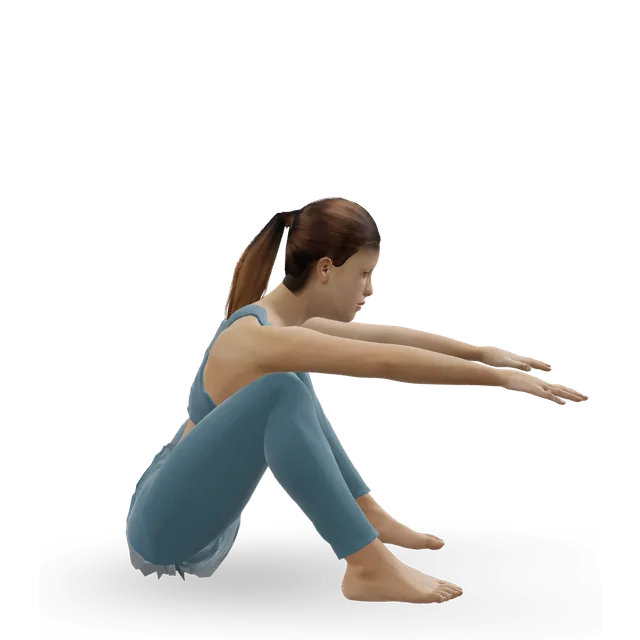
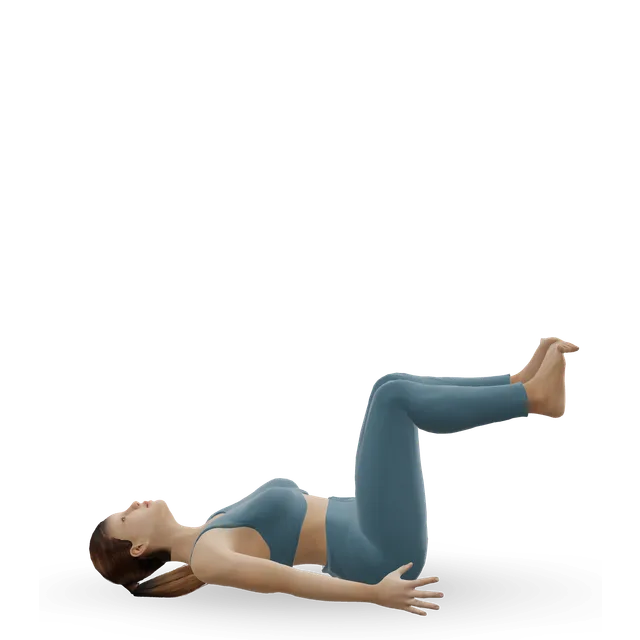
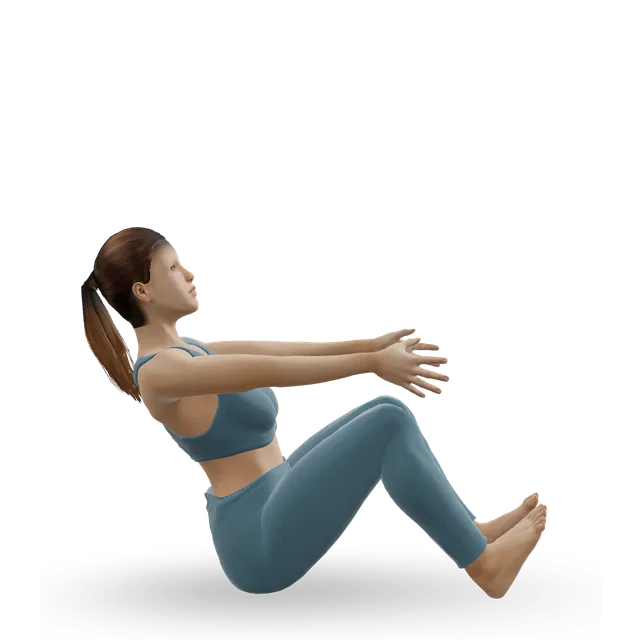
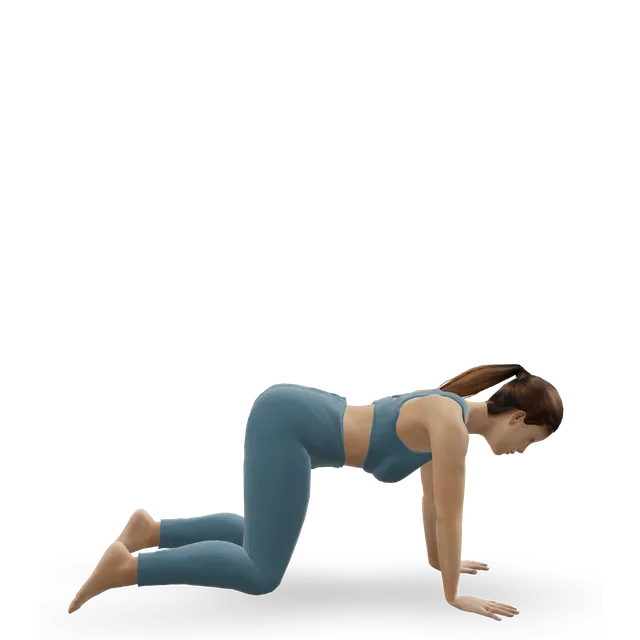
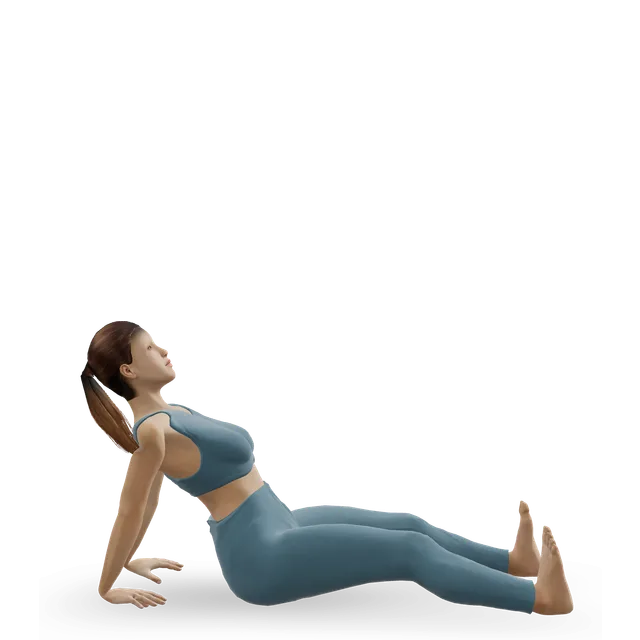
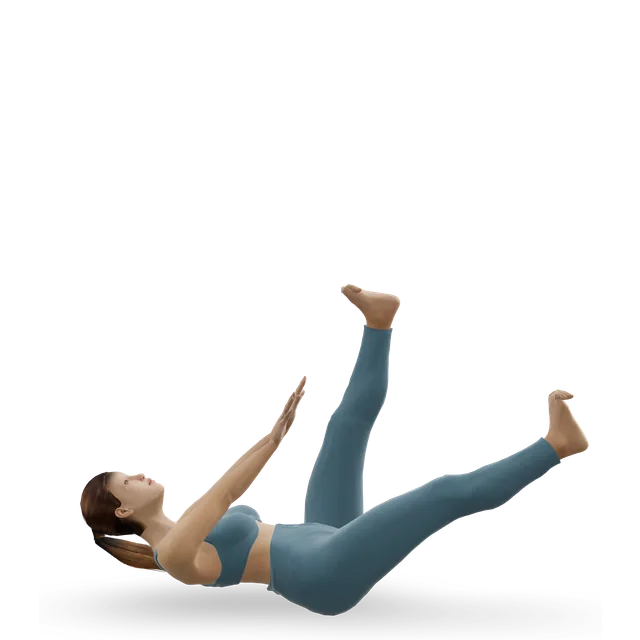
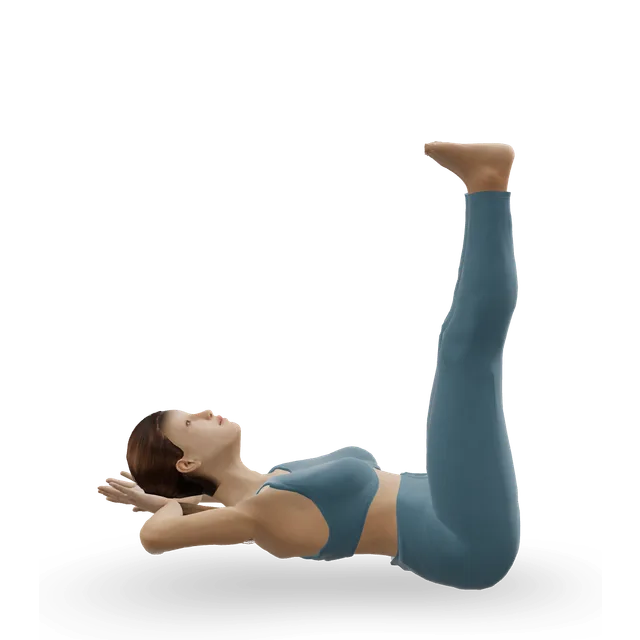
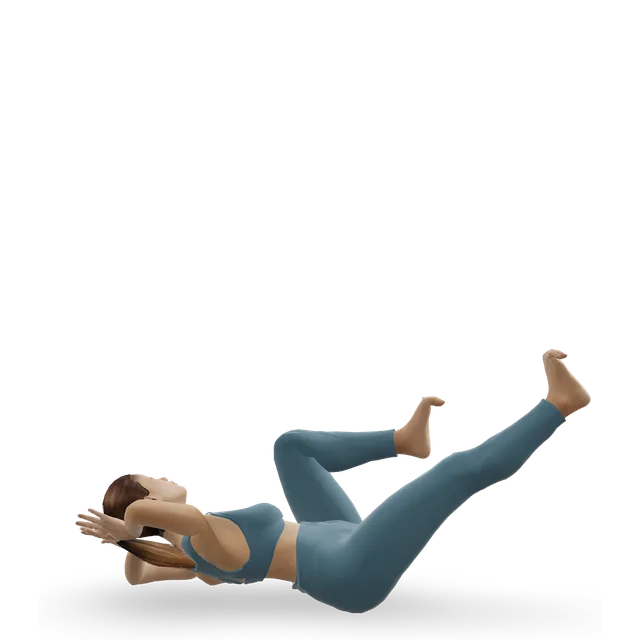
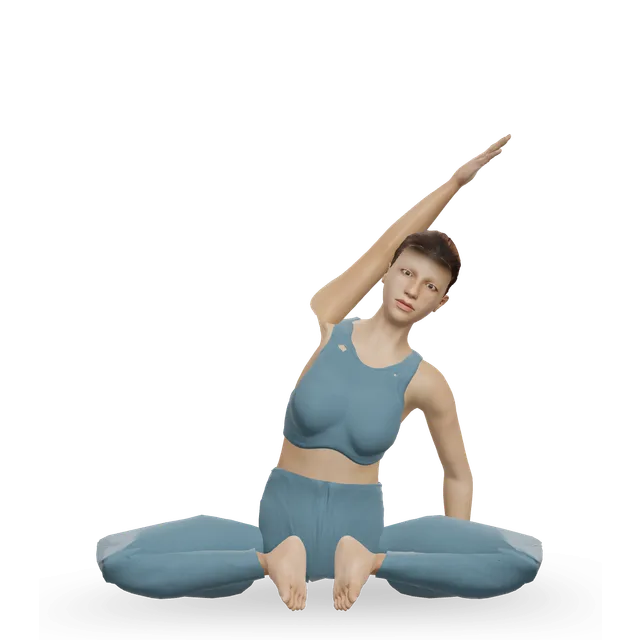
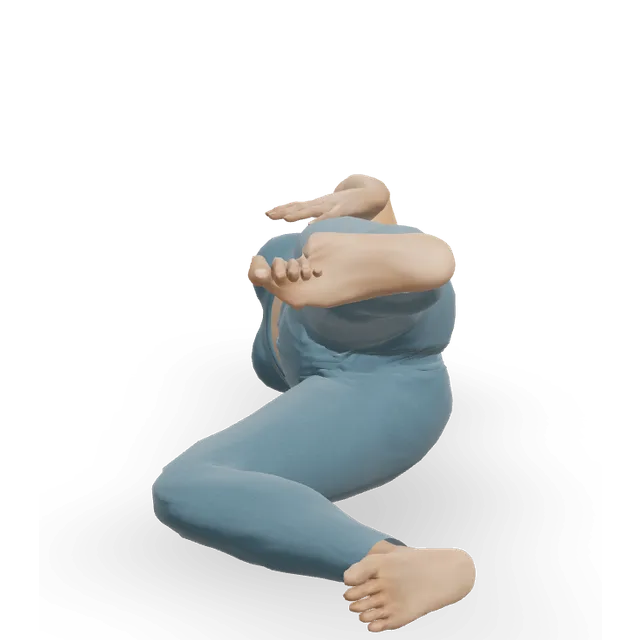
Hundred (Pilates) demonstrated on the 3D figure3D demoHundred (Pilates)Intermediate · No equipmentRoll-up (Pilates) demonstrated on the 3D figure3D demoRoll-up (Pilates)Intermediate · No equipmentRoll-over (Pilates roll-over with legs spread) demonstrated on the 3D figure3D demoRoll-over (Pilates roll-over with legs spread)Advanced · No equipmentSingle-leg circle (Pilates one leg circle) demonstrated on the 3D figure3D demoSingle-leg circle (Pilates one leg circle)Beginner · No equipmentRolling like a ball (Pilates rolling back) demonstrated on the 3D figure3D demoRolling like a ball (Pilates rolling back)Intermediate · No equipmentSingle-leg stretch (Pilates one leg stretch) demonstrated on the 3D figure3D demoSingle-leg stretch (Pilates one leg stretch)Intermediate · No equipmentDouble-leg stretch (Pilates) demonstrated on the 3D figure3D demoDouble-leg stretch (Pilates)Intermediate · No equipmentSpine stretch forward (Pilates spine stretch) demonstrated on the 3D figure3D demoSpine stretch forward (Pilates spine stretch)Beginner · No equipmentOpen-leg rocker (Pilates rocker with open legs) demonstrated on the 3D figure3D demoOpen-leg rocker (Pilates rocker with open legs)Advanced · No equipmentCorkscrew (Pilates) demonstrated on the 3D figure3D demoCorkscrew (Pilates)Advanced · No equipmentSaw (Pilates) demonstrated on the 3D figure3D demoSaw (Pilates)Intermediate · No equipmentSwan (Pilates swan dive) demonstrated on the 3D figure3D demoSwan (Pilates swan dive)Intermediate · No equipmentSingle-leg kick (Pilates one leg kick) demonstrated on the 3D figure3D demoSingle-leg kick (Pilates one leg kick)Beginner · No equipmentDouble-leg kick (Pilates double kick) demonstrated on the 3D figure3D demoDouble-leg kick (Pilates double kick)Intermediate · No equipmentNeck pull (Pilates) demonstrated on the 3D figure3D demoNeck pull (Pilates)Advanced · No equipmentHigh scissors (Pilates scissors) demonstrated on the 3D figure3D demoHigh scissors (Pilates scissors)Advanced · No equipmentHigh bicycle (Pilates bicycle) demonstrated on the 3D figure3D demoHigh bicycle (Pilates bicycle)Advanced · No equipmentShoulder bridge (Pilates) demonstrated on the 3D figure3D demoShoulder bridge (Pilates)Intermediate · No equipmentSpine twist (Pilates) demonstrated on the 3D figure3D demoSpine twist (Pilates)Beginner · No equipmentJack knife (Pilates) demonstrated on the 3D figure3D demoJack knife (Pilates)Advanced · No equipmentSide kick (Pilates side kick series) demonstrated on the 3D figure3D demoSide kick (Pilates side kick series)Beginner · No equipmentTeaser (Pilates) demonstrated on the 3D figure3D demoTeaser (Pilates)Advanced · No equipmentHip twist (Pilates hip twist with stretched arms) demonstrated on the 3D figure3D demoHip twist (Pilates hip twist with stretched arms)Advanced · No equipmentSwimming (Pilates) demonstrated on the 3D figure3D demoSwimming (Pilates)Intermediate · No equipmentLeg pull front (Pilates leg pull down) demonstrated on the 3D figure3D demoLeg pull front (Pilates leg pull down)Advanced · No equipmentLeg pull back (Pilates leg pull up) demonstrated on the 3D figure3D demoLeg pull back (Pilates leg pull up)Advanced · No equipmentKneeling side kick (Pilates side kick kneeling) demonstrated on the 3D figure3D demoKneeling side kick (Pilates side kick kneeling)Advanced · No equipmentSide bend (Pilates) demonstrated on the 3D figure3D demoSide bend (Pilates)Advanced · No equipmentBoomerang (Pilates) demonstrated on the 3D figure3D demoBoomerang (Pilates)Advanced · No equipmentSeal (Pilates) demonstrated on the 3D figure3D demoSeal (Pilates)Intermediate · No equipmentCrab (Pilates) demonstrated on the 3D figure3D demoCrab (Pilates)Advanced · No equipmentRocking (Pilates) demonstrated on the 3D figure3D demoRocking (Pilates)Advanced · No equipmentControl balance (Pilates) demonstrated on the 3D figure3D demoControl balance (Pilates)Advanced · No equipmentPush-up (Pilates) demonstrated on the 3D figure3D demoPush-up (Pilates)Intermediate · No equipment

Levels: one school's system, and how others differ

Classical levels describe where a move sits in a whole class you build up to; our easy, medium and hard ratings describe the single move.

Basic: 7 exercises

In the system of the classical teaching platform Pilatesology, beginners learn these first, with these ranges:

  • The Hundred: 100 pumps of the arms.
  • Roll Up: 3 to 5.
  • Single Leg Circles: 3 to 5.
  • Rolling Like a Ball: 5 to 10.
  • Single Leg Stretch: 5 to 10 sets.
  • Double Leg Stretch: 5 to 10.
  • Spine Stretch Forward: 3 to 5.

Source 4

Intermediate: 9 more

The intermediate order adds these from the 34, with modern moves in between (the straight-leg stretches, the criss-cross and a neck roll):

  • Open Leg Rocker.
  • Corkscrew, with the hips staying down.
  • Saw.
  • Single Leg Kick.
  • Double Leg Kick.
  • Neck Pull.
  • Side Kick series: front and back, up and down, small circles.
  • Teaser 1.
  • Seal.

Source 4

Advanced: the other 18

Everything else. Some of these are easy or medium as single moves in our ratings, such as the spine twist and swimming:

  • Roll Over.
  • Swan Dive.
  • Scissors and Bicycle.
  • Shoulder Bridge.
  • Spine Twist.
  • Jack Knife.
  • Hip Twist.
  • Swimming.
  • Leg Pull Front and Leg Pull.
  • Kneeling Side Kick and Side Bend.
  • Boomerang and Crab.
  • Rocking.
  • Control Balance.
  • Push Up.

Source 4

Other schools draw the lines differently

A basic mat class from the Romana's Pilates lineage teaches the Hundred, a roll-back, leg circles, a modified rolling like a ball, all five moves of the series of five, the spine stretch, the corkscrew, the saw and a teaser with help. Contemporary schools such as STOTT PILATES grade matwork as Essential, Intermediate and Advanced, and teach imprint and head-down versions. A trial in healthy adults used an essential mat routine of about 25 exercises.

Sources 7, 17, 18

Why the order is built as it is

Each one prepares the next

A teaching site says Joseph Pilates "designed them in this order with one facilitating the next", and another that he was "adamant" they be done in the exact order.

Sources 2, 3

One classical teacher's reading

One teacher reads the sequence like this. It is an interpretation, not the founder's words:

  • The Hundred warms you up: "It gets the blood and the air moving."
  • The roll-up, roll-over and leg circles are the first stretches.
  • Rolling like a ball is "a nice massage" between harder moves.
  • The leg stretches strengthen the trunk, and the spine stretch and open leg rocker lengthen the back.
  • The corkscrew and saw add rotation and "prepare the back of the body" for the extension moves: the swan dive and the leg kicks.
  • The neck pull is "a counter stretch after the extension exercises", and the scissors, bicycle and shoulder bridge stretch the front of the body.
  • The spine twist and jack knife lead into the side kicks; then come the teaser, hip twist, swimming, leg pulls and side work, the rolling moves, and the Push Up to finish.

Source 6

In short

Curling first, then back extension to balance it, then side work and supported work, with rolling moves as transitions (our summary). The full-body mat Pilates workout follows the same pattern.

Repetitions and tempo

The book's counts, as classical sources report them

Most are low. These are the counts in a classical school's table of the book, which we couldn't check against the book itself:

  • 100 beats: the Hundred, pumping the arms 5 times as you breathe in and 5 as you breathe out.
  • 3: the Roll Up, Spine Stretch, Neck Pull, Jack Knife, Teaser and Push Up.
  • 3 sets: the Corkscrew, Saw, Shoulder Bridge, Spine Twist, Hip Twist, Leg Pull Front and Leg Pull.
  • 3 each side: the Side Kick and Side Bend; 4 each side: the Kneeling Side Kick.
  • 5: the Double Kick and Rocking; 5 sets: the Roll Over and Bicycle.
  • 5 each way, each leg: the One Leg Circle.
  • 5 to 12: the One Leg Stretch and Double Leg Stretch.
  • 6: Rolling Back, Rocker with Open Legs, the Swan-Dive, Boomerang, Seal, Crab and Control Balance; 6 sets: the One Leg Kick and Scissors.
  • Swimming: 20 in the school's table, while its walk-through says the book gives no number.

Sources 4, 8

Tempo and breath

The book's tempo isn't available to us. The walk-through ties counts to the breath: in for 5 beats and out for 5 in the Hundred, and "Exhale, one, two, three, and roll slowly" in the roll-up. A classical saying quoted in a 2004 review: "It is not how many, but how."

Sources 8, 9

Our starting doses

Each move's page gives a starting dose, often lower than the classical count, such as 50 beats of the Hundred building to 100. The classical counts are where classical teachers aim.

What the evidence says

Programmes built from these moves helpEmerging evidence

Across 9 trials in healthy people, Pilates programmes of 2 to 3 sessions a week for 5 to 12 weeks improved abdominal endurance compared with no exercise. A 12-week trial in healthy adults used an essential mat routine and also found better hamstring flexibility. Our Pilates benefits guide covers back pain, balance and the rest.

Sources 13, 18

Classical mat work in a trialEmerging evidence

In a 12-week trial of young male runners, the Pilates group worked twice a week through the pre-Pilates, basic mat and intermediate mat levels of a Pilates Method Alliance manual. It is one small trial, and no trial has tested the full advanced sequence.

Source 19

Single moves in the labMixed evidence

Ultrasound showed the deepest abdominal muscle working during the Hundred, leg circles and the roll-up, and some Pilates moves made the upper abs work harder than crunches. These show effort in one session, not results over weeks, and no trial has tested a single classical exercise on its own.

Sources 14, 15

Who should skip or swap what

Neck problemsMixed evidence

Skip the moves that put weight toward your neck: the roll-over, jack knife, control balance, boomerang, crab, scissors and bicycle, and the hips-over version of the corkscrew. A Pilates teacher advises against putting weight over the neck in the roll-over with a cervical spine condition, and a teaching site advises avoiding the jack knife, boomerang and crab with neck or spine injuries. Use head-down versions of the Hundred and the leg stretches. This is teachers' advice; no trial has tested it.

Sources 2, 10

OsteoporosisStrong evidence

A UK consensus says "movements or exercise that involve sustained, repeated or end-range flexion should be modified or avoided" and, as a precaution, suggests alternatives to the Pilates roll-down and curl-up. That covers most of the rolling and deep-rounding moves: the roll-up, roll-over, neck pull, teaser, rolling like a ball, open leg rocker, seal, crab, boomerang, jack knife, control balance, spine stretch and saw, and the roll-down in the Push Up. People who are experienced and move comfortably and smoothly can continue.

Twisting "should be safe if performed smoothly and comfortably", and the consensus recommends strengthening the back muscles for posture, so the swan, in a small range, suits most people.

Source 11

How strong the osteoporosis evidence isMixed evidence

Thin. In 59 women with spinal osteoporosis, new spinal fractures followed in 89% of the flexion group against 16% of the extension group, but the groups weren't described as randomised and only 9 women were in the flexion group. A case series described fractures or new pain in 3 people with low bone density after yoga forward bends. The consensus finds little evidence of harm from exercise overall, which is why its advice is a precaution.

Sources 20, 21, 11

Later pregnancy

The NHS advises avoiding activity that involves lying flat on your back for more than a few minutes in later pregnancy. Skip the rolling and upside-down moves too, as each move's page advises; our Pilates in pregnancy guide has the detail.

Source 12

Backs, knees, wrists and shouldersMixed evidence

A teaching site says the teaser is "Not recommended for those with lower back injuries", and to avoid rocking with back or knee injuries. With knee problems, skip the kneeling side kick and pad any kneeling. With sore wrists or shoulders, use fists or forearms in the leg pull front, and skip the leg pull back, side bend and hip twist if they hurt. If arching hurts your back, keep the swan, kicks and swimming small, or skip them.

Source 2

Earn the advanced movesEmerging evidence

Teachers set moves to master first: "You should be able to execute the Roll Over prior to attempting the Jack Knife". Practise the teaser and roll-over before the boomerang, the corkscrew before the hip twist, and the swan before the swan dive. In our view, many people never need the advanced upside-down moves to get the benefits of Pilates.

Source 2

Easier versions of the hardest moves

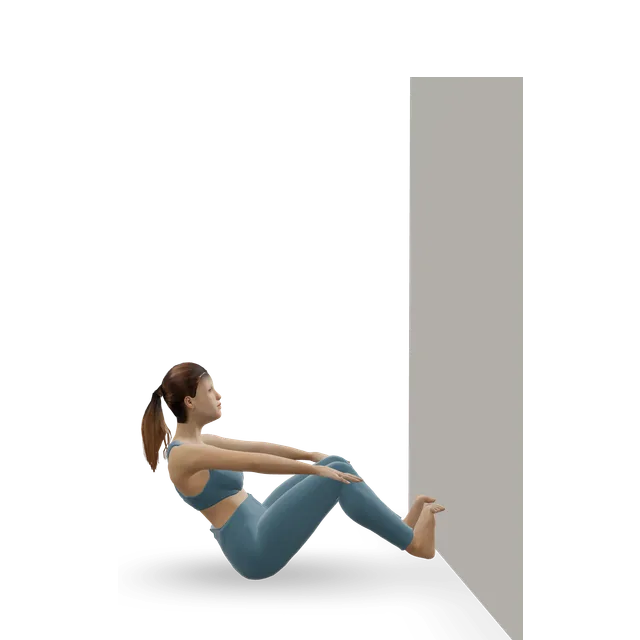
The half roll back and wall roll-up lead to the roll-up; the reverse crunch to the roll-over; boat pose to the open leg rocker and teaser; the sphinx to the swan; the bird dog to swimming; the knee hover and straight-arm plank to the leg pull front; upward plank to the leg pull back; the knee side plank to the side bend; the single-leg bridge to the shoulder bridge; and knee push-ups to the Push Up.

Not in the 1945 list: later additions

The single and double straight-leg stretches and the criss-cross join the two leg stretches to make the series of five; one teacher credits Romana Kryzanowska with the three later ones. Today's classical orders also add the mermaid and extra side kick variations, such as circles and inner thigh lifts.

Follow along

The basic-order session follows one classical school's order and repetition ranges. The full-body class follows the classical pattern with easier versions of the hardest moves, and the 10-minute abs is the abdominal block.

Warning signs

Stop the move

Stop straight away if a move hurts or you feel unwell, and get advice from NHS 111 if symptoms worry you or don't go away (in the US, your doctor or urgent care). Tingling, numbness or pain spreading into an arm during the rolling or upside-down moves is a reason to stop them and get checked.

Source 22

Call 999 (911 in the US)

For chest pain that feels tight or like squeezing, or spreads to your arms, neck or jaw; severe difficulty breathing; or if someone passes out and isn't responding normally.

Source 23

Back pain: call 999 or go to A&E

If back pain comes with pain, tingling, weakness or numbness in both legs; loss of feeling around your genitals or anus; changes in your bladder or bowels; or chest pain; or if it started after a serious accident.

Source 24

See a GP or physiotherapist first

Before trying the advanced moves if you have osteoporosis, a past spinal fracture, or a neck or back condition, or have had recent surgery or a heart attack.

Sources 22, 11

Myths

"The six principles are Joseph Pilates' own"

As our Pilates guide explains, they first appeared in a 1980 book, after his death. A review found the traditional principles mentioned in only about 23% of research papers.

Source 16

"Classical Pilates means doing all 34 every time"

Classical schools teach basic, intermediate and advanced orders, and a basic class uses part of the list.

Sources 4, 7

"The 34 are the whole method"

A 2004 review describes a system of "over 500 stretching and strengthening exercises" on the mat and equipment, and today's classical orders add moves that aren't in the 1945 list.

Sources 9, 4, 6

"The advanced moves are dangerous for everyone"

The cautions apply to specific groups: neck problems, osteoporosis, pregnancy, and some back, knee, wrist and shoulder problems. The UK consensus says experienced people who manage them comfortably and smoothly can continue.

Sources 11, 2, 10

"He built the reformer from hospital-bed springs in the war"

An Isle of Man heritage trust that studied the camp records says historians doubt it, partly because few metal beds were used at the camp, and the Pilates Method Alliance's history doesn't tell the story.

Sources 25, 1

"The classical sequence is scientifically proven"

Trials test whole programmes, not the classical sequence itself, and no trial has tested a single classical exercise on its own.

Sources 13, 14

Questions people ask

What are the 34 original Pilates exercises?

The mat exercises Joseph Pilates set out in his 1945 book Return to Life Through Contrology, in a fixed order from the Hundred and the Roll Up to the Control Balance and the Push Up. The full list, in order, is on this page with a 3D demo of each. We couldn't open the book itself, so the list comes from classical teaching sources, which agree on it.

Why do classical Pilates exercises have to be done in order?

Teaching sources say Joseph Pilates designed them so that each one prepares for the next. One classical teacher reads the sequence as warming and curling moves first, then back extension, side work, supported work and rolling, finishing with the Push Up. One classical school's basic and intermediate lists keep the order while leaving moves out.

Which of the 34 Pilates exercises are for beginners?

In one classical school's basic order: the Hundred, Roll Up, Single Leg Circles, Rolling Like a Ball, Single Leg Stretch, Double Leg Stretch and Spine Stretch Forward. Other schools teach beginners more, and modern classes teach easier versions of many of the others.

How many repetitions did Joseph Pilates prescribe?

Few, as classical sources report his book: most exercises are done 3 to 6 times, the one- and double-leg stretches 5 to 12 times, and the Hundred is 100 arm beats. The emphasis is on control, not volume.

What are the hardest Pilates mat exercises?

There's no agreed ranking, but one classical school's advanced level includes the Roll Over, Jack Knife, Control Balance, Boomerang, Crab and Rocking. Teachers set moves to master first, such as a smooth Roll Over before the Jack Knife, and the Teaser and Roll Over before the Boomerang. Most people get Pilates' benefits without them.

Which Pilates exercises should I avoid with a neck problem?

Skip the moves that put weight over your neck: the Roll Over, Jack Knife, Control Balance, Boomerang, Crab, Scissors and Bicycle. Use head-down versions of the curl-up moves. This is teachers' advice; no trial has tested it.

Which classical Pilates exercises aren't suitable with osteoporosis?

A UK consensus advises modifying or avoiding sustained, repeated or deep rounding of the spine, and suggests alternatives to the Pilates roll-down and curl-up. That rules out most rolling and roll-up moves unless you are experienced and move comfortably and smoothly. Back-strengthening moves such as the Swan, in a small range, suit most people.

What is the Pilates series of five?

The single leg stretch, double leg stretch, single straight-leg stretch, double straight-leg stretch and criss-cross. Only the first two are in the 1945 list; the other three were added later, and one teacher credits Romana Kryzanowska with them.

Can I read Return to Life Through Contrology online?

The Internet Archive lists copies, including a 2012 reprint by the Pilates Method Alliance, but only to borrow, so we couldn't read the text for this page. The exercises, order and repetitions here come from classical teaching sources instead.

Do I need to learn all 34 Pilates exercises?

No. The trials that found benefits tested regular programmes built mostly from basic and intermediate moves. Learn the basic order, then add moves when their easier versions are under control.


Sources

  1. Pilates Method Alliance · History of Pilates

  2. Ackler 2024 · The 34 Pilates mat exercises: names, order and precautions (Pilates Anytime)
  3. ALO Moves · A guide to the original 34 Pilates exercises
  4. Pilatesology 2024 · Classical mat exercises: the basic, intermediate and advanced orders, and the 1945 order and repetitions
  5. Internet Archive · Return to Life Through Contrology: catalogue records (borrow-only copies)
  6. Maida · On the order of the Pilates mat exercises (one classical teacher's essay, reproduced by Pilates Bridge)
  7. Wilson · Romana's Pilates basic mat class, class 391 (Pilates Anytime)
  8. Pilatesology · Return to Life mat: a walk-through of the 1945 sequence, with classical repetitions
  9. Muscolino 2004 · Pilates and the "powerhouse", part I (review, J Bodyw Mov Ther)
  10. Rogers 2025 · Roll Over tutorial: no weight over the neck with a cervical spine condition (Pilates Anytime)
  11. Brooke-Wavell 2022 · Strong, steady and straight: UK consensus on physical activity and exercise for osteoporosis (BJSM)
  12. NHS · Exercise in pregnancy
  13. Campos 2016 · The Pilates method and physical conditioning in healthy people (systematic review and meta-analysis, J Sports Med Phys Fitness)
  14. Endleman 2008 · Deep abdominal muscle activity during Pilates exercises in 26 practitioners (ultrasound study, Arch Phys Med Rehabil)
  15. Silva 2015 · Upper abdominal muscle activity in Pilates exercises vs crunches in 17 women (EMG study, J Bodyw Mov Ther)
  16. Wells 2012 · Defining Pilates exercise: a systematic review of 119 papers (Complementary Therapies in Medicine)
  17. STOTT PILATES (Merrithew) · Exam FAQs: the five basic principles, neutral and imprinted pelvis, breathing
  18. Kloubec 2010 · Pilates for muscle endurance, flexibility, balance and posture (RCT, JSCR)
  19. Finatto 2018 · Pilates training and 5-km running performance in 28 young male runners (RCT, PLoS One)
  20. Sinaki 1984 · Flexion vs extension exercises in 59 women with spinal osteoporosis (study, Arch Phys Med Rehabil)
  21. Sinaki 2013 · Yoga forward-bending positions and spinal fractures in low bone density (case series, Pain Practice)
  22. NHS · Pilates for beginners (45-minute video, and who should check first)
  23. NHS · Heart attack: symptoms
  24. NHS · Back pain
  25. Knockaloe Charitable Trust · Joseph Pilates: an internee's profile from biographies and camp records (Isle of Man)

Exercise education, not a personal prescription, and clinical review of these guides is pending. If you are pregnant, have a health condition or have had recent surgery, check with a doctor, midwife or physiotherapist before starting, and stop for sharp or increasing pain. Health disclaimer.