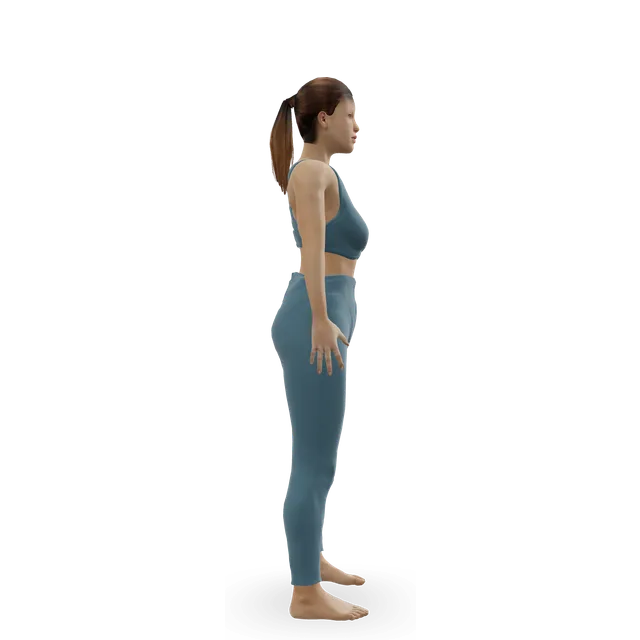
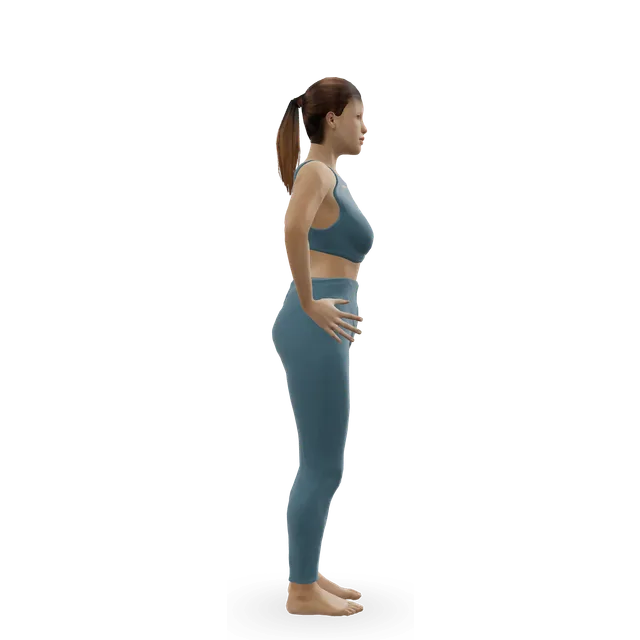
Barre workouts: light weights and strength, knees and pliés, the pelvic floor and pregnancy
Barre classes borrow the ballet barre for small, controlled moves: pliés, rises, leg lifts, holds and pulses with light weights, then core work on a mat and stretches. They're low impact and good at making your thighs, seat and arms work hard. But almost no research has looked at barre itself: one small trial in women aged 65 and over, one feasibility study in Parkinson's and one study of leaking with no comparison group. Nobody has measured how hard a class is or how often people get hurt.
This guide covers what a class asks of your body, whether barre counts as strength training or cardio, what light weights can and can't do, the barre positions and your knees, barre against Pilates, the pelvic floor, pregnancy and after birth, bones and very flexible joints, and the claims to ignore. It includes a beginner barre session you can do at a chair and a strength workout to go with your classes, with a 3D demo of every move.
A class works one muscle group at a time with small movements, holds and pulses, using light weights, a ball and a band, then moves to a mat and stretches. No study has measured how hard a barre class is. Our reading of studies of ballet classes is that barre is light to moderate as cardio, with hard work for the muscles.
One small trial in women aged 65 and over found fewer symptoms of depression after 12 weeks, as with walking; one study in Parkinson's found classes were practical; and leaking improved in new Pure Barre clients in a study with no comparison group. No study has counted barre injuries (our search).
The NHS (National Health Service) counts strength work done to the point where you need a short rest before going again. Our strength guides explain that light weights build muscle only when a set ends close to failure, and that heavier weights build more strength.
Turn out from the hips, and plié only as deep as is comfortable
In laboratory studies of ballet dancers, the knee supplied about a third of turnout, and a full, deep plié twisted the knee by about 30 degrees. No study links barre pliés to injury, but knees over the middle toes and turnout from the hips is our dance page's advice.
Not enough on its own for your pelvic floor or bones
Leaking is common among group fitness instructors, Pilates and yoga teachers included, and barre doesn't replace pelvic floor exercises. With no impact and light loads, it also falls short of the strength and impact work our osteoporosis guide recommends.
Pregnancy: carry on with changes, don't start hard
Pure Barre says to consult your doctor and tell your teacher. The NHS advises against starting a new vigorous activity in pregnancy, and says to stop if you feel uncomfortable, too hot or unwell.
Pure Barre's 30-minute introductory class uses "low-impact, small movements". Its classes work one muscle group at a time until it shakes, then stretch it, using "a set of light weights, a ball, and a tube", and the teacher brings a mat halfway through class; the floor section that follows is usually core work (our description). Grip socks replace shoes. Physique 57's pregnancy workouts use light weights, a mat or cushion, a playground ball and a sturdy piece of furniture.
Pliés, bending the knees with the feet parallel or turned out from the hips; rises onto the balls of the feet, called relevés; small leg lifts to the side and behind; lunges and holds like a wall sit; and the tuck, tilting the pelvis under. The one injury trial in professional ballet, as our dance page describes it, used the same building blocks: lunges with small pulses, wall sits, bridges with a ball between the knees, glute kicks on all fours and dead bugs.
EnergyEmerging evidence
No study has measured a barre fitness class, and the Compendium of Physical Activities has no barre entry. In 15 elite ballet dancers, the barre part of a class averaged 38% of maximal oxygen uptake, with heart rate below 70% of maximum for long spells, and a whole ballet class averaged about 4 METs (metabolic equivalents; our arithmetic) in 12 advanced dancers. The Compendium's 6.3 METs for ballet exercises describes ballet training, not barre fitness. Our reading of these studies of ballet classes: barre is light to moderate as cardio, so it doesn't replace brisk walking, cycling or swimming.
Barre builds muscular endurance and holding strength in a small range, with light weights. The NHS counts it towards the two strength days a week when you work "to the point where you need a short rest before repeating the activity". Our strength guides explain that full range builds more strength than partial range, though half reps in the stretched position matched full reps in one trial.
There's no jumping in barre, so it doesn't give your bones the impact our osteoporosis guide describes.
What to train (our reading)
Endurance in the thighs, seat, calves, trunk and arms; control of your knees in turned-out and deep positions; heavier strength work for strength and bone; and the judgement to stop a plié or a stretch where your own range ends.
Common injuries
No study has counted barre injuries, so this section borrows from ballet and from group fitness instructors, and says so.
No barre injury dataMixed evidence
No study has measured how often people get hurt in barre (our search). The nearest group is group fitness instructors: of 837 in Norway, 38% of those teaching 5 or more hours a week reported an overuse injury, against 24% of those teaching less. The ankle and lower leg were the commonest injury sites and the shoulder and neck the commonest site of pain, but class types weren't broken down.
There's no barre data. In 20 professional ballet dancers, a full, deep plié twisted the knee by about 30 degrees at its deepest, which the authors suggest may load the menisci, the knee's cartilage pads. In 10 dancers, the knee supplied about a third of turnout, and using the barre changed how dancers swayed and bent in a deep plié. These are laboratory studies with no injury outcome. Our knee pain, runner's knee, meniscus tear and hyperextended knee guides cover the knee.
There's no barre data. Hips and groin make up about a sixth of dancers' injuries, and forcing turnout beyond the hips' range went with injury in dancers (our dance page). Our hip pain, hip impingement, hip labral tear, snapping hip, hip flexor pain and groin strain guides cover these.
Lower back, wrists and neck
There's no barre data. Tucks and curl-backs round the lower back, planks and push-ups load the wrists, and curl-ups load the neck. Our back pain, sacroiliac joint pain, wrist pain, wrist pain from push-ups and neck pain guides cover these.
Feet and calves
Feet and ankles lead the injury counts in every dance style (our dance page), and barre's rises load them. Our Achilles tendinopathy, plantar fasciitis, ball of foot pain, sesamoiditis and calf pain guides cover these.
LeakingEmerging evidence
Of 685 female group fitness instructors in Norway, 26.3% leaked urine, Pilates and yoga teachers included, and so did 28.2% of instructors in a Scottish survey. About 17% of women joining fitness clubs leaked, and fewer than 8% had been taught pelvic floor exercises by staff. In 25 new Pure Barre clients who leaked, symptoms eased over 10 classes, in a study with no comparison group. Our pelvic floor guide covers leaking.
Soreness, and when it's more than thatEmerging evidence
Creatine kinase, a marker of muscle damage, rose after a ballet class and was still raised 48 hours later in advanced dancers. Next-day soreness after new high-rep work is normal, as our muscle soreness guide explains; pain far worse than the class explains, with dark pee, is a warning sign (below).
No injury prevention programme has been tested in barre. The studios' guidance is quoted in their own words and graded as guidance; the knee advice comes from laboratory studies and our dance page; each note says so.
What the studios askStrong evidence
Pure Barre suggests starting with its 30-minute introductory class, wearing grip socks and arriving 15 minutes early to complete "a safety waiver". If at any point you feel "faint, dizzy, or have physical discomfort", it says to stop immediately and consult a doctor. Physique 57's pregnancy advice: talk to your healthcare provider first, skip any move that causes discomfort, keep to a moderate effort where you can speak normally, keep cool, and take transitions slowly. This is each brand's guidance; its effect on injuries hasn't been measured.
UK group exercise instructors are trained to screen people verbally before class, to know when to put off exercise and to adapt moves, under the Core Group Exercise Instructor standard of CIMSPA (the Chartered Institute for the Management of Sport and Physical Activity). EMD UK, the national governing body for group exercise, recognises instructors with "an appropriate Level 2 qualification (or Level 3 Yoga or Pilates)". Neither has a barre standard, so a barre teacher may hold a group exercise, Pilates or dance qualification, or only a brand's training. It's fine to ask.
In laboratory studies of ballet dancers, the knee took about a third of turnout, dancers short of hip rotation made it up at the foot, and a full, deep plié twisted the knee. No study has tested any plié advice on injuries. Our dance page's advice, and our reading: turn out only as far as your hips allow, keep your knees over your middle toes with your feet following your knees, go only as deep as stays comfortable, and practise some moves away from the barre as your control improves.
Our warm-up guide explains that across 25 trials in other sports, strength training cut injuries to under a third, while stretching made no difference. No trial has tested it in barre. Our barre strength workout adds two heavier lifts to barre-style work.
The pelvic floorEmerging evidence
Leaking is common in group exercise, and the one barre study had no comparison group. Our Pilates and pelvic floor guides explain that specific pelvic floor training beat Pilates for leaking, and that Pilates matched it only with deliberate squeezes. Do the pelvic floor exercises, squeeze before you lift (the knack), and see a pelvic health physiotherapist if leaking isn't better after about 3 months. For leaks, the NHS suggests swapping high-impact exercise for strengthening exercise such as Pilates.
Pure Barre says its movements "help prevent injury" in people cross-training for a sport or race; no study has tested that (our search). Nobody has tested the tuck, grip socks or a barre warm-up on injuries either. Stretching didn't prevent injuries in other sports, as our warm-up guide explains.
No trial has measured what barre fitness classes do for strength or fitness, so most of this is borrowed or our suggestion, and each note says so.
Barre and ballet programmes in older adultsEmerging evidence
In 27 women aged 65 and over, 12 weeks of 50-minute ballet-barre sessions 3 times a week, at 40 to 70% of their heart rate reserve, lowered depression scores against a control group, as walking did. In 44 older women, virtual ballet classes twice a week for 12 weeks cut reported falls more than wellness classes, and both groups walked and balanced better. Older recreational ballet dancers stood up faster and had stronger thighs and calves than people who didn't dance, though that compares groups at one point in time.
In 11 people with mild to moderate Parkinson's who completed 12 weeks of twice-weekly 45-minute barre classes, attendance ran at 70 to 100% and walking speed improved, with no comparison group. Our Parkinson's guide covers exercise more widely.
In 23 women with obesity, ballet 3 times a week lowered body weight and fat while weight-bearing exercise didn't, and both improved knee strength; the study is very small. No study has tested barre for weight loss (our search), and our weight loss guide explains that exercise on its own takes off about 2 to 3 kg on average.
Our progressive overload guide applies: when 20 reps of an arm move are easy, use heavier weights, and when a 60-second hold is easy, hold a weight. Shaking is a sign of fatigue, not a measure of progress.
Fitting barre into a week
The NHS asks adults for 150 minutes of moderate activity a week and strength work on 2 days. Barre counts towards the strength days but adds little cardio. Pure Barre suggests three or more classes a week for its "optimal results", a claim no study has tested. Our suggestion: 2 or 3 classes a week, brisk activity on other days, and heavier strength work twice a week, which can be our barre strength workout.
Stretching improves range, as our flexibility guide explains: hold stretches for about 30 seconds after class, never forced. Before a dance show, our strength workout for dancers advises no heavy leg work or big jump sessions in the 48 hours before. For runners, barre can be a cross-training day, but it isn't heavy enough to replace the strength work our running page describes (our reading).
The barre positions and your knees
Our dance page's advice and our reading of laboratory studies of dancers. No study has tested any of it on injuries.
PliésEmerging evidence
Start with your feet parallel. In turned-out positions, turn out only as far as your hips allow, with your knees over your middle toes and your feet following your knees, not the other way round. Go only as deep as stays comfortable, and keep your heels down in deep pliés unless you're strong in that position.
Rise through the big toe and lower slowly, as our dance warm-up does. With ball of foot or big toe pain, stop short of full tiptoe.
Leg lifts
Small and controlled, with the pelvis still: the leg goes only as high as your back stays still (our reading, as in our hypermobility workout).
The tuck
Tilting the pelvis under is a cue, not a rule, as our Pilates core guide says of drawing in. With back pain or osteoporosis, keep a neutral spine and skip deep, repeated tucks and curl-backs, as our osteoporosis guide advises.
Knees that bend back, and very flexible joints
If your knees bend back past straight, keep them soft rather than locked in pliés and rises (our hypermobility and hyperextended knee guides). For joint hypermobility syndrome, the NHS suggests starting with low-impact exercise and taking regular breaks rather than doing repetitive moves without rest; barre is repetitive by design, so rest between sets of pulses (our reading).
In 16 college dancers, holding the barre in a deep plié reduced forward and backward sway and changed the angles of the trunk and legs. Hold it lightly, and as your control improves, practise some moves without it, as the authors suggest.
Yes, if the last reps are hard: the NHS counts strength work done to the point where you need a short rest. Our strength guides explain that light and heavy weights built similar muscle when the sets were hard, but heavier weights built more strength.
Pure Barre says shaking "means your muscles are reaching the point of fatigue" and aims for it in every section. Fatigue is what makes light work count, but shaking isn't a measure of how much muscle or strength you'll build (our reading).
Pure Barre says that stretching after the shaking "leads to long, lean muscles". Our Pilates and strength guides explain that exercise can't change where a muscle attaches, so it can't make a muscle longer; toning is building some muscle, often while losing some fat.
Our strength guides explain that full range built more strength than partial range, though half reps in the stretched position matched full reps in one trial. Barre's pulses work at the bottom of a move, so mix full-range reps with pulses (our reading).
Bones
Barre has no impact and light loads. Our osteoporosis guide asks for strength training working towards weights you can lift 8 to 12 times, and moderate impact on most days if you have no spinal fractures, so add heavier lifts and, if they suit you, impact moves such as those in our bone-strengthening workout.
Barre vs Pilates
What they share
Both are low impact with a mat section for the trunk, and barre's core work is Pilates-style. Barre adds standing leg work at a rail with light weights, holds and pulses.
What the evidence says
Pilates has more trials behind it, and our Pilates guides cover its effects on back pain, the trunk and the pelvic floor. Barre has one small trial in older women and two small studies without comparison groups. Neither is heavy enough to replace progressive strength training for strength or bone (our reading).
The one you'll keep doing. Add heavier strength work either way; our Pilates vs yoga guide compares Pilates with yoga.
Pregnancy, after birth and the pelvic floor
In pregnancyStrong evidence
The NHS says it's not recommended to start a new vigorous activity in pregnancy; tell the instructor you're pregnant, drink water, and stop if you feel uncomfortable, too hot or unwell. Later in pregnancy, avoid lying flat on your back for more than a few minutes. Pure Barre says regular clients can usually continue, with modifications, after asking their doctor, and some studios ask for a doctor's note; Physique 57 advises a moderate effort where you can speak normally. Our pregnancy guide suggests keeping moves on your back short, or swapping them, from the end of the first trimester.
The NHS suggests gentle exercise as soon as you feel up to it after a straightforward birth, advice at your 6-week check before high-impact exercise, a longer recovery after a complicated delivery or a caesarean, and telling the instructor you've recently had a baby. Barre is low impact: our postpartum guide suggests low-impact postnatal sessions from about the 6 to 8 week check, and our diastasis recti guide explains why to stop curl-ups that make the middle of your tummy dome.
Leaking is common in group exercise and worth treating rather than putting up with. The NHS advises seeing a GP if you have a lump in or around your vagina; our pelvic floor guide explains when to see a pelvic health physiotherapist.
No study has looked at hot barre (our search). Our hot yoga page's advice applies: avoid it in pregnancy, and ask a GP first if you have a heart condition, multiple sclerosis with heat sensitivity, or take medicines that affect how you handle heat. Leave at the first signs of heat exhaustion.
Built on our warm-up guide and our dance warm-up (editorial): no barre warm-up has been tested. The doses are our dance warm-up's and strength workout for dancers', with the shoulder circles from our pregnancy strength workout and the squeezes from our daily pelvic floor workout.
Raise: 60 seconds of marching on the spot, swinging your arms.
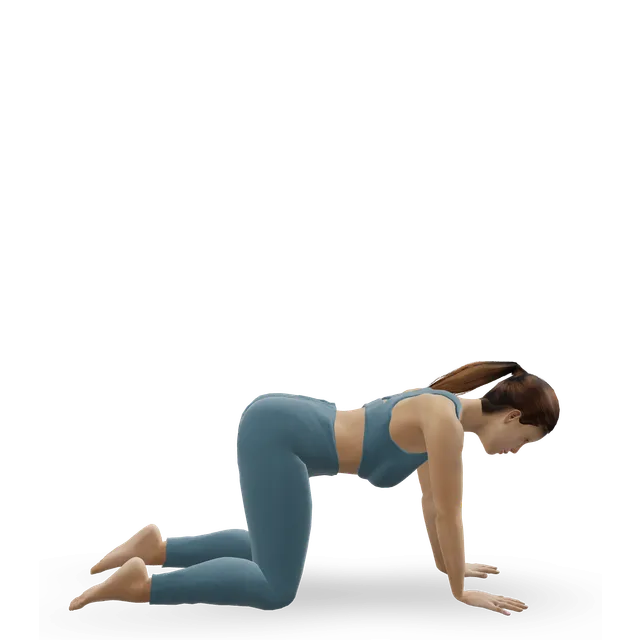
Spine: 6 slow cat-cows.
Shoulders: 3 slow shoulder circles each arm, working around any pinch.
Hips: 3 slow hip circles each leg, holding the barre or a chair.
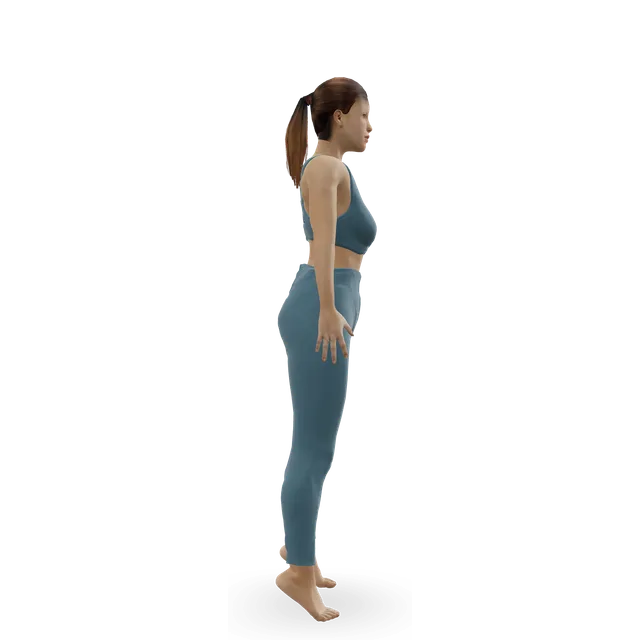
Feet: 5 ankle circles each way on each foot, then 10 slow rises through the big toe.
Turnout: 10 clamshells each side, turning out from the hip, not the feet.
Rehearse: 8 slow pliés with no weight, knees over your middle toes and only as deep as is comfortable.
Pelvic floor: 8 quick squeezes, letting go fully between them.
Loading the 3D figure…
Drag to turn
Gets into position, then repeats the movement. Technical checks passed; qualified exercise review is pending.
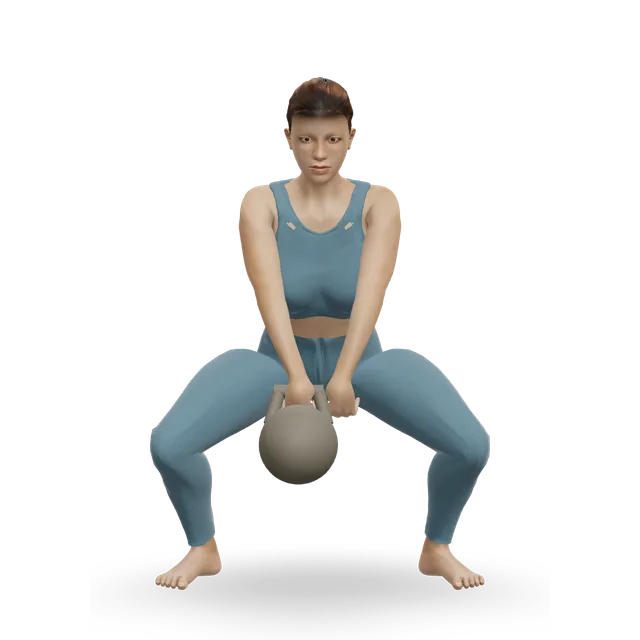
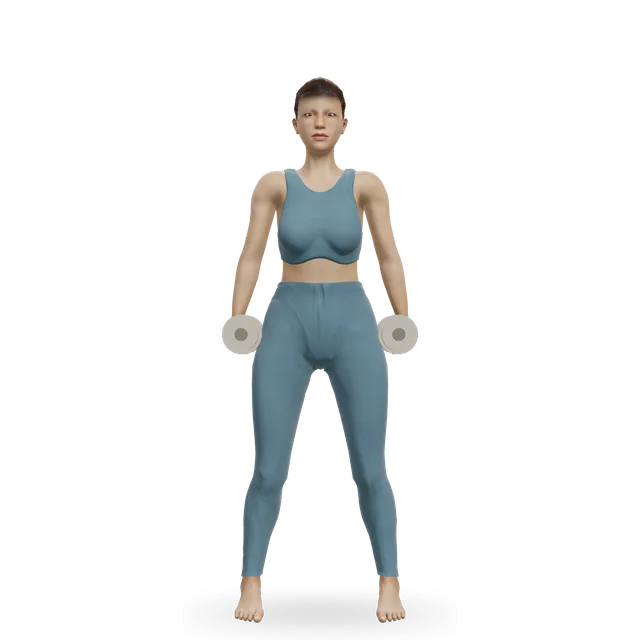
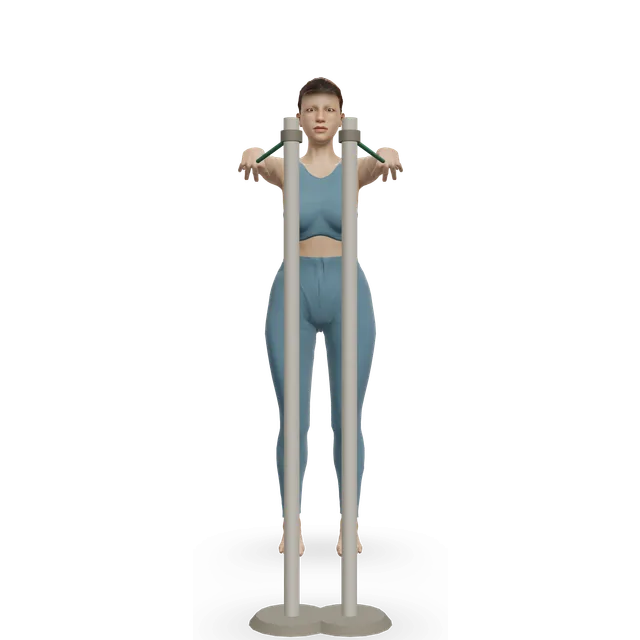
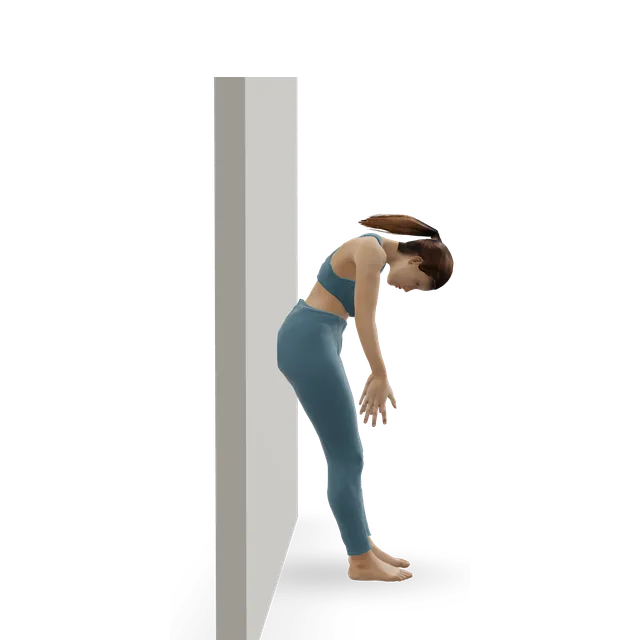
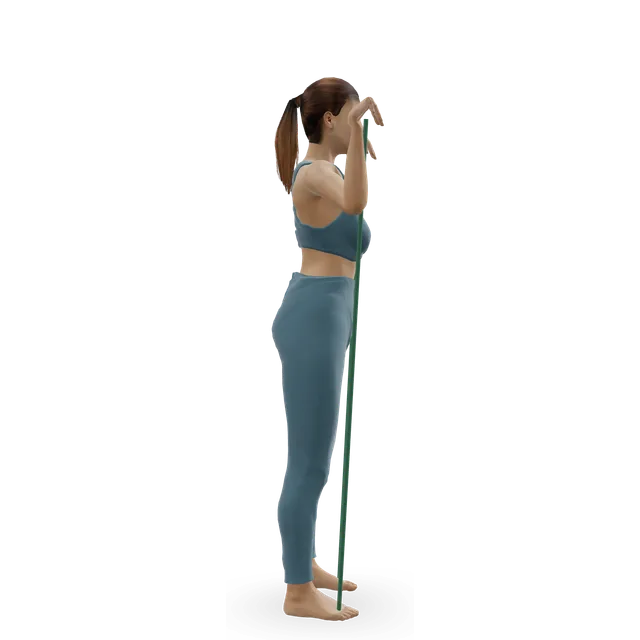
Pliés, rises and holds for the thighs and calves, seat and hip work, light arm work, the trunk, and two heavier lifts for strength and bone. Each has a 3D demo.
The first two are new: a strength workout with heavier lifts to go with your classes, and a beginner session at a chair. The rest add Pilates, dumbbells and bands, dance strength, bone strength, the pelvic floor, pregnancy and very flexible joints.
The PAR-Q+ (Physical Activity Readiness Questionnaire for Everyone) asks about a heart condition or high blood pressure, chest pain, dizziness or losing consciousness, other long-term conditions and their medicines, a bone or joint problem that activity could make worse, and being told to exercise only under supervision. If you answer yes to any, check with your doctor or a qualified exercise professional first, and wait if you're ill.
Pure Barre asks you to consult your doctor, and some studios require a doctor's note. Tell your teacher, take the prenatal options, keep moves on your back short from the end of the first trimester, and skip hot barre.
Get advice at your 6-week check before high-impact exercise, and talk to your midwife, health visitor or GP before anything strenuous after a complicated delivery or a caesarean. Tell the instructor you've recently had a baby.
See a GP straight away for heaviness or a bulge, and a pelvic health physiotherapist if leaking isn't better after about 3 months of pelvic floor training (our pelvic floor guide).
Our osteoporosis guide advises modifying or avoiding exercises that round your back deeply or repeatedly, especially with a weight. Swap curl-backs, deep tucks and crunch-style curls for moves that keep your spine long.
Very flexible joints, or knees that bend back
Keep your knees and elbows soft rather than locked, work in the middle of your range, and rest between sets. See a GP if you think you have joint hypermobility syndrome; our hypermobility guide explains more.
Deep, turned-out pliés twist the knee, a laboratory finding. Use shallower pliés with your feet parallel, and follow the pain rule in our knee pain guide.
Deep bends and turned-out positions may be restricted for a while (our reading). Follow your surgical team's advice before turnout and deep pliés; our hip replacement guide explains more.
High blood pressure that isn't controlled, or a heart condition
Check first if your PAR-Q+ answers say so, keep to a moderate effort until your blood pressure is controlled, and keep breathing through holds (our suggestion).
Get advice from NHS 111 now if your knee is very painful, you can't move it or put weight on it, it's badly swollen or has changed shape, or it locks, gives way or clicks painfully; painless clicking is normal.
Call 999 or go to A&E (accident and emergency) for back pain with pain, tingling, weakness or numbness in both legs, loss of feeling around your genitals or bottom, or changes in your bladder or bowels, such as difficulty peeing.
It's rare after barre, but the rule is the same as after any hard class: muscle pain, swelling or weakness far worse than the class explains, with dark pee (red, brown, tea or cola coloured), needs medical help the same day. Call NHS 111, or go to A&E if you feel very unwell, and call 999 for sudden, severe pain in a swollen, tight muscle, as our rhabdomyolysis guide explains.
The NHS says to stop if you feel uncomfortable, too hot or unwell. Our pregnancy guide adds: stop and call your midwife or maternity unit if you have bleeding, fluid leaking, regular painful contractions, chest pain, dizziness, or calf pain or swelling.
Call 999 if someone is still unwell after 30 minutes of resting somewhere cool, being cooled and drinking fluids, or has a very high temperature, hot skin that isn't sweating, a fast heartbeat or breathing, confusion or poor coordination, a fit, or loses consciousness.
"Barre gives you long, lean muscles"Mixed evidence
Pure Barre says stretching after the shaking "leads to long, lean muscles". No study has shown it (our search), and our Pilates guides explain that exercise can't make a muscle longer; a leaner look comes from less body fat.
No study has measured a barre class. Our reading of studies of ballet classes: barre work ran at 38% of maximal oxygen uptake in elite dancers, and a whole class at about 4 METs in advanced dancers, which is light to moderate.
Pure Barre says its movements help prevent injury in people cross-training for a sport or race; no study has tested it (our search). In other sports, strength training did prevent injuries, as our warm-up guide explains.
"Barre strengthens your pelvic floor"Mixed evidence
One study of 25 new Pure Barre clients found less leaking after 10 classes, with no comparison group, and leaking is common among group fitness instructors. Specific pelvic floor exercises are the tested treatment, as our pelvic floor guide explains.
"You'll see results in 8 to 10 classes"Mixed evidence
That's Pure Barre's claim, and no study has tested it (our search). Fitness and strength build over weeks, and how a body changes varies from person to person (our reading).
It's a good low-impact way to build endurance in your thighs, seat, arms and trunk, with balance and stretching. No study has measured a barre class, but ballet barre work runs at light to moderate intensity, so pair it with walking, cycling or other cardio. It counts towards your two strength days a week when the last reps of each set are hard.
Is barre strength training or cardio?
Mostly strength endurance: light weights, holds and small pulses. It counts as muscle-strengthening activity if you work to the point where you need a short rest, but it raises your heart rate less than cardio classes do.
Does barre build muscle with such light weights?
It can: light weights built as much muscle as heavy ones when sets were taken close to failure, though heavier weights built more strength. If a set is easy at 20 reps, use a heavier weight or lower more slowly.
How many calories does barre burn?
Nobody has measured it, and the Compendium of Physical Activities has no barre entry. Ballet classes measured about 4 METs (metabolic equivalents), which for a 65 kg person is roughly 260 kcal an hour (our arithmetic); treat that as a rough guide, not a figure for a barre class.
Is barre good for weight loss?
No study has tested barre for weight loss. Exercise on its own takes off about 2 to 3 kg on average, and eating less does most of the work; barre helps more with strength and how you move than with weight.
Is barre bad for your knees?
There's no barre injury data. Deep, turned-out pliés twist the knee, and the knee can take a third of turnout, so turn out from your hips, keep your knees over your middle toes, and go only as deep as stays comfortable. A knee that swells, locks or gives way needs checking.
Barre or Pilates: which is better?
Both are low impact with a mat section for the trunk; barre adds standing leg work with light weights, while Pilates has more research behind it. Choose the one you enjoy enough to keep doing, and add heavier strength work for strength and bone.
Can I do barre while pregnant?
If you already do barre, you can usually carry on with changes: tell your teacher, keep moves on your back short or swap them from the end of the first trimester, and skip hot barre. Check with your midwife or doctor, as the studios advise; some ask for a doctor's note.
Does barre strengthen your pelvic floor?
Leaking improved in one study of 25 new Pure Barre clients, but it had no comparison group. Specific pelvic floor exercises are the tested treatment, so do those as well, and see a GP straight away for heaviness or a bulge.
Is barre good for older adults or osteoporosis?
Ballet-barre sessions helped mood in one small trial in women over 65, and virtual ballet classes cut falls in another. Barre has no impact and only light loads, so with osteoporosis add heavier strength work and swap repeated deep rounding for moves that keep your back long.
Exercise education for people who play sport, not a personal prescription or a diagnosis, and clinical review of these pages is pending. Check with a GP or physiotherapist before hard training if you have a heart condition, chest pain, dizziness or an injury that isn't settling, and stop for sharp or increasing pain. Health disclaimer.