What are the best exercises for Parkinson's?
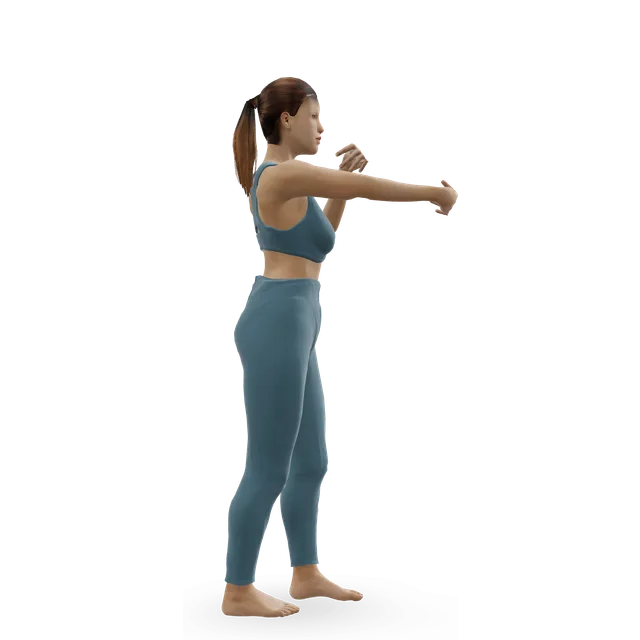
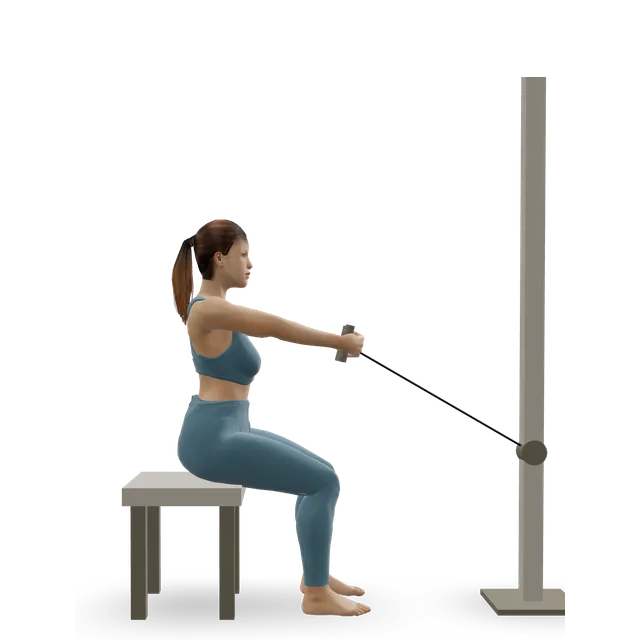
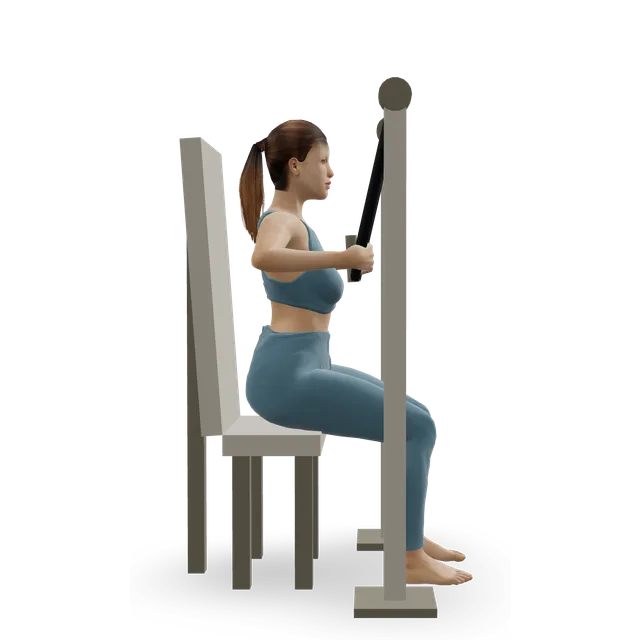
A mix rather than one exercise: aerobic exercise such as brisk walking or cycling, strength training, balance and agility work (stepping in different directions, turning, big movements, tai chi or dance), and stretching. In 154 trials, most kinds of exercise improved movement symptoms and there was little evidence that one kind beats another, so choose what you enjoy and will keep doing.
How much exercise should I do with Parkinson's?
The Parkinson's Foundation and ACSM recommend about 150 minutes a week: aerobic exercise on 3 days for at least 30 minutes, strength on 2 to 3 days, balance and agility on 2 to 3 days (daily if possible), and stretching, ideally daily. If you are starting from little, Parkinson's UK suggests 30 minutes of aerobic activity twice a week as a first step.
Does exercise slow down Parkinson's?
It isn't proven yet. Exercise clearly helps symptoms, and in two 6-month trials harder aerobic exercise held movement symptoms nearly steady while they got worse without it. Whether exercise slows the disease itself is being tested in a larger trial, SPARX3.
Can exercise reverse Parkinson's?
No. There is no cure, but exercise can improve movement, balance and quality of life. Doctors have described two people who overexercised, apparently believing they could reverse their Parkinson's: one became exhausted and lost weight, and the other seized up badly and needed emergency help. Build up gradually and keep to a sensible amount.
Is high-intensity exercise better for Parkinson's?
Possibly. In early, untreated Parkinson's, treadmill exercise at 80 to 85% of maximum heart rate kept movement symptoms close to steady over 6 months, while moderate intensity did not clearly beat no exercise; but trials comparing the two directly haven't found a difference, and both help. Build up gradually, and check with your team before vigorous exercise if you have heart problems or get dizzy when you stand.
Is boxing good for Parkinson's?
Non-contact boxing classes are popular and sociable, and they combine fitness with big, quick movements. The trial evidence is thin: a 2025 review of 8 small studies found no significant benefit for balance or fitness, and in one trial a different programme beat boxing. If you enjoy it, it's a good way to be active, but it isn't better than other exercise.
What is LSVT BIG?
LSVT BIG is a programme of large, exaggerated whole-body movements taught one to one by a therapist. In the main trial (60 people), 16 hours of it over 4 weeks improved movement symptoms more than Nordic walking or home exercise, but a Cochrane review rated the evidence as very uncertain. Ask your physiotherapist whether it is available to you.
Should I exercise when my medicines are "on"?
Yes. The Parkinson's Foundation's safety advice is to exercise during "on" times, when your medicines are working. Freezing gets worse as medicines wear off, and "off" times can start suddenly, so take your medicines on time and ask your specialist or Parkinson's nurse how best to time exercise around them.
What if I feel dizzy when I stand up?
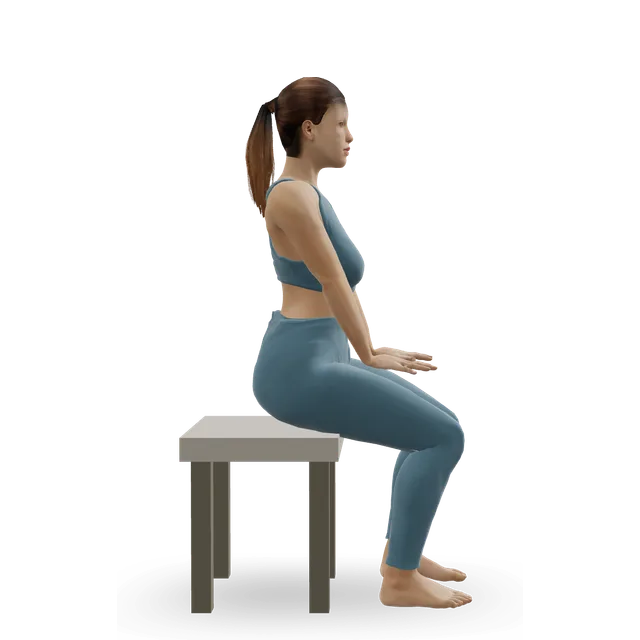
About 3 in 10 people with Parkinson's have a drop in blood pressure on standing. Stand up slowly, pump your feet up and down 10 times first, drink plenty of fluids, avoid exercising when it is very hot, and sit or lie down with your legs raised if you feel faint. Seated exercise such as an exercise bike may suit you better, and your GP can check your blood pressure lying, sitting and standing.
What exercises help with Parkinson's freezing and balance?
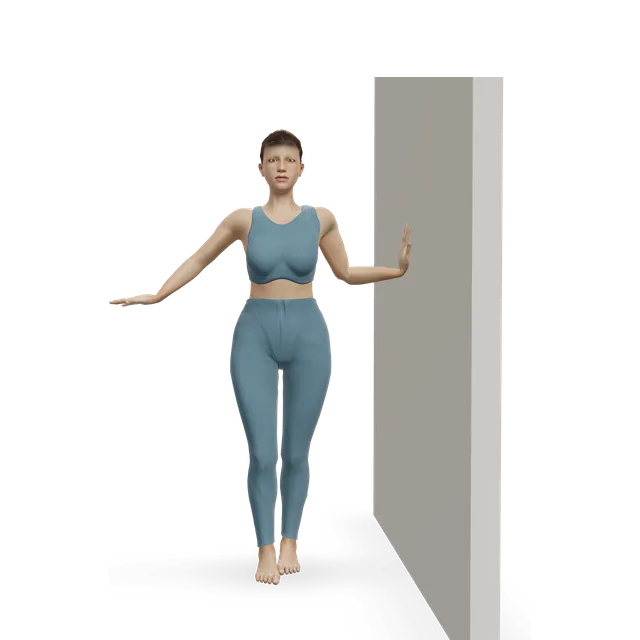
Cueing helps: walking to a beat, counting "one, two, three, step", shifting your weight before you step, or stepping over strips of tape on the floor, which physiotherapy guidelines strongly recommend. Practise big steps and wide turns, avoid talking while you walk, and do balance exercises: exercise probably reduces falls by about a quarter in Parkinson's, and tai chi improved balance in a trial.
Is it safe to exercise if I fall a lot?
Usually yes, with the right set-up: international falls guidelines strongly recommend balance and strength exercise in Parkinson's, supervised by a physiotherapist if your Parkinson's is more advanced. An exercise bike may be safer than a treadmill; hold a counter for balance work, and have someone with you. See your GP after any fall, and ask for a physiotherapy referral.
Will exercise help my mood and stiffness too?
The NHS says regular exercise is particularly important for relieving muscle stiffness, improving mood and relieving stress. Physiotherapy guidelines found that strength training improved symptoms beyond movement in some trials, such as mood and thinking. If low mood or anxiety is affecting your life, talk to your GP as well.