Strength at home
Parkinson's exercise routine at home: big movements, strength and balance
Do this when your medicines are working well (an "on" time). Stand next to a kitchen counter or a sturdy chair for everything on your feet. Make every movement big: long steps, full arm swings, wide reaches. If you freeze or fall often, have someone with you and use the seated options. It covers the four kinds of exercise the Parkinson's Foundation recommends; the session itself is our editorial suggestion.
Warm-up (about 4 minutes)
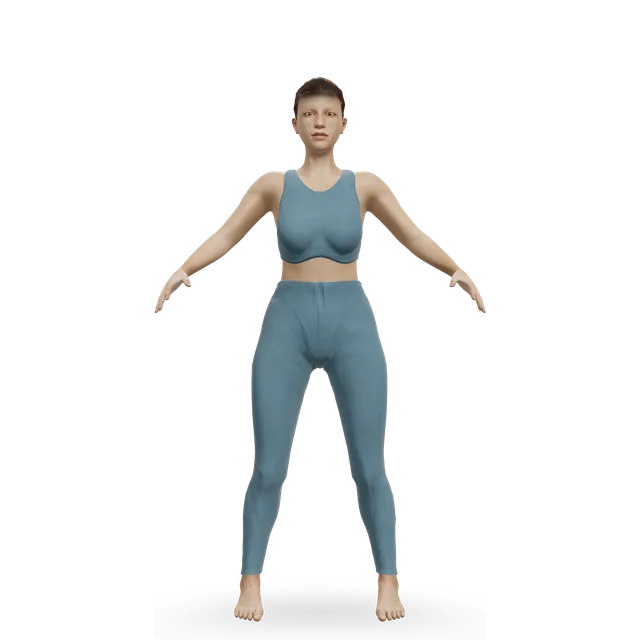
- Standing march2 minBeginner · Hip flexors, Abs, Glutes · 3D demoBig steps on the spot, knees up and arms swinging, with a hand near the counterHarder: Standing band hip flexion
- Thoracic rotation6 each sideBeginner · 3D demoSeated or standing; follow your hands with your eyesHarder: Reverse lunge with rotation


Big steps to a beat (about 7 minutes)
- Standing march1 minBeginner · Hip flexors, Abs, Glutes · 3D demoSet a metronome app or music to a steady walking beat. Lift each knee high on the beat and swing the opposite arm fully, saying "big step" as you goHarder: Standing band hip flexion
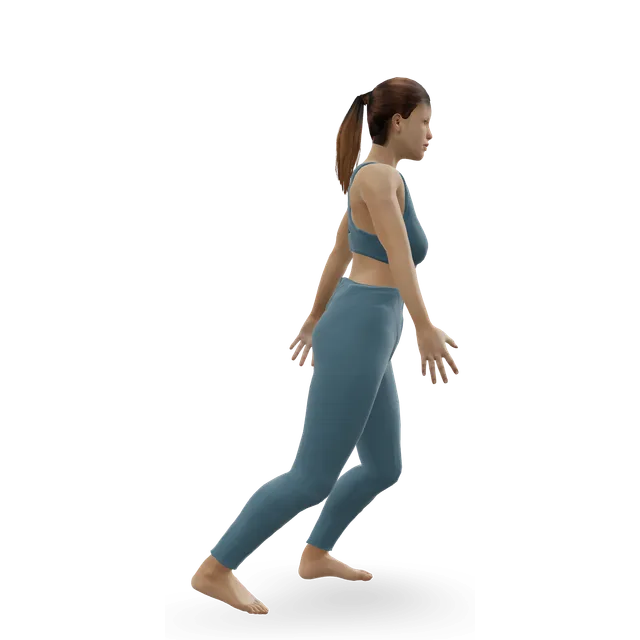
- Treadmill walking3 minBeginner · Quads, Calves, Glutes · 3D demoWalk a clear hallway or path rather than a treadmill: long strides on the beat, full arm swing, eyes ahead. Turn in a wide half circle at each end rather than pivoting. If you freeze, stop, shift your weight onto one leg and step off with the other: "one, two, three, step"Harder: Treadmill jogging
- Side-stepping (sideways walking)10 steps each wayBeginner · Hip abductors, Glutes, Adductors · 3D demoBig sideways steps along the counterHarder: Lateral band walk
- Standing spiral reach5 each sideBeginner · Abs, Back, Shoulders · 3D demoReach big, shift your weight and turn to lookEasier: Thoracic rotationHarder: World's Greatest Stretch
- Backward walking10 steps back, 10 forwardBeginner · 3D demoHand on the counter. Leave it out if you freeze oftenHarder: Backward sled drag


Boxing-style cardio (about 4 minutes)
3 rounds · Rest 30 s between rounds
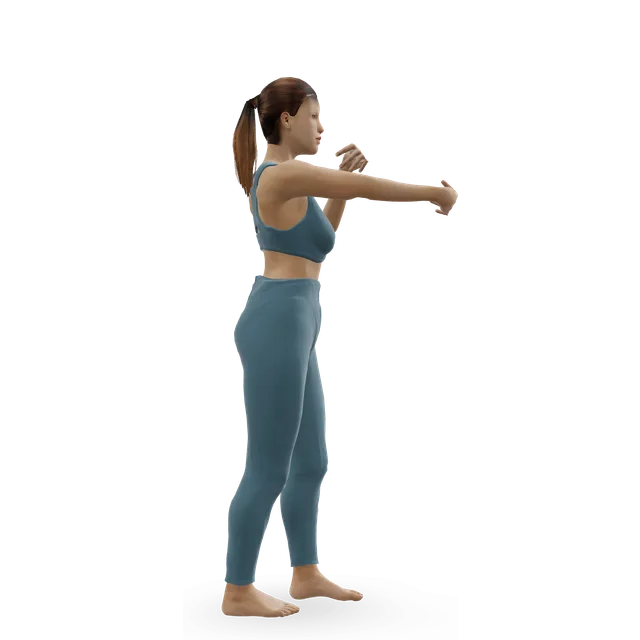
- Beginner · Shoulders, Triceps, Chest · 3D demoBig punches with a shoulder turn, breathing out on each. Sit on a firm chair if you feel unsteadyHarder: Step jack (low-impact jumping jack)
Strength (about 10 minutes)
2 rounds · Rest 60 s between rounds
- Sit to stand from a chair8 to 10Beginner · Quads, Glutes, Hamstrings · 3D demoStand up briskly, sit down slowly. Chair back against a wallHarder: Bodyweight squat
- Wall push-up8 to 10Beginner · Chest, Triceps, Shoulders · 3D demoBreathe out as you push awayHarder: Push-up
- Band row10Beginner · Back, Biceps, Shoulders · 3D demoSqueeze your shoulder blades back. Anchor the band securely at chest heightHarder: Supported single-arm dumbbell row
- Low step-up8 each legBeginner · Quads, Glutes, Hamstrings · 3D demoBottom stair, holding the railHarder: Step-up
- Beginner · Calves · 3D demoHolding the counterEasier: Seated bent-knee calf raise (soleus raise)Harder: Standing dumbbell calf raise





Balance at the counter (about 3 minutes)
- Semi-tandem stance2 holds of 15 s each sideBeginner · Calves, Hip abductors · 3D demoFingertips on the counterHarder: Tandem stance and heel-to-toe walk
- Single-leg stand2 holds of 10 s each legBeginner · Hip abductors, Calves, Glutes · 3D demoFingertips on the counter, someone nearby if you've fallen recentlyEasier: Tandem stance and heel-to-toe walkHarder: Single Leg Reach Matrix


Posture cool-down (about 5 minutes)
- Chin tuck5 holds of 5 sBeginner · Neck · 3D demoEasier: Lying chin tuckHarder: Isometric neck holds (four-way)
- Doorway chest opener2 holds of 30 s each sideBeginner · Chest, Shoulders · 3D demoEasier: Elbows backHarder: Fish Pose (Matsyasana)
- Wall calf stretch (gastrocnemius)30 s each legBeginner · Calves · 3D demoEasier: Seated calf stretch with a towelHarder: Contract-relax hamstring stretch (PNF)




Tips
- Twice a week, with brisk walking or cycling on 3 other days, covers the four kinds of exercise the Parkinson's Foundation and ACSM (American College of Sports Medicine) recommend.
- If you get dizzy when you stand, pump your feet up and down 10 times before you stand, and get up slowly. If you feel faint, sit down with your legs raised or lie down until it passes.
- If you freeze, stop, take a breath, shift your weight onto one leg and step off with the other, counting "one, two, three, step".
- Make it harder every week or two, one thing at a time: a third strength round, a stronger band, longer balance holds (our suggestion).
- If you freeze or fall often, an exercise bike may be safer than a treadmill for your other cardio days.
- Build up gradually and keep rest days: overdoing exercise can leave you exhausted, and rarely has caused severe seizing-up.
- Stop and get help for chest pain, fainting or unusual breathlessness. Call 999 after a fall if you may have hurt your head, neck, back or hip, or can't get up, and see your GP after any fall.
The doses are suggested starting points, not a prescription. Choose a range you can control and stop for sharp or increasing pain, numbness or tingling. Get individual advice after an injury or surgery, or if you are pregnant or managing a health condition.
Guides that recommend it
Find more moves like these
More strength at home




Beginner bodyweight workout
A 20-minute full-body workout with no equipment: squats, knee push-ups, bridges, lunges and planks.
20 minBeginner10 movesNo equipment


Full-body bodyweight workout
An intermediate no-equipment workout: push-ups, split squats, single-leg bridges, pike push-ups and core work.
30 minIntermediate11 movesNo equipment


Full-body dumbbell workout
A 35-minute full-body strength workout with dumbbells: goblet squats, presses, rows, Romanian deadlifts and carries.
35 minIntermediate9 movesA band, A dumbbellQuestions people ask
How long does the parkinson's exercise routine at home: big movements, strength and balance take?
About 35 minutes, including any warm-up and cool-down listed. Shorten it by doing fewer rounds; lengthen it by adding one.
What equipment do I need?
You need: Cardio machine, A wall, A bench or box, A band, An anchor point, A step. Each move links to its guide, where you can find an alternative if you are missing something.
Is it suitable for beginners?
It is written for beginners. 6 of its 18 moves have an easier option listed beside them if you need one.
How do I make it easier or harder?
Use the easier or harder option listed under each move, change the number of rounds, or adjust the rest. Progress one change at a time.