Sports training
Beginner barre workout at home: pliés, rises, leg lifts and holds at a chair, then mat work
A barre class uses a rail, small movements, holds and pulses, and a mat section for the core. This beginner version uses a chair or a kitchen counter, keeps every move in a comfortable range, and has no jumping. Its doses come from our dance warm-up, wall Pilates and hypermobility workouts. No barre session has been tested in a trial, so treat it as a safe way to learn the positions before you try a class. You need a sturdy chair or a kitchen counter, a wall, a mat and a cushion; light dumbbells or water bottles are optional.
Warm-up
- Standing march60 sBeginner · Hip flexors, Abs, Glutes · 3D demoHold the chair if you need toEasier: Seated marchHarder: Standing band hip flexion
- Shoulder CARs (controlled articular rotations)3 slow circles each armBeginner · Shoulders, Back · 3D demoWork around any pinchEasier: Arm circlesHarder: Sleeper stretch
- Standing hip CARs3 slow circles each legBeginner · Glutes, Hip flexors, Hip abductors · 3D demoHold the chairEasier: Hip circles on all foursHarder: 90/90 hip lift-off



At the chair
2 rounds · Rest 30 to 60 s between rounds
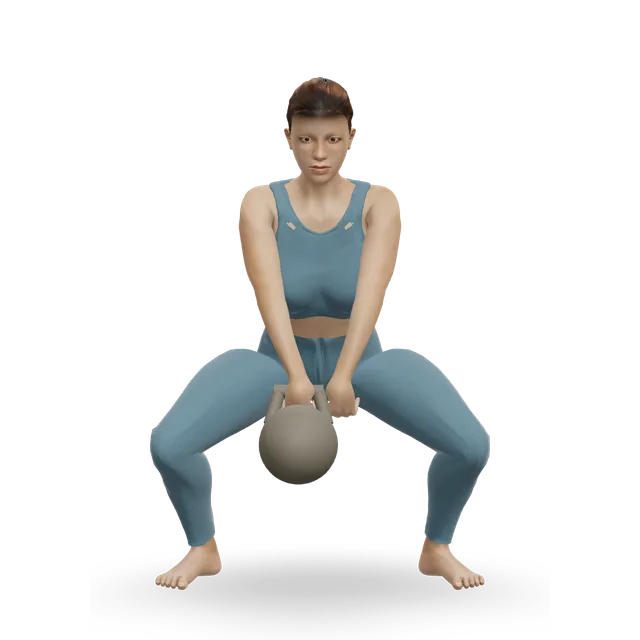
- Plié dumbbell squat (sumo squat)8 slow pliés, no weightIntermediate · Quads, Glutes, Adductors · 3D demoFeet parallel in round 1, turned out from the hips in round 2, with your knees over your middle toesEasier: Bodyweight squatHarder: Back squat with bands
- Beginner · Calves · 3D demoRise through the big toe and lower slowlyEasier: Seated bent-knee calf raise (soleus raise)Harder: Standing dumbbell calf raise
- Beginner · Hip abductors, Glutes, Abs · 3D demoBody upright and toes forward; small and controlledHarder: Lateral band walk, band at the feet
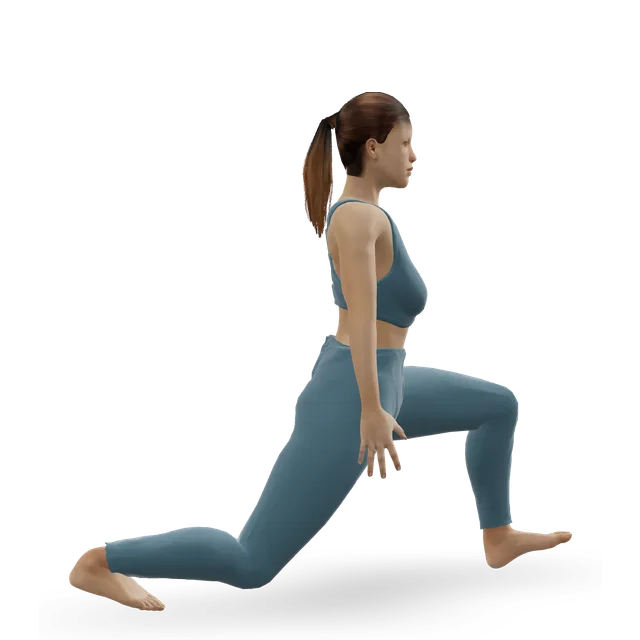
- Reverse lunge8 each sideIntermediate · Quads, Glutes, Hamstrings · 3D demoA hand on the chair; add 1 to 3 small pulses at the bottom when it's easyEasier: Split squatHarder: Split squat with dumbbells
- Wall sit2 holds of 20 to 30 sBeginner · Quads, Glutes · 3D demoOr 8 slow slides up and down the wallEasier: Straight-leg raiseHarder: Spanish squat (band squat hold)



Arms
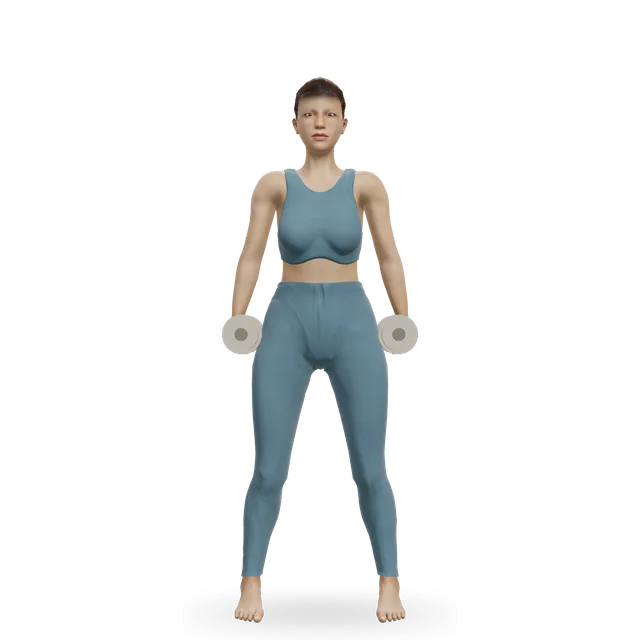
- Dumbbell lateral raise12 to 20Beginner · Shoulders, Neck · 3D demoLight dumbbells or water bottles; stop when the last few reps are hardEasier: Band lateral raiseHarder: Smith machine upright row

On the mat
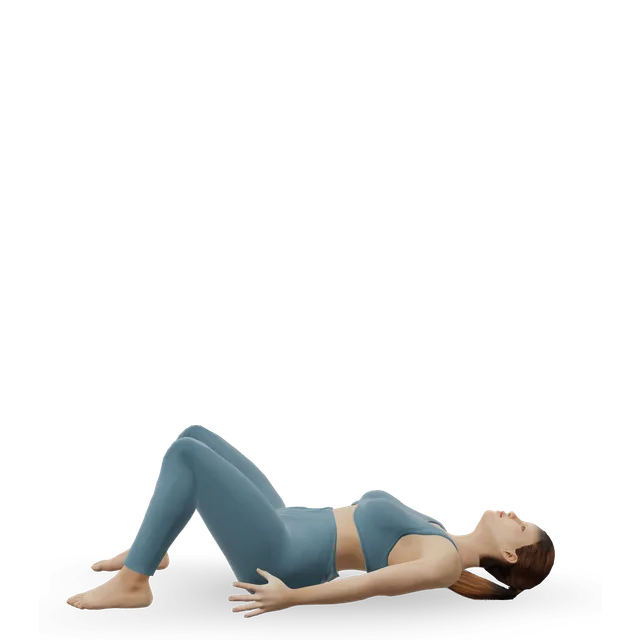
- Glute bridge10, with a 2-second squeezeBeginner · Glutes, Hamstrings, Abs · 3D demoA cushion between your knees; lift only as high as your back stays stillEasier: Pelvic tilt into bridgeHarder: Single-leg glute bridge
- Clamshell10 each sideBeginner · Hip abductors, Glutes · 3D demoKeep your pelvis still, and open only as far as it stays stillEasier: Supine isometric hip abduction (belt press)Harder: Lateral band walk
- Dead bug heel taps8 each sideBeginner · Abs, Hip flexors · 3D demoKeep your back still as each heel taps downEasier: Bent-knee fall-outHarder: Forearm plank
- Pelvic floor exercise (Kegel)8 holds of up to 10 s, then 8 quick squeezesBeginner · Pelvic floor · 3D demoRelax fully between squeezes




Stretch
- Standing quad stretch20 to 30 s each sideBeginner · Quads, Hip flexors · 3D demoHold the chairHarder: Couch stretch
- Reclined figure four (eye of the needle, Sucirandhrasana)20 to 30 s each sideBeginner · Glutes · 3D demoOr the standing figure fourHarder: Pigeon preparation (Eka Pada Rajakapotasana prep)
- Supine hamstring stretch with a strap20 to 30 s each sideBeginner · Hamstrings, Calves · 3D demoA towel works as a strapEasier: Leg-up hamstring stretchHarder: Contract-relax hamstring stretch (PNF)


Tips
- Use a solid chair that won't slide, or a kitchen counter. Bare feet or grippy socks keep your feet from sliding.
- Shaking muscles are fine; sharp pain isn't. Make the move smaller, or stop.
- Very flexible? Keep your knees soft in pliés and rises rather than locked back.
- Pregnant: from the end of the first trimester, swap the bridge and dead bug heel taps for side-lying and all-fours moves, and stop if you feel uncomfortable, too hot or unwell.
- After giving birth, this suits the low-impact sessions our postpartum guide suggests from your 6 to 8 week check; stop the dead bug heel taps if the middle of your tummy domes.
- When it feels easy, try a beginners' class, add light weights to the pliés, or move on to the barre strength workout.
The doses are suggested starting points, not a prescription. Choose a range you can control and stop for sharp or increasing pain, numbness or tingling. Get individual advice after an injury or surgery, or if you are pregnant or managing a health condition.
Guides that recommend it
Find more moves like these
More sports training


Injury prevention exercises for runners
Foot, calf, balance and hop exercises taken from the running trials with positive results, in a 25-minute home routine for 3 or 4 days a week.
25 minBeginner11 movesOther / check instructions, A bench or box



Plyometrics for runners
A 20-minute hop and bound session for runners: ankle bounces to pogo hops, one-leg hops and bounding, building foot contacts slowly over 10 weeks.
20 minIntermediate8 movesCardio machine


Strength workout for cyclists (gym)
A 50-minute gym session for cyclists: heavy squats, one-leg presses, hip flexion and calf raises as in the cycling trials, plus jumps for bone.
50 minIntermediate13 movesCardio machine, A barbellQuestions people ask
How long does the beginner barre workout at home: pliés, rises, leg lifts and holds at a chair, then mat work take?
About 25 minutes, including any warm-up and cool-down listed. Shorten it by doing fewer rounds; lengthen it by adding one.
What equipment do I need?
You need: A wall, A dumbbell, A kettlebell. Each move links to its guide, where you can find an alternative if you are missing something.
Is it suitable for beginners?
It is written for beginners. 12 of its 17 moves have an easier option listed beside them if you need one.
How do I make it easier or harder?
Use the easier or harder option listed under each move, change the number of rounds, or adjust the rest. Progress one change at a time.