Sport

Throwing events: training and safety for the shot put, discus, javelin and hammer

The throws turn whole-body strength and speed into an implement's flight: the legs and trunk start the throw and the arm finishes it. Throwers have the fewest injuries of any event group at championships, mostly trunk and lower-leg muscle strains, but javelin throwers' shoulders and elbows take heavy loads, and the greatest danger in the throws is to anyone in an implement's path.

This guide covers the safety rules that matter most (cages, sectors, warnings and carrying implements back), the implement weights for young throwers, the injuries in each event, and the strength, power and tapering evidence from trials in throwers, with shoulder care borrowed from handball and not yet tested in throwers. There are two workouts with 3D demos: a 20-minute warm-up and a 50-minute strength and power session. We're not connected with any athletics federation.

The short version

The implement is the hazard

World Athletics warns that heavy and sharp implements are a hazard to anyone in their path, and people have been killed. In 2018 a hammer thrown from an old UK cage reached spectators and hit an athlete, and since 1 April 2023 every UK cage has had to meet a stricter standard.

Sources 1, 2

Fewest injuries at championships

Throwers had the lowest injury rates at international championships, mostly trunk and lower-leg muscle injuries. In US high school throwers, the shoulder was the commonest injured site.

Sources 3, 4

Javelin shoulders and elbows

Junior elite javelin throwers' throwing shoulders showed overload changes on scans without any symptoms, and former elite throwers had rotator cuff tears and elbow arthritis in their throwing arm.

Sources 5, 6

Lighter implements for young throwers

World Athletics and UK Athletics set implement weights by age, from a 2.72 kg shot and a 400 g javelin for under-14 girls to 7.26 kg and 800 g for men. No study has tested whether these weights prevent injuries.

Sources 1, 7

Strength and power go with distance

In small studies of throwers, the snatch tracked throwing distance, and pairing heavy and fast exercises in the same session improved competition throws more than doing them on separate days.

Sources 8, 9

Shoulder care is borrowed and unproven

One trial in teenage handball players found 56% fewer shoulder injuries with a short shoulder programme, but three handball trials pooled together weren't significant, and none has been tested in throwers.

Sources 10, 11

What the throws ask of your body

The events

The shot is put from the shoulder from a 2.135 m circle with a stop board; the discus is thrown from a 2.50 m circle and the hammer from a 2.135 m circle, both from inside a cage; and the javelin is thrown from a runway of at least 30 m behind a curved line. Throws must land in a sector of 34.92° for the circle throws and 28.96° for the javelin, and gloves are allowed only in the hammer.

Source 1

The kinetic chain

Every throw passes energy from the legs through the hips, trunk and shoulder into the implement, and a review argues that a weak link anywhere in the chain is a route to injury.

Source 12

Strength and powerEmerging evidence

In 11 college throwers, the power snatch correlated strongly with shot put and weight throw distances, and maximal strength with power even at light loads. In 12 young throwers, the rate at which the legs produced force, and the length of their muscle fibres, tracked shot put performance. These are correlations in small groups.

Sources 8, 13

What takes the loadEmerging evidence

The trunk muscles; the throwing shoulder and elbow, above all in the javelin; the lower back, which rotates and extends under load; and the ankle and knee, 16.5% and 12.0% of US high school throwers' injuries. Throwers had no bone stress injuries at 24 international championships.

Sources 3, 5, 6, 14, 4, 15

Energy cost

The Compendium of Physical Activities lists the shot, discus and hammer at 4.0 metabolic equivalents (METs), and the javelin, with the jumps, at 6.0 METs. Both values are estimated rather than measured.

Source 16

Everyone nearby

A thrown implement is a danger to anyone in its path, so the safety rules below matter as much as the training.

Source 1

Common injuries

Championship and school studies use different measures, so their numbers aren't comparable with each other.

How often, by groupEmerging evidence

The numbers, by group and measure:

  • 14 international championships, 2007 to 2018: throwers had the lowest rates, 47 injuries per 1,000 registered athletes in men and 32 in women, mostly trunk and lower-leg muscle injuries.
  • 13 international championships, 2007 to 2012: in the throws, the arms and shoulders were mainly affected.
  • 24 international championships, 2007 to 2023: no bone stress injuries in throwers.
  • US high school throwers (shot, discus and javelin), 2008 to 2019: the shoulder was the commonest site (21.7%), then the ankle (16.5%) and knee (12.0%); girls had 1.53 times boys' injury rate in practice.
  • US school and college track and field, 1982 to 2025, all events: 69 direct catastrophic injuries in high school boys and 14 in girls, and 20 in college men and 2 in college women. In 2024/25 the direct catastrophic injuries in all US school and college sport included one from discus throwing.

Sources 3, 27, 15, 4, 28

Javelin shouldersEmerging evidence

In 15 junior elite javelin throwers (average age 17.7) without shoulder symptoms, magnetic resonance imaging (MRI) scans showed bone cysts at the back of the upper arm bone in 73.3% of throwing shoulders, against 13.3% on the other side. 21 former elite javelin throwers, about 19 years after their careers, had lost rotation in the throwing shoulder (by 10° or more in 14) and often had rotator cuff tears. Our shoulder pain, shoulder impingement and SLAP tear guides cover these.

Sources 5, 6

Javelin elbowsEmerging evidence

Every one of those former throwers had arthritis in the throwing elbow, more in those who had trained with throwing weights over 3 kg. Javelin throwers have needed the same elbow ligament (ulnar collateral ligament) reconstruction as baseball pitchers: 9 of 10 in one series had excellent results, returning at about 15 months, and 10 of 16 in another returned, at about 12 months. Our elbow pain and Little League elbow guides cover the elbow; we don't yet have a guide to this ligament in adult throwers.

Sources 6, 29, 30

BacksEmerging evidence

In the records of 3,152 elite Spanish athletes, spondylolysis, a stress fracture of a vertebra, was found in 26.67% of those in throwing sports, the highest of any group. 10 of 21 former javelin throwers had spondylolisthesis, a slipped vertebra, but no more back complaints than a comparison group. Our back pain and spondylolisthesis guides cover these.

Sources 14, 31

Trunk and side strains

Trunk muscle strains were among throwers' main injuries at championships. Our abdominal strain and rib injury guides cover the trunk.

What goes with injuriesEmerging evidence

Associations, not proven causes:

  • Heavy implements in training: former javelin throwers who threw weights over 3 kg had more arm degeneration; in baseball, a weighted-ball programme went with more elbow injuries (borrowed).
  • Overhead load in the young: junior javelin throwers' shoulders already showed overload changes without symptoms. Athletics has no throw count, unlike baseball's pitch counts on our Little League pages.
  • Previous injury: repeat injuries were a larger share of long-term injuries in high school throwers.
  • Sex: girls had higher injury rates in practice.

Sources 4, 6, 5, 26

What prevents injuries

No injury prevention programme has been tested in throwers. The safety rules come from incident reviews, and the shoulder programmes are borrowed from handball.

The safety rulesStrong evidence

Cages, roped sectors, a warning before every throw and implements carried back are the measures that keep people from being hit, as the safety section below sets out. No study has counted injuries before and after them.

Sources 1, 7, 2

Shoulder programmes borrowed from handballMixed evidence

Shoulder Control (five shoulder and trunk exercises in four levels, done for 10 to 15 minutes as a warm-up three times a week, with a throwing progression) went with 56% fewer shoulder injuries in a trial of 627 teenage elite handball players, even though they did it about 1.3 times a week. The Oslo Sports Trauma Research Center's shoulder programme cut shoulder problems by about a quarter in 660 elite handball players. But three handball trials pooled together weren't significant, and neither programme has been tested in javelin or other throwers. Our throwing arm workout uses Shoulder Control.

Sources 10, 32, 11

Keep training implements close to competition weightEmerging evidence

Former javelin throwers who trained with weights over 3 kg had more arm degeneration (an association). In 38 young baseball pitchers, a weighted-ball programme raised pitch speed, but 4 of the 17 who finished it had elbow injuries, against none of the others (borrowed).

Sources 6, 26

Throw counts and young arms (our suggestion)

Athletics sets lighter javelins by age rather than a throw count. Build throw numbers gradually after time off, and stop for pain on the inside of the elbow, as our Little League elbow guide explains.

Source 5

Strength training cuts sports injuriesStrong evidence

Across 25 randomised trials in many sports, strength training cut sports injuries to under a third, while stretching programmes made no difference.

Source 33

Backs

The NHS says to see a GP for lower back pain that doesn't go away after 3 to 4 weeks; our spondylolisthesis guide explains the stress fractures common in throwing sports.

Source 34

What isn't shownMixed evidence

Without good evidence in throwers:

  • A shoulder or elbow prevention programme: none tested in throwers.
  • Age-group implement weights, sector roping or cage designs measured against injuries: no studies.
  • Training with heavy implements: associations only, and harm in a borrowed trial.
  • Stretching to prevent throwers' injuries: no evidence, and none across sports.

Sources 33, 6

Training for performance

Power and strength go with distanceEmerging evidence

The snatch tracked shot put and weight throw distances in 11 college throwers. In 12 young throwers, 10 weeks of planned training raised competition throws by 6.76% and shot put tests from the power position by 3.58%.

Sources 8, 13

Pair heavy and fast workEmerging evidence

In 10 well-trained throwers over two 4-week phases before competition, doing strength and power exercises in pairs within a session raised competition throws by 5.4%, against 1.9% when they were done on different days, with bigger gains in the snatch, the squat, rate of force development and lean mass. The trial's exercises and loads aren't in its abstract, so our workout's sets and reps are our own.

Source 9

Tapering, as trialledEmerging evidence

13 throwers aged 16 to 26 tapered twice, in winter and spring, with light lifting loads (30% of their best) or heavy ones (85%). Throws improved by 4.8% after the light taper and 5.6% after the heavy one; heavy loads kept more strength and power, and light loads were less tiring. Either works for the throw; keep some heavy work if you want to hold strength.

Source 35

Heavier and lighter implementsMixed evidence

Throwers often train with implements heavier or lighter than competition weight, but we found no trial of it. Keep heavy implements close to competition weight and rare in the young (our suggestion).

Sources 6, 26

Shoulders for the javelinMixed evidence

An 8-week programme with no comparison group raised rotator cuff strength and throwing distance in 6 javelin throwers. The handball programmes in the prevention section are the nearest tested shoulder work, with mixed results.

Sources 36, 10, 11

Mobility (our reading)

We found no mobility trial in throwers. Upper back rotation and shoulder range matter to the kinetic chain; our mobility guide covers range you can control.

Source 12

Throwers peak lateEmerging evidence

In the world's top 100, male throwers peaked at about 28 to 29, later than most events, and throwers improved most over the 5 years before their peak, about 7%. Be patient with young throwers (our reading).

Source 37

Fitting it in (our suggestion)

Preparation: 2 or 3 strength and power sessions a week, with throwing sessions on other days or before lifting, and medicine-ball throws as power work.

The 4 weeks before competition: heavy and fast exercises paired, as in our strength and power workout. The taper: fewer sets, light or heavy loads, and no new lifts. Young throwers: age-group implements and supervised throwing.

Sources 9, 35, 19

Throws safety: cages, sectors and warnings

These rules come from incident reviews and long experience, not trials, and they're graded as what they say. Read your own competition's or club's rules too.

World AthleticsStrong evidence

World Athletics' Competition and Technical Rules (Book C, last modified 1 July 2026):

  • "Heavy and sharp implements are thrown and pose a hazard to anyone in their path", and athletes, officials, photographers and others have been injured, "sometimes fatally", in or near competition and training areas.
  • All discus and hammer throws are made from a cage. A discus cage must stop a 2 kg discus at up to 25 m a second and a hammer cage a 7.26 kg hammer head at up to 32 m a second, leaving danger sectors of about 69° (discus) and 53° (hammer).
  • Implements "shall be carried back to the area next to the circle or runway and never thrown back".
  • In competition, practice throws are taken in order and always under the judges' supervision.

Source 1

UK Athletics' competition rulesStrong evidence

UK Athletics' Rules for Competition, effective 1 April 2026:

  • The central throwing area or safety sector is roped off at about 1 m high, and the shot sector at least 2 m outside its lines.
  • "All throws should be preceded by a warning which shall be acknowledged by the event officials before the throw commences."
  • The discus, hammer and javelin, warm-ups included, aren't held at the same time when that could endanger officials.
  • All hammer and combined cages installed in the UK since November 2018 must meet World Athletics' rules for competition and for training, and older cages are modified to danger zones of no more than 56° (hammer) and 69° (discus).

Source 7

UK cages since 2023Strong evidence

In 2018 a hammer thrown from an old-specification UK cage "carried six lanes of a track before landing in a populated spectator area where the wire and handle struck an athlete". UK Athletics' updated guidance (9 March 2021) required every throws cage, including those at training-only venues, to meet the World Athletics or new UK standard from 1 April 2023, banned cages next to the 200 m start or finish until a survey shows a hammer can't reach the track, and asks for a cage inspection every 3 years.

Sources 2, 17

UK safety guidance for competitions (2018)Strong evidence

Safe Athletics, from UK Athletics and the home country federations:

  • "Impact or contact from an 'in-flight' hammer, discus, club, javelin or shot will almost certainly result in a serious or fatal injury."
  • The hammer, discus, club and weight throw must always take place from a compliant safety cage, with only the thrower in the cage or circle during a throw.
  • "Officials MUST NEVER turn their back on a throws cage/circle or javelin runway", and a warning horn is used for every hammer, discus, javelin, club and weight throw, warm-ups included.
  • Cages and netting are inspected at least every 12 months.

Source 18

Training sessionsStrong evidence

UK Athletics' risk assessments for outdoor throws training, Athletics Northern Ireland's advice and UK Athletics' 2016 safety communique:

  • All swings and throws only from the circle or runway, in the cage where there is one, and supervised; young athletes put the shot only under supervision.
  • Throws start only when the coach signals it's safe, with coaches and athletes outside the sector lines or behind the thrower, and throwers warn everybody in sight before each throw.
  • Implements carried back, never thrown or rolled; javelins carried upright and approached from the side, collected only when everyone has thrown and the coach says so.
  • Never stand in the cage with a thrower, never throw the discus or hammer in bad light or fog, and never, ever turn your back on a throws circle or runway, which UK Athletics' 2016 communique puts in capitals.

Sources 19, 20, 21

US high schoolsStrong evidence

The National Federation of State High School Associations' points of emphasis for 2026 and 2027 say safety in the shot, discus and javelin "must be a top priority", with a clearly marked safety zone for each event, a reminder that the flagged sector is "the primary danger zone, but not the only one", cages checked for holes and loose netting, and nobody turning their back on a throwing area or collecting implements before an official's signal.

Sources 22, 23

A near miss and a skull fracture

In 2016 UK Athletics reported "a concerning number of near misses", the worst a young athlete walking onto the infield to fetch an implement who was struck a glancing blow on the neck by the wire of a hammer in flight. A case report describes a 13-year-old whose skull was fractured by a 3 kg shot thrown by another young athlete at a school athletics meeting.

Sources 21, 24

In practice (our suggestion)

Rules to keep in every session:

  • One thrower at a time, and everyone else behind the circle or runway or outside the sector.
  • The thrower checks the sector and calls before every throw.
  • Walk implements back, and carry javelins upright.
  • Never use a cage that hasn't been inspected, or with its gates set for the other hand.
  • Stop throwing in poor light, fog or high wind.

Implement weights by age

World AthleticsStrong evidence

World Athletics' Technical Rules (Book C, last modified 1 July 2026):

  • Shot: under-18 women 3 kg; under-20 and senior women 4 kg; under-18 men 5 kg; under-20 men 6 kg; senior men 7.26 kg.
  • Discus: under-18 women, under-20 women and senior women 1 kg; under-18 men 1.5 kg; under-20 men 1.75 kg; senior men 2 kg.
  • Hammer: under-18 women 3 kg; under-20 and senior women 4 kg; under-18 men 5 kg; under-20 men 6 kg; senior men 7.26 kg.
  • Javelin: under-18 women 500 g; under-20 and senior women 600 g; under-18 men 700 g; under-20 and senior men 800 g.

Source 1

UK Athletics, from 1 April 2026Strong evidence

UK Athletics' Rules for Competition 2026, for the age groups World Athletics doesn't cover:

  • Shot: under-14 girls 2.72 kg; under-14 boys and under-16 girls 3 kg; under-16 boys 4 kg.
  • Discus: under-14 girls 0.75 kg; under-14 boys and under-16 girls 1 kg; under-16 boys 1.25 kg.
  • Hammer: under-14 girls 2 kg; under-14 boys and under-16 girls 3 kg; under-16 boys 4 kg.
  • Javelin: under-14 girls 400 g; under-14 boys and under-16 girls 500 g; under-16 boys 600 g.
  • Under-12s sit outside the formal rules. The home country federations' parameters, printed in the rule book for reference, are a 2 kg to 2.72 kg shot, a 0.75 kg discus, a 2 kg hammer and a 400 g javelin.
  • Under-14s competing against under-16s in field events use the under-16 implements. Age groups go by age on 31 August: under-14s are 12 or 13 and under-16s 14 or 15.

Sources 7, 25

The evidenceMixed evidence

No study has tested age-group weights against injury. Indirect evidence supports keeping training implements light for young throwers: former javelin throwers who trained with throwing weights over 3 kg had more arm degeneration (an association), and a weighted-ball programme raised elbow injuries in young baseball pitchers (borrowed). UK Athletics' risk assessment says young athletes put the shot only under supervision.

Sources 6, 26, 19

A warm-up for the throws

Built on the site's warm-up guide and our throwing arm workout (editorial). Shoulder Control comes from a handball trial and hasn't been tested in throwers. The safety checks follow UK Athletics' rules and risk assessments.

  1. Check the area: the sector roped and empty, the cage netting intact and the gates set for the thrower's hand, and agree the warning call.
  2. Raise: 60 seconds of jumping jacks and 2 × 20 m of skipping.
  3. Trunk and shoulders: 8 slow open books each side, 3 slow shoulder circles each arm and 4 world's greatest stretches each side.
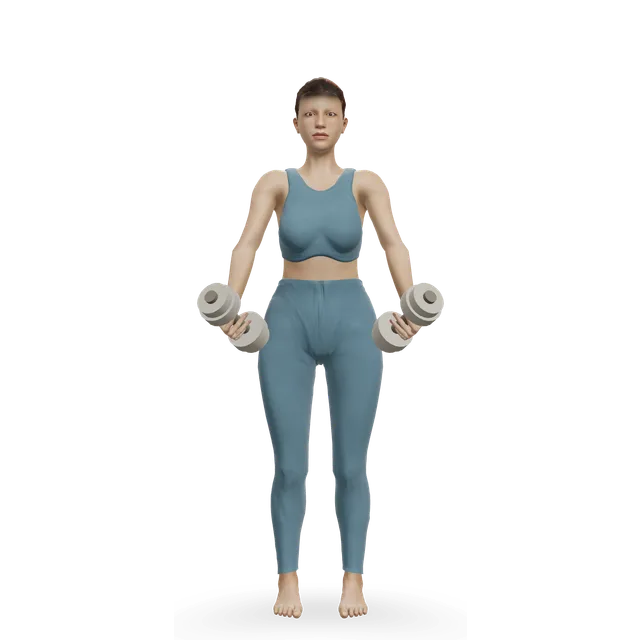
  4. Shoulder Control: 15 to 30 seconds each of the scaption raise, the scapular push-up, upper back rotations, the single-leg Romanian deadlift and the press and rotation, both sides where they're one-sided.
  5. Hips and rotator cuff: 10 band walks each way, then 12 light band external rotations each arm.
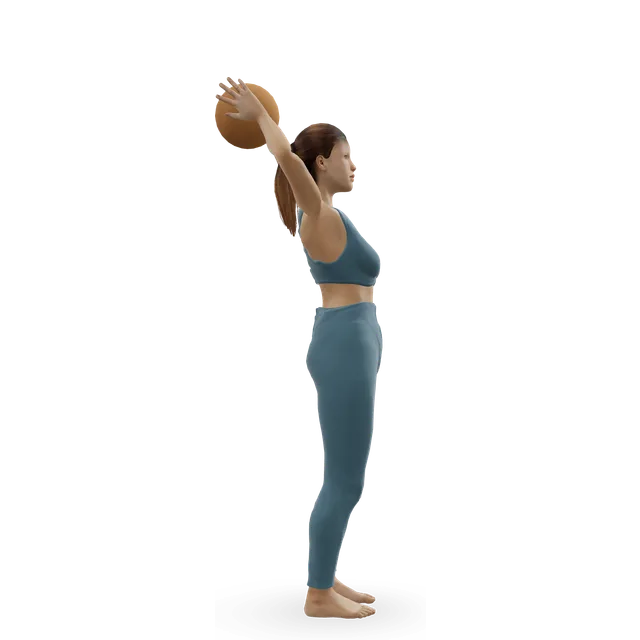
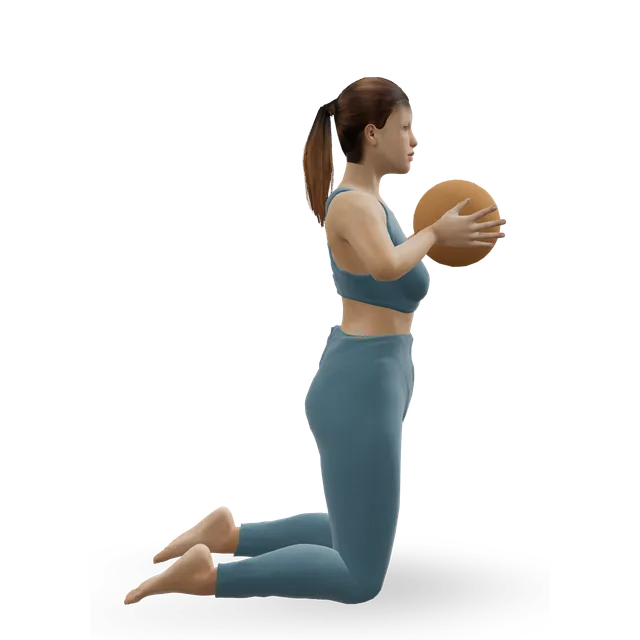
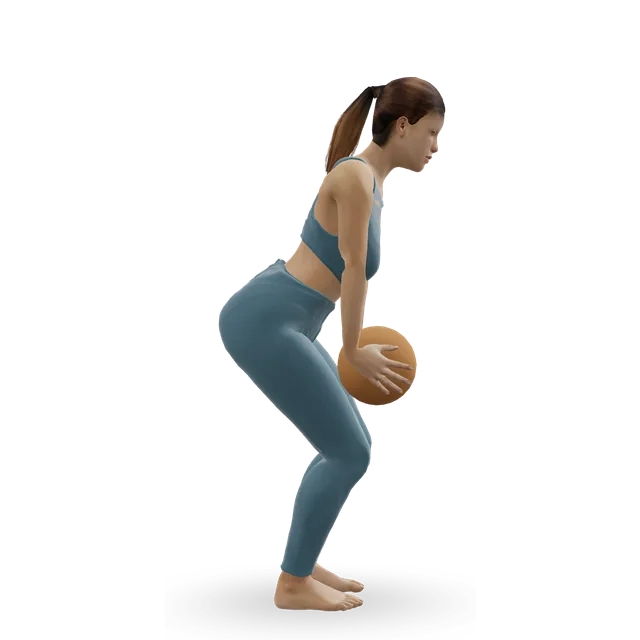
  6. Medicine ball: 2 × 3 scoop throws backwards into open space, then 2 × 5 overhead throws at a wall.
  7. Build-up throws: standing throws, then partial and full throws rising to competition effort, one at a time, from the circle or runway, on the coach's signal.

Loading the 3D figure…

Gets into position, then repeats the movement. Technical checks passed; qualified exercise review is pending.

The movement on the figure: Medicine-ball scoop throw (backward overhead throw)

Moves for the throws

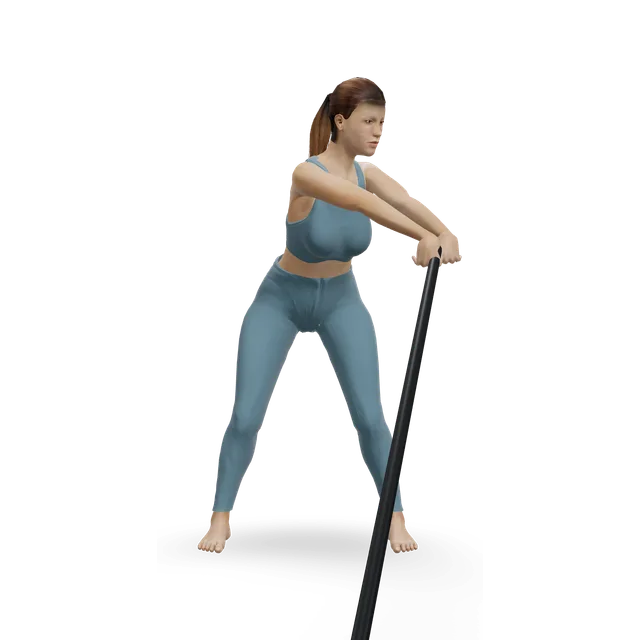
Olympic lifts, squats and presses, medicine-ball throws, rotation and shoulder care, all with 3D demos. The catalog has no standing discus throw, hammer winds or rotational medicine-ball side throw yet: the landmine 180 and the press and rotation are the nearest.

Workouts

The first two are new: a strength and power session with lifts paired with medicine-ball throws, and a warm-up. The others add arm care, shoulder mobility, rotation, the Olympic lifts, pressing, kettlebells and the back.

Strength and power workout for throwers: lifts paired with medicine-ball throws, rotation and shoulder care

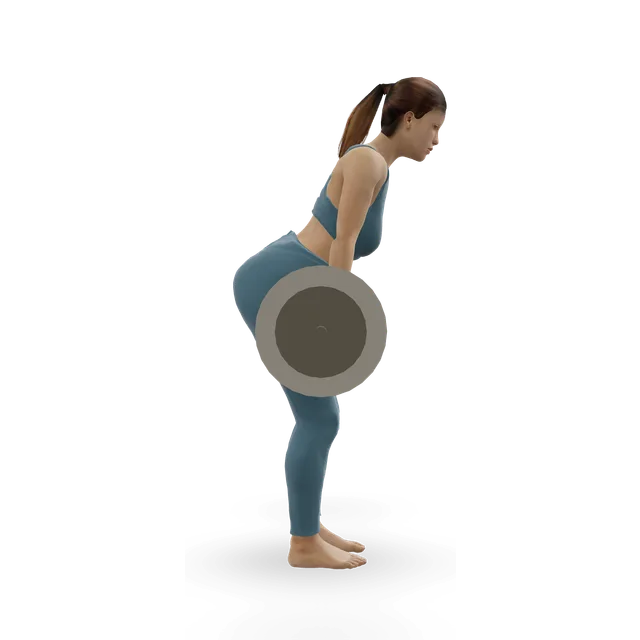
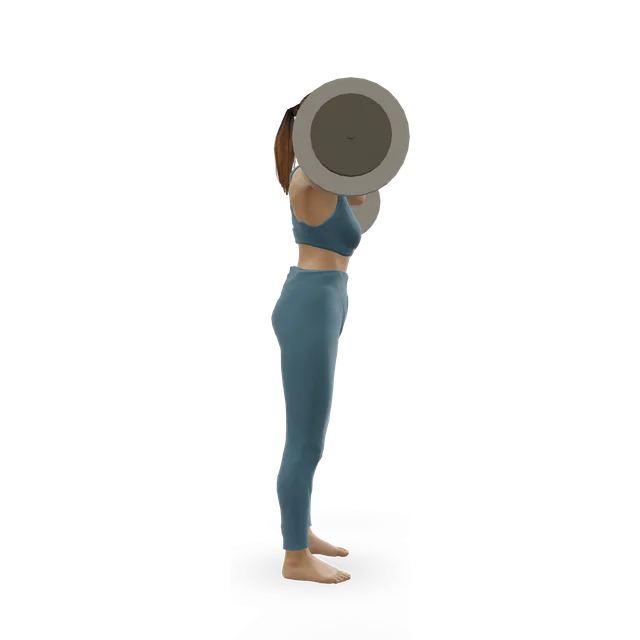
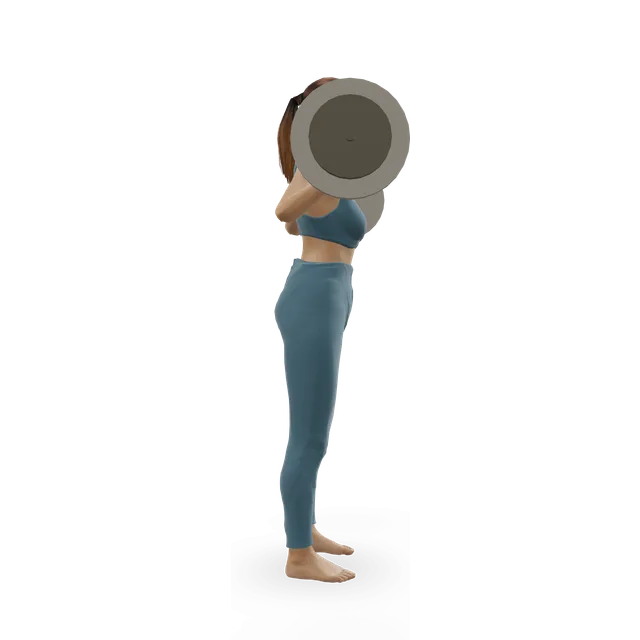
A 50-minute session for throwers: hang power cleans, front squats and push presses paired with medicine-ball throws, then landmine rotations and shoulder care.

50 minIntermediate15 movesA barbell, Medicine ball

Throws warm-up: safety checks, spine and shoulder mobility, Shoulder Control and build-up throws

A 20-minute warm-up for the shot, discus, javelin and hammer: open books, shoulder circles, Shoulder Control, band walks and medicine-ball throws.

20 minBeginner14 movesA dumbbell, A cable machine

Throwing arm strength workout

A 35-minute session for baseball and softball players: the five Shoulder Control exercises, rotator cuff and forearm work, medicine-ball throws and legs.

35 minIntermediate17 movesA dumbbell, A cable machine

Baseball arm care warm-up

A 12-minute arm care warm-up for baseball and softball, built on a Japanese youth programme: an arm massage, shoulder, forearm and hip stretches, and balance.

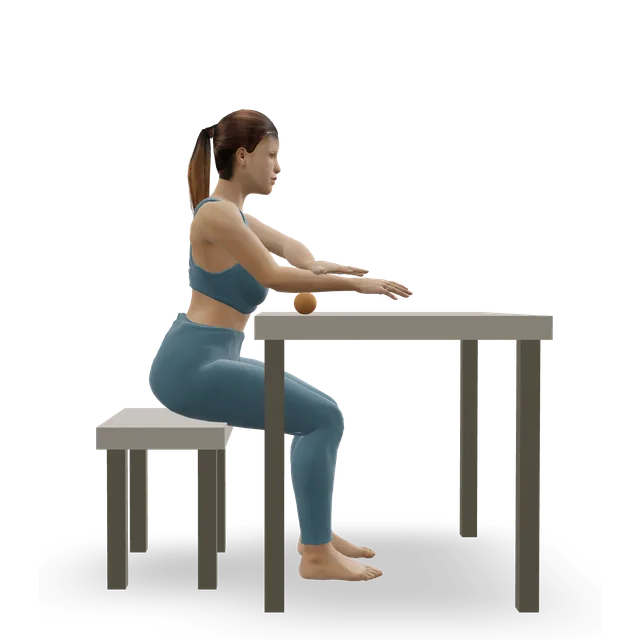
12 minBeginner9 movesA massage ball, A wall

Shoulder mobility and stability routine (with a band)

A 25-minute band routine for healthy shoulders: move the shoulder and upper back through their range, then strengthen the rotator cuff and shoulder blades.

25 minBeginner12 movesA wall, A band

Strength workout for fast bowlers

A 40-minute gym session for fast bowlers: squats, split squats, single-leg hinges, Nordics, Copenhagen planks, back and side work, shoulder work and throws.

40 minIntermediate16 movesA band, An anchor point

Golf strength and power workout

A 45-minute golf gym session: jumps, a medicine-ball throw and kettlebell swings for power, then squats, hinges, rows, push-ups, fast rotation and carries.

45 minIntermediate14 movesMedicine ball, A kettlebell

Weightlifting technique workout: the snatch and the clean and jerk from the top down

A 60-minute coached technique session: wrists, ankles and overhead squats, then the snatch and the clean and jerk built from the top down with light weights.

60 minBeginner15 movesCardio machine, A wall

Learn the power clean: from the hang to the floor

A 40-minute technique session for the power clean: the rack and hang positions, the jump and the turnover, light hang power cleans, then cleans from the floor.

40 minIntermediate14 movesCardio machine, A wall

Front squat technique workout: the rack, the grip and the depth

A 30-minute practice session for the front squat: loosen your wrists and upper back, groove an upright squat, then find your grip and depth with a light bar.

30 minBeginner12 movesA wall, A bench or box

Overhead press technique workout

A 30-minute practice session for the overhead press: check your overhead reach, groove it with a band and seated dumbbells, then press the empty bar.

30 minBeginner9 movesA band, A wall

Kettlebell swing workout: 12-minute intervals

A 20-minute kettlebell swing workout: 30 seconds of swings, 30 seconds of rest, building to the 12 rounds a training trial used, then carries.

20 minIntermediate7 movesA kettlebell, A dumbbell

McGill big 3 core routine

The McGill big three for the core: curl-ups, side planks and bird dogs, each held for 10 seconds at a time in falling sets of 5, 3 and 1 reps.

12 minBeginner3 movesNo equipment

Spine mobility routine: neck to pelvis, every direction

A 15-minute routine that moves your neck, upper back and lower back through bending, arching, side bending and twisting, then holds the spine steady.

15 minBeginner12 movesNo equipment

Plans

A strength plan builds the base; keep throwing sessions on other days or before lifting.

Who should check first

Everyone: seven questions

The PAR-Q+ (Physical Activity Readiness Questionnaire for Everyone) asks about a heart condition or high blood pressure, chest pain, dizziness or losing consciousness, other long-term conditions and their medicines, a bone or joint problem that activity could make worse, and being told to exercise only under supervision. If you answer yes to any, check with your doctor or a qualified exercise professional first.

Sources 38, 39

Young javelin throwers with elbow or shoulder pain

Junior throwers' shoulders showed overload changes before any symptoms, and pain on the inside of the elbow in a young thrower can come before a growth-plate injury, as our Little League elbow guide explains. Stop throwing and see a GP or sports physiotherapist.

Source 5

Young throwers in general

Use the implement for your age group, throw only under supervision, and lift with a qualified adult, as our children's guide explains.

Sources 7, 19

Back pain that lasts

Stress fractures of the lower back were common in throwing sports. See a GP for lower back pain that doesn't go away after 3 to 4 weeks.

Sources 14, 34

High blood pressure, heart disease or eye disease, before heavy lifting

Holding your breath on heavy lifts drives blood pressure very high, as our Olympic lift guides explain. Breathe out through each rep, keep weights moderate, and get advice first.

Parents, spectators, officials and other athletes near a throwing area

Stay outside the roped area, and never turn your back on a circle or runway.

Sources 1, 18, 20

Pregnant

The NHS says not to do sports where there's a risk of falling or bumping your tummy. Rotational throws and being near throwing areas carry risks (our reading); talk to your midwife.

Source 40

When to stop and get help

Anyone hit by an implement

Call 999 for heavy bleeding, or if someone hit on the head has been knocked out and hasn't woken up, has a fit, has problems with their vision or hearing, has clear fluid coming from their ears or nose, or has new numbness or weakness. Don't move someone with a suspected neck injury. Otherwise, if in doubt, sit them out, and get them assessed within 24 hours by a healthcare professional or NHS 111. Athletics has no concussion rule of its own in the UK, so the UK guidelines apply.

Sources 41, 42

A shoulder injury

Go to A&E if you can't move your arm, or your shoulder looks out of place or has changed shape after an injury. Ask for an urgent GP appointment or get help from NHS 111 for sudden or very bad shoulder pain, pins and needles that don't go away, or pain that started after an injury.

Sources 43, 44

An elbow injury in a young thrower

A pop, an elbow that locks or won't straighten, or a feeling it gives way after a throw needs checking the same day, as our Little League elbow guide explains.

Back pain with leg, bladder or bowel symptoms

Call 999 or go to A&E for back pain with pain, tingling, weakness or numbness in both legs, loss of feeling around your genitals or anus, or changes in your bladder or bowels.

Source 45

Fainting or chest pain: call 999

Call 999 if someone faints while exercising, or has sudden chest pain or discomfort that doesn't go away.

Sources 46, 47

Myths

"A cage makes the hammer safe"Strong evidence

Cages narrow the danger zone but don't remove it: a hammer from an old-specification UK cage travelled six lanes into a spectator area in 2018, which led to stricter rules.

Sources 2, 1

"The shot is too short a throw to need a safety zone"Strong evidence

UK Athletics ropes shot sectors at least 2 m outside the lines, and a 3 kg shot fractured a 13-year-old's skull at a school meeting.

Sources 7, 24

"Throwing heavier implements makes you throw further"Mixed evidence

We found no trial. Heavier throwing went with more arm degeneration in former javelin throwers, and weighted balls with more elbow injuries in young pitchers.

Sources 6, 26

"Throwers just need to be big"Emerging evidence

Throwing distance tracked power and how fast the legs produce force, and pairing heavy and fast work improved throws. Throwers come in all shapes; what you train matters.

Sources 8, 13, 9

"Javelin elbow is a baseball problem"Emerging evidence

Javelin throwers have needed the same elbow ligament reconstruction as pitchers, with slow and uncertain returns.

Sources 29, 30

"Throwers' backs are fine because they don't run much"Emerging evidence

Throwing sports had the highest rate of lower-back stress fractures among elite Spanish athletes, 26.67%.

Source 14

Questions people ask

What weight is the shot put for each age group?

In the UK from April 2026: under-14 girls 2.72 kg, under-14 boys and under-16 girls 3 kg, and under-16 boys 4 kg. Under World Athletics rules: under-18 women 3 kg, under-20 and senior women 4 kg, under-18 men 5 kg, under-20 men 6 kg and senior men 7.26 kg. Under-12s use 2 kg to 2.72 kg.

What weight is the javelin for under-14s and under-16s?

In the UK from April 2026, under-14 girls throw a 400 g javelin, under-14 boys and under-16 girls 500 g, and under-16 boys 600 g. Under World Athletics rules, under-18 women throw 500 g, under-20 and senior women 600 g, under-18 men 700 g, and under-20 and senior men 800 g. Under-12s use 400 g.

Is the hammer throw dangerous?

For the thrower it's one of the safer events, but a hammer can kill anyone it hits, so every throw is made from a cage. In 2018 a hammer thrown from an old UK cage cleared six lanes and hit an athlete among spectators, and UK Athletics then required every cage to meet a stricter standard from April 2023.

What are the safety rules for throws?

Throw only from the circle or runway, one at a time, after a warning, with the sector roped and clear. Never turn your back on a throwing area, and carry implements back rather than throwing them. Young athletes throw only under supervision.

What exercises help shot put?

Power and strength work: the snatch tracked shot put distance in college throwers, and leg power tracked shot put tests in young throwers. Medicine-ball puts and throws, squats, presses and Olympic lifts learned with a coach are the usual tools, as in our workout.

What is the best gym workout for throwers?

Heavy and fast exercises paired in the same session improved competition throws more than doing them on separate days, 5.4% against 1.9% over 4 weeks. Our workout pairs a hang power clean, front squats and push presses with medicine-ball throws, and adds rotation and shoulder care.

Why does my elbow hurt after javelin?

The javelin loads the inner elbow and the shoulder, and some throwers have needed elbow ligament reconstruction. Pain on the inside of the elbow when you throw, especially in a young thrower, means stop throwing and get it checked.

Do medicine-ball throws help throwers?

No trial has tested them on their own in throwers. They let you train fast, whole-body power with a light implement, and most throwing programmes use them. Throw against a solid wall or into open space, with nobody near the rebound.

How do throwers taper?

In one small trial in 13 throwers, tapering with light (30% of maximum) or heavy (85%) lifting loads improved throws by a similar amount. Heavy loads kept more strength and power, while light loads were less tiring. Either way, cut the lifting volume and keep throwing.

Should young throwers train with heavier implements?

No trial supports it, and heavier throwing went with more arm degeneration in former javelin throwers. Weighted-ball programmes raised elbow injuries in young baseball pitchers. Use the age-group implement and build technique.
Sources

  1. World Athletics 2026 · Book C: C1.1 and C2.1, Competition Rules and Technical Rules (last modified 1 July 2026)

  2. UK Athletics 2021 · Updated: throws cage safety guidance (V3.0, 9 March 2021)
  3. Edouard 2020 · Injury frequency and characteristics (location, type, cause and severity) differed significantly among athletics ('track and field') disciplines during 14 international championships (2007-2018): implications for medical service planning (Br J Sports Med)
  4. Rhim 2024 · Epidemiology of injuries in U.S. high school track and field throwing events from 2008 to 2019 (PM R)
  5. Beitzel 2013 · Premature cystic lesions in shoulders of elite junior javelin and volleyball athletes: a comparative evaluation using 3.0 Tesla MRI (J Shoulder Elbow Surg)
  6. Schmitt 2001 · Long term changes of the throwing arm of former elite javelin throwers (Int J Sports Med)
  7. UK Athletics 2026 · Rules for Competition: competition and technical rules for use in the UK, effective 1 April 2026
  8. Stone 2003 · Maximum strength-power-performance relationships in collegiate throwers (J Strength Cond Res)
  9. Kyriazis 2022 · Effects of Complex Vs. Compound Training on Competitive Throwing Performance (J Strength Cond Res)
  10. Asker 2022 · The Effect of Shoulder and Knee Exercise Programmes on the Risk of Shoulder and Knee Injuries in Adolescent Elite Handball Players: A Three-Armed Cluster Randomised Controlled Trial (Sports Med Open)
  11. Yonneau 2025 · Shoulder injuries prevention programmes in handball: a systematic review with meta-analysis (BMJ Open Sport Exerc Med)
  12. Meron 2017 · Track and Field Throwing Sports: Injuries and Prevention (Curr Sports Med Rep)
  13. Zaras 2016 · Rate of Force Development, Muscle Architecture, and Performance in Young Competitive Track and Field Throwers (J Strength Cond Res)
  14. Soler 2000 · The prevalence of spondylolysis in the Spanish elite athlete (Am J Sports Med)
  15. Hoenig 2024 · Bone stress injuries in athletics (track and field) championships: findings from a prospective injury surveillance conducted across 24 international championships with 29,147 registered athletes (BMC Sports Sci Med Rehabil)
  16. Compendium of Physical Activities 2024 · Sports: MET values (adult compendium)
  17. UK Athletics · Throws cage specification and safety
  18. UK Athletics and the home country athletics federations 2018 · Safe Athletics: track and field safety guide for competition
  19. UK Athletics · Generic risk assessments for outdoor throws training (V0.01)
  20. Athletics Northern Ireland · Athlete track and field safety
  21. UK Athletics 2016 · Throws safety communique (4 July 2016)
  22. NFHS 2025 · Track and field points of emphasis, 2026 (7 November 2025)
  23. NFHS 2026 · Track and field points of emphasis, 2027 (15 September 2026)
  24. Ibrahima 2015 · Depressed skull fracture by a mass of 3kg in shot putt an adolescent of 13 years. A rare sports injury. A rare fracture of the skull-deflection shot putt (Int J Surg Case Rep)
  25. UK Athletics · Rules for Competition (approved 2 December 2025, effective 1 April 2026)
  26. Reinold 2018 · Effect of a 6-Week Weighted Baseball Throwing Program on Pitch Velocity, Pitching Arm Biomechanics, Passive Range of Motion, and Injury Rates (Sports Health)
  27. Feddermann-Demont 2014 · Injuries in 13 international Athletics championships between 2007-2012 (Br J Sports Med)
  28. Kucera and Cantu 2026 · Catastrophic sports injury research: forty-third annual report, fall 1982 to spring 2025 (National Center for Catastrophic Sport Injury Research, final, 15 September 2026)
  29. Dines 2012 · Elbow ulnar collateral ligament reconstruction in javelin throwers at a minimum 2-year follow-up (Am J Sports Med)
  30. Hadley 2022 · Ulnar collateral ligament reconstruction in javelin throwers: an analysis of return to play rates and patient outcomes (J Shoulder Elbow Surg)
  31. Schmitt 2001 · Long-term review of the lumbar spine in javelin throwers (J Bone Joint Surg Br)
  32. Andersson 2017 · Preventing overuse shoulder injuries among throwing athletes: a cluster-randomised controlled trial in 660 elite handball players (Br J Sports Med)
  33. Lauersen 2014 · The effectiveness of exercise interventions to prevent sports injuries: a systematic review and meta-analysis of randomised controlled trials (Br J Sports Med)
  34. NHS · Spondylolisthesis
  35. Zaras 2014 · Effects of tapering with light vs. heavy loads on track and field throwing performance (J Strength Cond Res)
  36. Kim 2014 · Effects of 8 weeks' specific physical training on the rotator cuff muscle strength and technique of javelin throwers (J Phys Ther Sci)
  37. Haugen 2018 · Peak Age and Performance Progression in World-Class Track-and-Field Athletes (Int J Sports Physiol Perform)
  38. PAR-Q+ Collaboration 2025 · The Physical Activity Readiness Questionnaire for Everyone (PAR-Q+)
  39. NHS · Physical activity guidelines for adults aged 19 to 64
  40. NHS · Exercise in pregnancy
  41. NHS · Head injury and concussion
  42. UK Government and Sport and Recreation Alliance 2024 · UK concussion guidelines for non-elite (grassroots) sport, November 2024 update
  43. NHS · Dislocated shoulder
  44. NHS · Shoulder pain
  45. NHS · Back pain
  46. NHS · Fainting
  47. NHS · Chest pain

Exercise education for people who play sport, not a personal prescription or a diagnosis, and clinical review of these pages is pending. Check with a GP or physiotherapist before hard training if you have a heart condition, chest pain, dizziness or an injury that isn't settling, and stop for sharp or increasing pain. Health disclaimer.