Skill progressions
Front squat technique workout: the rack, the grip and the depth
A practice session for the front squat. The goblet squat and the hands-free Frankenstein squat teach the upright trunk; then you find the grip that suits your wrists (the clean grip, crossed arms or straps) and squat a light bar in a rack with the safety pins set just below your lowest point. Do it twice a week until the empty bar feels smooth, then add weight in small steps. If your wrists ache in the rack, cross your arms or use straps.
Warm-up
- Thoracic rotation5 each sideBeginner · 3D demoEasier: Side-lying open bookHarder: World's greatest stretch
- Overhead lat stretch at a bench (elbows on the bench)2 × 30 to 45 sIntermediate · Back, Triceps, Shoulders · 3D demoElbows on the bench; let your chest sink and keep your lower back longEasier: Overhead triceps stretchHarder: Sots press



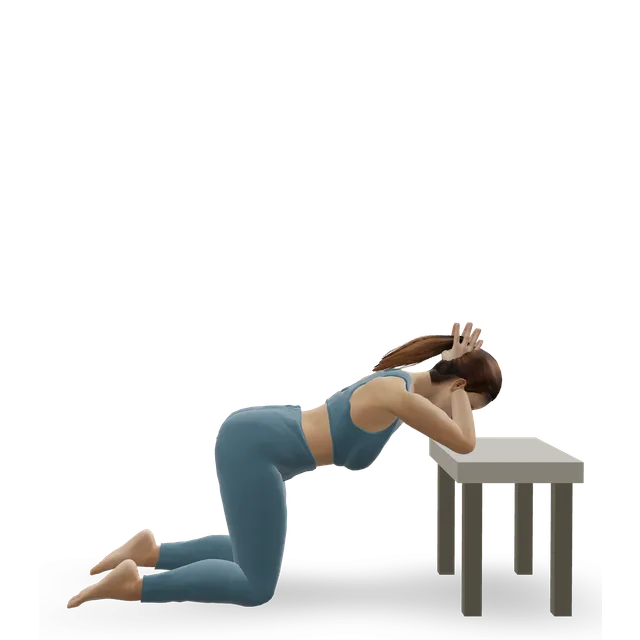
Upright squat
Rest 60 s
- Intermediate · Quads, Glutes, Abs · 3D demo3 s down; elbows inside your knees; chest upEasier: Bodyweight squatHarder: Back squat with bands
- Double kettlebell front squat2 × 5 (optional)Intermediate · Quads, Glutes, Abs · 3D demoIf you have two bells: elbows in, wrists straightEasier: Bodyweight squatHarder: Back squat with bands

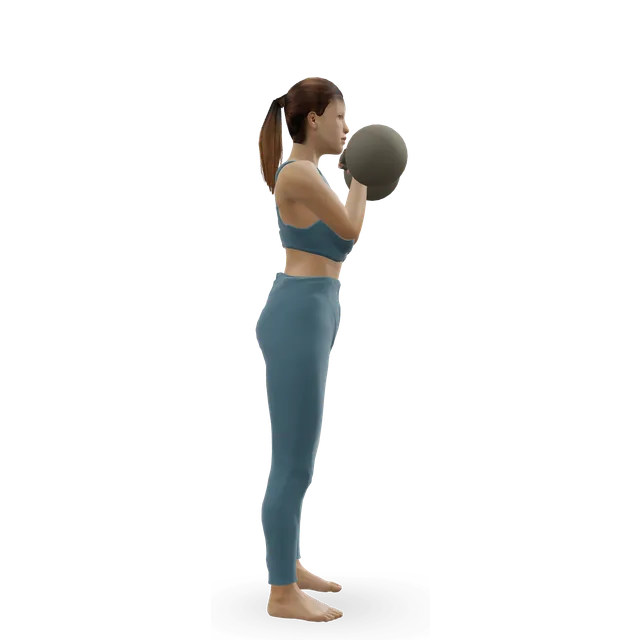
The rack
Rest 60 s
- Frankenstein squat (hands-free front squat)2 × 5 with the empty barIntermediate · Quads, Glutes, Hamstrings · 3D demoArms straight out in front; if the bar rolls, sit more uprightEasier: Machine hack squatHarder: Barbell front squat
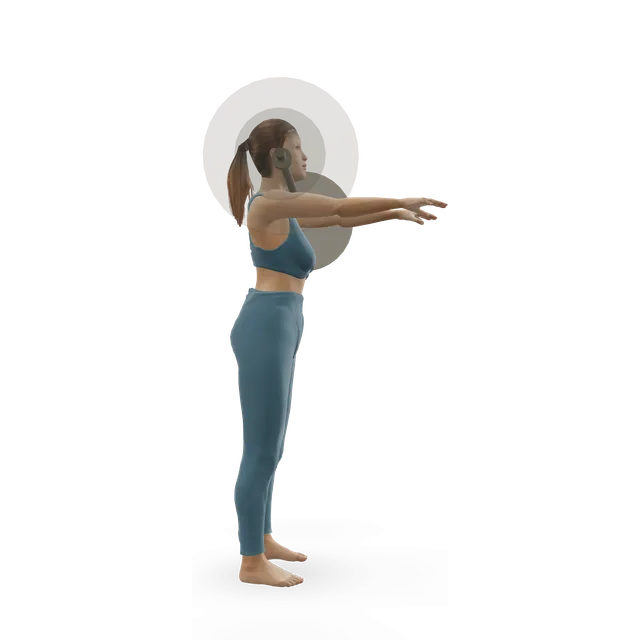
Find your grip
Rest 90 s
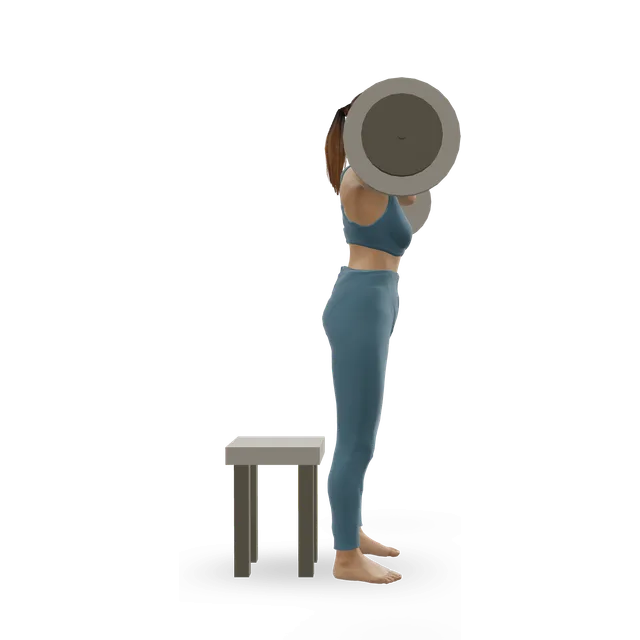
- Barbell front squat3 × 5 with the empty bar or a light weightAdvanced · Quads, Glutes, Hamstrings · 3D demoTry crossed arms first, then the clean grip or straps. Elbows up; safety pins just below your lowest pointEasier: Bodyweight squatHarder: Overhead squat
- Front squat to a bench2 × 5, light (optional)Intermediate · Quads, Glutes, Abs · 3D demoTouch the bench lightly to check your depthEasier: Bodyweight squatHarder: Back squat with bands
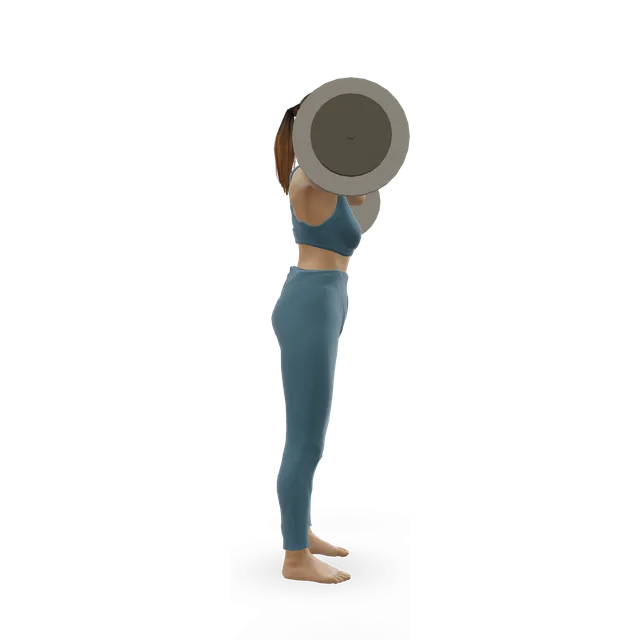
Brace
- Dead bug2 × 5 to 8 each sideBeginner · Abs, Hip flexors · 3D demoBreathe out as your arm and leg reachHarder: Forearm plank

Cool-down (optional)
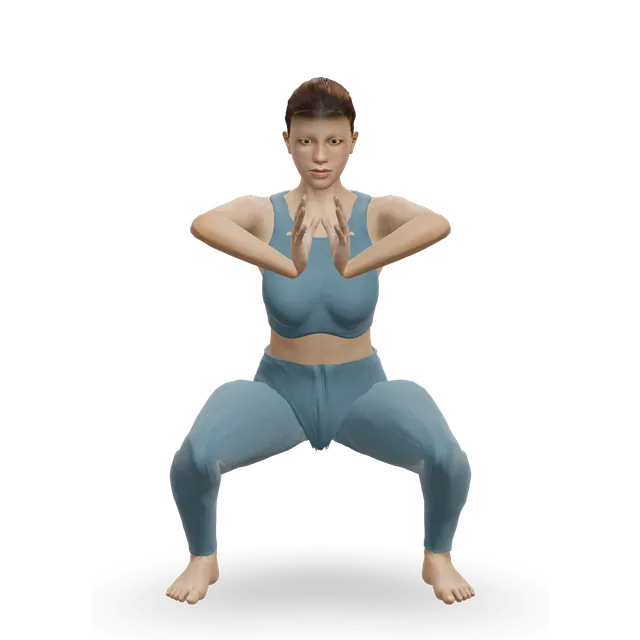
- Deep squat hold60 sIntermediate · Quads, Glutes, Adductors · 3D demoHold a supportEasier: Goddess pose (Utkata Konasana)Harder: Cossack squat
- Wrist flexor stretch30 s each sideBeginner · Forearms · 3D demoA gentle pull, not painEasier: Wrist circlesHarder: Quadruped wrist rocks

Tips
- Set the safety pins just below your lowest point, and practise the bail with the empty bar: drop your elbows, let the bar roll forward onto the pins and step back.
- Your shoulders carry the bar; your fingers only steady it. Two or three fingers under the bar are enough.
- Wrists or elbows complaining? Cross your arms or use straps. Still sore? Goblet squat for now, as our wrist pain guide suggests.
- Bar pressing on your throat? Push your shoulders slightly forward to make a shelf, and lift your elbows.
- Heels lifting? Raise them on small plates or wear weightlifting shoes.
- When 3 × 5 with the empty bar feels smooth at the same depth every rep, add about 2.5 kg a session, as in the beginner strength programme.
- With high blood pressure, heart disease or glaucoma, breathe out as you stand up rather than holding your breath.
The doses are suggested starting points, not a prescription. Choose a range you can control and stop for sharp or increasing pain, numbness or tingling. Get individual advice after an injury or surgery, or if you are pregnant or managing a health condition.
Guides that recommend it
Find more moves like these
More skill progressions




Push-up progression workout
Work up to full push-ups: wall, incline and knee push-ups, then the floor push-up and harder variations.
15 minBeginner8 movesA wall, A bench or box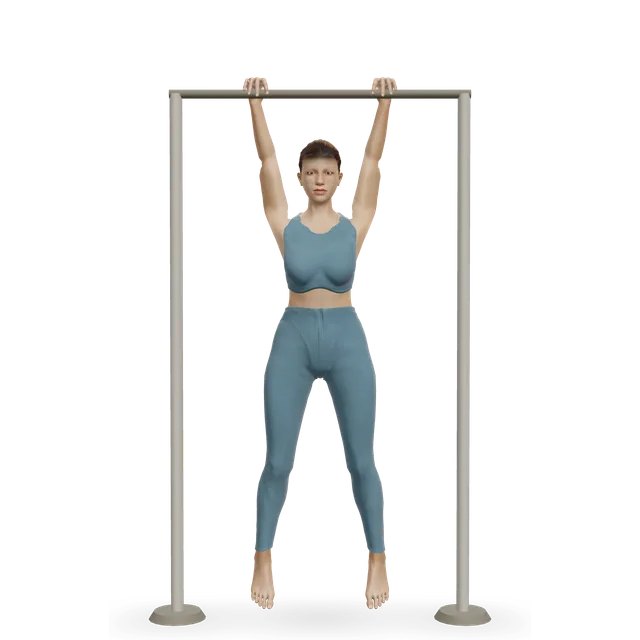

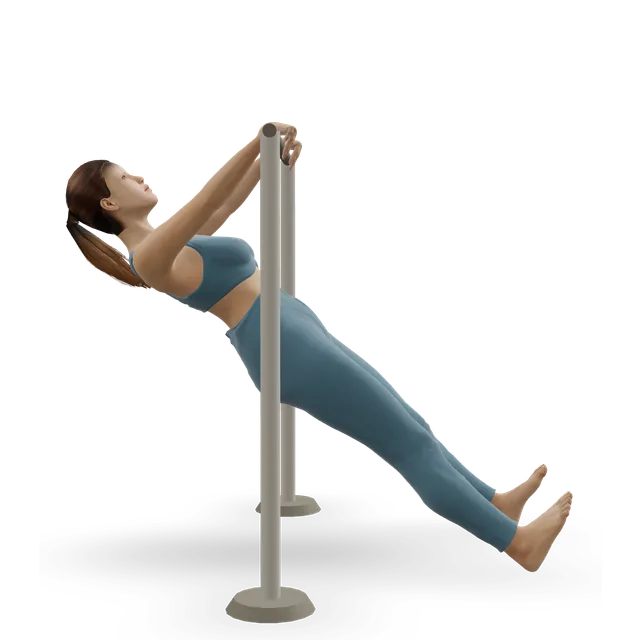
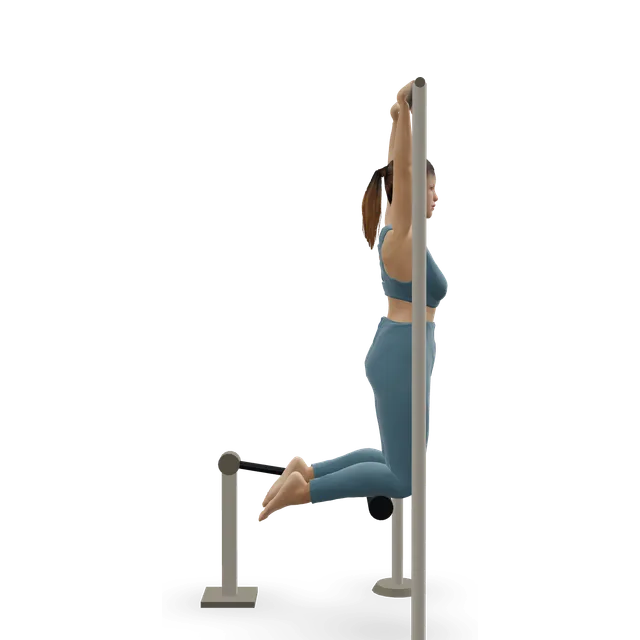
Pull-up progression workout
Work up to your first pull-up: dead hangs, scapular pulls, rows, negatives and assisted pull-ups.
25 minBeginner7 movesPull-up bar, A step
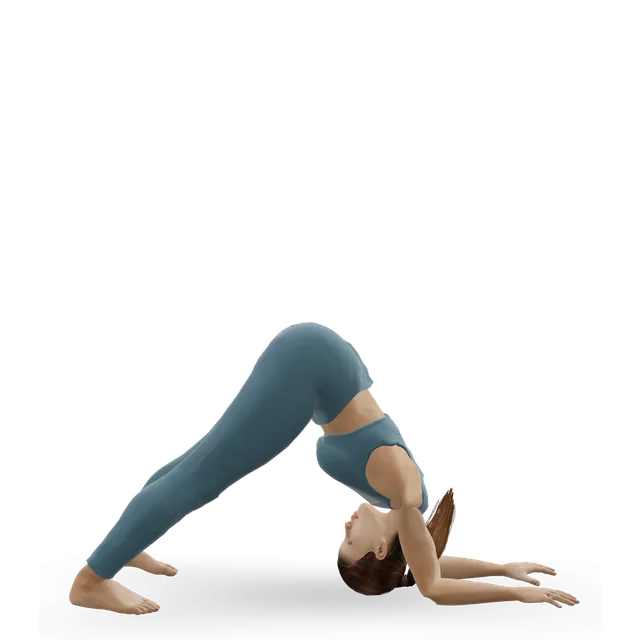
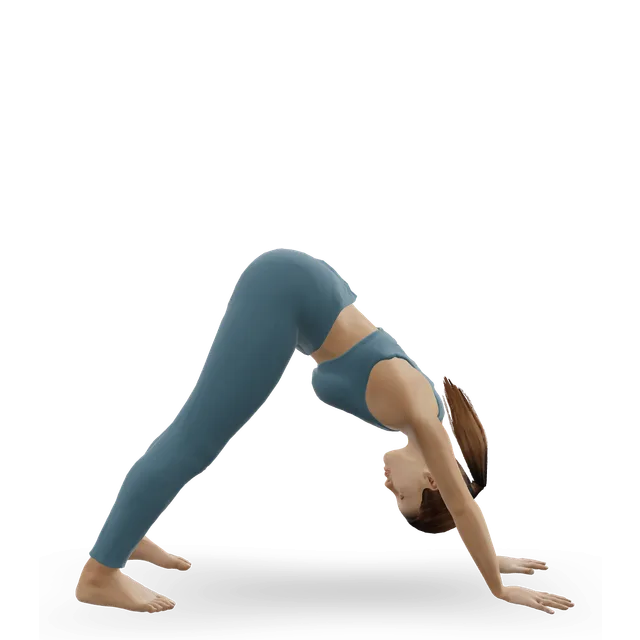
Handstand progression
Build toward a handstand: wrist prep, dolphin pose, pike push-ups, crow, the wall handstand and freestanding holds.
25 minAdvanced8 movesA wallQuestions people ask
How long does the front squat technique workout: the rack, the grip and the depth take?
About 30 minutes, including any warm-up and cool-down listed. Shorten it by doing fewer rounds; lengthen it by adding one.
What equipment do I need?
You need: A wall, A bench or box, A dumbbell, A kettlebell, A barbell. Each move links to its guide, where you can find an alternative if you are missing something.
Is it suitable for beginners?
It is written for beginners. 9 of its 12 moves have an easier option listed beside them if you need one.
How do I make it easier or harder?
Use the easier or harder option listed under each move, change the number of rounds, or adjust the rest. Progress one change at a time.