Sots press
Sitting in the bottom of a deep squat with a bar across the back of your shoulders in a wide grip, you press it overhead to a firm lockout, pause and lower it under control, staying at full depth throughout. Weightlifters use it to train the snatch's receiving position, which the overhead squat reaches without the press. It has not been studied; reviews find strength training gains about as much range of motion as stretching.
Movement guide
Sots press
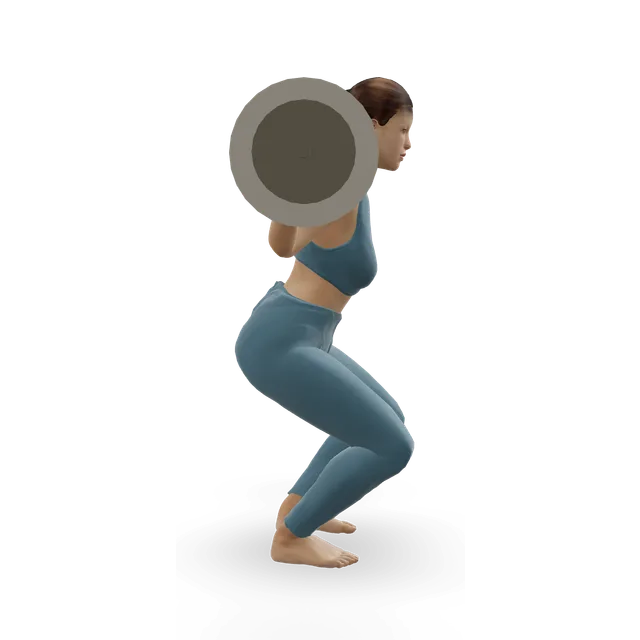
Loading the 3D figure…
Make it easier or harder
Choose a version that fits your control and comfort.
Easier option
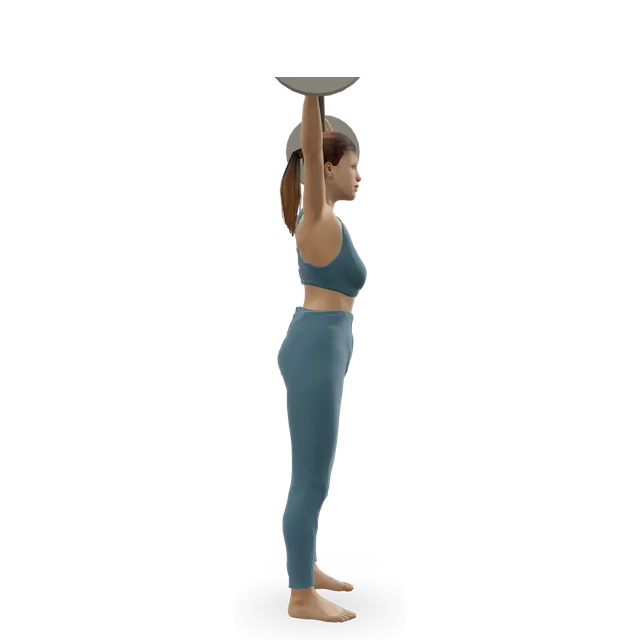 3D demoOverhead squatAdvanced · A barbell
Suggested next step, advanced grade.
Harder option
Keep the comfortable range and controlled movement described in this guide; do not force extra range to create a harder version. Catalyst Athletics · Press in snatch (Sots press): a snatch-width press from behind the neck in the bottom of the squat, no leg drive, sets of 2 to 5, only for lifters with the range to do it comfortably
Source-researched guide.
How to move
- Take a bar across the back of your shoulders with a wide, snatch-width grip and sit down into the bottom of a deep squat, chest up and heels down.
- Brace your trunk and squeeze your shoulder blades together.
- Staying at full depth with no bounce from the legs, press the bar straight up over the back of your head to a firm lockout. Pause.
- Lower it under control until it touches your upper back, then press again. For the dumbbell version, press one light dumbbell from the front of the shoulder.
Form cues
- Start with an empty bar or a broomstick.
- Keep every rep smooth: no grinding, no change of position.
- Avoid: letting the bar drop back onto your neck.
Practice and cautions
3 sets of 3 to 5 reps with an empty bar or a light dumbbell (our editorial starting point); Catalyst Athletics suggests sets of 2 to 5.
A hospital sports-medicine handout warns that pressing from behind the neck stresses the rotator cuff and shoulder ligaments, and advises against it: leave it out with neck or shoulder pain or after a shoulder dislocation, and use the one-dumbbell version from the front of the shoulder instead. Pressing from behind the neck at full squat depth leaves no easy bail-out. Start absurdly light, keep every rep smooth with no grinding, and treat any loss of balance backwards as the end of the set. This is movement education, not an assessment or treatment prescription. Stop for sharp or increasing pain, dizziness, numbness or tingling; seek individual guidance for symptoms, injury or restrictions.
Sources and review status
Sources support the educational description; they do not establish that this exercise is suitable for you.
- Catalyst Athletics · Press in snatch (Sots press): a snatch-width press from behind the neck in the bottom of the squat, no leg drive, sets of 2 to 5, only for lifters with the range to do it comfortably ↗
- Mass General Sports Physical Therapy · Strength training for the shoulder (the behind-the-neck press on its list to avoid; start and finish presses in front of the shoulder) ↗
- Afonso 2021 · Strength training and stretching gained about the same range of motion (meta-analysis of 11 randomised trials, Healthcare) ↗
No variation is labeled clinically validated.
What it works
Muscles
Main: Shoulders, Triceps. Also: Back, Abs, Quads.
Anatomy: Deltoid, Rotator cuff, Supraspinatus, Infraspinatus, Subscapularis, Teres minor.
Equipment
A barbell + A dumbbell
Level
Advanced. See the easier and harder options above.
Guides that use it
Similar moves
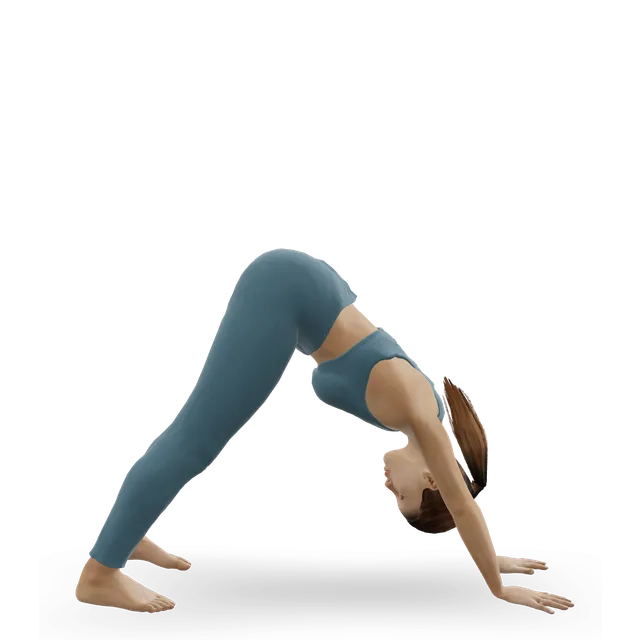 3D demoDownward-facing dog (Adho Mukha Svanasana)Beginner · No equipment
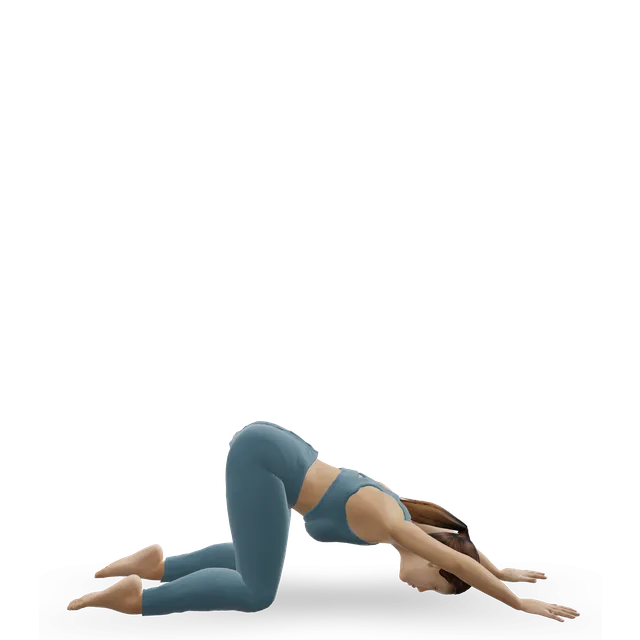 3D demoExtended puppy pose (Uttana Shishosana)Beginner · No equipment
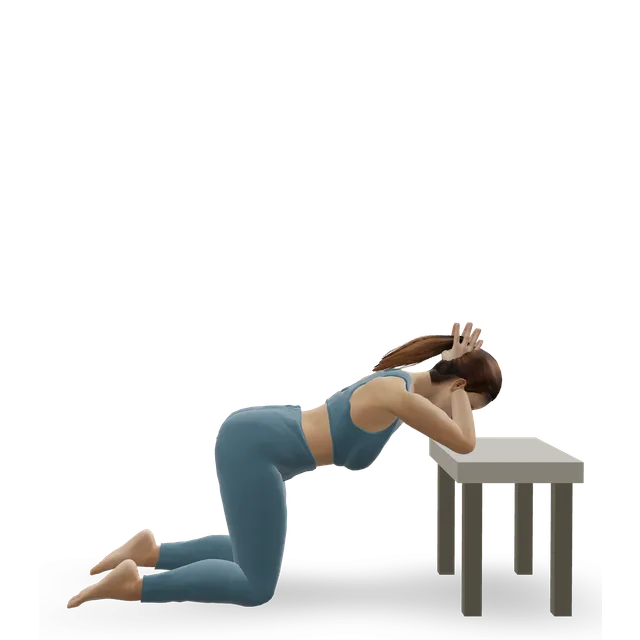 3D demoOverhead lat stretch at a bench (elbows on the bench)Intermediate · A bench or box
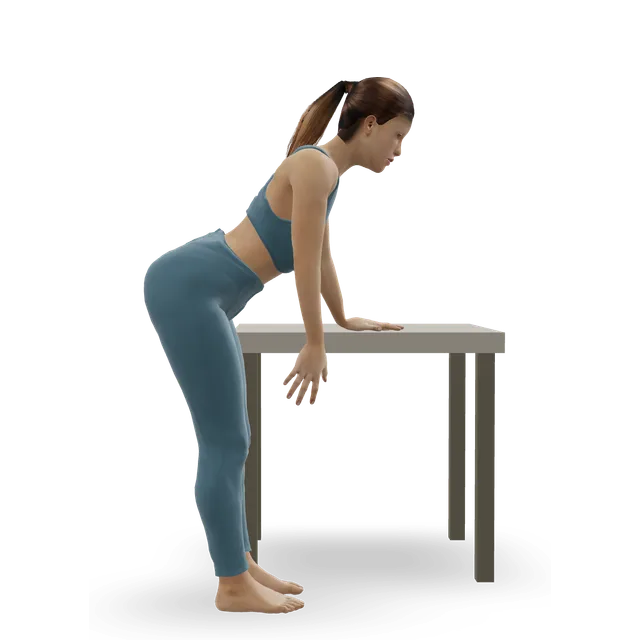 3D demoPendulum exercise (Codman's pendulum)Beginner · A bench or box
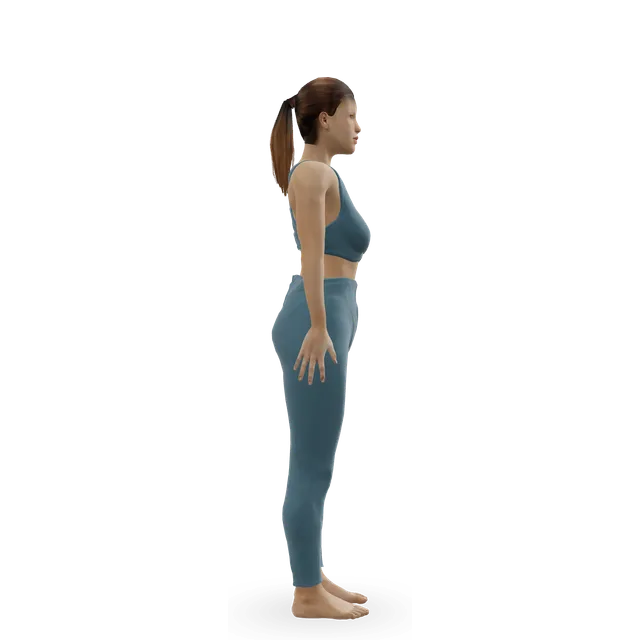 3D demoShoulder CARs (controlled articular rotations)Beginner · No equipment
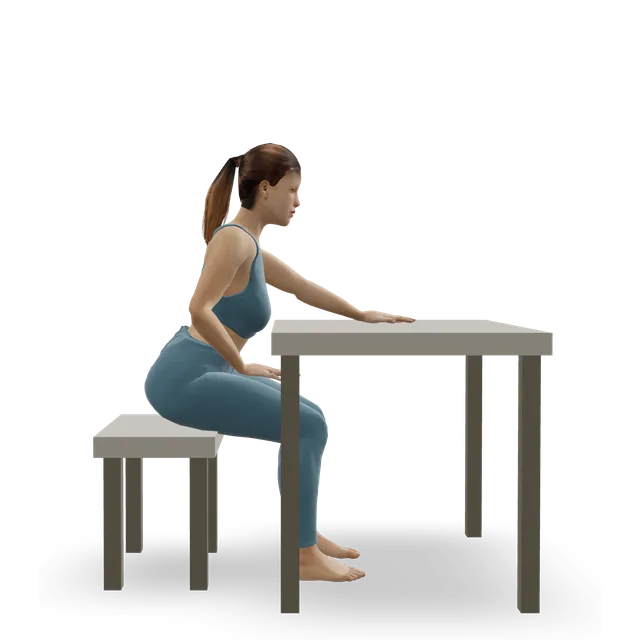 3D demoTable slide (seated forward reach)Beginner · A bench or box
Browse more
Questions people ask
What muscles does the Sots press work?
Mainly the shoulders and triceps, with help from the back, abs and quads.
What equipment do I need for the Sots press?
A barbell + A dumbbell.
Is the Sots press good for beginners?
It is an advanced move. Build up to it with the Overhead squat first.
What is an easier alternative to the Sots press?
Try the Overhead squat. It is the suggested step down from this move.