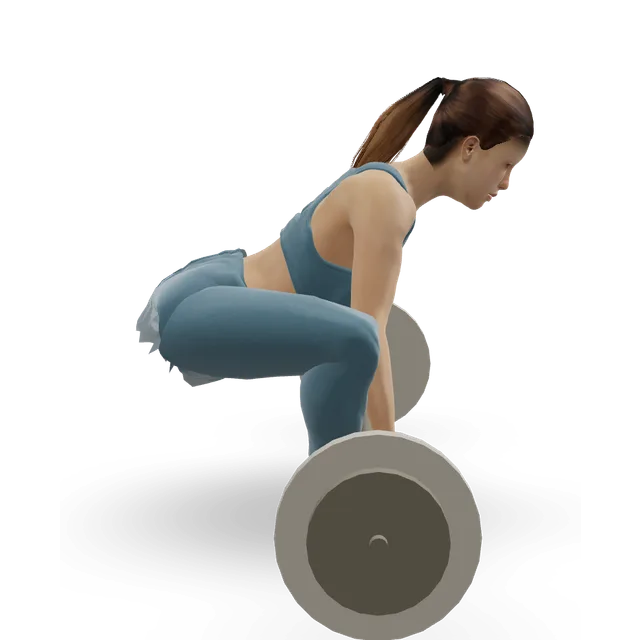
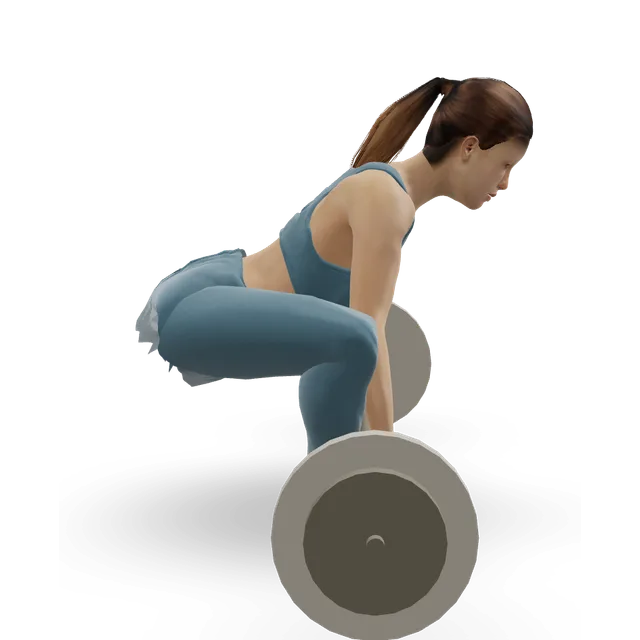
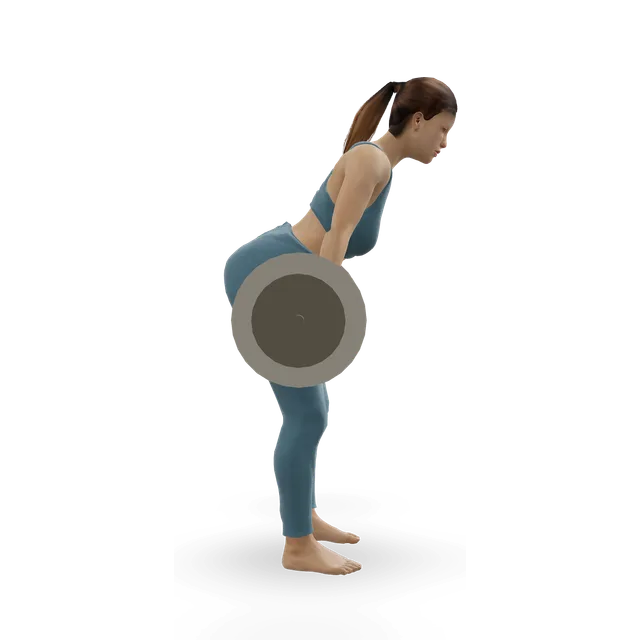
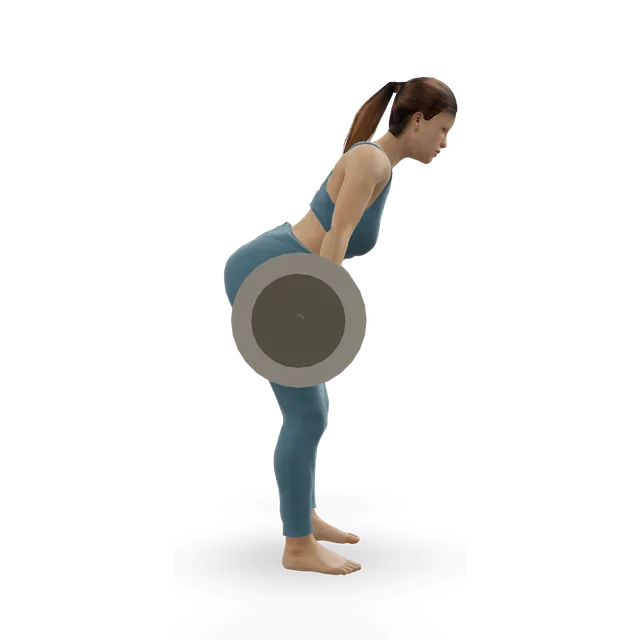
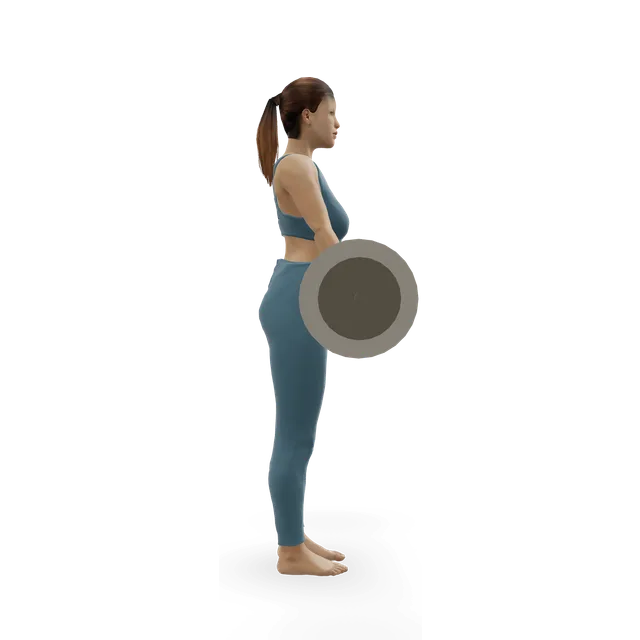
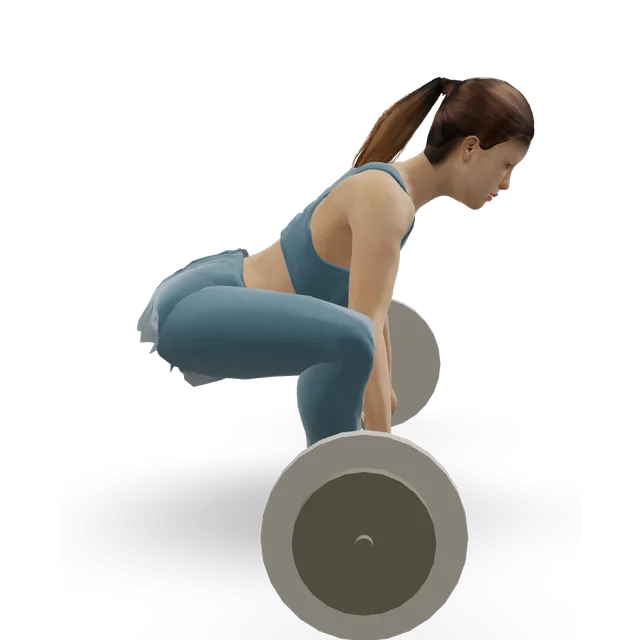
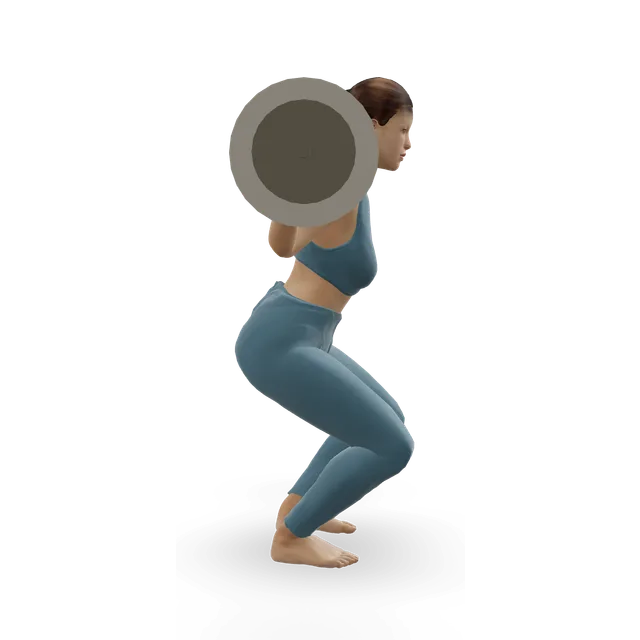
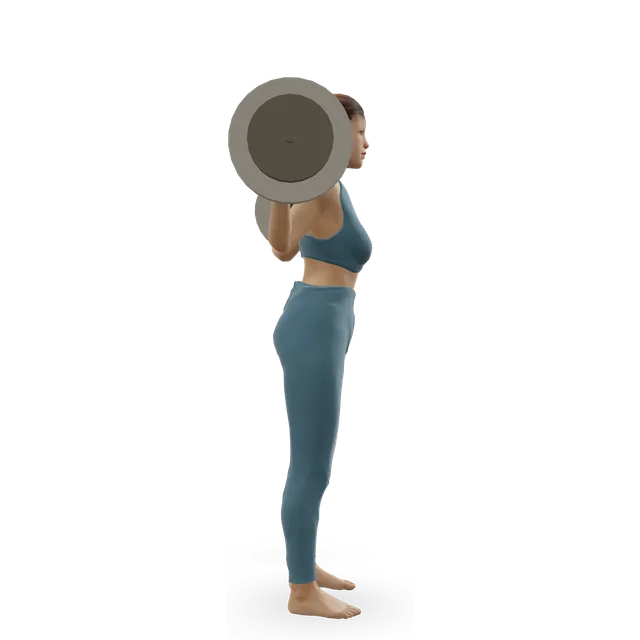
How do you do a snatch?
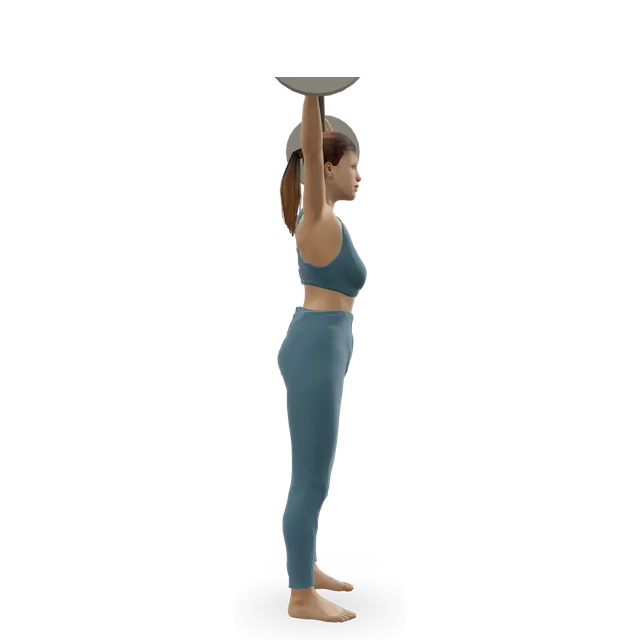
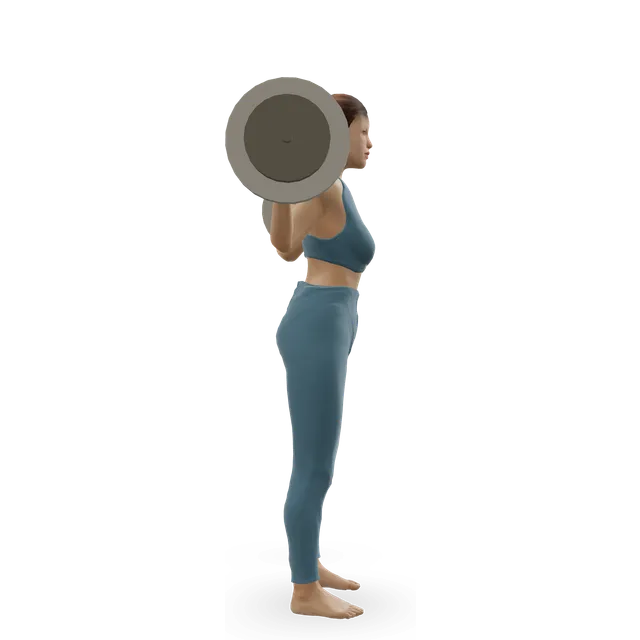
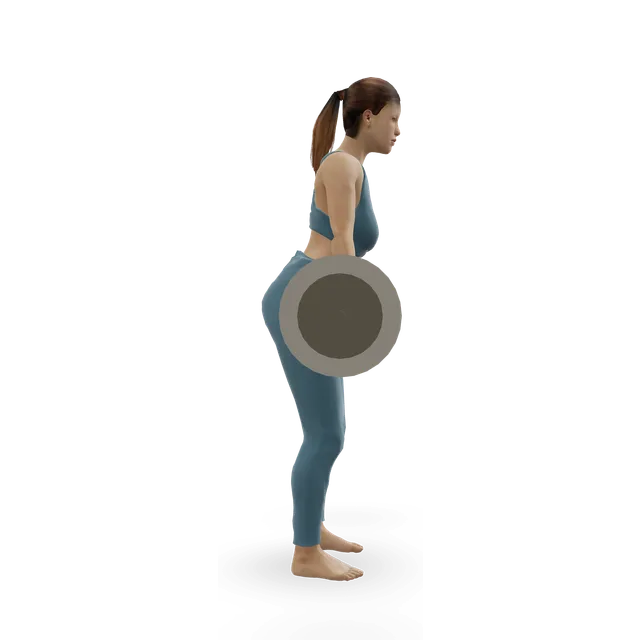
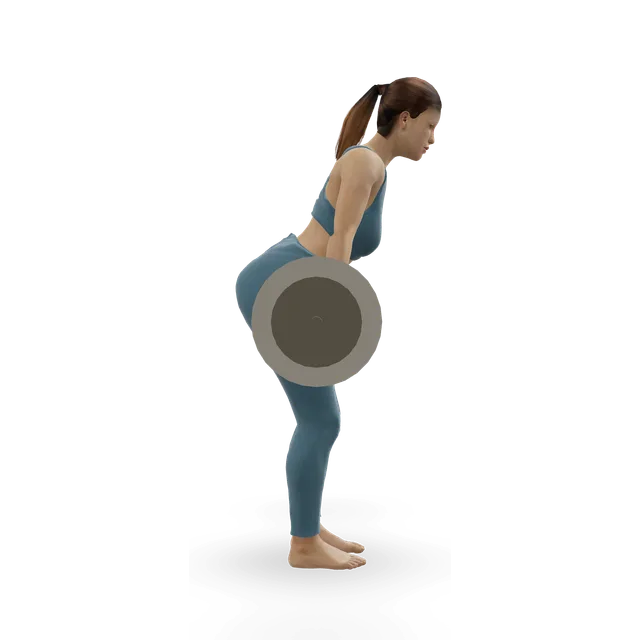
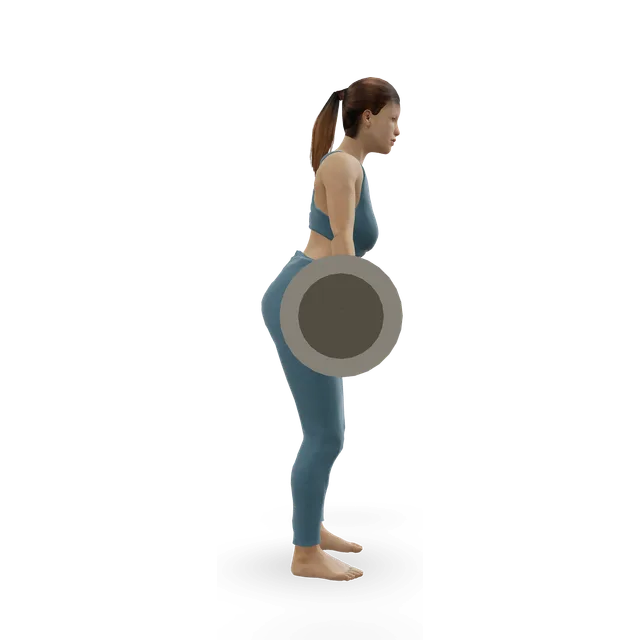
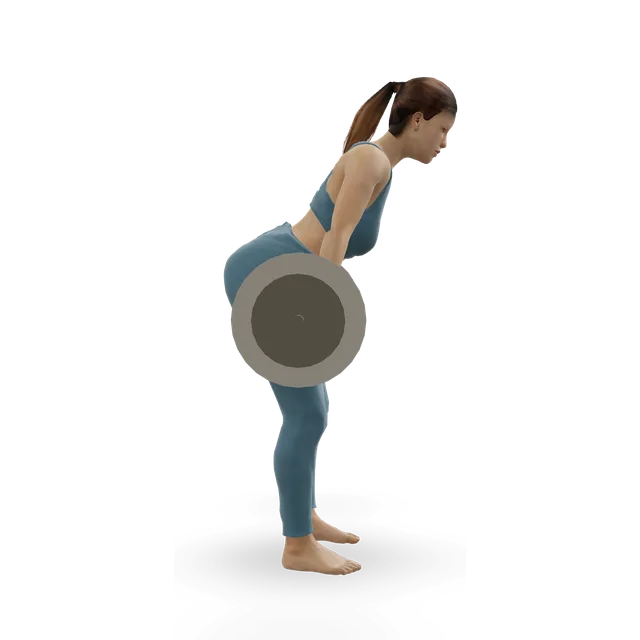
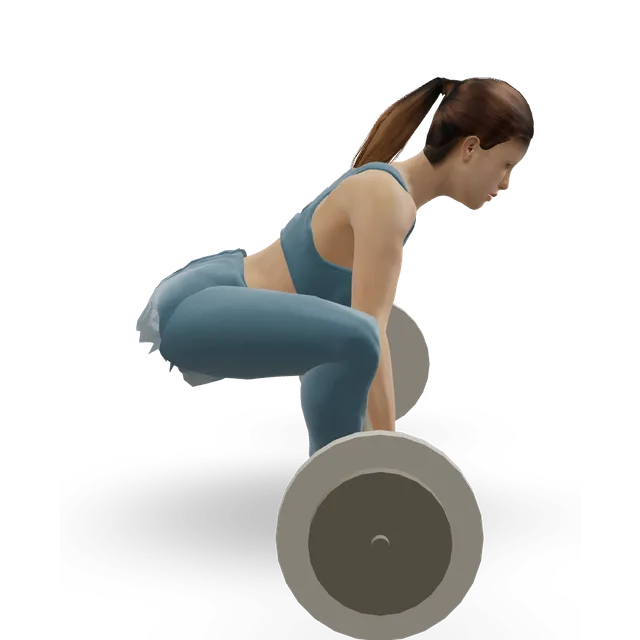
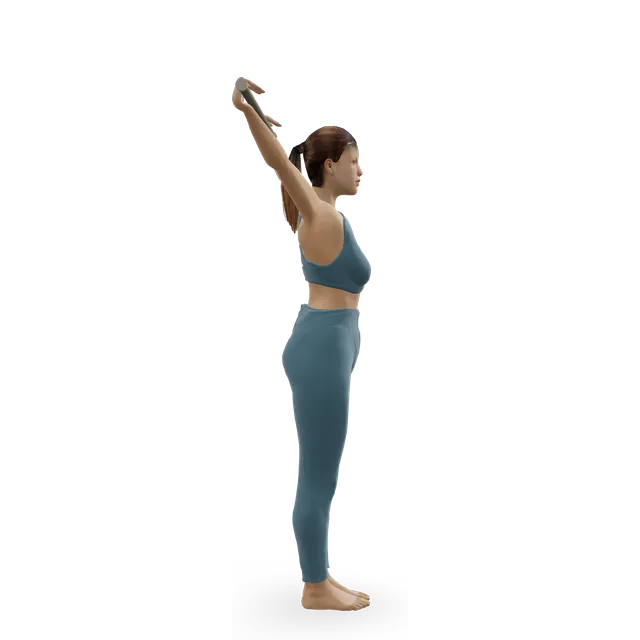
Take a wide grip, push the bar off the floor with your back angle unchanged, and as it reaches the top of your thighs, jump and shrug with your arms straight. Then pull yourself under, punching your arms straight overhead as your feet land, and stand up with the bar locked out. Learn it from the top down with a coach.
What's the difference between a power snatch and a snatch?
The height of the catch. A power snatch is caught with your thighs above parallel; a snatch, or squat snatch, is caught at the bottom of an overhead squat, which lets you lift more but needs more mobility.
How wide should my snatch grip be?
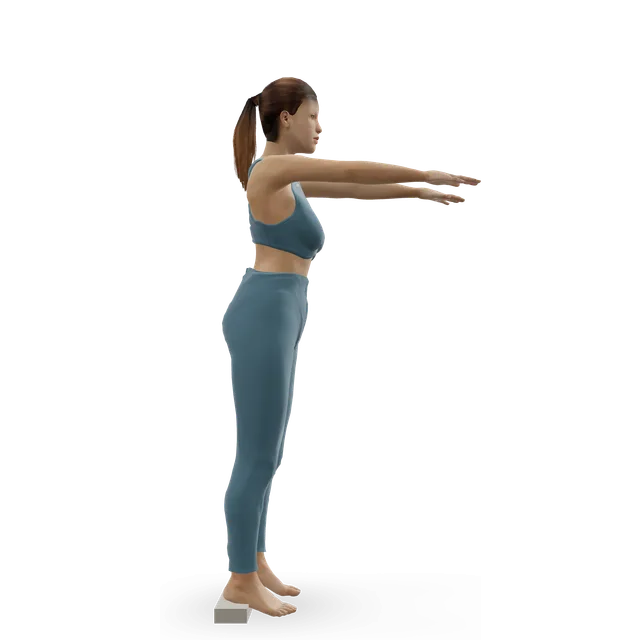
Wide: coaches describe a fairly wide overhand grip, so that in the jump the bar meets your body at about the crease of your hips. One way to set it, our suggestion rather than a tested method: stand tall with straight arms and widen your grip until the bar sits at your hip crease, then adjust it with your coach.
What mobility do I need to snatch?
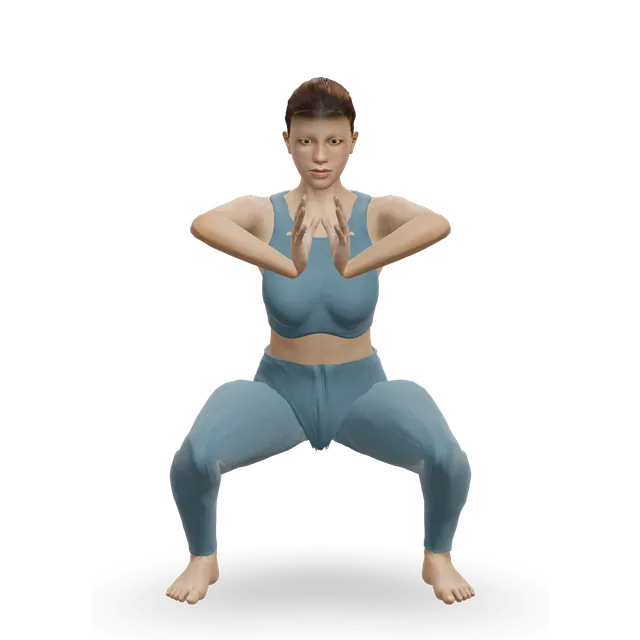
Enough for a deep squat with your arms locked overhead and the bar over the middle of your feet: the overhead squat. If yours doesn't look right, check your ankles, because a good overhead squat rules out stiff ankles but a poor one could be your hips, upper back or shoulders. Use power snatches from the hang and pulls while it improves.
How should a beginner learn the snatch?
From the top down, with a coach: the overhead squat, the snatch balance, then snatches from the hip, the knee and finally the floor. Use a dowel or an empty bar, and let your technique decide when you move on.
How do you miss a snatch safely?
Let go and get out of the way: step back if the bar falls in front, and jump forward if it goes behind. Practise both with an empty bar on bumper plates before you add weight. In competition the bar is lowered in front and let go only below the shoulders.
What's a muscle snatch, and how is it different from a power snatch?
A muscle snatch takes the bar to locked arms without bending your knees again, so your arms finish the lift; coaches use it early to teach full extension and the turnover. In a power snatch you drop into a partial squat to catch the bar, so you can lift more.
Is the snatch harder than the clean and jerk?
It's usually the more technical lift. The bar travels further, about 62 to 78% of your height against 55 to 65% in the clean, so the clean and jerk lifts about 18 to 20% more. Our weightlifting guide covers the two lifts as a sport.
Is the snatch bad for your shoulders?
It's often said to be, because heavy loads sit at the end of the shoulder's range, but no study has shown it. Shoulder injuries in lifting athletes are mostly instability and overuse, so with an unstable or painful shoulder, or a past dislocation, get advice before you snatch.
How many reps should I snatch?
Few. Experienced lifters rarely do more than 3 in a set, and a novice drilling light technique can do up to 5. Our move page suggests 5 to 8 sets of 1 or 2 when you're fresh, ending a set when a rep looks different.
Do I need weightlifting shoes to snatch?
No, but they help: raised heels kept the trunk more upright and let the knees bend further in squats. Flat, firm shoes are fine while you learn.
Can I snatch a kettlebell or dumbbell instead?
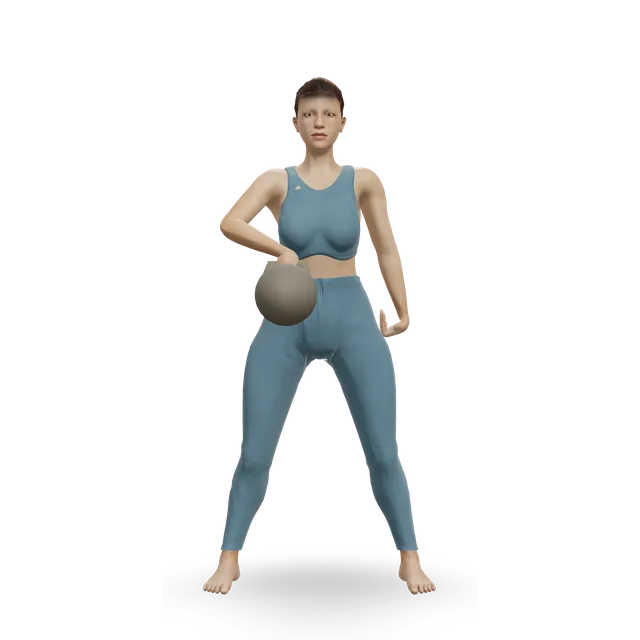
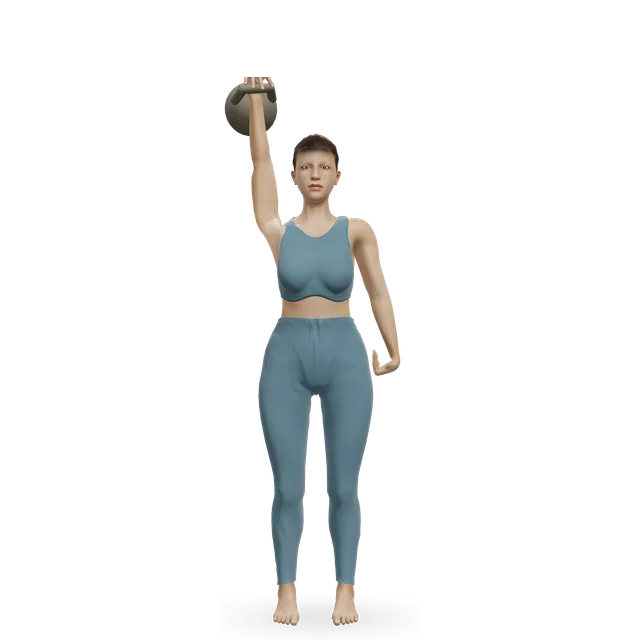
Yes, but it's a different skill: the kettlebell snatch is a swing that finishes overhead, taught in our kettlebell guides after the swing and the clean. It's our suggestion if you want overhead power without the barbell snatch's demands on your shoulders and hips.