The bar sits on your shoulders, not in your hands
Rest the bar across the front of your shoulders, against your throat, with your elbows high and your upper arms about level with the floor. Your shoulders hold it; your hands only steady it.
Training guide
A front squat is a squat with the barbell across the front of your shoulders: elbows high, trunk upright, sitting straight down until your thighs are at least level with the floor. Your shoulders hold the bar and your hands only steady it, which is why there are three ways to hold it: the clean grip weightlifters use, crossed arms, or straps.
Small studies compare it with the back squat: similar muscle activity and a more upright trunk, with less load on the knee in one study but about the same at the same effort in another. Over 12 weeks, thigh muscle grew about the same with either.
This guide covers the rack and the grips, each step on the 3D figure, front against back squats, sore wrists and elbows, back and knee pain, the progression from the goblet squat, and how much to do.
Rest the bar across the front of your shoulders, against your throat, with your elbows high and your upper arms about level with the floor. Your shoulders hold it; your hands only steady it.
The clean grip, with your fingertips under the bar and your hands just outside your shoulders, is the one you need for cleans. Crossed arms or lifting straps spare stiff wrists, elbows and shoulders. We found no study comparing them; in the one training trial, lifters chose crossed arms or the clean grip by preference.
Squat with an upright trunk until your thighs are at least level with the floor, heels down and knees out over your toes, then stand with your chest and elbows up. Use a rack with the safety pins just below your lowest point; if a rep fails, drop your elbows and let the bar roll forward onto the pins.
Source 1
Muscle activity is similar. The knee took less compression in one study of 15 people, but about the same demand at the same relative effort in another of 11. You'll lift less. Over 12 weeks in 24 women, thigh muscle grew about the same with either, and back squats raised leg press strength more.
The load in front keeps your trunk more upright, which may suit some people with back pain: that's our reading of the mechanics, not a trial result. An older study found how far you lean matters more than which squat you do.
Goblet squat, then a double kettlebell front squat, then the barbell, as the American Council on Exercise (ACE) sets out. The hands-free "Frankenstein" squat teaches the upright trunk. Start with the empty bar for 3 sets of 5, and add about 2.5 kg a session while every rep looks the same, as in our beginner strength programme.
These steps describe the barbell front squat. For the goblet squat, see our squat guide.
Set the bar at about upper-chest height and the safety pins just below the lowest point of your squat, as in our beginner strength programme.
Clean grip: hands just outside your shoulders, fingertips under the bar; two or three fingers are enough. Crossed arms: cross your forearms in front and rest your hands on top of the bar. Straps: loop lifting straps round the bar and hold the straps (our suggestion; no study has tested them). The grips section below has more.
Step under so the bar sits on the front of your shoulders, against your throat. Push your shoulders slightly forward to make a shelf, and lift your elbows until your upper arms are about level with the floor.
Stand up to lift the bar off and take two steps back. Set your feet about shoulder-width apart with your toes turned out a little.
Source 1
Take a big breath into your belly and brace before each rep, as in our squat guide. With high blood pressure, heart disease or glaucoma, breathe out through the effort instead.
Source 11
Bend your hips and knees together, keeping your trunk upright and your elbows up. Let your knees travel forward and out over your toes; knees past your toes is normal.
At least until your thighs are level with the floor, with your heels down and your back keeping its shape. Weightlifters go all the way down: that's the position a clean is caught in.
Source 1
Drive through the middle of your foot with your chest and elbows leading, and breathe out near the top.
Source 1
Walk forward until the bar touches the uprights and lower it onto the hooks. If a rep fails, drop your elbows, let the bar roll forward onto the safety pins and step back. Practise this with the empty bar, as our beginner strength programme advises.
"Elbows up": if they drop, the bar rolls forward. "Sit between your heels." "Knees out over your toes." "Your shoulders carry the bar; your fingers only steady it." These are coaching cues, not tested in trials.
Source 1
Hands just outside your shoulders, the bar resting on your fingertips, elbows high. It's the position a clean is caught in, so learn it if you want to clean. If your wrists complain, widen your grip a little or take your little and ring fingers off the bar (a common coaching tip, not tested).
Cross your forearms in front and rest your hands on top of the bar, with your elbows high and level. It needs no wrist bend, so it suits stiff wrists: lifters in the one training trial could choose it "to avoid load and technique limitations due to reduced shoulder joint flexibility". It isn't how a clean is caught, and many lifters find it harder to keep steady as the weight rises (our view).
Source 3
Loop a lifting strap round the bar beside each shoulder and hold the straps, with your elbows up. They take the bend out of your wrists while keeping the clean grip's elbow position. No study has tested them; they're a common coaching option.
A goblet squat holds one weight at your chest with no rack at all, and it's the swap our wrist pain guide suggests. A double kettlebell front squat sits between the goblet squat and the barbell, in ACE's progression. A Zercher squat holds the bar in the crook of your elbows, with no wrist bend; pad the bar.
Source 10
Weightlifting coaches teach the clean grip from the start, because it's how the bar is caught; other coaches use whatever lets you keep your elbows up without pain. We found no study comparing grips, and the one training trial let lifters choose. Our suggestion: use the grip that doesn't hurt, and learn the clean grip if you plan to clean.
In 20 CrossFit athletes, a good clean catch went with about 92 degrees of wrist extension, 107 degrees of outward shoulder rotation, 99 degrees of forearm turning and 173 degrees of shoulder flexion; rotation, forearm turning and wrist extension mattered most. That's a lot of range, which is why few people hold a clean grip comfortably on day one (our view).
Source 12
Let the bar sit on your shoulders and loosen your grip to your fingertips, widen it, or cross your arms or use straps. Warm up your wrists with circles and gentle stretches, and your upper back with rotations. Tight lats can stop your elbows lifting: if the bar rolls forward while your trunk stays upright, an overhead lat stretch may help. If it still hurts, goblet squat for now, as our wrist pain guide suggests.
In the one 12-week trial, one of 15 women doing front squats dropped out with shoulder pain from the bar position, and some ended sets early because the bar was uncomfortable. In 7 men, the front squat worked the front of the shoulder more than the overhead squat did. If the bar presses on your throat or collarbones, push your shoulders slightly forward to make a shelf and lift your elbows (our suggestion).
See a GP if wrist pain hasn't improved after 2 weeks of treating it at home or keeps coming back, if elbow pain hasn't gone after a few weeks, or if shoulder pain is getting worse or hasn't improved after 2 weeks. The warning signs below list when to get help sooner.
In 15 trained people, the front squat worked the muscles about as hard as the back squat, and in 13 trained women, glute, hamstring and thigh muscle activity didn't differ between front, full and parallel squats. At maximal loads in 12 people, the front squat worked the inner front thigh more and the back squat one of the hamstrings more. The trunk muscles worked harder in the front squat in another lab study, and the front of the shoulder holds the bar.
In 15 trained people, the front squat put significantly less compression on the knee, and less demand on the muscles that straighten it, than the back squat. In 11 athletes, though, at the same weight (80% of their best front squat) the front squat asked more of the knee, and at the same relative effort, with each squat at the same share of its own maximum, the knee's demand was predicted to be about the same. So the front squat may be easier on the knee, or about the same, depending on how you compare them.
In a randomised trial of 24 recreationally trained women squatting twice a week for 12 weeks, the outer thigh grew about the same with front or back squats (about 5.1% and 4.4%), and back squats raised leg press strength more (37.2% against 19.6%); the authors speculate that the heavier loads explain it. In adolescent boys, 6 weeks of front squats beat hip thrusts for front squat strength and vertical jump, while hip thrusts did better for 10 to 20 m sprints.
Front and back squats have similar bar-speed profiles, so speed-based training works for both, with a separate profile for each lift.
The back squat lets you use heavier loads, as the authors of the 12-week trial note. We found no reliable published ratio between the two, so compare your front squat with your own past numbers.
Source 3
Either, or both. Front squat if you want to clean, want to stay upright, or your shoulders dislike holding a back squat; back squat if you want to lift the most weight. That's our view, from the studies above.
The more upright torso may suit some people with back pain: that's our reading of the mechanics, and no trial has tested it. A load in front keeps the trunk more upright, and you lift less. But in a small 1989 study of 8 strength-trained men, the load on the lower back depended more on how far each man leaned than on which squat he did. A clinical review's advice for low back pain is to limit forward lean, widen your stance and squat only as deep as your back stays in position.
Less knee compression in one study, about the same knee demand at the same relative effort in another. The authors of the first suggest front squats may suit people with knee problems; that's untested. With kneecap pain, start with partial squats and go deeper as the pain allows, as our squat and runner's knee guides describe.
The clean is caught in the front squat position, and the front squat is the first step of the clean progression of the National Strength and Conditioning Association (NSCA). NSCA coaches check a deep front squat with the clean grip before teaching the power clean. Weightlifters squat all the way down with the clean grip, because a heavy clean is caught there.
From an NSCA coaching article:
Source 1
Front squat at least once a week (our suggestion). Example NSCA coaching programmes run 4 sets of 6 to 8 at 70 to 75% of your best early in a training block, and 5 sets of 3 at 80 to 85% later.
Source 1
Bodyweight squats, then goblet squats: 3 or 4 sets of 8 to 12, stopping about 2 reps short of failure (the move page's dose). Raise your heels on a small plate if they lift. Move on at 3 sets of 10 with the heaviest dumbbell you can hold at your chest, at the same depth every rep, as in our squat guide.
Source 10
3 sets of 6 to 10 (our suggestion). Move on when holding the bells, not your legs, limits the set.
Source 10
The Frankenstein squat: the empty or a light bar on your shoulders, arms straight out in front, for 2 or 3 sets of 5 to 8 (our move page's suggestion). The bar only stays put if you stay upright. Move on when it stays put to depth.
Source 2
In a rack with the pins set, with crossed arms or the clean grip. Start with the empty bar for 3 sets of 5 and add about 2.5 kg a session while every rep looks the same (our beginner strength programme), then move to 3 or 4 sets of 3 to 6 at about 2 reps in reserve (the move page's dose). When a weight stalls, follow the programme's stall rules.
Source 10
3 or 4 sets of 3 to 6, the same dose. You need it before you catch cleans.
Our estimate, not a trial result: most people who goblet squat well can front squat the empty bar within a few sessions, though the clean grip can take weeks of wrist and shoulder work. In the 12-week trial, the women who front squatted added about 20% to their leg press.
Source 3
Twice a week, as in the 12-week trial. In the American College of Sports Medicine's 2026 review, strength improved with training at least twice a week.
Start with 3 sets of 5 while you learn, as in our beginner strength programme, then 3 or 4 sets of 3 to 6 for strength (the move page's dose). For muscle, sets of 8 to 12 work if your rack position tolerates them: the 12-week trial used 6 to 8 reps in one weekly session and 10 to 12 in the other. On long sets the rack usually gives out before your legs do (our move page).
Source 3
Stop most sets with about 2 reps in reserve (how many more reps you could have done), as the trial did for all but the last set. You don't need to go to failure, and a failed front squat means dropping the bar onto the pins.
Source 3
Rest 2 to 3 minutes between sets, and longer once sets get heavy, as for the back squat in our squat guide and beginner strength programme. The 12-week trial rested 3 minutes.
Source 3
About 2.5 kg a session while every rep looks the same, as in our beginner strength programme. Later, add reps within a range, then weight.
3 to 5 minutes of easy movement, wrist circles and upper-back rotations, then the empty bar and 2 to 4 lighter sets with fewer reps as the weight climbs, as in our warm-up guide.
Every 4 to 6 weeks, test a 3- to 5-rep best or the reps you can do at a fixed weight (our suggestion). Bar-speed apps work as for the back squat, with a separate profile for the front squat.
Source 20
The bar rolls forward and your upper back rounds. Lift your elbows before you start down and lead with them on the way up; if they won't lift, work on your upper back and lats.
It cranks your wrists and pulls your elbows down. Let the bar sit on your shoulders and keep your fingers loose, or cross your arms.
Source 1
Push your shoulders slightly forward to make a shelf and lift your elbows, so the bar sits on muscle rather than pressing on your throat (our suggestion).
Raise your heels on small plates or wear weightlifting shoes, and loosen your ankles with the knee-to-wall rock.
It loads your lower back more and the bar rolls off. Lighten the load, practise the Frankenstein squat, and squat only as deep as you can stay upright.
Take some weight off and think "knees out over your toes".
Source 1
Set them just below your lowest point, and practise the bail with the empty bar.
You lose your position at the hardest point. Control the way down; a brief pause at the bottom teaches the position.
Cross your arms, use straps or goblet squat for now; the section on sore wrists above has the detail.
Source 3
Keep your trunk upright, widen your stance and squat only as deep as your back stays in position. The upright torso may suit some people with back pain (our reading of the mechanics; no trial). Our back pain guide has more.
Start with partial squats and go deeper as the pain allows, as in our squat and runner's knee guides.
Source 8
Holding your breath under a heavy load drove blood pressure to an average of 320/250 mmHg in 5 bodybuilders, and breathing out slowly lowered it a lot in another study. With high blood pressure, heart disease, glaucoma or diabetic eye disease, breathe out as you stand up, use weights you could lift 10 to 15 times, and leave maximal lifts until your blood pressure is controlled and you've had advice, as our high blood pressure guide says. The American Heart Association calls strength training safe and effective for adults with and without heart disease.
The NHS says strength training at a gym is fine "if you do this already", but to avoid activities with a risk of falling. A goblet squat may sit better than a bar on your shoulders as your bump grows (our view). Talk to your midwife, and see our pregnancy guide.
Source 28
Leaking urine was reported by half of women and 9% of men in weightlifting and powerlifting. It's common and treatable, and a reason to see our pelvic floor guide and a pelvic health physiotherapist, not to stop lifting.
Source 29
Raise your heels on small plates or wear weightlifting shoes; the front squat already keeps you more upright than a back squat.
Work up in order, moving on at the targets in the progression above; the double kettlebell step is optional.
 3D demoBodyweight squatBeginner · No equipment
 3D demoDumbbell goblet squatIntermediate · A dumbbell
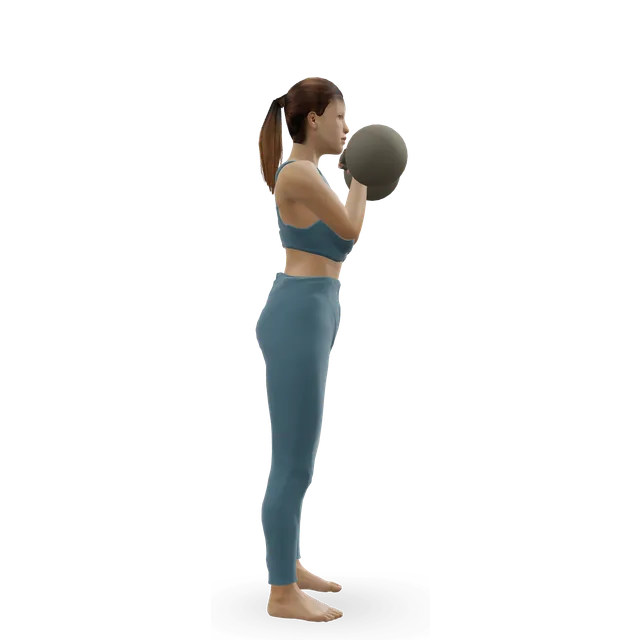 3D demoDouble kettlebell front squatIntermediate · A kettlebell
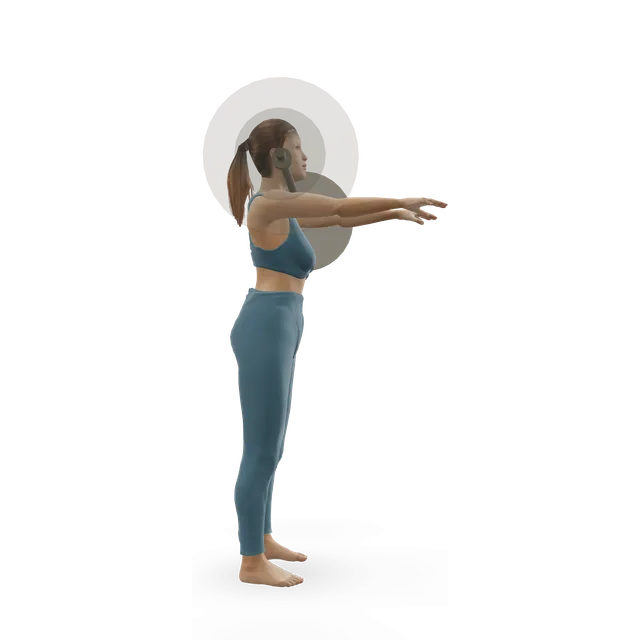 3D demoFrankenstein squat (hands-free front squat)Intermediate · A barbell
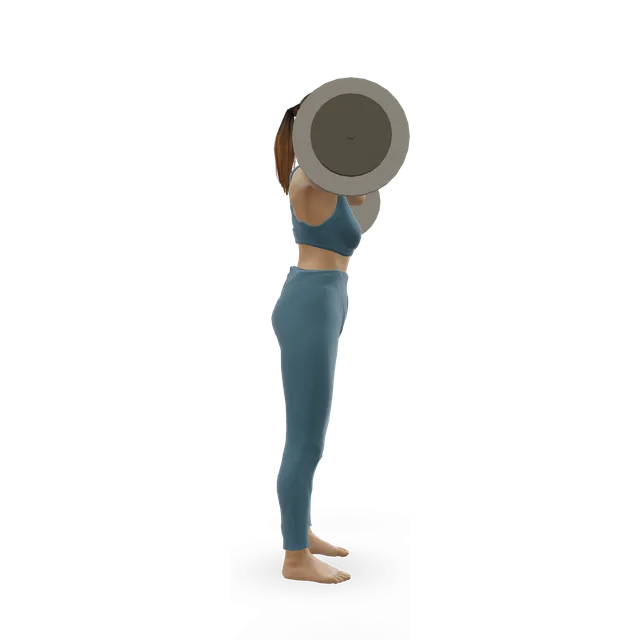 3D demoBarbell front squatAdvanced · A barbell
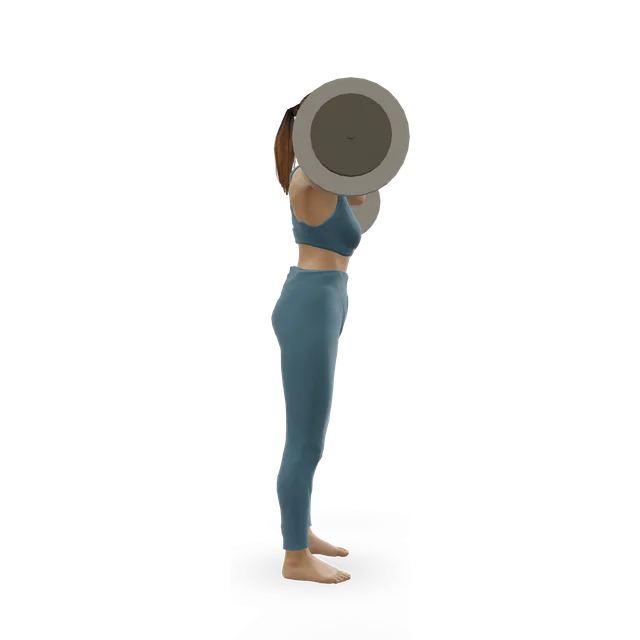 3D demoClean-grip front squatAdvanced · A barbell
A bench sets your depth, the Zercher squat spares your wrists, raised heels help stiff ankles, and the high-bar back squat and overhead squat are its neighbours in a weightlifter's training.
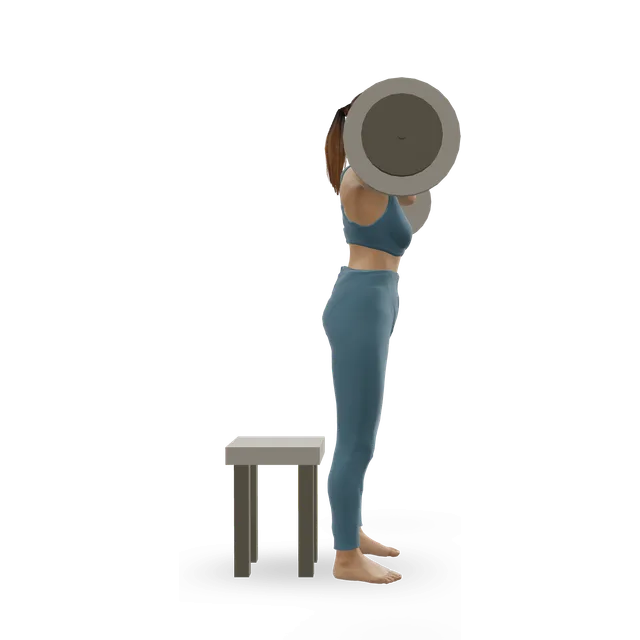 3D demoFront squat to a benchIntermediate · A barbell + A bench or box
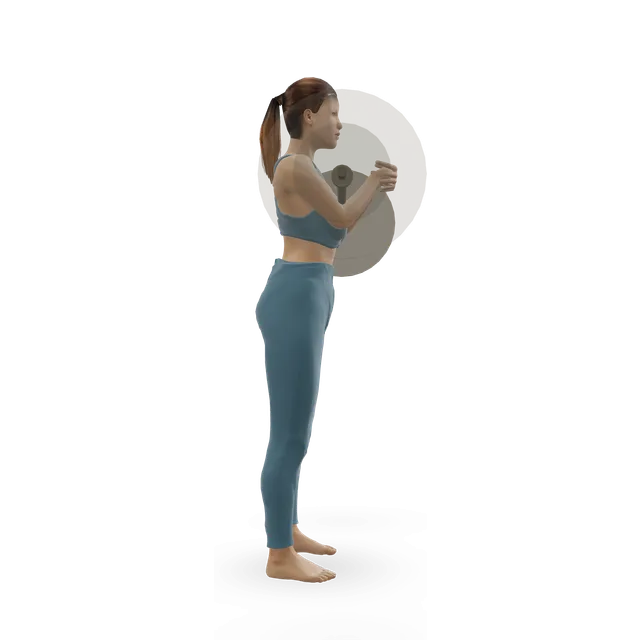 3D demoZercher squatAdvanced · A barbell
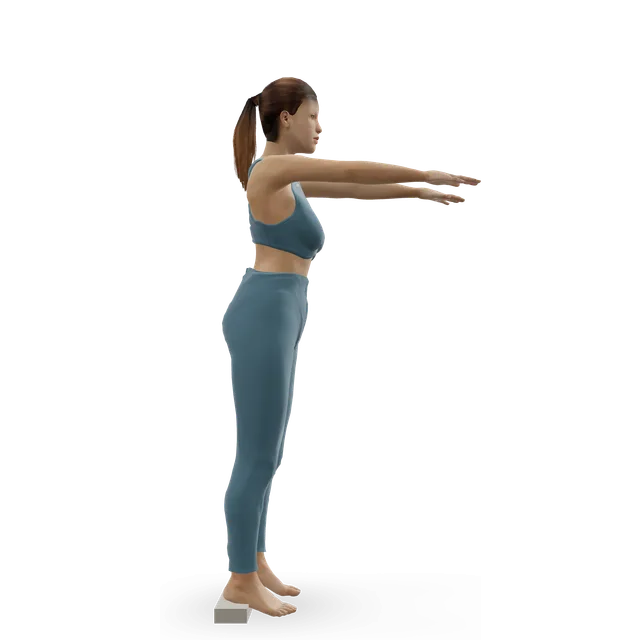 3D demoHeel-elevated deep squat (slant board squat)Intermediate · A step
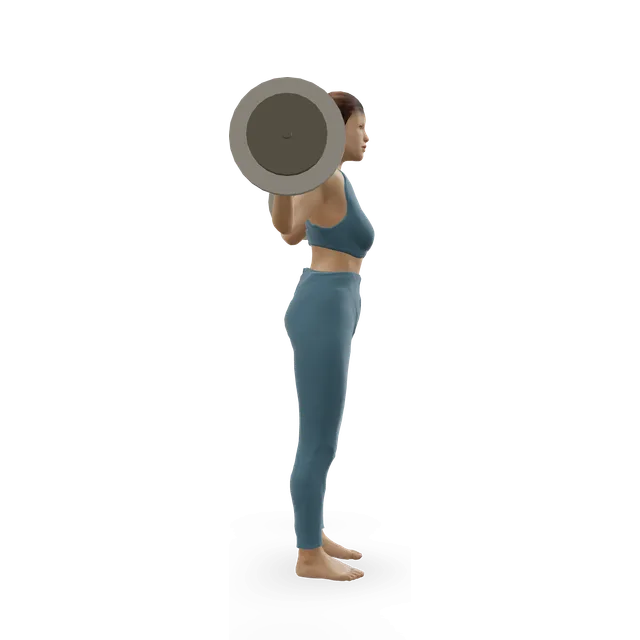 3D demoOlympic squat (high-bar back squat)Advanced · A barbell
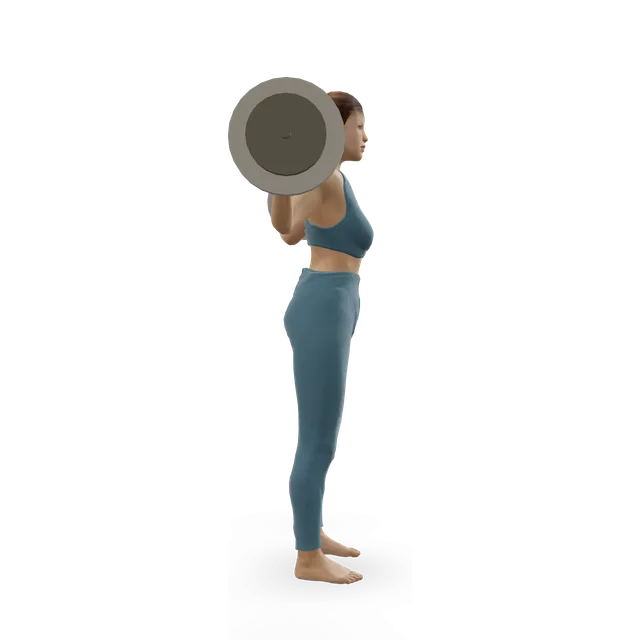 3D demoBarbell back squatAdvanced · A barbell
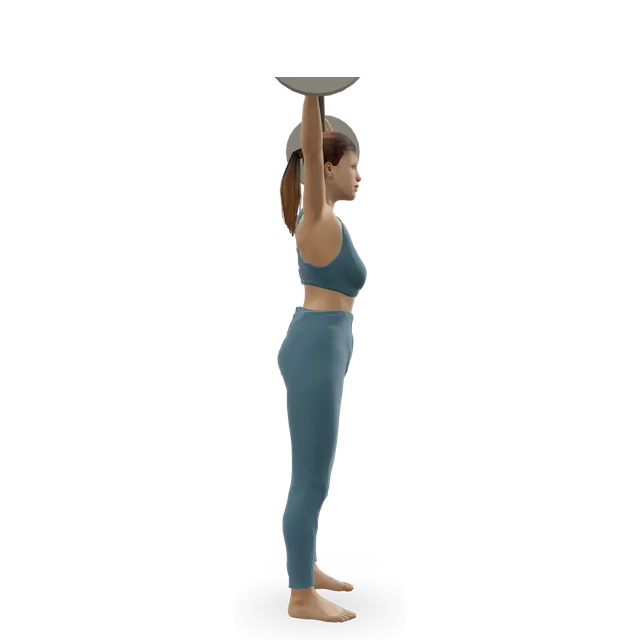 3D demoOverhead squatAdvanced · A barbell
Add two or three to your warm-up, a few slow reps each, if your wrists ache, your elbows won't lift or your heels rise; put weight through your wrists only if they tolerate it.
 3D demoWrist & forearm flowBeginner · No equipment
 3D demoWrist flexor stretchBeginner · A wall
 3D demoQuadruped wrist rocksBeginner · No equipment
 3D demoThoracic rotationBeginner · No equipment
 3D demoFoam roller thoracic extensionBeginner · A foam roller
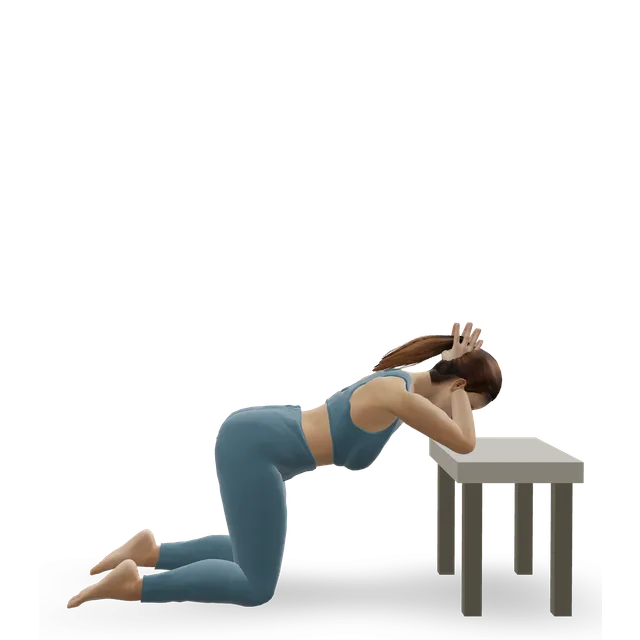 3D demoOverhead lat stretch at a bench (elbows on the bench)Intermediate · A bench or box
 3D demoKnee-to-wall ankle rockBeginner · A wall
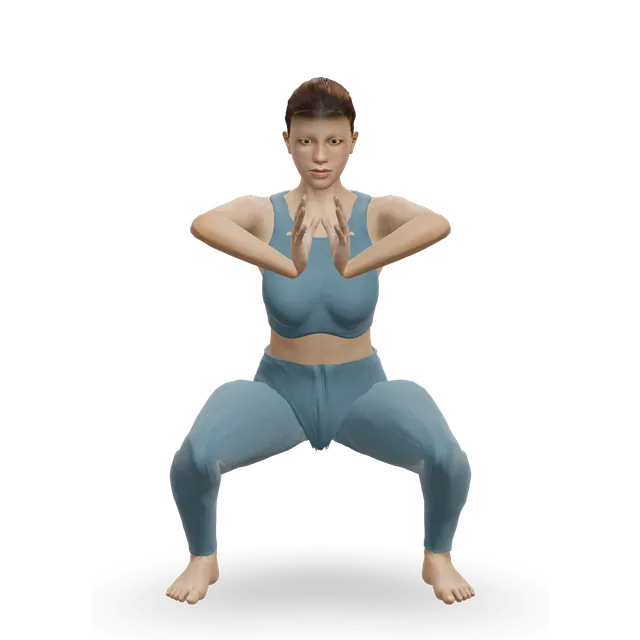 3D demoDeep squat holdIntermediate · No equipment
 3D demoDead bugBeginner · No equipment
The front squat technique workout teaches the rack, the grip and the depth with a light bar; the others use the front squat as one exercise among several, or loosen the wrists and upper back it needs.
A 30-minute practice session for the front squat: loosen your wrists and upper back, groove an upright squat, then find your grip and depth with a light bar.
30 minBeginner12 movesA wall, A bench or boxA 25-minute practice session for the squat: find your depth on a chair, groove the bodyweight squat with pauses, then load it with a slow goblet squat.
25 minBeginner8 movesA wall, A bench or boxA 65-minute strength session for weightlifters: front squats, clean pulls at or above your best clean, push presses, Romanian deadlifts and trunk work.
65 minIntermediate11 movesCardio machine, A wallBarbell strength workout A: back squats and bench presses in sets of five, plus rows. Workout B (squat, overhead press, deadlift) is a separate session.
40 minBeginner6 movesA band, A barbellWrist mobility and forearm strength for desk work, climbing, push-ups and handstands.
10 minBeginner7 movesA wall, A dumbbellA 12-minute routine for a stiff upper back and rounded shoulders: chin tucks, wall angels, Y-T-W raises and open books.
12 minBeginner8 movesA foam roller, A wallFor chest pain or pressure, unusual breathlessness, dizziness or fainting, or a racing or irregular heartbeat during exercise, as our plans advise.
If back pain comes with pain, tingling, weakness or numbness in both legs, loss of feeling around your genitals or anus, or changes in your bladder or bowels. If someone faints while exercising. If a headache started suddenly and is extremely painful, or comes with numbness or weakness, difficulty speaking or loss of vision.
In the US, contact your doctor or urgent care. If your knee is very painful, you can't move it or put weight on it, it's badly swollen or has changed shape, or it locks, gives way or clicks painfully (painless clicking is normal). If wrist pain is severe, you can't move your wrist or hold things, or it has changed shape or colour. If shoulder pain is sudden or very bad, you can't move your arm, or you have pins and needles that don't go away.
If knee pain hasn't improved within a few weeks; if back pain hasn't improved after a few weeks at home, stops your daily activities, is worse at night or comes with weight loss you can't explain; if wrist pain hasn't improved after 2 weeks; or if elbow pain hasn't gone after a few weeks.
If a joint pain is sharp, builds during a set or lingers into the next day, swap to an easier option, such as the goblet squat, and see a clinician if it persists. Our knee guides use a simple rule: pain up to 2 out of 10 is fine, and up to 5 is acceptable if it settles by the next morning.
Thigh muscle grew about the same over 12 weeks, back squats raised leg strength more, and muscle activity is similar overall. They're different tools.
One study at maximal loads found more activity in the inner front thigh, others found no difference, and thigh muscle grew about the same with either squat over 12 weeks.
Less knee compression in one study; about the same knee demand at the same relative effort in another.
No trial has tested it. You stay more upright and lift less, which may suit some people with back pain (our reading of the mechanics), but how far you lean mattered more than the squat type in an older study.
Your shoulders hold the bar; your hands only steady it. Crossed arms or straps work around stiff wrists, and lifters in the one training trial chose the grip that suited them.
On the front of your shoulders, against your throat, with your elbows high and your upper arms about level with the floor. Your shoulders hold the bar; your hands only steady it, with your fingertips, crossed arms or straps.
Use whichever lets you keep your elbows up without pain: we found no study comparing them, and lifters in the one training trial chose by preference. Learn the clean grip if you want to clean, because that's how the bar is caught.
The clean grip bends the wrist back a long way: a good clean catch went with about 90 degrees of wrist extension. Loosen your grip to your fingertips, widen it, cross your arms or use straps, and switch to the goblet squat if it still hurts. See a GP if it hasn't improved after 2 weeks.
They're a reasonable way round stiff wrists: loop them round the bar and hold the straps with your elbows high. No study has compared them with other grips, so this is our suggestion.
Not better, different. Thigh muscle grew about the same over 12 weeks, the back squat raised leg strength more, and the front squat keeps you more upright. Many people do both.
Less: the back squat lets you lift more. We found no reliable published ratio, so compare your front squat with your own past numbers.
The more upright torso may suit some people with back pain, but that's our reading of the mechanics: no trial has tested it. An older study found how far you lean matters more than which squat you do, so squat only as deep as your back stays in position.
The findings are mixed. One study found less compression in the knee, another about the same knee demand at the same relative effort. With kneecap pain, follow our squat guide's advice on depth.
Your elbows are dropping or your trunk is tipping forward. Lift your elbows, sit straight down between your heels, and practise the hands-free Frankenstein squat, where the bar only stays put if you stay upright.
At least until your thighs are level with the floor, with your heels down and your back keeping its shape. Weightlifters go all the way down, where a clean is caught.
Yes: glute and hamstring activity matched other squats in trained women. At the same weight, though, the front squat asks a little more of your knees and less of your hips than the back squat.
No. Raised heels help you stay upright and let your knees bend further, so they're worth it if your heels lift or your ankles are stiff; small plates under your heels do a similar job.
Exercise education, not a personal prescription, and clinical review of these guides is pending. Check with a GP before starting hard training if you have a heart condition, chest pain, dizziness or breathlessness when active, and stop for sharp or increasing pain. Health disclaimer.








