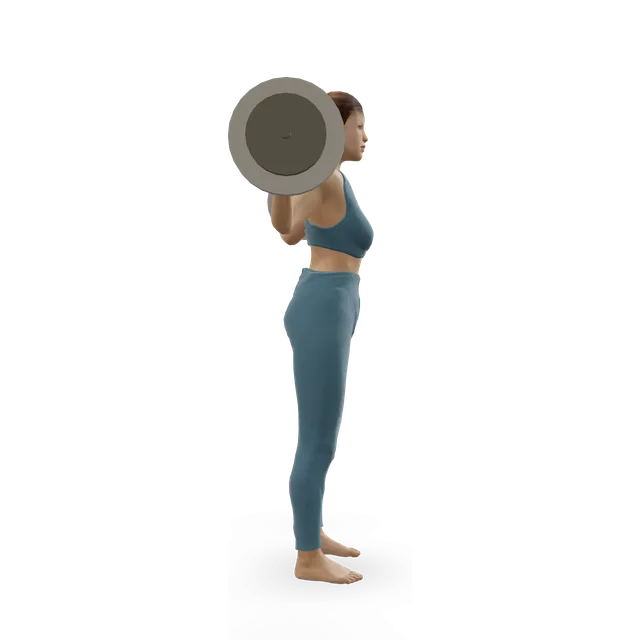
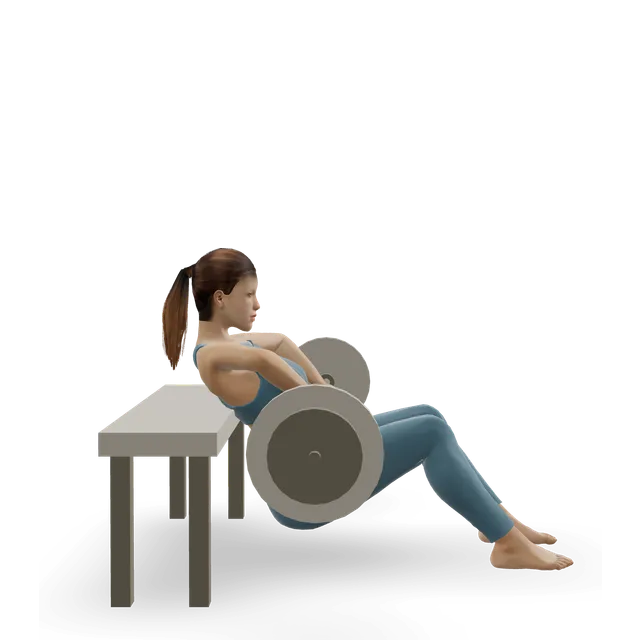
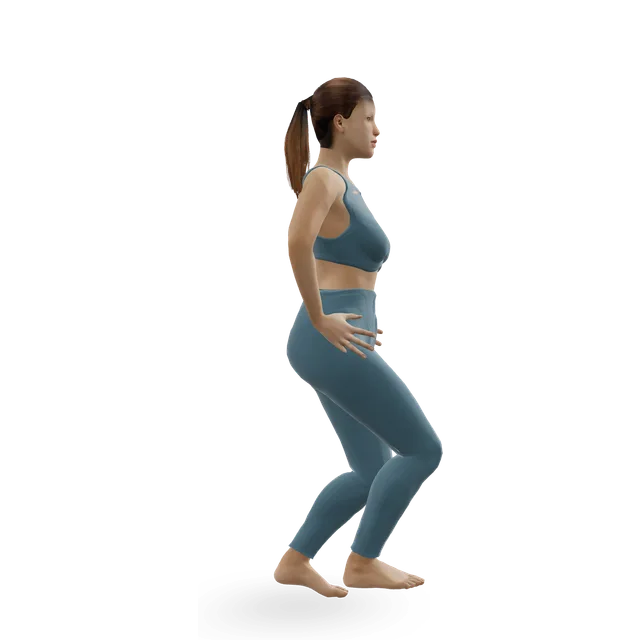
Your front leg does the work
In 26 trained men, the front foot carried about 84% of the downward force, so it's a genuine single-leg exercise. Your back leg is a kickstand for balance.
Source 1
Training guide
A Bulgarian split squat is a split squat with your back foot raised on a bench, so your front leg does almost all the work: about 84% of the force in one study. Coaches set the bench at about knee height or lower. Stand about a leg's length in front of it, and lower until your front thigh is about level.
The research is small but useful. Lab studies show it works the hip hard for the weight you hold, and short trials found single-leg training built strength about as well as back squats. What it doesn't have is any study of bench height or back-foot position, so those parts of the set-up are coaching practice.
This guide covers the set-up that makes it feel steady, how leaning forward or staying upright shifts the work between your glutes and quads, how to load it, how it compares with squats and lunges, and what to do if your knees or hips complain, with a 3D demo of every step from the split squat to a loaded Bulgarian.
In 26 trained men, the front foot carried about 84% of the downward force, so it's a genuine single-leg exercise. Your back leg is a kickstand for balance.
Source 1
That's the coaching standard: the American Council on Exercise (ACE) uses a bench "about knee-height", and one study used the length of each person's shin. We found no study comparing heights, so go lower if your back hip or knee complains.
Start with your calves touching the bench, then step forward just short of a forward lunge, as the National Academy of Sports Medicine (NASM) suggests. A longer stance works your hip more.
In one study, a moderate forward lean raised glute and hamstring activity without lowering the activity of the main thigh muscles. Staying upright, with your knee travelling forward, works the knee and quads more.
In one study, about half the back-squat load gave similar muscle activity, and in another, the hip worked 44 to 47% harder per leg than in a back squat at the same effort.
Rear-elevated split squats improved the back squat as much as back squats did over 5 weeks, and single-leg and two-leg training built similar amounts of muscle in pooled trials.
It's a split squat with the top of your back foot resting on a bench, box or step behind you. The rear-foot-elevated split squat is another name for the same exercise.
Raising the back foot shifts more of the work onto your front leg, so it's harder than a split squat and asks more of your balance. Unlike a lunge, your feet don't move during the set: you lower straight down and drive straight up.
It suits training at home or without a rack, because it works your legs hard with much less weight than a back squat.
Built on our move page, NASM's set-up and ACE's exercise library; the breathing is our editorial suggestion. The bench height is the coaching standard, our editorial starting point: no study has compared heights.
Loading the 3D figure…
The movement on the figure: Rear-foot-elevated split squat (Bulgarian split squat)
The front foot carried about 84% of the downward force in 26 men, so your back leg adds little. ACE cues you to push the top of your back foot into the box; that's a coaching cue, and the force data say your front leg does most of the work.
Keep your front knee in line with your toes. NASM lists a knee caving inwards as a common mistake.
Source 12
Lower until your front thigh is about level with the floor, as NASM describes, with your back knee close to the floor. Too little depth is on NASM's list of common mistakes, because it limits the work your legs do.
Source 12
Breathe in on the way down and out as you stand. With heavy dumbbells, a short brace at the bottom is fine if you're healthy, as our squat guide explains; with high blood pressure, breathe out through every rep.
"Front leg does the work"; "drop the back knee straight down"; "whole front foot down"; and "chest proud, slight lean". These are coaching cues, not tested in trials.
Source 1
This is the coaching standard, not a tested rule: ACE uses a bench or box "about knee-height", and one study set the height at the length of each person's shin. We found no study comparing bench heights, so treat the height as our editorial starting point.
If the front of your back hip or your back knee pinches or strains, use a lower step, as our move page advises: a stair or a low box works.
NASM and our move page rest the top of the foot on the bench, toes pointing down. Some people prefer their toes tucked under; we found no study comparing the two, so use whichever lets you balance without cramping.
Source 12
A sturdy chair, sofa, low box or stair works, as long as it won't slide. A suspension strap turns it into the suspended split squat: in 30 adults, a suspended lunge drew more hamstring, glute and inner-thigh activity than a standard lunge.
Source 13
Stand with your calves touching the bench, then step forward "just shy of where you would be for a forward lunge".
Source 4
At the bottom, your front shin should be roughly vertical or tipped a little forward, with your front heel down. If your heel lifts or your knee shoots far forward, move your front foot further out; if you feel overstretched at the front of your back hip, bring it in (our check).
In 9 trained men, a stance of 1.3 leg lengths raised the load on the front hip by about 29% compared with a stance of 1 leg length (94 against 73 newton-metres). In split squats, longer steps shifted work from the knee to the hip.
A short stance pushes your knee further past your toes and asks more of the front of your thigh. For healthy knees that's a choice, not a fault.
In one study using EMG (electromyography: sensors on the skin that measure muscle activity), Aygun-Polat and colleagues found that a 40-degree forward lean raised the activity of the glutes, the outer hamstring and the rectus femoris (the quad muscle that also crosses the hip) in 21 female athletes, without lowering the activity of the other quad muscles. It's one study in one group, so treat it as a pointer rather than a rule.
Source 3
In 9 trained men, more trunk lean raised the load on the front hip further.
Source 5
An upright trunk tends to push the knee further past the toes and ask more of the quads, a pattern seen across squatting exercises.
Source 6
NASM calls excessive forward lean a mistake that "increases lower back strain"; many coaches teach a lean for the glutes. The one EMG study supports a moderate lean as a valid choice. It doesn't show harm from a lean with a long spine, and it can't say leaning "turns off" your quads, because those didn't change. Our view: pick by your goal, keep your spine long, and save big leans for lighter loads.
In 26 trained men working up to their 5-rep maximum, the front foot produced about 84% of the downward force, a share that rose a little as the load got heavier, so the back foot adds little.
Source 1
In one study of 9 trained men, about half the back-squat load gave similar muscle activity, with more outer-hamstring activity than the split squat. In 20 trained men, the Bulgarian split squat was hip-dominant like the back squat, with less demand and movement at the knee. In 8 rugby players, the hip worked 44 to 47% harder per leg than in a back squat at the same 10-rep effort.
At loads people could lift 6 to 8 times, split squats, single-leg squats and Bulgarian split squats drew similar glute and outer-quad activity in 11 people, and the Bulgarian drew more hamstring activity. In 11 female athletes, a single-leg squat with the back foot raised on a pad drew more activity from the gluteus medius at the side of the hip and from the hamstrings, and less from the quads, than a two-leg squat at the same relative effort. In 20 trained women, it drew more outer-thigh activity than the hip thrust.
In 38 untrained adults, 8 weeks of single-leg or two-leg free-weight training improved strength and power equally. In 18 rugby players, 5 weeks of rear-elevated split squats or back squats improved both lifts, 40 m sprints and agility equally. In 33 rugby players, step-up and back-squat training each carried over to the other lift.
Pooling the trials, single-leg training improved single-leg jumping more, and two-leg training improved two-leg strength more. Across 24 trials, muscle growth was similar.
In 24 trained men, 6 weeks of heavy Bulgarian split squats (4 sets of 10 at 80% of their maximum, three times a week) raised their maximum by about 13% and the thickness of the front thigh muscles by 9.3%.
Source 22
Single-leg squats produced similar hamstring, calf, hip and abdominal activity with far less weight on the bar (28 against 135 kg). The authors suggest them where spinal load is a concern, but none of these studies measured the load on the spine.
Most studies measured young trained men for a single session or a few weeks. No study has compared bench heights or back-foot positions, or counted injuries.
Add them once bodyweight reps feel smooth, as our move page says. It's the easiest way to load the exercise heavily.
One dumbbell held upright at your chest, elbows close to your ribs, as ACE describes. It helps you stay upright.
Source 2
In lunges, holding a weight on one side raised trunk muscle activity on the other side, so it adds a trunk challenge.
Source 24
Across your upper back, in a rack, with a weight you can control on one leg; learn it with dumbbells first, as our barbell Bulgarian move page advises.
Our closest Smith machine demo keeps both feet on the floor. The suspended split squat puts your back foot in a strap, which our move page rates as demanding as the Bulgarian, with the moving strap to steady.
In one study, about half the back-squat load gave similar muscle activity. Compare yourself with yourself: add reps to the top of your range, then weight.
Source 7
The Bulgarian puts more of the work on your front leg and drew more hamstring activity at the same relative effort, with similar glute and outer-quad activity at heavy loads.
In one study, about half the back-squat load gave similar muscle activity, and per leg the hip works harder and the knee less. Two-leg squats build more two-leg strength and single-leg work more single-leg strength, with similar muscle growth, so do both if you can.
There's no step, so it's steadier than a walking lunge but harder to balance than a split squat. It loaded the kneecap a little less than a lunge in a ranking of 35 exercises (4.7 against 5.1 times body weight).
Source 25
Doses come from the move pages and our plans unless a study is named; the move-on points are our editorial suggestions.
3 sets of 8 each leg. Move on at 3 sets of 12 each leg without support: our move page asks for a steady split squat before the Bulgarian.
3 sets of 8 each leg, until it's controlled with your front heel down.
2 or 3 sets of 6 to 8 each leg, from a low step up to a bench at about knee height. Move on at 3 sets of 10 each leg with only a light touch on the support (our editorial starting point).
3 sets of 6 to 10 each leg, the move page's dose. Move on at 3 sets of 12 each leg, smooth.
Dumbbells at your sides or a goblet hold: 3 sets of 6 to 10 each leg, stopping 2 or 3 reps short of failure. Add reps to the top of the range, then weight.
Source 2
The barbell Bulgarian in a rack, the suspended split squat, and the pistol squat, which has its own guide. A coaching ladder for older clients puts the bodyweight version in its middle tier and the loaded version in its most complex tier.
Source 26
Five weeks of rear-elevated split squats twice a week raised both split squat and back squat strength in rugby players, and 6 weeks of heavy sets raised the Bulgarian maximum by about 13% in trained men. Our estimate, not a trial result: your balance usually settles within 2 to 4 sessions if you hold a support.
Most of the trials trained twice a week, and one three times a week.
3 sets of 6 to 10 each leg, the move page's dose. For strength, heavier sets of 5 to 8; for muscle, 8 to 12 or more, taken close to failure, as our sets and reps guide explains. Our runner's knee plan uses 3 sets of 6 to 8.
Stop each set 2 or 3 reps short of failure, as our plans advise for big lifts.
About 90 seconds to 2 minutes between sets. With light loads, going straight from one leg to the other is fine (our suggestion).
Double progression: add reps to the top of your range, then add weight. Adding reps and adding load both worked in a trial of trained people.
Source 27
Your front heel lifts, your knee is pushed far forward and your balance suffers. Use NASM's set-up: calves to the bench, then a step just short of a lunge.
Your back hip is overstretched and you lean back. Shorten the stance until your front shin is near vertical at the bottom (our fix).
It pinches the front of your back hip or your back knee. Use knee height or lower; a step is fine.
Source 2
Your front leg should be doing about 84% of the work. Think of your back leg as a kickstand.
Source 1
It's on NASM's list of common mistakes. Keep your knee over your middle toes and use a lighter load.
Source 12
NASM lists excessive lean as a mistake. Lean on purpose, moderately, with a long spine, and lighten the load.
Source 12
It limits the work your legs do. Lower until your back knee is close to the floor and your front thigh is about level.
Source 12
If you wobble, you're training balance rather than legs. Hold a support, and add dumbbells only when bodyweight reps are smooth.
The Bulgarian split squat is a moderate load for the kneecap, a little less than a lunge. Start with split squats in a smaller range and build up; our runner's knee plan brings in Bulgarian split squats in weeks 6 to 12.
It's a moderate load for the patellar tendon; follow the staged plan in our jumper's knee guide.
Source 28
Lower the bench if the front of your back hip pinches, as our move page says. With hip impingement or hip arthritis, set the depth by what your hip allows, as our hip guides explain.
Deep positions squeeze the tendon near your sitting bone, so keep the range shorter early on, as our high hamstring tendinopathy guide explains.
Hold a support throughout, or use the split squat, which is steadier.
With pelvic girdle pain, skip split squats or keep them small, as our pregnancy guide says.
Follow your surgical or physiotherapy team's stages before you raise your back foot.
Work up in order, moving on at the targets in the progression above; the barbell and suspended versions come last.
 3D demoSplit squatIntermediate · No equipment
 3D demoReverse lungeIntermediate · No equipment
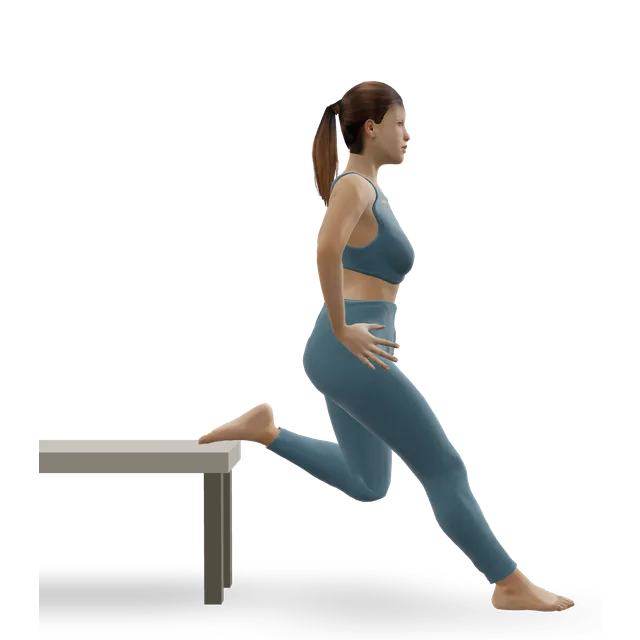 3D demoRear-foot-elevated split squat (Bulgarian split squat)Intermediate · A bench or box
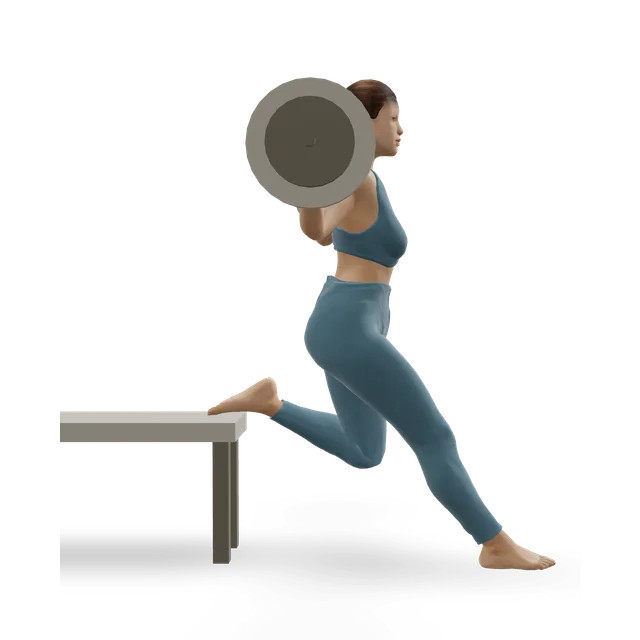 3D demoBarbell Bulgarian split squatAdvanced · A barbell + A bench or box
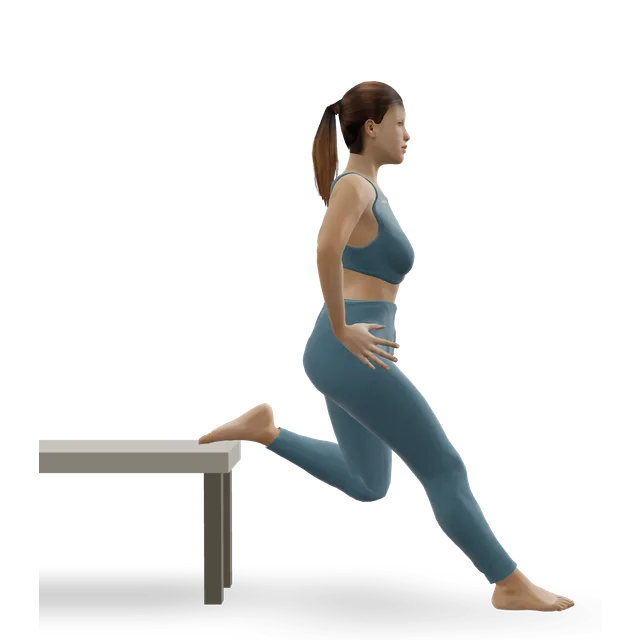 3D demoSuspended split squatAdvanced · Other / check instructions
Swap these in for variety or when you have no bench; each works one leg at a time and has its own steps and dose.
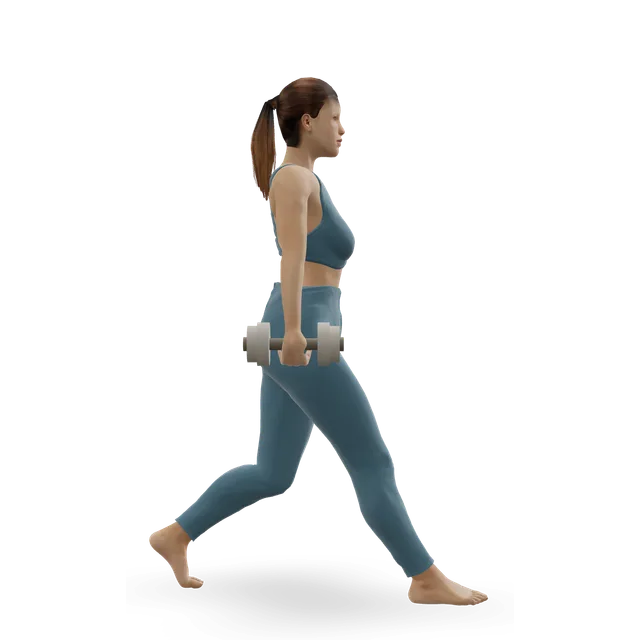 3D demoSplit squat with dumbbellsIntermediate · A dumbbell
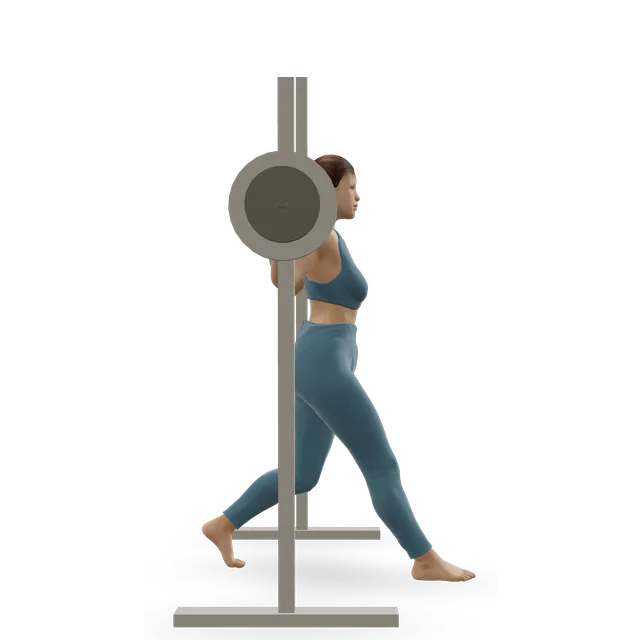 3D demoSmith machine split squatIntermediate · Strength machine
 3D demoStep-upBeginner · A step
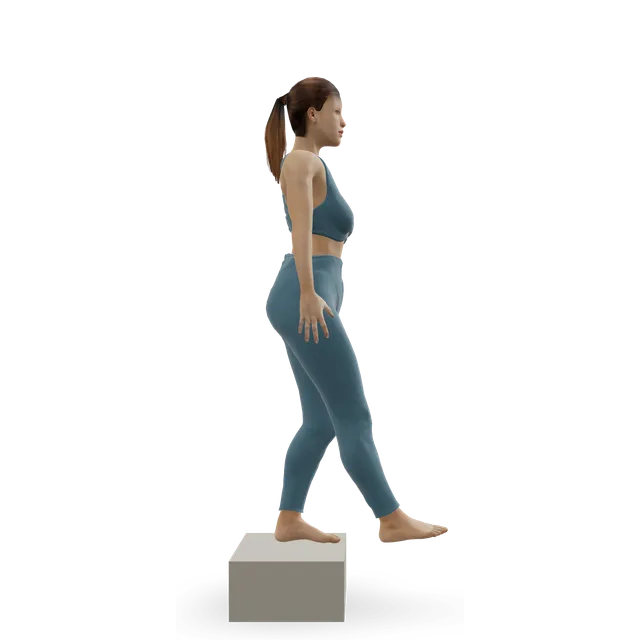 3D demoPatrick step-downIntermediate · A step
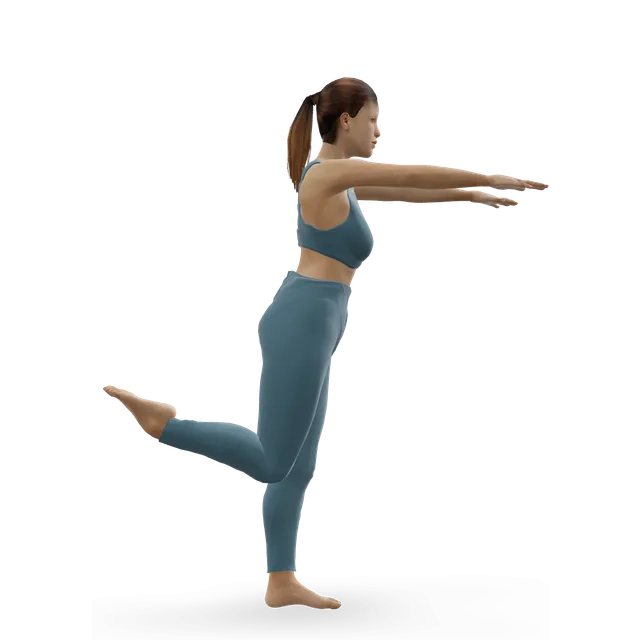 3D demoSkater squatAdvanced · No equipment
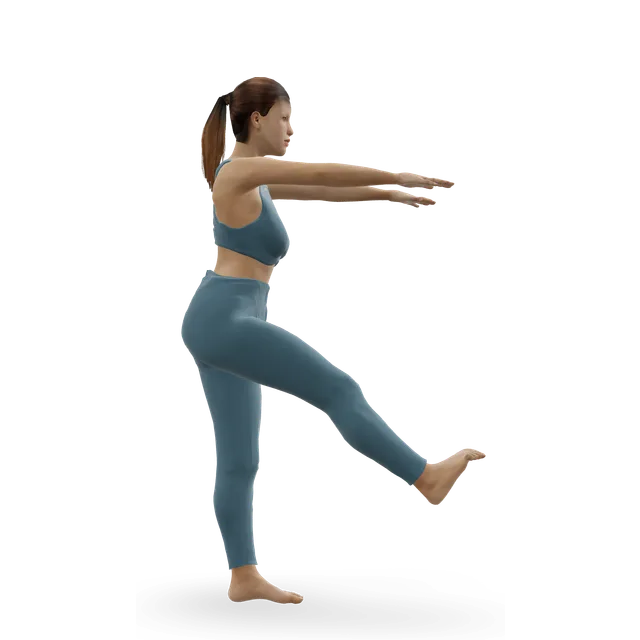 3D demoPistol squatAdvanced · No equipment
 3D demoSingle-leg Romanian deadliftAdvanced · A dumbbell
Add one or two to your warm-up if your back hip feels tight, your front heel lifts or your balance wobbles.
Learn to lunge ends with the Bulgarian split squat as its harder option; the others programme it at working doses alongside other leg exercises.
A 25-minute session from the split squat to the walking lunge: ankle and balance prep, slow split squats, reverse lunges, then walking lunges.
25 minBeginner11 movesA wall, A bench or boxA gym leg day: back squats, leg press, leg curls, Bulgarian split squats, leg extensions and calf raises.
55 minIntermediate9 movesA wall, A barbellA 50-minute gym glute workout: hip thrusts, deep squats, Bulgarian split squats, back extensions and hip abduction, with sets, reps and rest.
50 minIntermediate11 movesA band, A barbellDumbbell leg workout B: Bulgarian split squats, single-leg Romanian deadlifts, slider curls, single-leg bridges, calf raises and suitcase carries.
45 minIntermediate12 movesA bench or box, A dumbbellA 45-minute gym strength workout for runners: hops, heavy squats, Bulgarian split squats, calf raises and side planks, with sets, reps and rest.
45 minIntermediate13 movesA wall, A bench or boxA 40-minute strength workout for runners at home: hops, Bulgarian split squats, single-leg deadlifts, step-ups, calf raises and side planks.
40 minIntermediate15 movesA wall, A bench or boxA 40-minute pre-season workout for skiers and snowboarders: squats, split squats, single-leg hinges, side-to-side strength, landings and balance.
40 minIntermediate17 movesA wall, A dumbbellFor chest pain or pressure, unusual breathlessness, dizziness or fainting, or a racing or irregular heartbeat during exercise, as our plans advise.
If you have severe hip pain after a fall or injury, can't walk or put weight on your leg, or have tingling or loss of feeling in your hip or leg after an injury, the NHS says.
Source 29
If your knee is very painful, you can't move it or put weight on it, it's badly swollen or has changed shape, it locks, gives way or clicks painfully (painless clicking is normal), or you have a very high temperature with redness or heat around the knee. In the US, contact your doctor or urgent care.
Source 30
If you have severe hip pain that started suddenly without a fall, your hip is swollen and feels hot, the skin around it has changed colour, or you have hip pain with a high temperature or feel unwell.
Source 29
If knee pain hasn't improved within a few weeks, or hip pain hasn't improved after 2 weeks at home, keeps coming back, stops you doing normal activities or disturbs your sleep.
If a joint pain is sharp, gets worse during a set or lingers into the next day, swap to a split squat, and see a clinician if it persists. Our knee guides use a simple rule: pain up to 2 out of 10 is fine, and up to 5 is acceptable if it settles by the next morning.
The front foot carried about 84% of the force in 26 men. Your back leg mostly helps you balance.
Source 1
It's both: the quads and glutes are the main movers. A forward lean raised glute and hamstring activity without reducing the main quad muscles, and per leg the hip worked harder than in a back squat.
Coaches use about knee height or lower, and we found no study comparing heights. Use the height that lets you reach depth without your back hip or knee pinching.
Source 2
Each builds its own kind of strength best: single-leg training more single-leg strength and jumping, two-leg training more two-leg strength, with similar muscle growth.
They need much less weight on your back for similar muscle activity, but no study we found measured the load on the spine.
Stand in front of a bench at about knee height, step one foot forward and rest the top of your back foot on the bench. Lower straight down until your front thigh is about level and your back knee is near the floor, then drive up through your whole front foot. Finish one side, then change legs.
About knee height or a little lower, the height coaches use; one study used the length of each person's shin. No study has compared heights, so if the front of your back hip or your back knee pinches, use a lower step.
Start with your calves touching the bench, then step forward just short of a forward lunge. At the bottom, your front heel should stay down. A longer stance works your hip more; a shorter one pushes your knee forward and works your knee more.
It's your choice. In one study, a moderate lean raised glute and hamstring activity without lowering the main thigh muscles, while staying upright with your knee travelling forward works your quads more. Keep your spine long either way, and avoid a big lean with a heavy load.
Both: the quads and glutes are the main movers, and per leg the hip worked harder than in a back squat. Leaning forward and taking a longer stance shift more of the work to your glutes.
Your base is narrow and one leg does most of the work: about 84% of the force in one study. Hold a support at first, keep your feet hip-width apart side to side, and check your stance distance.
Both build strength; single-leg work builds more single-leg strength and two-leg squats more two-leg strength, with similar muscle growth. In one study, about half the back-squat load gave similar muscle activity, so the Bulgarian suits training without a rack or a heavy bar.
Not for healthy knees. They load the kneecap moderately, a little less than a lunge in one ranking of 35 exercises. With knee pain, use a shorter range and build up, as in our runner's knee plan.
3 sets of 6 to 10 each leg, twice a week, stopping 2 or 3 reps short of failure. Add dumbbells once bodyweight reps feel smooth.
At your sides for the heaviest load, or one held upright at your chest (a goblet hold), which helps you stay upright. One dumbbell in one hand also works your trunk on the opposite side.
Yes: a sturdy chair, sofa, low box or stair works, as long as it won't slide. A suspension strap gives you the suspended split squat.
Yes, they're two names for the same exercise: a split squat with your back foot raised on a bench behind you. Our move page uses both names.
Exercise education, not a personal prescription, and clinical review of these guides is pending. Check with a GP before starting hard training if you have a heart condition, chest pain, dizziness or breathlessness when active, and stop for sharp or increasing pain. Health disclaimer.