How to do lunges: forward, reverse and walking lunges, step by step
A good lunge is a long step into a split stance, a back knee that drops straight towards the floor, and a push back up through the whole front foot. Step back and it's a reverse lunge, the gentlest on your knees; step forward and it's a forward lunge, which works the knee and hip harder; keep going and it's a walking lunge.
The evidence is mostly lab studies of 10 to 20 people, measuring joint loads and muscle activity in a single session rather than results over months. It agrees on the main points: your front knee passing your toes is normal, the length of your step shifts the work between your knee and your hip, and feet set hip-width apart are steadier than feet in a line.
This guide takes you from the split squat, where both feet stay planted, to walking lunges with dumbbells, with a 3D demo of every step. It covers step length, knees and toes, how far to lean, balance, sore knees and which lunge to choose, with the evidence graded and the warning signs to act on.
The split squat keeps both feet planted; the reverse lunge steps back into the same position; the forward lunge steps forward into it; and the walking lunge keeps travelling. Coaching ladders teach them in that order, from the split squat to the walking lunge.
The forward lunge produced more force behind the kneecap in 20 women, and a larger load at the knee and hip in 9 men, than the reverse lunge. Start with reverse lunges if your knees are sensitive.
A longer step shifts work from your knee to your hip; a short one pushes the knee 8 to 10 cm past the toes and loads the kneecap more when the knee is deeply bent. About one leg's length suited strength training in one study.
It works the front of your thigh harder, which is fine for healthy knees, and stopping it shifts the load to your hips and back. With sore kneecaps, take a longer step for now.
Keep your feet hip-width apart side to side as you step. In 15 men, lining the feet up one in front of the other raised side-to-side sway by almost a third.
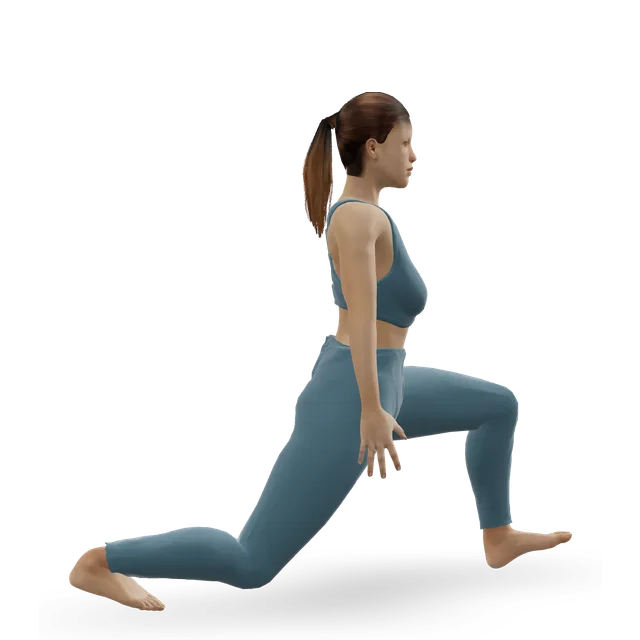
A lunge is a split-stance exercise: one foot forward, one foot back, both knees bending until the back knee nearly touches the floor. The front leg is the one you're training; the back leg helps you balance.
In a split squat your feet stay where they are and you move straight down and up. In a lunge you step into that position and back out of it, which adds balance, braking and a push-off. Forward, reverse and walking lunges differ only in where the step goes.
Raise your back foot on a bench and it becomes the Bulgarian split squat, which has its own guide. Side lunges step out to the side: we show them as the Cossack squat and with a bar.
How to do a reverse lunge, step by step
Built on our reverse lunge move page, the American Council on Exercise (ACE) exercise library and the National Academy of Sports Medicine (NASM) coaching blog; the breathing is our editorial suggestion. For a split squat, keep both feet planted and do steps 3 and 4; for a forward lunge, step forward instead of back.
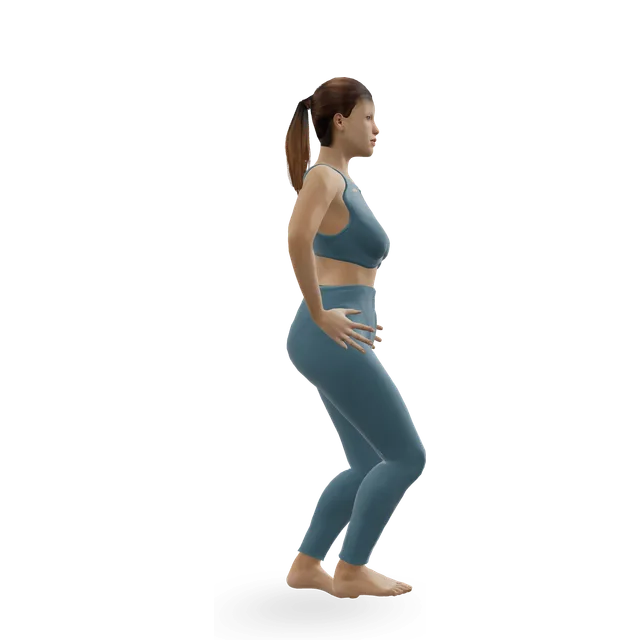
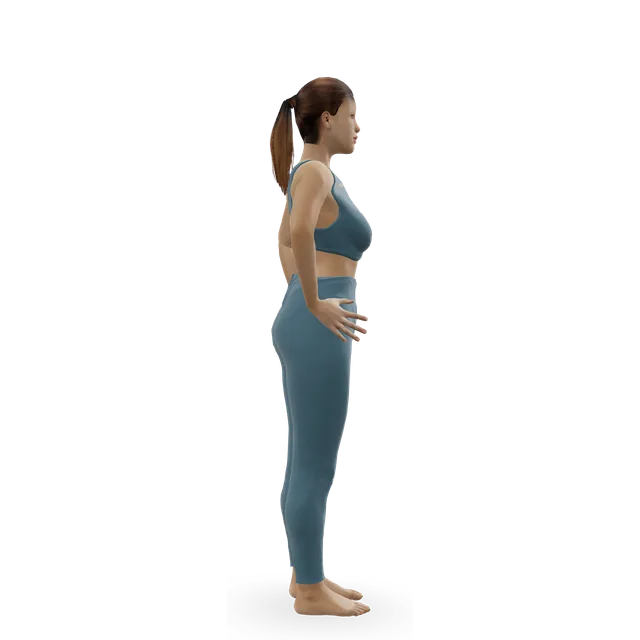
Stand tall with your feet hip-width apart, hands on your hips or fingertips on a wall or rail for balance.
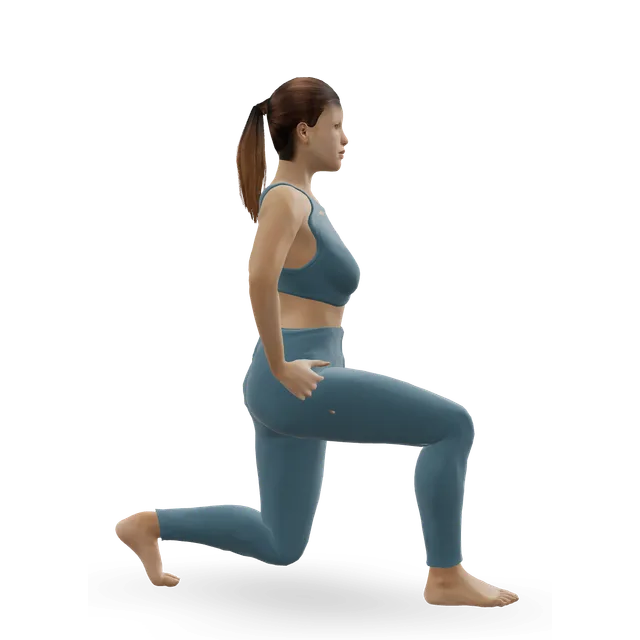
Step one foot back about a leg's length, landing on the ball of the foot, with most of your weight staying over your front foot.
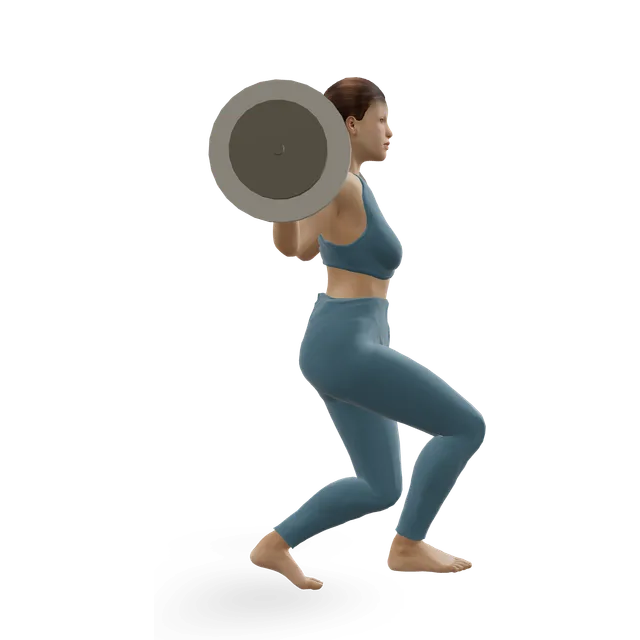
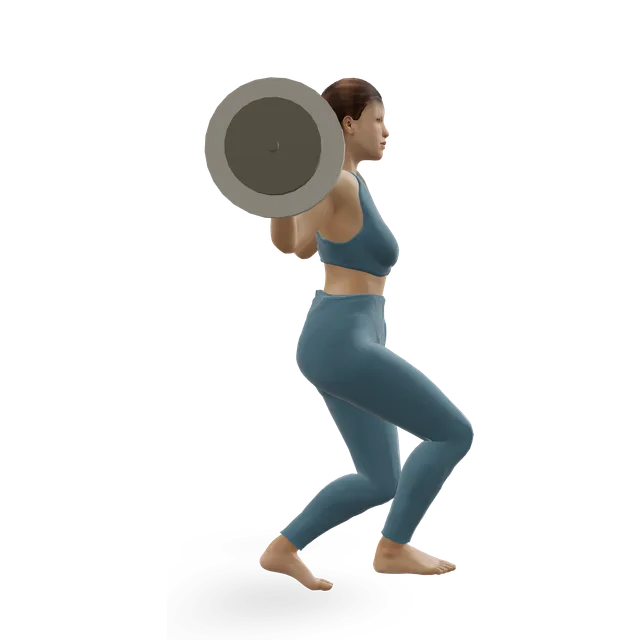
Lower straight down until your back knee nearly brushes the floor, your front knee bending over the middle of your foot. Keep your trunk tall, or leaning very slightly forward.
Push the floor away with your whole front foot to stand back up, bringing your back foot forward to meet it.
Breathe in on the way down and out as you push up. Change legs each rep, or finish all your reps on one side first.
Loading the 3D figure…
Drag to turn
Gets into position, then repeats the movement. Technical checks passed; qualified exercise review is pending.
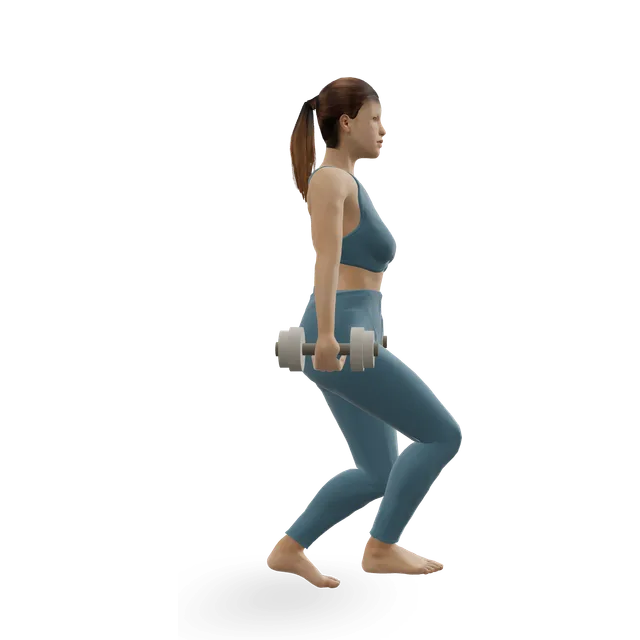
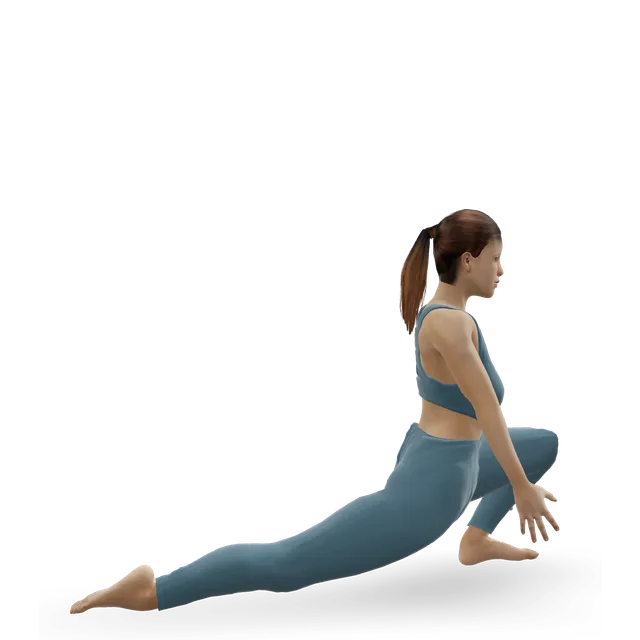
Take a long stride with your back heel lifted. Lower straight down until your back knee nearly brushes the floor, then drive up through your whole front foot without moving your feet. Change legs after the set. It's the easiest version, because you never have to step.
The reverse lunge, in ACE's words
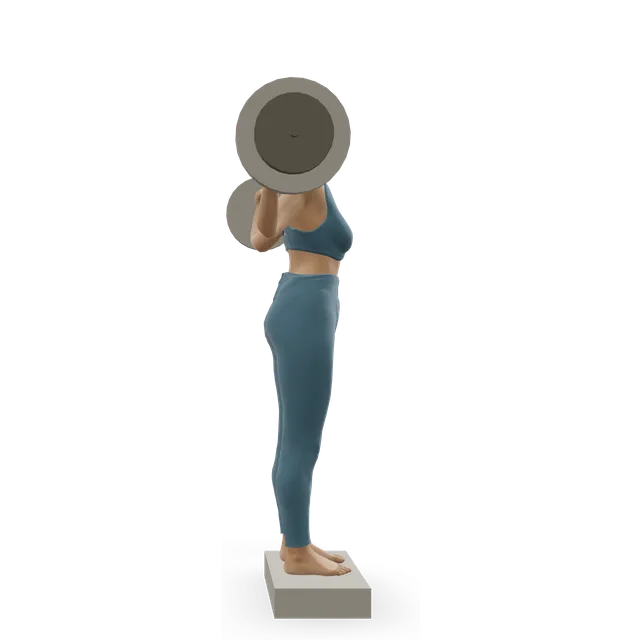
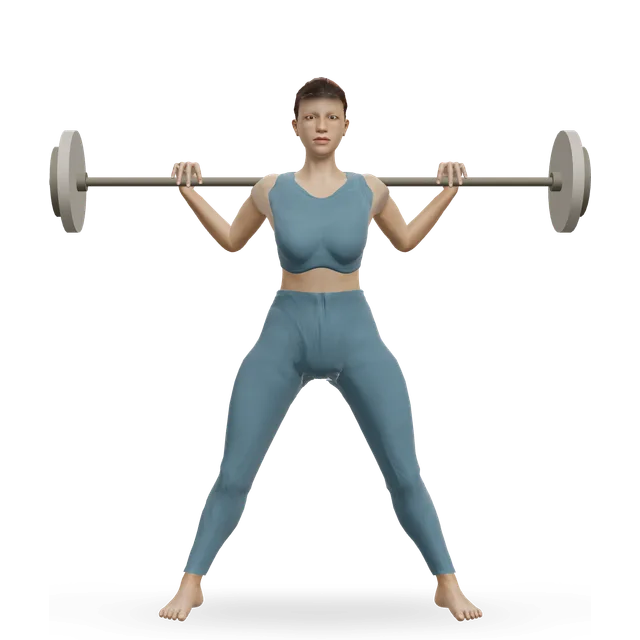
ACE describes it with a barbell across your back, but its cues work without one: push back into the hip of your front leg as you lower your back knee towards the floor, chest lifted, then press your front foot down and pull your front knee back as your back leg swings forward to standing.
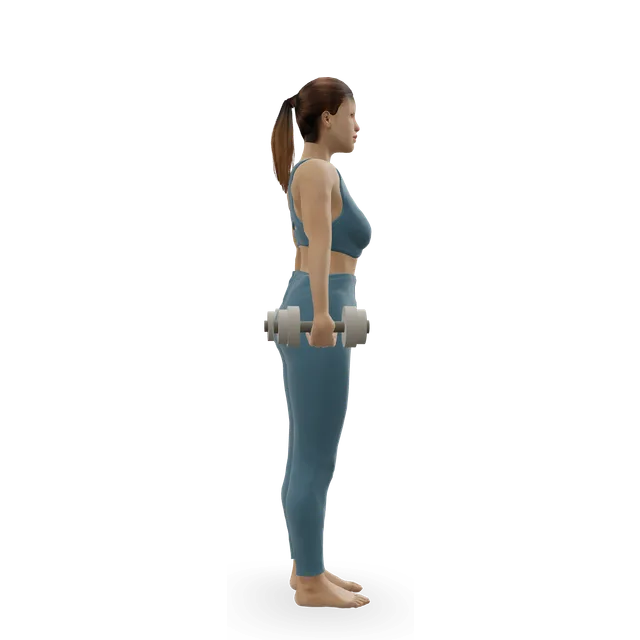
Take a long step forward and lower your back knee towards the floor, with your front knee over your foot, then push back through your front foot to standing. Take a long enough step that your front heel stays down. Our demo shows it holding dumbbells; without them, the movement is the same.
The walking lunge: keep travelling
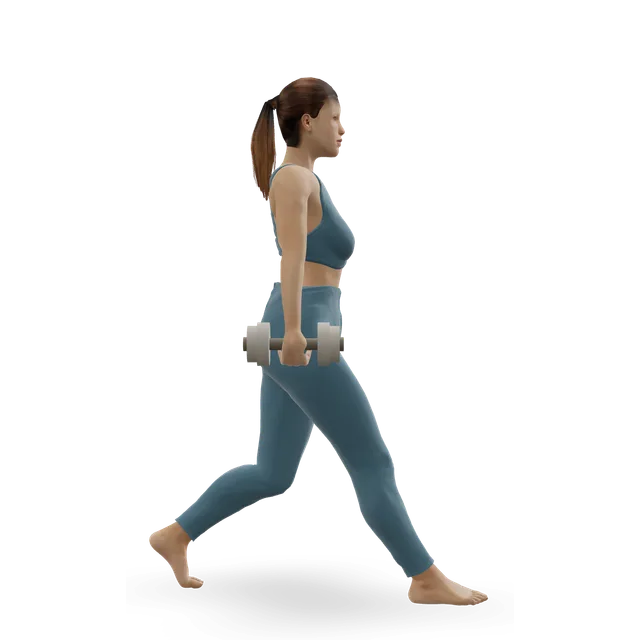
Step forward into a lunge, then drive through your front foot to rise and bring your back foot through into the next step, travelling in a straight line with your trunk upright. Drop your hips down rather than forward. If your front heel lifts, lengthen the step.
How deep
Lower until your back knee is a few centimetres off the floor and your front thigh is about level, as our move pages show. With sore knees, go less deep at first: a smaller range loads the kneecap less, and you can build depth from there.
Keep your front knee tracking over your middle toes. If it caves in, shorten the range or hold a support.
Breathing
Breathe in on the way down and out as you push up. At these loads there's no need to hold your breath (our suggestion).
Cues that help
"Railway tracks, not a tightrope"; "drop the back knee straight down"; "push the floor away with your front foot"; and "long step, front heel down". These are coaching cues; only the stance width has been tested.
The reverse lunge: gentlest on the kneeEmerging evidence
In 20 women, the forward lunge produced more quadriceps force, more force behind the kneecap and a faster rise in that force than the backward lunge. In 9 men, the forward lunge loaded the knee about 17% more than the reverse lunge (1.38 against 1.18 newton-metres per kilogram of body weight). So the reverse lunge suits learners and sensitive knees, as our move page says.
Stepping forward means braking your body as you land, and the forward lunge asked more of the knee, the hip and the ankle in the same 9 men. The authors suggest progressing the knee from reverse lunges to forward lunges to single-leg squats.
Some fitness sites say the reverse lunge works the glutes more. In the one study we found that compared the two, the forward lunge put a larger load on the hip (2.09 against 1.84 newton-metres per kilogram) as well as on the knee. But that was one small study of 9 men measuring joint loads, not muscle activity, so it can't settle which works the glutes more.
Walking lunges: more glute work, and more sorenessEmerging evidence
In 12 trained women, walking and step-forward lunges drew more glute activity than static lunges, and in 20 adults, lunges with a step drew more glute activity than lunging in place. Six weeks of walking lunges twice a week raised hamstring strength in young footballers. They also make you sore at first, so start with fewer.
Stepping out to the side loaded the kneecap more than a forward lunge with the knee bent 40 to 100 degrees, so leave side lunges until forward lunges are comfortable (our suggestion). We show them as the Cossack squat and with a bar; we don't have a bodyweight side-lunge demo yet.
In 20 men doing split squats, lengthening the step from half a leg length to 1.2 leg lengths raised the load at the hip by 15.7%, cut the load at the knee by 15.1% and raised glute activity. A step of about one leg's length, measured from hip to ankle, suited strength training.
A short step pushes your knee forward and loads the kneecapEmerging evidence
In a short-step forward lunge, the knee travelled 8 to 10 cm past the toes, and with the knee bent 70 to 90 degrees the force behind the kneecap was higher than with a long step. Forces on the cruciate ligaments inside the knee were small: the ACL (anterior cruciate ligament) was loaded only in the short-step lunge with a push back to standing, at 0 to 50 newtons.
A long step works more of the legEmerging evidence
In loaded forward lunges, a long step drew more activity from the quads, hamstrings, calves, inner thighs and glutes than a short step. With body weight, a long step loaded the kneecap a little more early and late in the rep, and a short step more at the bottom.
When the knees were blocked from passing the toes in a barbell squat, the load at the knee fell by about a fifth but the load at the hip rose roughly tenfold. In lunges, a knee that travels forward works the front of the thigh harder, which is the point for strong knees. This agrees with our knee joint guide.
Our move pages teach a tall trunk, lowering straight down rather than leaning forward. It's the easiest position to learn and to balance in.
A slight forward lean works your hips moreEmerging evidence
In 10 adults, leaning the trunk forward in a lunge raised the work of the hip muscles and the activity of the glutes and the outer hamstring; leaning back changed nothing measurable. In 12 trained women, an inclined trunk doubled the activity of the muscles along the lower back.
Some coaches cue "chest up, upright"; others teach a lean for the glutes. Both are fine with a long spine. Treat the lean as a dial for emphasis rather than a fault, and lean on purpose rather than collapsing forward (our view).
Balance: railway tracks, not a tightrope
Keep your feet hip-width apartEmerging evidence
In 15 men, an in-line stance, with one foot directly in front of the other, raised side-to-side sway of the front foot (19.4 against 14.8 cm) with the same muscle activity as a hip-width stance. A narrow stance makes the lunge harder to balance without working your legs any harder.
Fingertips on a wall or rail let you train your legs while your balance catches up, as our move pages suggest. Let go once you can do 3 sets of 10 to 12 each leg steadily.
One dumbbell works your trunk tooEmerging evidence
In 42 amateur athletes, holding a dumbbell on one side raised trunk muscle activity on the opposite side. It's a way to add a trunk challenge once your balance is steady.
Lunges work the quads most, then the glutesEmerging evidence
In 20 adults, the quads worked hardest in the forward lunge, followed by the glutes, and a single-leg squat drew more activity than the lunge. In 16 adults, adding weight (up to half of body weight) raised the work at the hip and ankle rather than at the knee.
Weights at your sides load the knee moreEmerging evidence
In 10 adults, carried weight raised the forces on the kneecap and the patellar tendon in step with the load, and holding it at both sides, or on the side of the front leg, raised them most.
Lunges are a moderate load for the kneecapEmerging evidence
Of 35 exercises and daily activities measured in healthy adults, a lunge (peaking at about 5.1 times body weight behind the kneecap) and the Bulgarian split squat (4.7 times) sat in the middle tier, while low step-ups (1.7 times) and squats to 60 degrees of knee bend (2.5 times) sat in the lowest. For the patellar tendon below the kneecap, lunges were also a moderate load.
Single-leg training builds muscle as well as two-leg trainingEmerging evidence
Across 24 trials, single-leg and two-leg training built similar amounts of muscle; single-leg training built more single-leg strength and jumping, and two-leg training more two-leg strength.
The order you learn them in comes from coachesMixed evidence
The ladder from the split squat to stepping, reverse and walking lunges, then loaded versions, comes from coaching bodies. No trial has compared teaching orders.
Most lunge studies measured 10 to 20 young adults in a single session. No trial has compared injuries between lunge types or step lengths, so advice on those rests on joint loads measured in the lab.
Lunges with sore knees
Start with the gentlest lunges
With pain at the front of the knee, start with split squats and reverse lunges, with a long step and a smaller range. An expert review of the lab data suggests building from there: a small range before a deep one, lunging in place before stepping, and up onto a low platform before floor level.
Pain up to 2 out of 10 is fine, and up to 5 is acceptable if it settles by the next morning, as our knee pain guides say. Sharp pain, or pain that builds through the set, means stop and go back a step.
Lower-load options
Low step-ups were in the lowest-loading group of the 35 exercises measured, peaking at about 1.7 times body weight, and lunging up onto a 10 cm platform loaded the kneecap less than lunging at floor level. Our runner's knee plan brings in split squats and Bulgarian split squats later, in weeks 6 to 12.
Usually from dropping it onto a hard floor: lower under control, stop a few centimetres up and pad the floor. The NHS lists a warm, red knee that gets more painful and swollen when you kneel as a possible sign of bursitis, so see a GP if that sounds like you.
With knee arthritis, use a shorter range and build depth over weeks (our suggestion); the forward lunge's larger knee load makes it the harder choice. After an ACL injury, lunges loaded the ligament little, and only in the short-step lunge with a push back; follow your team's plan.
Your lunge progression: from the split squat to the walking lunge
Doses come from the move pages and our plans unless a study is named; the move-on points are our editorial suggestions.
Step 0, if you need it: step-ups and balance
Step-ups, 3 sets of 8 each leg (the move page's dose), and a single-leg stand for 30 seconds each leg, as in our pistol squat progression. Low step-ups were in the lowest-loading group for the kneecap of 35 exercises measured. Move on when you can stand on one leg steadily for 30 seconds.
3 sets of 8 each leg, the move page's dose, holding a wall at first. Move on at 3 sets of 10 to 12 each leg without support, your back knee near the floor. A coaching ladder for older clients puts the split squat first.
3 sets of 8 each leg, the move page's dose. Move on at 3 sets of 10 to 12 each leg with control and your front heel down. It loads the knee less than the forward lunge.
Forward lunges, 3 sets of 8 to 12 each leg; walking lunges, 2 or 3 sets of 8 to 12 steps each leg. Move on at 3 sets of 12 each leg, smooth. NASM's ladder runs from the split squat to the walking lunge.
Dumbbells at your sides, or one at your chest: 3 sets of 8 to 12, stopping 2 or 3 reps short of failure. Add reps to the top of the range, then weight. Adding weight raised the work at the hip and ankle more than at the knee.
The Bulgarian split squat, which has its own guide, then the deficit reverse lunge, the barbell walking lunge, the lunge with rotation, split squat jumps and the ATG split squat, each with its own move page.
How long it takes: our estimate
Six weeks of walking lunges raised hamstring strength in footballers, and single-leg programmes of 5 to 8 weeks built strength as well as two-leg ones. Our estimate, not a trial result: most people find a steady reverse lunge within 1 to 2 weeks of split squats, and are ready for walking lunges after 2 to 4 weeks.
Two or three times a week as part of your leg work. The NHS asks for strength work for all the major muscles on at least 2 days a week, and a 2026 overview of 137 reviews found strength improved with at least two sessions a week.
3 sets of 8 to 12 each leg, as our sets and reps guide suggests. The move pages' doses are split squats 3 sets of 8, reverse lunges 3 sets of 8 each leg, and walking lunges 3 sets of 10 steps each leg.
Stop each set 2 or 3 reps short of failure (2 or 3 reps in reserve). With body weight, add reps, then slow the lowering, then move to the harder lunge, as our plans do.
Rest
About 90 seconds to 2 minutes between sets, as our plans advise. Work one leg and then the other, or alternate legs.
Adding weight
Add dumbbells once 3 sets of 12 feel easy, then add reps before weight. In a trial of trained people, adding reps and adding load both worked.
Lunges, and walking lunges especially, can leave you sore for a day or two at first, so start with fewer sets. Our muscle soreness guide explains why it happens and why it fades.
Common mistakes and how to fix them
Stepping in a line, like a tightrope
It adds side-to-side sway. Keep your feet hip-width apart, like railway tracks.
Your knee travels further forward and the kneecap takes more load at the bottom. Lengthen the step to about one leg's length, so your front heel stays down.
Expect sore legs for a day or two. Start with 2 sets of 6 to 8 steps each leg and build up.
Who should change lunges
Kneecap pain
Split squats and reverse lunges first, with a long step, a smaller range and lunging in place before stepping. Our runner's knee guide has a staged plan.
Use a shorter range, with a folded mat under your back knee to mark the depth, and build depth gradually (our suggestion). Our knee arthritis guide has more.
After an ACL injury or knee surgery
Lunges loaded the ACL little in the lab, but follow your surgical or physiotherapy team's stages.
Try the side-lunge options once forward lunges are comfortable, and put the ankle and hip moves in your warm-up if your front heel lifts or your hips feel tight.
Learn to lunge teaches the ladder itself, from the split squat to the walking lunge; the others use lunges or split squats as one exercise among several, and the warm-ups use walking or reverse lunges.
For chest pain or pressure, unusual breathlessness, dizziness or fainting, or a racing or irregular heartbeat during exercise, as our plans advise.
Call 999 (911 in the US) or go to A&E
If you have severe hip pain after a fall or injury, can't walk or put weight on your leg, or have tingling or loss of feeling in your hip or leg after an injury, the NHS says.
If your knee is very painful, you can't move it or put weight on it, it's badly swollen or has changed shape, it locks, gives way or clicks painfully (painless clicking is normal), or you have a very high temperature with redness or heat around the knee. In the US, contact your doctor or urgent care.
If you have severe hip pain that started suddenly without a fall, your hip is swollen and feels hot, the skin around it has changed colour, or you have hip pain with a high temperature or feel unwell.
If knee pain hasn't improved within a few weeks, or hip pain hasn't improved after 2 weeks at home, keeps coming back, stops you doing normal activities or disturbs your sleep.
If a joint pain is sharp, gets worse during a set or lingers into the next day, swap to an easier lunge, and see a clinician if it persists. Our knee guides use a simple rule: pain up to 2 out of 10 is fine, and up to 5 is acceptable if it settles by the next morning.
Myths
"Never let your front knee pass your toes"Emerging evidence
Blocking the knees shifted load to the hips and back in squats. In lunges, a short step pushes the knee past the toes and loads the knee more, which is fine for healthy knees and a reason to take a longer step if your kneecaps are sore. This agrees with our knee joint guide.
The reverse lunge loaded the knee less than the forward lunge, lunges sit in the middle tier of 35 exercises for kneecap load, and our knee plans use them.
"Reverse lunges work the glutes more than forward lunges"Mixed evidence
In the one study we found, the forward lunge loaded the hip more than the reverse lunge, as well as the knee. That study measured joint loads in 9 men, not muscle activity, so it can't settle the question either way. The reverse lunge is the gentler option for your knees, not a proven glute option.
Stand with your feet hip-width apart, take a long step forward or back, and lower your back knee straight down until it nearly touches the floor, your front knee over your foot. Push through your whole front foot to come back up. Keep your feet like railway tracks, not on a tightrope.
Reverse or forward lunges: which is better?
The reverse lunge is gentler on the knee: the forward lunge produced more force behind the kneecap and a larger knee load in lab studies. The forward lunge is the harder knee and hip exercise. Start with reverse lunges, then add forward and walking lunges.
Should my knee go past my toes when I lunge?
It's normal and fine for healthy knees, and it works your thighs harder. A short step pushes the knee further forward and loads the kneecap more, so if your kneecaps are sore, take a longer step for now.
How far apart should my feet be in a lunge?
About one leg's length front to back, which suited strength training in a study of split squats, and hip-width apart side to side for balance. If your front heel lifts, step longer.
Are lunges bad for your knees?
Not for healthy knees. Lunges load the kneecap moderately, in the middle of 35 exercises measured, and more than low step-ups or shallow squats. With knee pain, start with split squats and reverse lunges in a smaller range, keeping within our knee pain rule.
Why does my back knee hurt when I lunge?
Usually from dropping it onto a hard floor. Lower under control, stop a few centimetres up and pad the floor. A warm, red knee that gets more swollen and painful when you kneel needs a GP's opinion.
Should I lean forward when lunging?
A slight lean is fine and shifts work to your glutes and hamstrings. It also raises lower-back muscle activity, so lean on purpose, with a long spine, rather than collapsing forward.
Walking lunges or static lunges?
Walking lunges add balance and drew more glute activity than static lunges in lab studies, and six weeks of them raised hamstring strength in footballers. They also cause more soreness at first, so start with fewer.
What's the difference between a split squat and a lunge?
In a split squat your feet stay planted and you move straight down and up; in a lunge you step into the position and back out of it. The split squat is the easier first step.
How many lunges should I do?
3 sets of 8 to 12 each leg, two or three times a week, stopping 2 or 3 reps short of failure. When that's easy, add dumbbells or move to the next lunge.
Are lunges as good as squats?
For building muscle, single-leg training matched two-leg training in pooled trials, though each builds its own kind of strength best. Do both if you can.
Can you do lunges every day?
You can, but you don't need to: strength training on two or three days a week is enough to build strength. Hard lunge sessions, walking lunges especially, can leave you sore at first. Light lunges in a daily warm-up are fine.
Exercise education, not a personal prescription, and clinical review of these guides is pending. Check with a GP before starting hard training if you have a heart condition, chest pain, dizziness or breathlessness when active, and stop for sharp or increasing pain. Health disclaimer.