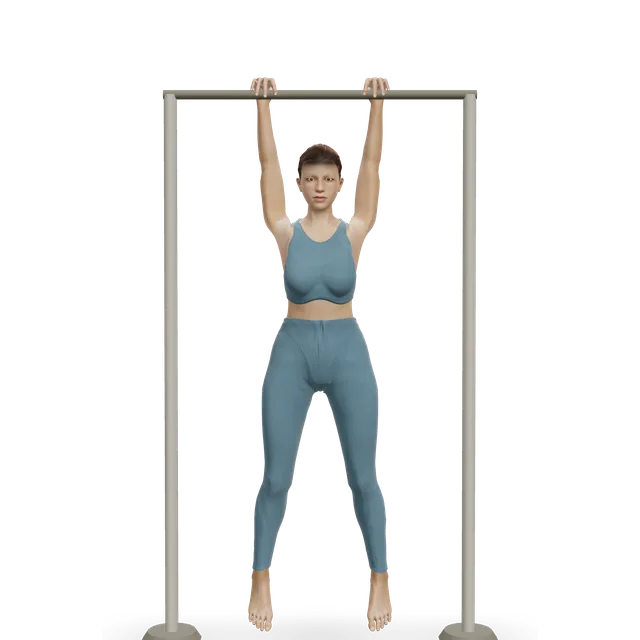
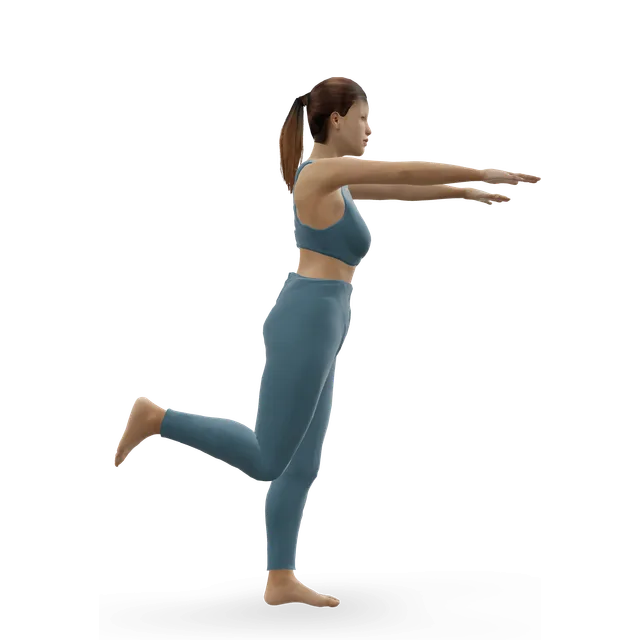
A full squat on one leg
The other leg is held straight out in front and never touches the floor. It takes ankle range, strength at the bottom, balance and a strong free leg, and coaches find most people are short of one of them.
Source 1
Training guide
A pistol squat is a full squat on one leg with the other held straight out in front. It asks for four things at once: enough ankle bend to keep the heel down, strength at the very bottom, balance, and a free leg strong enough to hold itself up. Most people who can't do one are missing one of these, and stiff ankles are a common culprit.
The usual ladder runs from step-downs and skater squats through box, assisted and counterweight pistols to the full one, and every step has a 3D demo below. It comes from coaching practice: no trial has tested it. The full single-leg squat is also one of the heaviest loads on the kneecap of any exercise measured, so there's advice for sore knees.
This guide shows how to find your limit, the technique, the ladder, what the research says about ankles and knees, and how to train it, with an honest timeline (our estimate) and a follow-along progression workout.
The other leg is held straight out in front and never touches the floor. It takes ankle range, strength at the bottom, balance and a strong free leg, and coaches find most people are short of one of them.
Source 1
Ankle bend was the factor most strongly linked to squatting deep with the heels down, and more ankle range went with deeper, better-aligned single-leg squats. If your heel lifts, start there.
Raising the heels added ankle and knee range in squats across 14 studies. A thin plate under the heel is a fair stopgap while your ankles improve.
Source 5
Step-downs, split and skater squats, pistols to a box that you lower over time, pistols holding a support, pistols with a light weight held out in front, then the full pistol. This is coaching practice that no trial has tested.
Your knee has to travel past your toes, and healthy knees adapt to deep squats. But of 35 exercises measured, the full single-leg squat was among the heaviest loads on the joint behind the kneecap, so build up from a box if your kneecaps are sore.
Single-leg squats drew more thigh and hip muscle activity than lunges or lateral step-ups in one study, but nothing shows pistols beat split squats or step-ups for building the legs. Our estimate: weeks to learn if you have the ankle range and 20 easy squats, months if you don't.
Source 10
Squat as deep as you can with your feet together. If your heels lift before you reach the bottom, ankle range is likely your limit.
For a number, use the knee-to-wall test: in a lunge facing a wall, bend your front knee to touch the wall with the heel down, and move your foot back until you can't; the distance from your big toe to the wall is your score. A change needs to be about 1.6 to 1.9 centimetres to be more than measurement error, and one side clearly stiffer than the other is worth working on.
If you can control a deep two-legged squat but sink or stall at the bottom on one leg, strength is your limit. As a sign you're ready for the one-leg steps, we suggest 20 easy squats with your feet close together.
Source 1
Stand on one leg for 30 seconds without holding on. If you can't, or you fall backwards at the bottom of a box pistol, balance is the limit (our suggested test).
Holding a straight leg out in front needs strong hip flexors, the muscles at the front of the hip. If that leg drops or cramps, it is the limit, and coaches add straight-leg raises.
Source 1
Stand on one leg with the other straight out in front and your arms reaching forward.
Sit down and back until the back of your thigh meets your calf. Keep your standing heel down, and lift the free leg level so it never touches the floor.
Let your knee travel forward past your toes, in line with your middle toes. Knees past the toes is normal in deep squats; the knee caving inward is the fault to avoid.
Lean forward to balance your hips. Some rounding of the lower back at the very bottom is common in a full pistol. Our spine guide explains that rounding hasn't been shown to cause back pain, but there's no need to force it (our suggestion).
Drive back up on the one leg, breathing out as you rise (our suggestion).
Reach forward as you sit back. Keep the heel heavy. Knee over the middle toes.
Ankle range is the main limit to deep heels-down squatting. Use a thin plate under your heel for now, and do knee-to-wall rocks daily.
That's balance, not strength. Reach your arms or a light weight forward, or hold a door frame.
Source 1
A recognised fault. Keep the knee over your middle toes, and go back a step to the skater squat or step-down.
Source 6
Momentum hides weakness at the bottom. Lower under control to a box at the depth you can control.
Source 1
It turns the box pistol into a rocking chair. Pause on the box without relaxing, then stand.
Source 1
Holding a straight leg out needs hip-flexor strength. Let the free leg hang off a high box for now, and add straight-leg raises or tuck L-sits.
Source 1
A full single-leg squat loads the kneecap joint heavily. Use a pain-free box height, and see our runner's knee guide.
Source 9
Do the ankle rocks daily and the rest 2 or 3 times a week: 10 slow rocks each side, a minute or two in a deep squat, and 30-second single-leg stands (our starting points).
 3D demoKnee-to-wall ankle rockBeginner · A wall
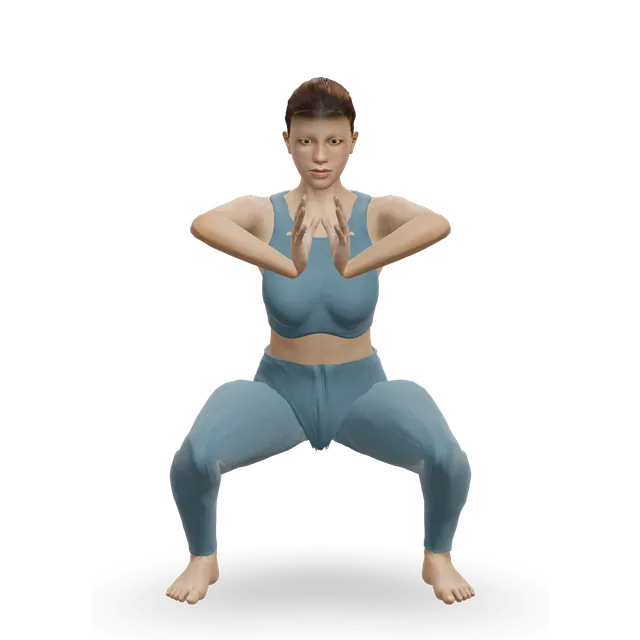 3D demoDeep squat holdIntermediate · No equipment
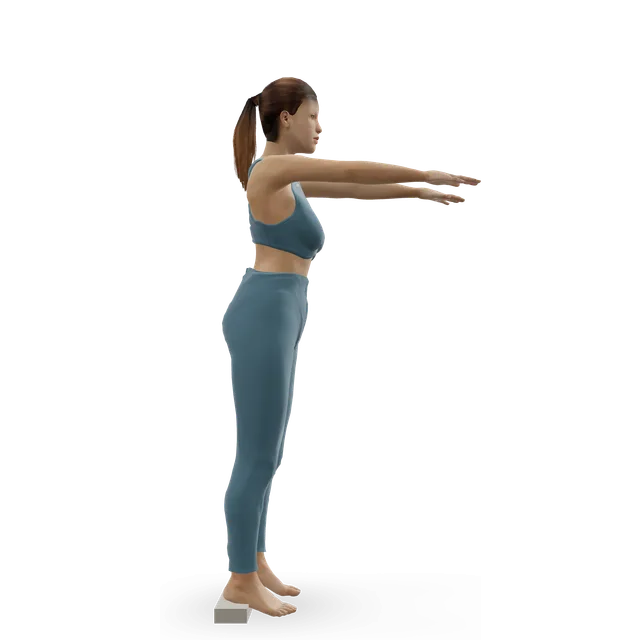 3D demoHeel-elevated deep squat (slant board squat)Intermediate · A step
 3D demoSingle-leg standBeginner · A wall
 3D demoBodyweight squatBeginner · No equipment
 3D demoStraight-leg raiseBeginner · No equipment
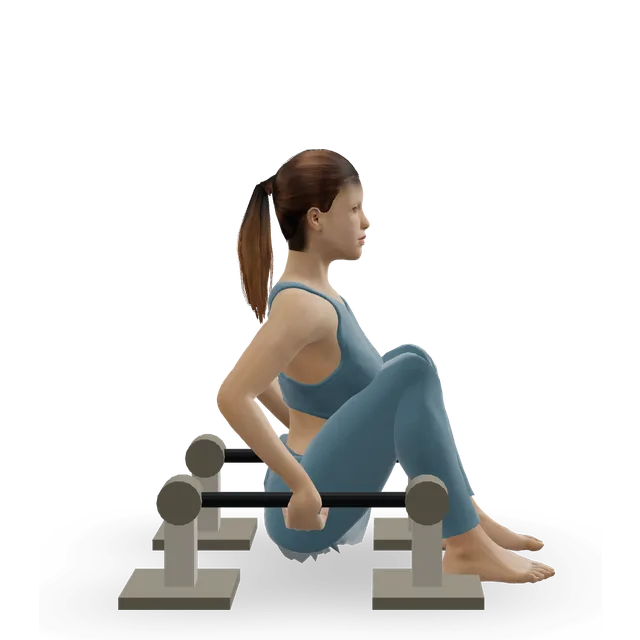 3D demoTuck L-sitIntermediate · No equipment
On the pistol squat itself, use a box behind you, then a support to hold, then a light weight held out in front, before the full version; move on at 8 controlled reps (our editorial rule).
 3D demoStep-upBeginner · A step
 3D demoSplit squatIntermediate · No equipment
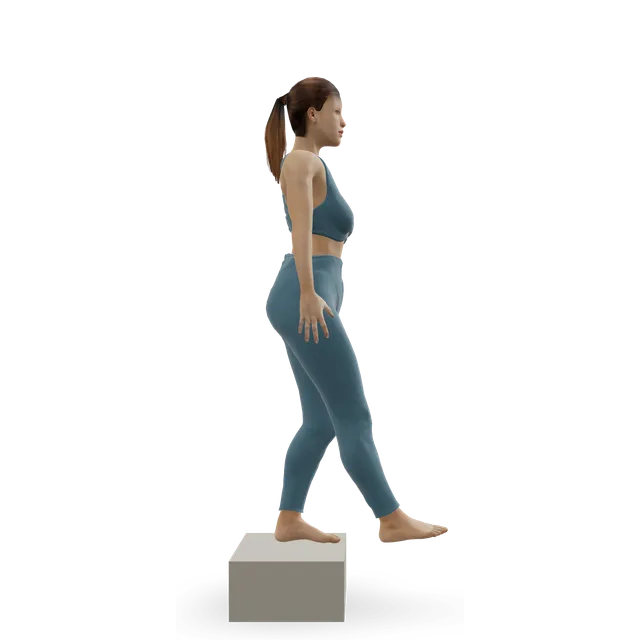 3D demoPatrick step-downIntermediate · A step
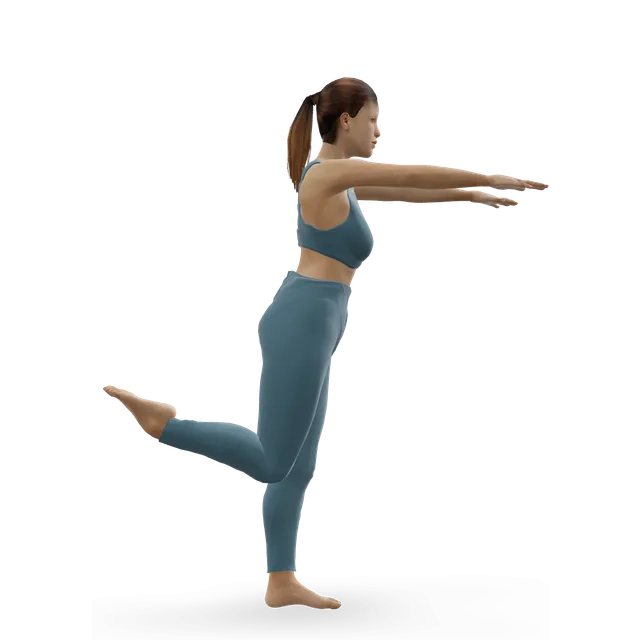 3D demoSkater squatAdvanced · No equipment
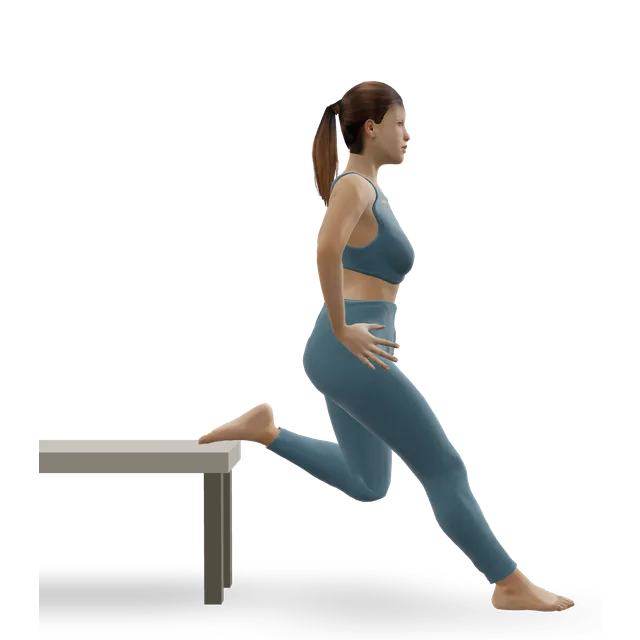 3D demoRear-foot-elevated split squat (Bulgarian split squat)Intermediate · A bench or box
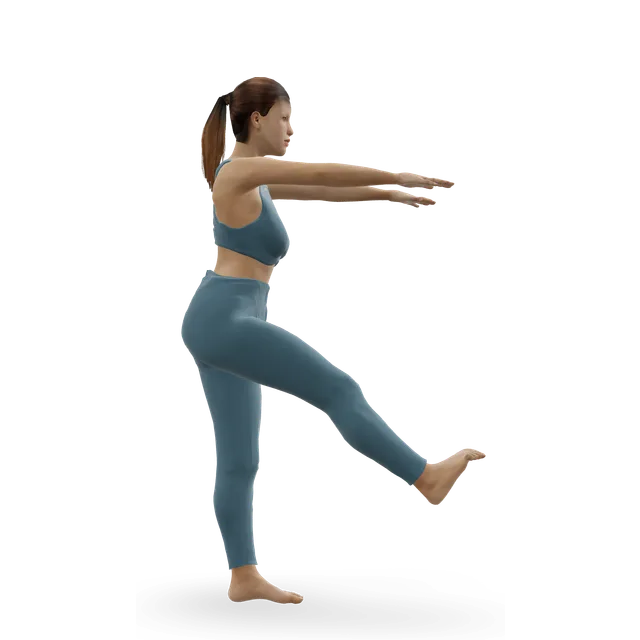 3D demoPistol squatAdvanced · No equipment
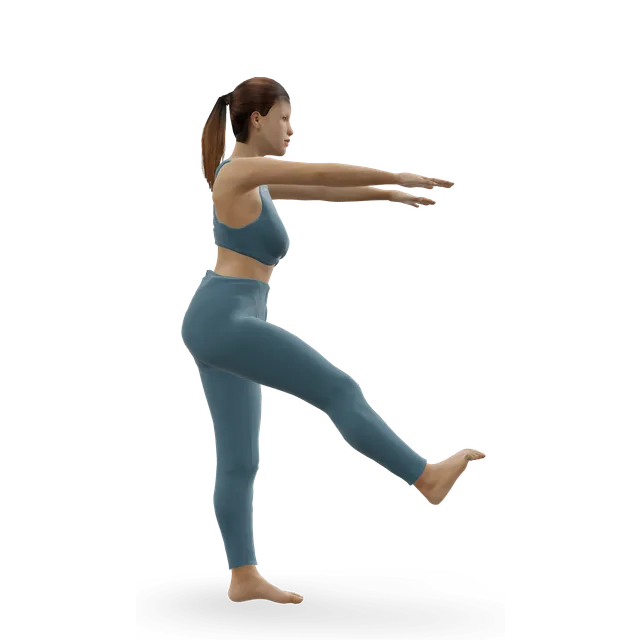 3D demoKettlebell pistol squatAdvanced · A kettlebell
In 71 men, ankle bend (dorsiflexion) was the factor most strongly linked to squatting deep with the heels down.
Source 2
People with more ankle range in the knee-to-wall test bent the knee and ankle further in single-leg squats, let the thigh turn in less, and squatted slightly deeper. Hip strength wasn't linked to depth.
In 899 healthy adults, knee-to-wall range fell with age, especially from the 60s, and was slightly greater in men. A change needs to be about 1.6 to 1.9 centimetres to be more than measurement error.
Across 14 studies, raising the heels increased ankle and knee range in squats, by about 4 degrees at the ankle, and reduced hip and trunk movement as the heel went higher.
Source 5
In 20 adults, the single-leg squat drew more activity in the glutes, a hamstring and the thigh muscles than the forward lunge or the lateral step-up.
Source 10
Box, assisted, counterweight and heel-raised pistols are the usual coaching steps, and NASM, the National Academy of Sports Medicine, teaches that single-leg squat depth should be limited by mobility, stability and control. We found no trial comparing ways of learning the pistol.
In a modelling study of 20 healthy adults doing 35 exercises and daily activities, the full single-leg squat was in the highest tier of load on the joint behind the kneecap, a tier whose peaks were 4.5 to 8.2 times body weight. The load on the patellar tendon, below the kneecap, was moderate to high, above the two-legged full squat.
A review found fears that deep squats damage healthy knees unfounded; in two-legged squats, pressure behind the kneecap peaks around 90 degrees of knee bend. There are no long-term trials.
Source 8
A biomechanical review agrees with our knee guide: the knee travels forward past the toes in a deep squat. Our knee guide suggests limiting it for a while if your kneecaps are sore, then building it back.
Source 7
Use a box at a height that doesn't hurt, or step-downs and split squats, and see our runner's knee and jumper's knee guides.
2 or 3 times a week, not on consecutive days, with the ankle rocks daily (our editorial starting point, in line with our training guides). The coaching source suggests daily practice; we stick with 2 or 3 hard sessions.
Source 1
3 sets of 3 to 8 per leg at your step, stopping 1 to 3 reps short of failure, with 90 seconds to 2 minutes between sides or sets (our editorial starting point).
Lower the box, use less support, or lighten the counterweight when you reach 8 controlled reps. A heel lift can be added at any step while your ankle range improves.
Source 5
No study has timed it. Our estimate: often 4 to 12 weeks if you can already do 20 easy narrow-stance squats, squat deep with your heels down and stand steadily on one leg; several months if your ankle range or strength is limited.
The pistol squat progression follows the ladder above; the others build single-leg strength, ankles and balance.
Build to a pistol squat: ankle and balance prep, step-downs, skater squats, box and counterweight pistols, then the full one-leg squat.
25 minIntermediate8 movesA wall, A stepA 25-minute session for knees that don't currently hurt: thigh and hamstring strength, single-leg control, then an optional full-range block with knees over toes.
25 minBeginner13 movesA bench or box, A wallA 15-minute barefoot routine for stronger toes, arches, calves and ankles, finishing with balance. You need only a towel, a wall and a resistance band.
15 minBeginner11 movesA wall, Other / check instructionsBalance practice in 10 minutes: tandem stance, single-leg stands, marches, heel walks, tree pose and floor transfers.
10 minBeginner7 movesA wall, A bench or boxDumbbell leg workout B: Bulgarian split squats, single-leg Romanian deadlifts, slider curls, single-leg bridges, calf raises and suitcase carries.
45 minIntermediate12 movesA bench or box, A dumbbellAn advanced bodyweight strength session: pull-ups, dips, pistol squats, archer push-ups, L-sits and Nordic curls.
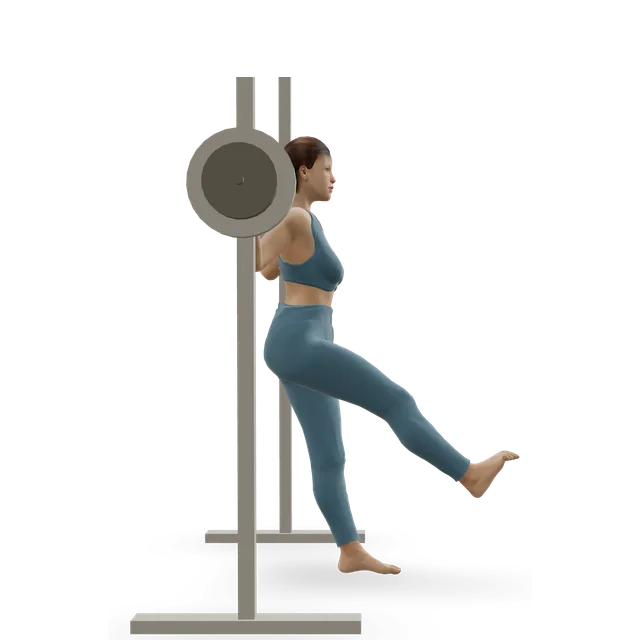
45 minAdvanced9 movesPull-up bar, An anchor pointThe shrimp squat holds the free leg behind you and is a different, harder single-leg squat; the Smith machine version steadies you so you can add load.
Follow your surgical or physiotherapy team's limits, and see our knee replacement, meniscus tear and ACL (anterior cruciate ligament) injury guides.
Deep hip bending may pinch. Use a higher box.
Use knee-to-wall rocks and a heel lift, and see our ankle guides.
Source 5
Always hold a support (our suggestion).
If your knee is very painful, you can't move it or put weight on it, it is badly swollen or has changed shape, it locks or gives way, or it is red and hot and you have a high temperature. In the US, use urgent care.
Source 15
If knee pain doesn't improve within a few weeks.
Source 15
Healthy knees tolerate deep squats, but the full single-leg squat is among the heaviest kneecap loads measured. People with kneecap pain should build up from a box.
Knees past the toes is normal and needed for depth in a squat, and a pistol can't be done without it.
Source 7
Ankle range often limits deep squatting, and balance and free-leg strength matter too. Check your heel and the knee-to-wall test first.
Single-leg squats draw high thigh and hip muscle activity, but no trial shows pistols beat loaded split squats or step-ups. Do them for the skill.
Source 10
Usually it's one of four things: ankle range (your heel lifts), strength at the very bottom, balance (you fall backwards), or the strength to hold the free leg up. Find yours and train that step.
Often. Ankle bend was the factor most strongly linked to squatting deep with the heels down. Try the knee-to-wall test: if your heel lifts in a deep squat or one side is clearly stiffer, work on it daily and use a small heel lift meanwhile.
Not for healthy knees, which adapt to deep squatting. But the full single-leg squat is one of the heaviest loads on the kneecap of 35 exercises measured, so with kneecap pain, squat to a box at a height that doesn't hurt.
Yes. A pistol needs it, and it's normal in deep squats. Keep the knee in line with your middle toes rather than letting it cave in.
Coaches use both, and we found no study comparing them. A box teaches control at a set depth, and holding a support helps if balance is the problem, so use whichever fixes your limit.
It can. A light weight held out in front acts as a counterweight and helps you sit back without tipping over. Reduce it as you improve.
Mainly the quadriceps and glutes, with the hamstrings and the side-hip muscles. In one study, single-leg squats drew more thigh and hip muscle activity than lunges or lateral step-ups.
No. Nothing shows they beat split squats or step-ups for building the legs. Do them if you want the skill.
Our starting point: 3 sets of 3 to 8 per leg at your step, 2 or 3 times a week, stopping a rep or two short of failure. Move on to the next step when you reach 8 controlled reps.
No study has timed it. Our estimate: 4 to 12 weeks if you can do 20 easy narrow-stance squats with your heels down and stand steadily on one leg, and several months if not.
Some can, but it isn't needed: sit-to-stands, step-ups and balance work build the same qualities with less risk of a fall (our view), and our guide to exercise for older adults has a plan. If you try pistols, hold a support and use a box.
Exercise education, not a personal prescription, and clinical review of these guides is pending. Check with a GP before starting hard training if you have a heart condition, chest pain, dizziness or breathlessness when active, and stop for sharp or increasing pain. Health disclaimer.