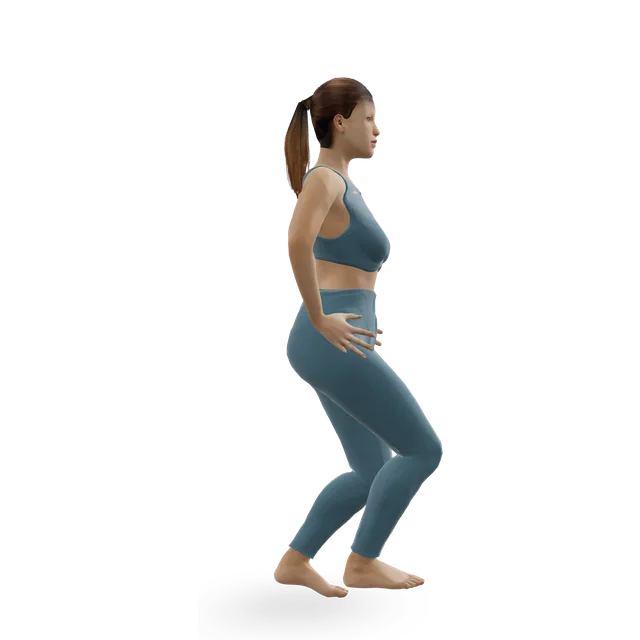
How it is recognisedStrong evidence
The JOSPT guideline grades pain reproduced on squatting as the main diagnostic test. Stairs, running, jumping and long sits with the knees bent are the other usual triggers.
Pain guide · Knee pain
Pain around or behind the kneecap that comes on when you load a bent knee: squatting, stairs, running, jumping, and sitting for a long time with your knees bent. Its proper name is patellofemoral pain. It is not jumper's knee, which hurts on the tendon just below the kneecap.
Exercise is the first treatment, and hip plus knee strengthening works better than knee exercises alone. It does not always settle by itself, so it is worth doing properly.
Exercise is for pain that has been checked or is clearly mild and settling.
The JOSPT guideline grades pain reproduced on squatting as the main diagnostic test. Stairs, running, jumping and long sits with the knees bent are the other usual triggers.
In one long-term follow-up, 57% of those who replied reported an unfavourable recovery 5 to 8 years later. Only 19% of the original group replied, so treat that figure with care; 98% of those X-rayed had no arthritis. Having pain for more than 12 months at the start predicted a poorer outcome.
Source 11
Hip weakness did not predict later kneecap pain in a meta-analysis of 18 prospective studies; thigh weakness did, in military recruits. Hip exercise still reduces kneecap pain. So do the hip work, without assuming weak hips caused the problem.
Both international consensus statements say exercise reduces pain in the short, medium and long term and improves function. A Cochrane-based review of 31 trials (1,690 people) found very low-quality but consistent evidence.
The consensus statements and the JOSPT guideline (grade A) recommend hip and knee exercises together in preference to knee exercises alone. Hip work should target the side and back of the hip. Knee work can be standing, such as squats, or seated, such as resisted knee extension.
In a 6-week trial of 199 people, a hip-focused programme reduced pain a week sooner than a knee-focused one. The guideline suggests hip work may take priority early, which is why stage 1 below starts there.
In 69 runners over 8 weeks, education on managing symptoms and training load did as well alone as with added exercise or with gait retraining. Exercise did raise strength, and gait retraining did change running mechanics, but neither added symptom relief.
In 151 adolescents aged 10 to 14, four weeks of reduced activity guided by pain, then home exercise, then a planned return to sport, left 86% of those who answered reporting success at 12 weeks. There was no comparison group.
In a lab model of 10 healthy people, stress behind the kneecap was lower in squats from about 45° of bend to straight, and in seated knee extensions from 90° to 45°. The plan uses those ranges first.
Source 12
Off-the-shelf foot insoles are recommended for short-term relief, alongside exercise, for up to 6 weeks; the guideline aims them at people whose feet roll in more than usual. The average effect may be too small to matter, and responses vary a lot.
Kneecap taping may give short-term relief alongside exercise, but its value as a first treatment is unclear.
Rate your knee pain from 0 to 10 during and after exercise. In the pain-monitoring model used in knee trials, 0 to 2 counts as safe, up to 5 as acceptable and above 5 as too much. Aim for 0 to 3 most of the time.
By the next morning your knee should be back to its usual level. If it is not, drop back one step next time (fewer sets, a shallower range, a lower step), not to nothing. Over the weeks pain should hold steady or ease; that last check is our suggestion rather than a tested rule.
Some knee programmes say you should feel no pain at all. The trials allowed some, and a meta-analysis found exercising into some pain did no worse than pain-free exercise.
Sharp, catching or giving-way pain, or new swelling, is a reason to stop and get it checked.
Start at the first stage. Each move opens a full guide with a 3D demo.
Weeks 1 to 3, three days a week. Hip-focused work first, with knee work in the ranges that load the kneecap least. Doses here are editorial starting points.
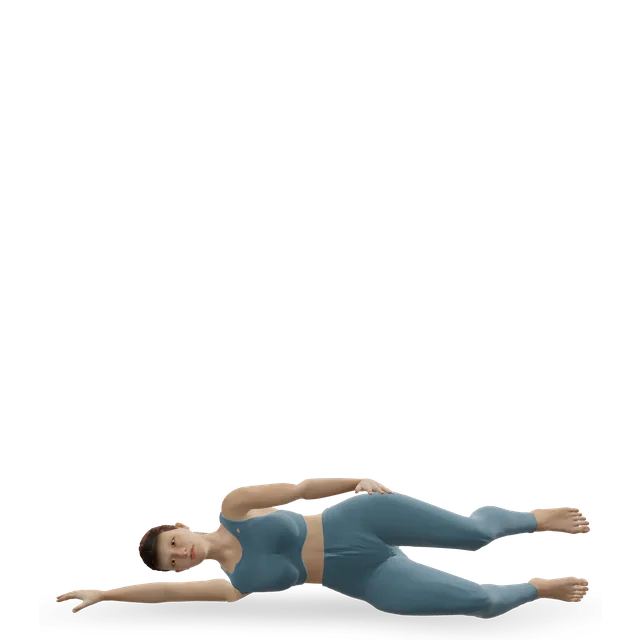
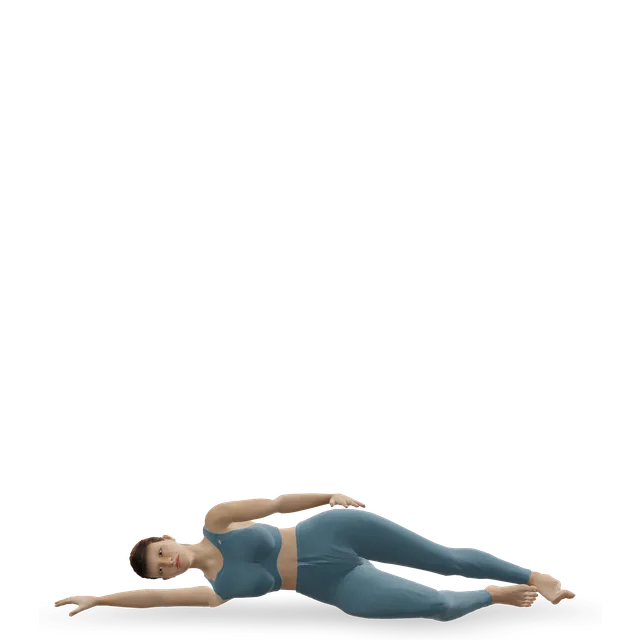 3D demoSide-lying leg raiseBeginner · No equipment
3 sets of 12 to 15 each side
Easier: Lateral band walk · Harder: Step-up with knee raise
 3D demoGlute bridgeBeginner · No equipment
3 sets of 12
Easier: Pelvic tilt into bridge · Harder: Glute kickback (quadruped hip extension)
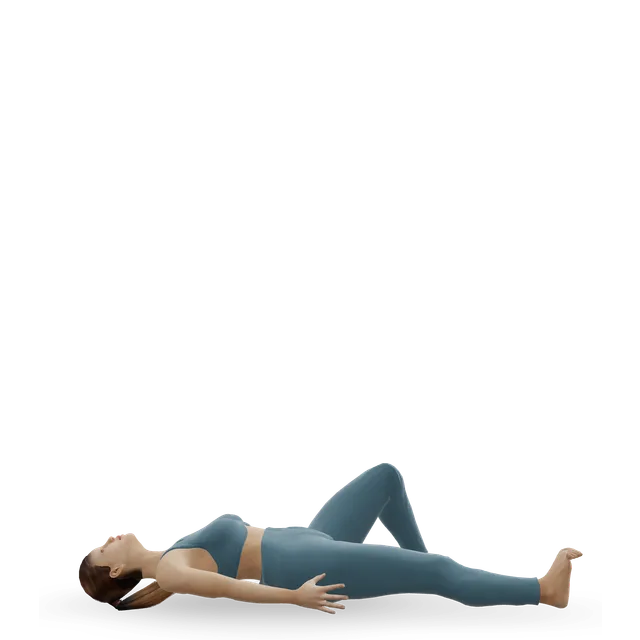 3D demoStraight-leg raiseBeginner · No equipment
3 sets of 10 each leg
Easier: Quad set (static quads) · Harder: Leg extension
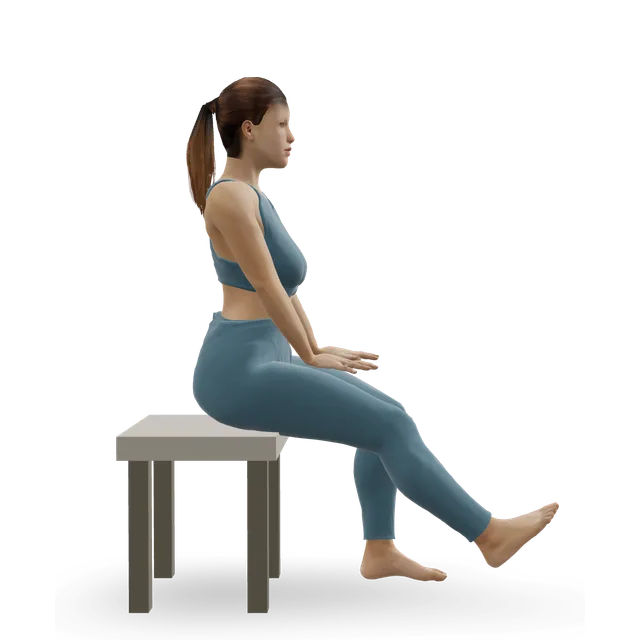
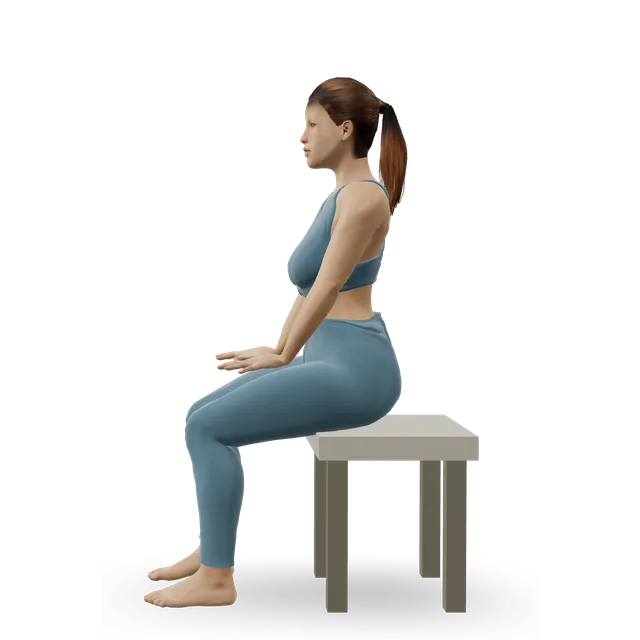 3D demoSeated knee extension (chair)Beginner · A bench or box + Something with weight
3 sets of 12 each leg · From 90° to about 45° only
Easier: Quad set (static quads) · Harder: Leg extension
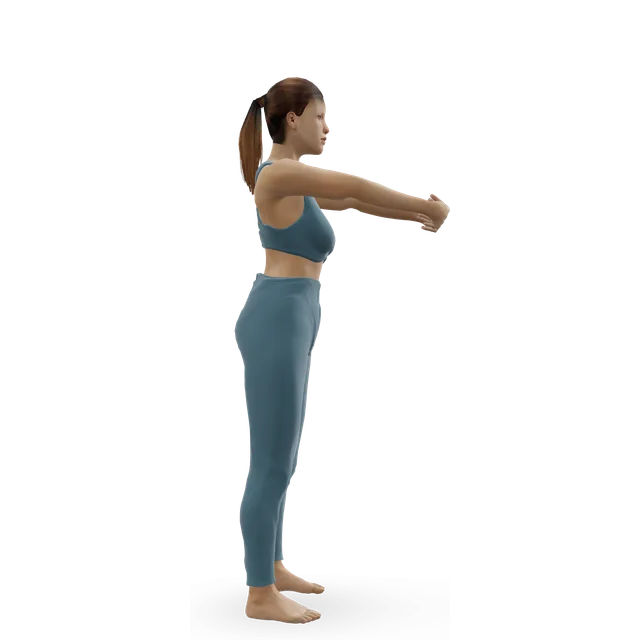 3D demoSit squat (partial squat)Beginner · No equipment
3 sets of 10 · To about 45° of knee bend
Harder: Bodyweight squat
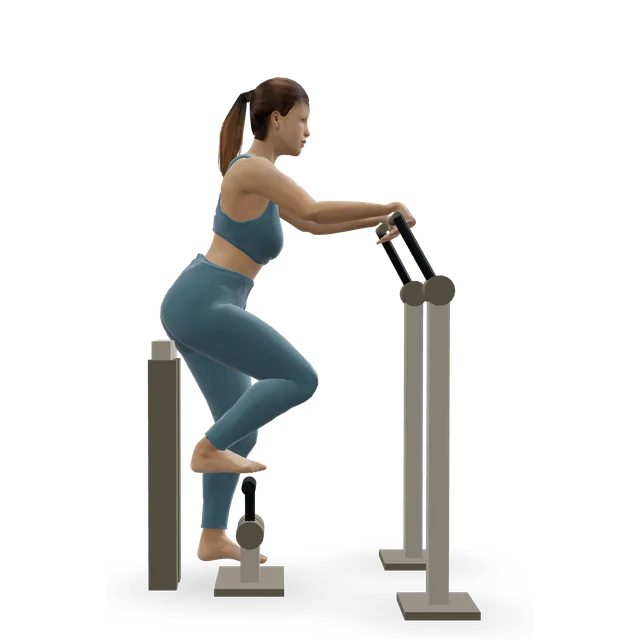 3D demoStationary cyclingBeginner · Cardio machine
10 to 20 min easy, seat high
Harder: Air bike intervals
Move on when: Stairs and sitting are within the pain rule, and a shallow single-leg squat hurts 3 out of 10 or less.
Weeks 3 to 6, three days a week.
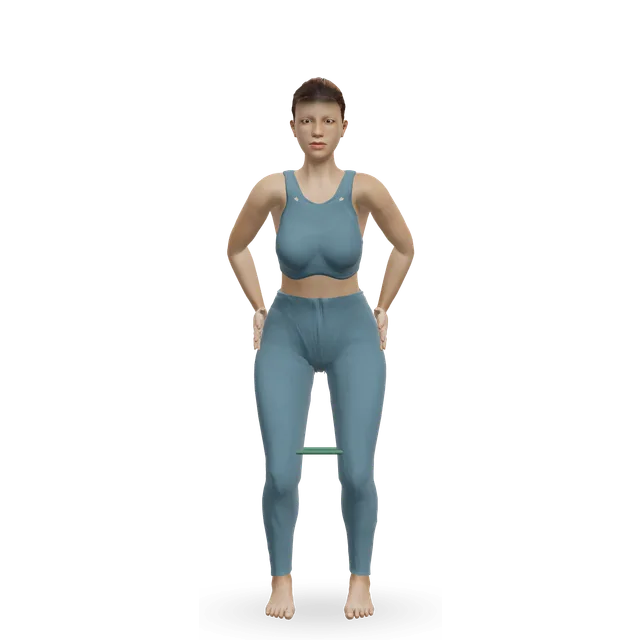 3D demoLateral band walkBeginner · A band
3 sets of 12 steps each way
Easier: Hip abduction machine · Harder: Side-lying leg raise
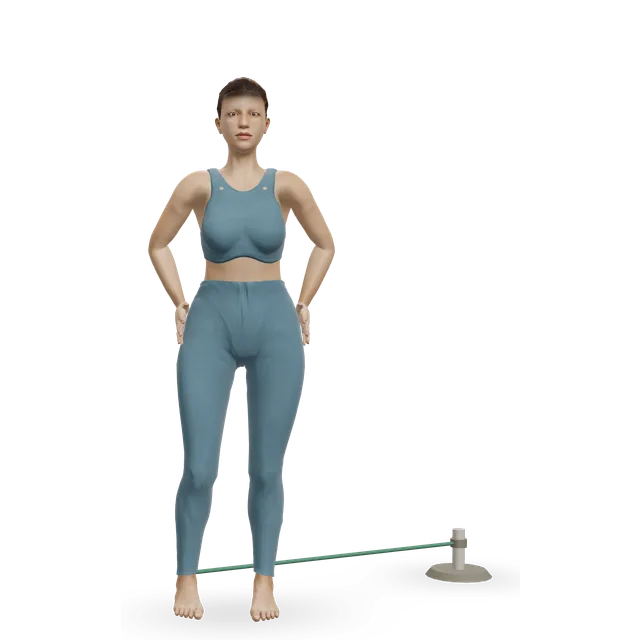 3D demoStanding band hip abductionBeginner · A band + An anchor point
3 sets of 12 each side · A standing band hip abduction
Easier: Hip abduction machine · Harder: Side-lying leg raise
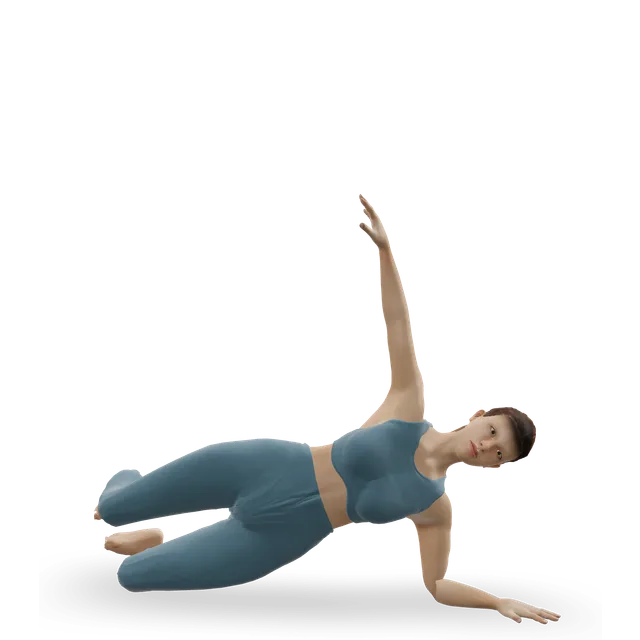 3D demoKnee side plankBeginner · No equipment
3 holds of 20 to 30 s each side · Move to the full side plank when easy
Harder: Side plank
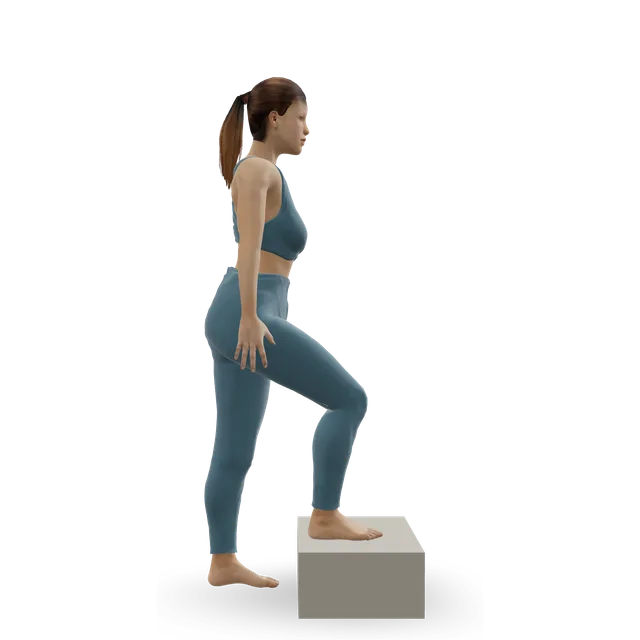 3D demoStep-upBeginner · A step
3 sets of 10 each leg · Low step, then medium
Harder: Dumbbell step-up
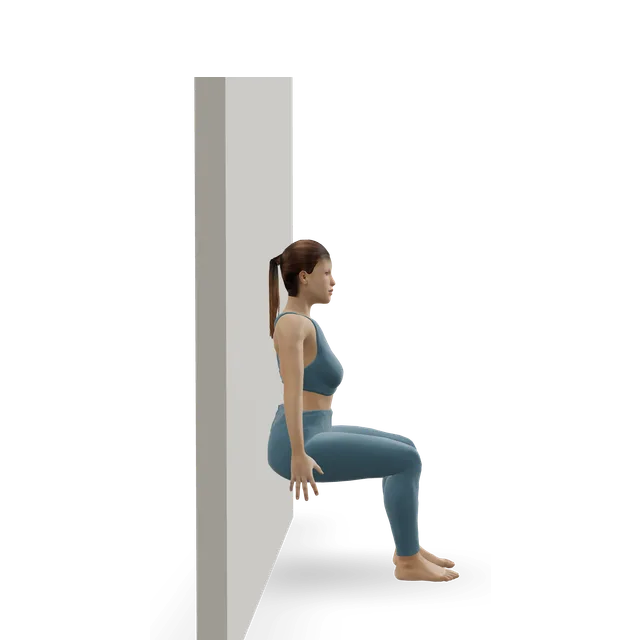 3D demoWall sitBeginner · A wall
4 holds of 30 s, shallow
Easier: Straight-leg raise · Harder: Box drop landing
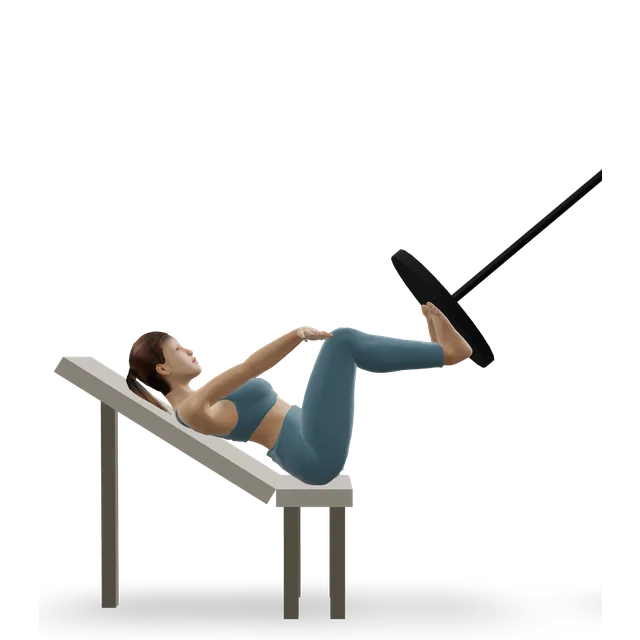 3D demoLeg pressBeginner · Strength machine
3 sets of 10 to 12 · Limited depth at first
Harder: Bodyweight squat
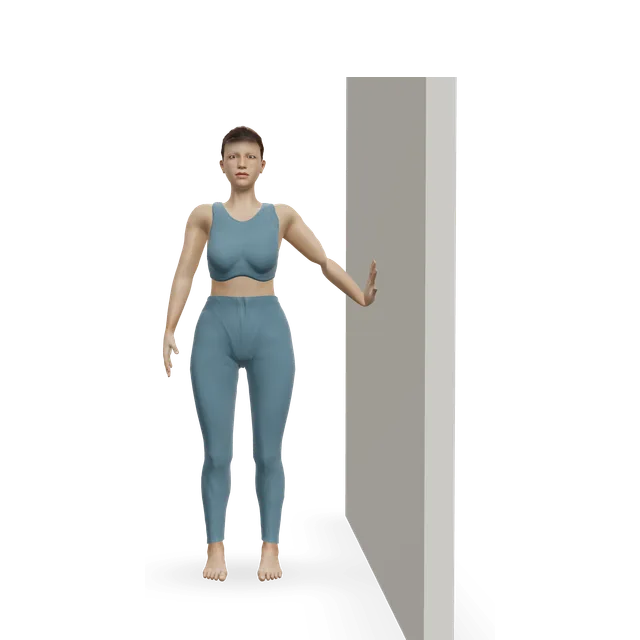 3D demoSingle-leg standBeginner · A wall
3 holds of 30 s each leg
Easier: Tandem stance and heel-to-toe walk · Harder: Single Leg Reach Matrix
Move on when: Step-ups and wall sits are within the pain rule, and pain settles by the next morning.
Weeks 6 to 12. The 6 to 12 week span matches the trials; build running time before speed or hills.
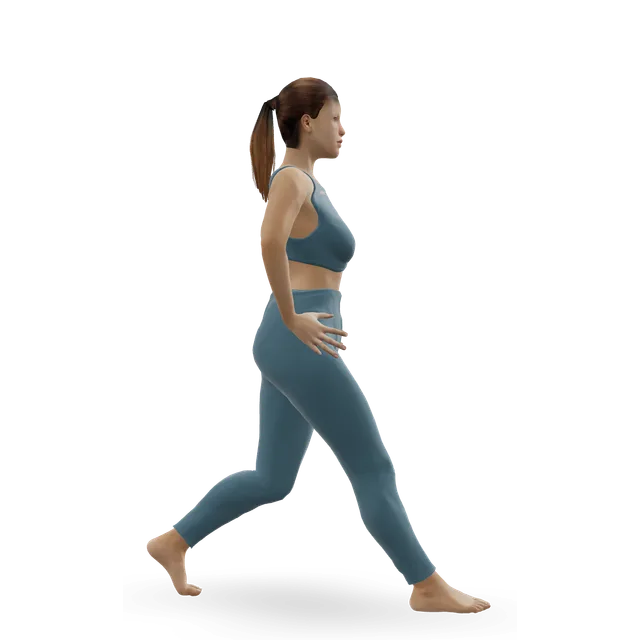 3D demoSplit squatIntermediate · No equipment
3 sets of 8 to 10 each leg
Easier: Bodyweight squat · Harder: Reverse lunge
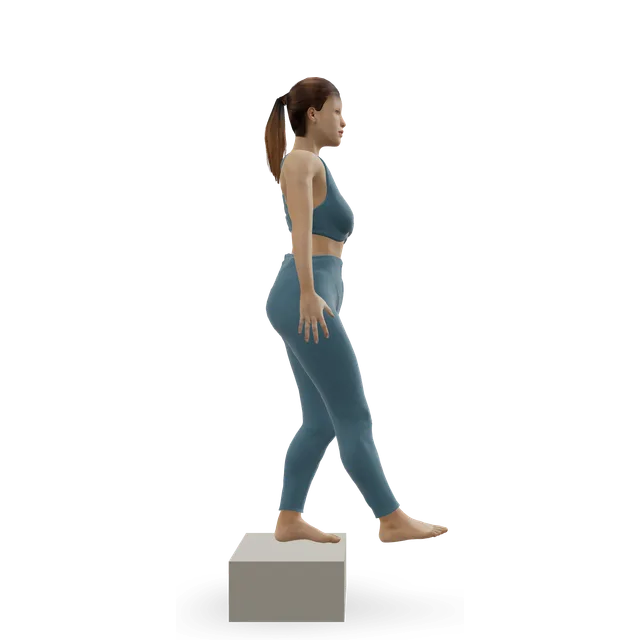 3D demoPatrick step-downIntermediate · A step
3 sets of 8 to 10 each leg
Easier: Bodyweight squat · Harder: Skater squat
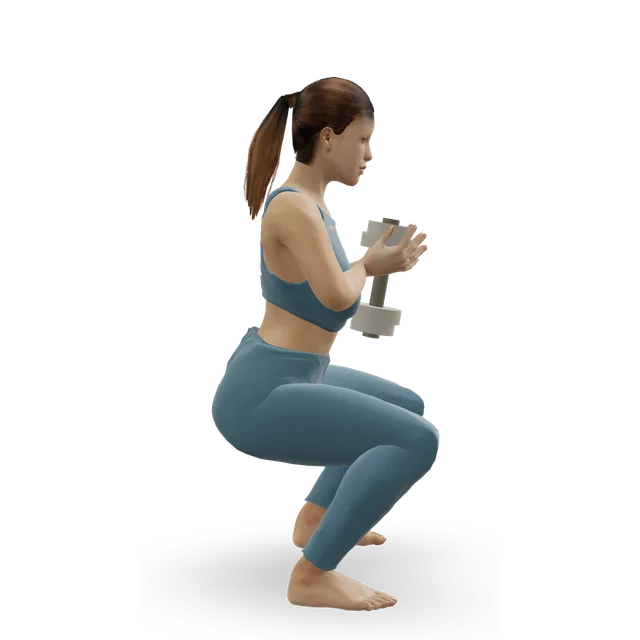 3D demoDumbbell goblet squatIntermediate · A dumbbell
3 sets of 8 to 10 · Deeper as tolerated
Easier: Bodyweight squat · Harder: Back squat with bands
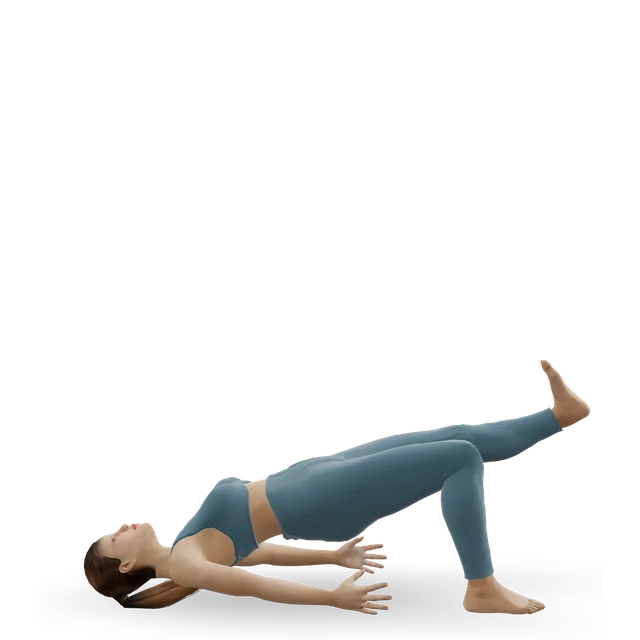 3D demoSingle-leg glute bridgeIntermediate · No equipment
3 sets of 10 each leg
Easier: Glute bridge · Harder: Alternate-leg bounding
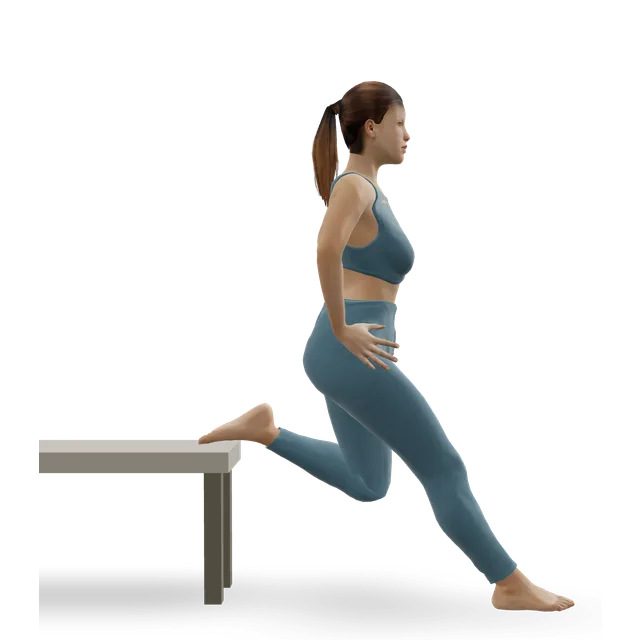 3D demoRear-foot-elevated split squat (Bulgarian split squat)Intermediate · A bench or box
3 sets of 6 to 8 each leg
Easier: Reverse lunge · Harder: Split squat jump
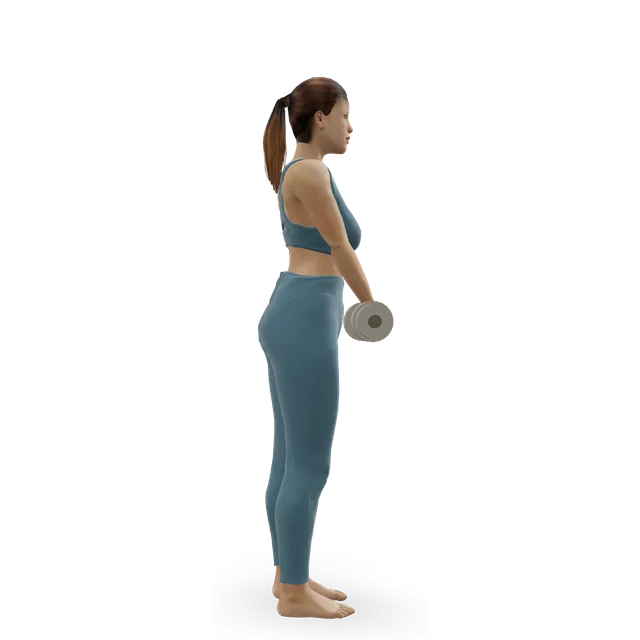 3D demoSingle-leg Romanian deadliftAdvanced · A dumbbell
3 sets of 8 each leg
Easier: Dumbbell Romanian deadlift · Harder: Full Nordic curl
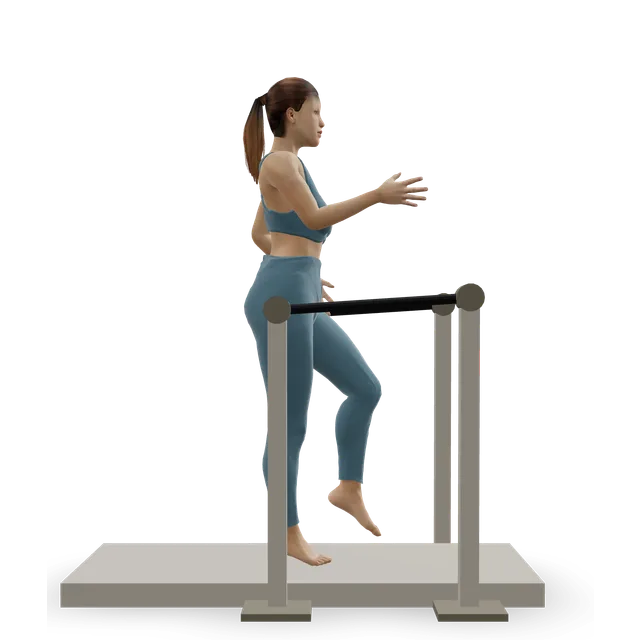 3D demoTreadmill joggingIntermediate · Cardio machine
Walk-jog intervals on the flat · Build time before speed or hills
Easier: Treadmill walking · Harder: Sprint intervals
Move on when: Flat running stays within the pain rule and settles by the next morning; then add speed, then hills.
Before adding exercises, trim running distance, hills, stairs, deep squats and long sits with your knees bent, just enough that daily pain stays within the pain rule. Keep moving; avoid total rest.
Knee, kneecap or lower back mobilisation on its own and electrotherapy are not recommended. The JOSPT guideline advises against knee braces, sleeves and straps, and against dry needling.
Calf, quadriceps and hamstring stretches are fine if they feel good. Tightness in these muscles has been linked with kneecap pain, but the guideline lists stretching only as an add-on to exercise. The knee pain hub has a table of which stretch suits which pain.
A 25-minute glute workout with bodyweight and a mini band: bridges, clamshells, band walks, kickbacks and lunges.
25 minBeginner9 movesA wall, A bandSeven stretches for after a run: calves, soleus, quads, hip flexors, hamstrings and glutes.
10 minBeginner7 movesA wallAn 8-minute dynamic warm-up for runners: ankle and hip mobility, lunges, skips and pogo hops.
8 minIntermediate8 movesA wallTraining the inner thigh muscle on its own with biofeedback is not part of recommended treatment; the JOSPT guideline advises against it. Combined hip and knee strengthening is what is recommended.
Often, yes, at a lower load that keeps pain within the rule. In a trial of runners, education on managing training load worked as well as adding exercises.
None is banned. For the first weeks, reduce deep loaded knee bends, downhill running and lots of stairs, and use shallow squats and part-range knee extensions instead.
Both load the kneecap with the knee bent. Use the handrail, cut back long sits with your knees bent for now, and let the step-ups in the plan rebuild the strength for stairs.
The JOSPT guideline advises against prescribing them. Taping and off-the-shelf insoles may give short-term relief for some people while you build strength.
A study of 151 adolescents used four weeks of reduced activity guided by pain, then home exercises, then a planned return to sport; most of those who answered reported success at 12 weeks. A teenager with pain and swelling just below the kneecap may have Osgood-Schlatter disease instead, which this guide does not cover.
The trials ran 6 to 12 weeks. Pain for more than a year before starting predicted a slower recovery, so it is worth starting early and keeping going.
Exercise education, not a diagnosis or treatment plan. It is written from the guidelines and studies listed above; review by a clinician is pending. If your pain follows an injury, is severe, is getting worse, or comes with any warning sign listed on this page, get it assessed. Health disclaimer.