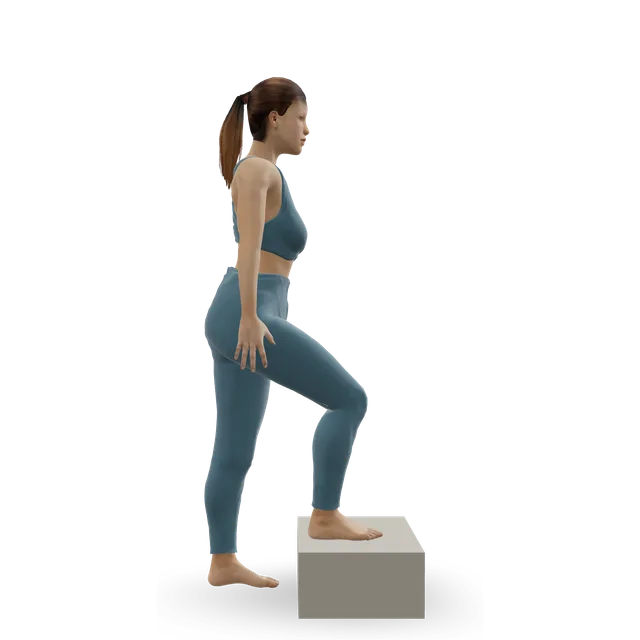
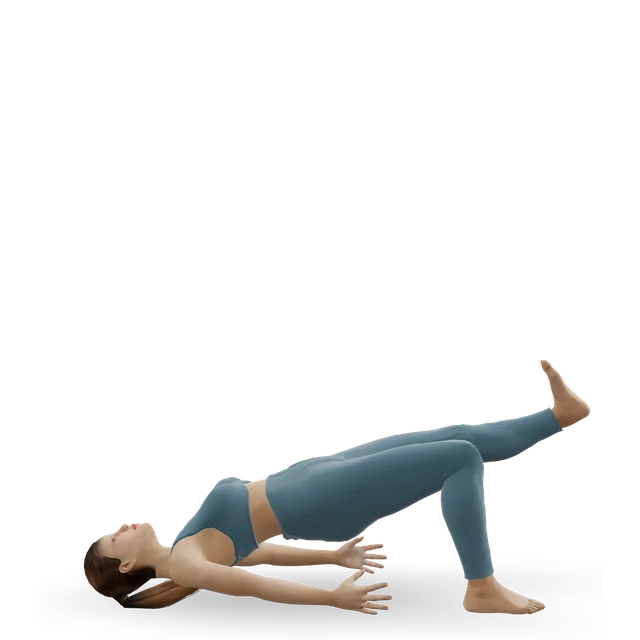
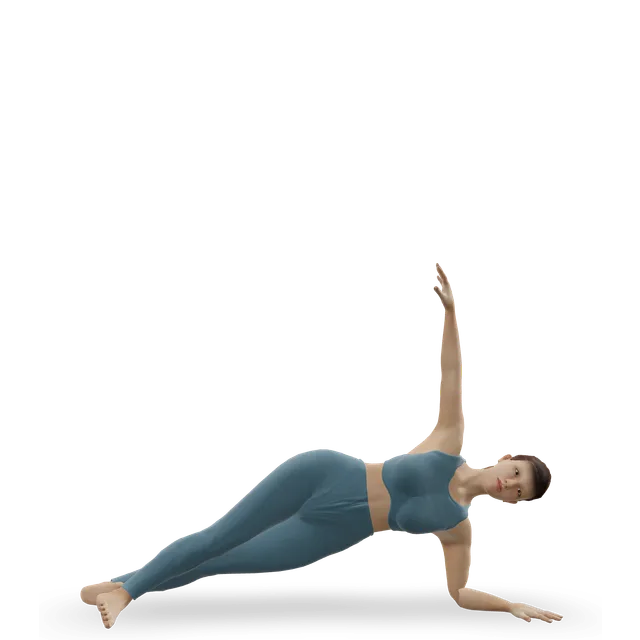
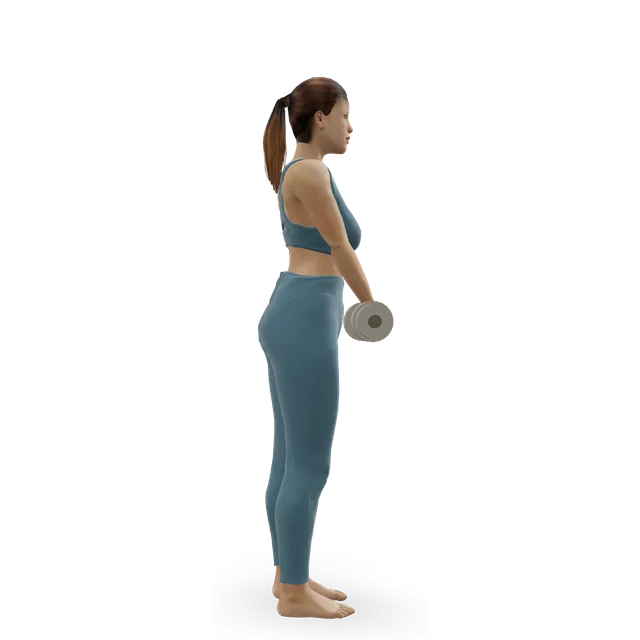
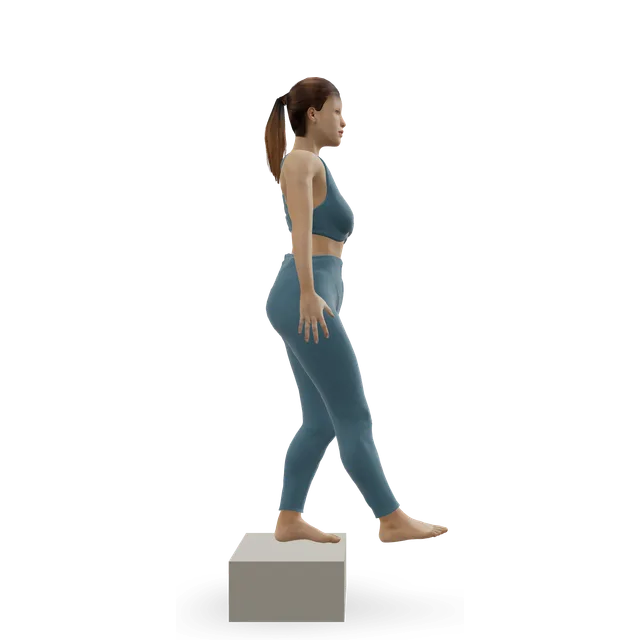
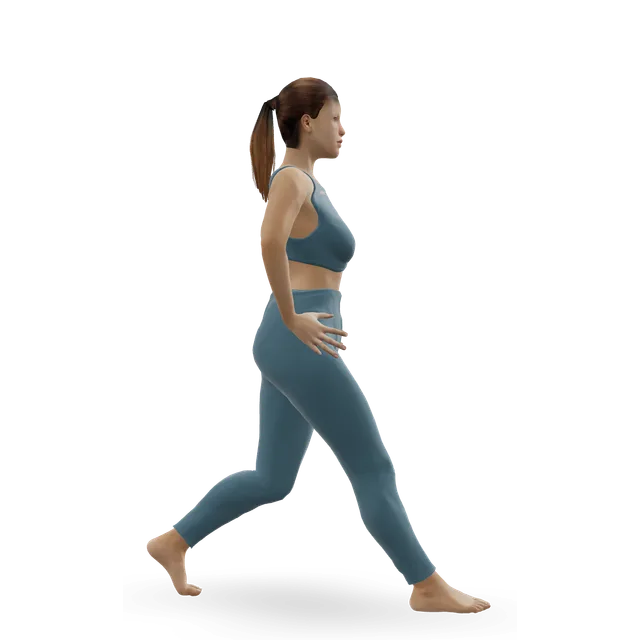
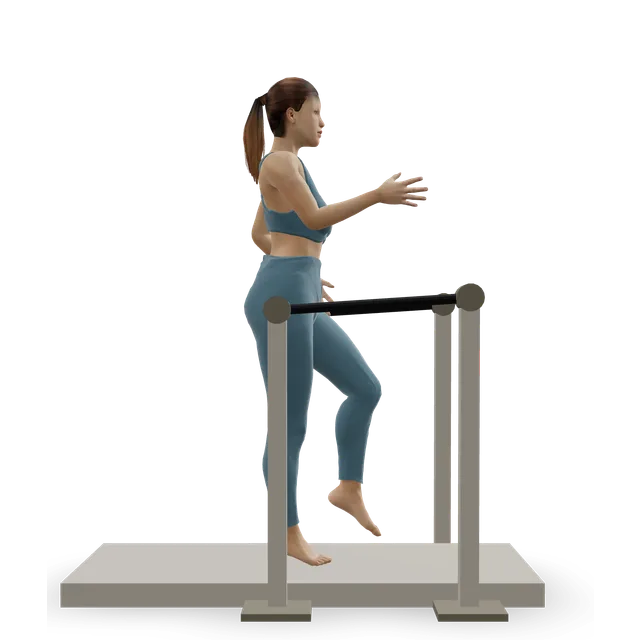
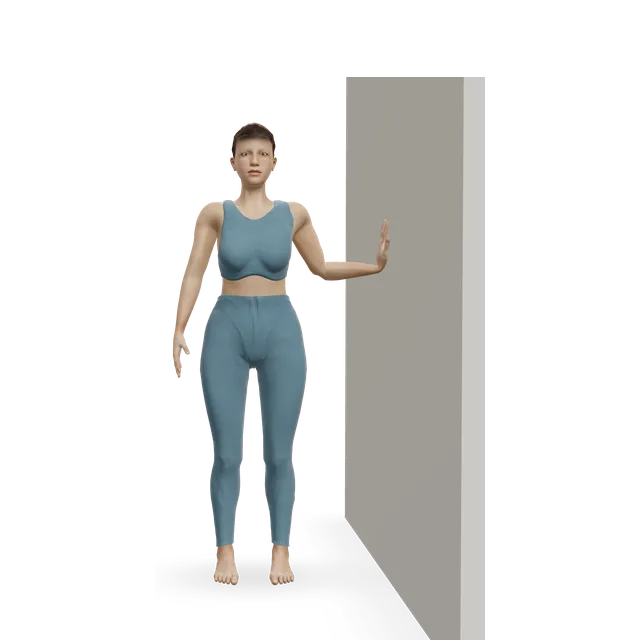
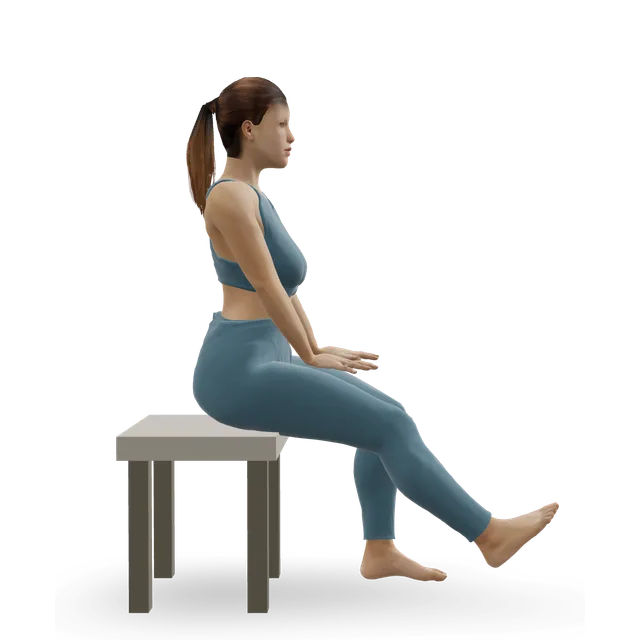
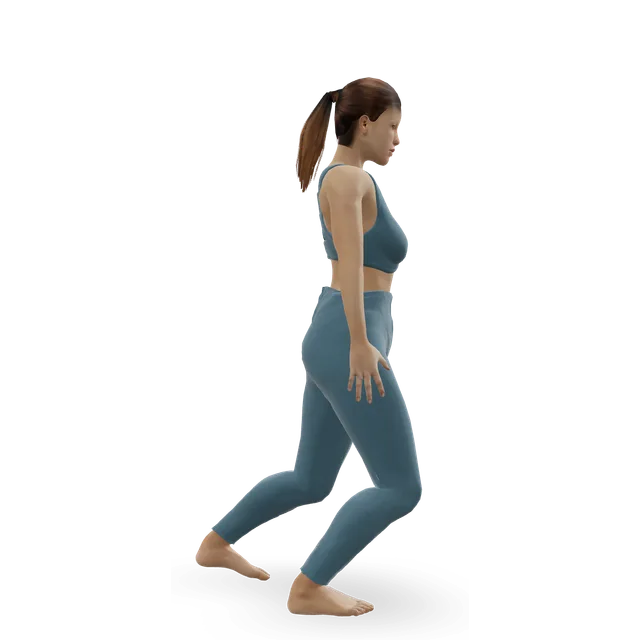
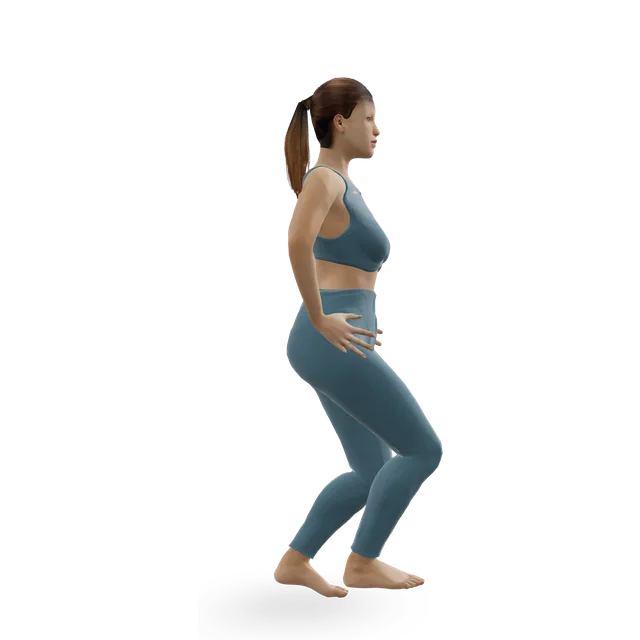
Pain on the outside of the knee in a runner or cyclist, building during a run or ride and often worse running downhill.
The usual advice is to stretch or foam roll the IT band. The band barely stretches. Hip strengthening and changes to your running have better support, though the trials are small.
Exercise is for pain that has been checked or is clearly mild and settling.
Get urgent medical help if
A hot, red or swollen knee with sudden severe pain, a very high temperature, or feeling hot, cold or shivery. This can be a joint infection.
You cannot move the knee or put any weight on it, or it is very painful, badly swollen or has changed shape.
You hurt your knee and cannot take 4 steps, or you are 55 or over and hurt it in a fall: get it checked the same day for a broken bone.
Throbbing pain and swelling in one calf or thigh with red or darkened skin or swollen veins, or sudden worse pain and swelling around a lump at the back of the knee (a possible clot or a burst Baker's cyst).
The knee locks, gives way or clicks painfully. Painless clicking is normal.
See a doctor or physiotherapist if
Knee pain that has not improved within a few weeks of looking after it at home. Many areas offer NHS physiotherapy without a GP referral.
Outer knee pain that started with a twist, or comes with swelling or locking: that is not typical of IT band syndrome.
Understand it
Compression, not frictionEmerging evidence
The IT band is a thick strip of the thigh's outer fascia, anchored along the thigh bone by fibrous strands; no bursa was found under it in 15 cadavers. At about 30° of knee bend it presses on a sensitive fat layer beneath, so the authors argue the pain comes from compression rather than rubbing.
In runners, pain peaks around the moment the foot lands, with the knee bent 20 to 30°. Downhill running makes it worse; faster running on the flat is less likely to.
Not much. In living people it lengthened less than 0.5% during a hip contraction, and three common IT band stretches produced only small strains in cadavers. A simulated stretch in 6 specimens did lengthen it, mostly near the hip, but whether that lasts is unknown.
A single session of foam rolling or stretching did not change its stiffness in 30 people, and a review concluded that stretching now and then is unlikely to change its length or mechanics.
Hip strengthening: consistent but low-quality evidenceEmerging evidence
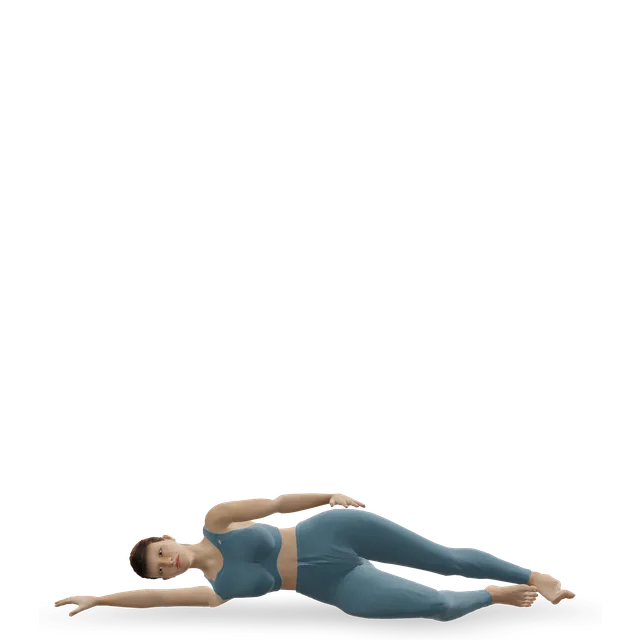
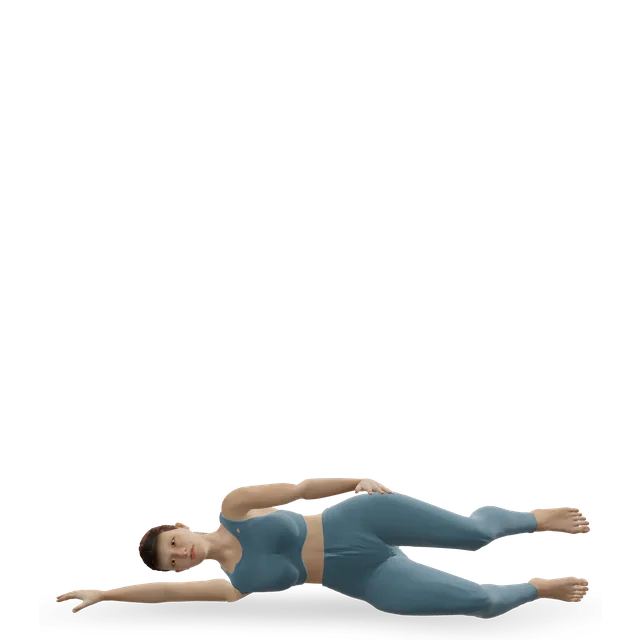
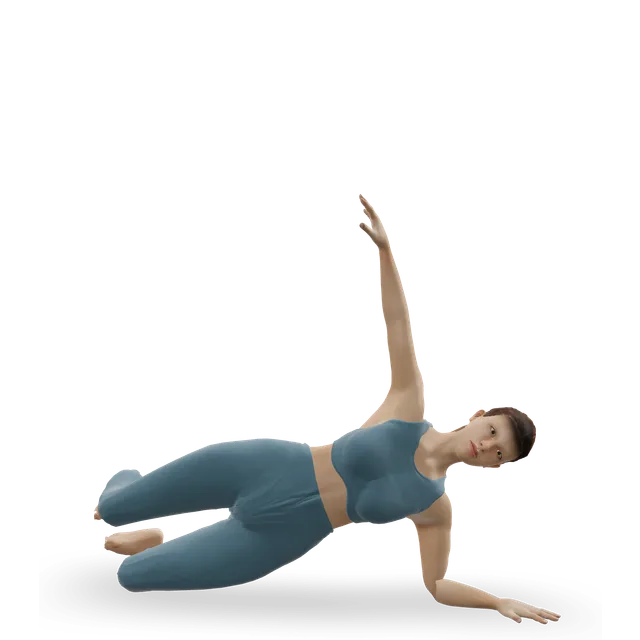
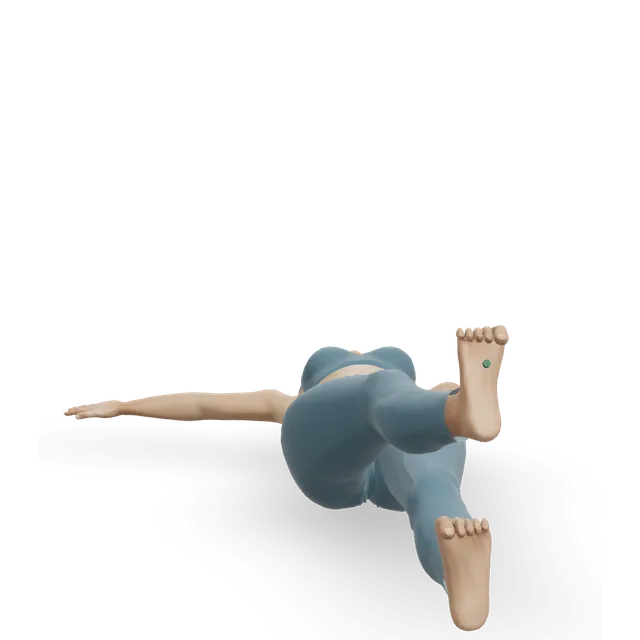
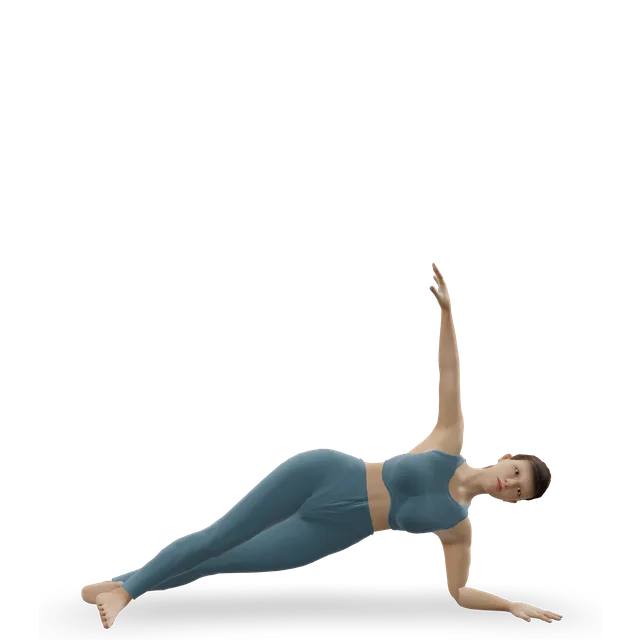
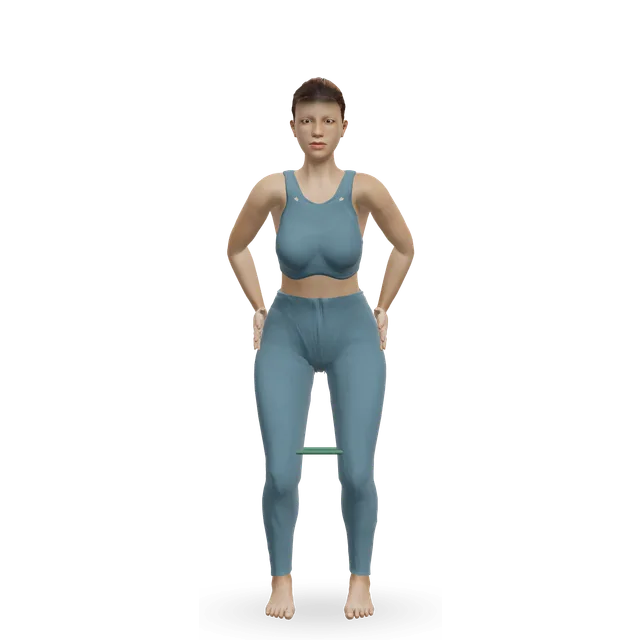
Runners with IT band syndrome had weaker hip abduction on the painful side; after 6 weeks of hip strengthening, 22 of 24 were pain-free and running, with no recurrence at 6 months. There was no comparison group.
A 2024 review (13 studies, 201 people) found hip strengthening was the common thread, with pain falling 27 to 100% over 2 to 8 weeks, though the studies were too varied to pool. An older review called the research poor and conflicting.
Female runners who went on to develop IT band syndrome ran with more hip adduction (the knee drifting inward) and knee rotation. Hip strengthening may correct that, but could also increase strain on the band. Running retraining is promising but little studied.
Foam rolling and stretching: comfort, not cureMixed evidence
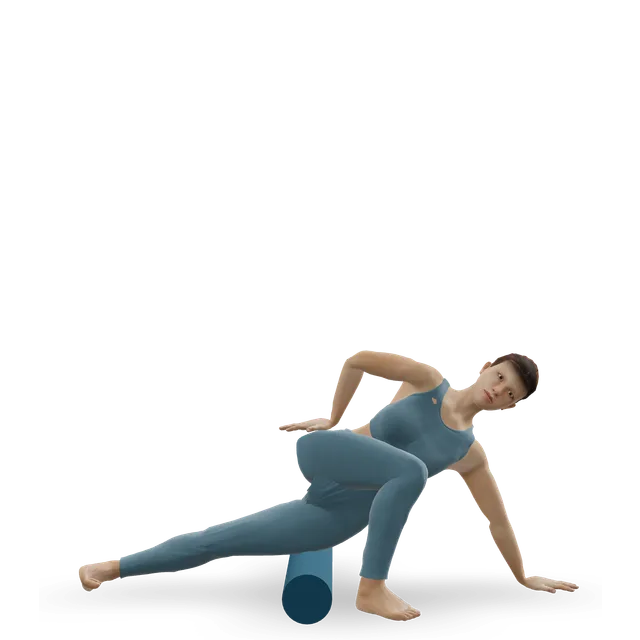
Foam rolling gives short-term range gains in general, about the same as stretching. For IT band syndrome, a review found some evidence for stretching early in rehab, an unclear contribution overall and no evidence of harm. Use them if they feel good, alongside the strength work.
0 to 2 is safe, up to 5 is acceptableEmerging evidence
Rate your knee pain from 0 to 10 during and after exercise. In the pain-monitoring model used in knee trials, 0 to 2 counts as safe, up to 5 as acceptable and above 5 as too much. Aim for 0 to 3 most of the time.
By the next morning your knee should be back to its usual level. If it is not, drop back one step next time (fewer sets, a shallower range, a lower step), not to nothing. Over the weeks pain should hold steady or ease; that last check is our suggestion rather than a tested rule.
Some knee programmes say you should feel no pain at all. The trials allowed some, and a meta-analysis found exercising into some pain did no worse than pain-free exercise.
Sharp, catching or giving-way pain, or new swelling, is a reason to stop and get it checked.
On the outside of the knee, building during a run or ride. Pain at the front of the knee, below the kneecap or after a twist points to something else.
Should I foam roll my IT band?
If it feels good, yes, but do not expect it to change the band: one session did not alter its stiffness. Spend most of your time on hip strength and running changes.
Do IT band stretches help?
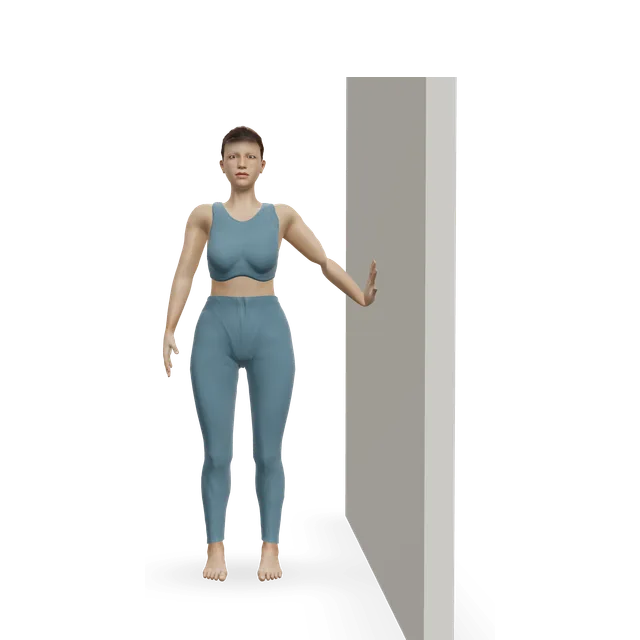
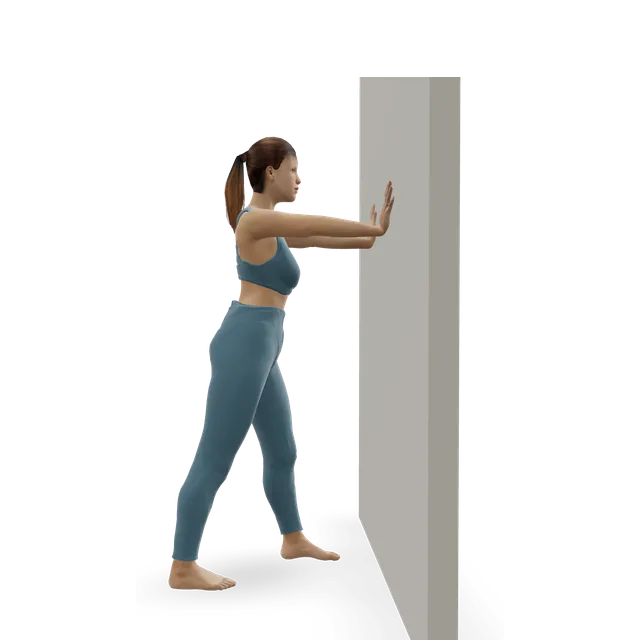
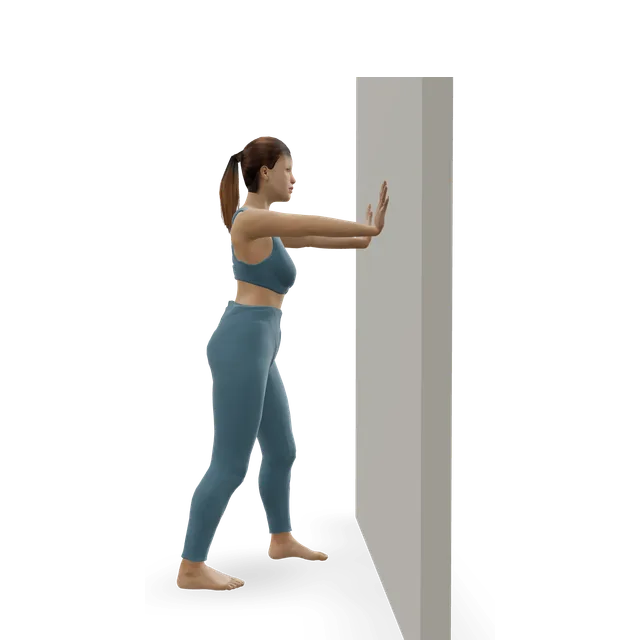
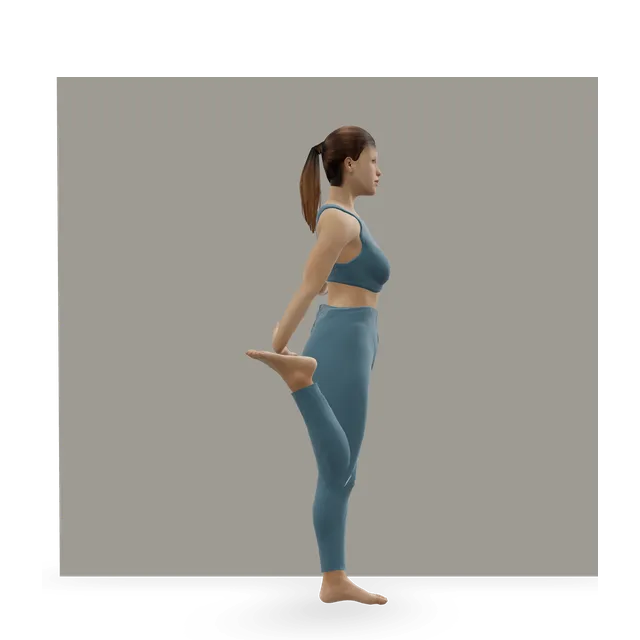
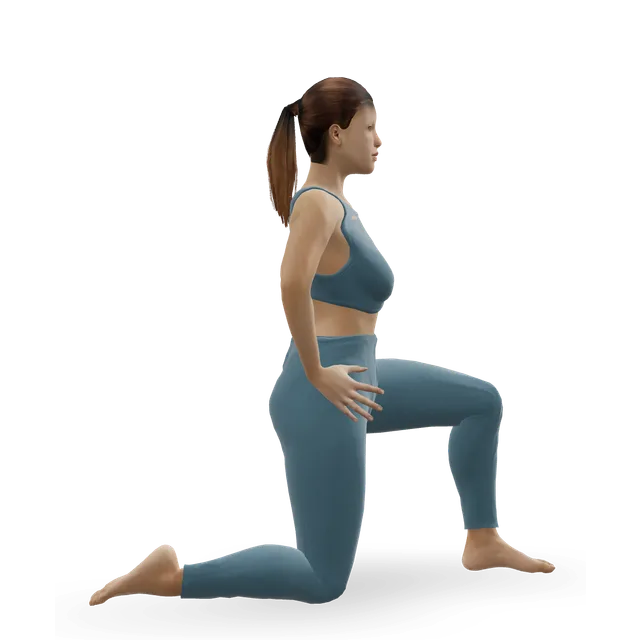
They may ease symptoms for some people, and there is no evidence of harm, but the band lengthens less than 0.5% and stretching is unlikely to change it. Treat stretches lying down or standing as comfort, not a fix.
Does KT tape help IT band pain?
No trials of tape for IT band syndrome turned up in the research behind this page, so we cannot say whether it helps.
Can I keep running with IT band syndrome?
Often, with less volume and no downhill running for now. Flat or faster running is less likely to provoke it. Cross-train with whatever is painless on the days you cannot run.
How long does IT band syndrome take?
The hip programmes in the studies ran 6 weeks, and a review covered programmes of 2 to 8 weeks. Bring downhill running back last.
Exercise education, not a diagnosis or treatment plan. It is written from the guidelines and studies listed above; review by a clinician is pending. If your pain follows an injury, is severe, is getting worse, or comes with any warning sign listed on this page, get it assessed. Health disclaimer.