Soreness is expected after new or harder workStrong evidence
Delayed onset muscle soreness (DOMS) follows unaccustomed exercise, especially lowering (eccentric) work, and is commonest at the start of a season, after a break and with new activities. It typically starts 12 to 24 hours after the session, is worst between 24 and 72 hours, and is gone within 5 to 7 days. How sore you feel matches the amount of muscle damage poorly, and after one session the same work leaves you much less sore for weeks.
Your back muscles hold your trunk steady in almost every standing lift, so a heavy leg day, a new hinge, high-rep back extensions or a long rowing session can all leave them sore.
Sources 1, 2
Low back soreness in the studiesEmerging evidence
When researchers brought on low back soreness on purpose in healthy adults, mostly with back extensions to exhaustion (18 studies, 452 people), the soreness was worst on day 1 and still measurable on day 4, and back strength was down over those 4 days, but people could still bend forward fully. The certainty was low or very low, and these were volunteers, not people with back pain.
Source 3
A strain is the commonest lifting injuryEmerging evidence
The NHS names a pulled muscle, a strain, as a common cause of back pain. A strain usually starts at one moment, often on a tired or grinding rep, and can bring tenderness, weakness and muscle spasms; not warming up, tired muscles and sport are common causes, the NHS says. In 6 years of injury records from elite US weightlifters, 74.6% of back injuries were strains, and 90.5% of all injuries cost a day or less of training.
Lifting sports have low injury rates next to team sports: 2.4 to 3.3 injuries per 1,000 hours in weightlifting and 1.0 to 4.4 in powerlifting (9 mostly low-quality studies), with the spine, shoulder and knee commonest. In US emergency departments, most weight training injuries came from a weight dropping on someone. CrossFit's injury rate looked similar to other sports in 3 retrospective studies. No study we found gives a rate of back soreness or strain in ordinary gym-goers or class members.
Sources 4, 5, 6, 7, 8, 9, 10
The moves that commonly bring it onEmerging evidence
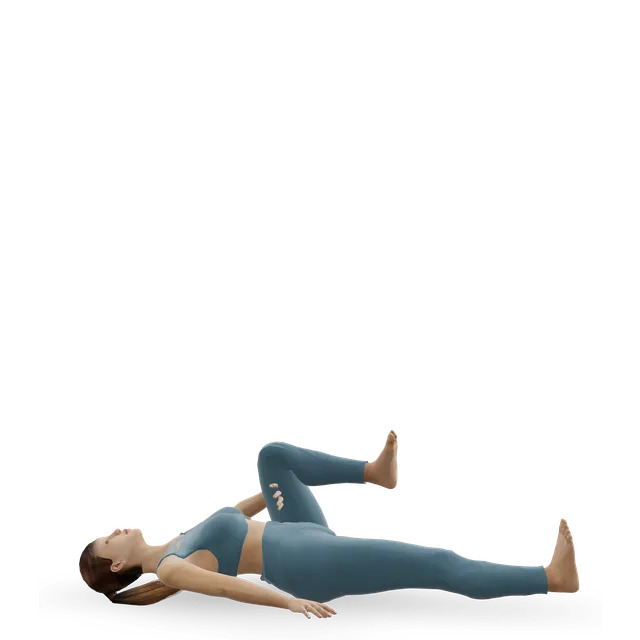
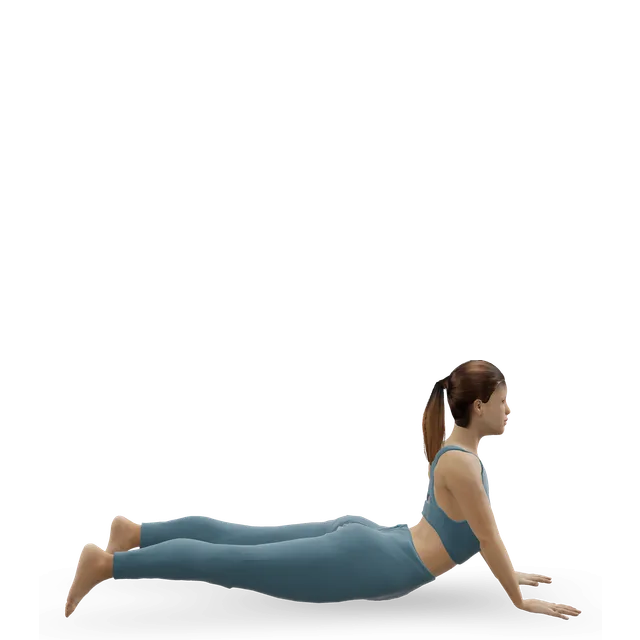
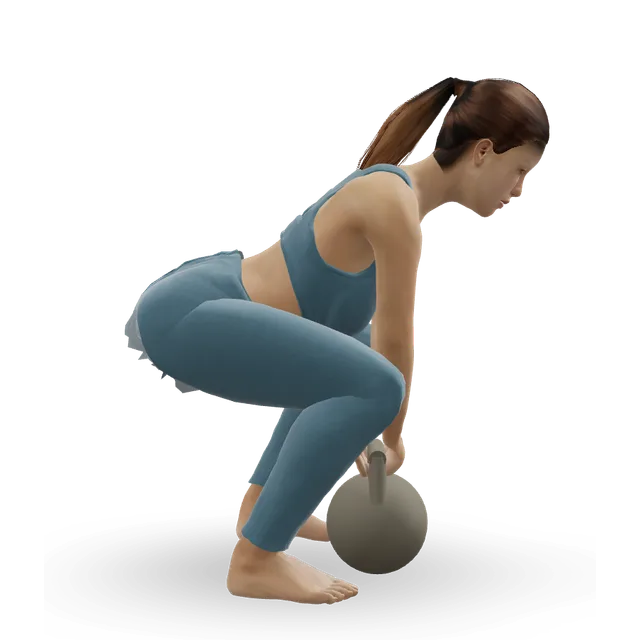
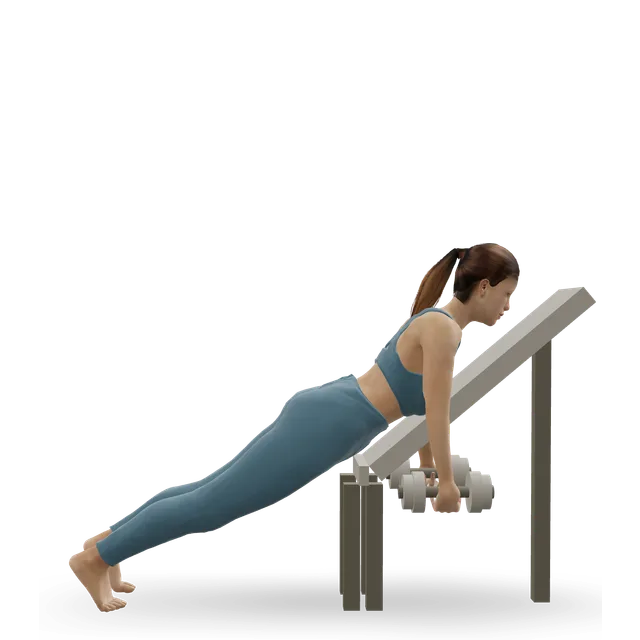
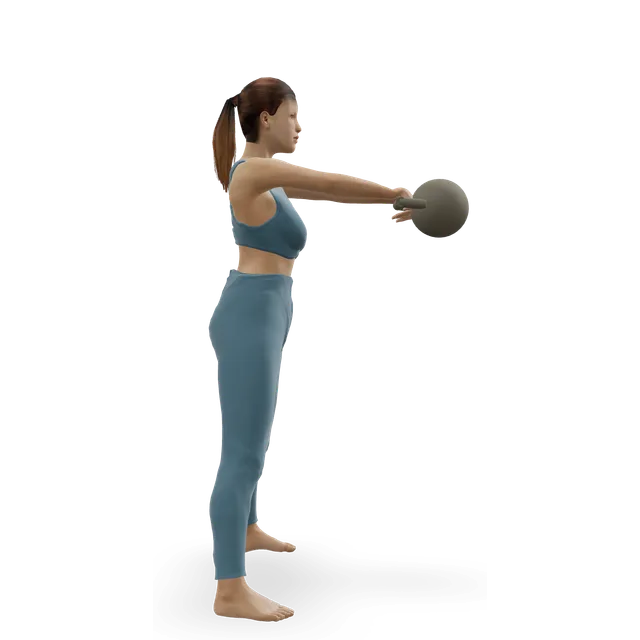
Usually it's more load, more volume or a new move than your back is used to, not one forbidden exercise: NHS inform lists doing more activity than you normally would among the things that bring on back pain. Deadlifts and squats have their own guides. Kettlebell swings hinge fast and hard: with a 16 kg bell, the back muscles worked at about half their maximum in a laboratory study of 7 men, yet 8 weeks of kettlebell training eased back pain in a workplace trial of 40 adults. Bent-over rows hold a loaded hinge for the whole set.
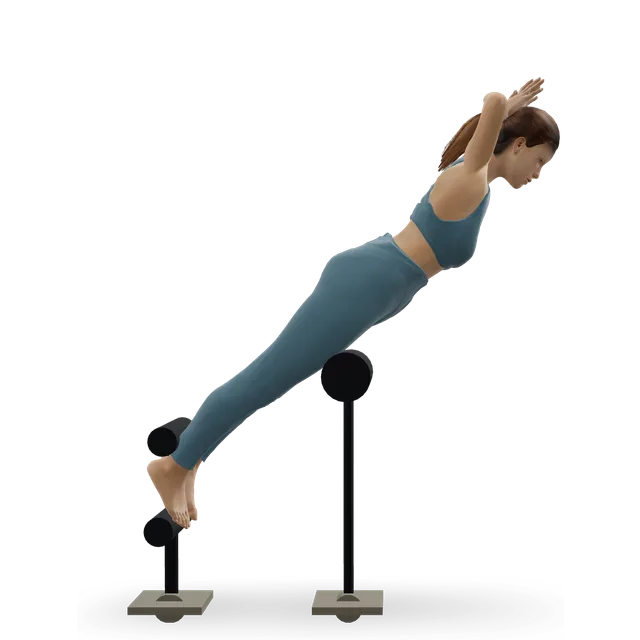
Sit-ups bend the spine under load again and again. Partial curl-ups gave the most abdominal work for the least spine load in 9 volunteers, and in 1,141 soldiers, swapping sit-ups for trunk exercises didn't change injury rates, though back injuries cost more days of restricted duty in the sit-up group (marginal evidence). Back extensions to exhaustion are how researchers bring on low back soreness on purpose. Circuits, burpees and a new class or challenge add many fast reps when you're tired, and very rarely a big, unaccustomed session leads to muscle breakdown. The rowing machine adds thousands of hinges. Low back pain is uncommon in runners (19 studies).
A rounded back while lifting wasn't a risk factor for back pain starting or lasting (9 of 11 studies; low-quality evidence). In 999 people with new back pain, being distracted during a task and handling a heavy load were strong short-term triggers, a heavy load more so in younger people.
Sources 11, 12, 13, 14, 15, 16, 17, 18, 19, 20
When a scan or test helpsStrong evidence
Soreness and strains are recognised from the story and settle without tests. The National Institute for Health and Care Excellence (NICE) advises against routine imaging for low back pain, and scan findings are common without pain: disc bulges were found in 30% of pain-free 20-year-olds and 84% of 80-year-olds.
Tests answer specific questions: X-rays first for a suspected stress fracture of the spine in a young lifter, then a magnetic resonance imaging (MRI) scan if needed; an X-ray for a suspected spinal fracture from thin bones; blood and urine tests when muscle breakdown is suspected; a urine test for a suspected kidney infection; and an emergency MRI scan for the cauda equina signs.
Sources 21, 22, 23, 19, 4
How it usually goesStrong evidence
Soreness is gone within 5 to 7 days. A strain or new back pain usually improves a lot within 6 weeks: across 33 studies, average pain fell from 52 out of 100 to 23 at 6 weeks, 12 at 26 weeks and 6 at a year, and the NHS says back pain usually improves within a few weeks. It often comes back: 69% of 250 people who had recovered had another episode within a year. In elite weightlifters, 90.5% of injuries cost a day or less of training.
A stress fracture in a young lifter, a fracture from thin bones or muscle breakdown takes longer and has its own guidance. No one can promise a timescale.
Sources 1, 24, 4, 25, 6