Pain guide · Shoulder pain

Shoulder pain after a workout: soreness or injury, the lifts behind it, and training again

A dull ache in the muscles around your shoulder, chest or upper back the day after a new or heavier session is usually muscle soreness: it starts 12 to 24 hours later, is worst at 1 to 3 days and goes within about a week. Pain in the joint itself, a painful arc as you lift your arm, a catch or clunk, or pain on top of the shoulder at the end of the collarbone points instead to the rotator cuff, a slipping shoulder or the acromioclavicular (AC) joint, and the shoulder is one of the commonest places lifters get hurt. It usually settles with a changed session, not by stopping.

Call 999 for shoulder or arm pain with chest pain that feels tight or squeezing, or that spreads to your arms, neck or jaw, especially with breathlessness, sweating or feeling sick, even mid-set. Get help the same day, through a general practitioner (GP), the National Health Service's 111 line (NHS 111), an urgent treatment centre or accident and emergency (A&E), for a pop with bruising or a changed shape in the chest or upper arm, a shoulder that looks out of place after an injury, or muscles far sorer and weaker than the session explains with dark pee. This guide covers soreness against an injury, the presses, pull-ups, dips and raises that commonly bring it on, what to change in each, and a three-stage plan with 3D demos back to your usual training.

When to get help first

Exercise is for pain that has been checked or is clearly mild and settling.

Get urgent medical help if

  • Call 999: shoulder or arm pain with chest pain that feels tight or squeezing, or chest pain that spreads to your arms, neck or jaw, especially with shortness of breath, sweating or feeling sick. It could be a heart attack.
  • Get help from NHS 111: pain or tightness in your chest, neck, shoulders, jaw or arms that comes and goes, often brought on by exercise, stress, emotion or cold and easing after a few minutes' rest. It can be angina, a sign of a heart problem.
  • Call 999 or go to A&E: after a fall or injury, or after the bar came down on you or the shoulder slipped during a press, your shoulder looks out of place or has changed shape, or you cannot move your arm. Do not drive yourself, and do not try to put it back in yourself.
  • Same day (NHS 111 or an urgent treatment centre): a pop or tearing at the front of the armpit or chest during a lift, a dip or a tackle, followed by bruising into the chest or upper arm, a change in the shape of the chest or armpit (a thinner or lost armpit fold, or a chest or nipple that looks uneven), or weakness pushing. Don't wait for it to settle: it can be a torn pec tendon, and repairs done within about 6 weeks did better than later ones.
  • Same day (GP or NHS 111): a sudden pop or snap with pain at the shoulder or upper arm during a lift, with or without a bulge low in the upper arm. It's usually a torn long head of the biceps. Most need no operation, but the rotator cuff can tear at the same time.
  • Urgent treatment centre or A&E: a pop or snap and sudden pain during an effort, which could be a torn tendon. At the front of the elbow, with bruising and a bulge in the upper arm, don't wait for it to settle: a torn biceps tendon is best repaired within the first 2 to 3 weeks.
  • Same day (GP or NHS 111): sudden weakness lifting the arm after an injury or fall. A rotator cuff tear caused by an injury needs urgent referral to a shoulder specialist. After a dislocation in anyone over 40, the rotator cuff should be checked: about 40% have a tear.
  • Same day (call NHS 111, or go to A&E if you feel very unwell): after a big or unusual session, such as hundreds of pull-ups, push-ups, dips or curls, a challenge or a new class, muscle pain, swelling or weakness far worse than the session explains, and dark pee (red, brown, tea or cola coloured), sometimes starting hours or days later. It can be rhabdomyolysis, a breakdown of muscle that can harm the kidneys.
  • Call 999: sudden, severe pain in a swollen, tight muscle.
  • Same day (urgent GP appointment or NHS 111): throbbing or cramping pain, swelling, redness and warmth in one arm. These can be signs of a blood clot caused by thoracic outlet syndrome, which can be life-threatening if not treated quickly.
  • Call 999 or go to A&E if breathing suddenly becomes difficult, if pain in your chest or upper back comes on suddenly with breathlessness or a very fast heartbeat, or if someone passes out. These are the NHS's signs of a blood clot in the lungs (a pulmonary embolism) or another serious condition. Don't drive yourself.
  • Same day (GP or NHS 111): sudden or very bad shoulder pain; you cannot move your arm; the arm or shoulder is badly swollen or has changed shape; pins and needles that do not go away; no feeling in the arm; the arm is hot or cold to the touch; pain that started after an injury such as a fall; or severe pain in both shoulders.
  • Same day (GP or NHS 111): the shoulder or arm is hot, swollen or red, or you have a high temperature or feel unwell. A joint infection needs same-day care.

See a doctor or physiotherapist if

  • Pain that is getting worse or has not improved after 2 weeks of looking after it yourself, or it is very hard to move your arm. In many areas you can refer yourself to physiotherapy.
  • Soreness that isn't better after a week, keeps coming back after normal sessions, or is in one spot: see a GP or physiotherapist (our suggestion).
  • Your shoulder has partly or fully come out of joint, or you worry it might, including a clunk or a feeling it will slip with the arm low and back at the bottom of a press.
  • Pain on top of the shoulder at the end of the collarbone that isn't settling after a few weeks of changed pressing: ask about weightlifter's shoulder (distal clavicle osteolysis), which often needs an MRI (magnetic resonance imaging) scan to confirm.
  • A dip or change in the chest's shape that you only notice once the bruising fades, or weakness pushing that isn't getting better: get it checked promptly through your GP or NHS 111, and ask about a shoulder specialist. A tendon tear found late can often still be repaired, though the results are better early.
  • Pins and needles or a cold arm alongside neck pain, or a new loss of strength or feeling in the arm that you cannot explain (a possible nerve problem).
  • A past history of cancer, an unexplained lump or swelling, weight loss, or pain that is constant and does not ease when you change position.

Where does it hurt?

Location narrows the likely causes; it does not diagnose.

A dull ache in the chest, the front, side or back of the shoulder, or between the shoulder blades, the day after a new or harder session

Usually muscle soreness in the muscles you worked. It fades within about a week, with no catch or clunk. Our muscle soreness page explains it.

During or after the bench press

Our bench press guide covers grip, range and getting back to the bar.

Read: Shoulder pain when benching →
The outside of the shoulder and upper arm, with a painful arc lifting the arm out to the side

Usually rotator cuff related shoulder pain, often called impingement.

Read: Shoulder impingement (rotator cuff pain) →
One spot on top of the shoulder, at the end of the collarbone

The AC joint, including weightlifter's shoulder in people who press heavy and often.

Read: AC joint injury and pain →
The front of the armpit or chest, after a pop or tearing during a press or a dip

Possibly a torn pec tendon: get it checked the same day.

Read: Pec strain or tear →
The front of the shoulder, in the groove at the top of the arm

Often the biceps tendon. A pop with a bulge low in the upper arm is a tear.

Read: Biceps tendinitis (shoulder) →
A pop at the front of the elbow, with bruising and a bulge higher in the arm

A torn biceps tendon at the elbow: an urgent treatment centre or A&E, as the repair window is short.

Read: Elbow pain when lifting →
Sudden weakness lifting the arm after a jerk, a fall or a heavy lift

Possibly a rotator cuff tear: get it checked the same day.

Read: Rotator cuff tear →
A clunk, a dead arm or a feeling that the shoulder will slip, with the arm out and back

A loose or slipping shoulder.

Read: Shoulder dislocation and instability →
Deep pain with clicking or catching when you work overhead

Possibly a tear of the cartilage rim at the top of the socket (a superior labrum anterior to posterior, or SLAP, tear).

Read: SLAP tear →
Pain lifting the arm in everyday life, not just in the gym

Our guide to shoulder pain when lifting your arm sorts the causes.

Read: Shoulder pain lifting your arm →
Under or around the shoulder blade

Usually the muscles, sometimes the neck; our shoulder blade guide covers the other causes.

Read: Pain under the shoulder blade →
The neck and the top of the shoulder, or down the arm with pins and needles

Often the neck, even without neck pain.

Read: Neck and shoulder pain →
The inside or front of the elbow after pull-ups or chin-ups

Our pull-up elbow guide covers it.

Read: Elbow pain in pull-ups and curls →
Chest, arm, shoulder, neck or jaw pain with effort, breathlessness, sweating or feeling sick

Possibly the heart: see the warning signs at the top of this page.

Understand it

Soreness, and where you feel itStrong evidence

Delayed onset muscle soreness (DOMS) is a dull ache in the muscles you worked, starting 12 to 24 hours later, worst between 24 and 72 hours and gone within 5 to 7 days, and it is commonest after a new move, more sets or a break. After pressing it sits in the chest and the front of the shoulder; after pulling, rows and rear shoulder work, at the back of the shoulder and between the shoulder blades; after raises and overhead work, at the side of the shoulder.

How much it hurts can depend on what you expect: when researchers brought on soreness in the shoulder muscles of 42 healthy adults, fear of pain explained 16% of the next day's pain. That was a laboratory study, but it fits the advice to treat soreness as normal.

Sources 1, 2, 3

The shoulder is a common place for lifters to get hurtEmerging evidence

Up to 36% of documented resistance training injuries are at the shoulder, mostly from surveys looking back, with technique and muscle imbalance suggested but not shown as causes. In a survey of 393 gym members, 27% reported a weightlifting injury in the past 6 months, and the shoulder was the commonest site (7.4%). The weight-training sports still have low injury rates next to team sports, and shoulder injuries are fairly common in CrossFit-style training.

Sources 4, 5, 6, 7

The rotator cuff, the AC joint and a slipping shoulder

Rotator cuff related shoulder pain, often called impingement, is the commonest shoulder problem that outlasts soreness: pain on the outside of the shoulder and upper arm, a painful arc as you lift the arm out to the side, and pain lying on it or reaching behind you. Many clinicians now avoid the word impingement, because no single pinched structure can be shown to be the source. An NHS booklet says it affects men and women equally.

In snapshot studies of recreational weight trainers, signs of impingement went with lateral raises and upright rows taken above shoulder height, and signs of a loose front of the shoulder went with behind-the-neck presses and pulldowns; both were less common in people who trained the muscles that turn the arm out. Studies like these show a link, not a cause.

Sources 8, 9, 10, 11, 12

Weightlifter's shoulderEmerging evidence

Pain you can point to with one finger on top of the shoulder, at the end of the collarbone, worse with deep bench presses, dips, push-ups and reaching across the body, can be osteolysis of the end of the collarbone, where the bone thins under repeated heavy load. The numbers come from small, older series of men: in the first series, 45 of 46 athletes lifted weights, and in 25 competitive weightlifters, 7 had the X-ray changes against none of 25 controls. A 2026 review of 8 studies, which we read as an abstract only, found bench pressing linked with about half of the cases, and most people recovered with changed training. No study gives a figure for how common it is in today's lifters.

Sources 13, 14, 15

Tears: the pec and the bicepsEmerging evidence

A torn pec tendon happens almost only in men, mostly in weight training and often as the bar comes down in a heavy bench press: of 365 published cases, 83% came from indirect force and 48% happened in weight training. The American Academy of Orthopaedic Surgeons lists a pop or ripping feeling, bruising on the chest or inner arm, weakness pushing, and an uneven chest, armpit curve or nipple.

A torn long head of the biceps causes sudden, sharp pain in the upper arm, sometimes a pop, bruising towards the elbow and a bulge low in the arm, and heavy overhead lifting, smoking and steroid medicines raise the risk. A biceps tear at the elbow is uncommon (1.2 and 2.55 per 100,000 people a year in two US studies, and 3 to 5 per 100,000 in the American Academy of Orthopaedic Surgeons' figure), almost all in men. It happens when a bent elbow is forced straight against resistance, and it is best repaired within the first 2 to 3 weeks.

Sources 16, 17, 18, 19, 20, 21, 22

The heart, a clot and muscle breakdownStrong evidence

The heart doesn't care which way your arm moves. Heart attack pain is often tight or squeezing in the chest and can spread to the arms, neck or jaw, with breathlessness, sweating or feeling sick; angina is pain or tightness in the chest, neck, shoulders, jaw or arms that comes on with exercise and eases after a few minutes' rest. In 12,461 people having a first heart attack in 52 countries, physical exertion in the hour before was linked with about 2.3 times the odds, in men and women of all ages.

Rarely, heavy upper-body training is followed by a clot in the arm vein, with the whole arm swollen, throbbing, red or blue and warm; the NHS lists gaining a lot of muscle and repeated arm movements among the causes, and a review says it is best treated within 10 to 14 days. Muscle breakdown makes the muscles far sorer and weaker than the session explains, and the pee dark.

Sources 23, 24, 25, 26, 27, 28, 29, 30

When a scan or test helpsStrong evidence

Soreness, rotator cuff pain and AC joint pain are diagnosed by examination. Scans find a lot in shoulders that don't hurt: in 96 shoulders without symptoms, 34% had a rotator cuff tear on magnetic resonance imaging (MRI), none of them full thickness under 40 but 28% over 60, and AC joint changes are common in shoulders without pain (very low certainty).

Tests answer specific questions: an X-ray after an injury with a changed shape; an ultrasound or MRI scan for a suspected pec or biceps tear, which is time-critical; an MRI for weightlifter's shoulder that isn't settling; an electrocardiogram (ECG) and blood tests for a suspected heart attack; a scan of the arm veins for a suspected clot; and blood and urine tests for suspected muscle breakdown.

Sources 31, 32, 33, 15, 20, 23, 27, 29

How it usually goesStrong evidence

Soreness is gone within about a week. Rotator cuff related pain improved a lot over a year in every group of the largest trial; an NHS booklet says about half settles in about 6 months and rehab takes about 3 to 6 months, and the NHS says shoulder pain can take 6 months or longer, though NHS inform says many shoulder problems settle within 6 weeks. Most people with weightlifter's shoulder recover with changed training. A complete pec tendon tear or a biceps tear at the elbow is a surgical decision with a time window. No one can promise a date.

Sources 1, 34, 10, 8, 35, 15

What helps, and how strong the evidence is

Exercise for rotator cuff pain: everyone improved, and more sessions didn't add muchStrong evidence

In the largest trial, 708 adults (49% women, average age 55) with rotator cuff related pain had either up to 6 physiotherapist-led sessions of progressive exercise or one advice session with a home programme. Every group improved substantially over 12 months, with no clear difference between them, and a steroid injection gave a small benefit at 8 weeks and none later.

Source 34

Specific rotator cuff and shoulder-blade exercise beat generic exerciseEmerging evidence

In 102 people on a waiting list for shoulder surgery, a specific programme of slow lowering rotator cuff and shoulder-blade exercises, each 3 sets of 15 twice a day for 8 weeks, then once a day to week 12, with pain kept at 5 out of 10 or less, improved a shoulder score by 24 points against 9 for generic exercise. 69% reported a good result against 24%, and 20% against 63% then chose surgery.

Source 36

Change the session rather than stopping itEmerging evidence

A sports medicine handout for lifting with shoulder problems starts at 3 sets of 15 to 20, avoids sets to failure and pain in the shoulder joint, keeps the bench grip no wider than the shoulders, starts and finishes overhead presses in front of the shoulders, stops dips at a right-angled elbow, avoids behind-the-neck lifts, standing lateral raises, overhead triceps work and deep chest flys, and adds 5 to 10% to the load every 10 to 14 days. A clinical paper brings injured athletes back by changing grip, hand spacing, bar path and range in stages. This is expert advice rather than trial evidence. The NHS asks you not to use heavy gym equipment or make up your own strenuous exercises while your shoulder hurts, and not to stop using it completely, so the plan on this page keeps heavy loads for its last stage.

Sources 37, 38, 8

Surgery for rotator cuff pain did no better than a placebo operationStrong evidence

In 313 people with pain under the top of the shoulder blade, shaving bone to make room for the tendon did no better than an arthroscopy alone, a placebo operation, and both operations' small benefit over no treatment wasn't clinically important.

Source 39

A torn pec or biceps tendon: early repair does betterEmerging evidence

Across 664 pec tendon injuries, all in men and 63.2% in weight training, repair gave better function, strength and chest shape than no operation, with complications in about 14%, and across 384 injuries, early repair did better than late repair. These are pooled observational studies. A biceps tear at the elbow is best repaired within the first 2 to 3 weeks, so don't wait to see whether a pop settles.

Sources 17, 40, 20

Training on sore muscles is fine; stretching and rolling barely help sorenessEmerging evidence

Repeating hard work on sore muscles didn't worsen the damage or slow recovery in small trials. Stretching cut soreness by about 1 point out of 100 (12 studies), foam rolling after exercise reduced muscle pain by about 6%, and massage eased soreness the most of the recovery methods across 99 small studies. None of these treats a tendon or a tear.

Sources 41, 42, 43, 44, 45

Posture isn't the usual causeEmerging evidence

Across 10 studies, there was moderate evidence of no difference in upper back rounding between people with and without shoulder pain, though sitting tall gave a little more arm range in single sessions. Good posture during an exercise is a teaching point, not a cure.

Source 46

How much pain is OK while you exercise?

Up to about 5 out of 10, back to its usual level by your next session; a dull ache in the muscles is fine, a catch or clunk in the joint isn'tEmerging evidence

During shoulder strengthening, pain up to about 5 out of 10 is acceptable, and a little is expected. By your next session it should be back to where it was before. If it isn't, use a lighter band or weight or a smaller range next time, not nothing. This is how the Holmgren trial set each person's load.

An NHS physiotherapy booklet uses a slightly lower ceiling for the same idea: pain no higher than 4 out of 10, calming down within a few hours and not disturbing that night's sleep. For heavy pressing, use whichever limit is lower (our suggestion, as in our bench press guide).

A sports medicine handout says don't work through pain in the shoulder joint. Our reading: an even ache in the muscles you worked, a day or two later, is soreness; sharp pain in the joint, a catch, a clunk or a feeling of slipping means stop that move and drop back a step. Pain with breathlessness, sweating or a tight chest isn't a pain-rule question: see the warning signs.

Sources 36, 10, 37

The exercise plan: 3 stages

Start at the first stage. Each move opens a full guide with a 3D demo.

Stage 1

Keep training, change the session

About weeks 0 to 2: rotator cuff and shoulder-blade work 3 to 5 days a week, with your legs and trunk trained as normal. Press and pull without flaring the shoulder, by the written steps below, and start the cuff work the trials used. Soreness alone needs no plan beyond a lighter day.

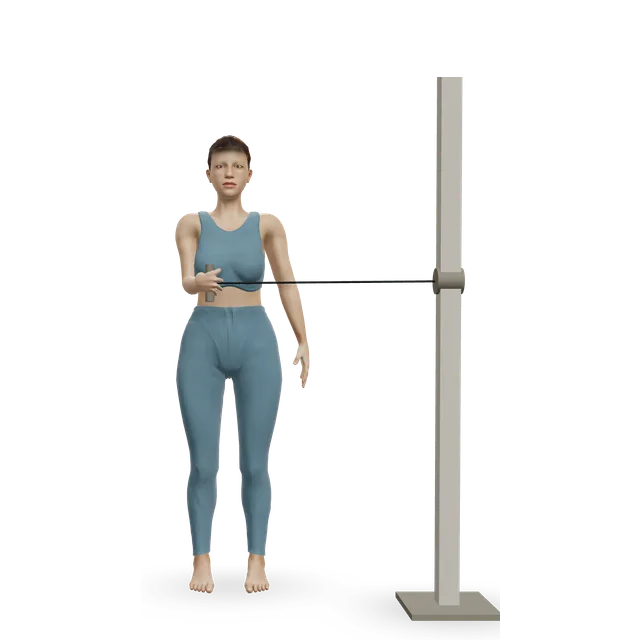
Standing band external rotation demonstrated on the 3D figure3D demoStanding band external rotationBeginner · A band + An anchor point

3 sets of 15, light band, slow return · Elbow at your side. The Holmgren trial's sets and reps; the band version and its use here are editorial

Easier: Stick-assisted external rotation (lying) · Harder: Side-lying external rotation

Band row demonstrated on the 3D figure3D demoBand rowBeginner · A band + An anchor point

3 sets of 10 to 15, stopping 2 to 3 reps short of failure · The move page's dose (editorial)

Harder: Supported single-arm dumbbell row

Scapular push-up (push-up plus) demonstrated on the 3D figure3D demoScapular push-up (push-up plus)Beginner · No equipment

2 to 3 sets of 10 · As in our bench press guide (editorial): on a wall or bench first

Easier: Dumbbell shoulder-blade punch · Harder: Push-up

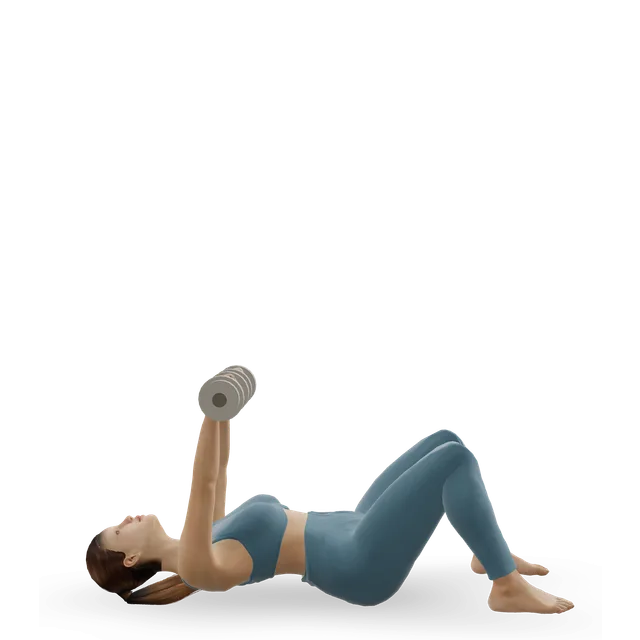
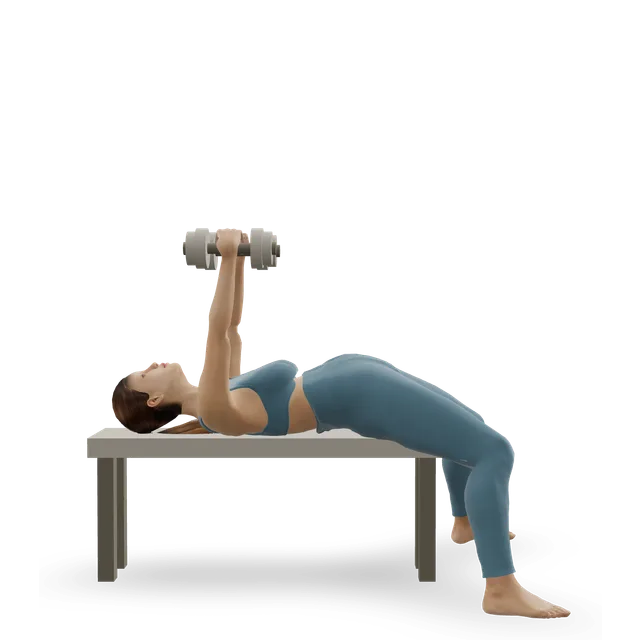
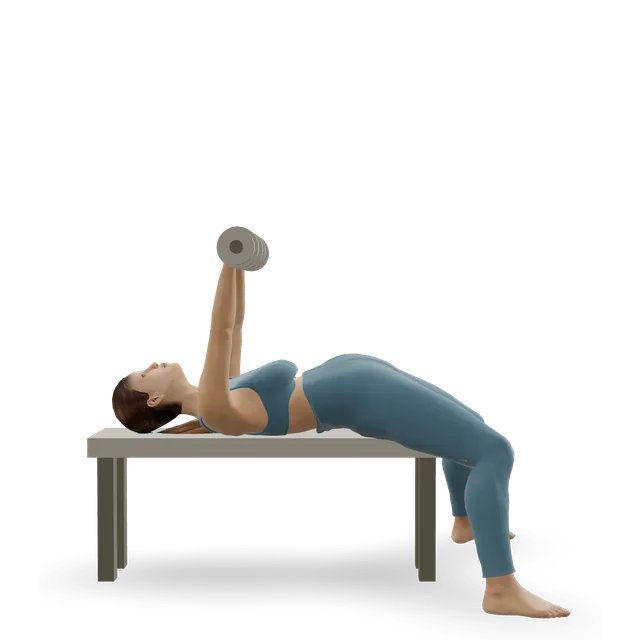
Dumbbell floor press demonstrated on the 3D figure3D demoDumbbell floor pressIntermediate · A dumbbell

2 to 3 sets of 8 to 12, stopping with 2 or 3 reps in reserve · The move page's dose (editorial). Palms facing each other, light

Easier: Chest press machine · Harder: Bench press with chains

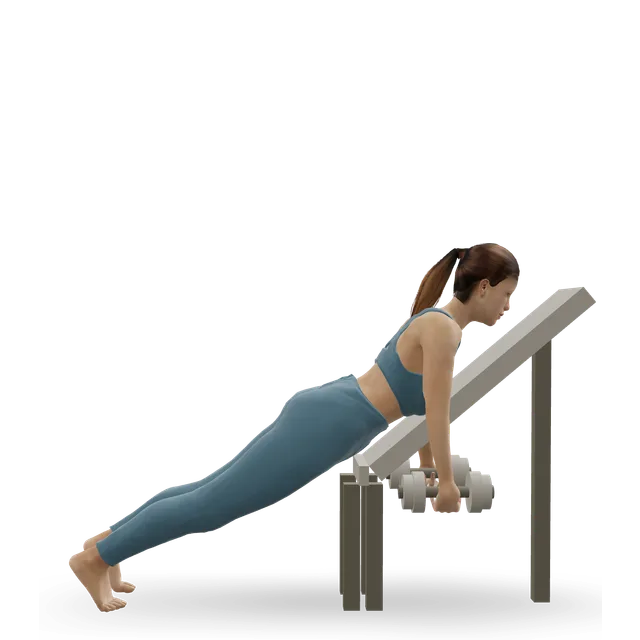
Incline push-up demonstrated on the 3D figure3D demoIncline push-upBeginner · A bench or box

2 to 3 sets of 8 to 12 · As in our bench press guide (editorial): a short range at first

Easier: Wall push-up · Harder: Push-up

Lat pulldown demonstrated on the 3D figure3D demoLat pulldownBeginner · A cable machine

2 to 3 sets of 10 to 15, light · Editorial. A medium grip, pulled to your collarbone in front of your head, as the move page and a sports medicine handout say

Harder: Pull-up

Move on when: These pass the pain rule, and your shoulder is back to its usual level by the next session (adapted from our bench press guide's check).

Follow along: a timer, a cue and the next move, one step at a time.
Stage 2

Build the cuff and the range

About weeks 2 to 6. Stronger external rotators and shoulder blades, and the range coming back a notch at a time.

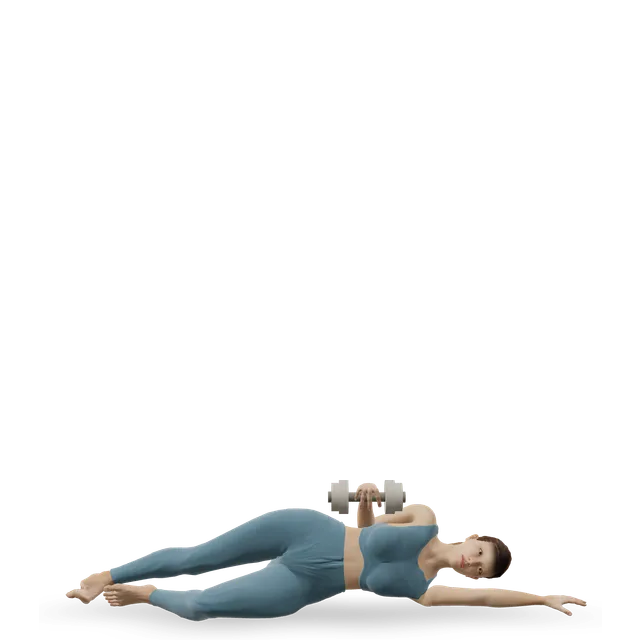
Side-lying external rotation demonstrated on the 3D figure3D demoSide-lying external rotationBeginner · A dumbbell

3 sets of 15, once a day · Lowering over about 3 s. The Holmgren trial's sets and reps; the trial dropped to once a day from week 8

Easier: Standing band external rotation · Harder: Cuban rotation

Face pull demonstrated on the 3D figure3D demoFace pullIntermediate · A band

3 sets of 12 to 15 · As in our bench press guide (editorial)

Easier: Prone Y-T-W raises · Harder: Tuck back lever

Scaption raise demonstrated on the 3D figure3D demoScaption raiseBeginner · A dumbbell

3 sets of 10 to 15, lowering over 3 s · As in our bench press guide (editorial): thumbs up, to shoulder height

Easier: Band lateral raise · Harder: Smith machine upright row

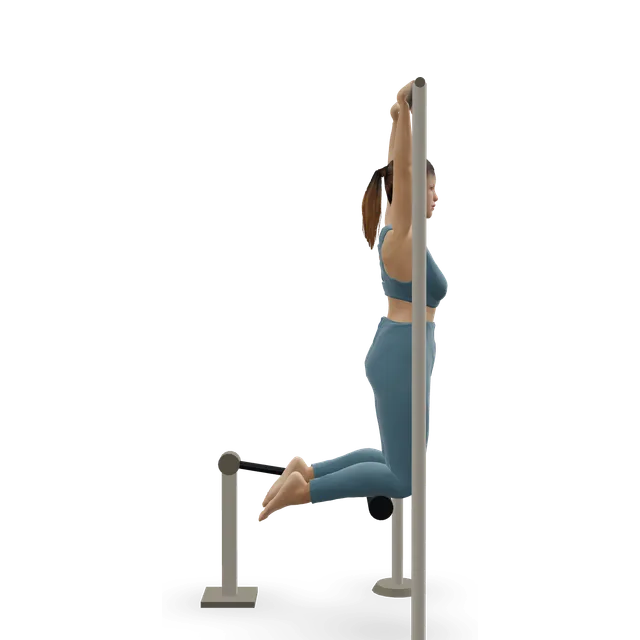
Assisted pull-up (machine) demonstrated on the 3D figure3D demoAssisted pull-up (machine)Beginner · Strength machine

3 sets of 6 to 10 with generous assistance · Editorial. Cut the help back over the weeks, as the move page says

Harder: Pull-up

Move on when: The neutral-grip press and assisted pull-ups pass the pain rule through a full range, and side-lying external rotation is comfortable at 3 sets of 15 with a heavier weight (adapted from our bench press guide's check).

Follow along: a timer, a cue and the next move, one step at a time.
Stage 3

Back to your usual session

From about week 6. Your usual presses, pulls and raises at about half your old working weight, adding about 5 to 10% every 10 to 14 days while the shoulder passes the pain rule, as a sports medicine handout advises; no trial has tested these steps. Heavy pressing comes back by our bench press guide's stages, and dips and overhead work come last.

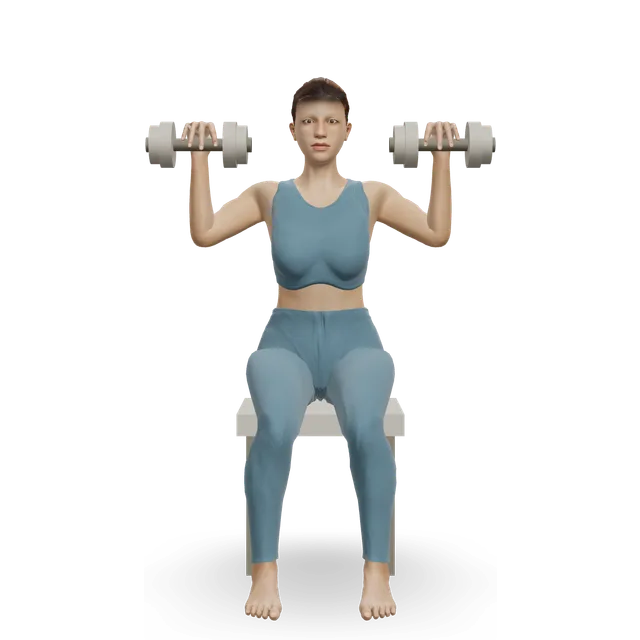
Dumbbell shoulder press (kick-up start) demonstrated on the 3D figure3D demoDumbbell shoulder press (kick-up start)Intermediate · A dumbbell + A bench or box

2 to 3 sets of 8 to 12, stopping with 2 or 3 reps in reserve · The move page's dose (editorial). Start and finish in front of the shoulders, as the handout says

Easier: Machine shoulder press · Harder: Behind-the-neck press

Push-up demonstrated on the 3D figure3D demoPush-upIntermediate · No equipment

3 sets of 8 to 15 · As in our bench press guide (editorial)

Easier: Wall push-up · Harder: Close-grip push-up (close triceps position)

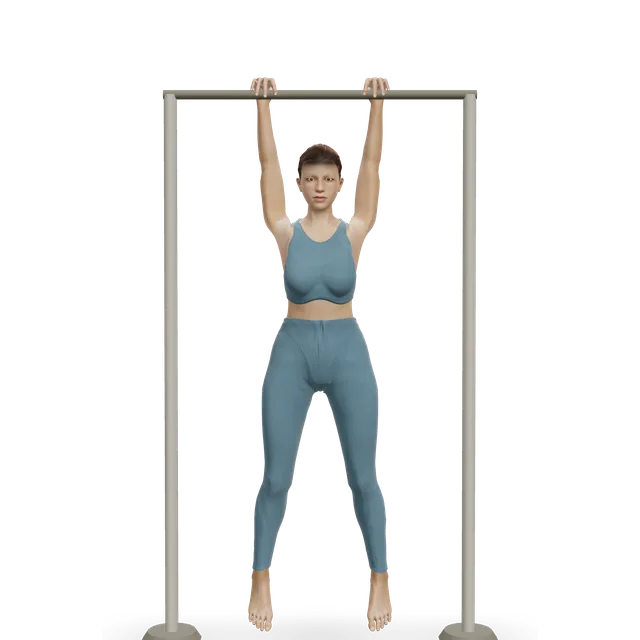
Pull-up demonstrated on the 3D figure3D demoPull-upAdvanced · Pull-up bar

Sets of 3 to 8 with 2 or 3 reps in reserve · Editorial. A shoulder-width or neutral grip, pulling in front of your head; no kipping, as the move page warns

Easier: Assisted pull-up (machine) · Harder: Weighted pull-up

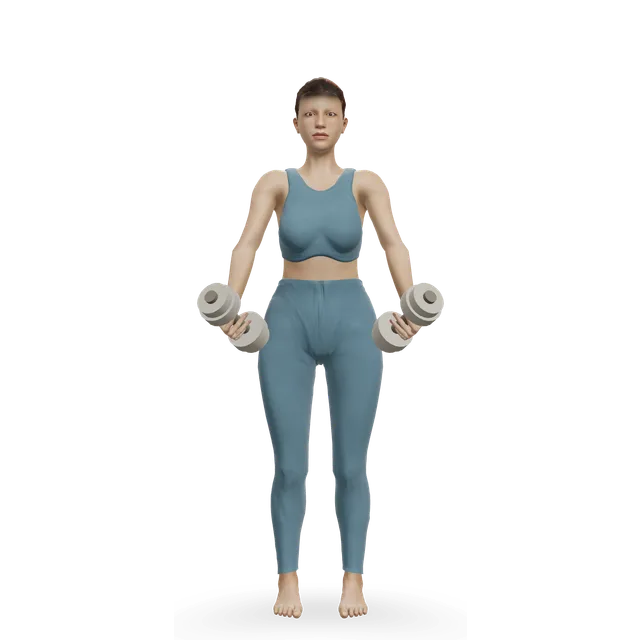
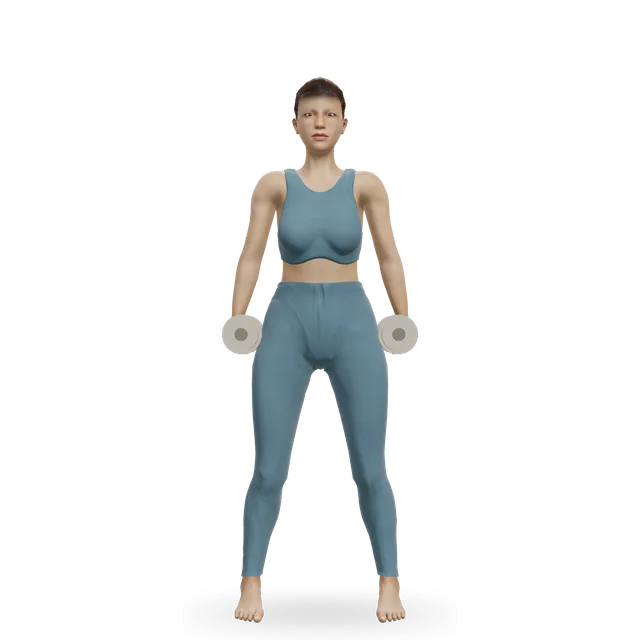
Dumbbell lateral raise demonstrated on the 3D figure3D demoDumbbell lateral raiseBeginner · A dumbbell

2 to 3 sets of 10 to 15, light · Editorial. Stop just below shoulder height with the thumbs slightly up, or use bent-over raises if lifting the arm out to the side still hurts, as the move page says

Easier: Band lateral raise · Harder: Smith machine upright row

Cable external rotation demonstrated on the 3D figure3D demoCable external rotationBeginner · A cable machine

3 sets of 10 to 12 · As in our bench press guide (editorial): heavier than in stage 2

Harder: Side-lying external rotation

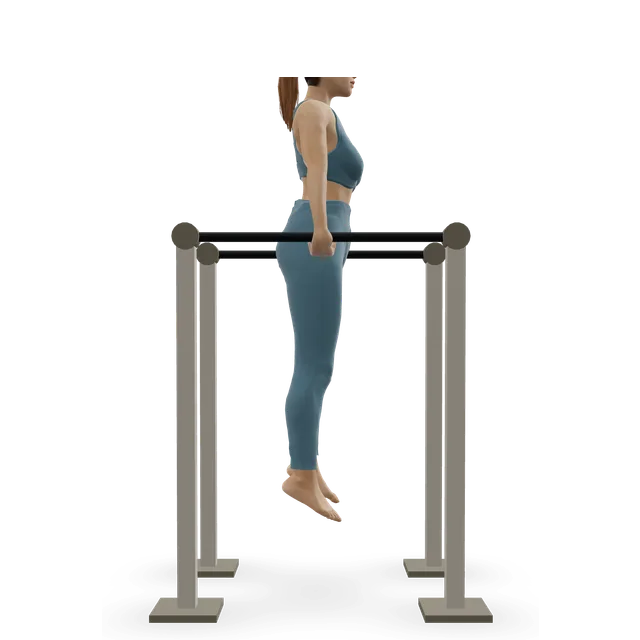
Parallel bar dip demonstrated on the 3D figure3D demoParallel bar dipAdvanced · Pull-up bar

2 to 3 sets of 5 to 8 · Last and optional, no deeper than a right-angled elbow, as the handout advises (sets and reps editorial)

Easier: Bench dip · Harder: Ring dip

Move on when: Our suggestion: full sessions pass the pain rule for 2 weeks. Keep rotator cuff work and rows twice a week, as our bench press guide does.

Follow along: a timer, a cue and the next move, one step at a time.

What to change for now

Changing the session (written steps)

Our 3D figure can't show these. They come from a sports medicine handout, except where a step names another source or is our suggestion.

  • 1. Lighter loads for 15 to 20 reps, no sets to failure and no maximal lifts while it hurts.
  • 2. A bench grip no wider than your shoulders; palms facing on dumbbells; a floor press or pins a few centimetres off the chest for range, lowered a notch each week (as in our bench press guide).
  • 3. Overhead presses start and finish in front of the shoulders; pulldowns and pull-ups go to the front, never behind the neck. Signs of a slipping shoulder went with behind-the-neck lifts in weight trainers.
  • 4. Raises to just below shoulder height; upright rows no higher than the elbows at shoulder level, since signs of impingement went with both above 90°; flys with bent elbows and the hands above the chest; dips no deeper than a right-angled elbow.
  • 5. Fewer heavy pressing days for a while: heavy, frequent pressing goes with weightlifter's shoulder.
  • 6. After a new class, a challenge or a break, make the first session light: big, unaccustomed sessions are the setting for muscle breakdown (our suggestion).

Sources 37, 12, 11, 15, 29

Pain relief (written steps)

These come from the NHS and NHS inform.

  • 1. Paracetamol or ibuprofen, so you can keep moving (the NHS).
  • 2. A pack of frozen peas wrapped in a tea towel for up to 20 minutes 3 times a day, or a hot water bottle wrapped in a tea towel for up to 20 minutes 2 to 3 times a day (the NHS).
  • 3. Use whichever of heat or ice helps more, always with a towel between it and your skin, leave a few hours between treatments, and stop if the skin gets redder or blisters (NHS inform).

Sources 8, 35

Positions to swap, and why

Habit or positionWhy it mattersInstead
Pushing a bench press through pain in the shoulder joint, or to failureA sports medicine handout says don't work through joint pain and don't train to failure.A lighter press with 2 or 3 reps to spare.Try: Dumbbell floor press
Wide-grip bench pressThe move page and a sports medicine handout advise against it with a sore shoulder.Neutral-grip dumbbells.Try: Neutral-grip dumbbell bench press
Behind-the-neck presses and pulldownsSigns of a slipping shoulder went with these lifts in weight trainers, and the move page says leave them out with shoulder pain.Press in front of your head.Try: Dumbbell shoulder press (kick-up start)
Upright rows or lateral raises above shoulder heightSigns of impingement went with both above 90°, and the move page says leave upright rows out with shoulder pain.Raises to just below shoulder height, or face pulls.Try: Face pull
Deep or weighted dipsThe handout stops dips at a right-angled elbow, and the move page says going deeper loads the front of the shoulder heavily.Push-ups in a comfortable range.Try: Incline push-up
Bench dipsThe move page says this position pulls the shoulder forwards, and to drop it entirely if the front of the shoulder complains.Push-ups.Try: Push-up
Deep dumbbell flys or the pec deck past your chestThe arm-out, stretched position is where pec tears happen, and the move page and the handout stop the arms at about chest level.A chest press machine with a limited range.Try: Chest press machine
Kipping or high-rep pull-ups for timeThe move page says kipping shifts load onto the shoulder, and shoulder injuries are common in CrossFit-style training.Strict, assisted pull-ups.Try: Assisted pull-up (machine)
Waiting out a pop with a dent or bruisingA torn pec or a biceps tear at the elbow does better repaired early.NHS 111, an urgent treatment centre or A&E the same day.
Training through chest tightness or breathlessnessIt can be the heart.Stop, and follow the warning signs.

Routines to follow

More moves for this area

Questions people ask

Why does my shoulder hurt after working out?

Usually because the muscles did more than they're used to, especially after a new move or heavier pressing, and that soreness fades within about a week. Pain in the joint itself, a painful arc lifting the arm, or a catch or clunk points to the rotator cuff, the AC joint or a slipping shoulder instead, and the shoulder is one of the commonest places lifters get hurt.

Is shoulder pain after a workout normal?

A dull, even ache in the muscles a day or two later is: it peaks at 1 to 3 days and goes within 5 to 7. Sharp pain, pain in the joint, night pain or pain lasting more than a week isn't soreness.

Why does my shoulder hurt after the workout but not during it?

Soreness comes on 12 to 24 hours later, and an irritated rotator cuff often aches that evening or that night rather than during the lift. If it settles by your next session, carry on with a changed session; if it doesn't, use the stages on this page.

What is pain at the front of the shoulder after chest day?

Often the front of the shoulder and the pec working hard at the bottom of the press. With a pop, bruising or a changed chest or armpit shape, it can be a torn pec, which needs checking the same day. Our bench press guide covers grip and range.

Why does my shoulder hurt after lateral raises or upright rows?

Raising the arm out to the side above shoulder height went with signs of impingement in weight trainers. Stop just below shoulder height with the thumbs slightly up, or use bent-over raises.

Why does my shoulder hurt after pull-ups or dips?

Hanging, pulling from overhead and the bottom of a dip load the front of the shoulder. Keep pull-ups to the front with a shoulder-width or neutral grip, and dips no deeper than a right-angled elbow. A pop at the front of the elbow is a different injury, with its own urgent window.

What is pain on top of my shoulder after bench press?

Pain you can point to at the end of the collarbone is the AC joint. In heavy pressers it can be weightlifter's shoulder, which bench pressing was linked with in about half of the cases in a review, and most people recover with changed pressing.

Should I keep working out with a sore shoulder?

Usually yes, changed: lighter, a shorter range, presses and pulls in front of your head, and rotator cuff work, keeping pain at about 5 out of 10 or less and back to normal by your next session. With soreness only, a lighter day is enough.

Could shoulder pain after exercise be my heart?

Rarely, but yes. Pain or tightness in the chest, neck, shoulders, jaw or arms that comes with exercise and eases with rest can be angina, so get help from NHS 111, and pain with a tight chest, breathlessness or sweating is a 999 call. Physical exertion can trigger a heart attack in people at risk.

I felt a pop in my shoulder or upper arm while lifting. What now?

Get it checked the same day: at the front of the armpit or chest it can be a torn pec; in the upper arm with a bulge, the long head of the biceps; at the front of the elbow, a biceps tear best repaired within 2 to 3 weeks. Don't wait to see whether it settles: pec repairs done within about 6 weeks did better than later ones.

Heat or ice for a sore shoulder after the gym?

Either. The NHS suggests frozen peas wrapped in a tea towel for up to 20 minutes 3 times a day, or a wrapped hot water bottle for up to 20 minutes 2 to 3 times a day, with painkillers so you can keep moving. NHS inform says use whichever helps more, always with a towel between it and your skin.

How long until I can lift heavy again?

Soreness takes days, while rotator cuff pain often takes weeks to months, and an NHS booklet puts rehab at about 3 to 6 months. Bring the range back first, then the load, adding about 5 to 10% every 10 to 14 days, as a sports medicine handout advises. No one can promise a date.

Related exercise guides

Other pain guides

Sources

  1. Hody 2019 · Eccentric muscle contractions: risks and benefits, including delayed-onset muscle soreness (review, Frontiers in Physiology)
  2. Cheung 2003 · Delayed onset muscle soreness: treatment strategies and performance factors (review, Sports Med)
  3. George 2007 · Fear of pain and next-day pain after shoulder muscle soreness brought on in 42 adults (laboratory study, Clin J Pain)
  4. Kolber 2010 · Shoulder injuries from resistance training (brief review, J Strength Cond Res)
  5. Bukhary 2023 · Injuries in 393 gym weightlifters (cross-sectional survey, Cureus)
  6. Keogh 2017 · Injuries across the weight-training sports (systematic review, Sports Medicine)
  7. Klimek 2018 · Are injuries more common with CrossFit than with other exercise? (critically appraised topic, J Sport Rehabil)
  8. NHS · Shoulder pain (past its review date: reviewed May 2023, review due May 2026)
  9. Lewis 2025 · The case for the label "rotator cuff related shoulder pain" (viewpoint, JOSPT)
  10. Royal United Hospitals Bath NHS Foundation Trust · Rotator cuff related shoulder pain (physiotherapy booklet, 2021)
  11. Kolber 2014 · Signs of shoulder impingement in 77 men, 46 of them weight trainers (cross-sectional study, JSCR)
  12. Kolber 2013 · Shoulder instability and looseness in recreational weight trainers (cross-sectional study, JSCR)
  13. Cahill 1982 · Osteolysis of the end of the collarbone in 46 male athletes (case series, JBJS)
  14. Scavenius 1992 · Collarbone osteolysis in 25 Danish weightlifters and 25 controls (cross-sectional study, AJSM)
  15. Wilkinson 2026 · Risk factors and treatment of weightlifter's shoulder (distal clavicle osteolysis): 8 studies (scoping review, Shoulder Elbow)
  16. ElMaraghy 2012 · Pectoralis major tears: 365 published cases (systematic review, J Shoulder Elbow Surg)
  17. Bodendorfer 2020 · Surgery vs no surgery for pectoralis major tendon tears (meta-analysis of 664 injuries, OJSM)
  18. American Academy of Orthopaedic Surgeons (OrthoInfo) · Pectoralis tendon tear
  19. American Academy of Orthopaedic Surgeons (OrthoInfo) · Biceps tendon tear at the shoulder
  20. American Academy of Orthopaedic Surgeons (OrthoInfo) · Biceps tendon tear at the elbow
  21. Safran 2002 · Biceps tendon tears at the elbow: how common, who gets them, and smoking (population study, Clin Orthop Relat Res)
  22. Kelly 2015 · Biceps tendon tears at the elbow in a large US health database (epidemiological study, Am J Sports Med)
  23. NHS · Heart attack
  24. NHS · Angina
  25. Smyth 2016 · Physical exertion and anger as triggers of a first heart attack in 12,461 people in 52 countries (INTERHEART case-crossover study, Circulation)
  26. NHS · Thoracic outlet syndrome
  27. NHS · DVT (deep vein thrombosis)
  28. Illig 2010 · Paget-Schroetter syndrome: a clot in the arm vein (review, J Vasc Surg)
  29. Kim 2016 · Exercise-induced rhabdomyolysis: mechanisms and prevention (review, J Sport Health Sci)
  30. NHS · Blood in urine
  31. Sher 1995 · MRI findings in shoulders without symptoms (JBJS Am)
  32. Ibounig 2025 · AC joint and subacromial findings on imaging of shoulders without symptoms (systematic review, Journal of Orthopaedic Surgery and Research)
  33. NHS · Dislocated shoulder
  34. Hopewell 2021 · Progressive exercise vs best practice advice, with or without steroid injection, for rotator cuff disorders: GRASP (RCT, Lancet)
  35. NHS inform · Shoulder problems
  36. Holmgren 2012 · Specific exercise and the need for surgery in subacromial impingement (RCT, BMJ)
  37. Mass General Brigham Sports Medicine · Strength training for the shoulder (patient handout)
  38. Fees 1998 · Weight-training changes for the injured shoulder (clinical perspective, Am J Sports Med)
  39. Beard 2018 · Decompression vs placebo arthroscopy vs no treatment for subacromial pain: CSAW (placebo-controlled RCT, Lancet)
  40. Bodendorfer 2020 · Early or delayed repair of torn pec tendons: 384 injuries (meta-analysis, Am J Sports Med)
  41. Nosaka 2002 · Repeating eccentric exercise on sore muscles does not worsen damage or slow recovery (study, JSCR)
  42. Chen 2001 · Seven days of eccentric training on already-damaged muscles in 22 men (RCT, MSSE)
  43. Herbert 2011 · Stretching to prevent or reduce muscle soreness after exercise (Cochrane review)
  44. Dupuy 2018 · Recovery techniques for soreness and fatigue (meta-analysis of 99 studies, Frontiers in Physiology)
  45. Wiewelhove 2019 · Foam rolling, performance and recovery (meta-analysis of 21 studies, Frontiers in Physiology)
  46. Barrett 2016 · Upper-back posture and shoulder pain, range and function (systematic review, Manual Therapy)
  47. NHS · Acute kidney injury (AKI)
  48. NHS · Compartment syndrome
  49. NHS · Pulmonary embolism
  50. NHS · Septic arthritis
  51. NHS · Neck pain (past its review date: reviewed April 2023, review due April 2026)

Exercise education, not a diagnosis or treatment plan. It is written from the guidelines and studies listed above; review by a clinician is pending. If your pain follows an injury, is severe, is getting worse, or comes with any warning sign listed on this page, get it assessed. Health disclaimer.