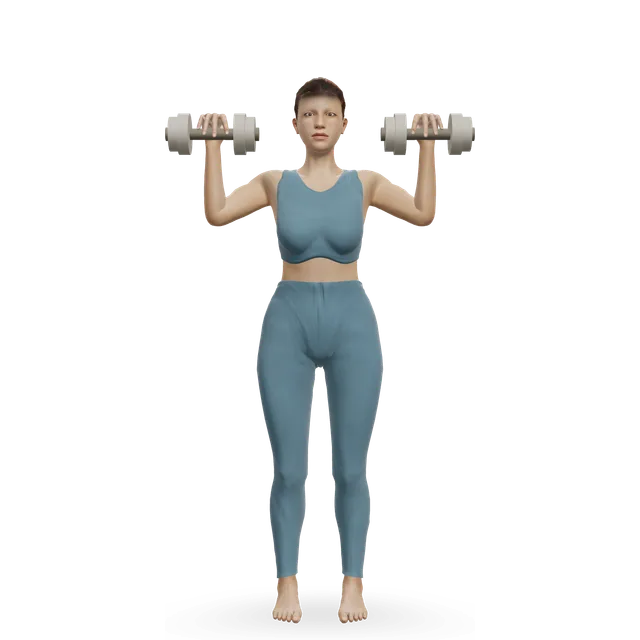
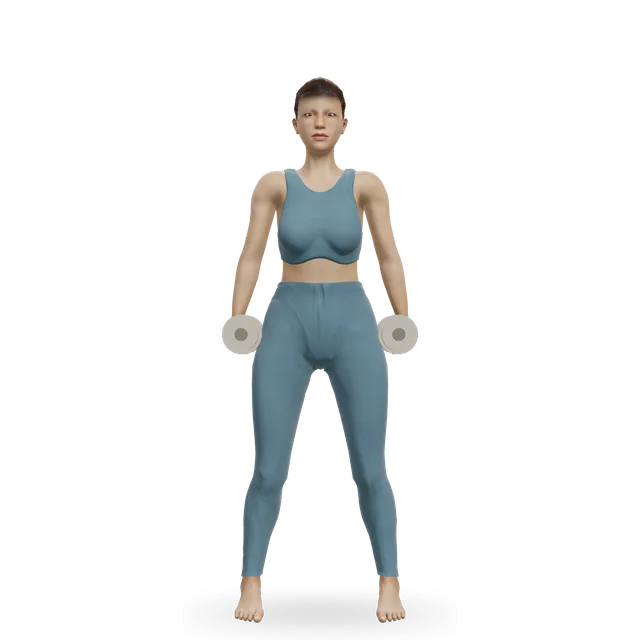
Pain guide · Shoulder pain

Shoulder pain when lifting your arm: the painful arc, rotator cuff, frozen shoulder and what helps

Pain when you lift your arm, reach up or reach behind you is one of the commonest shoulder problems, and it usually comes from the rotator cuff, the group of tendons that lifts and turns the arm. Pain partway up as the arm lifts out to the side, called a painful arc, is a useful clue but not a diagnosis. It doesn't mean you need an operation: surgery to make more room for the tendons did no better than a placebo operation in trials, and exercise is the main treatment.

A sudden weak or numb arm with a drooping face or slurred speech is a 999 call, and a shoulder that looks out of place after a fall needs accident and emergency (A&E). Sudden weakness lifting the arm after an injury needs a general practitioner (GP) or National Health Service (NHS) 111 the same day. This guide covers those warning signs, how to tell the causes apart, how to reach, lift and carry while it settles, what injections and scans offer, how much pain is fine, and a three-stage plan with a 3D demo of every move.

When to get help first

Exercise is for pain that has been checked or is clearly mild and settling.

Get urgent medical help if

  • Call 999 or go to A&E: after a fall or injury, your shoulder looks out of place or has changed shape, or you cannot move your arm. Do not drive yourself, and do not try to put it back in yourself.
  • Call 999: you suddenly can't fully lift both arms and keep them there, because of weakness or numbness in one arm, especially if one side of your face droops or you slur your words or sound confused. It could be a stroke. Call even if the signs have stopped.
  • Call 999: shoulder or arm pain with chest pain that feels tight or squeezing, or chest pain that spreads to your arms, neck or jaw, especially with shortness of breath, sweating or feeling sick. It could be a heart attack.
  • Same day (GP or NHS 111): sudden weakness lifting the arm after an injury or fall. A rotator cuff tear caused by an injury needs urgent referral to a shoulder specialist. After a dislocation, you may be offered a scan to check for damage.
  • Same day (GP or NHS 111): the shoulder or arm is hot, swollen or red, or you have a high temperature or feel unwell. A joint infection needs same-day care.
  • Same day (GP or NHS 111): sudden or very bad shoulder pain; you cannot move your arm; the arm or shoulder is badly swollen or has changed shape; pins and needles that do not go away; no feeling in the arm; the arm is hot or cold to the touch; pain that started after an injury such as a fall; or severe pain in both shoulders.
  • Same day (GP or NHS 111): you are over 50 and have new pain and stiffness in both shoulders (often the hips too), especially with morning stiffness lasting more than 45 minutes. This can be polymyalgia rheumatica. With a new headache, jaw pain when chewing or problems with your vision, contact a GP immediately. If you suddenly can't see from 1 or both eyes, call 999 or go to A&E.

See a doctor or physiotherapist if

  • Pain that is getting worse or has not improved after 2 weeks of looking after it yourself, or it is very hard to move your arm. In many areas you can refer yourself to physiotherapy.
  • A past history of cancer, an unexplained lump or swelling, weight loss, or pain that is constant and does not ease when you change position.
  • Pins and needles or a cold arm alongside neck pain, or a new loss of strength or feeling in the arm that you cannot explain (a possible nerve problem).
  • Your shoulder has partly or fully come out of joint, or you worry it might.
  • You can't lift your arm above shoulder height yourself, though someone else can lift it for you, and it hasn't improved within 6 weeks of exercise and advice: see a GP or physiotherapist. Weakness that is getting worse needs checking sooner (our suggestion).
  • A shoulder blade that sticks out as you lift your arm, especially with new weakness: see a GP.

Where does it hurt?

Location narrows the likely causes; it does not diagnose.

The outside of the shoulder and upper arm, worse lifting out to the side or overhead

Often a painful arc partway up, and pain putting on a coat or reaching behind you; it hurts, but someone else can lift your arm higher than you can. Usually the rotator cuff, often called impingement or subacromial pain.

Read: Shoulder impingement (rotator cuff pain) →
Weakness lifting or turning the arm out, after a fall or a jerking lift, or over 40

A possible rotator cuff tear, sometimes without much pain. Sudden weakness after an injury needs checking the same day.

Read: Rotator cuff tear →
A deep ache, stiff in every direction, with turning the arm out hardest

Often worse at night, commonest from 40 to 65 and linked with diabetes: frozen shoulder.

Read: Frozen shoulder →
The top of the shoulder, at the end of the collarbone

Tender to press and worse reaching across your body: the acromioclavicular (AC) joint.

Read: AC joint injury and pain →
Sudden, very bad pain on the outside of the shoulder, with no injury

You can barely lift the arm: often calcium in a rotator cuff tendon. Sudden or very bad pain needs a same-day check, as the warning signs say.

Read: Calcific tendinitis →
The front of the shoulder, worse lifting overhead or reaching back

Usually alongside rotator cuff problems: the long head of the biceps.

Read: Biceps tendinitis (front of shoulder) →
A deep ache with grinding and a big loss of turning the arm out, usually over 60

Arthritis of the shoulder joint.

Read: Shoulder arthritis →
Pain from the lower neck and shoulder blade into the arm, with pins and needles or burning

NHS inform says shoulder problems can come from the neck even when the neck doesn't hurt: possibly a pinched nerve in the neck.

Read: Pinched nerve in the neck →
Deep pain with clicking or catching, in someone who throws or plays overhead sport

Possibly a tear in the rim of cartilage at the top of the socket (a SLAP tear, short for superior labrum anterior to posterior).

Read: SLAP tear →
Pain lifting the arm when you bench press, press overhead or do dips

Our gym guide covers grip, range and getting back to pressing.

Read: Shoulder pain when benching →
Pain lifting the arm when you swim

Usually an overloaded rotator cuff, which our swimming guide covers.

Read: Shoulder pain when swimming →
Pain lifting the arm that also wakes you at night

Our night guide covers how to sleep, the warning signs and a plan.

Read: Shoulder pain at night →
The arm slips, clunks or goes dead as you raise it, or after a dislocation

Possibly an unstable shoulder.

Read: Shoulder dislocation and instability →
A shoulder blade that sticks out as you lift your arm

Winging of the shoulder blade. New winging with weakness needs a GP.

Read: Winged scapula →
Arm and hand tingling or heaviness, worse with the arm overhead

Possibly thoracic outlet syndrome, where nerves or blood vessels are squeezed between the collarbone and the first rib.

Read: Thoracic outlet syndrome →
You can't lift your arm after a fall, or the shoulder looks out of place

A dislocation, a broken bone or a tear: go to A&E, as the warning signs say.

Read: Broken shoulder →
Both shoulders, often the hips too, stiff and painful for more than 45 minutes each morning, over 50

Possibly polymyalgia rheumatica: get help the same day, as the warning signs say.

A sudden weak or numb arm, with a drooping face or slurred speech

Possibly a stroke: call 999, as the warning signs say.

Understand it

Pain lifting the arm is usually the rotator cuffStrong evidence

Rotator cuff related shoulder pain, also called subacromial pain, impingement or bursitis, is "the most common reason for shoulder pain", NHS inform says. It is usually brought on by "lifting the arm above shoulder level and reaching behind the back, for example when putting a jacket on", and an NHS trust says the rotator cuff accounts for up to 70% of shoulder problems. The NHS describes pain "that's worse when you lift your arm, especially when you lift it above your head".

A review for GPs puts it at ages 35 to 75. Heavy lifting or repeated movements "especially above shoulder level" can play a part, though it often affects the non-dominant arm and people who don't do manual work. In studies of workers, working with the hands above shoulder level, repetition, force and vibration are the exposures most consistently linked with it. NHS inform adds age-related change, injury, smoking, obesity, high cholesterol and diabetes.

Sources 1, 2, 3, 4, 5, 6

The painful arc: a clue, not a diagnosisEmerging evidence

A painful arc is pain partway up as you lift your arm out to the side, roughly between 70 and 120 degrees, that eases as the arm goes higher or comes back down. A review for GPs says it "reinforces the diagnosis of a rotator cuff disorder", but "is neither specific nor sensitive".

The numbers agree. Pooled across studies, it picked up about half of cases of impingement (53%) and was absent in about three quarters of people without it (76%). In specialist clinics it was the only pain test that clearly raised the likelihood of rotator cuff disease, and a normal arc lowered it; in 55 people having surgery, it was a fair test, not a strong one. In the original series of 97 people, the trouble was spread across three different parts of the rotator cuff, so the arc doesn't point to one tendon, a tear or any particular treatment.

The old explanation, a tendon trapped under bone, is doubted: Arthritis UK says impingement is "nothing to do with your tendons being trapped by bones, as was previously thought".

Sources 4, 7, 8, 9, 10, 11

Other causes, and how they feelStrong evidence

Frozen shoulder makes the shoulder "painful and stiff for months, sometimes years", the NHS says, and it is linked with diabetes. A review for GPs puts it at ages 40 to 65, with movement lost in every direction, and the large UK trial of frozen shoulder took losing at least half of the ability to turn the arm outwards as its sign.

Pain on top of the shoulder, where the collarbone meets the shoulder, comes from the AC joint, the NHS says. It hurts to press there and to reach across the body, and arthritis of this joint often causes few or no symptoms. It's a minority: in 153 people with shoulder pain in primary care, 22 (14%) had AC joint pain confirmed by an injection, and the usual AC joint tests didn't pick them out.

Most rotator cuff tears come from wear over time and are often painless; a fall on an outstretched arm, or lifting something too heavy "with a jerking motion", can tear the cuff suddenly, with intense pain, sometimes a snapping feeling and immediate weakness, say the American Academy of Orthopaedic Surgeons' patient pages. Shoulder pain can also come from the neck, "even when you don't feel pain in your neck", NHS inform says, often with pins and needles or sharp, hot or burning pain.

Sources 12, 13, 4, 14, 15, 16, 17, 18

When a scan helpsStrong evidence

Usually not at first. The UK care pathway for this kind of shoulder pain says an ultrasound or magnetic resonance imaging (MRI) scan of the rotator cuff "is rarely indicated in primary care", and that a tear on a scan "does not always correlate with symptoms and does not imply a definite need for surgery in every case". Rotator cuff changes on scans become more common with age whether or not people have pain, from about 1 in 10 people aged 20 or under to 62% at 80 or over, and an NHS trust says the findings on a scan often don't explain the pain.

An X-ray can help if you aren't improving with treatment, and it shows arthritis and calcium deposits. A scan and an urgent specialist opinion are for an injury that leaves the arm suddenly weak.

Sources 19, 20, 2

How it usually goesEmerging evidence

NHS inform says a new shoulder problem or a flare should begin to settle within 6 weeks, and the NHS says self-care usually takes about 2 weeks to start helping and recovery can take 6 months or longer. With exercise, an NHS trust expects improvement over at least 12 weeks, sometimes up to 24, perhaps with little change in the first 6; the UK care pathway gives physiotherapy about 6 weeks, and a further 6 if it's helping.

In the trials, most people improved: both groups did in a large trial of 708 people, and in a trial of people already waiting for surgery, 69% reported a good result after 12 weeks of specific exercise. Frozen shoulder can take months or years. No one can promise a date.

Sources 18, 14, 2, 19, 21, 22, 12
What helps, and how strong the evidence is

Surgery to make room didn't beat a placebo operationStrong evidence

Shaving bone from the roof of the shoulder (subacromial decompression) was meant to give the tendons more room. In a UK trial of 313 people, it did no better at 6 months than a keyhole operation that removed nothing; both groups did slightly better than people who had no surgery, by less than an amount patients would notice. In a Finnish trial of 210 people, it was no better than a placebo operation at 2 years, or at 10 years.

A Cochrane review of 8 trials and 1,062 people rates the evidence of no important benefit over a placebo operation as high certainty, and a guideline panel in the British Medical Journal (BMJ) recommends strongly against the operation. The NHS page still lists surgery to widen the space around the tendon for some people; our shoulder impingement guide covers the few situations where an operation is discussed.

Sources 23, 24, 25, 26, 27, 3

Specific exercise for the rotator cuff and shoulder bladeEmerging evidence

In 102 people with long-standing impingement who were on a waiting list for surgery, a programme of 2 rotator cuff exercises and 3 shoulder-blade exercises, each 3 sets of 15, twice a day for 8 weeks and then once a day to 12 weeks, with a stretch for the back of the shoulder, did much better than general exercise: 69% had a good result against 24%, and only 20% then chose surgery against 63%.

Everyone had a positive injection test (a local anaesthetic with a steroid) before the trial started, and the load was set so that pain stayed at 5 out of 10 or less. It was one centre and a selected group, so the size of the effect may not carry over to everyone.

Source 21

A few good exercises may be as good as a long courseStrong evidence

In 708 adults with rotator cuff problems in 20 NHS trusts, up to 6 physiotherapy sessions of progressive exercise over 16 weeks did no better over a year than one session of advice with a home exercise programme; both groups improved. The exercises focused on turning the arm out, lifting it forwards and lifting it out to the side against resistance, 5 days a week.

An NHS trust's leaflet uses wall slides and wall push-ups (8 repetitions, a minute's rest, three times), once a day, six days a week, and says you need at least four days a week to see a change. NHS inform starts with 2 to 3 repetitions at a time and builds to sets of 8, 2 to 3 times a day, up to 2 sets of 15.

Sources 22, 28, 2, 29

Keep using the arm, and pace the jobs that flare itStrong evidence

The NHS says don't stop using your shoulder completely, because that can stop it getting better, but don't carry on with activities that involve repeatedly lifting your arm above your head for now. NHS inform says that in the first day or two you should reduce what you do but move as much as you can, moving the shoulder gently for 10 to 20 seconds every hour, then use it more and stay at or return to work.

An NHS trust warns that resting the shoulder too long reduces what the rotator cuff can cope with, and suggests pacing: break up the jobs that flare it, and step closer rather than reaching out. This is consistent guidance rather than trial evidence.

Sources 14, 3, 18, 1, 2

Reaching and lifting: workplace guidance, used at homeEmerging evidence

Arthritis UK suggests that when you have to raise your arm, you keep the elbow bent and close to your side with the palm facing the ceiling, and bend the elbow to bring your hand close as you lower it. No trial has tested this.

The Health and Safety Executive (HSE) sets guideline weights for lifting at work that are highest around waist height and lowest above the shoulders (for men, 25 kg close to the body at waist height against 10 kg above shoulder height; for women, 16 kg against 7 kg), and lower again with the arms stretched out, "as that is where injuries are most likely to happen". It counts an unsupported elbow raised to about chest height as an awkward posture, scored higher when it's held more than half the time. These are risk filters for work, not safe limits, and not limits for someone in pain; keeping heavier things between waist and shoulder height at home is our suggestion built on them.

In workers, overhead work, repetition and force are the exposures most linked with this kind of shoulder pain. Overhead range is still worth rebuilding: in 20 adults, everyday tasks needed about 121 degrees of lifting the arm forwards and 128 degrees out to the side.

Sources 11, 30, 31, 32, 5, 6, 33

Steroid injections: short-term reliefStrong evidence

In the 708-person trial, a steroid injection gave a small improvement at 8 weeks and none at 6 or 12 months. NHS inform says injections won't cure the condition and are used to help with the pain. An NHS trust keeps them for "exceptional circumstances where high levels of pain make it difficult to participate in exercise" and warns that "multiple injections can be harmful to the health of your rotator cuff"; the UK care pathway suggests no more than two.

Sources 22, 1, 2, 19

Frozen shoulder: gentle movement, and similar results at a yearStrong evidence

For frozen shoulder, the NHS says move your shoulder, because keeping it still will make the pain worse, but only gently, and don't make up your own strenuous exercises. In 503 adults referred to hospital, early physiotherapy with a steroid injection did about as well at a year as manipulation under anaesthetic or keyhole surgery to release the joint lining, and the keyhole surgery had more serious side effects. Our frozen shoulder guide has its own plan.

Sources 12, 13

How much pain is OK while you exercise?

The 5 out of 10 rule, and the next session is the testEmerging evidence

For the strengthening, this guide uses the shoulder hub's rule. During shoulder strengthening, pain up to about 5 out of 10 is acceptable, and a little is expected. By your next session it should be back to where it was before. If it isn't, use a lighter band or weight or a smaller range next time, not nothing.

This is how the Holmgren trial set each person's load: pain was not allowed above 5 out of 10 during the exercises, and any increase had to settle back to the starting level before the next session; otherwise the load came down. In long-lasting muscle and joint pain, exercise that allowed some pain did no worse than pain-free exercise. If pain climbs week on week, or a warning sign appears, stop and get it checked.

An NHS trust's leaflet puts it as a traffic light: no pain and easy, make the exercise harder; some pain that settles quickly, carry on; a flare that doesn't settle quickly, make it easier. "If increased pain continues for more than a few hours, it may be necessary to reduce the intensity of your exercises." NHS inform's limit is the same: 0 to 3 out of 10 is minimal, 4 to 5 acceptable and 6 or more too much, and your shoulder should be no worse the morning after.

For the painful arc and for reaching in daily life (our suggestion): lift to just below the painful part of the arc at first, and raise the top of the range a little each week as it eases. Everyday reaching can ache up to about 5 out of 10 if it settles within a few hours and the shoulder is no worse the next morning. With a frozen shoulder in its very painful stage, keep movement gentle, as the NHS advises.

Sources 21, 2, 29, 34, 12

The exercise plan: 3 stages

Start at the first stage. Each move opens a full guide with a 3D demo.

Stage 1

Settle: keep the arm moving below the painful range

About weeks 0 to 2, little and often. Keep using the arm for everyday jobs below shoulder height, cut down overhead jobs for now (the written steps below), and keep walking. Keep the assisted moves within 0 to 3 out of 10 and the strengthening within the pain rule. With a frozen shoulder, a recent tear or after surgery, follow that guide's plan instead, and with any warning sign, get checked first. Doses are editorial unless a source is named.

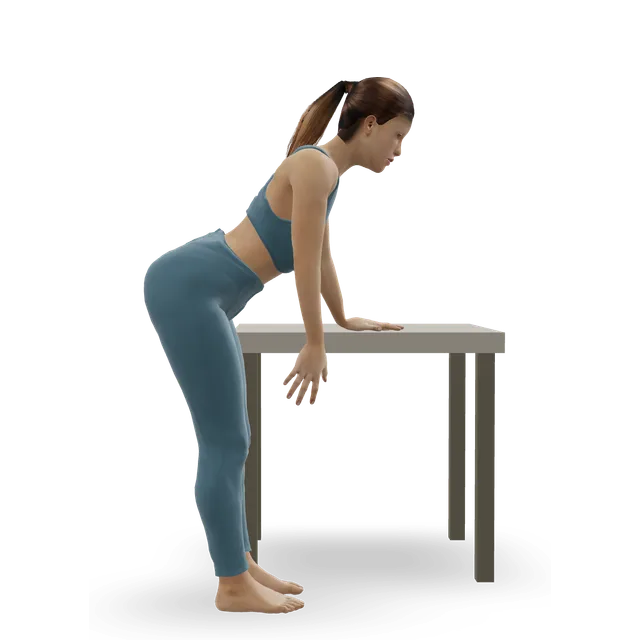
Pendulum exercise (Codman's pendulum) demonstrated on the 3D figure3D demoPendulum exercise (Codman's pendulum)Beginner · A bench or box

About 1 minute (10 small circles each way), 2 to 3 times a day · The move page's dose, an editorial starting point. NHS inform's shoulder exercises include pendulum swings

Harder: Table slide (seated forward reach)

Table slide (seated forward reach) demonstrated on the 3D figure3D demoTable slide (seated forward reach)Beginner · A bench or box

10 slow reps, 1 to 3 times a day · The move page's dose, an editorial starting point. It stands in for NHS inform's lying arm lift and for the wall slide in the written steps below

Easier: Pendulum exercise (Codman's pendulum) · Harder: Overhead lat stretch at a bench (elbows on the bench)

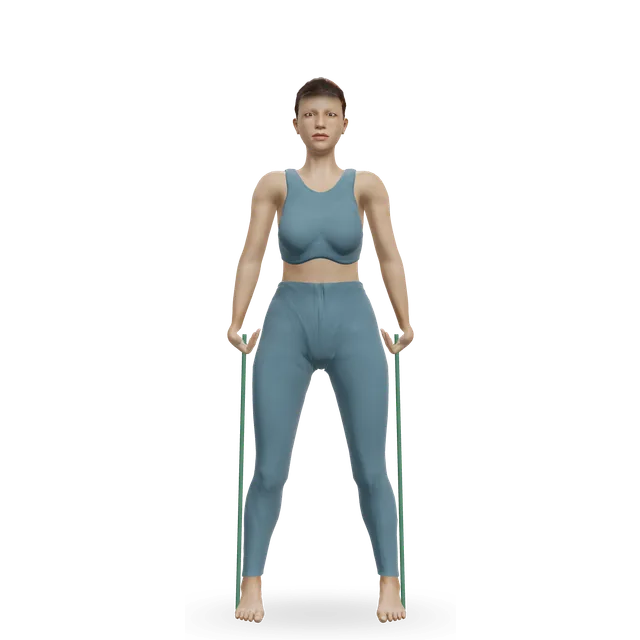
Standing band external rotation demonstrated on the 3D figure3D demoStanding band external rotationBeginner · A band + An anchor point

2 sets of 10 to 15, light band, elbow at your side, building to 3 sets of 15 · The start is our shoulder pain guide's; 3 sets of 15 is the Holmgren trial's dose

Easier: Stick-assisted external rotation (lying) · Harder: Side-lying external rotation

Band row demonstrated on the 3D figure3D demoBand rowBeginner · A band + An anchor point

2 sets of 12 to 15 · As in our shoulder pain guide. A shoulder-blade exercise like the Holmgren trial's

Harder: Supported single-arm dumbbell row

Wall push-up demonstrated on the 3D figure3D demoWall push-upBeginner · A wall

8 reps, a minute's rest, 3 times · An NHS trust's rotator cuff leaflet dose; move your feet further from the wall when it's easy

Harder: Push-up

Thoracic rotation demonstrated on the 3D figure3D demoThoracic rotationBeginner · No equipment

6 rotations per side, moving with the breath · The move page's dose. Keeps the upper back moving while lifting the arm is sore

Easier: Side-lying open book · Harder: World's greatest stretch

Move on when: Everyday jobs below shoulder height are comfortable, you can lift the arm to shoulder height even if the arc above it still hurts, and the shoulder is back to its usual level by the next session (our suggestion).

Follow along: a timer, a cue and the next move, one step at a time.
Stage 2

Build: load the rotator cuff and shoulder blade, and work up through the arc

About weeks 2 to 8, about 5 days a week, the frequency used in the 708-person trial; an NHS trust's leaflet asks for at least 4 days a week. Take each lifting move to just below the painful part of the arc at first, and higher as it eases (our suggestion). Doses are editorial unless marked.

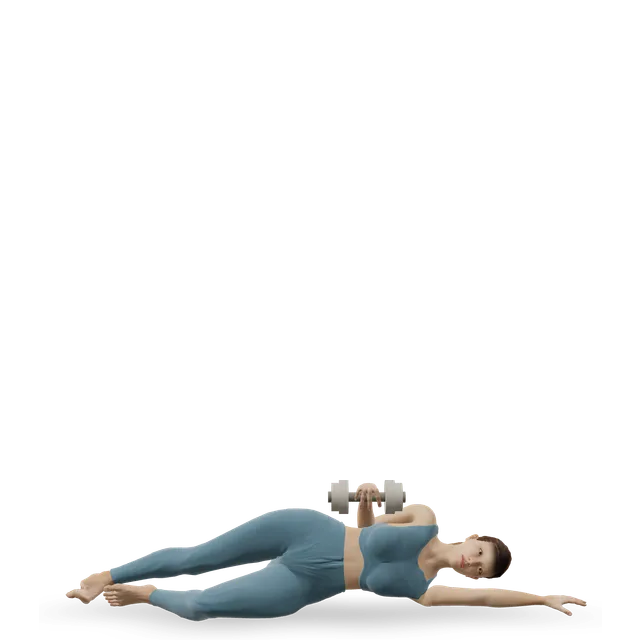
Side-lying external rotation demonstrated on the 3D figure3D demoSide-lying external rotationBeginner · A dumbbell

3 sets of 15, once a day, lowering over 3 s · As in our shoulder impingement guide; the Holmgren trial did this twice a day. Or NHS inform's side-lying version, with its pacing

Easier: Standing band external rotation · Harder: Cuban rotation

Scaption raise demonstrated on the 3D figure3D demoScaption raiseBeginner · A dumbbell

3 sets of 15, thumbs up, to shoulder height, lowering over 3 s · As in our shoulder impingement guide, modelled on the Holmgren trial's lowering work

Easier: Band lateral raise · Harder: Smith machine upright row

Band lateral raise demonstrated on the 3D figure3D demoBand lateral raiseBeginner · A band

2 to 3 sets of 10 to 15, within the pain rule · As in our shoulder impingement guide. The 708-person trial trained lifting out to the side against resistance; the dose is editorial

Harder: Dumbbell lateral raise

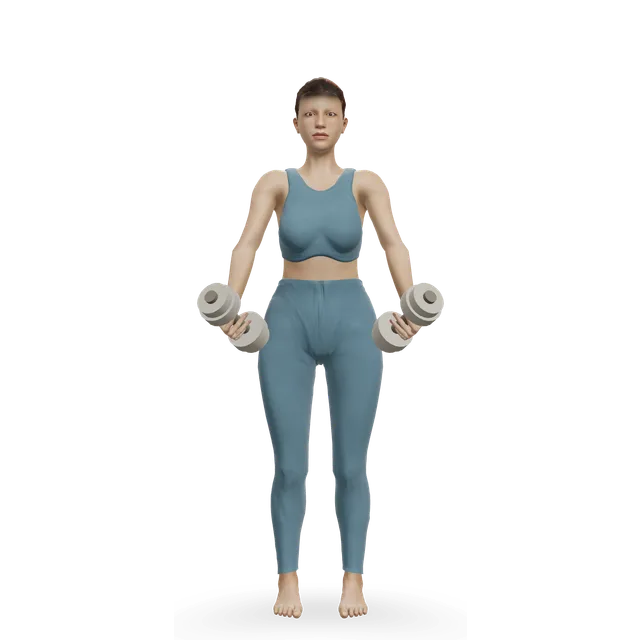
Front raise demonstrated on the 3D figure3D demoFront raiseBeginner · A dumbbell

2 to 3 sets of 10 to 15, thumbs up, within the pain rule · As in our shoulder impingement guide. The same trial trained lifting forwards; raise with the thumbs up with a sore shoulder, as the move page says

Easier: Band lateral raise · Harder: Smith machine upright row

Prone Y-T-W raises demonstrated on the 3D figure3D demoProne Y-T-W raisesBeginner · No equipment

2 to 3 rounds of 8 · As in our shoulder impingement guide, modelled on the Holmgren trial's middle and lower trapezius work

Easier: Wall angel · Harder: Bent-over reverse fly

Scapular push-up (push-up plus) demonstrated on the 3D figure3D demoScapular push-up (push-up plus)Beginner · No equipment

3 sets of 10 to 15, on a wall or bench first · As in our shoulder impingement guide

Easier: Dumbbell shoulder-blade punch · Harder: Push-up

Move on when: You can finish every set within the pain rule, lifting the arm to shoulder height and a little above is comfortable, and the shoulder is no worse the next day.

Follow along: a timer, a cue and the next move, one step at a time.
Stage 3

Strengthen overhead, and get reaching back

From about week 8, 2 or 3 days a week, then twice a week for the long term, as an NHS trust's leaflet recommends: pressing, pulling and carrying, one change at a time, while everyday reaching comes back by the written steps below. The same trust expects improvement over at least 12 weeks, sometimes up to 24.

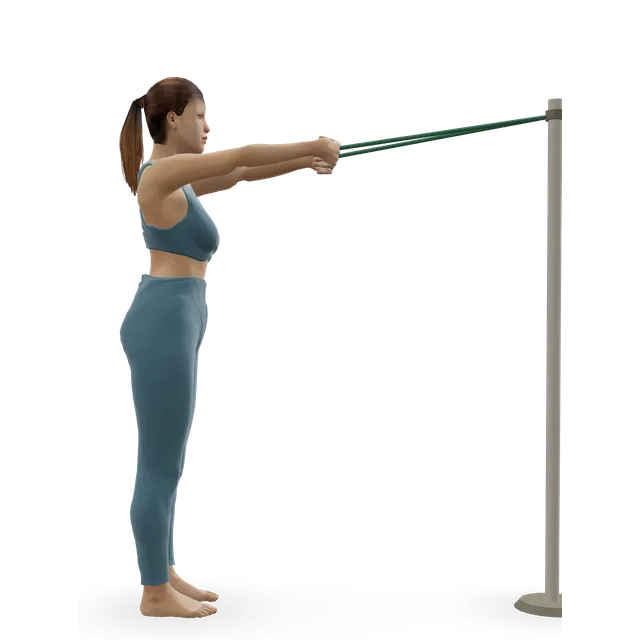
Shoulder press with a band demonstrated on the 3D figure3D demoShoulder press with a bandBeginner · A band

3 sets of 8 to 12 · As in our shoulder pain and shoulder impingement guides

Harder: Push press

Landmine jammer demonstrated on the 3D figure3D demoLandmine jammerIntermediate · A barbell

3 sets of 8 to 12, pressed without the dip, as a landmine press · As in our shoulder impingement guide. Not the move page's dose, which is for power

Easier: Kettlebell halo · Harder: Barbell clean and press

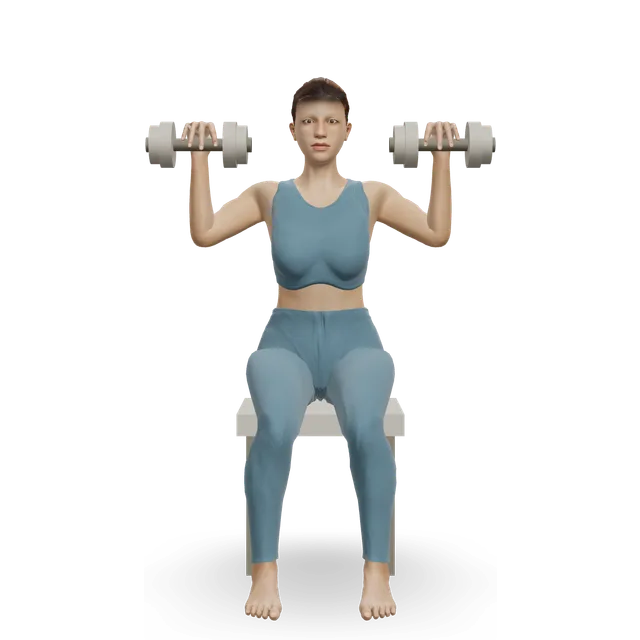
Dumbbell shoulder press (kick-up start) demonstrated on the 3D figure3D demoDumbbell shoulder press (kick-up start)Intermediate · A dumbbell + A bench or box

2 to 3 sets of 8 to 12, stopping with 2 or 3 reps in reserve · The move page's dose, an editorial starting point. Once the landmine press is comfortable

Easier: Machine shoulder press · Harder: Behind-the-neck press

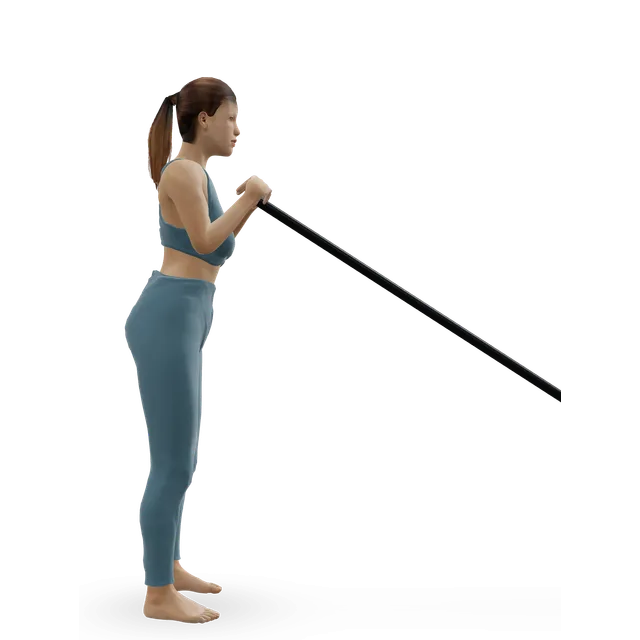
Face pull demonstrated on the 3D figure3D demoFace pullIntermediate · A band

3 sets of 12 to 15 · As in our shoulder pain guide

Easier: Prone Y-T-W raises · Harder: Tuck back lever

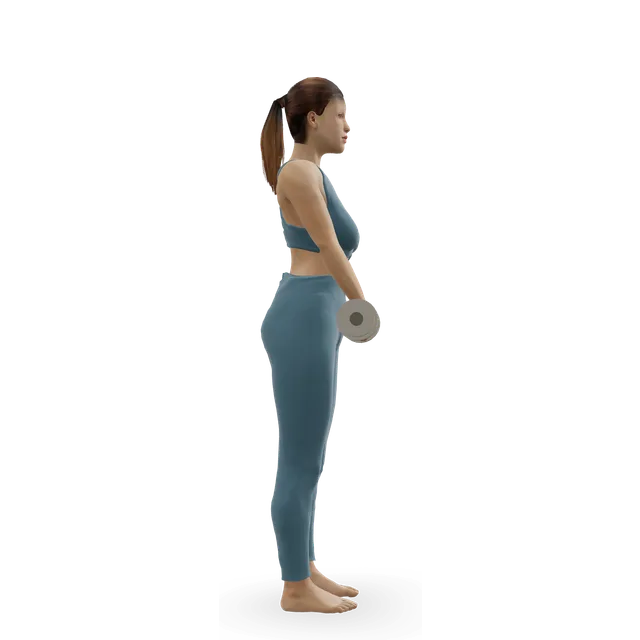
Farmer's carry demonstrated on the 3D figure3D demoFarmer's carryIntermediate · A dumbbell + A kettlebell

3 walks of 30 to 40 m · As in our shoulder pain guide. Carry close to your body

Harder: Suitcase carry

Move on when: Our suggestion: bring overhead jobs back one at a time (the written steps below), with heavy loads above shoulder height last, and keep two strength days a week. If the shoulder flares, drop back a stage for a few days rather than stopping.

Follow along: a timer, a cue and the next move, one step at a time.

What to change for now

Reaching, lifting and carrying for now (written steps)

Our 3D figure can't show these changes. They come from the NHS, NHS inform, an NHS trust, Arthritis UK and the HSE; no trial has tested a way of reaching for shoulder pain, and where a step is our suggestion, it says so.

  • 1. Keep using the arm for everyday jobs below shoulder height, and don't stop using it completely (the NHS). In the first day or two, move it gently for 10 to 20 seconds every hour while you're awake (NHS inform).
  • 2. For now, don't carry on with activities that involve repeatedly lifting your arm above your head, such as swimming or playing tennis (the NHS). Cut down long overhead jobs too, such as painting a ceiling or stacking high shelves (our suggestion).
  • 3. Break the jobs that flare it into smaller chunks, and step closer to things instead of reaching out for them (an NHS trust's pacing advice).
  • 4. When you have to reach up, keep your elbow bent and close to your side, with your palm towards the ceiling. To lower the arm, bend the elbow and bring your hand close to your body (Arthritis UK).
  • 5. Move the things you use every day to between waist and shoulder height, and use a sturdy step for high cupboards rather than stretching up and out (our suggestion, built on the HSE's lifting guidance, which is lowest above shoulder height).
  • 6. Carry close to your body. Split shopping between two bags, or use a trolley or a backpack (Arthritis UK); the HSE's guideline weights fall when the arms are stretched out.
  • 7. At work, the HSE's principles are to work with your joints near the middle of their range, to cut the time spent holding or repeating awkward postures, and to keep repeated reaching close to the body. Ask about rotating tasks and changing the working height or where things are placed, such as a platform or lower shelves (the HSE), and about occupational health; Arthritis UK says that once a condition is diagnosed, employers must make reasonable adjustments.
  • 8. Heat or cold for up to 20 minutes at a time, such as frozen peas or a hot water bottle wrapped in a tea towel, and painkillers such as paracetamol or ibuprofen so you can keep moving (the NHS).

Sources 14, 3, 18, 2, 11, 30, 31, 32

The wall slide (written steps)

NHS inform and an NHS trust teach this exercise for lifting the arm. It has no 3D demo yet, so the table slide stands in for it in the plan; if you'd like to add it, these are the steps.

  • 1. Stand facing a smooth wall or door, with your arms bent at right angles in front of you and your forearms along the wall (NHS inform).
  • 2. Place the edges of your hands against the wall, with your thumbs facing you. If you like, hold a small towel between your hands and pull it gently apart (the trust's leaflet).
  • 3. Draw your shoulder blades gently back, and keep them there (NHS inform).
  • 4. Lean your weight slightly into the wall and slide your hands up as far as you comfortably can, then slowly back down, and relax.
  • 5. The trust's dose is 8 slides, a minute's rest, three times, once a day. NHS inform's pacing works too: 2 to 3 at a time, building to sets of 8, up to 2 sets of 15.
  • 6. At first, stop just below the painful part of the arc, and slide a little higher each week (our suggestion). When it's easy, the trust suggests doing it without the wall's support, or holding a light weight such as a bottle of water.

Sources 29, 2

Reaching overhead comes back (written steps)

No trial has tested how to return to overhead jobs. These steps are our suggestion, built on an NHS trust's pacing advice and the HSE's lifting guidance.

  • 1. Stages 1 and 2: everyday jobs below shoulder height, with the reaching changes above.
  • 2. Stage 3, light and short first: a cup to a high cupboard, a light coat on and off, washing your hair.
  • 3. Then longer spells, such as hanging out washing or painting a wall in short blocks with breaks, then light loads overhead, such as a bag into an overhead locker. One change at a time, within the pain rule.
  • 4. Heavy things above shoulder height come last. The HSE's workplace guideline weights are lowest there (10 kg for men and 7 kg for women, close to the body, and less with the arms stretched out); they're a reference, not a target.
  • 5. Keep two strength sessions a week for the long term, as an NHS trust's leaflet recommends, and build overhead work and sport, such as decorating, shelving, racket sports or swimming, up over weeks.
  • 6. Flare-ups happen. Drop back a stage for a few days rather than stopping, and don't stop using the arm (the NHS).

Sources 2, 30, 14

Injections, scans and surgery

A steroid injection eases pain for a few weeks, not months. Talk to your GP about one if pain stops you doing the exercises; an NHS trust warns against repeated injections. A scan isn't usually needed unless you aren't improving or an injury has left the arm weak.

Surgery to make room for the tendons didn't beat a placebo operation. A repair is discussed for some tears, especially after an injury, as our rotator cuff tear guide explains.

Sources 22, 2, 19, 23, 26, 17

Positions to swap, and why

Habit or positionWhy it mattersInstead
Long or repeated overhead jobs while it's soreThe NHS advises against carrying on with activities that involve repeatedly lifting your arm above your head, and the HSE scores a raised, unsupported arm as more awkward the longer it's held.Short spells with the arm down between them; step closer or use a sturdy step, and move things lower for now.
Keeping the arm still, or in a sling, to rest itThe NHS says don't stop using your shoulder completely, because it can stop it getting better, and resting it too long lowers what the rotator cuff can cope with.Use it below shoulder height, and move it gently through the day, for example with pendulum swings.Try: Pendulum exercise (Codman's pendulum)
Reaching up with a straight arm and the thumb turned downArthritis UK's advice for reaching is the opposite: elbow bent, close to the body, palm up.Elbow bent and close to your side, palm towards the ceiling.
Carrying a heavy bag with the arm held outThe HSE's guideline weights fall when the arms are stretched out.Two lighter bags close to your sides, a trolley or a backpack, and carrying practice in stage 3.Try: Farmer's carry
Standing lateral raises above shoulder heightOur lateral raise guide says stop at shoulder height, and the move page cites a hospital handout that lists standing lateral raises among exercises to avoid with a sore shoulder.The scaption raise to shoulder height, thumbs up.Try: Scaption raise
Heavy overhead pressing through the painful arcOur overhead press guide presses in front of the head with a sore shoulder, and the NHS advises against heavy gym equipment while the shoulder hurts.The band press, then the landmine press, in stage 3.Try: Landmine jammer
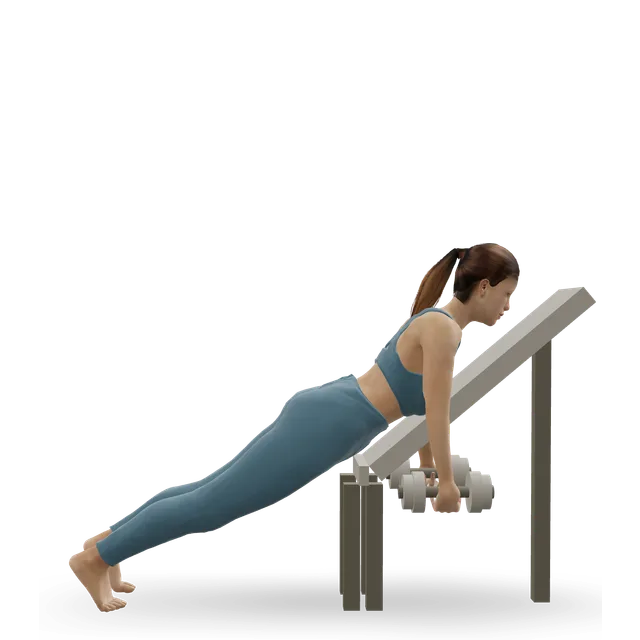
Deep bench dipsThey load the front of the shoulder at the end of its range; our AC joint and biceps guides leave dips out for now.Incline push-ups, then push-ups.Try: Incline push-up
The cross-body stretch with pain on top of the shoulderIt presses on the AC joint, as the move page says.Upper back rotation instead.Try: Thoracic rotation
Repeated steroid injectionsAn NHS trust warns that multiple injections can harm the rotator cuff, and the UK care pathway suggests no more than two.Exercise, and one injection only if pain stops you doing it, after talking to your GP.
Asking for a scan straight awayRotator cuff changes on scans are common without pain, and a scan is rarely needed at first.Get checked if a warning sign appears or it isn't improving.

Routines to follow

More moves for this area

Questions people ask

Why does my shoulder hurt when I lift my arm?

Most often it's the rotator cuff, the group of tendons that lifts and turns the arm: NHS inform calls this the most common reason for shoulder pain, typically brought on by lifting the arm above shoulder level or reaching behind your back, such as putting on a jacket. Frozen shoulder, the AC joint at the top of the shoulder, arthritis and pain from the neck can do it too. Where it hurts and what else happens tell them apart.

What is a painful arc?

It's pain partway up as you lift your arm out to the side, roughly between 70 and 120 degrees, that eases as the arm goes higher or comes back down. It's a fair clue that the rotator cuff is involved, but on its own it misses about half of cases and doesn't tell you which tendon, whether there's a tear, or what treatment you need.

Does a painful arc mean I need an operation?

No. Surgery to shave bone and make more room for the tendons did no better than a placebo operation in two trials followed for up to 10 years. In a trial of people already waiting for that operation, only 20% of those given specific exercises still chose to have it.

Why can't I lift my arm above my head?

Usually because it hurts, from the rotator cuff, or because the joint has stiffened, as in frozen shoulder, where turning the arm outwards is hard too. A sudden weak arm after a fall or an injury needs checking the same day, because a torn tendon needs an urgent referral. A sudden weak or numb arm with a drooping face or slurred speech could be a stroke: call 999.

Should I stop using my arm?

No. The NHS says not to stop using your shoulder completely, because that can stop it getting better, and an NHS trust warns that resting it too long lowers what the rotator cuff can cope with. Cut down repeated overhead jobs for now, break them into short spells, and keep using the arm below shoulder height.

How should I reach for things on a high shelf?

Move the things you use every day to between waist and shoulder height, and use a sturdy step rather than stretching up and out. When you do reach up, keep your elbow bent and close to your side with your palm towards the ceiling, and bring your hand down close to your body.

What exercises help when it hurts to lift my arm?

Strengthening the rotator cuff and the muscles around the shoulder blade: turning the arm out against a band, lifting with the thumbs up to shoulder height, rows and wall push-ups, built up over weeks. In one trial, 3 sets of 15 of these twice a day helped 69% of people, against 24% with general exercise. In a larger trial, one advice session with a home programme did as well as a longer course of physiotherapy.

How much pain is OK when I exercise?

Up to about 5 out of 10 during strengthening is acceptable, and some pain is expected. It should be back to its usual level by your next session; if it isn't, use a lighter band or a smaller range next time rather than stopping.

Do I need a scan?

Usually not at first. Changes in the rotator cuff are common on scans of people without pain and become more common with age, and an ultrasound or MRI scan is rarely needed in primary care. An X-ray can help if you aren't improving, and a scan is urgent after an injury that leaves the arm suddenly weak.

Will a steroid injection fix it?

It may ease the pain for a few weeks: in a large trial, the benefit was small at 8 weeks and gone by 6 months. Injections don't cure rotator cuff pain, and an NHS trust keeps them for when pain stops you exercising, because repeated injections may harm the tendon.

How long does shoulder pain from lifting take to get better?

It varies, and no one can promise a timescale. The NHS says recovery from shoulder pain can take 6 months or longer, and an NHS trust expects exercise to take at least 12 weeks, sometimes up to 24, with little change in the first 6. Most people do recover.

Could the pain be coming from my neck?

Yes, sometimes, even when your neck doesn't hurt. Pain from the neck is often described as pins and needles, or sharp, hot or burning, and it can spread from the lower neck and shoulder blade into the arm. Our pinched nerve in the neck guide covers it.

Related exercise guides

Other pain guides

Sources

  1. NHS inform · Subacromial pain syndrome
  2. Leicestershire Partnership NHS Trust · Rotator cuff-related shoulder pain (patient leaflet, 2026)
  3. NHS · Shoulder impingement
  4. Mitchell 2005 · Shoulder pain: diagnosis and management in primary care (clinical review, BMJ)
  5. van Rijn 2010 · Work-related factors and specific shoulder disorders (systematic review, Scand J Work Environ Health)
  6. Versloot 2024 · Physical and psychosocial work exposures and shoulder disorders (systematic review update, Appl Ergon)
  7. Hegedus 2012 · Which shoulder examination tests are most useful? (systematic review and meta-analysis, Br J Sports Med)
  8. Hermans 2013 · Does this patient with shoulder pain have rotator cuff disease? (systematic review, JAMA)
  9. Michener 2009 · Accuracy of five examination tests for subacromial impingement in 55 patients (diagnostic study, Arch Phys Med Rehabil)
  10. Kessel 1977 · The painful arc syndrome in 97 patients (case series, J Bone Joint Surg Br)
  11. Arthritis UK · Shoulder pain
  12. NHS · Frozen shoulder
  13. Rangan 2020 · Physiotherapy with an injection, manipulation or keyhole release for frozen shoulder: UK FROST (RCT of 503, Lancet)
  14. NHS · Shoulder pain (past its review date: reviewed May 2023, review due May 2026)
  15. American Academy of Orthopaedic Surgeons, OrthoInfo · Arthritis of the shoulder
  16. Cadogan 2013 · Examination tests for acromioclavicular joint pain in 153 people in primary care (diagnostic study, BMC Musculoskelet Disord)
  17. American Academy of Orthopaedic Surgeons, OrthoInfo · Rotator cuff tears
  18. NHS inform · Shoulder problems
  19. Kulkarni 2015 · Subacromial shoulder pain: the UK patient care pathway (British Elbow and Shoulder Society guideline, Shoulder Elbow)
  20. Teunis 2014 · Rotator cuff changes with age, with and without symptoms (pooled analysis, J Shoulder Elbow Surg)
  21. Holmgren 2012 · Specific exercise and the need for surgery in subacromial impingement (RCT of 102, BMJ)
  22. Hopewell 2021 · Progressive exercise against one advice session, with or without an injection, for rotator cuff disorders: GRASP (RCT of 708, Lancet)
  23. Beard 2018 · Decompression surgery against keyhole surgery alone or no treatment for subacromial pain: CSAW (RCT of 313, Lancet)
  24. Paavola 2018 · Decompression against diagnostic keyhole surgery for impingement: FIMPACT (placebo-controlled RCT of 210, BMJ)
  25. Kanto 2025 · Decompression against placebo surgery at 10 years: FIMPACT follow-up (RCT, BMJ)
  26. Karjalainen 2019 · Subacromial decompression surgery for rotator cuff disease (Cochrane review)
  27. Vandvik 2019 · Subacromial decompression surgery for adults with shoulder pain (clinical practice guideline, BMJ)
  28. Keene 2020 · The exercise programmes of the GRASP rotator cuff trial (development paper, Physiotherapy)
  29. NHS inform · Exercises for shoulder problems
  30. Health and Safety Executive · Manual handling at work: a brief guide (INDG143, 2020)
  31. Health and Safety Executive · Reducing awkward postures (Assessment of Repetitive Tasks tool)
  32. Health and Safety Executive · Assessment of repetitive tasks of the upper limbs: the ART tool (INDG438, 2010)
  33. Namdari 2012 · The shoulder range everyday tasks need, in 20 adults (motion study, J Shoulder Elbow Surg)
  34. Smith 2017 · Should exercises be painful in long-lasting muscle and joint pain? (meta-analysis of 7 trials, Br J Sports Med)
  35. NHS · Dislocated shoulder
  36. NHS · Stroke: symptoms
  37. NHS · Heart attack
  38. NHS · Septic arthritis
  39. NHS · Polymyalgia rheumatica (past its review date: reviewed April 2023, review due April 2026)

Exercise education, not a diagnosis or treatment plan. It is written from the guidelines and studies listed above; review by a clinician is pending. If your pain follows an injury, is severe, is getting worse, or comes with any warning sign listed on this page, get it assessed. Health disclaimer.