First steps: pain relief, and keep it movingStrong evidence
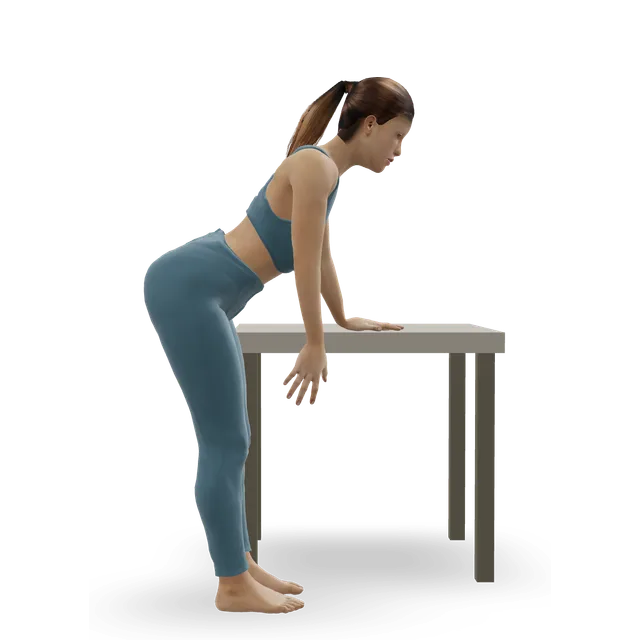
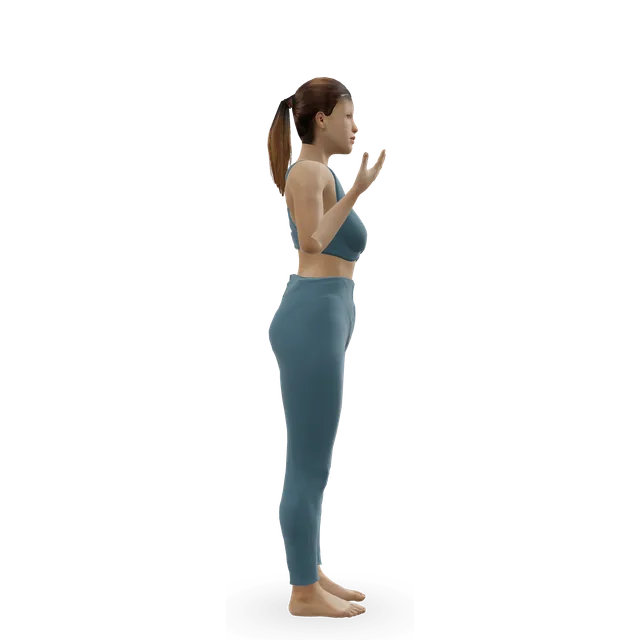
NICE describes painkillers and anti-inflammatory medicines early on, physiotherapy if symptoms persist, and then a steroid injection, lavage (barbotage) or surgery. NHS Scotland guidance adds ice and advice, and notes there's no clear evidence on which non-surgical care works best. An NHS trust leaflet advises keeping the shoulder moving without aggravating it, and using a sling for comfort only, coming off it as soon as possible.
Sources 3, 2, 10
Steroid injections: weeks of relief, no lasting advantageStrong evidence
In a blinded trial of 220 adults, both groups given a steroid injection had less pain than the sham group at 2 and 6 weeks, but not at 4 or 24 months. An injection doesn't remove the deposit, and in a Dutch trial more people given an injection alone needed further treatment over 5 years (16 of 25) than those who also had barbotage (4 of 23).
A 2026 Dutch guideline still starts treatment with one injection under the bony shelf of the shoulder (a subacromial injection), as a way to ease the pain.
Sources 8, 2, 9, 11
Barbotage: mixed results, and no better than a shamMixed evidence
Barbotage (needling and lavage) means rinsing and breaking up the deposit with a needle under ultrasound, usually with a steroid injection. In a Dutch trial of 48 people, it beat a steroid injection alone at 1 year (86 against 74 on a 100-point shoulder score), but not at 5 years (90 against 87). In the larger, blinded KALK trial (220 adults in Norway and Sweden), lavage with a steroid did no better than a sham procedure at 4 or 24 months, though it cleared more deposits; everyone did four home exercises, taught by a physiotherapist.
An NHS trust leaflet quotes a 60% to 70% chance of a significant or complete improvement, with about a third not responding. Weighing both trials, a 2026 Dutch guideline suggests considering barbotage for painful, especially large, deposits after an injection hasn't helped, repeated once if needed; it says to tell people the extra benefit is modest and that recovery typically takes 6 to 12 months. It keeps keyhole surgery for persistent, disabling pain with a large deposit after other treatments, including barbotage, have failed.
Sources 12, 9, 8, 13, 14, 11, 15
Shockwave: a strong early trial, small benefits overallMixed evidence
In a 2003 trial of 144 people, high-energy shockwave improved a 100-point shoulder score by 31 points at 6 months, against 15 for low-energy and 7 for sham shockwave. But a 2020 Cochrane review of 32 trials found benefits over placebo too small to matter: about 0.8 points less pain on a 10-point scale, where 1.5 is the change people notice, with more side effects.
NICE says the evidence on whether it works is inadequate, so it should only be used in research. The Dutch guideline notes that high-energy shockwave can be very painful, and that evidence for low-energy shockwave is lacking.
Sources 16, 17, 3, 11
Barbotage against shockwaveEmerging evidence
In 82 people whose symptoms had lasted despite treatment, barbotage and high-energy shockwave gave similar results at 1 year and after about 7 years. Barbotage removed more calcium, and fewer people needed further treatment after it (about 1 in 4, against about 4 in 10 after shockwave), though by 7 years that difference could have been chance. Network meta-analyses, which compare many treatments at once, rank needling, shockwave and comprehensive physiotherapy highly, but they rest on low-quality trials.
Sources 18, 19, 20, 21
Exercise: in every trial, and the backbone of the planEmerging evidence
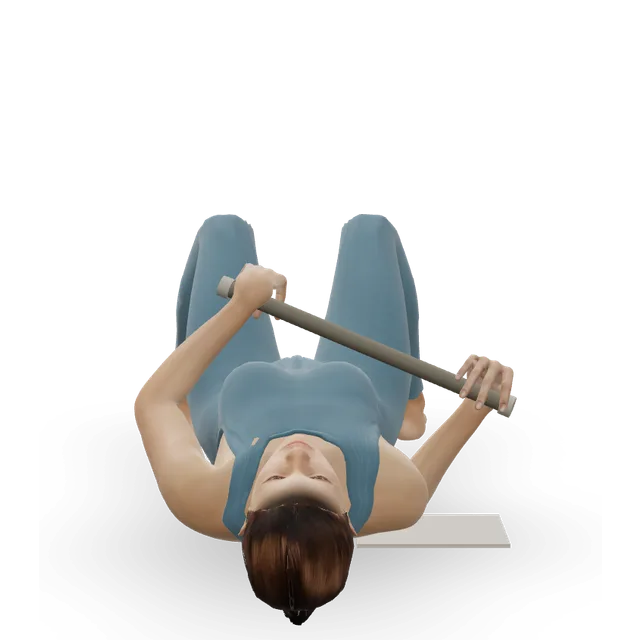
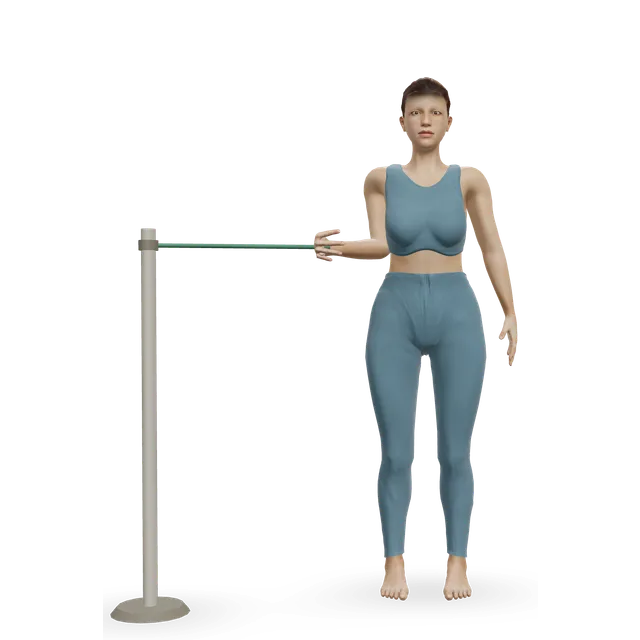
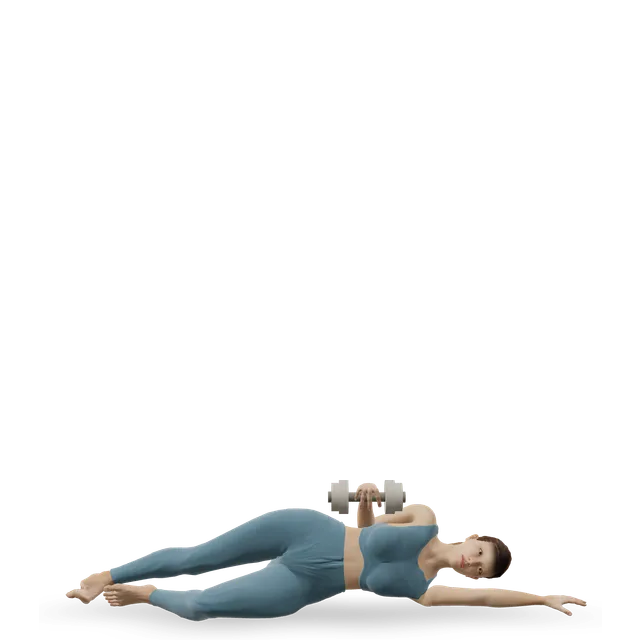
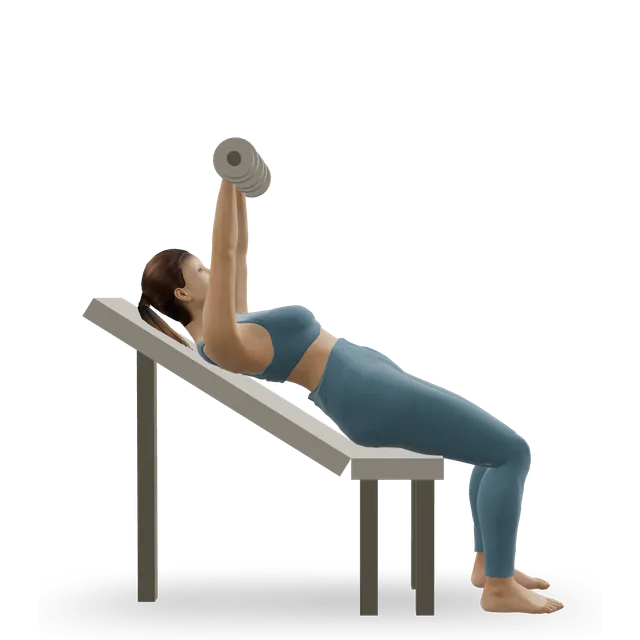
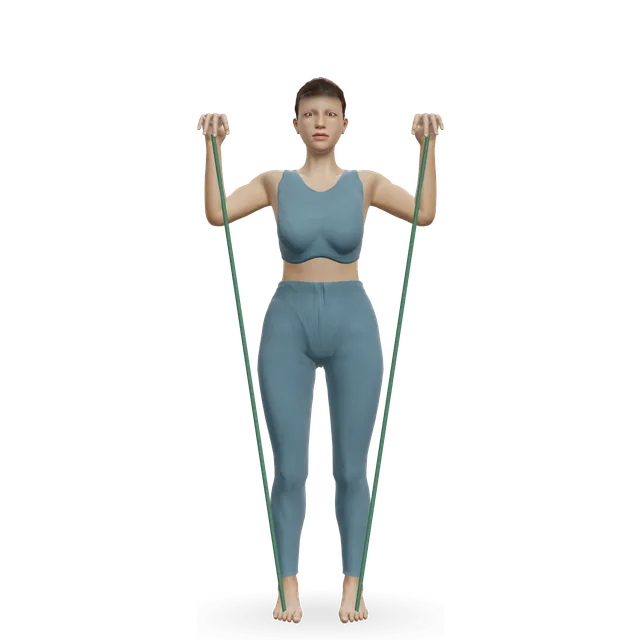
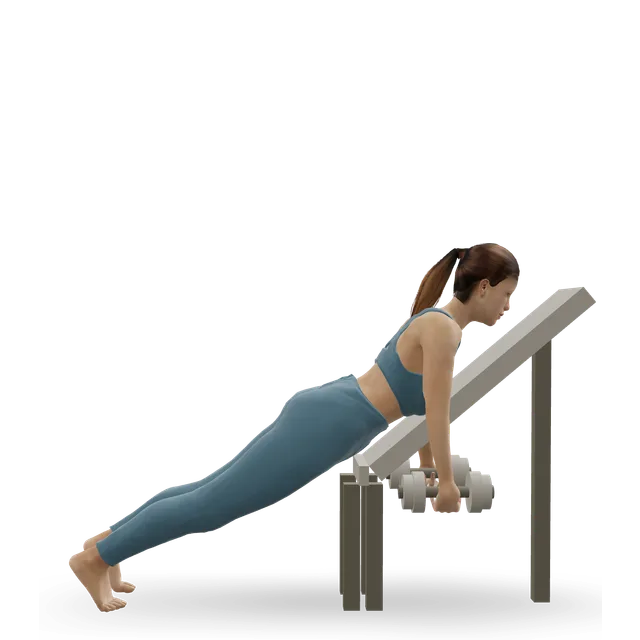
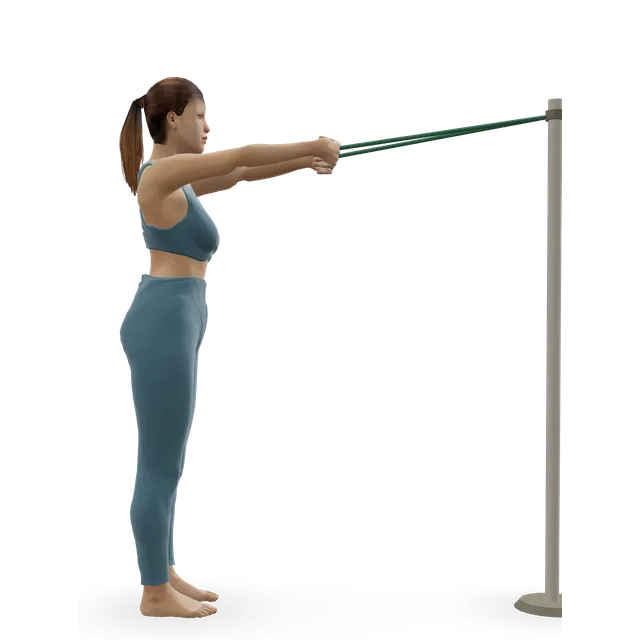
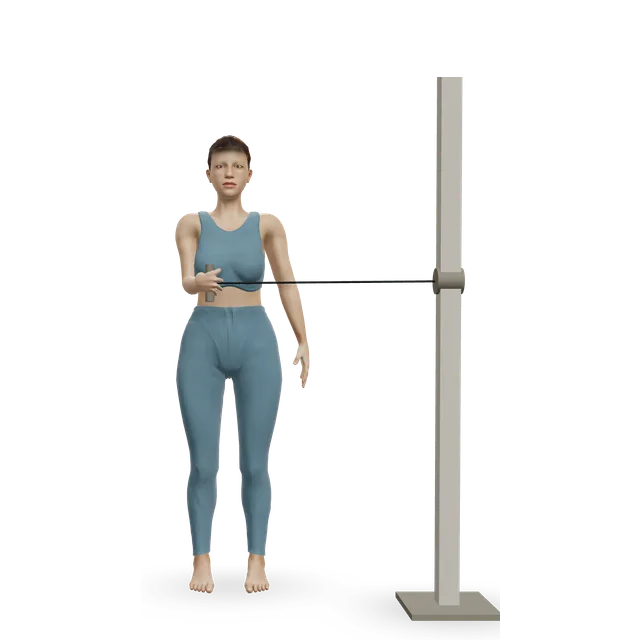
No trial has tested exercise on its own against no exercise for calcific tendinitis. But exercise was part of every group in the key trials, comprehensive physiotherapy ranked first for function in a 2025 network meta-analysis, and NHS leaflets give staged movement exercises. The long-lasting, rotator-cuff-like picture is managed like rotator cuff pain, so the strengthening stages here borrow their doses from a rotator cuff pain trial (Holmgren's).
Sources 8, 16, 21, 10, 22