Thoracic outlet syndrome: exercises, the warning signs, and when surgery helps
Thoracic outlet syndrome (TOS) is when the nerves or blood vessels to the arm are squashed in the narrow space between the collarbone and the top rib, usually on one side. Most cases are the nerve type: an ache in the neck, shoulder or arm with tingling into the ring and little fingers, worse with your arms raised or when carrying. It is uncommon and the nerve type isn't dangerous, but an arm that swells, throbs and turns red and warm can be a blood clot and needs help the same day, and sudden breathlessness, chest pain or coughing up blood needs 999.
Physiotherapy comes first for the nerve type, though no trial has tested a programme. This guide explains the three types, why the bedside tests often mislead, and what injections and surgery can and can't do, then gives a staged plan for the nerve type with 3D demos. Start with the warning signs below.
Exercise is for pain that has been checked or is clearly mild and settling.
Get urgent medical help if
Call 999: sudden breathlessness, sharp chest pain (it may be worse when you breathe in) and a cough or coughing up blood. It can be a blood clot that has reached the lungs. Do not drive yourself to A&E.
Call 999: shoulder or arm pain with chest pain that feels tight or squeezing, or chest pain that spreads to your arms, neck or jaw, especially with shortness of breath, sweating or feeling sick. It could be a heart attack.
Call 999: one side of the face droops, you can't lift both arms and keep them there because one is weak or numb, or your speech is slurred or confused. These are signs of a stroke, even if they stop.
Call 999 or go to A&E: a hand or arm that suddenly turns cold, pale, blue or grey and painful, or goes numb and weak. Blood may not be getting through.
Same day (urgent GP appointment or NHS 111): throbbing or cramping pain, swelling, redness and warmth in one arm. These can be signs of a blood clot caused by thoracic outlet syndrome, which can be life-threatening if not treated quickly.
Same day (GP or NHS 111): pins and needles that do not go away, no feeling in your arm, or your arm or shoulder is hot or cold to the touch.
See a doctor or physiotherapist if
You think you have thoracic outlet syndrome: see a GP. They will usually check your arms, chest and neck, and may arrange an X-ray or a scan.
Weakness or clumsiness in the hand, or the small muscles of the hand looking thinner: see a GP promptly. A specialist review says weakness or wasting caused by TOS needs a surgeon's assessment within a few weeks at most.
Pins and needles or a cold arm alongside neck pain, or a new loss of strength or feeling in the arm that you cannot explain (a possible nerve problem).
You smoke or used to, and have shoulder pain with a cough that will not go away, breathlessness or weight loss.
Symptoms no better after 8 to 12 weeks of steady rehabilitation, or daily life badly affected: ask about a referral to a thoracic outlet specialist.
Understand it
What it is
The thoracic outlet is the narrow space between the collarbone and the first rib, crowded with muscles, nerves and blood vessels. The nerves to the arm (the brachial plexus) and the main artery to the arm pass between two of the scalene muscles in the neck and over the first rib, and the main vein passes just in front. All of them then run under the pectoralis minor, a small muscle at the front of the shoulder. When something squashes them, the result is thoracic outlet syndrome.
Reporting standards from US vascular surgeons treat it as three conditions that can occur together: the nerve type (neurogenic), the vein type (venous) and the artery type (arterial). They behave differently and are treated differently, so this guide keeps them apart.
The NHS lists being born with an extra rib in the neck (a cervical rib), poor posture, large breasts, an injury to the chest, neck or ribs such as a car accident, jobs or sports with lots of repetitive arm movement, such as building or swimming, and gaining a lot of muscle. A specialist review adds high-level sport and jobs with heavy arm use, with musicians and people who do a lot of computer or overhead work over-represented. A US orthopaedic body says it is more common in women, and that poor posture and obesity can make it worse.
These links come from case series, not measured risks.
It is uncommon. At one specialist centre in the US, 526 people were referred with possible TOS over almost 4 years: 82% had symptoms of the nerve type, 16% the vein type and 2% the artery type. The authors estimated 2 to 3 new cases of the nerve type per 100,000 people a year, and 0.5 to 1 of the vein type. A specialist review gives about 10 per 100,000 for the nerve type, and the US orthopaedic body calls TOS several rare and different conditions.
Each type has its own pattern. Specialists diagnose TOS from the symptoms and an examination, and use scans and nerve tests mainly to rule out look-alikes: a pinched nerve in the neck, carpal tunnel syndrome and an ulnar nerve problem at the elbow.
The arm-position tests, such as Adson's test and the elevated arm stress test, often mislead. In a specialist review's figures they picked up about 7 in 10 people with TOS but were also positive in nearly half of people without it, so a positive test is not a diagnosis. The US vascular surgeons' standards need 3 of 4 features for the nerve type, one of them a response to a test injection into a scalene muscle.
A cervical rib showed up on 0.74% of 1,352 chest X-rays in a London study, about 1 in 135 (1.09% of women and 0.42% of men). The NHS lists it among the causes of TOS, and if it is the cause, removing it is one of the operations that may be suggested.
The nerve type: an ache in the neck, shoulder, arm or hand; pins and needles or numbness on the inner forearm and the ring and little fingers, which can be worse at night; a clumsy hand; tenderness above the collarbone; and overhead activities particularly hard. In severe, long-standing cases the small muscles of the hand waste.
The vein type: a swollen, painful arm. A clot in the vein (Paget-Schroetter syndrome, sometimes called effort thrombosis) causes throbbing or cramping pain, swelling, redness and warmth. Clot-dissolving treatment usually works if it starts within 10 to 14 days.
The artery type: cold fingers, a pale, blue, grey or mottled hand, a weak pulse at the wrist, and an arm that tires and throbs with use.
There are few good studies of how the nerve type behaves without treatment. In 79 people off work with nerve-type TOS that had no clear anatomical or nerve-test findings, most had returned to work and improved about 4 years later, whether or not they had surgery. In a cohort that started everyone with 6 weeks of physiotherapy, 27% improved enough to carry on with physiotherapy alone.
The vein and artery types are different: their complications, clots and artery damage, are why a vascular team treats them.
The vein and artery types need a vascular team, not an exercise planEmerging evidence
A clot in the arm vein needs urgent assessment. The NHS lists medicines to treat pain, improve circulation and reduce the risk of clots, and surgery for serious problems such as clots. A specialist review says clot-dissolving treatment usually works if it starts within 10 to 14 days, and most specialists then recommend surgery to free the vein; published series report long-term success in 95% to 100%, but there are no randomised trials. In pooled surgical series, 90% of people with the vein or artery type had an excellent or good result.
The exercise plan on this page is for the nerve type only, once the vein and artery types have been ruled out.
Physiotherapy comes first for the nerve type, but no trial has tested itEmerging evidence
The NHS says TOS is usually treated with physiotherapy, stretching and strengthening exercises to reduce pressure on the nerves and blood vessels, and medicines. A US orthopaedic body says treatment usually doesn't include surgery, and starts with exercises to strengthen the shoulder muscles that support the collarbone, posture exercises, anti-inflammatory painkillers, and changes to the workstation and daily activities. A German specialist review concludes that non-surgical treatment should be tried first when the hand isn't weak.
How much it helps is uncertain. In three cohorts that started everyone with physiotherapy and operated only if it failed, physiotherapy alone helped 27% to 59%. In the largest recent one (150 people), 27% improved enough after a 6-week trial of physiotherapy to carry on with it rather than have surgery. No randomised trial has compared a physiotherapy programme with no treatment or with surgery.
What the exercise programmes containEmerging evidence
A 2026 scoping review of 29 studies found exercise in 17 of 19 rehabilitation programmes: stretching, mainly of the scalene and chest muscles (15), strengthening, mainly of the shoulder-blade muscles such as the middle and lower trapezius and serratus anterior (14), nerve glides (7) and breathing exercises (6), plus posture work and changes to aggravating activities. Doses were rarely reported. Where they were, stretches were held 20 to 30 seconds and strengthening was 2 to 3 sets of 8 to 15 with light weights, and 6 to 12 weeks of rehabilitation was proposed.
A US orthopaedic body's home programme is four exercises: a corner chest stretch, a side neck stretch, shoulder rolls and a chin tuck, with the stretches and the chin tuck each held for 5 seconds, 10 repetitions of each twice a day, stopping any movement that causes pain. The studies are mostly low level, so this is how programmes are built, not proof that they work.
Botulinum toxin did no better than salt water in the only trialMixed evidence
In a double-blind trial of 38 people, botulinum toxin (Botox) injected into two scalene muscles made no clinically or statistically significant difference to pain, tingling or function at 6 weeks compared with salt water. A Cochrane review rated this as moderate evidence of no great benefit. Studies without a comparison group report relief in 46% to 63% of people after a first injection, lasting 1 to 6 months, but they are low quality.
Surgery helps some people, but the evidence is observationalMixed evidence
Surgery is considered for the vein and artery types; promptly for weakness or wasting in the hand; and for typical nerve symptoms that haven't improved after 8 to 12 weeks of non-surgical treatment and badly affect daily life. For vague symptoms with no anatomical cause, a specialist review says surgery is rarely the answer. There is no randomised evidence that any operation beats no treatment.
In one cohort, people who had surgery after 6 weeks of physiotherapy hadn't helped rated the result excellent (27%), good (36%), fair (26%) or poor (11%). The authors concluded that about 9 in 10 improved substantially, which counts the fair results as improvement, and there was no comparison group. Reviews of surgical series find the nerve type has the most poor results, and complication rates of about 4% to 15% depending on the approach. In 79 people off work with disputed TOS, the 15 who had a rib removed did no better about 4 years later than those who didn't.
Your arm sets the limit (borrowed from the neck guides)
For neck and shoulder discomfort, use NHS inform's scale for neck exercise: rate it from 0 to 10. During exercise, 0 to 3 is minimal and 4 to 5 is acceptable; 6 or more is too much. Exercise shouldn't make the pain worse overall, and you should be no worse the next morning. No TOS study has tested a pain limit.
Arm and hand symptoms are the exception. If a move sends tingling, numbness, heaviness or aching further down the arm or into the hand, or the extra symptoms last more than an hour, make it smaller, for example by keeping the arm below shoulder height, or leave it out. A hand therapy leaflet on nerve glides allows a short-lived rise in symptoms but not one lasting more than an hour; using that for every exercise is this site's suggestion. The US home programme says to stop any movement that causes pain.
Stop and get checked if the hand turns pale, blue or grey, the arm swells or throbs, or the hand gets weaker.
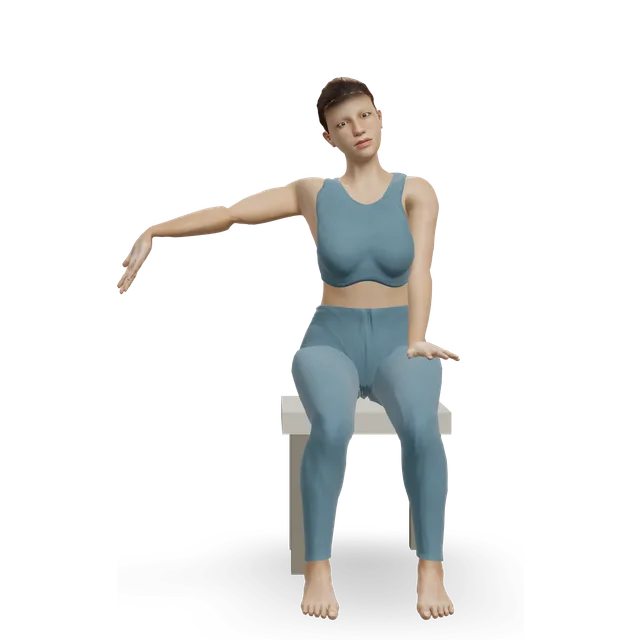
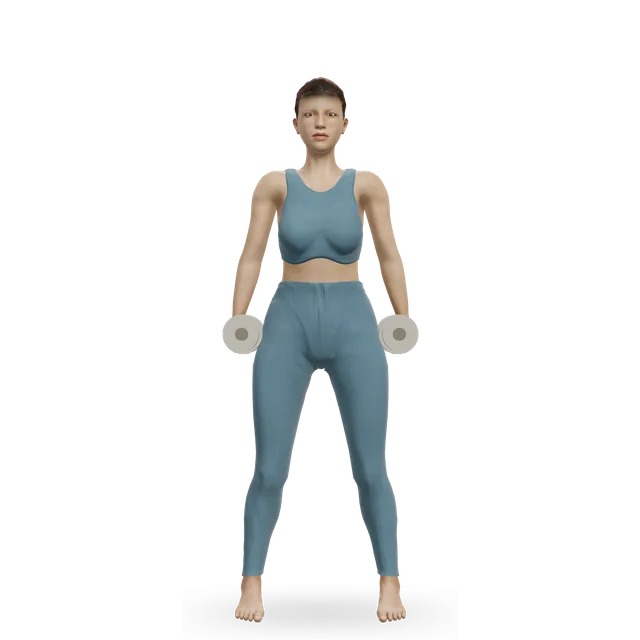
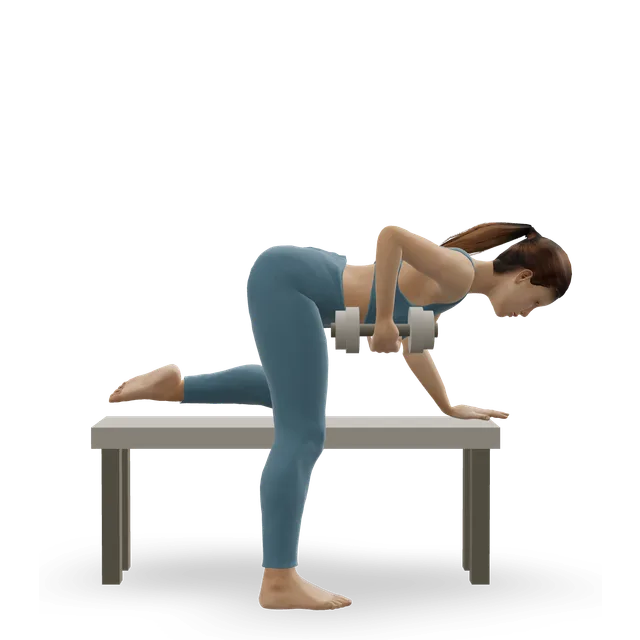
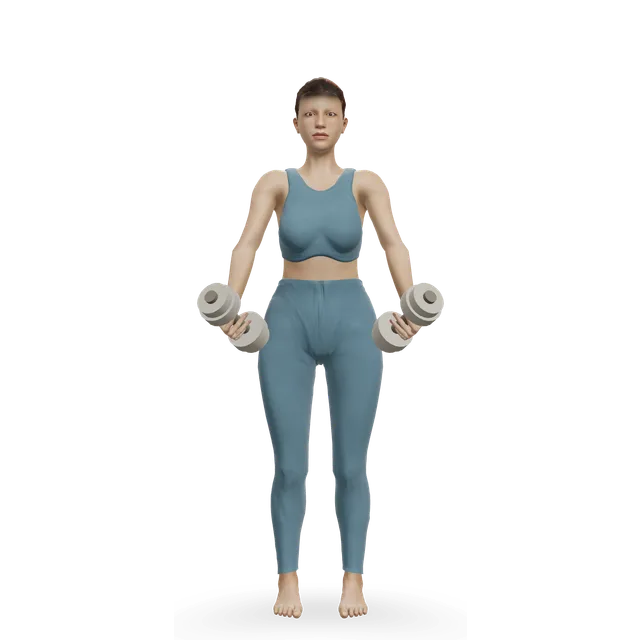
Start at the first stage. Each move opens a full guide with a 3D demo.
Stage 1
Settle: take the pressure off and keep moving
Weeks 0 to 2, or while the arm is flaring. Change the positions that bring the tingling on: no heavy bag over your shoulder (keep loads light and use a trolley where you can), break up overhead work, and don't sleep with your arms above your head. Short, frequent sessions, each move only as far as it keeps the arm settled. The first four doses are from a US orthopaedic home programme; the rest are editorial.
Move on when: Your arm symptoms are no worse after the routine, settle between sessions, and daily tasks bring them on less.
Follow along: a timer, a cue and the next move, one step at a time.
Stage 2
Build: shoulder-blade control, posture and nerve glides
About weeks 2 to 6. Strength moves 3 days a week; keep the stage 1 stretches and breathing daily. Programmes that reported doses used 2 to 3 sets of 8 to 15 with light weights, and posture holds of 5 s. In the largest cohort, everyone started with 6 weeks of physiotherapy. Doses are within those ranges or the moves' own.
Move on when: You can do every set with no increase in arm symptoms the next day, and a few minutes of overhead work is easier.
Follow along: a timer, a cue and the next move, one step at a time.
Stage 3
Strengthen: load the shoulder girdle, then overhead work and carrying
From about week 6, 2 or 3 days a week, and ongoing. Build the muscles that lift and steady the shoulder blade, the trapezius and serratus anterior, which the reviewed programmes target. Add load one change at a time. If symptoms haven't improved after 8 to 12 weeks of steady work, or daily life is badly affected, ask about a specialist opinion. Doses are editorial.
Move on when: Ongoing. Keep 2 sessions a week once you're back to normal activity, and return to overhead sport or heavy carrying gradually.
Follow along: a timer, a cue and the next move, one step at a time.
What to change for now
Take the pressure off for now
A US orthopaedic body advises against carrying heavy bags over your shoulder, because the weight pushes the collarbone down onto the nerves and blood vessels, and says overhead activities are particularly hard with TOS. Seven of the programmes in a 2026 review changed daily activities too, for example stopping overhead work for a while, avoiding drooping shoulders, giving sleep advice and taking care with weights.
So for now: lighter loads, a trolley where you can, overhead work broken into short spells, and your arms by your sides at night. Build these back as the plan progresses.
Stretching the scalene and chest muscles is part of most programmes, but no trial has tested how hard or how long to stretch, and stretching a sensitive nerve can bring the tingling on. The US home programme holds each stretch for 5 seconds; programmes that reported it used 20 to 30 seconds. Let the head's weight do the work, and stop at any tingling (our suggestion).
This plan isn't for you until your vascular team says so. A clot in the arm vein is treated with medicines and often surgery, and when you go back to exercise is their call.
The nerves or blood vessels to the arm get squashed in the narrow space between the collarbone and the top rib, usually on one side. There are three types: at one specialist centre, 82% of people referred had the nerve type, 16% the vein type and 2% the artery type.
What are the symptoms of thoracic outlet syndrome?
The NHS lists pins and needles that can be worse at night, an arm that tires easily, pain and swelling, a cold hand, and skin that turns blue, grey or pale. The nerve type typically aches in the neck, shoulder or arm with tingling on the inner forearm and the ring and little fingers, and overhead activities are particularly hard.
Is thoracic outlet syndrome serious?
The nerve type isn't dangerous, though it can be disabling. The vein type can cause a blood clot: throbbing or cramping pain, swelling, redness and warmth in one arm needs an urgent GP appointment or NHS 111 the same day, and sudden breathlessness with chest pain or coughing up blood needs 999.
Is there a test for thoracic outlet syndrome I can do at home?
No. Even in clinic, the arm-position tests such as Adson's are positive in many people without TOS, so diagnosis depends on the whole picture: the symptoms, an examination and tests to rule out other causes.
What exercises help thoracic outlet syndrome?
Physiotherapy is the first treatment for the nerve type: stretching the neck and chest muscles, strengthening the muscles that lift and steady the shoulder blade, nerve glides, breathing and posture work. No trial has tested a programme, and in one cohort 27% of people improved enough with 6 weeks of physiotherapy to carry on with it rather than have surgery.
What exercises should I avoid with thoracic outlet syndrome?
None is banned by the evidence. For now, avoid what brings your symptoms on, such as long spells overhead, heavy bags over your shoulder and heavy overhead lifting, then build them back gradually.
What is the best sleeping position with thoracic outlet syndrome?
No study has tested one. Sleeping with your arms by your sides or hugging a pillow, rather than with them above your head, avoids the position that tends to bring symptoms on; that's our suggestion.
Is it thoracic outlet syndrome or a pinched nerve in my neck?
A pinched neck nerve usually gives a narrow band of arm pain that changes with neck movement, while TOS symptoms tend to come with arm positions, such as reaching overhead or carrying. They overlap, as do carpal tunnel syndrome and ulnar nerve problems, so a clinician may use nerve tests and scans to tell them apart.
Do I need surgery for thoracic outlet syndrome?
Usually not first. Surgery is considered for the vein and artery types, for weakness or wasting in the hand, and when 8 to 12 weeks of non-surgical treatment hasn't helped and daily life is badly affected. Many people improve after it, but the evidence comes from studies without a comparison group, and complications occur in roughly 4% to 15% depending on the approach.
Does Botox help thoracic outlet syndrome?
In the only randomised trial (38 people), botulinum toxin injected into the scalene muscles did no better than salt water for pain. Studies without a comparison group report short-lived relief in some people, but they are low quality.
I have a cervical rib. Does that mean I have thoracic outlet syndrome?
Not necessarily. A cervical rib showed up on about 1 in 135 chest X-rays in a London study. Specialists diagnose TOS from the symptoms and an examination, not from an X-ray finding alone, and if a cervical rib is causing TOS, removing it may be suggested.
Exercise education, not a diagnosis or treatment plan. It is written from the guidelines and studies listed above; review by a clinician is pending. If your pain follows an injury, is severe, is getting worse, or comes with any warning sign listed on this page, get it assessed. Health disclaimer.