One at a time
RoSPA: 60% of injuries happen when more than one person is on the trampoline, and the lighter person is five times as likely to be hurt.
Sport
Trampolining is great fun and good exercise, but garden trampolines cause a large share of children's broken arms. Most injuries happen with more than one person bouncing, the most serious come from failed somersaults, and small children bouncing with heavier people can break the top of the shin. Nets stop falls off, but they haven't cut injuries overall.
This guide sets out the advice of the Royal Society for the Prevention of Accidents (RoSPA), the American Academy of Pediatrics (AAP) and Canadian paediatricians side by side, the evidence on parks, what the sport asks of trampolinists, and what mini-trampoline (rebounding) workouts can and can't do. It includes a beginner's rebounder workout and a strength workout for trampolinists, with a 3D demo of every move.
RoSPA: 60% of injuries happen when more than one person is on the trampoline, and the lighter person is five times as likely to be hurt.
Failed backflips caused 8 of 11 severe injuries in Finnish children. RoSPA: no somersaults or risky moves unless you're trained and highly skilled.
RoSPA says trampolining isn't suitable for children under 6, and the AAP says children under 6 should never jump.
Nets stop falls off, but most children in a UK emergency department were hurt without falling off, and injury rates didn't fall after nets came in.
Children hurt at trampoline parks had more leg injuries and needed surgery more often than those hurt at home, though fewer had concussions.
Source 8
Small trials found mini-trampoline training improved balance and strength in older adults. Stand tall: hunched rebounding has been followed by fractures in the middle of the back.
RoSPA calls trampolines "a relatively inexpensive source of enjoyment as well as aerobic activity" for children. The Compendium of Physical Activities gives recreational trampolining 6.3 metabolic equivalents (METs) and competitive trampolining 10.3, both from measurements.
A trampoline stores and returns energy. With two people on it, one landing can launch the other (the AAP's "double bounce"), and the lighter person takes the worst of it: young children bouncing with a heavier child or adult can buckle the top of the shin bone.
Trampoline gymnasts perform routines of somersaults and twists, and height (time in the air) counts towards the score. In a simulated competition, 15 elite trampolinists did about 252 jumps across two routines and a final, their heart rate peaked at 95% to 97% of maximum, and their jump height was still 4.8% down the next day. In junior elite trampolinists, isometric leg strength went with more time in the air, and in young trampolinists, jump height went with standing long jump, body size and trunk strength. These are mostly associations.
Jogging and bouncing on a mini-trampoline is fairly low in intensity unless you add arm work: pumping light hand weights raised oxygen use and heart rate. In NASA's 1980 study of 8 young men, trampoline jumping spread the jolts more evenly through the body than running: lower at the ankle, but higher at the back and head. Our reading: rebounding spares the ankles some impact but loads the spine, which fits the mid-back fractures seen with hunched home bouncing.
The arms, in falls onto the hand and elbow; ankles and knees, in awkward landings and, at parks, harder landings; the neck, in falls onto the head and failed somersaults; the shin, in young children bouncing with heavier people; the spine, in hunched rebounding; and the pelvic floor, in repeated landings.
For the sport: leg and calf strength for height, quick, stiff ankles, landings, trunk strength in the tuck, pike and straddle shapes, and the pelvic floor. For rebounding: balance, leg strength and a tall posture.
Each study counted injuries its own way, so figures in different lines aren't comparable. Most come from Europe, North America and Australia.
The numbers, by group:
In RoSPA's Oxford data, the commonest serious injuries were fractures of the elbow, wrist, forearm, hand and collarbone, in that order. In a French children's series, breaks just above the elbow and at the wrist were each 15.3% of fractures, and 16.5% of injuries needed a general anaesthetic; in 88 Irish children, 70% had arm fractures and 40% needed surgery. Our broken wrist, broken elbow, broken arm and broken collarbone guides cover these, and our child's broken elbow guide covers children's breaks just above the elbow.
An ankle ligament injury was the commonest diagnosis (20%) in 556 injured jumpers in Norway, and ankles were 31% of injuries at an urban children's emergency department. Children hurt at parks had nearly three times the odds of a leg injury of those hurt at home. Our sprained ankle, broken ankle and broken leg guides cover these.
Seven children aged 2 to 5 broke the top of the shin bone (a buckle fracture) while bouncing with a heavier child or adult. In a Finnish region, these fractures averaged 15.4 per 100,000 children a year, and 80% happened with several people bouncing. In another series, bouncing on trampolines or inflatable bouncers caused 44% of toddlers' buckle fractures at the top of the shin, and 80% of those happened with several people bouncing.
In 229 trampoline knee injuries, adults had 7.8 times children's odds of an anterior cruciate ligament (ACL) tear, and more often needed an operation. In 50 adults in a trauma registry, injuries were mostly to the legs and spine, and 52% hadn't recovered well 6 months later. Our ACL, meniscus tear and kneecap dislocation guides cover knee injuries.
Neck strains were 8% of injuries in Norway, with 2 neck fractures and a partial dislocation at the top of the neck. In the US in 1998, trampolines caused more than 6,500 neck injuries in children, most of them minor. Five of 11 severe Finnish childhood injuries were neck ligament injuries, mostly from failed backflips. At one Canadian children's hospital, 7 children had neck injuries from home trampolines in 12 years: 4 were left with lasting neurological damage and 1 died. The AAP lists paralysis among trampoline injuries. We don't have a guide to spinal injuries; the warning signs are below.
Cuts went with head injuries and were more common in children under 6. At a children's neurosurgery unit, under-5s were more likely to have a head injury and over-11s a spinal injury, and 1 of 44 children died. Concussions were less common at parks than on home trampolines. Our concussion guide covers the graduated return.
Seven adults had 10 compression fractures in the middle of the back (the T5 to T8 vertebrae), with symptoms about 2.6 weeks after starting regular mini-trampoline workouts holding the bar with a hunched back. None had been shown how to bounce. Our spinal compression fracture guide covers recovery.
Source 10
80% of 35 elite young Swedish trampolinists leaked urine during training, about 28 g a session, despite good pelvic floor strength. Of 305 former trampolinists, 57% of those who'd competed and 48% of recreational jumpers still leaked, more with more training after their first period. A 2025 review found no treatment studies in gymnasts. Our pelvic floor guide explains what helps.
Associations in the studies:
No trial has tested a trampoline safety measure on injuries. The rules come from safety bodies and doctors' organisations, and the evidence behind them is case series and population data; each note says which.
More than two people were on the trampoline in 74% of 556 injuries in Norway, with up to nine at once; in Finland several jumpers were involved in 86%, and only 3 of 76 children were hurt bouncing alone. In Dublin, 57% were hurt with at least one other person on the trampoline. RoSPA: take turns, one at a time. Only 41.6% of Canadian parents knew to avoid several jumpers.
Failed backflips caused 8 of 11 severe Finnish childhood injuries, none under professional supervision; somersaults and falls lay behind the Canadian neck injuries; and at a trampoline park, somersaults and tricks were common causes, including an unstable neck fracture. RoSPA: learn somersaults "from experts at a properly organised trampoline club". Only 44.3% of Canadian parents knew to avoid stunts.
Nets stop falls off: falls from the trampoline were 22% of injuries in Norway, 38% in Finland and 67.1% in a Sydney trauma series. But in a UK emergency department, 68% of children were hurt without falling off, and RoSPA notes that nets "don't prevent awkward landings within the trampoline". In the US, the injuries pads and nets should prevent didn't fall after they came in, and in Australia, standards and nets had no visible effect on injury rates; the authors suggest nets may give parents false reassurance. Have a net and pads, but the rules matter more (our reading).
RoSPA: not for children under 6, not for toddlers at all, and from 3 to 6 only trampolines made for their age and size; hand rails on junior trampolines can cause head injuries. The AAP: under-6s should never jump. Young children had more head cuts and the shin fracture. Only 18.3% of Canadian parents knew the age advice.
RoSPA: "Adult supervision is no guarantee of safety. More than half of all trampoline accidents occur whilst under supervision", though a trained spotter "can greatly reduce this risk". In one US series, 55.6% of injured children had an adult present; yet 8 of 11 severe Finnish injuries weren't seen by any adult, and 66% of injured UK children had no supervising adult. A supervisor helps by enforcing one at a time and no somersaults (our reading).
RoSPA: on soft, springy ground such as lawn or bark, never concrete or hard-packed mud without matting; a clear zone of 2.5 m around it if there's no net; pads covering the springs and frame; tied down, with the ladder removed when it isn't in use, so small children can't climb up; and no bouncing off. New home trampolines in the UK should meet BS EN 71-14, which doesn't cover public or fitness trampolines.
Measures without good evidence:
14 junior elite trampolinists (10 girls and 4 boys, average age 15) who finished a 6-week study in their preparation phase; they weren't randomly allocated. Seven replaced heavy lifts such as squats with three maximal isometric exercises twice a week: a squat push with the knees slightly bent, a squat push at a quarter squat, and a standing calf push, each against a fixed bar. Each set was 5 maximal pushes of 3 seconds, "as hard and as fast as possible", with 10 seconds between pushes and 2 minutes between sets: 3 sets of each exercise in weeks 1 and 2, 4 in weeks 3 and 4, and 5 in weeks 5 and 6. The other seven kept a standard strength programme, and both kept trampolining.
Time in the air over 20 maximal jumps rose by 2.8%, against 0.2% in the standard group, and isometric squat force by 22.4% against 5.0%; countermovement jump height didn't change in either group. It's one small study, so the result is promising rather than settled.
Source 14
After a simulated competition of two routines and a final, elite trampolinists' jump height was 4.8% lower 24 hours later. An easy day after competitions, and no new skills or heavy strength work the day before, fit this (our suggestion).
Source 13
In 21 national-level trampoline gymnasts followed for 8 weeks, the chance of injury peaked at about 90% of predicted adult height, around the growth spurt, and rose with the past week's training load. The authors advise coaches to spot growth spurts and watch load; our gymnastics page has British Gymnastics' growth-spurt advice.
Source 40
No trial has tested trunk training in trampolinists. The tuck, pike and straddle shapes and twisting need trunk strength in hollow and arch positions; our gymnastics conditioning workout and our strength workout below train them.
Leaking is common in trampolinists even with good pelvic floor strength. In female athletes, pelvic floor training raised pelvic floor strength and cut leakage. See a pelvic health physiotherapist; our pelvic floor guide explains the training.
Twice-weekly strength sessions in the preparation phase, as in the isometric study, with the isometric pushes kept and jump volume cut in the last week before a competition, and during a growth spurt. Somersaults and twisting skills only in a club, with a qualified coach and spotters.
RoSPA gives rules for safer home use; the AAP and the Canadian bodies advise against home trampolines. All agree on one jumper at a time and no somersaults without coaching, and RoSPA and the AAP on no children under 6. The choice is yours: if you have a trampoline, follow the rules every time (our reading).
RoSPA's advice for home and garden trampolines:
The AAP's 2012 policy statement: "the home use of trampolines is strongly discouraged", because most injuries happen with several people on the mat, neck injuries come from falls off and somersaults, and safety measures haven't cut the risk much. Its family advice (last updated September 2024) recommends keeping children away from trampolines except with professional coaches and specialised equipment, and says children under 6 should never jump. If older children do jump: one child at a time, an adult always watching, no flips or somersaults, no jumping on from high places, the net zipped shut, the ladder down after use, the bed close to the ground, and pads and net checked every time.
The Canadian Paediatric Society and the Canadian Academy of Sport and Exercise Medicine: "Trampolines should not be used for recreational purposes at home (including cottages and temporary summer residences) by children or adolescents", and "should not be regarded as play equipment" or be part of playgrounds. Doctors should warn parents at routine visits, because nets and supervision are no guarantee against injury.
Suffolk Trading Standards: home trampolines in the UK are covered by BS EN 71-14:2018, which "doesn't cover things like public trampolines, fitness trampolines or those incorporating additional features such as tents or basketball hoops". Their warnings include the maximum user weight, adult supervision, no somersaults and one person at a time.
Source 43
RoSPA: trampolining isn't suitable for children under 6, because they can't yet control their bouncing; trampolines aren't suitable for toddlers aged 0 to 3, and from 3 to 6 only junior trampolines made for their age and size. The AAP: children under 6 should never jump, at home or at a park.
Most of these fractures at the top of the shin happened with several people bouncing, and in the first report all seven children, aged 2 to 5, were bouncing with a heavier child or adult. One at a time means no adult bouncing with a small child (our reading). A young child who won't stand or limps after bouncing needs checking: see the warning signs below.
Across 11 studies, children hurt at trampoline centres were more likely than those hurt at home to have leg injuries (nearly three times the odds), sprains and an operation (nearly twice the odds), and less likely to have arm injuries, concussions and cuts. US emergency visits for park injuries rose from 581 in 2010 to 6,932 in 2014, with more dislocations and admissions than home injuries, and spinal cord injuries among them.
In 18 parks with records of how long people jumped, there were 1.14 injuries per 1,000 hours of jumping, and 0.11 significant ones; rates were highest in high-performance areas (2.11) and airbag or foam-pit jumping (1.91), and fell slowly over time. Of people taken by ambulance from one UK park (average age 20), most had sprains or leg fractures, and 20% needed surgery.
When a crash-test dummy was dropped head first from 1.5 m into foam pits, at least one neck injury threshold was exceeded in every pit design tested. At one park, somersaults and tricks, awkward landings and several jumpers on one trampoline caused most children's injuries, including an unstable neck fracture.
Wait until your child is at least 6. Read the waiver and the park's rules, go at quieter times when collisions are less likely, and stay close to your child. Foam pits and bouncy areas can still be dangerous for small children.
Source 4
Small trials, mostly against no exercise:
Bouncing alone is fairly low in intensity: in 15 men jogging on a rebounder, pumping hand weights of 0.45 to 1.36 kg raised oxygen use and heart rate, and a review reports earlier laboratory data in which weights raised the oxygen cost by 26% to 60%. The authors suggest weights for heart and lung training, and more research on what rebounding does for fitness. The Compendium of Physical Activities has no value for mini-trampoline exercise.
The 1980 NASA study often quoted for rebounding measured body jolts and oxygen use in 8 young men walking and running on a treadmill and jumping on a trampoline. At similar heart rates and oxygen use, jumping produced larger jolts, which the authors thought might help design ways to prevent deconditioning in weightlessness. It didn't test fitness gains, and the claim that rebounding is "68% more efficient" than jogging isn't in its summary.
Source 17
We found no study of rebounding and lymph flow or "detox". The trials measured balance, strength, walking and blood sugar.
The 7 people with mid-back fractures had been bouncing with a hunched back and little knee bend while holding the bar, and none had been shown how. Stand tall, bend your knees a little, and use the bar for balance, not to lean on.
Source 10
In the older women's trial, bone density didn't improve significantly more than in the comparison group, though it rose at the hip within the trampoline group. With osteoporosis and spinal fractures, get personal advice first; our osteoporosis guide advises keeping impact low, such as brisk walking, with spinal fractures.
Source 9
The pelvic floor muscles fire as a reflex when you land, including on a mini-trampoline. With a pelvic organ prolapse, the National Health Service (NHS) advises avoiding activities that put a lot of strain on the pelvic floor, "like heavy lifting, running and trampolining". Leaking when you bounce is a reason to see a pelvic health physiotherapist.
Across 15 small trials in children with special needs, trampoline training improved standing balance, with less certain effects on moving balance and none clear on strength. These were supervised therapy programmes, not advice to bounce at home; our Down syndrome guide covers neck safety.
British Gymnastics' concussion poster: "Gymnasts with a suspected concussion must immediately sit out of the gymnastics activity". The UK guidelines for grassroots sport: if in doubt, sit them out; no return that day; assessed within 24 hours by a healthcare professional or NHS 111; a graduated return; and no competition before day 21. Our concussion guide sets out each stage.
Built on the site's warm-up guide (editorial): no warm-up has been tested on trampoline injuries. The doses come from the site's gymnastics warm-up, skateboarding warm-up, springy starter and daily pelvic floor workout; the one-at-a-time and somersault rules are RoSPA's.
Loading the 3D figure…
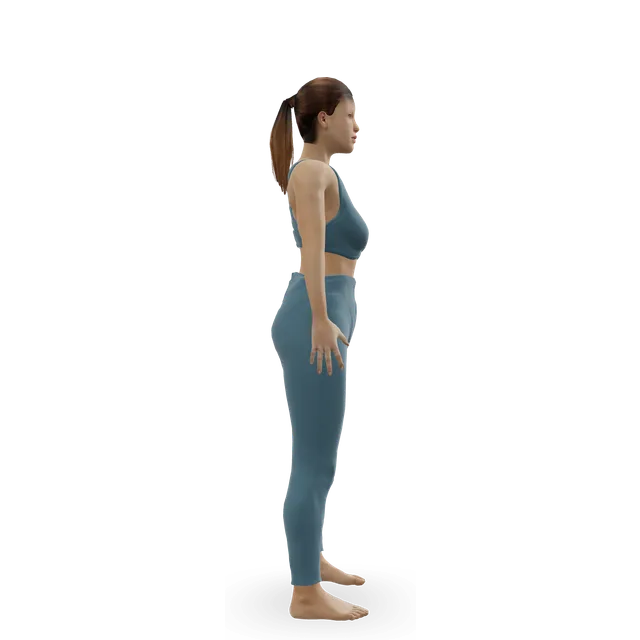
The movement on the figure: Ankle bounces (mini pogo)
The strength workout's isometric pushes, ankles, jumps, shapes and pelvic floor, and the rebounder workout's bounces and balance. Each has a 3D demo.
 3D demoWall sitBeginner · A wall
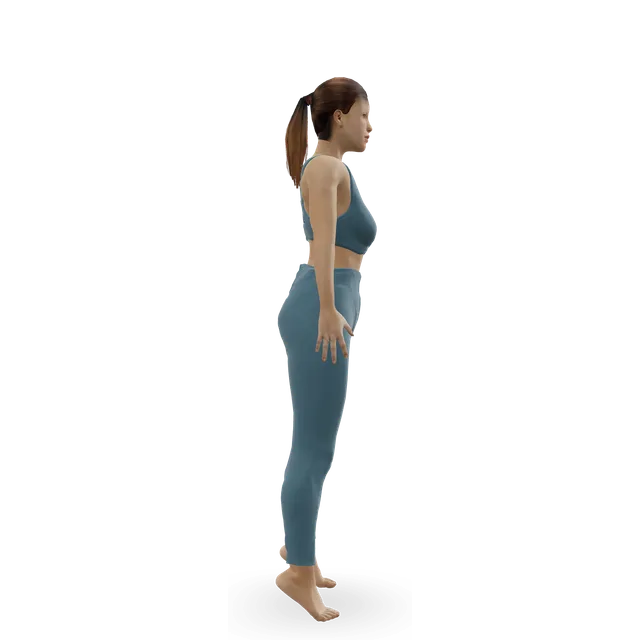 3D demoIsometric calf raise holdBeginner · A wall
 3D demoPogo hopsIntermediate · No equipment
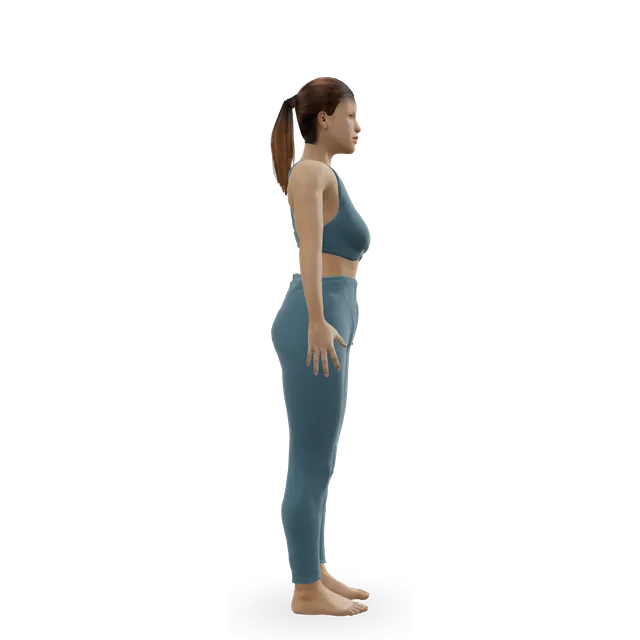 3D demoTuck jumpIntermediate · No equipment
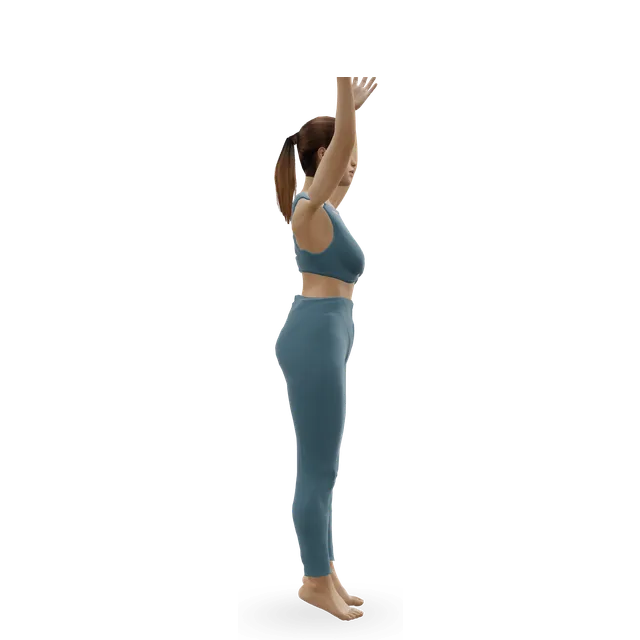 3D demoSnapdown to athletic landingBeginner · No equipment
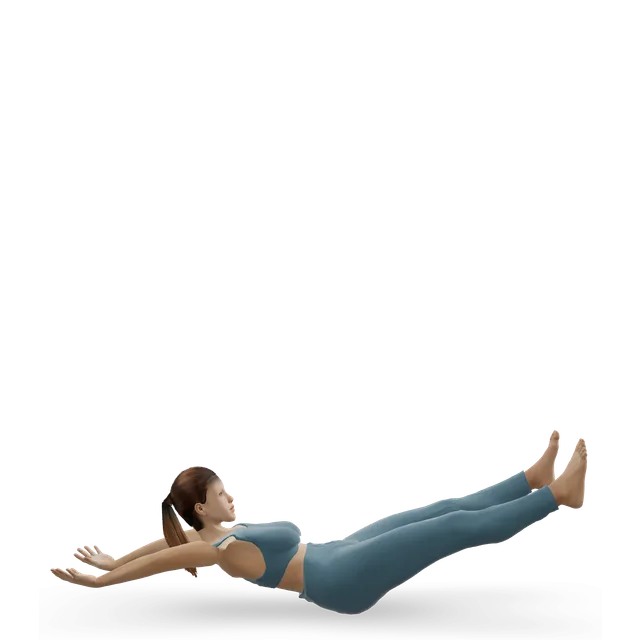 3D demoHollow body holdIntermediate · No equipment
 3D demoLocust pose (Salabhasana)Beginner · No equipment
 3D demoSide plankIntermediate · No equipment
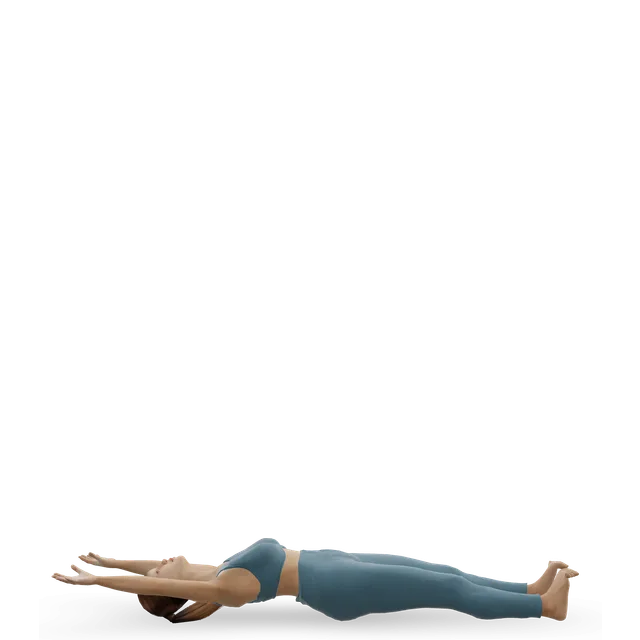 3D demoTuck-up (cocoon)Intermediate · No equipment
 3D demoPelvic floor exercise (Kegel)Beginner · No equipment
 3D demoAnkle bounces (mini pogo)Beginner · No equipment
 3D demoStep jack (low-impact jumping jack)Beginner · No equipment
 3D demoSingle-leg standBeginner · A wall
 3D demoStanding marchBeginner · No equipment
The first two are new: a strength workout for trampolinists and a beginner's rebounder workout. The others add gymnastics sessions, springy calf work, the pelvic floor, jumps, bone and balance training, low-impact cardio and light exercise after a concussion.
Strength for trampolinists: maximal isometric squat and calf pushes from one small study, pogo hops, tuck jumps, landings, trunk shapes and pelvic floor.
45 minIntermediate14 movesA wallA 30-minute rebounder session from the mini-trampoline trials: a gentle bounce, jacks, balance at the bar, squats, calf raises, then marching and jogging.
30 minBeginner11 movesA wallA gymnastics warm-up: skips, wrist circles and rocks, shoulder work, cat-cow, hollow and arch holds, leg swings, short splits holds and landings.
15 minBeginner18 movesA band, A wallA gymnastics conditioning session: jumps from the youth vault trial, landings, wrist and shoulder strength, wall handstands, and hollow and arch holds.
45 minIntermediate22 movesOther / check instructions, A stepA beginner's springy session: calf strength first, then heel drops, calf springs and gentle bounces, building towards skipping and pogo hops.
20 minBeginner11 movesA wall, A stepA 5-minute daily pelvic floor workout for women and men: slow holds and quick squeezes, three times a day, with how to find the right muscles.
5 minBeginner2 movesNo equipmentAn advanced jump training session: pogo hops, box jumps, split squat jumps, broad jumps and depth jumps.
30 minAdvanced8 movesA bench or box, A stepA staged jump session for 8 weeks: landings and small jumps, then box and broad jumps, then depth jumps, each followed by squats, hinges and calf work.
40 minIntermediate16 movesA step, A bench or boxImpact, strength and balance for stronger bones, following UK osteoporosis consensus advice, with options for every level.
40 minBeginner14 movesA kettlebell, Other / check instructionsA 40-minute strength and balance session for over-65s, built from the Otago home programme and NHS exercises, using a chair, a counter and a step.
40 minBeginner18 movesA bench or box, Something with weightBalance practice in 10 minutes: tandem stance, single-leg stands, marches, heel walks, tree pose and floor transfers.
10 minBeginner7 movesA wall, A bench or boxA 25-minute standing cardio circuit with no jumping: marching, step jacks, sit-to-stands, punches, step-ups and wall push-ups, with a seated option for most moves.
25 minBeginner9 movesA bench or box, A stepA 20-minute light session after a concussion: a symptom check, 10 to 15 minutes of easy cycling or walking, gentle bodyweight moves and a cool-down.
20 minBeginner8 movesCardio machine, A bench or boxRebounding fits into a weekly plan as one of your cardio or balance sessions; trampolinists add two strength sessions a week.
A 12-week exercise plan for over-65s: strength and balance three times a week, short balance sessions and daily walks, based on falls-prevention trials.
3 training days40 minBeginner3 days a weekA weekly plan for women over 50: strength, bone-loading and balance on 3 days plus walking, built on UK osteoporosis consensus advice.
3 training days45 minBeginner2 days a weekYour first four weeks: two, then three short strength sessions a week at home plus walks, building gently to a full routine.
2 training days20 minBeginner3 days a weekA 12-week calisthenics plan for beginners: three bodyweight sessions a week with push-up, pull-up, squat and dip ladders, and a bar if you have one.
3 training days40 minBeginnerThe PAR-Q+ (Physical Activity Readiness Questionnaire for Everyone) asks about a heart condition or high blood pressure, chest pain, dizziness or losing consciousness, other long-term conditions and their medicines, a bone or joint problem that activity could make worse, and being told to exercise only under supervision. If you answer yes to any, check with your doctor or a qualified exercise professional first. If you're over 45 and not used to hard exercise, ask a qualified exercise professional before the hardest sessions, and delay if you're ill.
Source 67
Not on full-size trampolines: RoSPA says not under 6, and the AAP says never under 6. RoSPA: not for toddlers at all, and from 3 to 6 only junior trampolines made for their age and size.
The lighter person is five times as likely to be hurt, and most toddlers' shin fractures from bouncing happened with several people bouncing. One at a time.
Failed backflips cause the worst injuries, including neck injuries. Learn in a club, from qualified coaches.
Adults with trampoline knee injuries had far higher odds of an ACL tear than children, and most adults in a trauma registry needed surgery. No alcohol, low and controlled bounces, and at parks, keep to the main courts until you're skilled (our suggestion).
Our Down syndrome guide explains that the Down's Syndrome Association says trampolining carries a higher risk of neck injury for everyone, and that the AAP advises all children to avoid trampolines unless in a supervised, structured programme.
Hunched rebounding has been followed by mid-back fractures. Get personal advice first and stand tall; our osteoporosis guide advises keeping impact low, such as brisk walking, with spinal fractures, and asking a physiotherapist before anything harder.
Source 10
The NHS advises avoiding trampolining with a pelvic organ prolapse. Leaking is common and treatable: see a pelvic health physiotherapist and our pelvic floor guide.
The NHS advises against sports or activities with a risk of falling or bumping your tummy. Trampolining carries that risk (our reading); talk to your midwife, and see our pregnancy guide for safer options.
Source 68
Injury risk peaked around the growth spurt and rose with training load. Tell the coach about joint or back pain, and follow the growth-spurt advice on our gymnastics page.
Source 40
Our epilepsy guide puts gymnastics among the sports where a seizure could injure you but not others; trampolining isn't named, and our reading is that it belongs in the same group. Never bounce alone (our suggestion).
If a neck injury is possible, don't move them: the UK guidelines say only healthcare professionals with the right training should. Call 999 (our suggestion). After any neck injury, the NHS says ask for an urgent GP appointment or get help from NHS 111 for tingling or pins and needles on one or both sides of the body, problems walking or sitting upright, a sudden "electric shock" feeling in the neck and back, or weak hands, arms or legs.
The NHS says to call 999 if someone has hit their head and:
Off the trampoline straight away, no return that day, and an assessment within 24 hours. British Gymnastics' red flags needing urgent medical attention include getting drowsier, growing more confused or irritable, repeated vomiting and severe neck pain.
Elbow, wrist and forearm fractures are the commonest serious trampoline injuries. Go to A&E or call 999 if the arm is numb, tingling or has pins and needles, a bone is sticking out, or it has changed colour or shape or is at an odd angle. Get help from NHS 111 if it's very painful, you can't use it, or the swelling or bruising is large or getting worse.
Get it checked: small children can break the top of the shin bouncing with others. The NHS: get help from NHS 111 if it hurts to put weight on the leg; call 999 or go to A&E if the leg is twisted or bent or a bone is sticking out.
Call 999 or go to A&E if you heard a crack, the joint has changed shape or points at an odd angle, it's numb or tingling, or the skin around it is blue or grey or cold. Get help from NHS 111 if you can't put any weight on it or walk more than a few steps. Go to A&E for a knee that has changed shape, swelled very quickly, or went with a pop or snap.
Call 999 or go to A&E for back pain after a serious accident, with pain, tingling, weakness or numbness in both legs, loss of feeling around your genitals or anus, or changes in your bladder or bowels. See a GP for back pain between the shoulder blades, and stop rebounding until you've been checked if it started after you began (our suggestion).
Call 999 if someone faints while exercising, or has chest pain that doesn't go away, spreads to the arms, neck, jaw, stomach or back, or comes with sweating, feeling sick, light-headedness or breathlessness.
Nets stop falls off, but RoSPA notes they don't prevent awkward landings on the bed, most children in a UK series were hurt without falling off, and injury rates didn't fall after nets came in.
RoSPA: more than half of trampoline accidents happen under supervision. It's the rules, one at a time and no somersaults, that a supervisor has to keep (our reading).
Children aged 2 to 5 broke the top of the shin bouncing with a heavier child or adult, and RoSPA says the lighter person is five times as likely to be hurt.
The 1980 NASA study measured body jolts and oxygen use in 8 young men; it didn't test fitness or "efficiency". Bouncing alone is fairly low in intensity.
We found no study of rebounding and lymph flow or "detox", so there's no evidence for the claim.
Seven people broke vertebrae in the middle of the back after starting hunched mini-trampoline workouts, and in the NASA study trampoline jumping jolted the back more than running did.
Children hurt at parks had more leg injuries and needed surgery more often than those hurt at home, though fewer had concussions.
It's common, and in former trampolinists 76% of those who leaked while trampolining still did years later, but pelvic floor training improved strength and leakage in female athletes.
They cause many children's injuries: in RoSPA's Oxford data the commonest serious ones were broken elbows, wrists and forearms, and head and neck injuries are the most serious. RoSPA's rules cut the risk: one person at a time, no somersaults unless trained, nets and pads, soft ground, and not for under-6s. The AAP and Canadian paediatricians go further and advise against trampolines at home.
RoSPA says trampolining isn't suitable for children under 6, and the AAP says children under 6 should never jump. Young children are most at risk of head cuts and of breaking the top of the shin when bouncing with others.
RoSPA says 60% of injuries happen when more than one person is on the trampoline, and the lighter person is five times as likely to be hurt. One person's landing can launch another, which the AAP calls the double bounce.
Nets stop falls off the trampoline, but not collisions, awkward landings or failed somersaults on the bed, and injury rates didn't fall after nets came in. Have one, but keep to one at a time and no somersaults.
Not clearly: children hurt at parks had more leg injuries and needed surgery more often, though fewer had concussions. The AAP advises waiting until your child is 6, going at quiet times and staying close.
Yes: recreational trampolining is about 6.3 METs and competitive trampolining 10.3. On a mini-trampoline, small trials found better balance, leg strength and walking in older adults, and better insulin resistance in type 2 diabetes.
We found no study of rebounding and lymph flow or detox. The trials measured balance, strength, walking and blood sugar.
No. NASA's 1980 study measured body jolts and oxygen use in 8 young men; it didn't compare fitness gains or efficiency. Bouncing alone is fairly low in intensity unless you add arm work.
In older women with low bone density, a 12-week mini-trampoline programme improved balance, strength, walking and fear of falling, though bone density didn't improve significantly more than in the comparison group. With spinal fractures, get personal advice first, and stand tall: hunched rebounding has been followed by fractures in the middle of the back.
Repeated landings load the pelvic floor: 80% of elite young trampolinists leaked during training. Pelvic floor training improved strength and leakage in female athletes, so see a pelvic health physiotherapist. With a prolapse, the NHS advises avoiding trampolining.
Exercise education for people who play sport, not a personal prescription or a diagnosis, and clinical review of these pages is pending. Check with a GP or physiotherapist before hard training if you have a heart condition, chest pain, dizziness or an injury that isn't settling, and stop for sharp or increasing pain. Health disclaimer.