Exercise guide

Exercise for Down syndrome: strength, fitness, the neck and the heart

Exercise is good for people with Down syndrome (also called Down's syndrome) in the same ways it's good for everyone, and strength training has some of the best evidence: in trials, supervised gym sessions twice a week made teenagers and adults stronger, with no serious side effects. Low muscle tone and loose joints are common, so the aim is stronger muscles and better control, not more stretching.

Two things are worth checking. About half of babies with Down syndrome are born with a heart condition, so ask the heart team what activity is safe. And the neck: UK and US guidance no longer recommends routine neck X-rays before sport for people without symptoms, but everyone should know the warning signs. Heart rate also runs lower in Down syndrome, so use the talk test rather than heart rate zones.

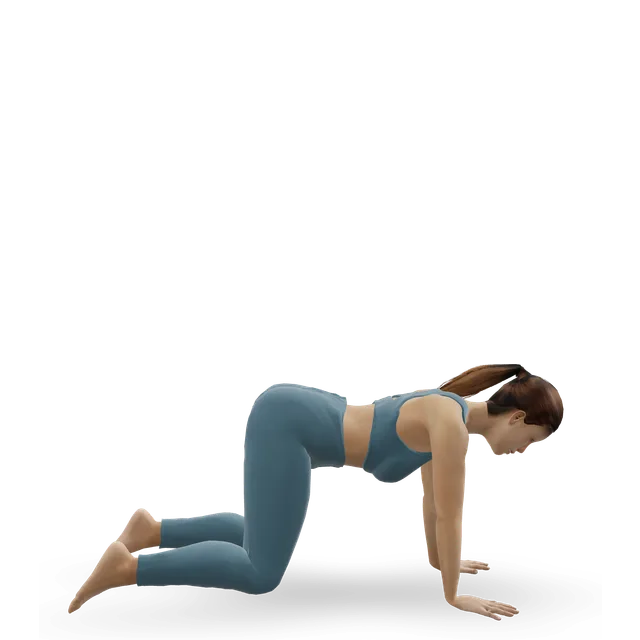
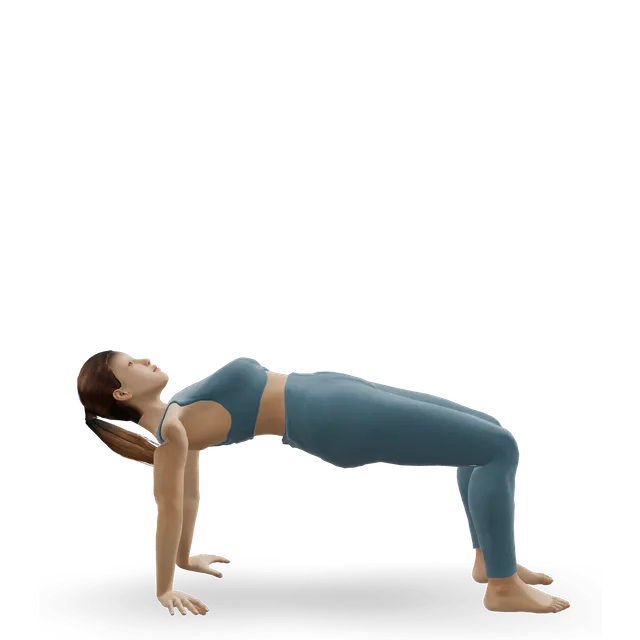
This guide covers the evidence, how much to do, strength training, loose joints, the neck, the heart, weight, Special Olympics and clubs, with moves and a gym routine to follow on the 3D figure.

The short version

Strength training works

Across 16 randomised trials, resistance training increased strength by a large amount and improved physical function, with no serious side effects. In the main trials, teenagers and young adults trained on gym machines twice a week for 10 weeks, with a buddy who did the routine too.

Sources 1, 2, 3

Fitness and balance improve too

Exercise programmes improved aerobic fitness in 10 trials, with no side effects reported, and balance improved in small, lower-quality studies.

Sources 4, 5, 6

Strength and control, not more stretching

Low muscle tone and loose ligaments are common, so joints need stronger muscles around them and better control, built up gradually, rather than more range. Our hypermobility guide uses the same approach.

Sources 7, 8, 9

The neck: a calm answer

Neck instability is more common in Down syndrome, but serious damage is rare. UK and US guidance advises against routine neck X-rays for people without symptoms, because X-rays don't predict who will have problems, and people without symptoms shouldn't be barred from normal sport. Learn the warning signs, and stop sport and see a doctor if any appear.

Sources 10, 11, 12, 13

Check the heart first

About half of babies with Down syndrome are born with a heart condition. If there was one, ask the heart team what level of activity is safe. Breathing difficulties, unusual tiredness, dizziness, faints or chest pain need a doctor, and fainting during exercise needs 999.

Sources 14, 15, 16

Use the talk test

Maximum heart rate is lower in Down syndrome, so heart rate zones from age-based formulas aim too high. If you can talk but not sing, you're working at a moderate effort.

Sources 17, 18, 19

Down syndrome and the body

What it is

Down syndrome is when you're born with an extra chromosome, usually by chance. People with Down syndrome have some level of learning disability and a wide range of abilities, and like everyone they have their own personalities, likes and dislikes. The Down's Syndrome Association says both "Down syndrome" and "Down's syndrome" are fine.

Sources 20, 21

How common it is

About 37,090 people had Down syndrome in England and Wales in 2011, and many are now in their 40s and 50s. In the US, about 5,775 babies are born with it each year, and average life expectancy there has risen from 25 years in 1983 to about 60.

Sources 22, 23, 24

Muscle tone and joints

Low muscle tone and loose ligaments make joints unusually flexible and harder to hold steady, which can affect posture and balance and raise the risk of dislocations. Loose ligaments are close to universal. Related problems include flat feet and ankles that roll in, kneecaps that slip (in 4% to 8%), hip problems and scoliosis.

Sources 7, 8

Strength and fitness

Muscle strength can be up to 50% lower than in peers, and work capacity and peak fitness are lower too, partly because maximum heart rate is lower, probably from differences in the nerves that control the heart.

Sources 3, 18

The heart

About half of children are born with a heart condition, most often a hole between the heart's chambers (a septal defect). Heart problems can also appear later, including valve disease in adults, and high pressure in the lung arteries (pulmonary hypertension) can develop even without a heart defect. Rates of high blood pressure and coronary heart disease seem lower than average.

Sources 14, 25, 12

Other conditions that affect activity

In children, obstructive sleep apnoea affects 50% to 79%, hearing loss about 75%, and thyroid disease about half by adulthood; autism affects 7% to 19%. About 2 in 100 people with Down syndrome have epilepsy, more if dementia develops. Dementia starts earlier, affecting nearly 9% of adults at 45 to 50 and nearly a third at 55 to 59, and menopause comes about 5 years earlier.

Sources 12, 24, 26, 27

Weight

Overweight and obesity affect between 23% and 70% of young people with Down syndrome in different studies, linked with a lower resting metabolic rate, appetite hormones, other conditions, diet and low activity. The Down's Syndrome Association adds an underactive thyroid, sleep apnoea and some medicines, and says weight gain isn't inevitable.

Sources 28, 27

What gets in the way of being active

In 17 studies of children and teenagers, ability, competing family demands, overprotective parenting, friends, local programmes and a lack of public support all shaped how active they were. Fewer inclusive programmes, transport and relying on family for lifts make it harder for adults too.

Sources 29, 30

What the evidence says

Effect sizes put different scales onto one: about 0.2 is small, 0.5 moderate and 0.8 or more large.

Strength training builds strengthStrong evidence

In a review of 16 randomised trials, resistance training increased strength by a large amount (effect size 1.88) and improved physical function (0.58), with no serious side effects; body measurements and aerobic fitness didn't clearly change. Other reviews agree: about 5.7 kg more upper-body and 20.4 kg more lower-body strength in 3 trials with 111 people, and bigger gains in younger people across 8 trials with 127 people.

Sources 1, 31, 32

The trials behind itEmerging evidence

20 adults (average age 27) did 6 machine exercises twice a week for 10 weeks: their upper-body endurance improved, with trends, not statistically clear, towards stronger arms and faster shelving of groceries. 23 teenagers did a student-led version, came to 90% of sessions and gained 36 kg more leg strength than the comparison group, with no major side effects. 68 young people aged 14 to 22 came to 92% of sessions, were stronger at 11 weeks, and at 24 weeks their legs were still stronger and they were more active. Their work tasks didn't change.

Sources 33, 34, 2

Aerobic fitnessEmerging evidence

In 10 randomised trials, exercise programmes raised peak oxygen uptake (effect size 0.69) and time to exhaustion (0.83), with no side effects reported, though results varied between trials. An earlier review of 10 trials found clearer effects on strength and balance than on aerobic fitness or body fat.

Sources 4, 35

BalanceMixed evidence

Across 11 studies at high risk of bias, exercise improved standing balance in children and overall balance in children and teenagers. Across 6 studies, postural control improved (effect size 0.67), with low certainty.

Sources 6, 5

AdultsEmerging evidence

In adults, combined exercise increased upper-body (effect size 0.74) and lower-body (0.56) strength, and aerobic exercise improved walking and balance, with low to moderate certainty. A review of 35 studies found aerobic and strength training improved fitness, strength, weight and body fat.

Sources 36, 37

Everyday lifeMixed evidence

A review of 19 varied studies (525 people aged 3 to 65) supported exercise for daily activities and taking part in life, but the studies were too different to combine. Strength training didn't clearly change walking or stair climbing in one review, or work tasks in the largest trial.

Sources 38, 32, 2

WeightEmerging evidence

Exercise programmes on their own haven't reliably reduced weight or fat in young people with Down syndrome, and resistance training didn't clearly change body measurements.

Sources 28, 1

How much to aim for

Children

An average of at least 60 minutes a day across the week, with activities that build muscles and bones. The UK guidelines for disabled children say 20 minutes a day brings good health benefits, built up slowly in bitesize chunks, with strength and balance activities 3 times a week.

Sources 39, 40

Adults

At least 150 minutes a week of moderate activity, plus strength and balance activities on at least 2 days. "Even a little movement is better than nothing."

Sources 41, 19

The Down's Syndrome Association's easy-read advice

"If you are under 18 you should exercise for 1 hour every day", and adults for 30 minutes on 5 days a week, broken into smaller amounts if that's easier. "Don't worry if you can't do much exercise right now." If you haven't exercised before, tell your doctor you want to start.

Source 42

A US expert summary

There are no official guidelines just for Down syndrome. An expert summary published by the US National Down Syndrome Society suggests at least 30 minutes of aerobic activity a day for children and teenagers, and for adults 150 minutes a week, strength 2 to 3 days a week (2 to 3 sets of 6 to 12), and balance and flexibility 2 to 3 days a week, done with care.

Source 30

A suggested week: our editorial starting point

Child who walks: active play, swimming or a sport most days, building towards an hour, with strength and balance games such as animal moves 3 times a week. Teenager or adult: 2 strength sessions (the gym routine below, or our hypermobility strength and control routine), 3 to 5 sessions of walking, swimming, dancing or sport at a talk-but-not-sing effort, building towards 150 minutes, and a few minutes of balance practice most days.

Sources 2, 40, 41, 6

Strength training: how to start

The trial routine

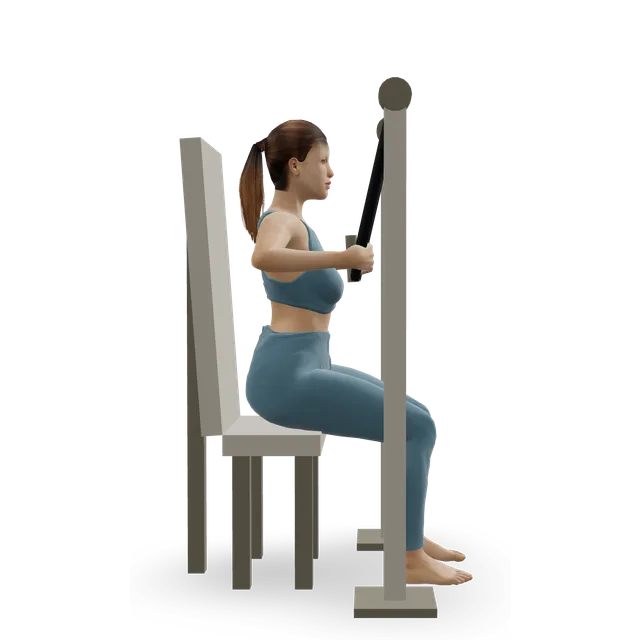
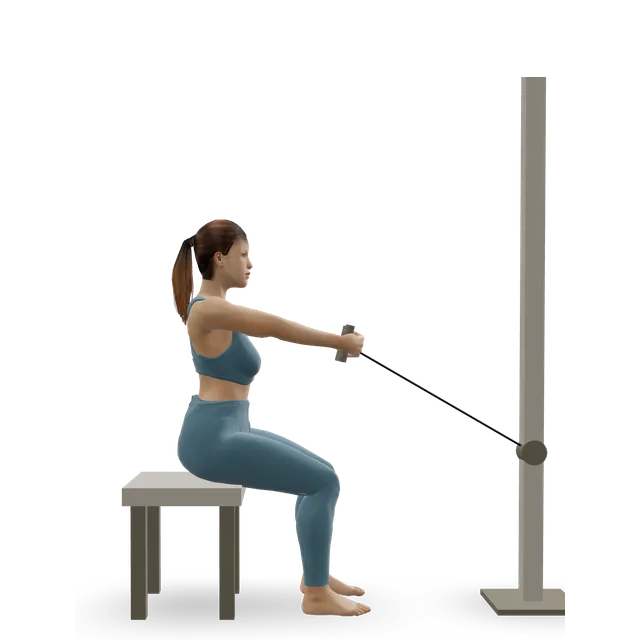
7 exercises on weight machines: 3 for the upper body (such as a pull-down, a chest press and a seated row), 3 for the lower body (such as a leg press, a knee extension and a seated calf raise) and 1 for the trunk. 3 sets of 12, at a weight that can be lifted only 12 times, twice a week. When 3 sets of 12 are possible, the weight goes up.

Sources 3, 2

Why machines

The trial used machines because "they are safer for novice participants than free weights". Bodyweight moves at home work too, and the moves below include both.

Source 3

Bring a buddy

In the trials, each young person trained with a student mentor who did the routine as well, doing their set while the other rested and counting together, because people with Down syndrome "are far more likely to exercise when a support person joins in". Attendance was over 9 in 10 sessions.

Sources 3, 2

Starting out: our editorial starting point

For the first 2 weeks, do 1 or 2 sets of 10 to 12 with a light weight while you learn each move, then build to 3 sets. The adult trial used 2 to 3 sets of 10 to 12. Demonstrate each exercise in more than one way and check it's done correctly before adding weight.

Sources 33, 9

At home

A physiotherapy programme designed for adults with Down syndrome starts with squats (15, with hand support at first), push-ups on the knees (10), bridges (10, holding each for 5 seconds) and hip lifts to the side (10 each side), plus balance work. It suggests strength work 2 to 3 times a week.

Source 8

Low muscle tone and loose joints

Strength and control first

Physiotherapy for Down syndrome focuses on strengthening the muscles around the joints and improving stability and coordination. The usual advice is to strengthen the core and the muscles that steady the hips, shoulders and knees, and a resistance training review advises extra care because of loose joints and lower bone density.

Sources 7, 8, 9

Move in the middle of the range

Do stretches and flexibility work with care, and favour moving through a comfortable range over long, deep stretches. Our editorial rule, as in our hypermobility guide: don't lock your knees or elbows or push into the end of a joint's range.

Sources 30, 8

Feet and ankles

Flat feet and ankles that roll in are common. Flat feet don't usually need treatment if they're painless; if they hurt, insoles can help, and many people wear supportive footwear. Our foot and ankle routine and flat feet guide can help.

Source 7

Hips and knees

Kneecaps that slip and hip problems are more common. In teenagers, new knee pain with a limp can come from the hip and needs a doctor the same day (see warning signs).

Sources 7, 8

The neck: what UK and US guidance says

What neck instability is

Loose ligaments and low muscle tone can let the top two bones of the neck move more than usual (atlanto-axial instability). Depending on the study, 10% to 27% of people with Down syndrome have signs of extra movement on X-rays, but symptoms are much rarer (1% to 2% of children), and about 1% need an operation.

Sources 11, 10, 12

Why routine X-rays stoppedStrong evidence

Neck X-rays are unreliable and don't predict who will have problems, and a normal X-ray doesn't rule out problems later, so the UK changed its advice in 1995. In a 1993 trial, 91 children whose X-rays showed extra movement were split between carrying on with their usual sport and avoiding "risky" sports; after a year there were no differences between the groups.

Sources 10, 11, 43

Without symptoms, take partStrong evidence

UK specialists say people without symptoms "should not be barred from normal sporting activities", with good supervision as for any sport. The American Academy of Pediatrics (AAP) doesn't recommend routine X-rays for children without symptoms, and the US adult guideline says the same for adults: although about 1 in 10 adults has atlanto-axial instability, they don't have a higher risk of spinal cord injury.

Sources 10, 11, 12, 13, 24

The warning signs

Stop sport and see a doctor if any of these appear; get an urgent appointment if they come on suddenly:

  • Pain anywhere along the neck, or a stiff neck that doesn't get better quickly.
  • An unusual head position, such as a tilted head.
  • A change in walking, unsteadiness, or tiring more easily when walking.
  • Hands becoming clumsier.
  • Difficulty holding the head up, nodding or turning it.
  • Weakness in the arms or legs, or new bladder or bowel problems.

Sources 11, 10, 12

Trampolines and contact sport: UK and US advice side by side

The two differ in strength. The UK's Down's Syndrome Association says trampolining, diving, contact sports and high jump carry a higher risk of neck injury for everyone, and that there's no evidence a mini-trampoline, early horse riding or forward rolls carry more risk for a child with Down syndrome and no symptoms. The AAP goes further: it says all children, with or without Down syndrome, should avoid trampolines unless in a supervised, structured programme, and that contact sports such as American football, soccer and gymnastics put children at risk of spinal cord injury.

Sources 11, 12

Special Olympics and sports bodies: check with your programme

Special Olympics asks for a medical examination of all athletes, and the Down's Syndrome Association says British Gymnastics and Special Olympics need medical clearance. Rules vary between programmes. Special Olympics Ireland, for example, doesn't allow athletes with Down syndrome to do butterfly stroke, diving starts, high jump, squat lifts, artistic gymnastics, football and some other events unless a doctor's examination, including neck X-rays, finds no instability, or, if it does, the athlete or a parent accepts the risks in writing and two medical professionals confirm they've explained them. Ask your club or Special Olympics programme what they need before you enter.

Sources 12, 11, 44

At home: leave out moves that load the neck

Our suggestion, from the advice on neck instability: leave out headstands, shoulderstands, the plough and Pilates roll-overs, which put body weight through the head and neck, unless a doctor has checked your neck. There's no direct evidence about these moves; Special Olympics Ireland restricts activities that put direct pressure on the neck or upper spine.

Sources 11, 44

The heart: what to check first

Before starting

Find out whether there was a heart condition at birth, what it was, whether it was repaired, and whether there's high pressure in the lung arteries. If you're under a heart team, ask them what a safe level of activity is for you. Children should have had a heart scan (echocardiogram) by 6 weeks of age, so most families will know.

Sources 15, 14, 25

Teenagers and adults

From adolescence, the doctor should listen to the heart at routine checks, because valve problems can develop later, and the Down's Syndrome Association says everyone with Down syndrome aged 14 and over is entitled to a free Annual Health Check with their GP. Increasing tiredness, breathlessness on exertion or a new heart murmur need a heart scan. Adults with a heart condition should be followed in an expert centre.

Sources 14, 12, 25

Heart rate and the talk test

In a study of 276 people with an intellectual disability, 97 of them with Down syndrome, having Down syndrome lowered the predicted maximum heart rate by about 15.5 beats a minute, after allowing for age. So heart rate zones from age-based formulas, including our heart rate calculator, aim too high. Use the talk test instead: talking but not singing is moderate. Our suggestion: only use a heart rate target if a doctor or physiotherapist has set it from an exercise test.

Sources 17, 18, 19

Activity is encouragedStrong evidence

An international expert consensus says "Regular physical activity should be encouraged in all those with DS" (Down syndrome) to support weight management and improve heart fitness and quality of life, with exercise capacity checked from time to time in people with heart disease or high lung pressure.

Source 25

Weight and activity

What exercise does and doesn't do

Exercise builds strength and fitness, but on its own it hasn't reliably reduced weight in young people with Down syndrome. Food, sleep, health checks and activity work together.

Sources 28, 1

What helps

The Down's Syndrome Association suggests simple, regular meals, visual meal plans and portion guides, water instead of sugary drinks, involving the person in planning and cooking, and fun activity built on their interests. Track small wins, such as steps or swapped snacks, and "avoid focusing too heavily on weight numbers".

Source 27

Health checks

If weight is rising, ask about the thyroid and about sleep apnoea, which are both common. The US guidelines ask for weight checks and encourage healthy eating and regular exercise for children and adults.

Sources 27, 13, 12

Making it work and joining in

Show it, and check

Demonstrate each exercise and check it's done correctly. Hearing and vision problems are common, so our suggestion is to face the person, use short, clear instructions and add visual cues.

Sources 9, 12

Make it part of family life

Do activities together so no one feels singled out, celebrate effort, and track active days with stickers or a calendar. The Down's Syndrome Association often hears about weight gain when adults leave home, so building enjoyable active habits early helps.

Sources 30, 45

Don't hold back

Overprotective parenting is one of the things that keeps children with Down syndrome less active. For children without neck symptoms, normal sport is encouraged.

Sources 29, 10, 11

Clubs and sport

The Down's Syndrome Association's DSActive programme supports people to take part "at all levels of ability from local community participation through to national and international level", and DSEngage runs free online sessions. Special Olympics GB offers 27 sports, training from age 6, competition from age 8 and a Young Athletes Programme for 2 to 7 year olds. Your local council can tell you about activities nearby.

Sources 46, 47, 48, 49, 50

Gym strength: the trial routine

Twice a week, 3 sets of 12, adding weight once 3 sets of 12 are possible, as in the trials. For the first 2 weeks, 1 or 2 sets while you learn each move (our editorial starting point).

Strength at home

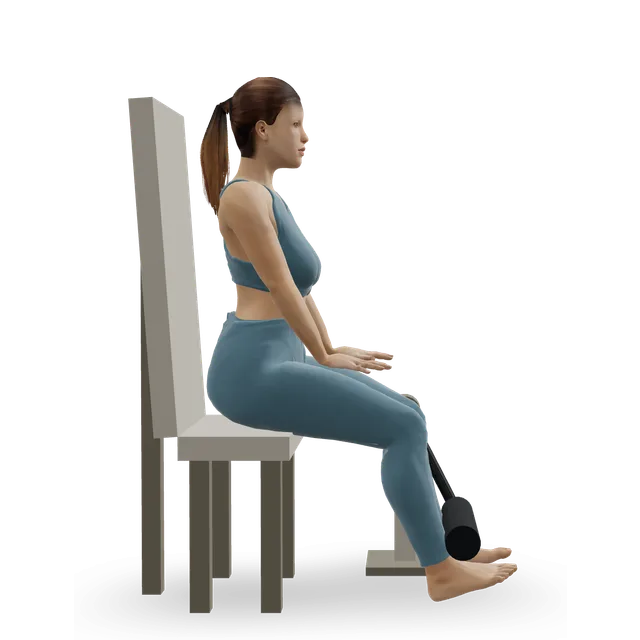
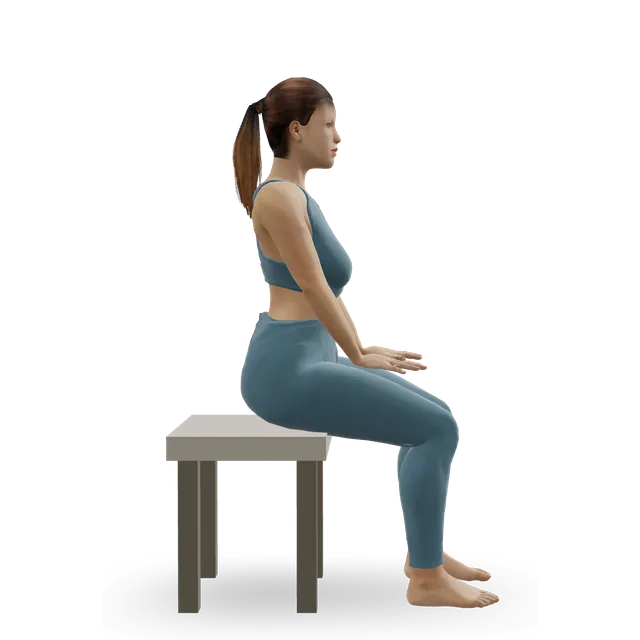
2 to 3 times a week. Start with sit-to-stands (15, holding on at first) and bridges (10, holding each for 5 seconds), as in a physiotherapy programme for adults with Down syndrome.

Balance

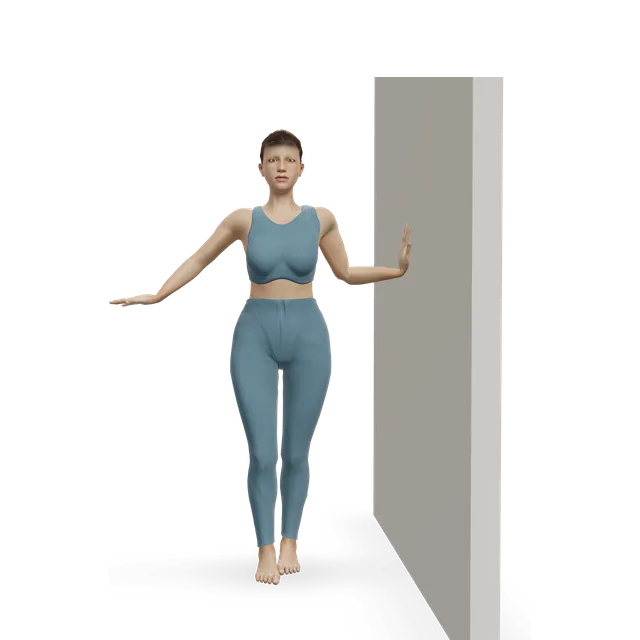
Next to a counter or rail, a few minutes most days: 3 holds of 10 seconds each side to start (our editorial starting point).

Cardio

Use the talk test, not heart rate zones. Build towards 30-minute sessions (our editorial starting point).

Gentle mobility

Move gently through a comfortable range. Our suggestion: leave out headstands, shoulderstands, the plough and Pilates roll-overs unless a doctor has checked your neck.

Workouts to follow

Start with the gym routine from the trials twice a week, or the hypermobility strength and control routine at home. The chair workout suits adults who are less mobile.

Strength workout for Down syndrome: a gym routine with a training buddy

The gym routine from the Down syndrome strength trials: 7 machine exercises for arms, legs and trunk, done with a buddy twice a week, and a balance finish.

40 minBeginner11 movesCardio machine, A cable machine

Hypermobility exercises: a strength and control routine

A 25-minute low-load routine for hypermobile joints: hip, trunk and shoulder control plus balance, done slowly in the middle of your range.

25 minBeginner15 movesA bench or box, A wall

Animal moves for kids: a 15-minute active play workout

Fifteen minutes of animal moves, jumps and balance games for children, building the muscle- and bone-strengthening activity they need, with nothing to buy.

15 minBeginner16 movesA wall

Foot and ankle strengthening routine: toes, arches, calves and balance

A 15-minute barefoot routine for stronger toes, arches, calves and ankles, finishing with balance. You need only a towel, a wall and a resistance band.

15 minBeginner11 movesA wall, Other / check instructions

Beginner home workout

A gentle 20-minute beginner home workout with a chair, a wall and a band: sit-to-stands, wall push-ups, band rows, step-ups and dead bugs.

20 minBeginner11 movesA bench or box, A wall

Balance exercises routine

Balance practice in 10 minutes: tandem stance, single-leg stands, marches, heel walks, tree pose and floor transfers.

10 minBeginner7 movesA wall, A bench or box

Low-impact cardio workout (no jumping)

A 25-minute standing cardio circuit with no jumping: marching, step jacks, sit-to-stands, punches, step-ups and wall push-ups, with a seated option for most moves.

25 minBeginner9 movesA bench or box, A step

Easy cardio workout

A steady 30 to 45 minute cardio session at talk-but-not-sing pace: walk, cycle, row or cross-train, counting toward weekly activity guidelines.

40 minBeginner3 movesCardio machine, A wall

Chair exercises for seniors: a seated workout

A 20-minute seated workout for older adults who cannot stand for long: marching, leg and arm strength, posture, and sit-to-stands that lead back to standing.

20 minBeginner11 movesA bench or box, Something with weight

Follow a plan

A weekly structure helps, especially with a buddy.

Warning signs: when to stop and get help

Call 999 (911 in the US)

  • Chest pain that feels tight or heavy or spreads to the arms, neck or jaw, or severe difficulty breathing.
  • Lips, tongue, face or skin suddenly turning blue or grey, confusion or dizziness, or a heartbeat that's very fast or irregular.
  • Fainting while exercising.
  • After a fall, if they may have hurt their head, neck or back, or can't get up. Don't try to lift them; keep them warm.

Sources 51, 15, 16, 52

Urgent appointment the same day

  • Neck warning signs that come on suddenly.
  • A teenager with new hip, thigh or knee pain and a limp, or who won't put weight on a leg: a slipped upper thigh bone at the hip (slipped upper femoral epiphysis) is more common in Down syndrome and needs treatment quickly.

Sources 11, 7

Stop sport and see a doctor

If any neck warning signs appear (see the neck section above). The Down's Syndrome Association says any parent, carer or coach with concerns "must refer the person for medical assessment". In adults, these changes can be wrongly put down to dementia.

Sources 11, 10, 12

See a GP or the heart team

  • Breathing difficulties, unusual tiredness, dizziness or faints, or chest pain.
  • Increasing tiredness or breathlessness when active, or a new heart murmur.
  • Snoring or sleepiness in the day, which can be sleep apnoea, or weight gain and tiredness, which can be an underactive thyroid.

Sources 14, 12

Stop exercising

For chest pain, dizziness or unusual breathlessness, and don't start again that day (our suggestion). Support: the Down's Syndrome Association helpline is 0333 1212 300.

Sources 51, 16, 11

Myths

"People with Down syndrome need a neck X-ray before they can do sport"Strong evidence

Not without symptoms: the UK stopped recommending it in 1995 because X-rays don't predict who will have problems, and US guidance agrees for children and adults. In a trial, children with worrying X-rays who carried on with sport did no worse. Some sports bodies and Special Olympics programmes still ask for medical checks before particular events, so check the rules.

Sources 11, 10, 12, 13, 43, 44

"Exercise is risky with Down syndrome"Strong evidence

In strength and fitness trials there were no serious side effects. The UK guidelines say no evidence suggests appropriate activity is a risk for disabled adults, and the World Health Organization says there are "no major risks" when activity suits the person. What matters is knowing the neck and heart warning signs.

Sources 1, 4, 53, 54

"Weights are too much for people with Down syndrome"Strong evidence

Machine training twice a week made adults, teenagers and young people stronger in randomised trials, with high attendance and no major side effects, and strength rose by a large amount across 16 trials.

Sources 33, 34, 2, 1

"Stretching is the answer to floppy muscles"Emerging evidence

Low muscle tone with loose ligaments means joints need stability, not more range. Physiotherapy focuses on strengthening the muscles around the joints, and flexibility work should be done with care.

Sources 7, 8, 30

"Weight gain is inevitable"Emerging evidence

The Down's Syndrome Association says it isn't. But exercise alone rarely shifts weight in young people with Down syndrome: food, sleep, thyroid checks and activity work together.

Sources 27, 28

"Heart rate zones work the same way"Emerging evidence

Maximum heart rate is lower in Down syndrome, so standard formulas set targets too high. Use the talk test.

Sources 17, 18, 19

Questions people ask

What is the best exercise for Down syndrome?

A mix of strength training, activity that makes you breathe faster, and balance work, built around what you enjoy. Strength training has the strongest evidence: in trials, gym sessions twice a week made people stronger, with no serious side effects. Swimming, cycling and walking are good for muscles and joints, and dancing and sport count too.

How much exercise should someone with Down syndrome do?

The same as anyone: children an average of about an hour a day, and adults 150 minutes a week of moderate activity plus strength and balance work on at least 2 days. The UK guidelines for disabled children say 20 minutes a day brings good health benefits, built up slowly. The Down's Syndrome Association's easy-read advice is 1 hour a day for under-18s and 30 minutes, 5 days a week, for adults.

Is strength training safe for people with Down syndrome?

Yes, when it's supervised and built up gradually. Across 16 trials, strength training increased strength by a large amount and improved physical function, with no serious side effects. In the main trials, people trained on gym machines twice a week for 10 weeks, doing 3 sets of 12 and adding weight once 3 sets of 12 were possible.

Does someone with Down syndrome need a neck X-ray before sport?

Not if they have no symptoms. UK specialists stopped recommending routine neck X-rays in 1995 because they don't predict who will have problems, and US guidance agrees. Some sports bodies and Special Olympics programmes need medical clearance, and some still ask for X-rays before particular events, so check with your programme.

What is atlanto-axial instability, and what are the warning signs?

It means the top two bones of the neck move more than usual, because ligaments are looser in Down syndrome. It shows on X-rays in 10% to 27% of people but causes problems in very few. Stop sport and see a doctor for neck pain, a stiff neck that doesn't settle, a tilted head, changes in walking, clumsier hands, or new bladder or bowel problems; get an urgent appointment if they come on suddenly.

Are trampolines and contact sports safe with Down syndrome?

UK and US advice differ in strength. The UK's Down's Syndrome Association says trampolining, diving, contact sports and high jump carry a higher neck-injury risk for everyone, with no evidence of extra risk from a mini-trampoline for a child without symptoms. The American Academy of Pediatrics advises all children to avoid trampolines unless in a supervised programme, and says contact sports carry a risk of spinal cord injury. With any neck symptoms, stop sport until a doctor has checked you.

Can you exercise with Down syndrome and a heart condition?

Usually yes, but ask your heart team what level of activity is safe for you. About half of babies with Down syndrome have a heart condition, and teenagers and adults should have their heart checked regularly, because valve problems can appear later. See a doctor for breathing difficulties, unusual tiredness, dizziness or chest pain, and call 999 if someone faints during exercise.

Why does heart rate stay low during exercise with Down syndrome?

People with Down syndrome have a lower maximum heart rate, probably because of differences in the nerves that control the heart. That means heart rate zones from age-based formulas aim too high. Use the talk test instead: if you can talk but not sing, you're working at a moderate effort.

Will exercise help with weight loss in Down syndrome?

It helps fitness, strength and health, but exercise programmes on their own haven't reliably reduced weight in young people with Down syndrome. A lower resting metabolic rate, thyroid problems and sleep apnoea all play a part, so food, sleep and health checks matter too. The Down's Syndrome Association suggests tracking small wins rather than focusing on the scales.

Do low muscle tone and loose joints change how to exercise?

Yes: the usual advice is to strengthen the core and the muscles that steady the joints, the same strength-and-control-first approach as our hypermobility guide. Build up slowly, do flexibility work with care, and favour a comfortable range over deep stretches. Insoles can help if flat feet hurt.

Can people with Down syndrome do Special Olympics?

Yes. Special Olympics is open to anyone with an intellectual (learning) disability, not only people with Down syndrome, and it asks for a medical examination of all athletes. Rules about the neck vary: Special Olympics Ireland, for example, restricts events such as butterfly stroke, diving starts, high jump and football until a doctor has checked the neck. Ask your local programme what they need.

Where can people with Down syndrome find sport and activities?

The Down's Syndrome Association's DSActive programme supports people to join sessions from local clubs to international sport, and DSEngage runs free online sessions. Special Olympics GB offers 27 sports, competition from age 8 and a Young Athletes Programme for 2 to 7 year olds. Your local council can tell you about activities nearby.
Sources

  1. Benzo Iglesias 2026 · Resistance training in Down syndrome: 16 trials (meta-analysis, Journal of Applied Research in Intellectual Disabilities)
  2. Shields 2013 · Community strength training in 68 young people with Down syndrome (RCT, Research in Developmental Disabilities)
  3. Shields 2010 · The programme for a strength training trial in young people with Down syndrome (trial protocol, BMC Pediatrics)
  4. Bahiraei 2023 · Exercise and fitness of the heart and lungs in Down syndrome: 10 trials (meta-analysis, Preventive Medicine Reports)
  5. Zolghadr 2025 · Exercise and postural control in Down syndrome: 6 studies (meta-analysis, BMC Sports Science, Medicine and Rehabilitation)
  6. Maïano 2019 · Exercise and balance in children and teenagers with Down syndrome: 11 studies (systematic review, Physical Therapy)
  7. Down's Syndrome Association 2025 · Musculoskeletal issues and Down's syndrome (Health Series)
  8. Mann 2023 · A physiotherapy-based exercise programme for adults with Down syndrome (programme development, International Journal of Environmental Research and Public Health)
  9. Melo 2022 · Resistance training and Down syndrome: prescription and safety (narrative review, Frontiers in Physiology)
  10. Down Syndrome Medical Interest Group 2012 · Neck (cervical spine) instability: UK medical surveillance guidance
  11. Down's Syndrome Association · Neck instability in people who have Down's syndrome (Health Series)
  12. Bull 2022 · Health supervision for children and adolescents with Down syndrome (American Academy of Pediatrics clinical report, Pediatrics)
  13. Global Down Syndrome Foundation 2020 · Medical care guidelines for adults with Down syndrome: checklist
  14. Down's Syndrome Association · The heart and circulation
  15. NHS · Congenital heart disease
  16. NHS · Fainting
  17. Fernhall 2001 · Predicting maximum heart rate in 276 people with intellectual disability, 97 with Down syndrome (exercise testing study, Medicine and Science in Sports and Exercise)
  18. Fernhall 2013 · Why work capacity is lower in Down syndrome (review, Exercise and Sport Sciences Reviews)
  19. UK Chief Medical Officers 2019 · Physical activity for disabled adults (text of the infographic, updated July 2026)
  20. NHS · What is Down's syndrome? (reviewed February 2023)
  21. Down's Syndrome Association · About Down's syndrome
  22. Wu 2013 · How many people have Down's syndrome in England and Wales (population estimate, European Journal of Human Genetics)
  23. CDC · About Down syndrome (2026)
  24. Bunt 2022 · Medical care for adults with Down syndrome: the Global Down Syndrome Foundation guideline (guideline summary, American Family Physician)
  25. Dimopoulos 2023 · Heart and circulation problems in Down syndrome (scoping review and expert consensus, Circulation)
  26. Epilepsy Action · Epilepsy and learning disabilities
  27. Down's Syndrome Association 2025 · Weight and people who have Down's syndrome (Health Series)
  28. Bertapelli 2016 · Overweight and obesity in children and teenagers with Down syndrome (review, Research in Developmental Disabilities)
  29. Yang 2026 · What shapes physical activity in children and teenagers with Down syndrome: 17 studies (mixed-methods review, Journal of Intellectual Disability Research)
  30. National Down Syndrome Society (US) · Physical activity and Down syndrome
  31. Iglesias-Díaz 2025 · Strength training in Down syndrome: 10 trials (meta-analysis, Journal of Intellectual Disability Research)
  32. Kuo 2024 · Resistance training in Down syndrome: 8 trials, 127 people (meta-analysis, Diagnostics)
  33. Shields 2008 · Strength training in 20 adults with Down syndrome (RCT, Archives of Physical Medicine and Rehabilitation)
  34. Shields 2010 · Student-led strength training in 23 teenagers with Down syndrome (RCT, Journal of Physiotherapy)
  35. Li 2013 · Exercise and fitness in Down syndrome: 10 trials (systematic review, International Journal of Rehabilitation Research)
  36. Méndez-Martínez 2023 · Exercise and movement in adults with Down syndrome: 16 studies (meta-analysis, Scientific Reports)
  37. Ballenger 2023 · Physical activity programmes in adults with Down syndrome: 35 studies (systematic review, Adapted Physical Activity Quarterly)
  38. Hardee 2017 · Exercise, daily activities and taking part in life with Down syndrome: 19 studies (systematic review, Research in Developmental Disabilities)
  39. NHS · Physical activity guidelines for children and young people
  40. UK Chief Medical Officers 2022 · Physical activity for disabled children and disabled young people (text of the infographic)
  41. NHS · Physical activity guidelines for adults aged 19 to 64
  42. Down's Syndrome Association · Good exercise routine (easy read)
  43. Cremers 1993 · Sport and neck instability in 91 children with Down's syndrome (cluster-randomised trial, Lancet)
  44. Special Olympics Ireland 2023 · Atlanto-axial instability: information, and the rules for athletes with Down syndrome
  45. Down's Syndrome Association · Lifestyle and weight
  46. Down's Syndrome Association · DSActive and DSEngage
  47. Special Olympics GB · The sports we offer
  48. Special Olympics GB · Become a Special Olympics GB athlete
  49. Special Olympics GB 2020 · Eligibility criteria
  50. NHS · Down's syndrome: support for adults (reviewed February 2023)
  51. NHS · Heart attack
  52. NHS · Falls
  53. UK Chief Medical Officers 2019 · Physical activity guidelines (updated July 2026, GOV.UK)
  54. Bull 2020 · World Health Organization 2020 guidelines on physical activity and sedentary behaviour (BJSM)

Exercise education, not a diagnosis or treatment plan, and clinical review of these guides is pending. Stop and get advice for chest pain, unusual breathlessness, dizziness or fainting, or new pain, and check with your doctor or midwife first if they have told you to limit activity. Health disclaimer.