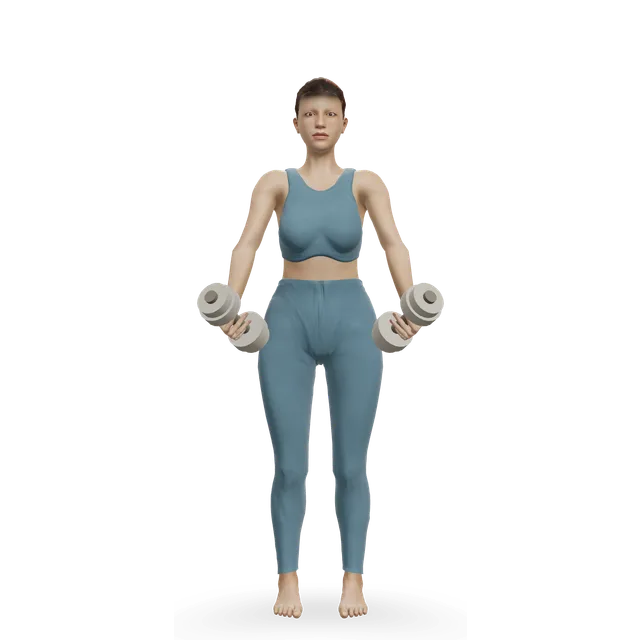
Exercise guide

Exercise for hypermobility: strength and control for hypermobile joints, HSD and EDS

Lots of people have joints that bend further than usual, and on its own that isn't a problem. When it comes with pain, sprains, joints that slip out, tiredness or dizziness, it may be hypermobility spectrum disorder (HSD) or hypermobile Ehlers-Danlos syndrome (hEDS). The main treatment for both is the same: building muscle strength and fitness so your joints are better protected.

The research is thin. The trials are small and few compare exercise with no exercise, though in them people improved over time and harms were rare. Each piece of evidence below is graded so you can see how firm it is.

This guide covers the Beighton score, why strength and control matter more than stretching, pacing and flares, exercising with dizziness or postural tachycardia syndrome (PoTS), the activities that need care, and when to see a GP. It ends with a 25-minute strength and control routine you can follow with 3D demos.

The short version

Bendy isn't a problem on its own

Being flexible or double-jointed is common: estimates run from about 1 in 30 people to nearly 1 in 5, depending on how it's measured. It only needs treating when it causes symptoms, such as pain, sprains, joints that slip out, or tiredness. A diagnosis of HSD or hEDS is much rarer: about 1 in 500 people in Wales have one recorded.

Sources 1, 2, 3, 4

Strength first, not more stretching

The NHS says the main treatment is "improving muscle strength and fitness so your joints are better protected", and not to overextend your joints just because you can. The Ehlers-Danlos Society recommends exercises for movement control and for the muscles that steady a joint, at a low load to begin with: start low and go slow.

Sources 5, 6

Small trials, but people improve

Reviews find that people with hypermobility improve with exercise over time, but there's little proof that one type beats another, or beats no treatment. In the largest trial, of 100 adults with hypermobile shoulders, heavier strengthening did a little better than light exercise at 16 weeks, but by less than people usually notice, and the difference had gone by a year. Harms from exercise were rare.

Sources 7, 8, 9, 10

Balance and joint sense can be trained

People with hypermobility often have a poorer sense of where their legs are, and many describe feeling clumsy and falling more. In 3 of 4 small studies, exercise improved joint sense, so balance work belongs in most sessions.

Sources 11, 12, 8

Pace yourself, and adapt for dizziness

Take regular breaks, avoid long repetitive tasks, and build up slowly. PoTS, where your heart races and you feel dizzy when you stand up, is more likely with hypermobility. It changes how you exercise rather than whether: start lying down or seated, drink water first, keep cool and cool down slowly.

Sources 5, 13, 14, 15

Some activities need more care

With unstable joints, the Ehlers-Danlos Society advises avoiding high-impact activities such as running and jumping, combat and high-contact sports, and sports that focus on flexibility, at least until you have the strength and control for them. Vascular Ehlers-Danlos syndrome (vascular EDS), a rare type that affects the blood vessels, needs low-intensity exercise only.

Sources 6, 16

Hypermobility, HSD and hEDS

Joint hypermobility

Joint hypermobility means a joint moves further than expected. It can affect many joints, just the hands and feet, or a single joint. Being flexible, bendy or double-jointed "is not usually a problem", and hypermobility without symptoms doesn't need treating. The trouble starts when a hypermobile joint is also unstable.

Source 1

Hypermobility spectrum disorders (HSD)

HSD is hypermobility that causes problems when no other condition explains it. The problems include joints that partly slip out (subluxations) or come right out (dislocations), sprains and other soft tissue injuries, long-term pain, and a poor sense of where your body is.

Sources 1, 17

Ehlers-Danlos syndromes (EDS)

There are 13 types of EDS, inherited conditions that affect the body's connective tissue, and hypermobile EDS is the most common. No test confirms hEDS: it's diagnosed from your history and an examination. The rarer types are confirmed with genetic tests. Vascular EDS, which affects the blood vessels and internal organs, is rare and changes the exercise advice.

Sources 2, 18

Joint hypermobility syndrome

Joint hypermobility syndrome is an older name. The Ehlers-Danlos Society calls it outdated: most people who were given it would now be diagnosed with hEDS or HSD. The NHS still uses the term. Treatment is the same for HSD and hEDS.

Sources 1, 5, 2

The Beighton score

This 9-point check scores 1 point for each little finger that bends back past 90 degrees, each thumb that reaches the forearm, each elbow and each knee that bends back more than 10 degrees, and 1 for putting your palms flat on the floor with straight knees. A score of 5 or more suggests generalised hypermobility in adults, 6 or more in children before puberty, and 4 or more over 50.

It's a screening check, not a diagnosis. It doesn't test the shoulders, hips, ankles, jaw or neck, and a hypermobile joint that has been injured can look stiff. A 5-question check points to hypermobility if you answer yes to 2 or more: can you, or could you ever, put your palms flat on the floor with straight knees, or bend your thumb to your forearm; could you do party tricks or the splits as a child; did a kneecap or shoulder dislocate more than once when you were a child or teenager; and do you think of yourself as double-jointed?

Sources 19, 1, 20

How common it is

Estimates depend on how hypermobility is measured: about 1 in 30 people (the NHS), about 1 in 10 (the Hypermobility Syndromes Association, HMSA), up to about 20% of adults (the Ehlers-Danlos Society), and 18.3% of 12,853 adults who answered a UK questionnaire survey. In that survey, hypermobility was only modestly linked with pain. Diagnoses are much rarer: in Wales in 2016 to 2017, 194 in every 100,000 people had a recorded diagnosis of EDS or joint hypermobility syndrome, about 10 people in a typical GP practice of 5,000.

Sources 2, 21, 1, 3, 4

Why hypermobile joints cause trouble

The ligaments are weaker because the collagen that strengthens them is different. When the muscles can't hold a joint steady, the joint relies on those ligaments and can slip. The Ehlers-Danlos Society lists changes in muscle tone, a poor sense of joint position, repeated or excessive stretching and the shape of the joint as reasons joints slip out.

Pain can start a downward spiral: exercise hurts, so people do less, lose strength and fitness, and their joints are less protected.

Sources 5, 6, 11, 12

Beyond the joints

Tiredness (sometimes more disabling than the pain), dizziness and a fast heart rate on standing, headaches, digestive and bladder problems, and anxiety are common with hEDS and HSD. PoTS is more likely with joint hypermobility syndrome.

Sources 2, 1, 12, 14

Who it affects

The NHS says joint hypermobility syndrome mostly affects children and young people and often gets better with age. The HMSA says hypermobility is more common in women, children, and people of African-Caribbean and Asian descent, and that symptoms often start after a change such as an injury, illness, stress or pregnancy. In Wales, 70% of people with a diagnosis were women, and women were diagnosed 8.5 years later than men on average. Most people in the trials were women, so the results are less certain for men.

Sources 5, 21, 4, 10

What the evidence says

Strength and fitness are the main treatmentStrong evidence

The NHS, the Ehlers-Danlos Society and an international physiotherapy review all put muscle strength, movement control and fitness at the centre of treatment; the Society's summary of the review calls exercise "the cornerstone of treatment". The grade reflects how consistent this advice is: the trials behind it are small.

Sources 5, 6, 22, 12

Exercise programmes overallMixed evidence

Three reviews have looked at exercise for hypermobility. In the first (4 studies) and the second (11 studies), people improved over time, but controlled evidence that exercise beats no exercise, or that one type beats another, was weak. The 3 small controlled studies that did find a benefit each looked at one body area, recruited only women and had no long-term follow-up. The third review (10 studies, 330 adults with EDS or HSD, 5 randomised trials, 2 of them high quality) found that every study showed some improvement.

Sources 23, 7, 8

Heavier shoulder strengtheningMixed evidence

In one trial, 100 adults with HSD and shoulder pain or instability, most of them women, did 16 weeks of either supervised, progressively heavier strengthening (building up to 4 sets of 8 with the heaviest weight each person could lift 8 times) or light exercise in the middle of the range. The heavier group's shoulder function improved more, but the gain (175 points on a 2,100-point scale) was smaller than the 252 points people usually notice, and at a year the difference was no longer clear. Heavier training brought more short-lived soreness (56% against 37%) and headaches (40% against 20%), and no serious harms.

"Heavy" meant heavy for each person: some dumbbells started under 1 kg. The Ehlers-Danlos Society prefers low joint loads, so how heavy to go is a choice to make with your physiotherapist.

Sources 9, 10, 6

SafetyEmerging evidence

Across 10 studies of exercise in EDS and HSD, harms linked to the exercise were rare, in under 1% of participants, though not every study reported them well.

Source 8

A poorer sense of joint positionEmerging evidence

In 5 studies with 254 people, people with joint hypermobility syndrome were less accurate at sensing the position and movement of their knee and leg joints. Findings for the arms were unclear.

Source 11

Balance and joint-sense trainingMixed evidence

In one small study, 8 weeks of exercise with the feet on the ground or a platform improved knee joint sense in 16 of 18 people, along with their symptoms. In a trial of 40 people, 8 weeks of joint-sense exercise reduced pain. A review found improvements in joint sense in 3 of 4 studies. Most of these studies were small and at high risk of bias.

Sources 24, 25, 8

ChildrenEmerging evidence

In 26 children aged 7 to 16 with knee pain, 8 weeks of supervised exercise reduced their worst knee pain by 14.5 mm on a 100 mm scale, whether they exercised into the hypermobile range or only to straight, with no harms. In 57 children, 6 weeks of general strength and fitness work and 6 weeks of targeted joint-control work both reduced pain, with no difference between them.

Sources 26, 27

Learning to manage painEmerging evidence

In a pilot trial of 72 adults with hEDS or HSD, an online pain management programme (12 modules over 8 weeks) was rated workable and acceptable, and moderately eased the worst pain at 3 months. A full-sized trial is needed.

Source 28

Training with PoTSEmerging evidence

In 19 people with PoTS (18 of them women), 3 months of exercise training improved physical functioning (from 33 to 50 on a 100-point scale) and social functioning, while the beta blocker propranolol didn't. The study was small and didn't compare exercise with no exercise at random.

Source 29

Strength and control first

What to train

The muscles around the joints that give you trouble: hips and knees (bridges, clamshells, side-lying leg raises, sit-to-stands, step-ups), the trunk (dead bugs, bird dogs, knee planks) and the shoulders (rows, rotations and arm raises), plus balance work. Exercises with your feet on the ground, and static holds where you hold a position without moving, are good places to start.

Sources 5, 6, 12, 13

How to move

Slowly and with control, in the middle of your range, stopping short of locking your knees or elbows or hanging at the end of a joint's range. If a joint feels about to slip, stop or make the movement smaller (our editorial rule, the same as in our shoulder dislocation guide).

Sources 5, 6

How much: our editorial starting point

3 sessions a week, as in most trials. Start with 1 to 2 sets of 8 to 12 slow repetitions, stopping 2 to 3 repetitions before you tire. Every 1 to 2 weeks, if your joints have settled, add a few repetitions, then a light band or weight: start low and go slow, as the Ehlers-Danlos Society puts it.

Sources 8, 9, 6

Heavier loading: choose with your physiotherapist

In the one trial that tested it, supervised, progressively heavier shoulder strengthening helped a little more than light exercise in the short term, with more short-lived soreness and no clear difference at a year. The Ehlers-Danlos Society prefers low joint loads. Both are reasonable starting points: if heavier training suits your goals, build up to it with a physiotherapist.

Sources 9, 10, 6

The pain rule

Sore muscles for a day or two after new exercise are normal. In the shoulder trial, pain during exercise was allowed up to 5 out of 10 as long as it settled; our editorial rule is the same, with pain back to your usual by the next day. Sharp pain, a feeling of slipping, or pain in new places means change the exercise and tell your physiotherapist.

Sources 6, 9

Cardio

Start with low-impact exercise such as swimming, cycling or walking, as the NHS suggests, and build towards the adult guideline of 150 minutes of moderate activity a week.

Sources 5, 30

Give it time

Programmes in the trials ran for 4 to 16 weeks. Give yours at least 8 to 12 weeks before you judge it (our suggestion).

Sources 8, 9

Stretching: only what's tight

Why more stretching isn't the answer

"Overstretching beyond the normal range of motion can be harmful. It may lead to instability", says the Ehlers-Danlos Society, and it lists repeated or excessive stretching among the reasons joints slip out. The NHS says not to overextend your joints just because you can.

Sources 6, 5

When stretching helps

Careful, gentle stretching of a genuinely tight muscle is fine. Hold the flexible part still first: with tight hamstrings and a very flexible lower back, keep your back flat and stretch the hamstring gently. A muscle that feels tight may need strengthening rather than stretching. The HMSA's physiotherapy advice includes a daily upper-back twist, as it says the upper back is the first part to stiffen in teenagers, and keeping your joints in the middle of their range rather than resting at the end of it.

Sources 6, 13

Yoga and Pilates

The NHS lists Pilates among the lower-risk activities, and the HMSA suggests Pilates, tai chi and yoga "focused on strengthening and control rather than increasing flexibility". With unstable joints, the Ehlers-Danlos Society advises against sports that focus on flexibility. Choose classes that work on control in the middle of your range, and tell the teacher you're hypermobile.

Sources 2, 13, 6

Balance and joint sense

Why it matters

A poorer sense of joint position and balance can make you clumsy and more likely to fall or turn an ankle. It can be trained, though the studies are small.

Sources 11, 12

What to do: our editorial plan

Stand on one leg next to a counter, then progress to a narrower stance and heel-to-toe standing, then to closing your eyes near a wall. Add slow sit-to-stands and step-downs with good control. 2 to 3 short balance sets in most sessions is enough to start.

Sources 13, 16, 24

Taping and splints

The HMSA says splinting or taping may support a joint during exercise and help your sense of where it is. The Ehlers-Danlos Society's physiotherapy summary says splints and braces may help after a flare and early in rehabilitation, that there's limited evidence for using them long term, and that research hasn't proved taping works. Use them as a bridge while you build strength.

Sources 16, 12

Pacing and flares

Pacing

The NHS advises against long, repetitive activities: take regular breaks, which it calls pacing. The HMSA suggests staying at one task or in one position for no more than half an hour, and resting your joints every day, which "does not mean that you must lie down", just that you avoid fixed positions.

Sources 5, 13

Normal soreness or a warning sign?

Sore muscles after a new exercise are normal and can last a few days. Talk to your physiotherapist about high levels of pain, pain in new areas, other symptoms getting worse, or changes in what you can do.

Source 6

A flare plan: our editorial suggestion

In a flare, drop to static holds and the easiest version of each move, and keep some gentle movement and walking going. Heat, such as a warm bath or a hot water bottle, can help, and a splint or support may help for a short time if your physiotherapist suggests one. Then build back up over 1 to 2 weeks rather than going straight back to where you were.

Sources 5, 12, 13

Fatigue

Tiredness can be as limiting as pain. The NHS says you can be taught ways to save energy and pace your activities. Exercise on your better days and in shorter bouts (our suggestion), and see our fibromyalgia guide for more on pacing with widespread pain.

Sources 2, 12

Dizziness, PoTS and fainting

What PoTS is

In PoTS, your heart rate goes up when you stand up, and you can feel dizzy or light-headed, with palpitations, shaking, breathlessness, or fainting or nearly fainting. Getting too hot, standing still for a long time, large meals, not drinking enough, alcohol, resting too much and exercise itself can all set it off. It's more likely with joint hypermobility syndrome. See a GP if you have these symptoms.

Source 14

The NHS advice

Drink plenty of fluids until your pee is pale, try gentle exercise such as walking, Pilates and swimming, and stop if you get symptoms. Don't stand for too long, and sit for a while after lying down before you stand up.

Source 14

PoTS UK's exercise advice

Start low and go slow: a starting point can be as little as 60 seconds of exercise. Build up to 3 to 4 sessions a week, with the option of 5 to 6 after at least 3 months of successful training. Most should be aerobic, with 1 to 2 strength sessions. Lying, seated and reclined exercise, such as a recumbent bike, rowing, swimming or walking in a pool, tends to be easier to tolerate than upright exercise, though warm pools can make symptoms worse.

Source 15

Before and after a session

Drink two glasses of water before you start, and wait an hour after a meal. Keep cool. Cool down gradually rather than stopping suddenly or standing still, then lie or sit with your legs raised. Compression garments help some people.

Source 15

If you feel faint

Lie down and raise your legs until you feel better. If you can't lie down, cross your legs with one in front of the other, rock up and down on your toes, clench your buttock and tummy muscles, or clench your fists. If you faint while exercising, call 999 (911 in the US).

Sources 14, 31

The order of a session: our editorial suggestion

Do lying and seated moves first and standing moves later, change position slowly, and finish with a gentle cool-down. The routine on this page follows that order.

Source 15

Tiredness that gets worse after activity

Some people with PoTS also have myalgic encephalomyelitis or chronic fatigue syndrome (ME/CFS) and are especially prone to symptoms getting worse after exertion. PoTS UK notes that the National Institute for Health and Care Excellence (NICE) recommends activity for ME/CFS be overseen by an exercise specialist in an ME/CFS team, and does not recommend graded exercise therapy.

Source 15

Activities to approach carefully

Impact, contact and flexibility sports

With unstable joints, the Ehlers-Danlos Society advises avoiding high-impact activities (such as running and jumping), combat sports, high-contact sports and sports that focus on flexibility, and says high-impact and contact sports should be discouraged when someone lacks the strength and joint control they need. The HMSA advises caution with contact sports, running and jumping, and sudden twisting.

Sources 6, 16

Coming back to sport

Running and sport aren't ruled out for everyone. Build strength and control first, then return gradually with a physiotherapist's plan: the Ehlers-Danlos Society's physiotherapy summary says a return to sport or performing after an injury or illness should be carefully built up.

Sources 12, 6

Vascular EDS

People with vascular EDS should exercise at low intensity only and avoid activities that cause spikes in blood pressure and straining, such as heavy weightlifting. Our editorial reading: no heavy lifting, long straining holds such as the wall sit, or holding your breath, while easy walking, cycling and swimming fit. With vascular EDS, Marfan syndrome or osteogenesis imperfecta, discuss exercise with your specialist team first.

Sources 6, 16

Fragile skin

People with very fragile skin, such as those with classical EDS, should avoid sports that cause friction or where protective clothing isn't allowed.

Source 6

Swimming and Pilates

If you're new to exercise, the NHS suggests starting with low-impact activities such as swimming or cycling, and it lists swimming and Pilates as lower-risk options. Depending on your type of EDS, you may be advised to avoid some activities, such as heavy lifting and contact sports, but the NHS also warns against being overprotective.

Sources 5, 2

Neck and spine manipulation

Forceful chiropractic adjustments of the neck and spine aren't safe with EDS or HSD, because of the risk of damage to the arteries, stroke and other serious problems.

Source 6

Hip and knee strength

3 days a week, starting with 2 sets of 8 to 12 slow repetitions (our editorial starting point). Keep your knees in line with your feet and stop short of locking them straight.

Trunk control

Keep your back still while your arms and legs move. In bird dogs and planks, keep your elbows soft, and make fists if your wrists bend back too far. Hold planks for 15 to 20 seconds at first.

Shoulder stability

Start with a light band or no weight, 2 to 3 sets of 10. Stop or shrink the range if a shoulder feels about to slip.

Balance

Next to a counter, 2 to 3 holds of 20 to 30 seconds. Make it harder with a narrower stance, then with your eyes closed near a wall.

Low-impact cardio

Build towards 150 minutes a week. If you get dizzy upright, start with seated or reclined exercise (rowing, a recumbent bike or swimming) and cool down gradually; slow calf raises help the circulation in your legs.

Gentle stretches

Stretch only what is tight, to a mild pull, for about 30 seconds. Leave out end-of-range stretches such as the splits.

Workouts to follow

Start with the strength and control routine 3 times a week. The chair Pilates workout suits dizzy days. With vascular EDS, skip the wall sit in the low-impact leg workout.

Follow a plan

A gentle four-week start, 3 days a week. Choose the control versions of each move and skip end-of-range stretches.

Warning signs: when to get help

Call 999 (911 in the US)

Call 999 if someone:

  • Fainted while exercising, or while lying down.
  • Isn't breathing, can't be woken within 1 minute, or hasn't fully recovered or has trouble speaking or moving.
  • Has chest pain or a pounding, fluttering or irregular heartbeat.
  • Is shaking or jerking (a seizure), or was seriously hurt before or after fainting.

Source 31

Go to A&E

Go to A&E after an injury if any of these apply, and call 999 if you can't get there yourself:

  • Your shoulder looks out of place or has changed shape, you can't move your arm, or it's painful, bruised or swollen. Don't try to put it back yourself.
  • Your knee has changed shape, swells very quickly, you felt a pop or snap, bone is showing, or it's bleeding heavily.

Sources 32, 33

Get help from NHS 111

After a knee injury, if:

  • You think your kneecap came out and went back into place.
  • It's very painful, swollen or bruised, or you can't stand up or move your knee.

Source 33

See a GP

  • You think you or your child has joint hypermobility syndrome: joints that keep dislocating, ongoing joint or muscle pain and stiffness, frequent sprains, tiredness even after rest, poor balance or coordination, thin stretchy skin, or bladder or bowel problems.
  • Several symptoms of EDS are troubling you. A GP may refer you to a rheumatologist for joint problems, or to a genetics service if a rarer type is possible.
  • You get dizzy, have palpitations or feel faint when you stand up, or you have fainted.
  • Your skin bruises very easily, is thin with visible small blood vessels, or splits easily and leaves wide scars. These can be signs of the rarer types of EDS, so hold off strength training until you've been assessed (our suggestion).

Sources 5, 2, 14, 31

Talk to your physiotherapist

Talk to them about high pain, pain in new areas, other symptoms getting worse, or changes in what you can do. After a diagnosis, a GP can refer you to physiotherapy, podiatry or pain management.

Sources 6, 34

Myths

"Being double-jointed is a disease that needs treating"Strong evidence

Being flexible or bendy "is not usually a problem", and hypermobility without symptoms doesn't need treating. It's common, while a diagnosis of HSD or hEDS is much rarer. It matters when joints are painful, unstable or keep slipping out.

Sources 1, 3, 4

"Hypermobile people should stretch more to stay supple"Strong evidence

It's the other way round. Overstretching beyond the normal range can make joints less stable, and repeated or excessive stretching is one reason joints slip out. Stretch only what is genuinely tight, gently, and spend most of your time on strength. This rests on consistent expert advice rather than trials.

Sources 6, 5

"Loose joints mean you shouldn't lift weights"Mixed evidence

Strengthening is the main treatment. In one trial, supervised, progressively heavier shoulder training was safe and did a little better than light exercise at first, though not by enough to notice and not at a year. The Ehlers-Danlos Society prefers low loads to start, and vascular EDS is the exception: no heavy lifting.

Sources 5, 9, 10, 6

"Rest a painful hypermobile joint until it settles"Strong evidence

The NHS says "not doing any exercise can make your symptoms worse". Pain makes people less active, which costs strength and fitness and leaves joints less protected. Pacing, and a gentler programme during a flare, work better than stopping.

Sources 5, 12

"Exercise can't help, because ligaments don't tighten"Mixed evidence

The ligaments don't change, but the muscles, control and joint sense around them can. People improved over time in every review, and joint sense improved in 3 of 4 small studies. The honest catch: the trials are small, and few compare exercise with no exercise.

Sources 8, 7

"A high Beighton score means you have hEDS"Strong evidence

The Beighton score checks 9 joint movements and is a screening step, not a diagnosis. hEDS is diagnosed from your full history and an examination against set criteria, with no blood or genetic test, and many hypermobile people have no significant symptoms at all.

Sources 19, 2, 18, 21

"Braces and tape will fix unstable joints"Emerging evidence

Splints and braces can help for a short time after a flare or early in rehabilitation, but there's limited evidence for long-term use, and research hasn't proved taping works. They're a bridge while you build strength and control.

Sources 12, 16

"With PoTS, exercise is off the table"Emerging evidence

Exercise can set off PoTS symptoms, but the NHS and PoTS UK both recommend gentle exercise built up gradually, starting lying down or seated. In a small study, 3 months of training improved quality of life more than a beta blocker did.

Sources 14, 15, 29

Questions people ask

What exercises are best for hypermobility?

Strength and control exercises for the joints that give you trouble, plus balance work: for example bridges, clamshells, sit-to-stands, step-ups, bird dogs, knee planks, band rows and shoulder rotations, done slowly in the middle of your range. The NHS says the main treatment is improving muscle strength and fitness so your joints are better protected. Add low-impact cardio such as swimming, cycling or walking.

What exercises should I avoid with hypermobility?

Avoid pushing joints to the end of their range: deep splits-type stretches, hanging at the end of your shoulder's range, and locking your knees or elbows. With unstable joints, the Ehlers-Danlos Society advises avoiding high-impact activities such as running and jumping, combat and high-contact sports, and sports that focus on flexibility, at least until you have the strength and control for them. With vascular EDS, keep all exercise low intensity, with no straining or heavy lifting.

Is stretching bad if you're hypermobile?

Gentle stretching of a genuinely tight muscle is fine, but stretching beyond the normal range can make joints less stable. Hold the bendy part still and stretch only to a mild pull, for example a hamstring stretch with your back flat on the floor. Spend most of your exercise time on strength instead.

Can I lift weights with hypermobility?

Yes, building up gradually. In a trial of 100 adults with hypermobile shoulders, supervised, progressively heavier strengthening helped a little more than light exercise at 16 weeks, though by less than people usually notice and not at a year, with more short-lived soreness and no serious harms. The Ehlers-Danlos Society prefers low loads, so decide how heavy to go with your physiotherapist, and avoid heavy weights altogether if you have vascular EDS.

Is Pilates or yoga good for hypermobility?

Pilates is one of the lower-risk activities the NHS mentions, and the Hypermobility Syndromes Association suggests Pilates, tai chi and yoga focused on strength and control rather than flexibility. Choose classes that work in the middle of your range, skip poses that hang on the end of a joint's range, and tell the teacher you're hypermobile.

What is the Beighton score?

A 9-point check of joint flexibility: bending each little finger back past 90 degrees, each thumb to the forearm, each elbow and knee bending back more than 10 degrees, and palms flat on the floor with straight knees. A score of 5 or more suggests generalised hypermobility in adults (6 or more in children before puberty, 4 or more over 50). It's a screening check only: it misses the shoulders, hips, ankles and neck, and doesn't diagnose HSD or hEDS on its own.

What's the difference between hypermobility, HSD and hEDS?

Joint hypermobility means joints move further than usual, and on its own it usually isn't a problem. Hypermobility spectrum disorder (HSD) is hypermobility that causes symptoms such as pain, sprains or dislocations when no other condition explains it, and hypermobile Ehlers-Danlos syndrome (hEDS) is an inherited condition with stricter diagnostic criteria. Exercise and other treatment are the same for both.

Why do I get dizzy when I exercise or stand up?

It may be postural tachycardia syndrome (PoTS), where your heart rate rises when you stand up; it's more likely with hypermobility, so see a GP to get it checked. Exercise still helps: start lying down or seated, drink a couple of glasses of water first, keep cool, and cool down slowly rather than stopping suddenly. If you faint while exercising, call 999 (911 in the US).

Why does exercise make my joints hurt more?

Sore muscles for a day or two after new exercise are normal and settle. Sharp joint pain, pain in new places, other symptoms getting worse or a joint feeling about to slip are signs to make the exercise smaller or easier and to tell your physiotherapist. Pacing helps too: change position or task regularly and avoid long, repetitive sessions.

Can hypermobility be cured?

There's no cure, but the symptoms can be managed, mainly by improving muscle strength and fitness. Joint hypermobility syndrome mostly affects children and young people and often gets better with age. Physiotherapy, occupational therapy, podiatry and pain management can all help.

Do braces or kinesiology tape help hypermobility?

Splints and braces may help after a flare or early in rehabilitation, but there's limited evidence for using them long term, and research hasn't proved that taping works. Some people find tape or a splint helps them feel where a joint is during exercise, so ask your physiotherapist. Treat them as a short-term bridge while you build strength.

When should I see a doctor about hypermobility?

See a GP if you or your child have joints that keep dislocating, ongoing joint or muscle pain, frequent sprains, tiredness even after rest, poor balance, or thin, stretchy skin. They can refer you to a physiotherapist, and to a rheumatologist or genetics service if EDS is suspected. A joint that has come out and hasn't gone back in needs A&E.


Sources

  1. The Ehlers-Danlos Society · What is HSD? (hypermobility spectrum disorders)

  2. NHS · Ehlers-Danlos syndromes
  3. Mulvey 2013 · Joint hypermobility and musculoskeletal pain in 12,853 UK adults (population survey, Arthritis Care and Research)
  4. Demmler 2019 · How often Ehlers-Danlos syndrome and hypermobility spectrum disorders are diagnosed in Wales (national cohort study, BMJ Open)
  5. NHS · Joint hypermobility syndrome
  6. The Ehlers-Danlos Society · Physical therapy
  7. Palmer 2021 · Conservative treatment for syndromic hypermobility: 11 studies (systematic review, Clinical Rheumatology)
  8. Buryk-Iggers 2022 · Exercise and rehabilitation in people with Ehlers-Danlos syndrome: 10 studies (systematic review, Archives of Rehabilitation Research and Clinical Translation)
  9. Liaghat 2022 · Heavy versus light strengthening in 100 adults with hypermobile shoulders (RCT, British Journal of Sports Medicine)
  10. Liaghat 2024 · Heavy versus light strengthening for hypermobile shoulders: 1-year results (RCT secondary analysis, British Journal of Sports Medicine)
  11. Smith 2013 · Joint position sense in joint hypermobility syndrome: 5 studies (meta-analysis, Rheumatology International)
  12. Russek 2022 · The evidence-based rationale for physical therapy in joint hypermobility syndrome and hEDS, for non-experts (Ehlers-Danlos Society summary)
  13. Peck 2021 · Pain management (Hypermobility Syndromes Association)
  14. NHS · Postural tachycardia syndrome (PoTS)
  15. PoTS UK 2024 · Important lifestyle changes: PoTS and exercise
  16. Hypermobility Syndromes Association 2021 · Exercise
  17. Castori 2017 · A framework for the classification of joint hypermobility and related conditions (American Journal of Medical Genetics)
  18. Malfait 2017 · The 2017 international classification of the Ehlers-Danlos syndromes (American Journal of Medical Genetics)
  19. The Ehlers-Danlos Society · Assessing joint hypermobility: the Beighton score and a 5-question check
  20. Hakim 2021 · Hypermobility disorders: a clinician's guide (Hypermobility Syndromes Association)
  21. Hypermobility Syndromes Association · What are hypermobility syndromes?
  22. Engelbert 2017 · The evidence-based rationale for physical therapy in joint hypermobility syndrome and hEDS (international review, American Journal of Medical Genetics)
  23. Palmer 2014 · Therapeutic exercise for joint hypermobility syndrome: 4 studies (systematic review, Physiotherapy)
  24. Ferrell 2004 · Better symptoms with proprioception training in joint hypermobility syndrome (cohort study, Arthritis and Rheumatism)
  25. Sahin 2008 · Knee proprioception and proprioception exercise in joint hypermobility syndrome (controlled study, Rheumatology International)
  26. Pacey 2013 · Exercise into the hypermobile range or to neutral in 26 children with knee pain (RCT, Pediatric Rheumatology)
  27. Kemp 2010 · General versus targeted physiotherapy in 57 children with hypermobility (RCT, Rheumatology)
  28. Chew 2025 · HOPE: an online pain management programme for hEDS and HSD in 72 adults (pilot RCT, European Journal of Pain)
  29. Fu 2011 · Exercise training versus propranolol in postural tachycardia syndrome (trial, Hypertension)
  30. NHS · Physical activity guidelines for adults aged 19 to 64
  31. NHS · Fainting
  32. NHS · Dislocated shoulder
  33. NHS · Dislocated kneecap
  34. Hypermobility Syndromes Association · FAQs

Exercise education, not a diagnosis or treatment plan, and clinical review of these guides is pending. Stop and get advice for chest pain, unusual breathlessness, dizziness or fainting, or new pain, and check with your doctor or midwife first if they have told you to limit activity. Health disclaimer.