Exercise guide

Exercise and epilepsy: sport, swimming and staying safe

Most people with epilepsy can and should be active. For most people, exercise doesn't bring on seizures: in a survey of 204 adults with active epilepsy, only 2% had seizures in more than half of their exercise sessions. Whether exercise reduces seizures isn't proven, but exercise programmes have improved quality of life.

If you still have seizures, what matters is the set-up: choosing activities by what would happen if a seizure struck, having someone with you who knows what to do, and taking extra care in water and at heights. After 12 months without seizures, international experts say you can take part in any sport.

This guide covers the evidence, the international sports risk groups, swimming, cycling, climbing and the gym, seizure first aid, and how some epilepsy medicines affect bones and heat, with moves and workouts to follow on the 3D figure.

The short version

Most people can and should exercise

An international task force says people with epilepsy have often been advised against sport "because of fear, overprotection, and ignorance", and that children should be encouraged to take part. Schools in England must actively support pupils with medical conditions to take part in sport.

Sources 1, 2

Exercise rarely brings on seizures

In 204 adults with active epilepsy, only 2% had seizures in more than half of their exercise sessions, mostly during hard effort. Experts call a direct link in the reported cases "speculative". Missing medicine, lack of sleep, tiredness and stress are much more common triggers.

Sources 3, 1, 4, 5

Not proven to reduce seizures

In a review of small trials, seizures fell a little with exercise, but the authors judged the result not statistically clear. Quality of life did improve, and in most studies exercise didn't increase seizures.

Sources 6, 7

Choose by what would happen if a seizure struck

The International League Against Epilepsy (ILAE) sorts sports into 3 risk groups. Most team sports, racquet sports, running and dancing add no significant risk; swimming, cycling and horse riding carry a moderate risk to you; climbing, scuba diving and motor sports carry a high risk. UK sports bodies have their own rules too.

Sources 1, 8

Water needs the most care

People with epilepsy are 15 to 19 times more likely to drown than others. If your seizures aren't fully controlled, never swim alone, have someone in the water who knows what to do, tell the lifeguard, and have showers rather than baths at home.

Sources 9, 8, 10

Know seizure first aid

Move dangers away, cushion the head and time the seizure; once the jerking stops, roll the person onto their side. Never hold them down or put anything in their mouth. Call 999 for a first seizure, one lasting over 5 minutes, one after another, an injury or trouble breathing, or if they may have breathed in water.

Sources 11, 12, 8

Epilepsy and exercise: the basics

What epilepsy is

The UK National Health Service (NHS) describes epilepsy as "a condition that affects your brain and causes seizures (sometimes called fits)". Seizures range from brief staring spells or unusual feelings to losing consciousness with stiffening and jerking (a tonic-clonic seizure). Most tonic-clonic seizures last 1 to 3 minutes, and recovery can take hours or days.

Sources 10, 11

How common it is

Around 630,000 people in the UK have epilepsy, almost 1 in 100, and about 87 are diagnosed every day. In the US, about 2.9 million adults and 456,000 children have active epilepsy. About 1 in 5 people with a learning disability have epilepsy.

Sources 13, 14, 15

Treatment

Medicines are the main treatment. Around 3 in 10 people have seizures that don't respond well to medicine, and a few have surgery, nerve stimulation or a special diet. Exercise sits alongside treatment, never instead of it.

Sources 13, 10

Triggers

Missing medicine is one of the most common triggers. Others include tiredness and poor sleep, stress, illness with a high temperature, periods and alcohol, and about 3% to 5% of people with epilepsy are sensitive to flashing or flickering lights. In a survey of 1,677 people, stress, lack of sleep and tiredness were named most often.

Sources 4, 5

What happens in the body during exercise

Studies have linked exercise with fewer abnormal brain discharges on EEG (a test of the brain's electrical activity), and seizures are unlikely during hard effort. In children with absence epilepsy, most absences came at rest, in recovery or during deliberate over-breathing rather than during exercise.

Sources 1, 7

Activity, injuries and drowning

Adults with epilepsy are less likely to meet activity guidelines than others. Most exercise injuries are mild, and sports injuries aren't more common than in other people. Drowning is the exception: the risk is 15 to 19 times higher, and in one Canadian series, 44% of drownings in people with epilepsy happened in a bath.

Sources 16, 3, 7, 9, 17

A collapse isn't always a seizure

Brief jerking can happen in an ordinary faint, and losing consciousness during exercise can come from the heart. The National Institute for Health and Care Excellence (NICE) treats a collapse during exertion as a sign to check the heart urgently.

Source 18

What the evidence says: does exercise trigger or reduce seizures?

As a trigger: uncommonEmerging evidence

In 204 Norwegian adults with active epilepsy, 53% had never had a seizure during exercise; about 10% said they often had seizures linked to exercise, but only 2% had seizures in more than half of their sessions, mostly people with focal epilepsy caused by an underlying problem in the brain, and mostly during strenuous activity. The ILAE task force says sport is unlikely to bring on seizures. Epilepsy Action: "A very small number of people with epilepsy find that doing strenuous exercise increases their risk of having seizures."

Sources 3, 1, 8

As a help: not provenMixed evidence

In a review of small trials (14 studies, 331 people), seizures fell a little with exercise, but the authors judged the result not statistically clear. A review of 42 studies, most of them low quality, concluded that "in most cases, physical exercise did not increase seizure frequency".

Sources 6, 7

The trialsMixed evidence

They're small and point different ways. 21 adults on a 12-week programme had fewer seizures; 117 adults advised to do 150 minutes a week showed no clear difference; 29 children with drug-resistant epilepsy doing an hour of aerobic activity 3 days a week for 6 months had no increase in seizures; and no seizures were reported during a 12-week home programme for 110 adults.

Sources 19, 20, 21, 22

Quality of life and moodEmerging evidence

In the review of 14 studies, exercise programmes improved quality of life (by 4.7 points). Studies link being more active with better quality of life and less depression and anxiety, though most are low quality.

Sources 6, 23

What people with epilepsy sayEmerging evidence

In the Norwegian survey, 36% felt regular exercise improved their seizure control and 10% felt it made it worse.

Source 3

Where treatment fitsStrong evidence

Medicines prevent seizures for most people, and "Do not change your dose or stop taking your medicine without talking to your specialist", says the NHS. Exercise is for fitness, mood and quality of life alongside treatment.

Sources 10, 13

How much to aim for

The usual guidelines

Children: an average of at least 60 minutes a day across the week. Adults: 150 minutes a week of moderate activity, plus strength on at least 2 days. Epilepsy doesn't change these.

Sources 24, 25, 26

Children and school sport

The ILAE says children with epilepsy should be encouraged to take part in sport at school and outside it, with the right supervision. Schools in England must support pupils with medical conditions to take part in sport and not prevent them.

Sources 1, 2

A suggested week: our editorial starting point

For an adult whose seizures are controlled, or who has agreed activities with their team: 3 to 5 sessions of brisk walking, cycling (indoors if seizures aren't controlled), swimming with the precautions below, or a sport you enjoy, building to 150 minutes; 2 strength sessions, with some impact such as heel drops or step-ups if you take a medicine linked to bone loss; and the basics that matter most, which are medicine on time, regular sleep and no exercise when you have a fever.

Sources 25, 27, 4

Choosing a sport: the international risk groups

The ILAE groups are expert opinion, based on what would happen if a seizure struck, and the task force calls them a work in progress.

Group 1: no significant extra risk

A seizure adds no extra risk to you or others: athletics (except pole vault), bowling, judo and wrestling, team sports on the ground such as football, rugby, hockey, basketball, cricket and volleyball, cross-country skiing, curling, dancing, golf and racquet sports.

Source 1

Group 2: moderate risk to you

A seizure could injure you, but not others: alpine skiing, archery, pole vault, triathlon, canoeing, boxing and karate, cycling, fencing, gymnastics, horse riding, ice hockey, shooting, skateboarding, skating, snowboarding, swimming, water skiing and weightlifting.

Source 1

Group 3: high risk

A seizure could be fatal, and for some sports risk others too: flying, climbing, platform and springboard diving, horse racing, motor sports, parachuting, rodeo, scuba diving, ski jumping, solo sailing, surfing and windsurfing.

Source 1

What the groups mean for you

What the ILAE suggests, with your neurologist's advice:

  • Seizure-free for 12 months or more: all sports.
  • A single seizure: group 1 straight away after a medical check; groups 2 and 3 after 12 months without seizures, some sooner if your neurologist agrees.
  • Seizures only in sleep, or without loss of awareness: group 1 at once, and some group 2 sports, such as swimming and canoeing, with supervision if your neurologist agrees.
  • Ongoing seizures with loss of awareness: group 1 sports, unless the activity itself brings on seizures; some group 2 with supervision; group 3 generally ruled out.
  • Coming off medicine: no group 2 or 3 sports from the start until 6 months after stopping.

Source 1

UK sports bodies' own rules

England Boxing doesn't allow boxing with epilepsy, and the British Sub-Aqua Club recommends being free of seizures while awake, and off epilepsy medicine, for 5 years before scuba diving. Epilepsy Action suggests some people use the driving rules as a guide to how safe they feel doing an activity.

Source 8

A simple risk check

Ask what your seizures are like and how often they happen, what would happen if one struck during the activity, and what would make it safer, such as a buddy, a helmet or a different setting. Epilepsy Action says any risk assessment should be done "with you, not for you".

Sources 8, 28

Swimming and water safety

Why water needs the most care

The risk of drowning is 15 to 19 times higher in people with epilepsy, and higher still with a learning disability. The Royal Life Saving Society UK notes that going into hot or cold water is one of the most common triggers for seizures.

Sources 9, 29

If your seizures are fully controlled

"You don't need to take more safety precautions than anyone else", says Epilepsy Action.

Source 8

If you still have seizures

  • Ask your doctor or epilepsy nurse how your epilepsy could affect your safety in the water.
  • Have someone in the water with you who knows what to do and is strong enough to help, and practise together what to do.
  • Tell the lifeguard about your epilepsy, and if there's no lifeguard, don't swim deeper than the shoulder height of the person with you.
  • Use a life jacket, float or buoyancy aid if it helps, and swim near the edge or in an outside lane if you feel safer.
  • Avoid crowded sessions, and wear a bright cap or swimwear so you're easy to spot.
  • Don't swim if you feel unwell, overtired or feverish, and after a recent change of medicine, wait until your doctor agrees.

Sources 8, 30

Open water

Open water is more dangerous because of tides, currents, cold and the chance of not being seen. Swim England warns that someone having a seizure in open water may breathe out the air in their lungs and sink, quickly disappearing from view, so have a helper on or in the water, and take extra care.

Sources 8, 30

At home

The NHS advises having showers instead of baths if you can. In one Canadian study, 44% of drownings in people with epilepsy happened in the bath.

Sources 10, 17

Water sports

Never go alone, make sure the person with you knows about your epilepsy and how to help, and wear a life jacket if you could fall in. Scuba diving isn't safe while you still have seizures.

Sources 8, 28

Cycling, climbing and heights

Cycling

Wear a well-fitting helmet and high-visibility clothing. If you still have seizures, avoid busy roads, rivers and canals, and try to avoid public roads. Cycling is in the ILAE's moderate-risk group. If a medicine makes you tired or dizzy, don't ride until it passes; an indoor exercise bike avoids traffic altogether (our suggestion).

Sources 8, 28, 1, 31

Climbing and heights

Climbing is in the ILAE's high-risk group, and NICE lists avoiding working at heights among safety topics, and for children "not climbing above their height without supervision". Epilepsy Action says heights could be dangerous, but "This does not mean that you shouldn't go climbing": talk to your epilepsy nurse first. Our suggestion: indoor climbing on a rope or auto-belay with a belayer who knows your epilepsy, or low bouldering over good mats, are the lower-risk options.

Sources 32, 1, 8

Running, the gym and weights

Running and walking

Use well-lit, traffic-free routes away from rivers and canals, plan your route and tell someone where you're going. If you still have seizures, go with someone and wear a medical ID.

Sources 8, 28

The gym

"If you have been seizure free for 12 months you should be able to use any piece of gym equipment", says Epilepsy Action. If you still have seizures, some equipment may not be safe: talk to the staff and ask for a safety assessment. Weightlifting is in the ILAE's moderate-risk group.

Sources 8, 1

Weights: our editorial suggestion

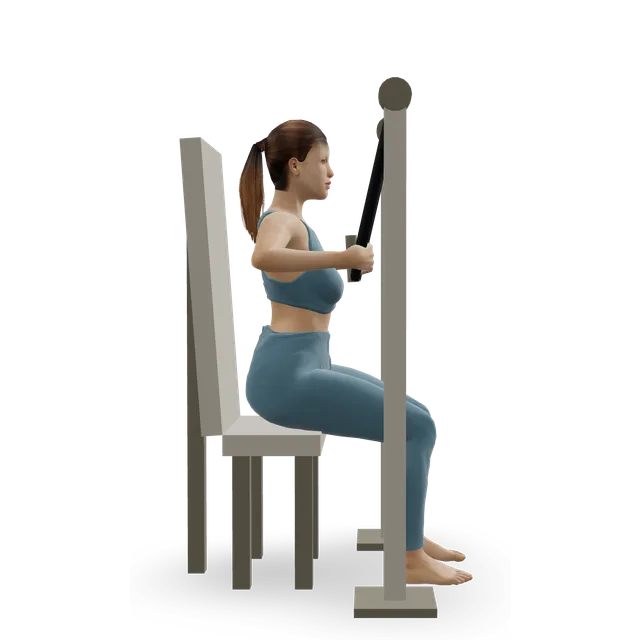
If your seizures aren't controlled, choose machines with safety stops, bodyweight moves and light dumbbells over heavy barbells held over your face or on your back, use a spotter, and clip the treadmill's safety key to your clothing.

Source 8

Team, contact and combat sports

Team sports

Contact sports such as football, hockey, basketball and rugby "have not been shown to increase the chance of someone having a seizure", but carry a risk of head injury, so wear the recommended head protection. If your epilepsy was caused by a head injury, ask your doctor about contact sports.

Sources 28, 8

Combat sports

The Epilepsy Society says boxing or martial arts "that involve blows to the head are not recommended", and England Boxing doesn't allow boxing with epilepsy. Before starting any martial art, ask your doctor and make sure the instructor knows what to do if you have a seizure.

Sources 28, 8

Timing, triggers and heat

Timing

If you can, avoid exercising when you know seizures are more likely, for example soon after waking if that's your pattern, or after a poor night's sleep.

Source 8

The big triggers matter more than exercise

Take your medicine on time, keep regular sleep, manage stress and keep alcohol moderate.

Sources 4, 5

Food and drink

Drink during exercise, and the Epilepsy Society advises not exercising straight after a meal. There's little evidence that missing meals triggers seizures.

Sources 28, 4

Heat and some medicines

The leaflets for topiramate and zonisamide warn that they can reduce sweating and cause overheating, mainly in children in hot weather; the zonisamide leaflet also tells adults in warm weather to drink enough water and keep cool. Our reading for adults who exercise: drink well, take care exercising hard in the heat, and ask your epilepsy team if you're unsure. Very hot skin with little or no sweating, confusion, cramps or a fast heartbeat needs urgent help.

Sources 33, 34

Breathing

Deliberate fast, deep over-breathing can bring on absence seizures in some children, and the Epilepsy Society says extreme breathing techniques in yoga may need extra care. Slow, gentle breathing is different.

Sources 7, 28, 30

Flashing lights

If you have photosensitive epilepsy, avoid strobe lighting in classes. Swim England mentions sunlight shimmering on water.

Sources 4, 30

Telling people, and your rights

You don't have to tell anyone if your epilepsy is unlikely to affect your safety, but telling a coach or class leader what your seizures look like and how to help can make you feel more confident. Equality law protects your access to sport and leisure.

Sources 8, 28

Seizure first aid

Tonic-clonic seizure

Stay calm, and:

  • Protect them from injury by moving harmful objects away, and cushion their head.
  • Look for an epilepsy ID card or jewellery, and time how long the seizure lasts.
  • Don't hold them down, put anything in their mouth, or move them unless they're in danger.
  • Once the jerking stops, gently roll them onto their side (the recovery position).
  • Stay with them until they've fully recovered, and don't give them anything to eat or drink until then.

Sources 11, 12, 35

Focal seizure

Stay with them and keep them safe, gently guide them away from danger, stay calm and reassuring, and time it. Don't restrain them.

Source 36

In water

From behind, support their head so their face stays out of the water, move them to shallow water if you can, and shout for the lifeguard. Get them out once the seizure is over, put them in the recovery position and keep them warm.

Sources 8, 35

When to call 999 (911 in the US)

  • It's their first seizure.
  • It lasts more than 5 minutes, or longer than is usual for them.
  • One seizure follows another without them recovering in between, or they've had 3 or more in 24 hours.
  • They're seriously injured, or have trouble breathing afterwards.
  • The seizure happened in water and they may have swallowed or breathed in water, even if they seem fully recovered.

Sources 11, 12, 10, 8, 37

Care plans and rescue medicine

Many people with epilepsy have a care plan, which may include rescue medicine, and don't need an ambulance every time. If you exercise with someone regularly, show them your plan.

Sources 10, 12

Medicines and bone health

Never change or stop a medicine yourself

"Do not change your dose or stop taking your medicine without talking to your specialist." The ILAE says changes to medicine should always be made under close medical supervision. Missing doses is one of the most common triggers.

Sources 10, 1, 4

Bones

Long-term use of carbamazepine, phenytoin, primidone and sodium valproate is linked with lower bone density and more fractures, especially with little sun, little calcium in the diet or not moving much. NICE asks clinicians to consider vitamin D and calcium supplements for people at risk. Weight-bearing, impact and strength exercise is the usual way to support bone (see our osteoporosis guide), and stronger bones matter more if seizures cause falls (our reading).

Sources 27, 32

Side effects that affect exercise

Some medicines cause dizziness or tiredness: the NHS says if topiramate makes you feel tired or dizzy, don't drive, ride a bike or use machinery until it passes. Topiramate and zonisamide can reduce sweating (see heat, above). Ask your epilepsy team or pharmacist if a side effect is getting in the way.

Sources 31, 33, 34

Sudden unexpected death in epilepsy (SUDEP)

SUDEP is rare, affecting about 1 in 1,000 people with epilepsy a year. Tonic-clonic seizures, seizures that aren't controlled, not taking medicine as prescribed, and sleeping alone without supervision raise the risk, which is one more reason to take your medicine on time. Nothing in the sources we read links exercise with SUDEP.

Sources 13, 32

Cardio

Indoor options avoid traffic and water while seizures aren't controlled; clip the treadmill's safety key to your clothing. Build towards 150 minutes a week.

Strength

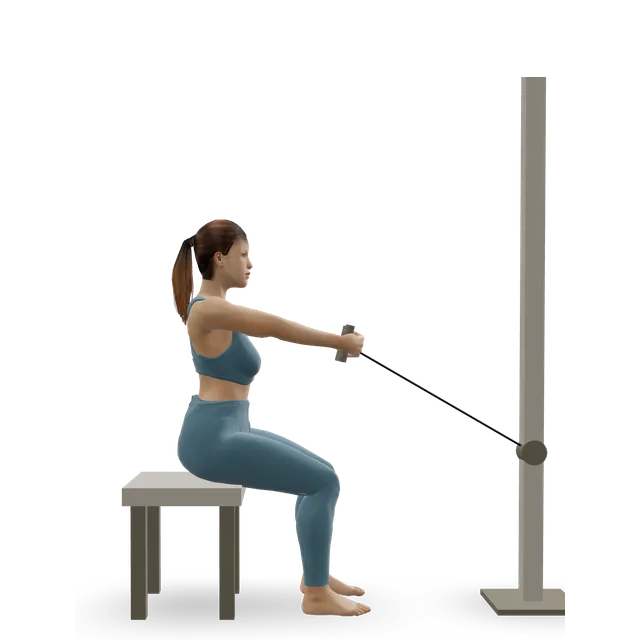
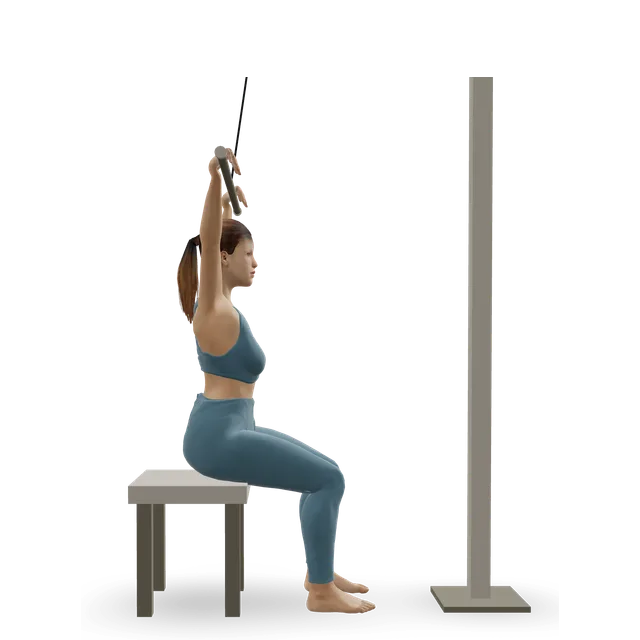
2 days a week, 2 to 3 sets of 8 to 12 (our editorial starting point). If you still have seizures, machines, bodyweight moves and light dumbbells are safer than heavy barbells.

For bone health

If you take a medicine linked to bone loss: impact and strength on 2 or more days a week, building up gradually (our editorial starting point). Our osteoporosis guide has the detail.

Calm and breathing

Slow, gentle breathing is fine; avoid deliberate fast, deep over-breathing.

Workouts to follow

Floor and standing workouts need no special set-up. In the gym workouts, swap free weights for machines if your seizures aren't controlled.

Follow a plan

For runs and walks, plan routes away from rivers and canals and tell someone where you're going.

Warning signs and when to get help

Call 999 (911 in the US) for a seizure if

It's the first, it lasts over 5 minutes or longer than usual, one follows another, there's a serious injury or trouble breathing, or it happened in water (see first aid above).

Sources 11, 12, 8

Also call 999

For a collapse during exercise with chest pain, palpitations or breathlessness, or if someone faints while exercising. A collapse during exertion isn't always epilepsy, and NICE says it needs an urgent heart check.

Sources 38, 39, 18

Urgent GP appointment or NHS 111

If you think you've had a seizure for the first time and didn't go to hospital, or you've had a seizure after a long time without one.

Source 10

Overheating on topiramate or zonisamide

Very hot skin with little or no sweating, confusion, muscle cramps, or a fast heartbeat or breathing: move to a cool, shaded place, sponge the skin with cool (not cold) water, drink cold water and get urgent medical help.

Source 34

Talk to your epilepsy team

  • You've had seizures during or soon after exercise more than once.
  • You want to start a moderate- or high-risk sport, or one with medical rules such as scuba diving.
  • Your medicine is being changed or reduced.
  • Side effects such as dizziness or tiredness are getting in the way.
  • You've broken a bone easily, or have taken a medicine linked to bone loss for a long time.

Sources 3, 8, 1, 30, 31, 27

Support

Epilepsy Action's helpline is 0808 800 5050, and the Epilepsy Society also runs a helpline: check its website for the current number.

Sources 10, 35

Myths

"People with epilepsy shouldn't play sport"Strong evidence

The ILAE says this advice came from "fear, overprotection, and ignorance", and that people seizure-free for 12 months can take part in all sports. Most people can find activities with a good balance of risk, and schools must support pupils to take part.

Sources 1, 7, 2

"Exercise brings on seizures"Emerging evidence

For most people it doesn't: only 2% of 204 adults with active epilepsy had seizures in more than half of their exercise sessions, and the ILAE calls a direct link in reported cases speculative. Missing medicine, tiredness and stress are far more common triggers.

Sources 3, 1, 4, 5

"Exercise will treat my epilepsy, so I can cut down my medicine"Mixed evidence

Exercise programmes improved quality of life, but in a review of small trials the fall in seizures wasn't statistically clear. Some charity pages go further than this evidence. Never change or stop a medicine without your specialist.

Sources 6, 7, 10

"You can't swim with epilepsy"Strong evidence

You can, with precautions if your seizures aren't fully controlled: never alone, someone in the water who knows what to do, the lifeguard told, and a buoyancy aid if you need one. The precautions matter because the drowning risk is 15 to 19 times higher.

Sources 8, 30, 9

"Put something in their mouth so they don't swallow their tongue"Strong evidence

Don't. "They will not swallow their tongue", says the Epilepsy Society, and you shouldn't put anything in their mouth, including your fingers.

Sources 35, 12, 11

"Hold them down to stop the seizure"Strong evidence

Don't hold them down. Move dangers away, cushion their head, time it, and roll them onto their side once the jerking stops.

Sources 11, 12

"Any collapse with jerking during exercise is a seizure"Strong evidence

Brief jerking can happen in an ordinary faint, and a collapse during exertion can come from the heart, which NICE treats as a reason for an urgent heart check. Call 999 if someone faints while exercising.

Sources 18, 39

Questions people ask

Can you exercise with epilepsy?

Yes, and most people with epilepsy should. An international task force says people with epilepsy have often been advised against sport out of fear and overprotection, and that after 12 months without seizures they can take part in any sport. If you still have seizures, you can still be active: it's about choosing activities and set-ups that keep you safe.

Can exercise cause seizures?

For most people, no. In a survey of 204 adults with active epilepsy, only 2% had seizures in more than half of their exercise sessions, mostly during hard effort, and experts call a direct link in reported cases speculative. Missing medicine, lack of sleep and stress are much more common triggers.

Does exercise help epilepsy or reduce seizures?

It's not proven. In a review of small trials, seizures fell a little with exercise, but the authors judged the result not statistically clear, though quality of life did improve. In most studies exercise didn't increase seizures. Keep taking your medicine as prescribed: exercise is an addition, not a replacement.

Which sports should you avoid with epilepsy?

That depends on how well controlled your seizures are. Sports where a seizure could be fatal, such as climbing, scuba diving, motor sports, parachuting and surfing, are in the experts' high-risk group and are generally for people who have been seizure-free. Some UK bodies have their own rules: England Boxing doesn't allow boxing with epilepsy, and the British Sub-Aqua Club recommends 5 years off medicine and free of seizures while awake before scuba diving.

Can you swim with epilepsy?

Yes. If your seizures are fully controlled, you need no more precautions than anyone else. If you still have seizures, never swim alone: have someone in the water who knows what to do, tell the lifeguard, consider a buoyancy aid, avoid crowded sessions and take extra care in open water. These steps matter because people with epilepsy are 15 to 19 times more likely to drown.

Can you go to the gym or lift weights with epilepsy?

Yes. Epilepsy Action says that after 12 months seizure-free you should be able to use any equipment; if you still have seizures, some equipment may not be safe, so talk to the staff and ask for a safety assessment. Machines, a spotter and the treadmill's safety key are sensible if your seizures aren't controlled.

Can I ride a bike or go climbing with epilepsy?

Often yes, with care. For cycling, wear a helmet and high-visibility clothing, and if you still have seizures, avoid busy roads, rivers and canals. Climbing is in the high-risk group: talk to your epilepsy nurse first, and choose roped indoor climbing or low bouldering with someone who knows your epilepsy. NICE advises that children don't climb above their own height without supervision.

Can you do contact sports or martial arts with epilepsy?

Team sports such as football, rugby and hockey haven't been shown to increase seizures, but carry a risk of head injury, so wear the recommended protection. Boxing and martial arts with blows to the head aren't recommended, and England Boxing doesn't allow boxing with epilepsy. Ask your doctor before starting a martial art, and tell the instructor.

How long after a seizure can you exercise?

Rest until you feel fully back to normal, which can take hours or days after a tonic-clonic seizure. After a first seizure, get an urgent GP appointment or call NHS 111 if you didn't go to hospital, and wait until you've been checked before going back to sport. After a single seizure, the international task force suggests low-risk sports after a medical check and higher-risk sports after 12 months without seizures, unless your neurologist advises otherwise.

What should I do if someone has a seizure?

Stay calm, move anything harmful away, cushion their head and time the seizure. Don't hold them down or put anything in their mouth. When the jerking stops, roll them onto their side and stay until they've recovered. Call 999 if it's their first seizure, it lasts more than 5 minutes, another follows, or they're injured or struggling to breathe.

What should you do if someone has a seizure in water?

From behind, support their head to keep their face out of the water, shout for the lifeguard, and move them to shallow water if you can. Get them out once the seizure stops, put them in the recovery position and keep them warm. Call 999 if they may have swallowed or breathed in water, even if they seem fully recovered.

Do epilepsy medicines affect exercise?

Some can. A few older medicines, including carbamazepine, phenytoin, primidone and sodium valproate, can thin the bones over time, so strength and impact exercise matter, and NICE says to consider vitamin D and calcium for people at risk. Topiramate and zonisamide can reduce sweating, so drink well and take care in the heat. Never change or stop a medicine without your specialist.


Sources

  1. Capovilla 2016 · Epilepsy, seizures, exercise and sport: the ILAE Task Force on Sports and Epilepsy (consensus report, Epilepsia)
  2. Department for Education · Supporting pupils at school with medical conditions (statutory guidance for schools in England)
  3. Nakken 1999 · Exercise and seizures in 204 adults with epilepsy (survey, Epilepsia)
  4. Epilepsy Action · Seizure triggers
  5. Nakken 2005 · Seizure triggers reported by 1,677 people with epilepsy (survey, Epilepsy and Behavior)
  6. Duñabeitia 2022 · Exercise programmes for people with epilepsy: 14 studies, 331 people (meta-analysis, Epilepsy and Behavior)
  7. van den Bogard 2020 · Sport and physical activity in epilepsy: 42 studies (systematic review, Deutsches Ärzteblatt International)
  8. Epilepsy Action · Sports and leisure (2024, updated 2025)
  9. Bell 2008 · The risk of drowning in people with epilepsy: 51 groups of people (meta-analysis, Neurology)
  10. NHS · Epilepsy
  11. Epilepsy Action · Tonic-clonic seizures, and first aid
  12. NHS · What to do if someone has a seizure (fit)
  13. Epilepsy Action · What is epilepsy?
  14. CDC · Epilepsy facts and stats
  15. Epilepsy Action · Epilepsy and learning disabilities
  16. Vancampfort 2019 · Activity and sitting in people with epilepsy (meta-analysis, Epilepsy and Behavior)
  17. Bain 2018 · Drowning in people with epilepsy in Ontario (case series, Epilepsy Research)
  18. NICE CG109 · Transient loss of consciousness ('blackouts') in over 16s (last updated 2023)
  19. Häfele 2021 · A 12-week exercise programme in 21 adults with epilepsy (RCT, Epilepsy and Behavior)
  20. Kumar 2022 · Advice to exercise for 117 adults with epilepsy (RCT, Epilepsy and Behavior)
  21. Ibañez-Micó 2024 · Exercise in 29 children with drug-resistant epilepsy (RCT, Seizure)
  22. Vooturi 2020 · A 12-week home exercise programme in 110 adults with epilepsy (RCT, Epilepsy and Behavior)
  23. Johnson 2020 · Physical activity in people with epilepsy: 46 studies (systematic review, Epilepsia)
  24. NHS · Physical activity guidelines for children and young people
  25. NHS · Physical activity guidelines for adults aged 19 to 64
  26. UK Chief Medical Officers 2019 · Physical activity guidelines (updated July 2026, GOV.UK)
  27. MHRA · Antiepileptics: adverse effects on bone (Drug Safety Update)
  28. Epilepsy Society · Exercise and sport
  29. Royal Life Saving Society UK · Position statement on seizures and epilepsy (2024, updated 2026)
  30. Swim England · Swimming with epilepsy (updated 2025)
  31. NHS · Topiramate
  32. NICE NG217 · Epilepsies in children, young people and adults (2022, last updated 2026)
  33. Topamax (topiramate) tablets · Patient information leaflet (electronic medicines compendium)
  34. Zonisamide Aspire capsules · Patient information leaflet (electronic medicines compendium)
  35. Epilepsy Society · First aid for epileptic seizures
  36. Epilepsy Action · Focal seizures, and first aid
  37. CDC · First aid for seizures
  38. NHS · Heart attack
  39. NHS · Fainting

Exercise education, not a diagnosis or treatment plan, and clinical review of these guides is pending. Stop and get advice for chest pain, unusual breathlessness, dizziness or fainting, or new pain, and check with your doctor or midwife first if they have told you to limit activity. Health disclaimer.