Gym workouts
Strength workout for Down syndrome: a gym routine with a training buddy
In trials, teenagers and young adults with Down syndrome who did this routine twice a week for 10 weeks got stronger, and in the largest trial their legs were still stronger, and they were more active, about 3 months after it ended. Train with a buddy who does the routine too: they do their set while you rest, and you count together. As in the trials, do 3 sets of 12 at a weight you can lift only 12 times, and add a little weight once 3 sets of 12 feel possible. For the first 2 weeks, do 1 or 2 sets while you learn each machine; that, the warm-up and the balance finish are our additions. If you have a heart condition, ask your heart team first, and stop and see a doctor if you get neck pain or any change in walking or hand use.
Warm-up
- Stationary cycling5 minBeginner · Quads, Glutes, Hamstrings · 3D demoEasy pace: you can talk, but not singHarder: Air bike intervals
- Thoracic rotation5 each sideBeginner · 3D demoEasier: Side-lying open bookHarder: World's greatest stretch


Arms and back
Rest 2 min between sets, while your buddy does theirs
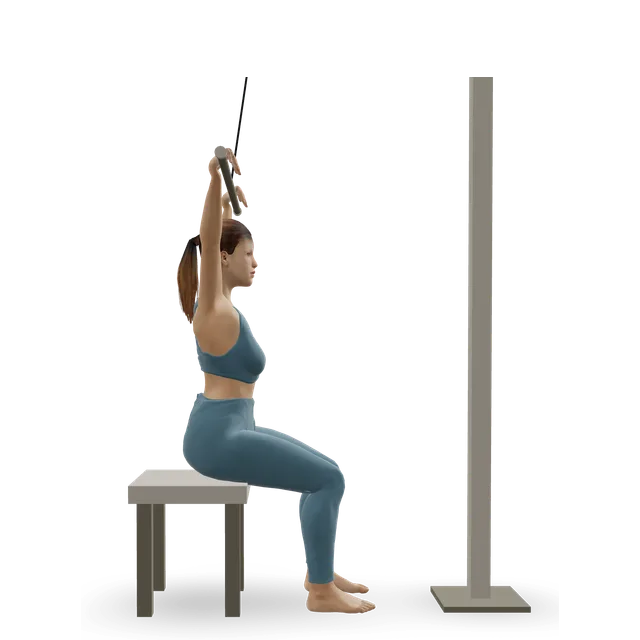
- Lat pulldown3 sets of 12Beginner · Back, Biceps, Shoulders · 3D demoPull the bar to your collarbone, never behind your neckHarder: Pull-up
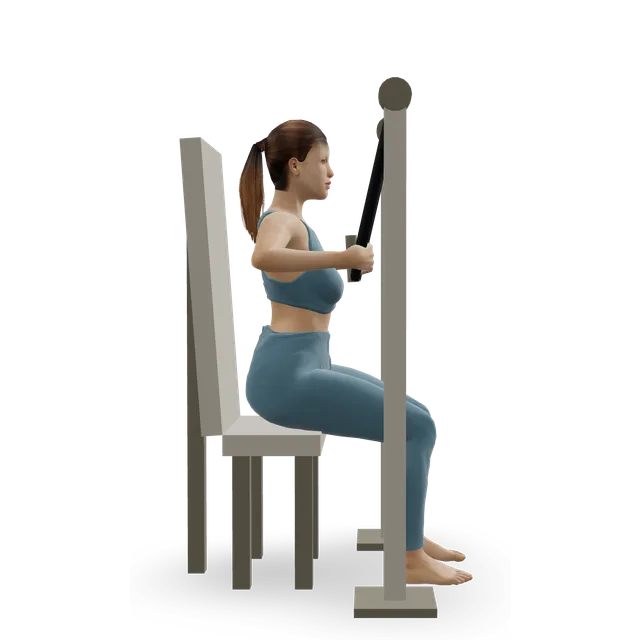
- Chest press machine3 sets of 12Beginner · Chest, Triceps, Shoulders · 3D demoBack against the pad; push smoothlyHarder: Barbell bench press
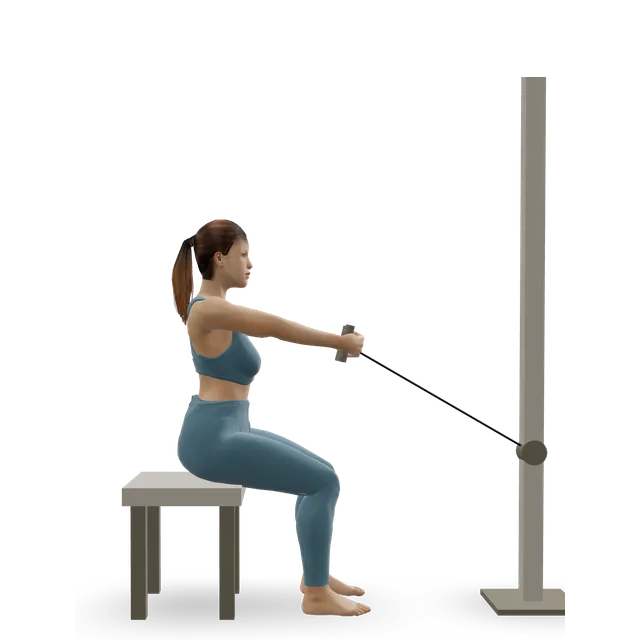
- Seated cable row3 sets of 12Beginner · Back, Biceps, Shoulders · 3D demoSit tall and squeeze your shoulder blades backHarder: Supported single-arm dumbbell row
Legs
Rest 2 min between sets, while your buddy does theirs
- Leg press3 sets of 12Beginner · Quads, Glutes, Hamstrings · 3D demoDon't snap your knees straight at the topHarder: Bodyweight squat
- Leg extension3 sets of 12Beginner · Quads · 3D demoStart light. If your kneecap complains, work only the top half of the movementEasier: Straight-leg raiseHarder: Barbell box squat
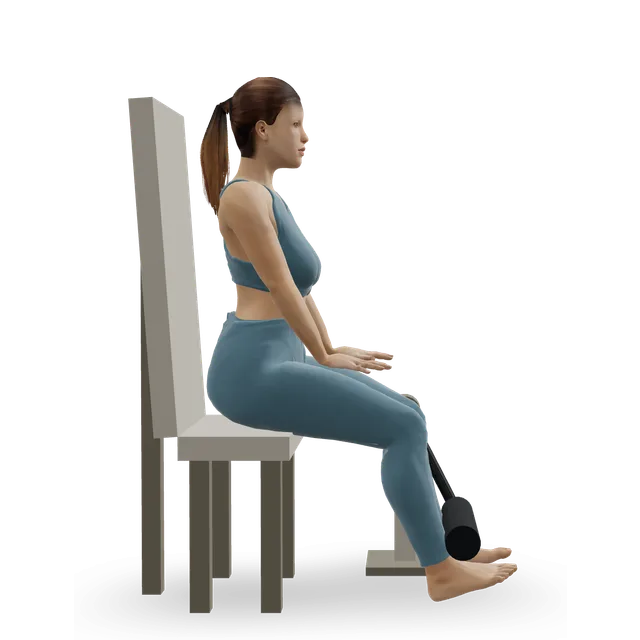
- Seated calf raise (machine)3 sets of 12Beginner · Calves · 3D demoNo machine? Do slow calf raises holding a railHarder: Slow calf raise

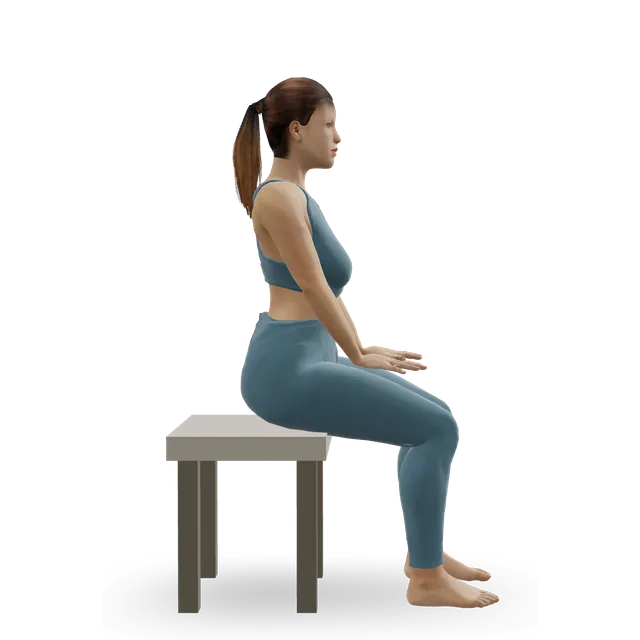
Trunk
- Dead bug2 sets of 8 each sideBeginner · Abs, Hip flexors · 3D demoBack flat on the mat; move slowlyHarder: Forearm plank

Balance finish
- Semi-tandem stance2 holds of 10 s each sideBeginner · Calves, Hip abductors · 3D demoHand on a rail or counterHarder: Tandem stance and heel-to-toe walk
- Single-leg stand2 holds of 10 s each legBeginner · Hip abductors, Calves, Glutes · 3D demoFingertips on the railEasier: Tandem stance and heel-to-toe walkHarder: Single-leg reach matrix


Tips
- Twice a week for at least 10 weeks is what the trials used. Then keep going.
- Buddies help: in the trials, a student mentor trained alongside each person, and people came to about 9 in 10 of their sessions.
- Use the talk test, not a heart rate zone: maximum heart rate is lower in Down syndrome, so standard heart rate formulas aim too high.
- Demonstrate each machine and check the movement looks right before adding weight.
- Leave out moves that put weight through your head or neck, such as headstands (our suggestion, from the advice on neck instability).
- No gym? Our hypermobility strength and control routine works the same muscles at home.
The doses are suggested starting points, not a prescription. Choose a range you can control and stop for sharp or increasing pain, numbness or tingling. Get individual advice after an injury or surgery, or if you are pregnant or managing a health condition.
Guides that recommend it
Find more moves like these
More gym workouts



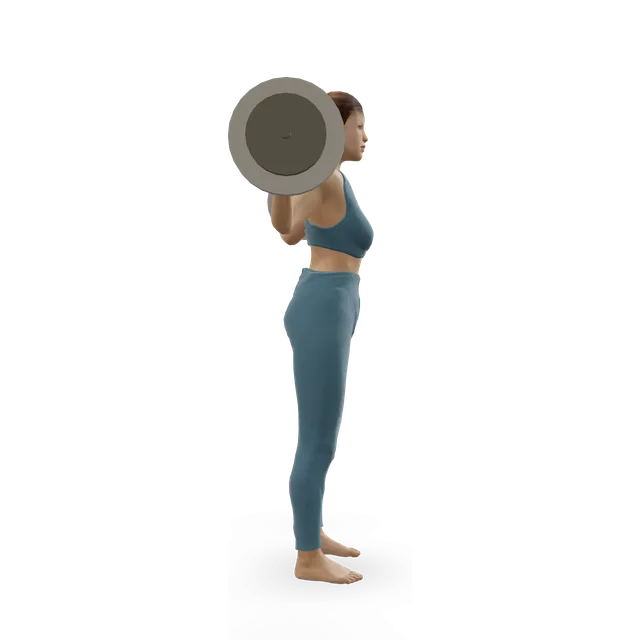
Barbell strength workout A
Barbell strength workout A: back squats and bench presses in sets of five, plus rows. Workout B (squat, overhead press, deadlift) is a separate session.
40 minBeginner6 movesA band, A barbell

Leg day workout (gym)
A gym leg day: back squats, leg press, leg curls, Bulgarian split squats, leg extensions and calf raises.
55 minIntermediate9 movesA wall, A barbell
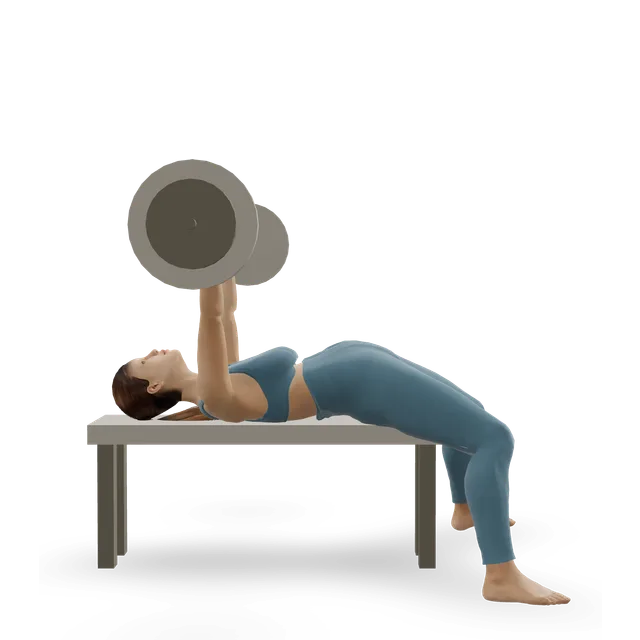
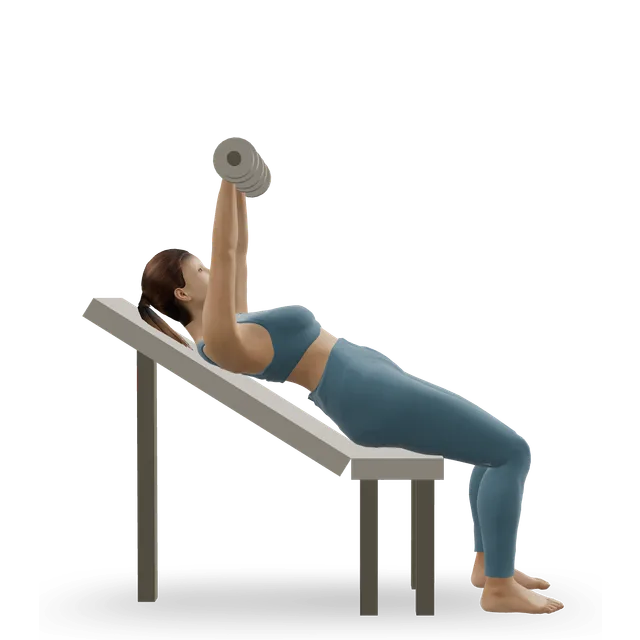
Chest workout (gym)
A gym chest workout: bench press, incline dumbbell press, cable flyes, dips and a push-up finisher.
45 minIntermediate7 movesA band, A barbellQuestions people ask
How long does the strength workout for down syndrome: a gym routine with a training buddy take?
About 40 minutes, including any warm-up and cool-down listed. Shorten it by doing fewer rounds; lengthen it by adding one.
What equipment do I need?
You need: Cardio machine, A cable machine, Strength machine, A wall. Each move links to its guide, where you can find an alternative if you are missing something.
Is it suitable for beginners?
It is written for beginners. 3 of its 11 moves have an easier option listed beside them if you need one.
How do I make it easier or harder?
Use the easier or harder option listed under each move, change the number of rounds, or adjust the rest. Progress one change at a time.