Keep moving from the startStrong evidence
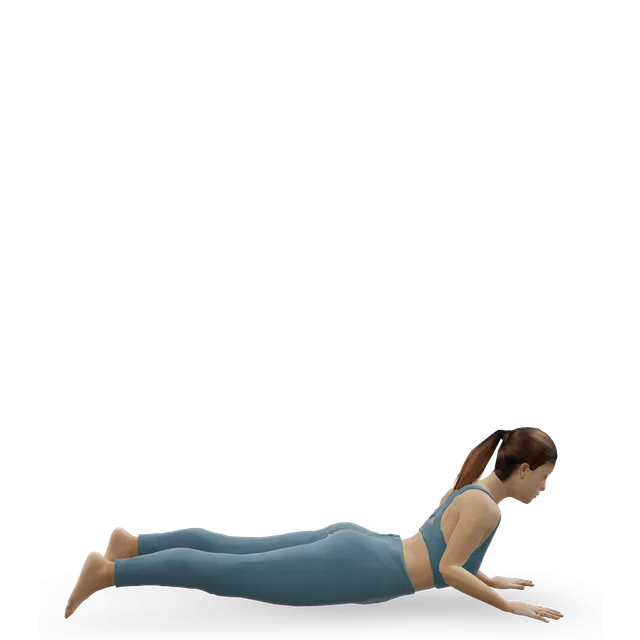
The Royal Osteoporosis Society advises staying as active as possible: movement doesn't affect healing, and staying active lowers the risk of chest infections, constipation and blood clots. If pain is severe at first, rest for a while, then use pain relief to keep moving. An NHS trust adds that avoiding activity completely can weaken bones and muscles further, and advises against heavy lifting (more than a kettle) and repeated bending for the first few weeks.
Gentle back exercises can start straight away: "You do not need to wait 6-12 weeks for your fracture to heal before you start exercising", says the trust, and the Royal Osteoporosis Society says its back exercises can start "as soon as you feel ready". NOGG suggests starting back-muscle exercise lying down if you're in pain, and the UK consensus recommends prompt advice on moving and lifting and a referral to a physiotherapist. This is consistent expert advice rather than something trials have tested.
Sources 1, 9, 4, 7, 15
Strength and balance, once the bone has healedEmerging evidence
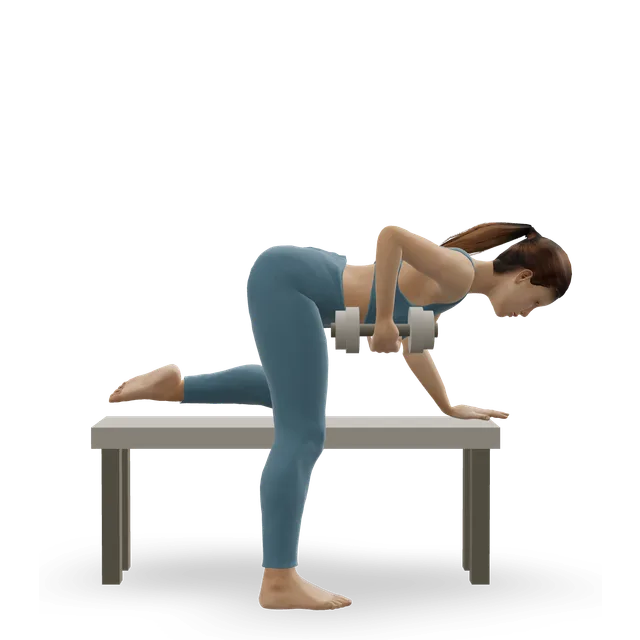
The Royal Osteoporosis Society says to wait until the bone has healed before building up strength exercise: "The healing process can take up to three months." NOGG strongly recommends exercise after a spinal fracture that includes progressive strength work, including the back muscles. The international Too Fit To Fracture recommendations advise strength training at least twice a week (8 to 12 repetitions, 2 sets, starting lighter at high fracture risk) and balance training of 15 to 20 minutes a day, rather than aerobic exercise alone, with a physiotherapist's advice.
The UK consensus, Strong, Steady and Straight, recommends back-muscle exercise, strength and balance training, and impact no higher than brisk walking (about 20 minutes a day) "because of theoretical (unproved) risks". A UK trial's programme aimed for about an hour of exercise on 3 to 5 days a week, such as a 30-minute walk plus 30 minutes of stretches, balance and strength.
Sources 16, 7, 13, 15, 17
How well exercise works: modest gains, uncertain effectsMixed evidence
A Cochrane review of 9 trials (749 people) found exercise probably makes the Timed Up and Go test (standing up, walking 3 metres and sitting back down) about 1 second faster, which the authors didn't think clinically important. Effects on new fractures, falls, pain and quality of life were uncertain, and there were 4 exercise-related harms, including a broken rib.
In a UK trial of 615 people (average age 72), seven physiotherapy sessions of exercise improved balance, mobility and walking at 4 months compared with a single session of advice, but at a year neither exercise nor hands-on therapy beat the single session. Many people found it hard to keep exercising. An American bone research task force concluded that exercise may improve mobility and reduce pain and fear of falling, but doesn't reduce falls or fractures. The UK consensus calls its own advice for people with fractures consensus-based.
Sources 18, 19, 20, 14, 15
Pain relief: enough to keep you movingEmerging evidence
An NHS trust says to take enough pain relief to keep moving. NOGG advises the weakest medicine that works for the shortest time, avoiding anti-inflammatory painkillers such as ibuprofen in older people or protecting the stomach if they're used, and laxatives whenever opioids are used. It says calcitonin, given in hospital in the first days, can ease acute pain for a few weeks, but it isn't for long-term use.
A 2024 review of 20 trials found calcitonin and anti-inflammatory painkillers eased short-term pain on activity compared with placebo, and that evidence on other painkillers and braces is limited. The NHS also lists heat and cold treatments and relaxation. Ask your GP or pharmacist what suits you.
Sources 4, 7, 21, 3
Braces: for comfort, if offeredMixed evidence
NOGG says there is no evidence that braces improve healing and that routine bracing can't be recommended. In 284 women aged 65 to 85 with a fresh fracture, 12 weeks in a rigid brace did no better than a soft brace for further collapse, quality of life or pain at 48 weeks.
Pooling 3 trials (447 people), a rigid brace eased pain compared with no brace at 3 to 6 months but not at 48 weeks, and changed nothing else: not the curve, painkiller use, function or quality of life. A review of 16 studies found no convincing evidence that a rigid brace beats a soft one or none. One trial of a posture brace worn for 6 months reported stronger back muscles, a smaller curve and less pain. If your team offers a brace for comfort in the first weeks, a soft one did as well as a rigid one in a large trial.
Sources 7, 22, 23, 24, 25
Vertebroplasty: no better than a sham procedureStrong evidence
Vertebroplasty injects bone cement into the broken bone. A Cochrane review found high- to moderate-quality evidence from 5 sham-controlled trials (541 people) that it gives no clinically important benefit: pain was 0.7 points out of 10 better at a month, below the 1.5 points that matter. Serious harms reported across trials include infection, pressure on the spinal cord and breathing failure. One sham-controlled trial in fractures under 6 weeks old with severe pain found more people under 4 out of 10 at 14 days (44% against 21%).
NICE recommends vertebroplasty or balloon kyphoplasty only for severe, ongoing pain after a recent, unhealed fracture despite the best pain relief, with the pain confirmed at that level by examination and a scan. NOGG says the evidence doesn't support routine use, and the Royal Osteoporosis Society says the procedures don't improve bone strength or reduce the risk of another fracture, and aren't suitable for most people.
Sources 26, 27, 5, 7, 1
Kyphoplasty: an open trial, and doubtsMixed evidence
Balloon kyphoplasty uses a balloon to make space in the bone before the cement goes in. In a trial of 300 people where everyone knew their treatment, quality of life improved more at 1 month than with non-surgical care. An American bone research task force found too little evidence that kyphoplasty beats non-surgical care, and concluded that routine cement procedures aren't supported.
Sources 28, 14