Jefferson curl
Standing on a box with a light dumbbell in each hand and your legs straight, you roll the spine down from the neck one segment at a time until the weights hang down by your toes, then roll back up. It loads the spine while it is rounded, which a flat-back hinge avoids. In a small trial, a kettlebell version with stiff-legged deadlifts, 3 times a week for 8 weeks, gained as much forward-bend range as static stretching and more strength; it remains debated.
Movement guide
Jefferson curl
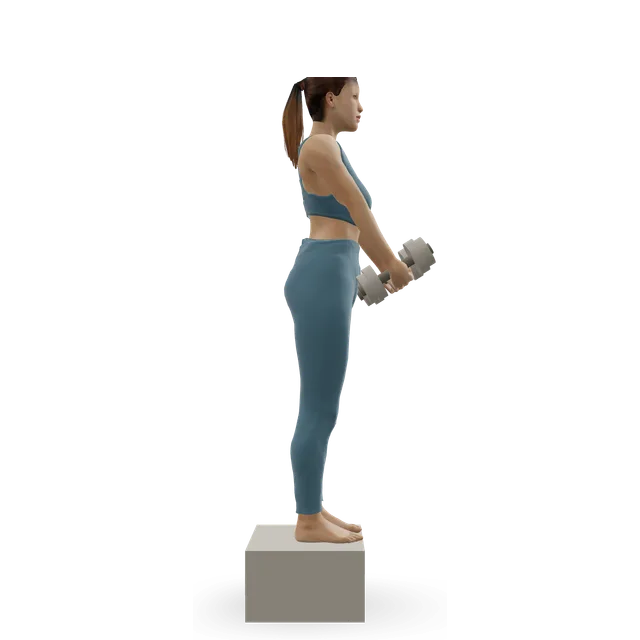
Loading the 3D figure…
Make it easier or harder
Choose a version that fits your control and comfort.
Easier option
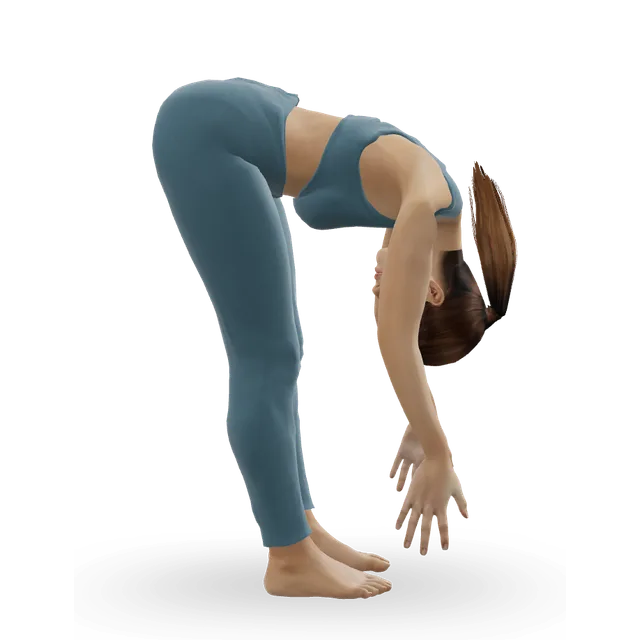 3D demoSegmental roll-downIntermediate · No equipment
Suggested next step, intermediate grade.
Harder option
Keep the comfortable range and controlled movement described in this guide; do not force extra range to create a harder version. Rosenfeldt 2024 · A modified kettlebell Jefferson curl with stiff-legged deadlifts, 3 times a week for 8 weeks, gained as much sit-and-reach range as static stretching and more strength (RCT of 18 adults, 6 per group; BMC Sports Sci Med Rehabil)
Source-researched guide.
How to move
- Stand tall on a sturdy box or step with your toes at the edge, legs straight but not locked, a light dumbbell hanging in each hand.
- Tuck your chin and roll down slowly from the top: neck, upper back, middle back, lower back, letting the hips fold last and the weights hang straight down.
- Go only as far as you can control, letting the weights pass your toes if your range allows. Pause for a breath at the bottom.
- Roll back up from the bottom, stacking the lower back, middle back and upper back in turn, the head arriving last.
Form cues
- One segment at a time, slowly both ways.
- Let the weights hang; don't pull them down.
- Avoid: adding weight before the movement has been smooth and pain-free for weeks.
Practice and cautions
2 or 3 sets of 5 slow reps, about 5 seconds down and 5 up. Start with no weight, then 2 to 5 kg in all, and add load in small steps over months, not weeks (our editorial starting point). The trial trained far harder: 4 to 8 sets of 8 a session, shared between the curl and stiff-legged deadlifts.
This is loaded spinal flexion, and the evidence pulls both ways. A review found low-quality evidence that rounding the back when lifting is not a risk factor for back pain; but at full forward bend the back muscles fall quiet and the discs and ligaments carry more of the load, and in laboratory pig spines, tens of thousands of loaded bends herniated discs, more often under heavier loads. So keep the load light and the reps slow, and avoid it soon after getting up, when the discs are fullest: in a laboratory study, bending stressed the discs about 300% and the ligaments about 80% more in the early morning. Do it at the end of a session rather than just before heavy lifting: after 20 minutes of full forward bending, the lower back regained about half its stiffness within 2 minutes but took longer to recover fully. Leave it out during a flare of back pain. With glaucoma, keep head-down positions brief or use a head-up version: in a small study, eye pressure rose within a minute in head-down yoga poses. Ask your eye team first if your glaucoma is advanced or you've had eye surgery. Avoid with osteoporosis, a history of vertebral fracture, or back pain that travels down a leg. Get clinical clearance if you are unsure. With vertigo or BPPV, head-down positions, lying back quickly and tipping your head back can bring on a spin: move into and out of them slowly, sit up slowly, and leave them out during a bad spell. This is movement education, not an assessment or treatment prescription. Stop for sharp or increasing pain, dizziness, numbness or tingling; seek individual guidance for symptoms, injury or restrictions.
Sources and review status
Sources support the educational description; they do not establish that this exercise is suitable for you.
- Rosenfeldt 2024 · A modified kettlebell Jefferson curl with stiff-legged deadlifts, 3 times a week for 8 weeks, gained as much sit-and-reach range as static stretching and more strength (RCT of 18 adults, 6 per group; BMC Sports Sci Med Rehabil) ↗
- Saraceni 2020 · Low-quality evidence that rounding the lower back when lifting is not a risk factor for back pain (systematic review with meta-analysis, JOSPT) ↗
- Colloca & Hinrichs 2005 · At full forward bend the low-back muscles fall quiet and the discs and ligaments take more of the load (review of the flexion-relaxation phenomenon, J Manipulative Physiol Ther) ↗
- Callaghan & McGill 2001 · Tens of thousands of bends under modest compression herniated pig spinal discs, more often under heavier compression (laboratory study, Clin Biomech) ↗
- Snook 1998 · Avoiding bending first thing in the morning, when the discs hold most fluid, eased persistent or recurring low back pain (RCT of 85 adults, Spine) ↗
- Adams 1987 · Bending forward was estimated to stress the discs about 300% and the ligaments about 80% more in the early morning than later in the day (laboratory study of 21 volunteers and cadaver spines, Spine) ↗
- McGill & Brown 1992 · After 20 minutes of full forward bending, the lower back regained about half its stiffness within 2 minutes of standing, but full recovery took longer (laboratory study of 47 adults, Clin Biomech) ↗
- Jasien 2015 · Eye pressure in four head-down yoga poses, in 20 people with and without glaucoma (lab study, PLoS One) ↗
No variation is labeled clinically validated.
What it works
Muscles
Main: Back, Hamstrings. Also: Glutes.
Anatomy: Latissimus dorsi, Teres major, Trapezius, Rhomboids, Erector spinae, Multifidus.
Equipment
A dumbbell + A step
Level
Advanced. See the easier and harder options above.
Guides that use it
Similar moves
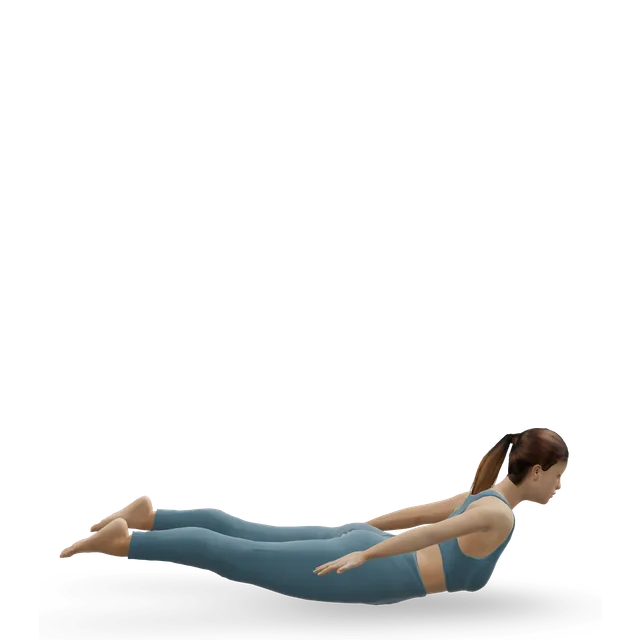 3D demoLocust pose (Salabhasana)Beginner · No equipment
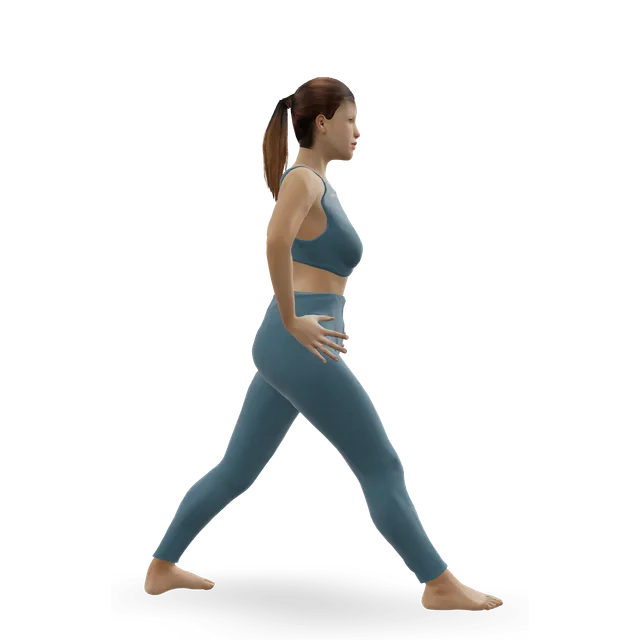 3D demoPyramid pose (Parsvottanasana)Intermediate · No equipment
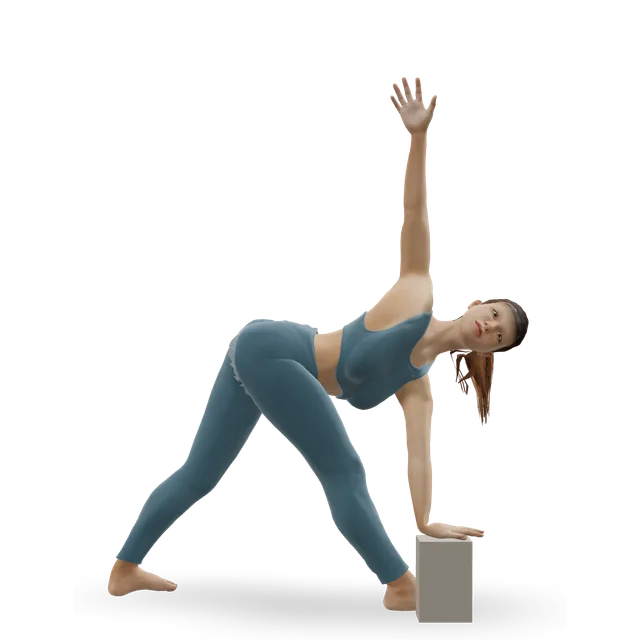 3D demoRevolved triangle pose (Parivrtta Trikonasana)Advanced · A step
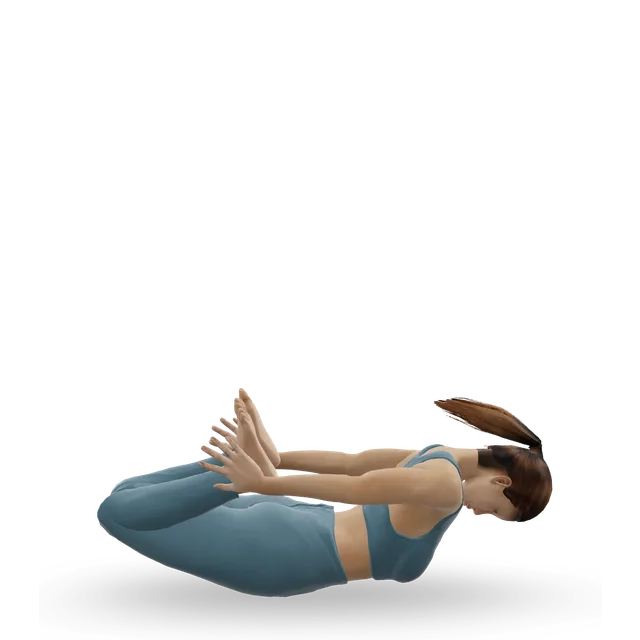 3D demoBow pose (Dhanurasana)Intermediate · No equipment
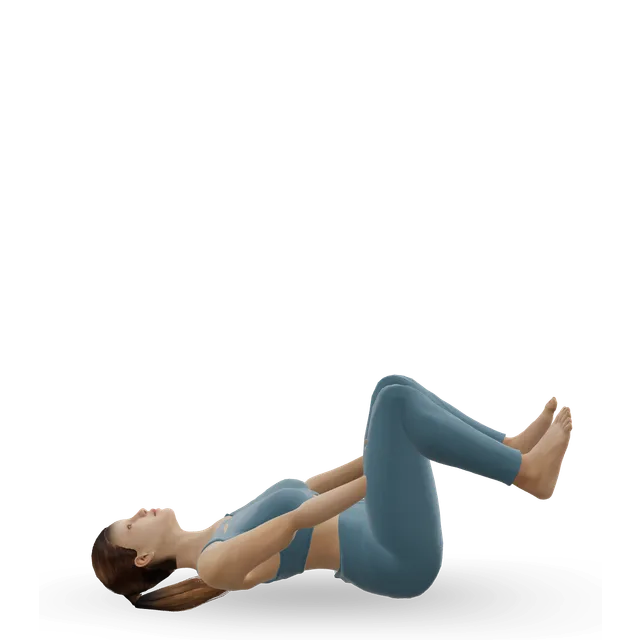 3D demoDouble knee-to-chest stretchBeginner · No equipment
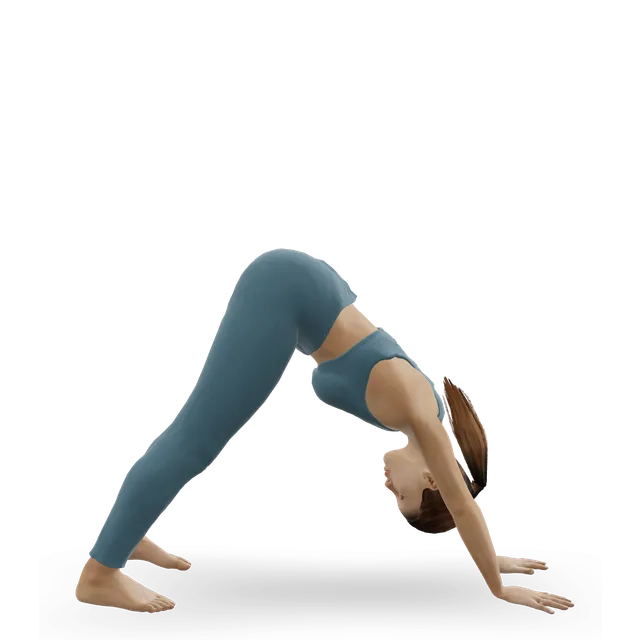 3D demoDownward-facing dog (Adho Mukha Svanasana)Beginner · No equipment
Browse more
Questions people ask
What muscles does the Jefferson curl work?
Mainly the back and hamstrings, with help from the glutes.
What equipment do I need for the Jefferson curl?
A dumbbell + A step.
Is the Jefferson curl good for beginners?
It is an advanced move. Build up to it with the Segmental roll-down first.
What is an easier alternative to the Jefferson curl?
Try the Segmental roll-down or the Standing toe touch (forward hang). It is the suggested step down from this move.