Revolved triangle pose (Parivrtta Trikonasana)
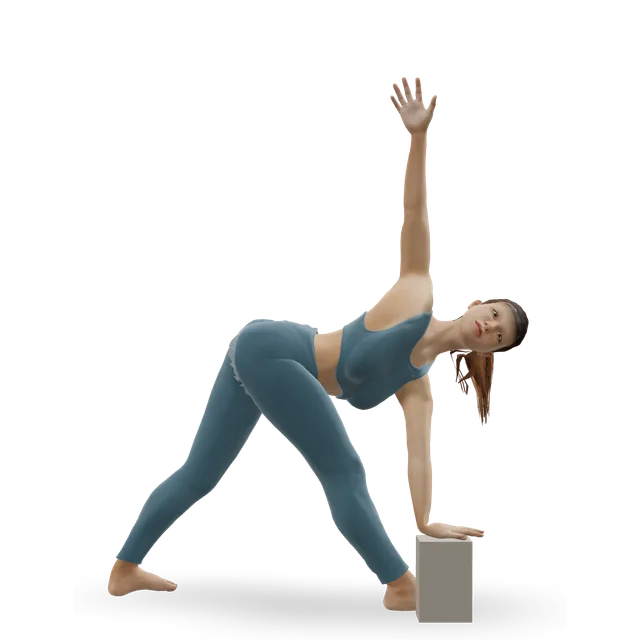
In a split stance with both legs straight and the hips level, you hinge forward over the front leg and turn, bringing the opposite hand to a block beside the front foot while the other arm reaches up. Triangle pose opens the chest away from the front leg; this one turns toward it, so it needs hamstring length, a level pelvis and upper-back rotation at once. Yoga Journal's guide stresses turning the middle and upper back rather than over-twisting the neck.
Movement guide
Revolved triangle pose (Parivrtta Trikonasana)
Loading the 3D figure…
Make it easier or harder
Choose a version that fits your control and comfort.
Easier option
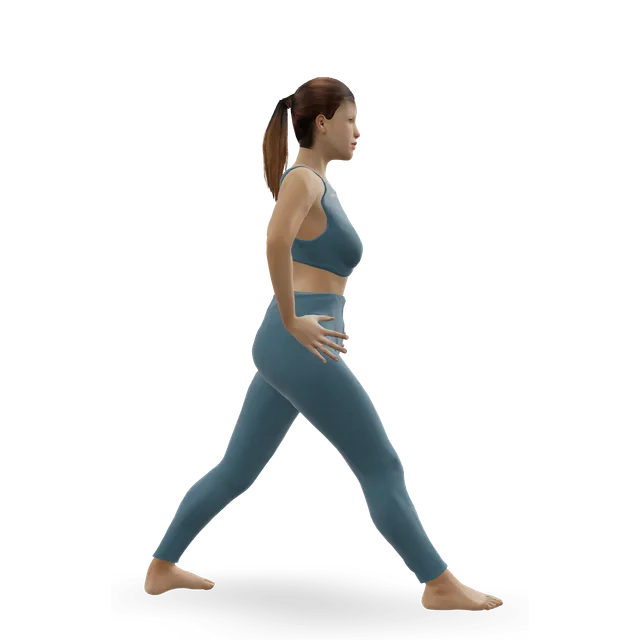 3D demoPyramid pose (Parsvottanasana)Intermediate · No equipment
Suggested next step, intermediate grade.
Harder option
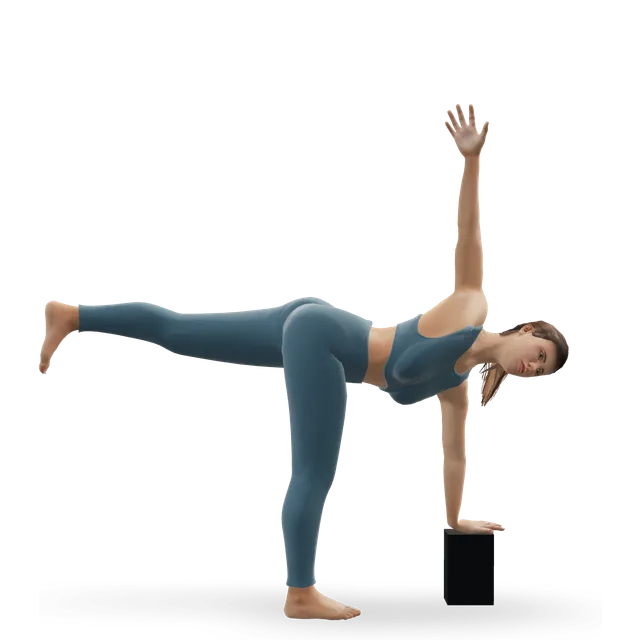 3D demoRevolved half moon pose (Parivrtta Ardha Chandrasana)Advanced · A step
Suggested next step, advanced grade.
Source-researched guide.
How to move
- Stand with your right foot forward and your left foot about a metre behind it, the back toes turned out a little and the hips facing the front. A shorter stance is easier.
- Set a block just outside your right foot, or inside it for an easier version. With straight legs and level hips, hinge forward from your hips with a long spine.
- Bring your left hand to the block and turn your chest to the right, reaching your right arm toward the ceiling.
- Keep your head in line with your spine, looking down or ahead if you feel unsteady. Hold.
- Breathe in to come up, pressing through the back heel, and change sides.
Form cues
- Keep a slight bend in the front knee rather than locking it.
- Press the back heel down, or brace it against a wall.
- Avoid: turning your head further than your chest; the twist belongs to the middle and upper back.
Practice and cautions
Hold 5 to 8 slow breaths each side, 1 to 3 times (our editorial starting point).
Easy to overtwist the low back. Stop at the first pinching sensation, and avoid it with acute disc pain or in pregnancy. With osteoporosis, hinge from the hips with a long back and twist smoothly, only as far as is comfortable; with a high fracture risk or after a spinal fracture, leave it out or twist gently lying on your back instead. This is movement education, not an assessment or treatment prescription. Stop for sharp or increasing pain, dizziness, numbness or tingling; seek individual guidance for symptoms, injury or restrictions.
Sources and review status
Sources support the educational description; they do not establish that this exercise is suitable for you.
- Yoga Journal · Revolved triangle pose (how-to: turn the middle and upper back, not the neck; a narrower stance is easier) ↗
- Yoga Journal · 3 ways to modify revolved triangle (the back heel against a wall; a block beside the front foot) ↗
- Yoga International · How to keep your knees safe in hip-opening poses (the turn must come from the hip; feeling it in the inner knee can mean the meniscus is pinched) ↗
- Brooke-Wavell 2022 · Strong, steady and straight: UK consensus statement on physical activity and exercise for osteoporosis (bend from the hips; twisting should be safe if smooth and comfortable; BJSM) ↗
- Morin 2023 · Canadian osteoporosis guideline: rapid, repetitive, sustained, weighted or end-range twisting or bending may need changing at high fracture risk (CMAJ) ↗
- Osteoporosis Canada 2016 · Too Fit to Fracture booklet: at high risk of a spine fracture, change twisting and bending poses, try a gentle twist on your back, and avoid or change side bending in Pilates ↗
No variation is labeled clinically validated.
What it works
Muscles
Main: Hamstrings, Abs. Also: Glutes, Adductors, Back.
Anatomy: Hamstrings, Biceps femoris, Rectus abdominis, Obliques, Transversus abdominis.
Equipment
A step
Level
Advanced. See the easier and harder options above.
Workouts that use it
Guides that use it
Similar moves
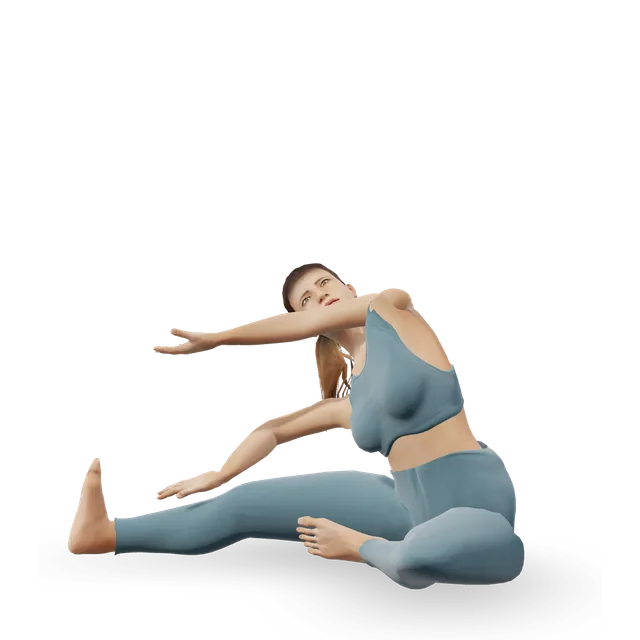 3D demoRevolved head-to-knee pose (Parivrtta Janu Sirsasana)Intermediate · No equipment
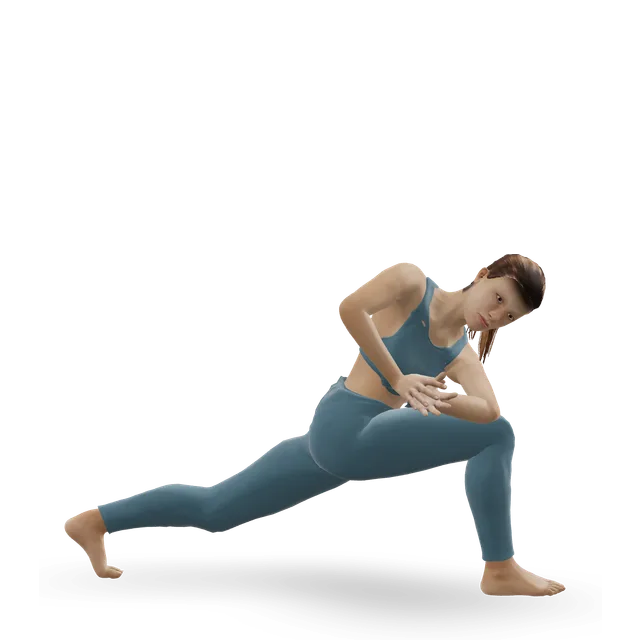 3D demoRevolved side angle (Parivrtta Parsvakonasana)Advanced · No equipment
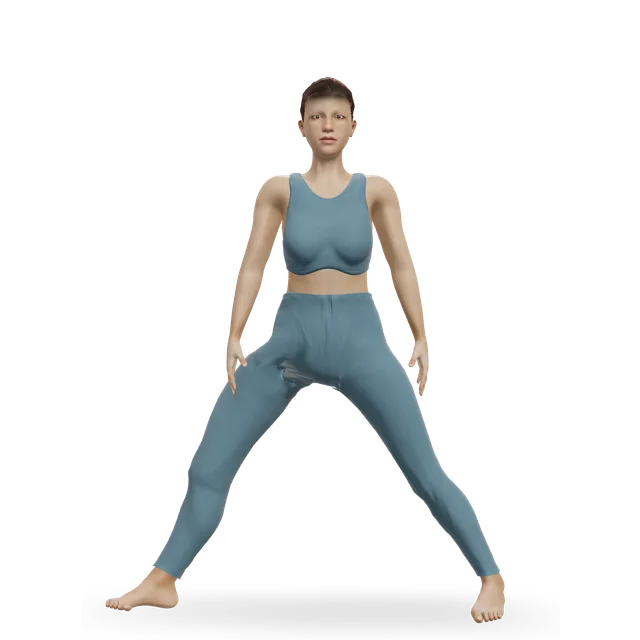 3D demoTriangle pose (Utthita Trikonasana)Intermediate · A step
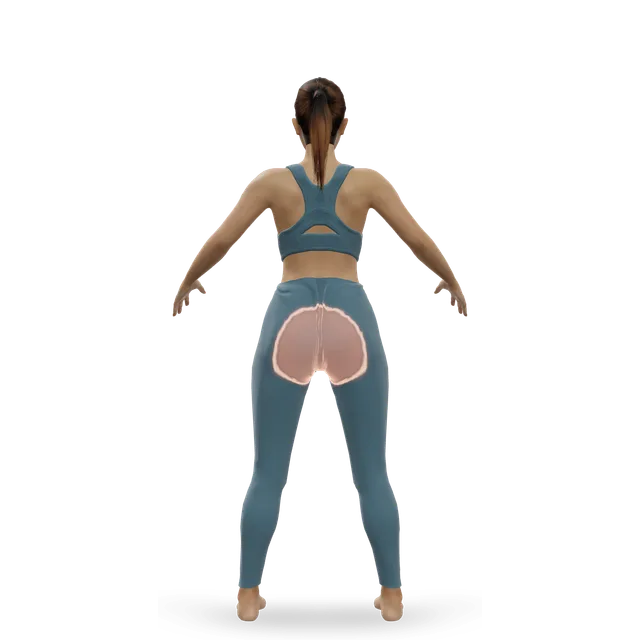 Compass pose (Parivrtta Surya Yantrasana)Advanced · No equipment
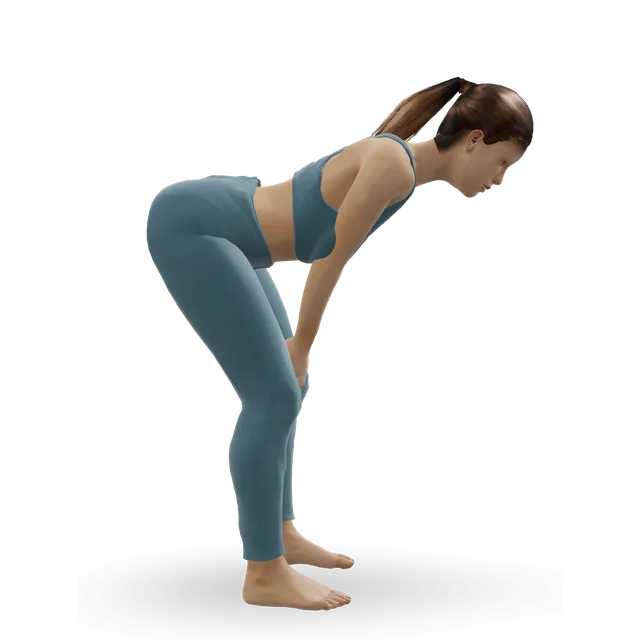 3D demoFlying sword (elastic forward swing)Intermediate · No equipment
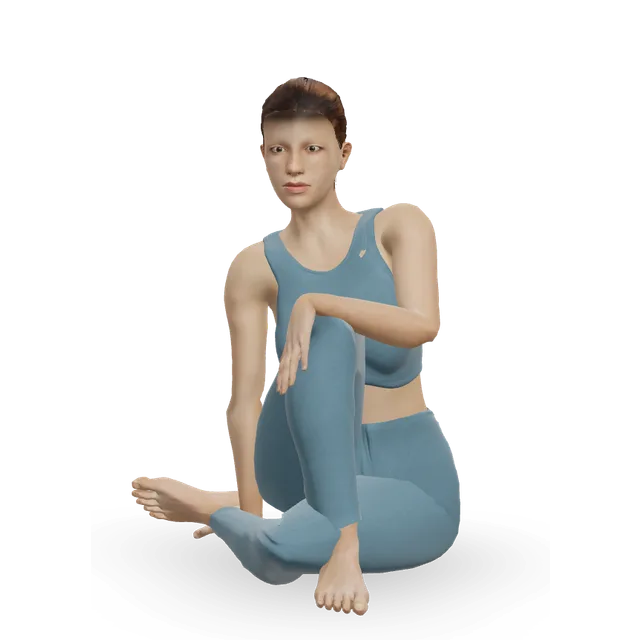 3D demoHalf lord of the fishes (Ardha Matsyendrasana)Intermediate · No equipment
Browse more
Questions people ask
What muscles does the Revolved triangle pose (Parivrtta Trikonasana) work?
Mainly the hamstrings and abs, with help from the glutes, adductors and back.
What equipment do I need for the Revolved triangle pose (Parivrtta Trikonasana)?
A step.
Is the Revolved triangle pose (Parivrtta Trikonasana) good for beginners?
It is an advanced move. Build up to it with the Pyramid pose (Parsvottanasana) first.
What is an easier alternative to the Revolved triangle pose (Parivrtta Trikonasana)?
Try the Pyramid pose (Parsvottanasana) or the Revolved chair pose (Parivrtta Utkatasana). It is the suggested step down from this move.
How do I make the Revolved triangle pose (Parivrtta Trikonasana) harder?
Progress to the Revolved half moon pose (Parivrtta Ardha Chandrasana). Follow that guide’s technique and any stated timing.