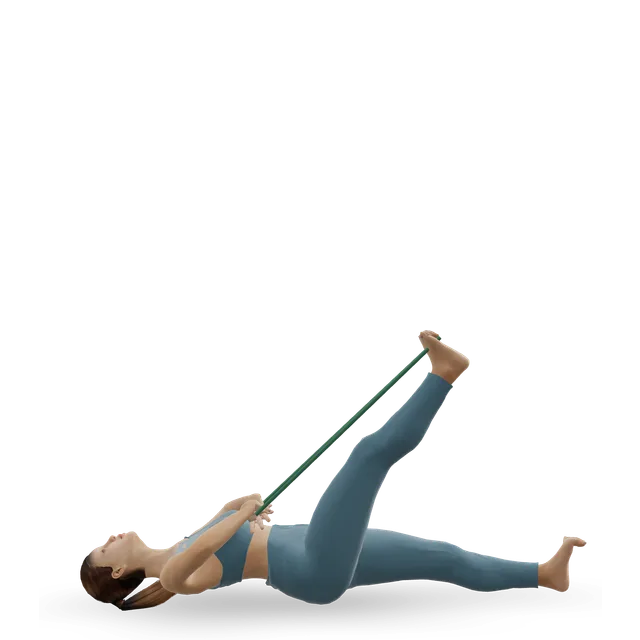
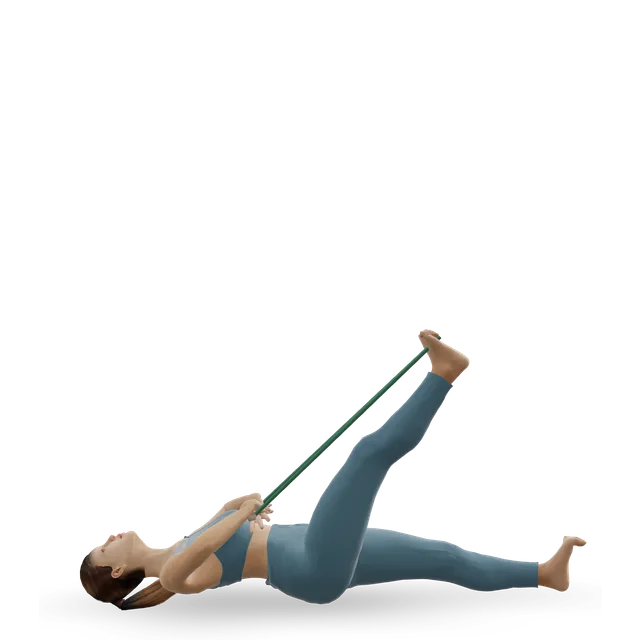
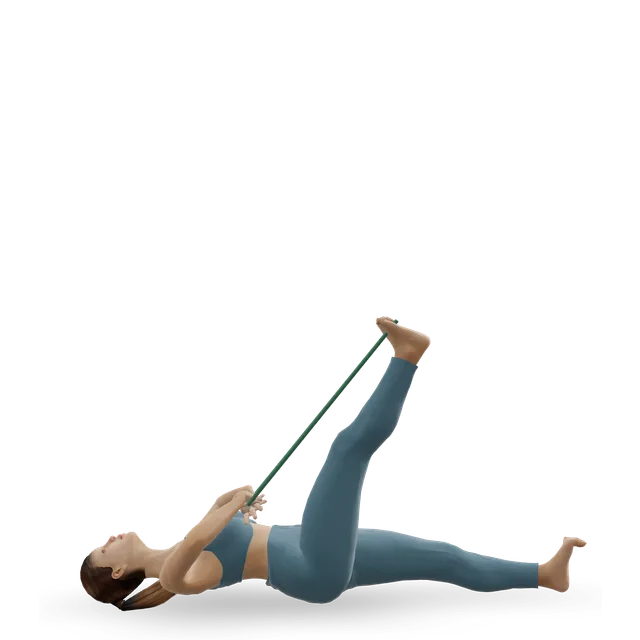
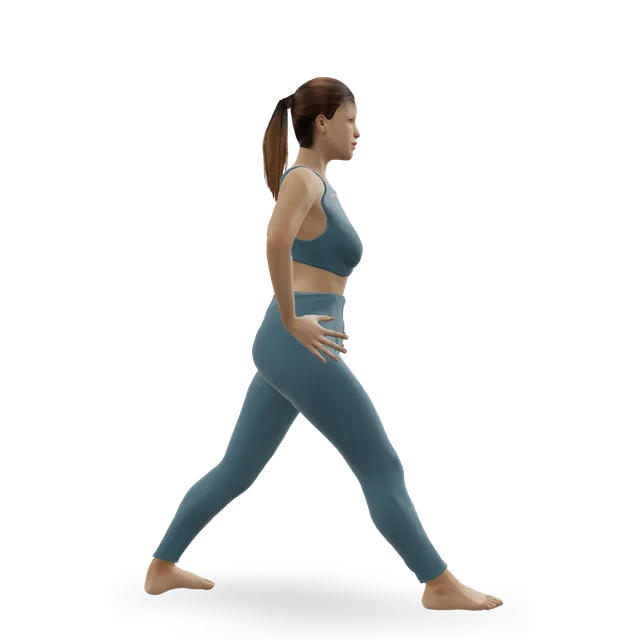
Also called hamstring muscles, back of the thigh muscles
The hamstrings are the muscles at the back of the thigh. Three of them run from the sit bone, past the back of the knee, to the top of the shin: the biceps femoris, semitendinosus and semimembranosus. The biceps femoris has a second, short head that starts on the thigh bone.
They bend the knee and straighten the hip, and in running they work hardest at the end of each swing, braking the lower leg before the foot lands.
Shaded: the hamstrings area. It marks the region, not the exact outline of the hamstrings.
What it does
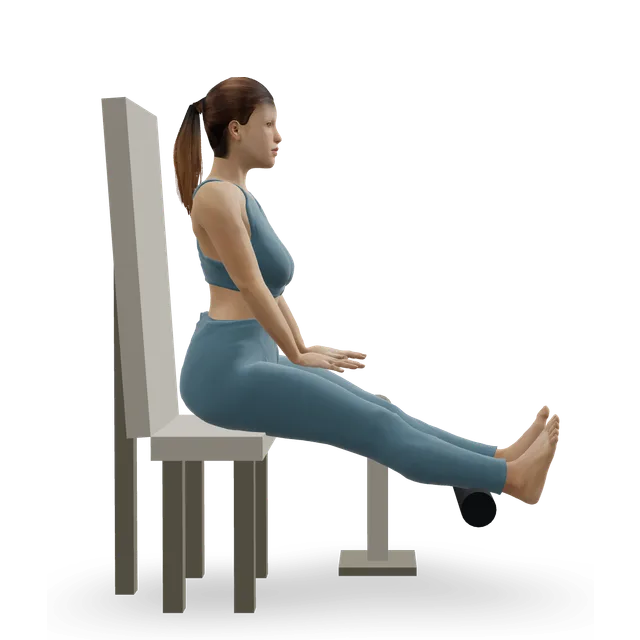
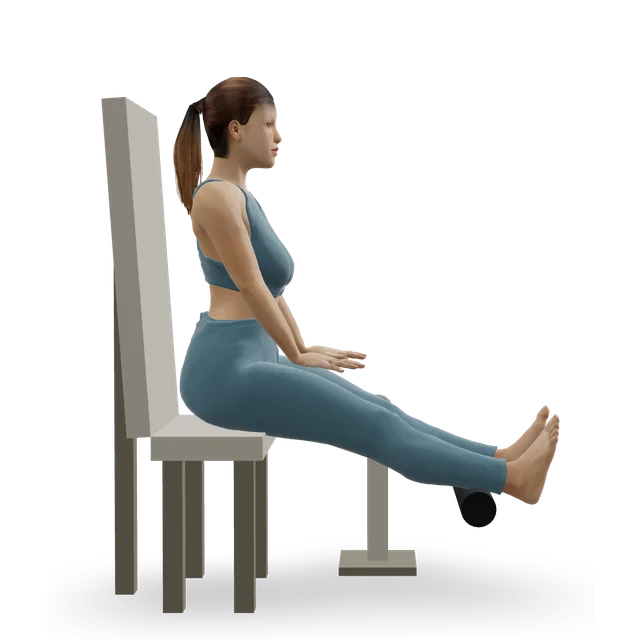
Bend the knee, as in a leg curl.Knee flexion
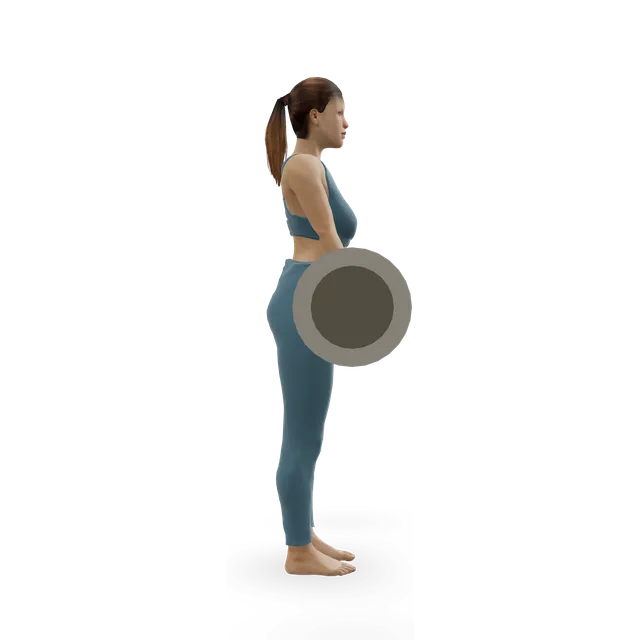
Straighten the hip: rising from a hinge or deadlift, driving the leg back in a sprint.Hip extension
Brake the straightening knee at the end of each running stride.Eccentric deceleration in late swing
With the ACL, stop the shin sliding forward as the heel lands.Dynamic knee stabilisation
Nerve supply
Sciatic nerve: its tibial part supplies all of them except the short head of biceps femoris, which gets the common fibular part. Sources give the roots as L4 to S3 or L4 to S2.
Among the most common injuries in sport: a sharp pain at the back of the thigh, sometimes with a pop. The biceps femoris is injured most often, and about one in three athletes re-injures within a year of returning.
Sprinting injuries usually hit the upper biceps femoris; overstretching injuries (dancing, high kicks) tend to hit the upper semimembranosus tendon and take longer to heal.
Across 25 randomised trials in sport, stretching programmes did not lower injury rates, while strength training cut them to about a third. Stretch for range of motion and comfort, not as injury insurance.
For hamstrings specifically, flexibility training alone has not been shown to reduce re-injury; progressive eccentric strengthening is recommended instead.
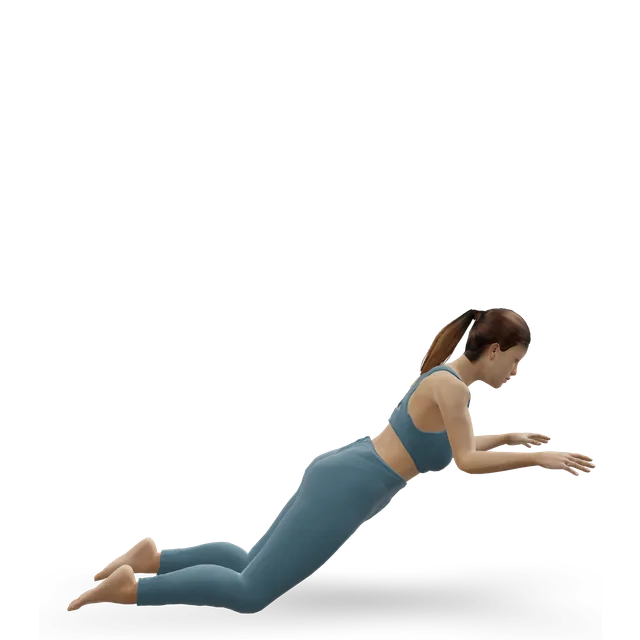
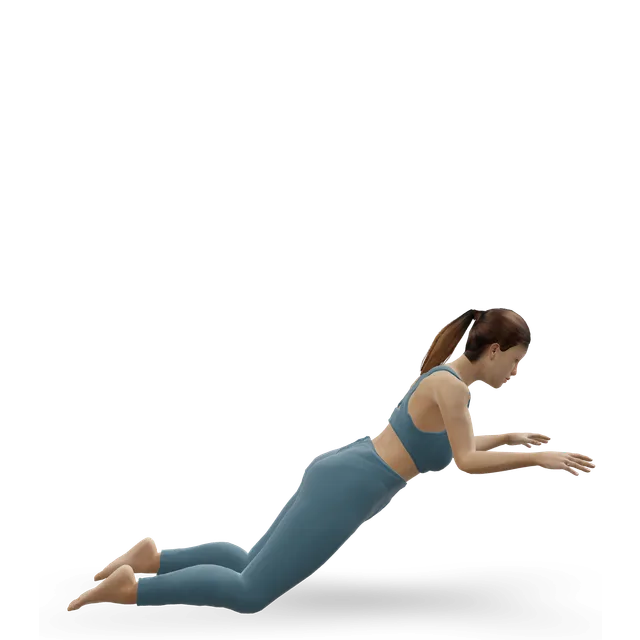
The Nordic curl halves hamstring injuriesMixed evidence
A 2019 meta-analysis reported up to 51% fewer injuries in programmes that included it. A 2021 reappraisal limited to true randomised trials judged the effect inconclusive. It is a hard, useful eccentric exercise; the size of its protective effect is uncertain.
The biceps femoris (long and short heads), semitendinosus and semimembranosus, at the back of the thigh.
What is the best exercise for the hamstrings?
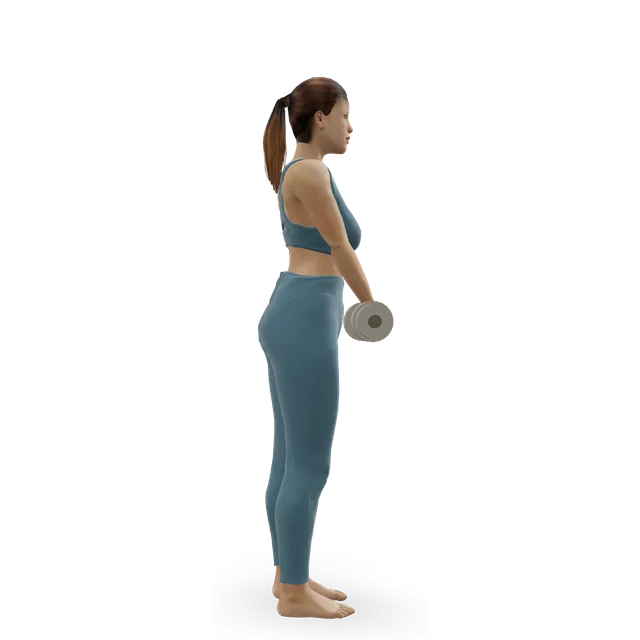
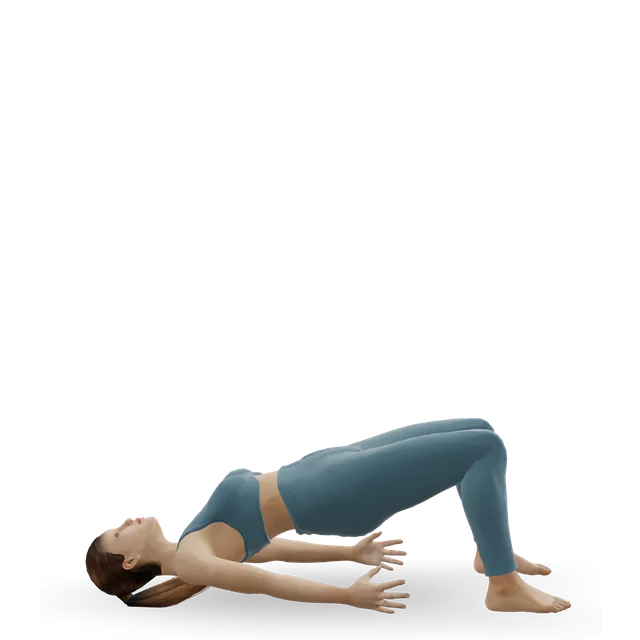
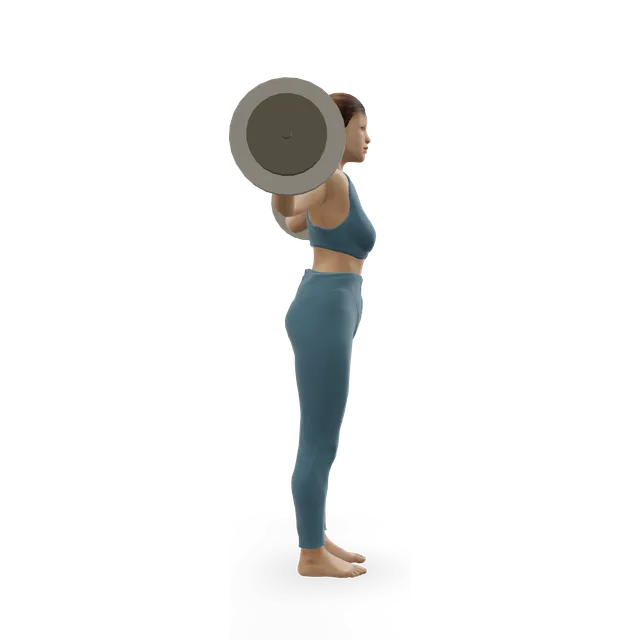
Seated leg curls grew the hamstrings more than lying curls in a 12-week trial. Romanian deadlifts and good mornings work their hip-straightening role, and the Nordic curl is a hard eccentric option.
Does stretching prevent hamstring strains?
Not on its own. Stretching programmes have not lowered injury rates in trials; strength training, especially eccentric work, has a better record.
Which hamstring is injured most often?
The biceps femoris, followed by the semimembranosus and semitendinosus.
Anatomy and movement education, not a diagnosis or treatment plan. If you have pain that follows an injury, is severe or getting worse, or comes with numbness, weakness or swelling, get it assessed. Health disclaimer.