Yoga guide

Yoga for osteoporosis: what it does for bones and balance, the poses to change, and starting safely

Yoga is safe for most people with osteoporosis or osteopenia if you change a few poses, and it helps balance and back strength. It hasn't been shown to build bone: in 11 studies of 591 women, bone density didn't change significantly with yoga or Pilates, and the popular "12 poses" study had no comparison group.

UK experts recommend yoga among balance and strength exercise at least twice a week, alongside strength training, impact and bone medicine where it's needed. The main change is to bend from your hips with a long back, rather than rounding your spine deeply or repeatedly.

This guide covers the evidence for bones, balance and falls, the poses to change and why, what the fracture case reports show and don't, yoga after a spinal fracture and the warning signs. It ends with a free 30-minute class with the swaps built in.

The short version

Safe for most people, with a few swaps

The UK consensus recommends balance and strength exercise, including yoga, at least twice a week. Canada's guideline says yoga can be encouraged "if they can be done safely or modified for safety", in addition to, not instead of, balance, functional and strength training.

Sources 1, 2

It hasn't been shown to build bone

In 11 studies (591 women), bone density didn't change significantly with yoga or Pilates. Bones need strength training and impact, and exercise is "an adjunct rather than an alternative" to bone medicine where it's needed.

Sources 3, 4, 1

Bend from your hips

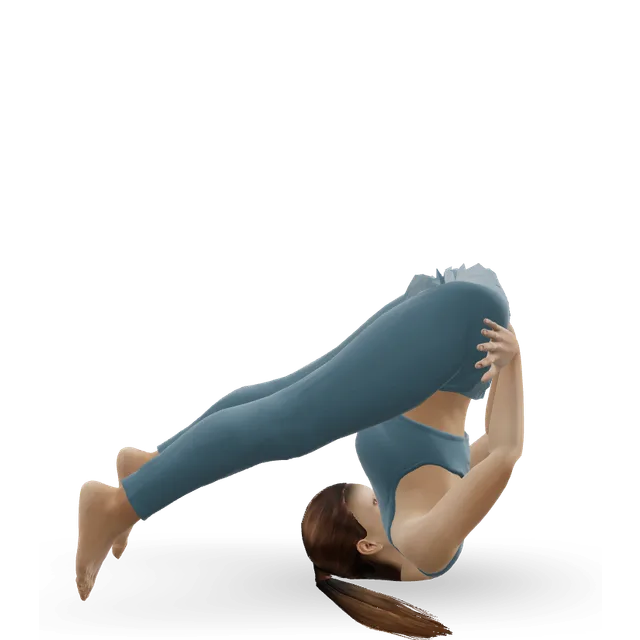
"Movements or exercise that involve sustained, repeated or end-range flexion should be modified or avoided." Fold from the hips with a long back (the hip hinge) instead of deep seated or standing folds, head-to-knee, plough and the full fold in sun salutations.

Sources 1, 5

Twist smoothly

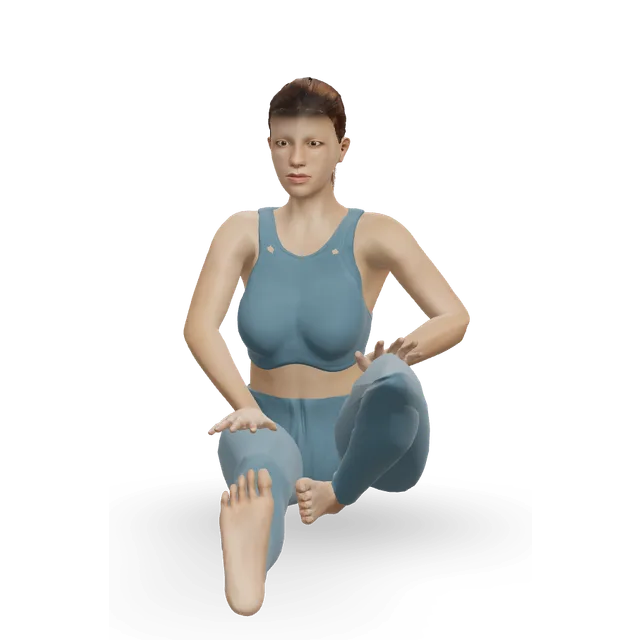
"Rotation (twisting) movements should be safe if performed smoothly and comfortably." If your fracture risk is high, Canada adds limits on fast, held, weighted or end-range twists, and Osteoporosis Canada suggests a gentle twist lying on your back instead of a seated twist.

Sources 1, 2, 6

The fracture reports are real, but rare

Case series describe spinal fractures after yoga with deep forward bending. They show it can happen, not how often, and reviews of exercise in osteoporosis found such fractures rare. That's why the advice is to change those poses, not to stop yoga.

Sources 7, 8, 9

Better balance, but falls prevention isn't proven

Yoga improved balance a little in people over 60, but a UK chair yoga trial found no fewer falls. To prevent falls, do balance-challenging exercise 3 or more times a week.

Sources 10, 11, 12

Osteoporosis, and where yoga fits

Osteoporosis and osteopenia

Osteoporosis makes bones weaker and more likely to break. It "is not usually painful until a bone is broken", and "a cough or sneeze can cause a broken rib or the partial collapse of one of the bones of the spine", the NHS says. Osteopenia is the stage before: bone density lower than average for your age, but not low enough to be called osteoporosis.

Source 13

Spinal fractures

A spinal bone squashes down and heals in its new, compressed shape, usually within about three months, which can mean height loss and a more curved upper back. The Royal Osteoporosis Society lists back pain and a change in body shape among the symptoms, and says not all spinal fractures cause pain.

Sources 14, 5

Why forward rounding is the concern

"Bending forward is generally safe and won't cause a spinal fracture. But you may 'over-flex' your spine if you push yourself to the limit", the Royal Osteoporosis Society says, especially with uncontrolled, repeated, sudden or loaded movement. The direct evidence is thin: one small 1984 study, case series and expert agreement.

Sources 15, 1, 16

What yoga offers, and what it doesn't

Balance and strength work, back-strengthening poses such as locust, a low cobra and the seated upper-back lift, and practice at standing tall. What it doesn't give is the strength training with weights and the moderate impact that load bone: yoga poses produce low forces through the feet.

Sources 1, 17, 18

Where yoga fits

The UK consensus is called "strong, steady and straight": strength training and impact for your bones, balance for falls, and back exercises for posture. The NHS says weight-bearing and resistance exercise are particularly important for bone density. Two or three yoga sessions a week can cover the steady part and some of the straight part, and count towards the UK Chief Medical Officers' advice for adults over 65 to do activities that improve strength, balance and flexibility on at least 2 days a week.

Sources 1, 19, 20

Who this guide is for

Women and men with osteoporosis or osteopenia, with or without a past spinal fracture. If you've been told your fracture risk is high, or you've had a spinal fracture or several broken bones from minor falls, follow the stricter Canadian limits on twists and side bends in the poses section.

Sources 2, 6

What the evidence says

Bone density: not shownMixed evidence

In 11 studies of 591 women aged 45 to 78 (12 to 32 weeks, two of them at least a year), Pilates or yoga didn't change bone density significantly against control. A 2025 review of trials in healthy people found no significant effect in 2 pooled trials, and 8 months of Ashtanga yoga in 34 women aged 35 to 50 didn't change bone density. Canada's guideline: yoga's effects on bone density, falls and fractures "are uncertain".

Sources 3, 4, 21, 2

Mind-body exercise with strength trainingMixed evidence

Across 11 trials of mind-body exercise in women around and after the menopause (tai chi, yoga, Pilates, qigong and others), bone density improved a little. Across 74 trials, mind-body exercise did best for bone when combined with strength training. Neither tested yoga on its own.

Sources 22, 23

The 12-minute studyMixed evidence

The "12 poses" study (2016) asked volunteers recruited online to hold 12 poses for 30 seconds each, daily, from a DVD. It had no comparison group: 227 of 741 volunteers were judged compliant, each person's scans before joining were compared with those after, and the main comparison rested on 72 to 83 people, with 18 to 29 per bone site in the best-documented group. The hip result wasn't significant, practice was self-reported, "Some subjects used the electronic scorecard incorrectly", and the authors called for proper randomised trials.

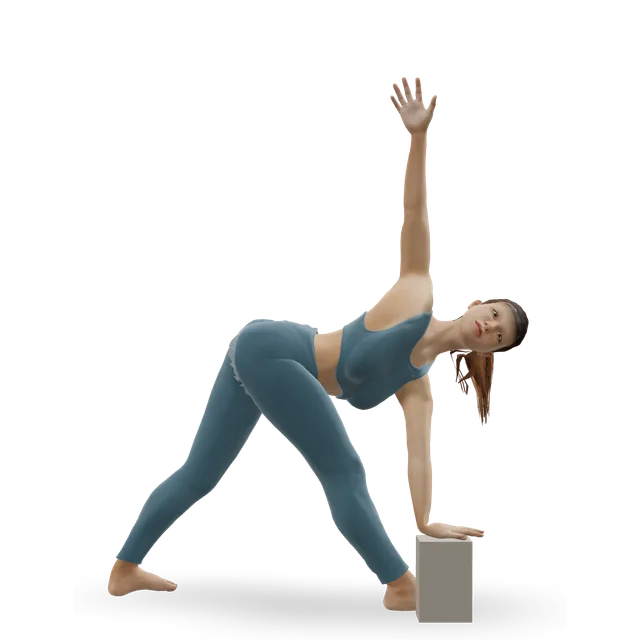
People who sign up for a yoga study and keep it up may differ in other ways, and the paper doesn't describe accounting for bone medicines (our reading of the full text). Its 12 poses include three twisting poses, one of them the revolved triangle. We found no published critique, but the design can't show that yoga raised bone density.

Sources 24, 25

Small studies with no comparison groupMixed evidence

In 30 women with osteoporosis after the menopause, 6 months of yoga poses went with a small change in bone density score (from -2.69 to -2.55), with no comparison group.

Source 26

Yoga loads bone lightlyEmerging evidence

In a lab study of 28 hatha poses, yoga produced low forces through the feet, unlike the moderate impacts the UK consensus recommends for bone. It's one small study.

Sources 18, 1

BalanceEmerging evidence

In 6 trials of 307 people aged 60 and over, yoga improved balance and mobility by a small to moderate amount, and the authors said more research was needed to see whether that prevents falls. In 32 women with osteoporosis, adding 2 minutes of tree pose a day to exercise improved one-leg standing at 6 weeks.

The Royal Osteoporosis Society suggests balance exercise on at least two days a week, and says that in yoga, Pilates, tai chi or dance, "it is best to stand up if you can".

Sources 10, 4, 27, 28

FallsMixed evidence

Yoga hasn't been shown to prevent falls: in a UK trial of chair yoga in 454 people aged 65 and over, falls didn't differ significantly, and in older women yoga's effects on balance, walking and leg strength were inconsistent. Exercise that challenges balance and function cut the rate of falls by about 23% in 108 trials (high certainty), and the world falls guidelines advise it 3 or more times a week.

Sources 11, 29, 30, 12

Fear of fallingEmerging evidence

The world falls guidelines note that "supervised holistic exercise interventions in community settings, such as Pilates or yoga, had the largest effect sizes in reducing concerns about falling".

Source 12

Posture and a curved upper backEmerging evidence

In 118 people aged 60 and over with a curved upper back, an hour of yoga 3 days a week for 24 weeks improved one measure of the curve by 4.4%, but not another measure, physical performance or quality of life. Spine strengthening and posture training reduced the curve by 3 degrees in 99 older adults, and in 50 women, 2 years of back strengthening was followed 8 years later by fractures in 1.6% of spinal bones, against 4.3% without it.

Sources 17, 31, 32

What the guidance says about yogaStrong evidence

UK: "Balance and muscle strength exercise (including activities such as Tai Chi, dance, yoga and Pilates) are recommended at least twice a week to reduce the risk of falls especially in older age", and after a spinal fracture, "Yoga and Pilates and similar exercise programmes should be considered to help with posture and pain". Canada: yoga and Pilates "may improve physical functioning and quality of life in older adults", with uncertain effects on bone density, falls and fractures.

Sources 1, 2

The poses to change, and why

Forward foldsStrong evidence

"Movements or exercise that involve sustained, repeated or end-range flexion should be modified or avoided", and "Any exercise that causes the back to curve excessively especially with an added load should be modified or avoided", the UK consensus says. The Royal Osteoporosis Society names touching your toes among exercises that can put pressure on the spine, and suggests the hip hinge instead.

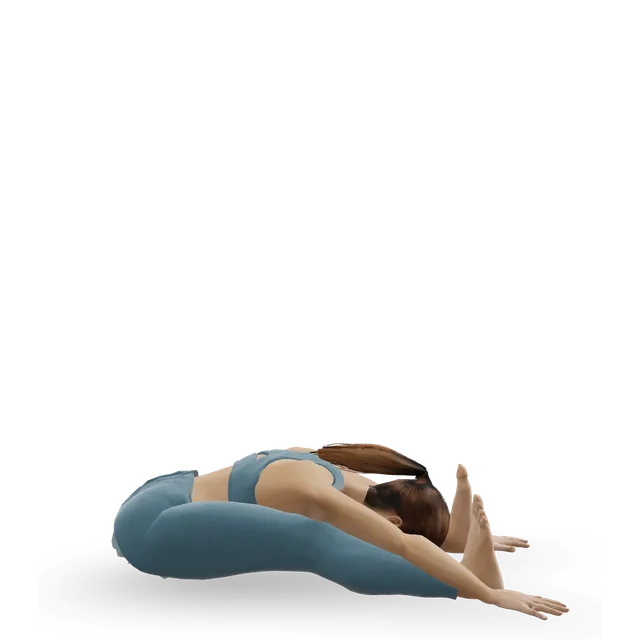
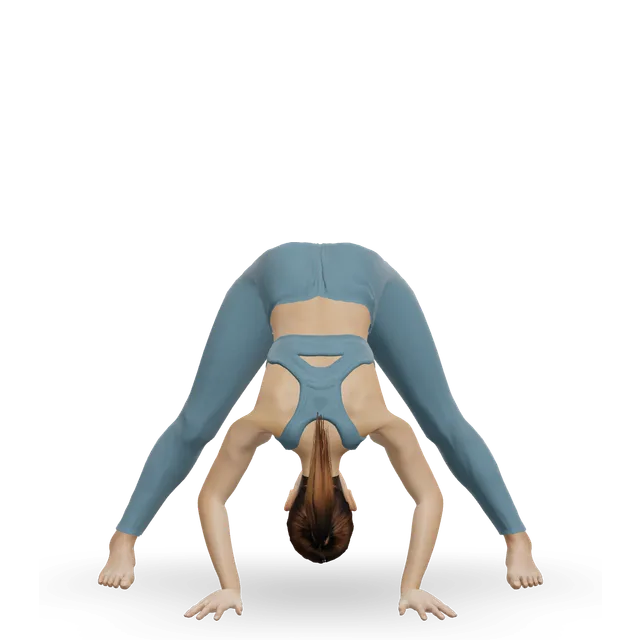
Our swaps: fold from the hips with a long back, or leave out deep forward folds (seated, standing, wide-legged and head-to-knee); in sun salutations, fold only halfway, with a flat back.

Sources 1, 5, 15

TwistsStrong evidence

"Rotation (twisting) movements should be safe if performed smoothly and comfortably", the UK consensus says, and the Royal Osteoporosis Society agrees. If your fracture risk is high, Canada's guideline says twisting or bending that is "rapid, repetitive, sustained, weighted or end range-of-motion" may need to be changed, and Osteoporosis Canada's booklet says "if your class is doing a seated twist, you can do a gentle twist while on your back".

Sources 1, 33, 2, 6

Side bends

Osteoporosis Canada's booklet lists side bending, with forward bending and twisting, among the Pilates moves to avoid or change at high fracture risk. Our suggestion is to treat yoga's side bends the same way: with a high fracture risk, keep triangle, side angle and gate pose small, or leave them out.

Sources 6, 2

Weight on the head and neck

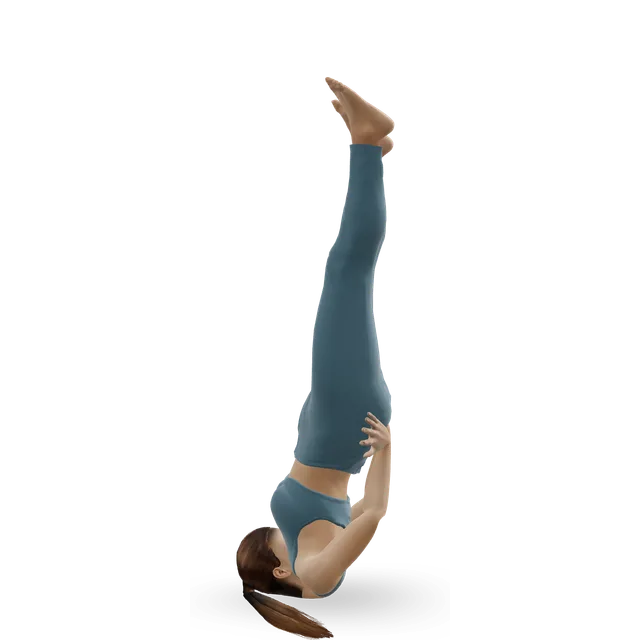
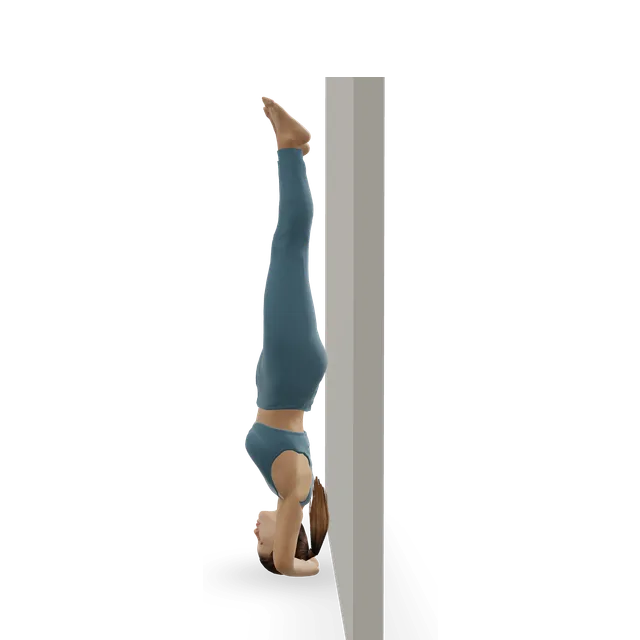
Leave out plough and shoulder stand, as their pages and our yoga for seniors guide advise. Leave out headstand too (our suggestion): headstands and shoulder stands are among the poses most often named in case reports of harm from yoga, and NCCIH (the US National Center for Complementary and Integrative Health) advises anyone new to yoga to avoid them.

Sources 34, 35

Deep backbendsMixed evidence

In one spine clinic's series, yoga injuries came mostly from extreme bending forwards or backwards, and experts writing on adapting yoga for osteoporosis suggest avoiding the end of the range in any direction. Our suggestion: leave out deep backbends such as camel, wheel and bow, and keep a low cobra and locust small and steady.

Sources 8, 36

If you've done these poses for years

The UK consensus says people who are experienced, have a flexible spine and "can manage the movements comfortably and smoothly" may carry on. If you're unsure, or you've had a spinal fracture, use the swaps.

Source 1

How to fold from your hips

The hip hinge fold's page gives 5 slow folds, 3 breaths at the bottom, and says to stop when your back starts to round. The Royal Osteoporosis Society teaches the hip hinge for bending safely.

  1. Stand with your feet hip-width apart and your knees soft.
  2. Rest your hands on your thighs, on blocks or on the back of a chair.
  3. Send your hips back, as if closing a drawer behind you with your bottom, and let your chest come forward with your back long.
  4. Stop when you feel a stretch behind your thighs, or as soon as your back starts to round, and stay for 3 slow breaths.
  5. Press through your feet to come up slowly, keeping your back long.

See the movement on the 3D figure: Hip hinge fold

What the fracture reports show, and don't

What they showMixed evidence

Three healthy people with thin bones developed pain or spinal fractures after yoga poses that bent the spine forwards. In another series, 9 people (8 women, median age 66) had spinal compression fractures from 1 month to 6 years after starting yoga with forward bending, 6 of them in the upper back; 4 had osteoporosis and 2 osteopenia beforehand. Of 89 people treated for yoga injuries at one spine clinic, 13 had compression fractures, mostly linked to extreme bending forwards or backwards.

Sources 37, 7, 8

What they don't showStrong evidence

They can't tell you how often this happens, because nobody counted the people who did the same poses without harm. They come from specialist clinics, which see the people who were hurt. Some people had other causes of weak bones, such as a parathyroid problem, high-dose steroids or earlier fractures. And they can't prove the pose broke the bone, rather than revealing a fracture waiting to happen.

Reviews of exercise in osteoporosis judged spinal fractures from bending moves, such as some yoga poses and sit-ups, rare, and a review for Osteoporosis Canada rated the evidence on yoga in people at risk of fracture as very low certainty.

Sources 7, 9, 38, 34

What it means for your practice

Change the poses with deep, repeated or loaded forward rounding, as the guidance says, rather than stopping yoga. A review in a yoga therapy journal says the same, and warns against one routine for everyone.

Sources 1, 39

The 12-minute study's safety claimMixed evidence

It reported "no reported or X-ray detected fractures or serious injuries" in more than 90,000 hours of practice, but this rests on what a self-selected group reported, with incomplete follow-up (our reading of the full text).

Source 24

After a spinal fracture

What the UK consensus saysStrong evidence

"Yoga and Pilates and similar exercise programmes should be considered to help with posture and pain through teaching form, alignment and muscle strength and relaxation." Classes should, if possible, be led by an instructor trained to work with older people or people with osteoporosis, and back exercises are suggested daily, repeated 3 to 5 times and held for 3 to 5 seconds.

Source 1

Get advice first

See a physiotherapist first if your spinal fractures are causing pain and other symptoms, the Royal Osteoporosis Society says. Wait until the bone has healed, which can take up to three months, before building up strength exercise, but keep moving while it heals.

Sources 5, 14

What the trials showMixed evidence

In a Cochrane review, exercise after a spinal fracture probably sped up a walking test (the timed up and go) by about a second, not a change people would notice, and its effects on fractures and falls are unknown. In a pilot of mindfulness and physiotherapist-led "medical yoga" in 20 women aged 60 and over, 15 finished, with better sleep, stress and social life but not pain, and no harms reported.

Sources 40, 41

Finding a teacher

In England and Wales, the British Wheel of Yoga is the national governing body for yoga and accredits teacher training; in the US, Yoga Alliance registers schools whose standard 200-hour training covers techniques, anatomy and teaching practice. Neither makes a teacher an osteoporosis specialist, so ask about their experience (our suggestion). NCCIH advises practising "under the guidance of a qualified instructor".

Sources 42, 43, 35

Starting safely, and how much

How much

The UK consensus: balance and strength exercise at least twice a week. The NHS lists yoga among muscle-strengthening activities for adults, alongside 150 minutes of moderate activity a week. Our editorial starting point: our 30-minute class, or a class with the swaps, 2 or 3 times a week, plus strength training on 2 or 3 days and, if you haven't had spinal fractures, about 50 impacts such as heel drops on most days, as our osteoporosis exercise guide sets out.

Sources 1, 20, 44, 45, 2

Back-strengthening holds

The UK consensus suggests back exercises repeated 3 to 5 times and held for 3 to 5 seconds. Our seated upper-back lift page gives 3 to 5 repetitions, each held 3 to 5 seconds, at least twice a week; locust and a low cobra work the same muscles lying down.

Source 1

Keep taking your bone medicine

Exercise "should be viewed as an adjunct rather than an alternative to pharmaceutical treatment where this is indicated". Never stop or change a bone medicine because you've started yoga; talk to your GP.

Source 1

Getting down and up, and balance poses

Osteoporosis Canada suggests keeping a wall or support nearby for balance poses. To get up from the floor, roll onto your side and push up with your arms rather than sitting straight up (our suggestion, as in our Pilates for osteoporosis workout).

Source 6

If you leak when you jump

The UK consensus notes that leaking urine can get in the way of impact exercise, and treating it may come first. Our pelvic floor guides cover the exercises.

Source 1

Back strength

Seated upper-back lift: 3 to 5 repetitions, each held 3 to 5 seconds, at least twice a week (the move's page, from the UK consensus). Low cobra: 5 lifts held 3 to 5 seconds; locust: 3 to 5 lifts held 3 to 5 seconds; bird dog, one limb at a time: 5 each arm and leg, holding 3 to 5 seconds; sphinx: 2 holds of 3 to 5 breaths (our yoga for posture class). Y-T-W raises: 5 of each letter (our kyphosis exercises for seniors).

Standing strength and balance

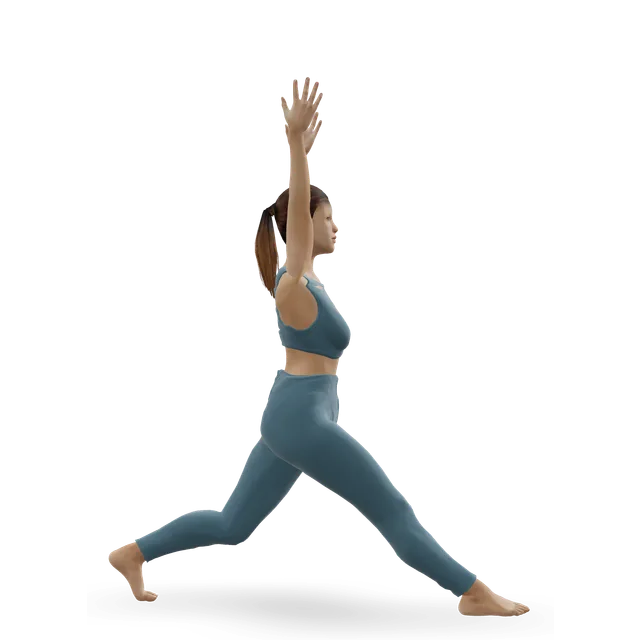
Mountain pose: 5 to 10 slow breaths, 2 or 3 times (the move's page). Chair pose: 3 holds of 5 breaths; warrior II and high lunge: 5 breaths each side; tree pose: 3 to 5 breaths each side, twice, fingertips on a wall; tandem stance: 30 seconds each way round, then 10 steps; sit to stand: 8 to 10 slow stands (our yoga for balance class). Single-leg stand: 2 holds of 20 to 30 seconds each leg, beside a wall (our Pilates for osteoporosis workout).

Bend and twist the safe way

Hip hinge fold: 5 slow folds, 3 breaths at the bottom, stopping when your back starts to round (the move's page). Seated twist: 5 each side with 5-second holds, smooth and comfortable (our chair yoga class). Lying twist: 45 seconds each side, smoothly, both shoulders down (our yoga for menopause class). Cat-cow: 5 or 6 slow rounds, keeping the rounding small; pelvic tilt into bridge: 6 to 8 slow reps, lifting only part of the way (our Pilates for osteoporosis workout).

Poses to change or leave out

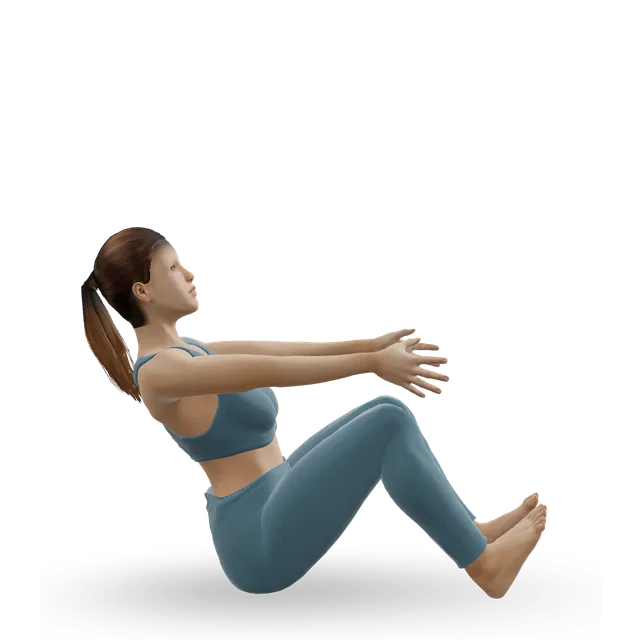
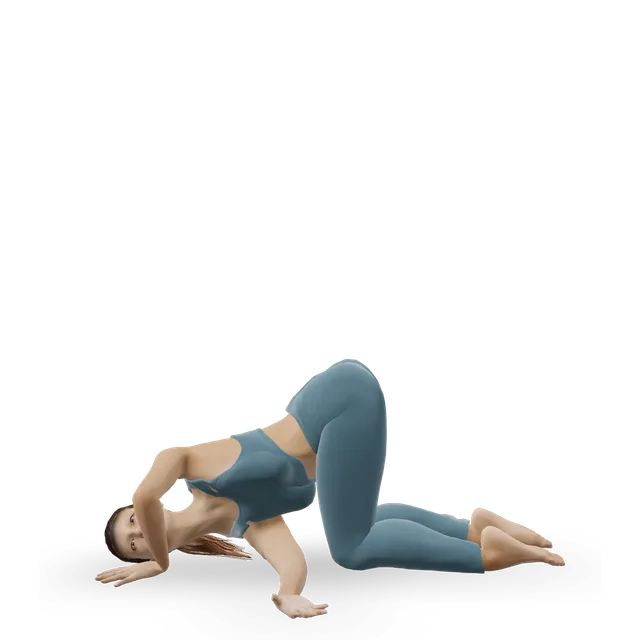
Deep forward folds (seated, standing, wide-legged and head-to-knee): fold from the hips with a long back, or leave them out. Sun salutations: fold only halfway, with a flat back. Plough, shoulder stand and headstand: leave them out. Boat pose: keep the knees bent and the back long. Revolved triangle and seated twists: smooth and comfortable; with a high fracture risk, twist gently lying on your back instead (Canadian advice). These follow our yoga for seniors swaps and each pose's page.

For your bones, outside the class

Heel drops: 20 to 30 drops at first, building toward about 50 impacts on most days (the move's page, from the UK consensus). With spinal fractures or several broken bones from minor falls, keep them gentle or march instead. Our bone-strengthening workout adds the strength training.

Free classes and routines

Our 30-minute class 2 or 3 times a week, plus the bone-strengthening workout on 2 or 3 days. The Pilates for osteoporosis, yoga for posture, yoga for balance and yoga for menopause classes already use the swaps; the chair yoga class avoids rounding under load. After a spinal fracture, start with the kyphosis routine and a physiotherapist's advice.

Yoga for osteoporosis: a 30-minute class with the safe swaps built in

A 30-minute yoga class for osteoporosis: standing strength, balance at a wall, back-strengthening holds and hip hinges in place of deep forward folds.

30 minBeginner19 movesA bench or box, A wall

Pilates for osteoporosis: a mat class with safe swaps

A 25-minute Pilates workout for osteoporosis and osteopenia: the Royal Osteoporosis Society's swaps for rounding moves, plus back strength and balance.

25 minBeginner16 movesA wall, A bench or box

Yoga for posture: a 25-minute back-strengthening practice

Twenty-five minutes of back-strengthening yoga for posture: arm and leg reaches, face-down back lifts and standing poses with the arms raised.

25 minBeginner15 movesNo equipment

Yoga for balance: a 30-minute standing class, from steady to moving

Thirty minutes of standing yoga for balance: strong standing poses, one-leg poses at the wall, and side steps, backward steps, reaches and sit-to-stands.

30 minBeginner16 movesA wall, A bench or box

Yoga for menopause: a 35-minute practice for strength, balance and winding down

Thirty-five minutes of standing strength, balance, back strengthening and a long relaxation for the menopause, with no deep forward folds or shoulder stands.

35 minBeginner15 movesFirm cushion

Chair yoga for seniors

A free 20-minute chair yoga class for older adults: slow breathing, gentle seated stretches and twists, standing poses holding the chair, and a calm finish.

20 minBeginner18 movesA bench or box, Something with weight

Kyphosis exercises for seniors: a spine-strengthening routine

A 30-minute routine for a rounded upper back in later life, built from the SHEAF trial: floor back-strengthening, posture practice and gentle mobility.

30 minBeginner13 movesA bench or box, A wall

Bone-strengthening workout

Impact, strength and balance for stronger bones, following UK osteoporosis consensus advice, with options for every level.

40 minBeginner14 movesA kettlebell, Other / check instructions

Strength and balance workout

Strength and balance in one session: squats, Romanian deadlifts, push-ups, rows, step-ups, back extensions, carries and single-leg balance.

45 minBeginner14 movesA wall, A dumbbell

Balance exercises routine

Balance practice in 10 minutes: tandem stance, single-leg stands, marches, heel walks, tree pose and floor transfers.

10 minBeginner7 movesA wall, A bench or box

When to stop and see a GP

These follow the NHS, the Royal Osteoporosis Society and our osteoporosis exercise guide. A&E means accident and emergency. In the US, call 911 for 999.

Stop and call 999

Call 999 for either of these:

  • Chest pain that feels tight or like squeezing, or spreads to your arms, neck or jaw, especially with breathlessness, sweating or feeling sick.
  • After a fall: a possible injury to your head, neck, back or hip, or you cannot get up.

Sources 46, 47

Stop and see your GP soon (or call NHS 111 if you are worried)

Get advice soon for any of these:

  • Sudden new back pain, often after a bend, lift, cough or minor fall, or new height loss or a change in the curve of your upper back. These can be signs of a spinal fracture, and not all spinal fractures hurt.
  • You've had a fall, or you're worried about your balance.
  • You've broken a bone in a minor fall: ask your GP about checking your bone health. Doctors can work out your future risk of breaking a bone with tools such as FRAX, and our osteoporosis exercise guide explains the checks.
  • Leaking urine when you jump or land: a pelvic health physiotherapist can help.

Sources 5, 13, 47, 1

Stop for today

Stop the session for any of these:

  • Feeling sick, dizzy or light-headed, very breathless, clammy or sweaty, chest tightness, or any pain.
  • Strain in your back while lifting: put the weight down, then lighten the load or change your technique.

Source 5

What is normal

Some stiffness or soreness for a few days after new movements.

Source 5

Get advice before you start if…

These change what is right for you:

  • You have had a spinal fracture or several low-trauma fractures: see a physiotherapist, at least at the start.
  • You have a new fracture: wait until the bone has healed, which can take up to 3 months, before building up strength work, but keep moving.
  • You leak urine on impact: treat that first with pelvic floor training.
  • You want to lift heavy: learn the lifts with a physiotherapist or qualified instructor first.

Sources 1, 5

Back pain that needs urgent help

Ask for an urgent GP appointment or call 111 for back pain with feeling hot, cold, shivery or generally unwell, or severe pain that starts suddenly or gets worse quickly. Call 999 or go to A&E for back pain with pain, tingling, weakness or numbness in both legs, loss of feeling around your genitals or bottom, changes in your bladder or bowels, changes in how your genitals feel during sex, chest pain, or after a serious accident.

Source 48

During yoga

Stop any pose that brings on sudden back or rib pain, and don't push through pain in a fold, twist or backbend. Sudden new back pain after a bend, lift, cough or minor fall needs a GP (our suggestions).

Myths

"Yoga reverses osteoporosis"Mixed evidence

Controlled studies found no significant change in bone density, and the 12-minute study had no comparison group. Strength training, impact and bone medicine do the bone work.

Sources 3, 4, 21, 24, 49

"Forward folds are good for a weak spine"Strong evidence

The UK consensus asks you to modify or avoid sustained, repeated or end-range rounding of the spine, the Royal Osteoporosis Society names touching your toes among moves that can put pressure on the spine, and case series link deep forward bending in yoga with spinal fractures. Bend from the hips instead.

Sources 1, 5, 7, 8

"12 poses for 12 minutes a day will raise your bone density"Mixed evidence

The study had no comparison group, 227 of 741 volunteers were judged compliant, the numbers per bone site were small and the hip result wasn't significant.

Source 24

"With osteoporosis you must never twist"Strong evidence

"Rotation (twisting) movements should be safe if performed smoothly and comfortably." Canada adds limits on fast, held, weighted or end-range twists at high fracture risk.

Sources 1, 33, 2

"With osteoporosis you should avoid yoga"Strong evidence

The UK consensus recommends yoga among balance and strength activities, and for posture and pain after a spinal fracture, and Canada encourages it if it's done safely or modified for safety.

Sources 1, 2
"Yoga is weight-bearing, so it strengthens bone like walking or jumping"Emerging evidence

Yoga poses produce low forces through the feet, unlike the moderate impacts the UK consensus recommends for bone.

Sources 18, 1

"Yoga prevents falls"Mixed evidence

Yoga improves balance a little, but a UK chair yoga trial found no fewer falls. Balance-challenging exercise 3 or more times a week prevents falls.

Sources 10, 11, 30, 12

Questions people ask

Is yoga safe if I have osteoporosis?

Yes, with some changes. The UK consensus recommends yoga among balance and strength exercise, at least twice a week. Bend from your hips rather than rounding, twist smoothly, and leave out plough and shoulder stand.

Can yoga increase bone density?

It hasn't been shown to: controlled studies found no significant change. For bone, add strength training and impact, and take bone medicine if it's been prescribed.

Which yoga poses should I avoid with osteoporosis?

Deep or repeated forward folds (seated, standing, wide-legged and head-to-knee), the full fold in sun salutations, plough and shoulder stand: fold from the hips with a long back instead. Keep twists smooth, and if your fracture risk is high, keep twists and side bends small.

Do the 12 yoga poses for osteoporosis work?

The study behind them had no comparison group, and its results rest on small numbers of volunteers. Its standing poses are fine; keep the twists smooth and small, and don't use the routine in place of strength training or medicine.

Can yoga cause a spinal fracture?

Rarely. Case reports describe spinal fractures after deep forward bending in yoga, mostly in people with thin bones; they show it can happen, not how often, and reviews judge such fractures rare. That's why the advice is to change those poses, not to stop yoga.

Is yoga good for osteopenia?

Yes, with the same approach: yoga for balance and back strength, and strength training and impact for bone. Use the same swaps for deep forward folds.

Can I do yoga after a spinal compression fracture?

Yes, once you're able, ideally with a teacher trained to work with osteoporosis: the UK consensus says yoga and Pilates should be considered to help with posture and pain. See a physiotherapist first if it still hurts, and let the fracture heal, which can take up to about 3 months, before building up strength work.

Is chair yoga good for osteoporosis?

It's a gentle start, and our chair yoga class avoids rounding under load. Standing poses holding a chair train balance better than sitting.

Does yoga prevent falls?

It improves balance a little, but it hasn't been shown to prevent falls. To lower your risk, do balance-challenging exercise 3 or more times a week.

Is yoga or Pilates better for osteoporosis?

Neither has been shown to build bone. Both fit the advice if you use the swaps, and our Pilates for osteoporosis guide covers the Pilates version.

When should I see a GP?

Sudden new back pain after a bend, lift, cough or minor fall, or new height loss or a change in the curve of your upper back, can be signs of a spinal fracture: see your GP. Not all spinal fractures hurt.

Sources

  1. Brooke-Wavell 2022 · Strong, steady and straight: UK consensus statement on physical activity and exercise for osteoporosis (BJSM; full text read)
  2. Morin 2023 · Clinical practice guideline for osteoporosis and fracture prevention in Canada: 2023 update (CMAJ; full text read)
  3. Fernández-Rodríguez 2021 · Pilates and yoga for bone density in adult women: 11 studies, 591 women (systematic review and meta-analysis, PLoS One)
  4. Bajaj 2025 · Yoga, balance, falls and bone in healthy people: 18 trials (systematic review, Osteoporos Int)
  5. Royal Osteoporosis Society · How to exercise safely for bones (reviewed June 2026)
  6. Osteoporosis Canada 2016 · Too fit to fracture: managing osteoporosis through exercise (booklet)
  7. Sfeir 2018 · Spinal compression fractures associated with yoga: 9 people (case series, Eur J Phys Rehabil Med; abstract read)
  8. Lee 2019 · Soft tissue and bone injuries attributed to yoga: 89 people at one spine clinic (case series, Mayo Clin Proc; abstract read)
  9. Kunutsor 2018 · Harms of physical activity and exercise in osteoporosis and osteopenia (systematic review, J Frailty Sarcopenia Falls)
  10. Youkhana 2016 · Yoga for balance and mobility in people aged 60 and over: 6 trials, 307 people (systematic review and meta-analysis, Age Ageing)
  11. Tew 2024 · Chair yoga for older adults with several long-term conditions: 454 people (randomised trial, Health Technol Assess)
  12. Montero-Odasso 2022 · World guidelines for falls prevention and management for older adults (guideline, Age Ageing; sections read in full)
  13. NHS · Osteoporosis (past its review date: reviewed October 2022, review due October 2025)
  14. Royal Osteoporosis Society · Spinal fractures (vertebral fractures) (past its review date: reviewed April 2022, review due April 2025)
  15. Royal Osteoporosis Society · Bending forward (past its review date: reviewed February 2019, review due February 2022)
  16. Sinaki 1984 · Flexion or extension exercises in 59 women with spinal osteoporosis (non-randomised study, Arch Phys Med Rehabil)
  17. Greendale 2009 · Yoga for a curved upper back: 118 people aged 60 and over (randomised trial, J Am Geriatr Soc)
  18. Wilcox 2012 · Ground reaction forces in 28 hatha yoga postures (lab study, Int J Exerc Sci)
  19. NHS · Osteoporosis: prevention (past its review date: reviewed October 2022, review due October 2025)
  20. UK Chief Medical Officers · Physical activity guidelines (Department of Health and Social Care, updated July 2026)
  21. Kim 2015 · Eight months of Ashtanga-based yoga and bone in 34 women aged 35 to 50 (randomised trial, J Sports Sci Med)
  22. Xu 2024 · Mind-body exercise in women around and after the menopause: 11 trials (systematic review and meta-analysis, Menopause)
  23. Zhou 2026 · Types of exercise and bone density after the menopause: 74 trials (network meta-analysis, J Sport Health Sci)
  24. Lu 2016 · Twelve minutes of daily yoga and bone density in 227 volunteers (study with no comparison group, Top Geriatr Rehabil; full text read)
  25. PubMed and Europe PMC · Searches for the 12-minute yoga study and its senior author's papers: 7 and 9 records, no published critique (26 October 2026)
  26. Motorwala 2016 · Yoga poses and bone in 30 women with osteoporosis after the menopause (study with no comparison group, Int J Yoga)
  27. Solakoglu 2022 · Tree pose for balance in 32 women with osteoporosis (randomised trial, Am J Phys Med Rehabil)
  28. Royal Osteoporosis Society · Exercise to help your balance (reviewed June 2026)
  29. Huang 2025 · Yoga and fall-related physical function in older women (systematic review, Healthcare)
  30. Sherrington 2019 · Exercise to prevent falls in older people living in the community: 108 trials (Cochrane review)
  31. Katzman 2017 · Spine strengthening and posture training for a curved upper back: 99 older adults, the SHEAF trial (randomised trial, Osteoporos Int)
  32. Sinaki 2002 · Stronger back muscles and spinal fractures 10 years on: 50 women (follow-up of a randomised trial, Bone)
  33. Royal Osteoporosis Society · Protecting your back (past its review date: reviewed February 2019, review due February 2022)
  34. Cramer 2013 · Harms linked to yoga: 76 people in 35 case reports and 2 case series (systematic review, PLoS One)
  35. NCCIH 2023 · Yoga: effectiveness and safety (US National Center for Complementary and Integrative Health)
  36. McArthur 2016 · Suggestions for adapting yoga to older adults with osteoporosis (expert commentary, J Altern Complement Med)
  37. Sinaki 2013 · Yoga flexion poses and spinal fractures in osteopenia or osteoporosis: 3 people (case series, Pain Pract; abstract read)
  38. Kim 2022 · Yoga in people at risk of fractures: health outcomes and harms (systematic review for Osteoporosis Canada, Appl Physiol Nutr Metab)

  39. Smith 2013 · Yoga, spinal fractures and osteoporosis: research and recommendations (narrative review, Int J Yoga Therap)
  40. Gibbs 2019 · Exercise after a spinal fracture from osteoporosis (Cochrane review)
  41. Grahn Kronhed 2020 · Mindfulness and medical yoga after a spinal fracture: 20 women aged 60 and over (pilot study, J Altern Complement Med)
  42. British Wheel of Yoga · About us (the national governing body for yoga in England and Wales)
  43. Yoga Alliance · Registered Yoga School credentials (200-hour teacher training standards)
  44. NHS · Physical activity guidelines for adults aged 19 to 64 (last reviewed May 2024)
  45. NHS · Physical activity guidelines for older adults (last reviewed August 2024)
  46. NHS · Heart attack (last reviewed March 2026)
  47. NHS · Falls (last reviewed March 2025)
  48. NHS · Back pain (last reviewed March 2026)
  49. PubMed · Search for yoga and osteoporosis, osteopenia, bone density or bone health: 69 records, none a controlled study showing yoga reversing osteoporosis or preventing fractures (26 October 2026)

Exercise education, not a personal prescription, and clinical review of these guides is pending. If you are pregnant, have a health condition such as glaucoma, high blood pressure or osteoporosis, or have had recent surgery, check with a doctor, midwife or physiotherapist before starting, and stop for sharp or increasing pain. Health disclaimer.