Yoga flows
Yoga for posture: a 25-minute back-strengthening practice
A 25-minute yoga practice for posture that does what the research says changes it: strengthening the muscles along your back and between your shoulder blades, rather than only stretching. It follows the shape of the one yoga trial for a rounded upper back: on your back and on all fours first, then face-down back lifts, then standing poses with your arms raised. Exercise changes posture only a little, and it can't straighten bones that have fractured or grown wedge-shaped, but it builds the muscles that hold you upright.
Settle
- Beginner · 3D demoLie on your back with your knees bent. Breathe in through your nose for about 4 and out for about 6Easier: Breath reachHarder: Crocodile breathing (prone diaphragmatic breathing)

Wake up the spine
- Lying chin tuck5 holds of up to 10 sBeginner · Neck · 3D demoStill on your back, nod gently so the back of your neck lengthens; your head stays restingHarder: Chin tuck
- Cat-cow8 wavesBeginner · Back, Abs · 3D demoOn all fours, slower than feels natural. With osteoporosis, keep the rounding smallHarder: Half lord of the fishes (Ardha Matsyendrasana)
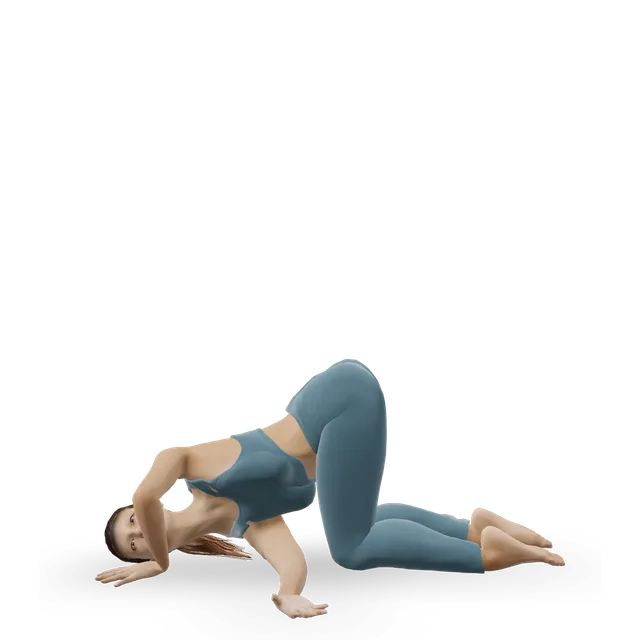
- Thread the needle (Parivrtta Balasana)About 5 slow breaths each sideBeginner · Back, Shoulders · 3D demoSlide one arm under the other and rest your shoulder and the side of your head down. Ease off if your neck complainsEasier: Side-lying open bookHarder: World's greatest stretch


Back strength
- Bird dog, one limb at a time5 each arm and leg, holding 3 to 5 sBeginner · Abs, Back, Glutes · 3D demoReach long rather than high. Move on to the full bird dog, one arm and the opposite leg, when you're steadyEasier: Side-lying tummy draw-inHarder: Bird dog
- Sphinx pose (Salamba Bhujangasana)2 holds of 3 to 5 breathsBeginner · Back, Abs, Chest · 3D demoOn your forearms, elbows under your shoulders. Lengthen forward through the top of your headHarder: Cobra pose (Bhujangasana)
- Low cobra (Bhujangasana)5 lifts, held 3 to 5 sBeginner · Back, Chest, Shoulders · 3D demoLift with your back, not your arms, hands barely pressing. Rest your forehead on your hands between liftsEasier: Sphinx pose (Salamba Bhujangasana)Harder: Cobra pose (Bhujangasana)
- Locust pose (Salabhasana)3 to 5 lifts, held 3 to 5 sBeginner · Back, Glutes, Hamstrings · 3D demoArms by your sides at first; when that's easy, reach them forward. Neck long, eyes down. Lower if your low back pinchesEasier: Seated upper-back lift (sit tall, shoulders back)Harder: One-legged bow (half locust)




Stand tall
- Mountain pose (Tadasana)5 to 10 slow breathsBeginner · Calves, Back, Abs · 3D demoWeight even on both feet; let the crown of your head riseHarder: Tree pose (Vrksasana)
- Breath reach5 breathsBeginner · 3D demoArms float up as you breathe in and down on a longer breath outHarder: Slow breathing (6 breaths a minute)
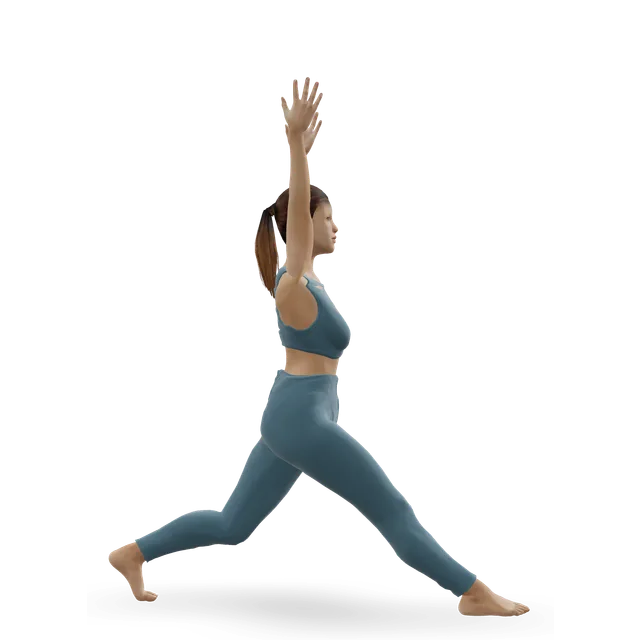
- High lunge (crescent lunge, Ashta Chandrasana)3 to 5 breaths each sideIntermediate · Quads, Glutes, Hip flexors · 3D demoBack knee down if you wobble. Arms up by your ears, or lower if your shoulders or neck complainEasier: Low lunge (Anjaneyasana)Harder: Warrior III (Virabhadrasana III)
- Chair pose (Utkatasana)3 holds of 5 breathsBeginner · Quads, Glutes, Shoulders · 3D demoSit back as if onto a tall stool, chest lifted, arms forward or upHarder: Revolved chair pose (Parivrtta Utkatasana)
- Tree pose (Vrksasana)3 to 5 breaths each sideBeginner · Glutes, Hip abductors, Calves · 3D demoA hand near a wall. Rest your foot on your ankle or calf, never pressed into the side of your kneeEasier: Mountain pose (Tadasana)Harder: Standing hand-to-big-toe pose (Utthita Hasta Padangusthasana)




Finish
- Glute bridge8 to 10 slow liftsBeginner · Glutes, Hamstrings, Abs · 3D demoBreathe out as you lift, and stop before your ribs flareEasier: Pelvic tilt into bridgeHarder: Single-leg glute bridge


Tips
- Do it 2 or 3 times a week. In trials, strengthening exercises changed posture a little, and stretching on its own didn't.
- Hold each back lift for 3 to 5 seconds and lower slowly: that's the dose the UK osteoporosis consensus suggests for back-strengthening exercises.
- With osteoporosis or a past spinal fracture, keep the rounding in cat-cow small, and leave deep forward folds, plough and shoulder stand out of other classes.
- Change position often through the day. Physiotherapists say there's no perfect posture: your best posture is your next one.
- New hunching or height loss, especially after 50, after the menopause or if you take steroids, needs a GP: it can be a sign of a spinal fracture.
- Stop a back lift if it sends pain, tingling or numbness down a leg.
The doses are suggested starting points, not a prescription. Choose a range you can control and stop for sharp or increasing pain, numbness or tingling. Get individual advice after an injury or surgery, or if you are pregnant or managing a health condition.
Guides that recommend it
Find more moves like these
More yoga flows
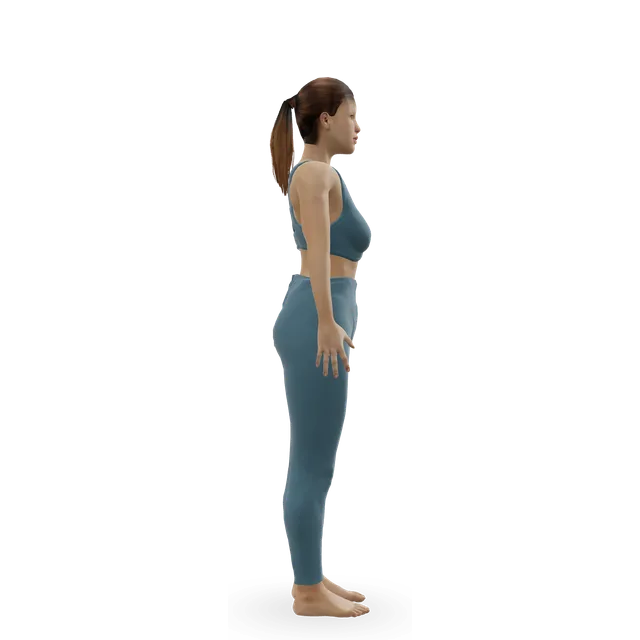
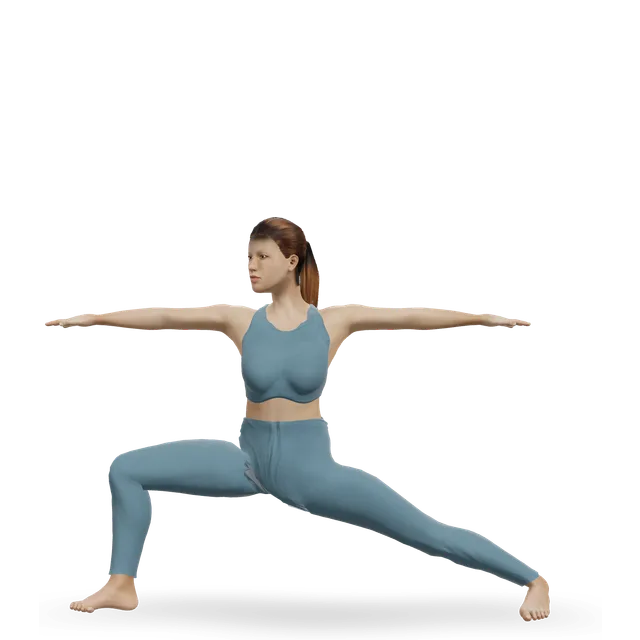
Beginner yoga flow
A 20-minute beginner yoga sequence: mountain, chair, warrior II, triangle, tree, down dog, cobra and child's pose.
20 minBeginner11 movesA step
Sun salutation flow
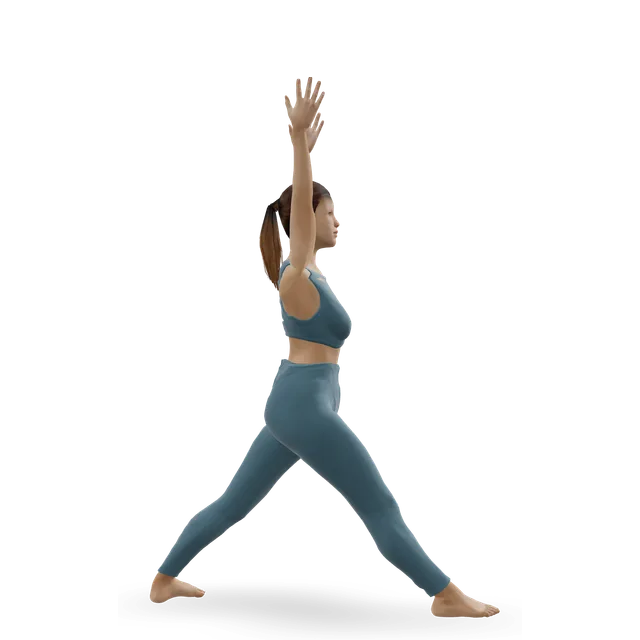
A 20-minute flow built on sun salutations A and B, with warrior poses and a short cool-down.
20 minIntermediate8 movesNo equipment
Yoga for tight hips
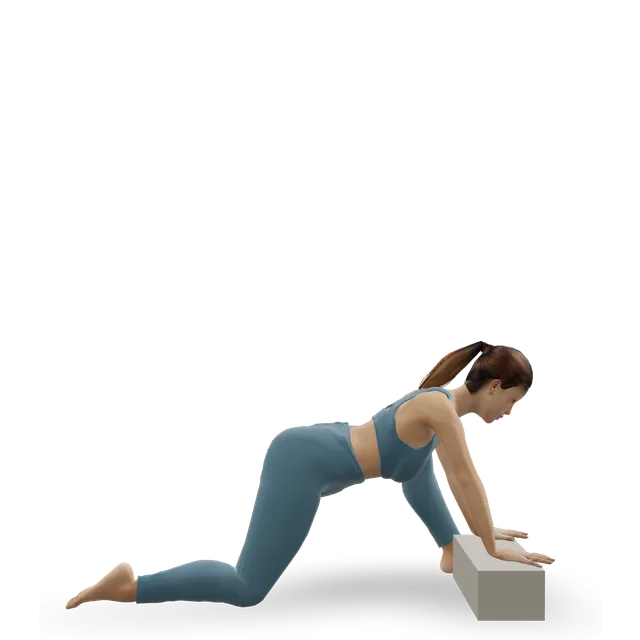
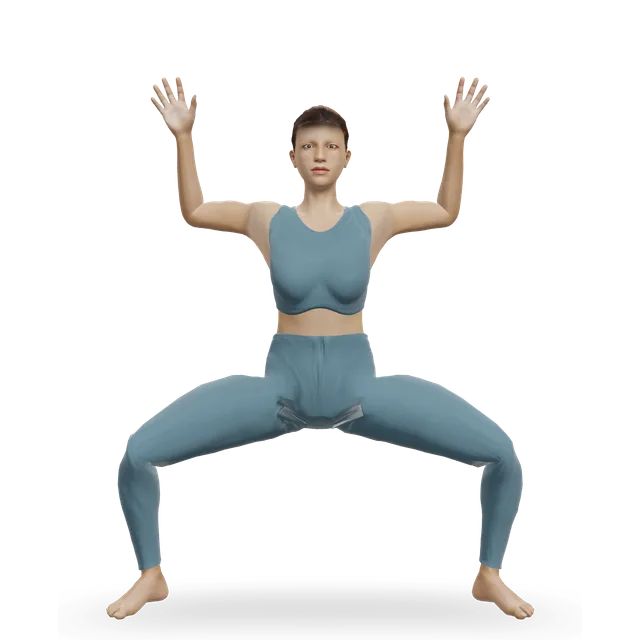
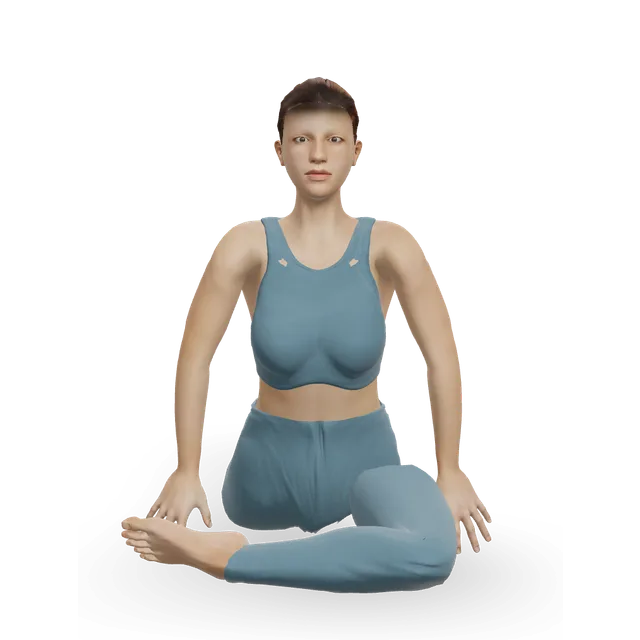
A hip-opening yoga sequence: low lunge, lizard, goddess, pigeon, bound angle and happy baby.
20 minBeginner7 movesNo equipmentQuestions people ask
How long does the yoga for posture: a 25-minute back-strengthening practice take?
About 25 minutes, including any warm-up and cool-down listed. Shorten it by doing fewer rounds; lengthen it by adding one.
What equipment do I need?
No equipment: your body and some floor space. A mat makes floor work more comfortable.
Is it suitable for beginners?
It is written for beginners. 8 of its 15 moves have an easier option listed beside them if you need one.
How do I make it easier or harder?
Use the easier or harder option listed under each move, change the number of rounds, or adjust the rest. Progress one change at a time.